In California, pregnant employees are protected by state and federal laws that guarantee maternity leave, job protection, and benefits. Learn your legal rights now.
By Shubhra Mishra — a mom of two who turned her own confusion during pregnancy into BumpBites, a global mission to make food choices clear, safe, and stress-free for every expecting mother. 💛
Check whether any food is safe during pregnancy with the BumpBites Food Safety Checker.
Quick take: In California, you’re entitled to up to 12 weeks of job‑protected leave for pregnancy‑related disability (PDL) and up to another 12 weeks for bonding under the California Family Rights Act (CFRA) or Paid Family Leave (PFL). Most of the time the leave is paid through State Disability Insurance (SDI) and PFL, and the law protects you whether you’re full‑time, part‑time, or a freelancer. If you’re unsure about eligibility, start the SDI claim early and talk to your HR or a labor attorney.
It’s 3 a.m., you’ve just felt that first kick, and a wave of questions floods your mind: “Will I still have a job when I return? Can I afford to take time off? What if I’m a part‑timer?” You’re not alone. Every year thousands of expecting parents in California wrestle with the same worries, and the state’s robust leave laws are designed to answer them. Below we break down everything you need to know about pregnancy maternity leave in California – from eligibility and pay to breastfeeding accommodations and what to do when you’re ready to go back to work.
We’ll walk through the two core statutes – Pregnancy Disability Leave (PDL) and the California Family Rights Act (CFRA) – and explain how they intersect with State Disability Insurance (SDI) and Paid Family Leave (PFL). You’ll learn how the rules differ for full‑time staff, part‑time employees, freelancers, and even government workers. By the end, you’ll have a clear action plan so you can focus on your growing family instead of paperwork.
California maternity leave laws for pregnant employees
California law gives pregnant workers two distinct layers of protection. First, Pregnancy Disability Leave (PDL) covers the time you’re medically unable to work because of pregnancy, childbirth, or a related complication. Second, the California Family Rights Act (CFRA) provides up to 12 weeks of bonding leave for you and your partner, regardless of the reason for the initial disability leave.
Both statutes apply to employers with five or more employees, which includes most private companies, public agencies, and many nonprofit organizations. If you work for a small business with fewer than five staff, you’re still covered by PDL, but CFRA may not apply – you’ll then rely on the federal Family and Medical Leave Act (FMLA) if the employer meets its criteria.
What does PDL actually guarantee?
Up to 4 weeks of leave for a normal pregnancy and delivery; up to 6 weeks for a cesarean or complicated birth.
Job protection – you must be reinstated to the same or a comparable position.
Continuation of group health benefits during leave, under the same terms as when you were working.
Eligibility for State Disability Insurance (SDI) benefits, which provide partial wage replacement.
How does CFRA add to PDL?
After you’ve used PDL, CFRA lets you take an additional 12 weeks of bonding leave for the first 12 months after your child’s birth (or placement, for adoptive families). CFRA’s job‑protection clause is identical to PDL’s, and the law also requires the employer to keep your health insurance active during the leave.
Importantly, CFRA and PDL run consecutively, not concurrently. That means a mother who takes the full 6 weeks of PDL for a C‑section can still have 12 weeks of CFRA bonding leave after the disability period ends.
How long is maternity leave in California for first‑time mothers?
First‑time mothers often wonder whether “first‑time” changes the amount of leave they can take. The answer is: the length of leave is the same regardless of parity, but the medical timeline may be slightly different.
On average, a first‑time pregnancy may involve a longer recovery because the body has never experienced labor before. PDL still caps at 4 weeks for a vaginal delivery and 6 weeks for a C‑section, but many obstetricians recommend the full allowance to avoid complications. After PDL, you’re eligible for the full 12 weeks of CFRA bonding leave.
In practice, a typical timeline looks like this:
Leave type
Maximum duration
When it starts
Pay source
Pregnancy Disability Leave (PDL)
4 weeks (vaginal) / 6 weeks (C‑section)
When your doctor certifies you’re unable to work
State Disability Insurance (SDI)
California Family Rights Act (CFRA) bonding
12 weeks
After PDL ends
Paid Family Leave (PFL) or unpaid
Because SDI and PFL are both administered by the California Employment Development Department (EDD), you’ll often file two separate claims but receive payments that run back‑to‑back, creating a near‑continuous stream of income for up to 18 weeks in many cases.
Pregnancy disability leave California eligibility and benefits
Eligibility for PDL is straightforward: you must be a pregnant employee who is unable to perform your essential job functions due to a pregnancy‑related condition. The law does not require a minimum number of work hours, so part‑time workers, seasonal staff, and freelancers who meet the “employee” definition under state law are covered.
To claim SDI benefits, you’ll need to:
Notify your employer as soon as you know you’ll need leave (ideally 30 days early).
Obtain a medical certification from your OB‑GYN or midwife confirming the disability period.
Complete the SDI claim form (available online at EDD’s website) within 49 days of your disability start date.
Submit any required wage statements and supporting documentation.
SDI replaces about 60‑70 % of your weekly earnings, up to a maximum weekly benefit (as of 2024, $1,600). The benefit period mirrors the certified disability duration, and payments begin within two weeks of claim approval.
For complications such as pre‑eclampsia, premature labor, or medically indicated bed rest, the disability period can extend beyond the standard 4‑6 weeks. Your doctor’s certification will dictate the length, and SDI will continue to pay as long as the certification remains valid.
California family leave act for new parents and adoptive parents
CFRA isn’t just for birth mothers. Adoptive parents, foster parents, and same‑sex couples are all covered under the same 12‑week bonding provision. The key difference is that the “disability” trigger isn’t required for adoptive families – the 12 weeks can start as soon as the child is placed with you, as long as your employer is covered by CFRA.
When you’re an adoptive parent, the steps look like this:
Provide documentation of the adoption or foster placement to your HR department.
Request CFRA bonding leave; the employer must grant it within 30 days.
If you also need time off for the adoption process itself (e.g., court appearances), you may use accrued vacation or unpaid leave, but the bonding weeks start after the child’s arrival.
Both parents can share the 12 weeks, or one parent can take the full time. California’s Paid Family Leave (PFL) program, which we’ll discuss next, can provide partial wage replacement for up to 8 weeks of bonding for either parent.
Maternity leave pay in California and temporary disability benefits
California is one of the few states that offers paid leave through two separate programs: State Disability Insurance (SDI) for pregnancy‑related disability and Paid Family Leave (PFL) for bonding. Together they can cover most of the financial gap during the first months after birth.
Here’s how the payment flow typically works:
SDI (pregnancy disability): You receive a weekly benefit of roughly 60‑70 % of your pre‑leave earnings for the PDL period (up to the weekly cap). Payments are made bi‑weekly.
PFL (bonding): After SDI ends, you can claim PFL for up to 8 weeks of bonding. The benefit amount is the same percentage of wages as SDI, but the weekly maximum is slightly lower (about $1,400 as of 2024).
Employer‑provided top‑up: Some companies offer supplemental “top‑up” pay that bridges the gap between your regular salary and the SDI/PFL amount. This is not required by law but is a common perk in the tech and healthcare sectors.
The combined effect can provide roughly 4‑5 months of partially paid leave for many families. Keep in mind that SDI benefits are taxable, and you’ll receive a W‑2 form at year‑end to reconcile the income.
California maternity leave rights for part‑time employees and freelancers
Part‑time workers often assume they’re excluded from leave benefits, but California law treats them the same as full‑time employees for PDL. To qualify for SDI, you must have earned at least $300 in wages during a “base period” (the first four of the last five completed quarters). Most part‑time workers meet this threshold.
Freelancers and independent contractors, however, are not covered by PDL because they are not “employees” under state law. They can still apply for SDI if they have elected to pay into the program as a self‑employed individual. The EDD allows self‑employed Californians to contribute to the State Disability Insurance program and receive benefits for pregnancy‑related disability, provided they meet the earnings and contribution requirements.
For CFRA bonding, part‑time employees at covered employers are eligible as long as they have worked at least 1,250 hours in the 12 months preceding the leave request. Freelancers must rely on PFL (which is available to all California workers who have paid SDI taxes), but the bonding period is limited to the 8 weeks of PFL benefits.
Returning to work after maternity leave in California employee rights
When your leave ends, California law guarantees a smooth transition back to your job. Your employer must reinstate you to the same position, or to a comparable one with equivalent pay, benefits, and working conditions. If you return to a different role, you have the right to request a reasonable accommodation (e.g., a private lactation space or a modified schedule) under the California Fair Employment and Housing Act (FEHA).
Here are the steps you should follow:
Notify your employer at least 30 days before your intended return date. Confirm the exact date and any needed accommodations.
Ask for a written confirmation of your reinstated position and any changes to benefits.
If you need a lactation room, request it in writing. California law requires employers with 25 or more employees to provide a private, non‑bathroom space for nursing or pumping.
Know your rights if you experience retaliation. FEHA prohibits any adverse action (like reduced hours or demotion) because you took protected leave.
Many employers also offer “return‑to‑work” programs that include flexible scheduling, remote‑work options, or phased‑in hours. These are not mandatory, but they can be negotiated as a reasonable accommodation.
Plan your return early – a simple notebook can help you track accommodations and timelines.
California paid family leave for new mothers and fathers
Paid Family Leave (PFL) is a state‑wide program that gives up to 8 weeks of partial wage replacement for bonding with a new child. Both mothers and fathers (including same‑sex partners) can claim PFL, and the benefits are not tied to the employer’s size.
To qualify, you must have contributed to SDI for at least 12 months and have earned $300 or more in a base period. The claim process mirrors SDI: you submit a PFL claim online, attach a birth certificate (or adoption paperwork), and the EDD processes the payment.
Many families split the 8 weeks between parents, or one parent may take the full period while the other returns to work. Because PFL benefits are lower than a regular salary, some employers supplement the payment with “top‑up” policies, but that varies by company.
California maternity leave laws for government employees
State and local government workers are covered by both PDL and CFRA, but they also have additional protections under the California Government Code. For example, state employees receive a “pregnancy leave” of up to 12 weeks of paid leave under the California State Disability Insurance (SDI) program, and then an additional 12 weeks of unpaid CFRA bonding.
Many agencies, such as the Department of Corrections or the University of California system, offer their own supplemental “salary continuation” programs that provide a higher percentage of pay during leave. Check your agency’s employee handbook for specific top‑up policies, as they can differ widely.
California maternity leave and breastfeeding rights in the workplace
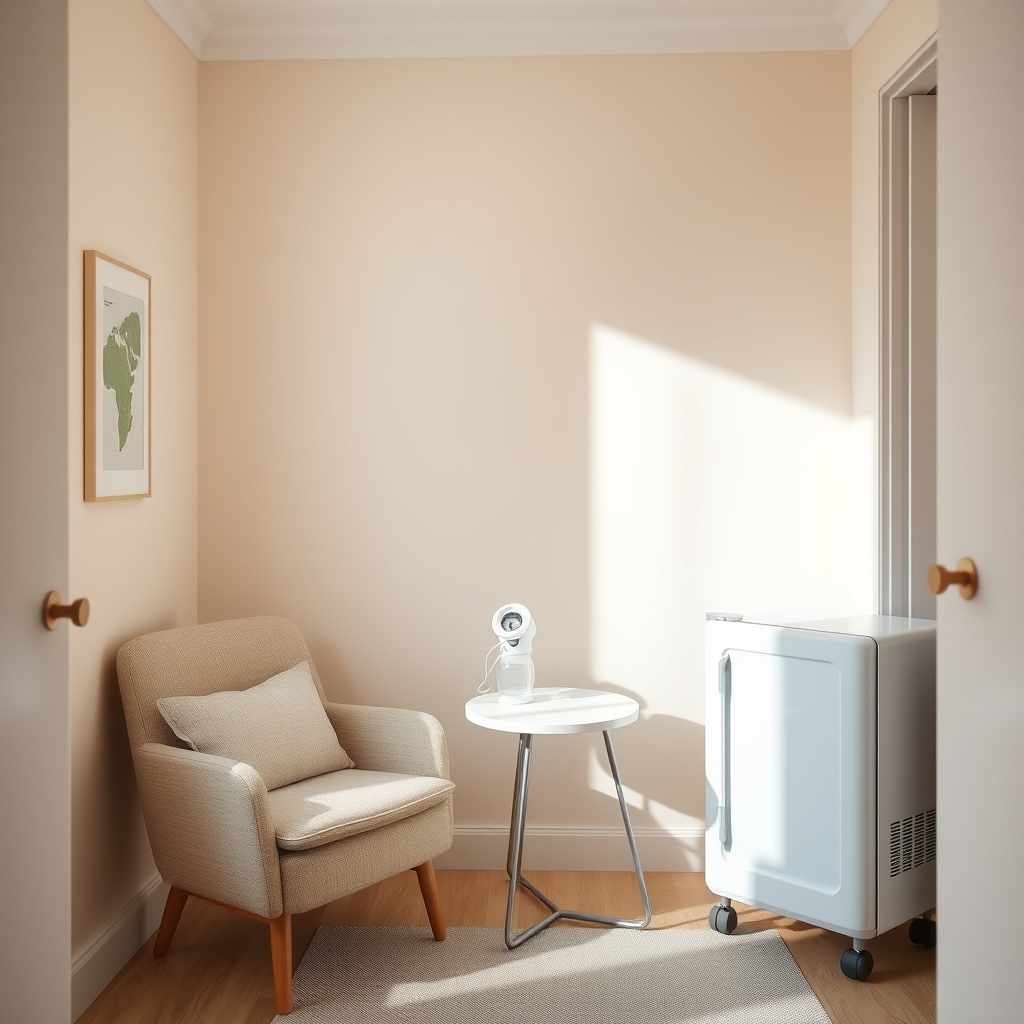
California law goes beyond federal requirements by mandating a private, non‑bathroom lactation space for any employer with 25 or more employees. The space must be clean, shielded from view, and equipped with a power outlet, a table, and a comfortable chair.
Employees can pump at work as often as needed, and the employer must provide reasonable break time – typically the same amount of time as a paid break – for milk expression. If you need to store milk, you can use a refrigerator in the lactation area or a personal cooler.
Many mothers find it helpful to bring a portable breast pump and a cooler bag to work. If you’re a part‑time employee, the same rights apply, but you should discuss scheduling to ensure you have sufficient break time.
California requires a private lactation space for workplaces with 25+ employees.
Pregnancy and maternity leave discrimination in California workplaces
Discrimination based on pregnancy, childbirth, or related medical conditions is illegal under both the federal Pregnancy Discrimination Act (PDA) and California’s Fair Employment and Housing Act (FEHA). Protections include:
Prohibiting termination, demotion, or reduced hours because you are pregnant or taking leave.
Requiring employers to provide reasonable accommodations, such as modified duties or a flexible schedule.
Allowing you to file a complaint with the California Department of Fair Employment and Housing (DFEH) if you experience retaliation.
If you suspect discrimination, document any incidents, keep copies of emails, and consider contacting a labor attorney. Most violations are resolved through mediation, but the law also permits monetary damages and reinstatement.
California state disability insurance for pregnancy‑related disabilities
State Disability Insurance (SDI) is the financial backbone of pregnancy disability leave. It’s funded through a small payroll tax (approximately 1 % of wages) that both employees and employers contribute to. To claim SDI for pregnancy, you’ll need a medical certification that states the expected start and end dates of your disability.
Key points about SDI:
Benefits are paid weekly, usually covering 60‑70 % of your pre‑leave earnings, up to the state maximum.
Claims can be filed up to 49 days after the disability begins, but filing early speeds up payment.
If you’re a self‑employed individual who has elected to pay SDI, you can receive the same benefits as employees.
SDI benefits are taxable, and you’ll receive a 1099‑G at year‑end.
Maternity leave and health insurance coverage in California
During both PDL and CFRA, your employer must maintain the same health‑insurance coverage you had before leave. This includes medical, dental, and vision plans. However, you continue to pay the employee portion of premiums unless your employer offers a “premium continuation” program.
If you’re on a marketplace plan (Covered California) or an employer‑provided plan, you’ll need to keep paying your share of premiums to avoid a coverage gap. Many employers waive the employee contribution during leave as a perk, but it’s not required by law.
California new parent leave and baby bonding time laws
Beyond the statutory 12 weeks of CFRA bonding, California encourages “baby bonding” as a distinct concept. Some employers have policies that allow new parents to take additional unpaid time off to bond with their child, often referred to as “parental leave” or “bonding days.” While not mandated, these policies are increasingly common in tech and nonprofit sectors.
If your employer offers extra bonding days, they usually must be taken within the first year after birth or placement. Ask HR for a copy of the policy and any forms you need to complete. Even if your company doesn’t have a formal program, you can request a flexible schedule or remote work arrangement as a reasonable accommodation under FEHA.
From our medical team: “Most California families can piece together paid leave through SDI and PFL, but the paperwork can feel overwhelming. Start the SDI claim as soon as your doctor certifies the disability, keep copies of all communications, and don’t hesitate to ask HR for a detailed leave handbook. Remember, the law is on your side – you have the right to both time off and job protection.”
Myth vs. fact
Myth: “If I’m a part‑time worker, I don’t get any maternity leave.”
Fact: Part‑time employees are covered by PDL and can receive SDI benefits if they meet the earnings threshold. CFRA bonding also applies once the 1,250‑hour work‑hour requirement is met.
Myth: “California’s maternity leave is unpaid.”
Fact: While CFRA bonding itself is unpaid, the combination of SDI (for pregnancy disability) and PFL (for bonding) provides partial wage replacement for up to 18 weeks in many cases.
Myth: “Only the mother can take bonding leave.”
Fact: Both parents, including fathers and same‑sex partners, are eligible for up to 8 weeks of Paid Family Leave, and up to 12 weeks of CFRA bonding.
Key takeaways
California guarantees up to 4‑6 weeks of Pregnancy Disability Leave (PDL) and an additional 12 weeks of CFRA bonding.
State Disability Insurance (SDI) pays 60‑70 % of wages during PDL; Paid Family Leave (PFL) covers up to 8 weeks of bonding for either parent.
Part‑time workers and freelancers who have paid into SDI are eligible for the same benefits as full‑time employees.
Employers must keep your health insurance active and provide a private lactation space if they have 25+ employees.
Discrimination for taking or requesting leave is illegal – you can file a complaint with the DFEH.
Start the SDI claim early, keep all medical documentation, and communicate clearly with HR about your return‑to‑work plan.
Frequently asked questions
How long do you get for maternity leave in California?
You can receive up to 4 weeks (vaginal) or 6 weeks (C‑section) of Pregnancy Disability Leave, followed by up to 12 weeks of CFRA bonding, for a total of up to 18 weeks of protected leave.
Is maternity leave paid in California?
Yes, most families receive partial wage replacement through State Disability Insurance during PDL and through Paid Family Leave for bonding. The combined benefits can cover up to 18 weeks, though the exact amount depends on your earnings.
What are my rights during maternity leave in California?
You have the right to job protection, continuation of health benefits, and a private lactation space. Employers cannot fire, demote, or otherwise retaliate against you for taking protected leave.
Can I take maternity leave and still get paid in California?
During the disability portion, SDI pays you. After that, you can claim Paid Family Leave for bonding, which also provides a wage replacement benefit. Some employers may supplement these payments, but it’s not required by law.
How does California maternity leave work for adoptive parents?
Adoptive parents are covered by CFRA bonding for up to 12 weeks and can receive Paid Family Leave for up to 8 weeks of bonding pay. The leave starts when the child is placed with the family, and no disability certification is required.
Do part‑time employees get maternity leave in California?
Yes. Part‑time employees are eligible for Pregnancy Disability Leave and can receive SDI benefits if they meet the earnings threshold. They also qualify for CFRA bonding after working 1,250 hours in the past year.
When to call your doctor
If you experience any of the following, contact your obstetrician or midwife right away: heavy bleeding, severe abdominal pain, fever over 100.4°F (38°C), sudden swelling of the hands or face, vision changes, or signs of pre‑eclampsia. This information is for general education only and does not replace personalized medical advice.
References
California Department of Fair Employment and Housing (DFEH). “Pregnancy Disability Leave (PDL) Overview.” 2024 guidance.
California Employment Development Department (EDD). “State Disability Insurance (SDI) Program.” 2024 policy manual.
California Employment Development Department (EDD). “Paid Family Leave (PFL) Benefits.” 2024 program details.
California Family Rights Act (CFRA) – California Legislative Information. 2024 statutes.
U.S. Department of Labor. “Family and Medical Leave Act (FMLA) Overview.” 2023 update.
American College of Obstetricians and Gynecologists (ACOG). “Guidelines for Postpartum Care.” 2022 clinical practice bulletin.
National Partnership for Women & Families. “State Paid Family Leave Programs.” 2023 comparative report.
California Department of Public Health. “Breastfeeding in the Workplace.” 2024 fact sheet.
Not sure about the label on Pregnancy Maternity Leave California Legal Rights products?
Snap the ingredients list and SafeFilter checks every ingredient for your stage — only 3 free scans this month, then you're locked until reset. Unlimited from $7/mo or $50/yr.
When Shubhra Mishra was expecting her first child in 2016, she was overwhelmed by conflicting food advice — one site said yes, another said never. By the time her second baby arrived in 2019, she realized millions of mothers face the same confusion.
That sparked a five-year journey through clinical nutrition papers, cultural diets, and expert conversations — all leading to BumpBites: a calm, compassionate space where science meets everyday motherhood.
Her long-term vision is to build a global community ensuring safe, supported, and free deliveriesfor every mother — because no woman should face pregnancy alone or uninformed. 🌿
🌍 Stand with mothers, shape safer guidance
Join a small circle of experts who review BumpBites articles so expecting parents everywhere can decide with confidence.