Most pregnancy cramps are normal, but sharp, persistent pain, bleeding, or fever signal a warning sign that needs medical attention. Learn the difference now.
By Shubhra Mishra — a mom of two who turned her own confusion during pregnancy into BumpBites, a global mission to make food choices clear, safe, and stress-free for every expecting mother. 💛
Check whether any food is safe during pregnancy with the BumpBites Food Safety Checker.
Quick take: Most cramping in pregnancy is harmless—caused by a growing uterus, ligament stretching, or mild Braxton Hicks contractions. However, sharp, persistent pain or bleeding can signal a miscarriage, ectopic pregnancy, or infection, so trust your instincts and call your provider if anything feels off.
It’s 2 a.m., you’re curled up on the couch, and a sudden wave of “period‑like” pain rolls through your lower belly. You glance at the clock, then at the pregnancy app on your phone, wondering: Is this normal, or should I be worried? You’re not alone. Cramping is one of the most common concerns that shows up in prenatal forums, and the answer isn’t always clear‑cut.
In this guide we’ll break down why cramping happens at each stage of pregnancy, how to spot the red‑flag signs that need medical attention, and which everyday habits—hydration, nutrition, gentle movement—can ease the discomfort. We’ll also compare cramping to Braxton Hicks contractions, explore the role of diet, exercise, and stress, and give you a toolbox of safe home‑care options.
By the end of the article you’ll know exactly when a cramp is just your body adjusting, when it could be a warning sign, and what steps you can take tonight to feel more comfortable while staying confident about your pregnancy journey.
What causes cramping in the first trimester and is it dangerous?
The first trimester is a whirlwind of rapid change. Your uterus expands from the size of a plum to a grapefruit, the round ligaments that support it stretch, and hormone levels—especially progesterone—rise dramatically. These physiological shifts are the primary drivers of early‑pregnancy cramping.
Uterine growth and implantation
When the fertilized egg implants into the uterine lining, tiny areas of bleeding can occur. This “implantation cramp” feels like a mild, localized ache and usually resolves within a few days. As the uterus begins to grow, the smooth muscle (myometrium) contracts subtly to accommodate the developing placenta, producing low‑grade cramping that many describe as similar to menstrual discomfort.
Round‑ligament stretch
Round ligaments run from the sides of the uterus to the groin. In the first 12 weeks they’re being pulled as the uterus expands. A sudden stretch—often triggered by standing up quickly, coughing, or bending over—can cause a sharp, fleeting twinge on one side of the lower abdomen. It’s benign, but it can be startling.
Hormonal influence
Progesterone relaxes smooth muscle throughout the body, including the gastrointestinal tract. This relaxation can lead to gas, bloating, and mild uterine spasms that feel like cramping. The hormone also slows peristalsis, which sometimes makes the cramp feel more like a “stomach” ache.
Blood‑flow changes
Early pregnancy also redirects blood flow to the uterus and placenta. The increased circulation can cause a sensation of “fullness” or mild pressure that many interpret as cramping. This is normal and usually fades as the vascular system stabilizes.
When should you worry?
While most first‑trimester cramps are harmless, certain patterns warrant a closer look. Persistent, intense pain that doesn’t ease with rest, especially if accompanied by any vaginal bleeding, spotting, or fluid discharge, could indicate a miscarriage or an ectopic pregnancy. If the pain is sudden, severe, and localized to one side—particularly the right side—seek care promptly.
In short, early‑pregnancy cramping is usually a normal part of uterine remodeling, but keep an eye on intensity, duration, and any accompanying symptoms.
Uterine growth and ligament stretching are the main culprits behind first‑trimester cramping.
How to tell the difference between normal pregnancy cramps and miscarriage pain?
Both normal cramps and miscarriage‑related pain can feel like a dull ache, but there are subtle clues that help you separate the two.
Typical features of benign cramping
Location: Usually low‑back or lower‑abdomen, often on one side.
Duration: Seconds to a few minutes, eases with a change of position.
Intensity: Mild to moderate, comparable to period pain.
Accompanying signs: No heavy bleeding; spotting may be light pink.
Warning signs of miscarriage pain
Bleeding: Moderate to heavy bleeding, clots, or bright red flow.
Pain pattern: Cramping that intensifies, becomes constant, or radiates to the back.
Fluid discharge: A sudden gush of fluid could signal a ruptured membrane.
Feeling faint or dizzy: May accompany blood loss.
When an ultrasound helps
If you’re unsure whether the pain is benign, a bedside ultrasound can confirm the presence of a viable gestational sac and heartbeat. ACOG recommends an early scan when bleeding or persistent pain occurs, because visual confirmation often eases anxiety and guides next steps.
When in doubt, it’s safest to call your provider. A quick phone triage can often differentiate a routine cramp from a concerning sign, and you’ll receive personalized guidance on whether an in‑person exam is needed.
Can dehydration cause pregnancy cramps and how to stay properly hydrated?
Dehydration is a sneaky trigger for uterine cramping. When fluid levels dip, the uterus can contract more readily, much like a muscle that’s “tight” after a workout. The same mechanism can cause leg cramps and constipation, both common in pregnancy.
Why water matters
During pregnancy blood volume expands by roughly 50 %. This extra fluid supports the placenta and helps transport nutrients to the baby. If you’re not drinking enough, the body conserves water by tightening smooth muscle, leading to “cramp‑like” sensations in the abdomen.
Practical hydration tips
Set a baseline: Aim for at least 2 liters (about eight 8‑oz glasses) of water daily, plus extra if you’re active or live in a hot climate.
Use reminders: Set phone alarms or use a water‑tracking app to log intake.
Flavor naturally: Add slices of cucumber, lemon, or fresh berries for a gentle taste boost without added sugar.
Balance electrolytes: A pinch of sea salt or a splash of 100 % fruit juice can replace minerals lost through sweat.
Snack wisely: Foods with high water content—watermelon, cucumber, oranges—contribute to daily fluid goals.
Electrolyte balance
Beyond plain water, adequate electrolytes—especially potassium and magnesium—help muscles relax. A low‑sugar sports drink or a homemade electrolyte mix (water, a pinch of salt, a squeeze of orange) can be useful on particularly hot days or after a workout.
If you suspect dehydration is worsening your cramps, increase fluid intake gradually over a few hours and see if the discomfort eases. Persistent pain despite adequate hydration should be evaluated by a clinician.
Are Braxton Hicks contractions the same as pregnancy cramping?
Braxton Hicks (often called “practice” or “false” labor) are irregular uterine tightenings that usually start in the second trimester. While they can feel like cramps, there are key differences.
Characteristics of Braxton Hicks
Pattern: Sporadic, often lasting 30–60 seconds, and may come in clusters.
Sensation: A tightening that starts in the abdomen and can spread to the thighs or pelvis.
Trigger points: Full bladder, after a big meal, or during physical activity.
How they differ from regular cramps
Typical cramping is usually localized, brief, and linked to ligament stretch or gas. Braxton Hicks involve the entire uterine wall and can become more pronounced as pregnancy progresses. Both are normal, but if Braxton Hicks become painful, frequent, or are accompanied by bleeding, they warrant a medical review.
Timing clues
Braxton Hicks often appear after a period of rest or a full bladder, whereas ligament‑related cramps can pop up with sudden movement. Noting the trigger can help you tell them apart.
Do certain foods or meals trigger pregnancy cramps?
Diet can influence how often you experience cramping, though the relationship isn’t always direct. Certain foods can increase bloating, gas, or uterine irritability, while others provide nutrients that help muscle relaxation.
Common culprits
High‑fiber spikes: Beans, lentils, and cruciferous vegetables (broccoli, cabbage) can cause excess gas, leading to abdominal cramping.
Spicy or acidic foods: May irritate the stomach lining, causing discomfort that can be mistaken for uterine cramps.
Caffeine: Large amounts (>200 mg per day) can stimulate uterine activity in some women.
Helpful foods
Magnesium‑rich options: Pumpkin seeds, almonds, and leafy greens may reduce muscle tension.
Calcium sources: Low‑fat dairy or fortified plant milks support nerve signaling and can lessen cramp intensity.
Hydrating fruits: Watermelon, cantaloupe, and citrus provide fluid and electrolytes.
Low‑FODMAP approach
For some, a low‑FODMAP diet—limiting certain fermentable carbs—reduces gas‑related cramps. The NHS notes that a short trial (2‑3 weeks) can clarify whether specific foods are the trigger, after which you can re‑introduce items gradually.
Keeping a simple food journal—note what you ate, when cramps occurred, and severity—can reveal personal triggers. If a specific meal consistently precedes discomfort, try adjusting the portion or swapping ingredients.
Is it safe to exercise or do yoga when experiencing pregnancy cramps?
Gentle movement is generally beneficial, but the type and intensity of exercise matter when you’re dealing with cramps.
Low‑impact activities that help
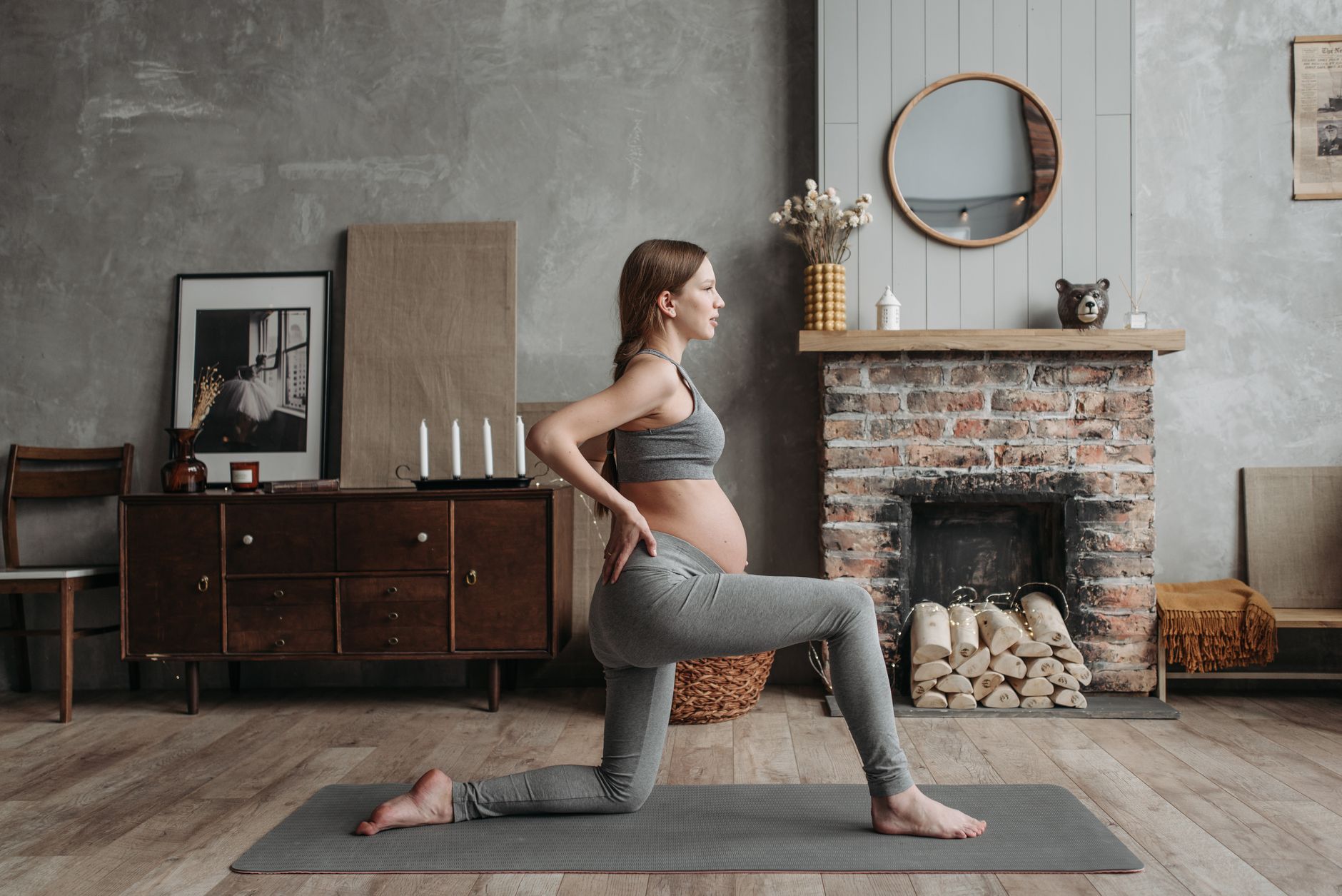
Prenatal yoga: Slow, breath‑focused poses (cat‑cow, child’s pose) stretch the back and hips, easing round‑ligament tension.
Walking: A 20‑minute stroll promotes circulation and can reduce cramp frequency.
Swimming: The buoyancy supports the uterus while allowing gentle muscle work.
When to modify or pause
If cramping intensifies during a workout, stop the activity, hydrate, and rest. Sharp pain, especially on one side, may indicate a more serious issue—such as an ectopic pregnancy—so seek care promptly. Avoid high‑impact or high‑intensity cardio (e.g., running, HIIT) until you’ve ruled out concerning signs.
Pelvic‑floor strengthening
Targeted pelvic‑floor exercises (Kegels) improve uterine support and can lessen ligament strain later in pregnancy. ACOG recommends incorporating gentle Kegels daily once you’re comfortable with basic core work.
What over‑the‑counter or home remedies are safe for relieving pregnancy cramps?
Many pregnant people turn to natural remedies before reaching for medication. Below are options that are widely considered safe, but always check with your provider first.
Heat therapy
A warm (not hot) compress or a heating pad set to low can relax uterine muscles. Limit application to 15‑20 minutes, and avoid placing heat directly on the abdomen if you have a known placental complication.
Gentle massage
Massaging the lower back and hips with a light, circular motion can ease round‑ligament tension. Using a small amount of pregnancy‑safe lotion (e.g., almond oil) enhances comfort.
Herbal teas
Ginger tea: Soothes nausea and may reduce cramp intensity.
Chamomile (limited): Small cups are generally safe, but excessive intake should be avoided.
Magnesium supplements
When taken within prenatal vitamin limits (typically 350 mg total magnesium per day), magnesium can help muscle relaxation. Choose a chelated form (magnesium glycinate) for better absorption.
OTC pain relievers
Acetaminophen (paracetamol) is the preferred over‑the‑counter analgesic in pregnancy when used at the lowest effective dose. NSAIDs (ibuprofen, naproxen) are contraindicated after 20 weeks because they can affect fetal circulation and prolong labor.
Probiotic support
Some studies suggest that a daily probiotic containing Lactobacillus rhamnosus may improve gut health, reducing gas‑related cramps. The FDA classifies many probiotics as “generally recognized as safe,” but discuss any new supplement with your provider.
When should I call my doctor about pregnancy cramps during pregnancy?
Most cramps are harmless, but certain red‑flag symptoms must trigger a call—or even an emergency visit.
Symptom
Why it matters
Action
Vaginal bleeding or spotting
Possible miscarriage or ectopic pregnancy
Call provider immediately; go to ER if heavy
Severe, constant pain
May indicate infection, placental issue, or ectopic
Contact provider; seek urgent care if worsening
Fever ≥ 100.4 °F (38 °C)
Signs of infection (e.g., urinary tract)
Call doctor; may need antibiotics
Fluid discharge (clear or pink)
Ruptured membranes or preterm labor
Urgent evaluation required
Sudden swelling of one leg
Potential blood clot (deep vein thrombosis)
Emergency department immediately
If you notice any of these signs, document the time, intensity, and any accompanying symptoms before you call—this helps the clinician assess you quickly.
From our medical team: Cramping is a normal part of pregnancy’s remodeling process, but you’re never expected to “tough it out” on your own. Keep a symptom diary, stay hydrated, and trust your gut—if something feels off, reach out. Early evaluation is key, and most concerns resolve quickly once a clinician checks you over.
Myth vs. fact
Myth: All cramping means a miscarriage is imminent.
Fact: Mild, intermittent cramps are common and usually harmless; only cramps accompanied by bleeding, severe pain, or other red‑flag signs suggest a miscarriage.
Myth: You should avoid all exercise if you have any cramping.
Fact: Light, low‑impact activity often reduces cramp frequency; you should pause if pain worsens, but staying active can improve circulation and muscle tone.
Myth: Dehydration only causes leg cramps, not abdominal cramps.
Fact: Inadequate fluid intake can increase uterine contractility, leading to abdominal cramping just as it does for muscle spasms elsewhere.
How does pregnancy cramping change in the second and third trimesters?
As the baby grows, the uterus expands dramatically, pulling on more supportive structures. In the second trimester, the round ligaments continue to stretch, and the uterus can start to “bounce” off the ribcage, causing a deeper, sometimes aching sensation. By the third trimester, the weight of the fetus adds pressure to the pelvic floor, and the growing uterus may compress nearby nerves, leading to cramp‑like pelvic discomfort. These later‑stage cramps are often felt higher up in the abdomen or lower in the pelvis, and they may last longer than first‑trimester twinges.
Importantly, the underlying mechanisms remain the same—muscle stretch, ligament tension, and mild uterine contractions—so the safety approach does not change. However, because the uterus is larger, any sharp, localized pain that does not improve with rest should still prompt a call to your provider, as it could signal preterm labor or placental insufficiency (ACOG, 2023).
Gentle stretching in the second trimester can ease ligament‑related cramps.
Can calcium, vitamin D, or magnesium supplements reduce pregnancy cramps?
Minerals that support muscle function—especially calcium, magnesium, and vitamin D—are routinely recommended in prenatal vitamins. Calcium helps regulate muscle contraction and nerve signaling, while magnesium promotes relaxation of smooth muscle, which can lessen cramp intensity. Vitamin D improves calcium absorption, creating a synergistic effect.
Clinical guidance from the NHS (2022) suggests that pregnant people aim for 1,000 mg of calcium and 350–400 mg of magnesium daily, with vitamin D intake of 600–800 IU. When these targets are met through diet and a standard prenatal supplement, many report fewer “muscle‑type” cramps. However, high‑dose isolated supplements should only be taken under medical supervision, as excess calcium can interfere with iron absorption and excessive magnesium may cause diarrhea.
If you suspect a deficiency, discuss testing with your provider. Tailored supplementation can be a safe way to smooth out cramp episodes.
What role do stress and sleep play in pregnancy cramping?
Stress hormones such as cortisol can increase muscle tension throughout the body, including the uterine wall. Chronic stress may therefore amplify the perception of cramping. Likewise, inadequate sleep disrupts the body’s natural pain‑modulation pathways, making any discomfort feel more intense.
Research from the CDC (2022) links poor sleep quality with higher reports of abdominal pain in pregnant populations. Simple strategies—establishing a bedtime routine, using a supportive pillow, practicing guided breathing before sleep—can lower stress and improve rest, which in turn often reduces the frequency of cramps. If you notice that stressful days correlate with more painful episodes, consider a brief mindfulness practice or a short walk to break the cycle.
Prioritizing restful sleep can lessen the perception of cramping.
Can a urinary tract infection cause pregnancy cramps?
Urinary tract infections (UTIs) are common in pregnancy and can present with lower‑abdominal cramping that mimics uterine discomfort. The growing uterus can compress the bladder, making infections more likely, and the resulting inflammation may radiate to the pelvic region.
Symptoms that point toward a UTI include burning with urination, urgent need to void, cloudy or foul‑smelling urine, and sometimes low‑grade fever. The NHS advises that any pregnant person with these signs should be evaluated promptly, as untreated UTIs increase the risk of preterm labor.
Treatment typically involves a short course of pregnancy‑safe antibiotics such as amoxicillin or nitrofurantoin, as recommended by ACOG. Early diagnosis and therapy usually resolve the cramping and prevent complications. If you suspect a UTI, contact your provider for a urine culture and appropriate treatment.
Staying hydrated and, when advised, using cranberry juice may help prevent UTIs.
When are pregnancy cramps a sign of preterm labor?
Preterm labor—contractions that lead to birth before 37 weeks—can begin with cramp‑like sensations. Unlike benign cramps, these are often regular, increase in intensity, and may be accompanied by a change in vaginal discharge.
Key warning signs include: a steady rhythm of contractions (every 5–10 minutes), cervical dilation, and a feeling of pressure in the pelvis. The ACOG 2022 guidelines recommend that any pregnant person experiencing these patterns, even without bleeding, should contact their provider immediately.
Interventions such as progesterone supplementation, bed rest, or medications to halt contractions (tocolytics) can be effective when caught early. Keeping a log of contraction timing and any associated symptoms helps your care team determine whether you’re entering preterm labor.
Track the frequency of any tightening; regular intervals may signal preterm labor.
Key takeaways
Most pregnancy cramps are normal and stem from uterine growth, ligament stretch, or mild Braxton Hicks.
Red‑flag signs—bleeding, severe constant pain, fever, fluid loss—require immediate medical attention.
Stay well‑hydrated (≈2 L water daily) and balance electrolytes to reduce cramp frequency.
Magnesium‑rich foods, gentle prenatal yoga, and warm compresses are safe self‑care options.
Limit caffeine to <200 mg per day and watch for personal food triggers like beans or spicy meals.
Acetaminophen is the preferred OTC pain reliever; avoid NSAIDs after 20 weeks.
Keep a simple diary of cramps, foods, fluids, and activities to discuss with your provider.
Ensuring adequate calcium, magnesium, and vitamin D—through diet or prenatal vitamins—may smooth muscle‑related cramps.
Managing stress and getting quality sleep are often overlooked but effective ways to ease discomfort.
UTIs can masquerade as cramps; prompt testing and safe antibiotics protect both you and your baby.
Regular, rhythmic tightening with pelvic pressure may signal preterm labor and warrants urgent evaluation.
Frequently asked questions
Are pregnancy cramps a sign of miscarriage?
Most cramps are not a sign of miscarriage; however, if cramping is accompanied by bleeding, clots, or a sudden gush of fluid, it could indicate a miscarriage and you should call your provider right away.
What does it mean when I have cramping after I’ve already felt the baby move?
Cramping after fetal movements is often benign and may result from the uterus adjusting to the baby's activity; persistent or painful cramps should still be discussed with your clinician.
Can drinking water reduce pregnancy cramps?
Yes—adequate hydration helps keep uterine muscles relaxed, and many women notice fewer cramps when they consistently drink at least eight glasses of water a day.
How can I tell if my cramps are Braxton Hicks or something more serious?
Braxton Hicks are irregular, last under a minute, and usually ease with changing position; if cramps are sharp, constant, or paired with bleeding, seek medical evaluation.
Should I avoid certain foods if I get frequent cramps during pregnancy?
While no food is universally forbidden, high‑fiber beans, very spicy dishes, and excessive caffeine can increase gas or uterine irritability, so moderating these may lessen cramp frequency.
When is it an emergency to go to the hospital for pregnancy cramps?
Emergency care is needed if cramps are severe and sudden, accompanied by heavy bleeding, fever, fluid discharge, or signs of a blood clot such as leg swelling.
Do prenatal vitamins help prevent cramps?
Prenatal vitamins that contain the recommended amounts of calcium, magnesium, and vitamin D support muscle function and may reduce the intensity of cramps, but they should complement—not replace—good hydration and lifestyle habits.
Can stress‑relief techniques actually lessen pregnancy cramping?
Yes—stress hormones can heighten muscle tension, and practices like deep‑breathing, gentle stretching, or short mindfulness sessions have been shown to lower the perception of cramping in many pregnant people.
Is it safe to use a heating pad if I have a low‑lying placenta?
Heat applied to the lower abdomen is generally discouraged with a low‑lying placenta because it could increase blood flow to the area. ACOG advises using a warm compress on the back or hips instead, and always check with your provider before applying heat.
Can I take iron supplements if I have cramps?
Iron is essential in pregnancy, but high‑dose iron can cause constipation and abdominal cramping. The NHS recommends taking iron with food and splitting the dose if needed; discuss any worsening cramps with your provider to adjust the regimen.
When to call your doctor
If you experience any of the following, contact your obstetrician, midwife, or go to the nearest emergency department:
Vaginal bleeding heavier than spotting, especially with clots.
Sharp, persistent pain that does not improve with rest.
Fever of 100.4 °F (38 °C) or higher.
Sudden fluid loss or a gush of clear/pink fluid.
Swelling, redness, or pain in one leg.
This information is for educational purposes only and does not replace personalized medical advice. Always discuss your symptoms with a qualified health professional.
References
American College of Obstetricians and Gynecologists (ACOG). “Management of Common Pregnancy Complaints.” 2023 clinical guidance.
National Health Service (NHS). “Pregnancy cramps and pain.” Updated 2022.
World Health Organization (WHO). “Hydration in pregnancy.” Technical brief, 2021.
Centers for Disease Control and Prevention (CDC). “Prenatal care guidelines.” 2022.
Royal College of Obstetricians and Gynaecologists (RCOG). “Ectopic pregnancy.” 2023.
American Academy of Pediatrics (AAP). “Exercise during pregnancy.” 2022 recommendations.
Mayo Clinic. “Braxton Hicks contractions.” Reviewed 2023.
Food and Drug Administration (FDA). “Acetaminophen use in pregnancy.” Safety communication, 2022.
National Institutes of Health (NIH). “Calcium and magnesium during pregnancy.” 2023.
Centers for Disease Control and Prevention (CDC). “Sleep and pregnancy health.” 2022.
American College of Obstetricians and Gynecologists (ACOG). “Urinary Tract Infections in Pregnancy.” 2022.
National Health Service (NHS). “Low‑FODMAP diet for pregnancy.” 2021.
American College of Obstetricians and Gynecologists (ACOG). “Preterm labor: Diagnosis and Management.” 2022.
Not sure about the label on Pregnancy Cramps Normal Discomfort Or Warning Sign products?
Snap the ingredients list and SafeFilter checks every ingredient for your stage — only 3 free scans this month, then you're locked until reset. Unlimited from $7/mo or $50/yr.
When Shubhra Mishra was expecting her first child in 2016, she was overwhelmed by conflicting food advice — one site said yes, another said never. By the time her second baby arrived in 2019, she realized millions of mothers face the same confusion.
That sparked a five-year journey through clinical nutrition papers, cultural diets, and expert conversations — all leading to BumpBites: a calm, compassionate space where science meets everyday motherhood.
Her long-term vision is to build a global community ensuring safe, supported, and free deliveriesfor every mother — because no woman should face pregnancy alone or uninformed. 🌿
🌍 Stand with mothers, shape safer guidance
Join a small circle of experts who review BumpBites articles so expecting parents everywhere can decide with confidence.