Discover why pregnancy cravings happen and what they mean, including the science behind these intense urges during pregnancy
By Shubhra Mishra — a mom of two who turned her own confusion during pregnancy into BumpBites, a global mission to make food choices clear, safe, and stress-free for every expecting mother. 💛
Check whether any food is safe during pregnancy with the BumpBites Food Safety Checker.
Quick take: Pregnancy cravings are normal and driven by a mix of hormonal shifts, nutrient needs, and emotional factors. Most cravings are harmless, but listen to your body—if a craving feels excessive, unhealthy, or is paired with symptoms like rapid weight gain or blood‑sugar spikes, talk to your provider.
It’s 2 a.m., you’re curled up on the couch, and a sudden urge for sour pickles, ice cream, or spicy chips hits you out of nowhere. You glance at the clock, wonder if it’s a warning sign, and start Googling “why do I crave that?” You’re not alone. Cravings are one of the most talked‑about, yet puzzling, parts of pregnancy, and they can feel both delightful and confusing.
In this guide we’ll untangle the science behind pregnancy cravings, explore what different foods might be telling your body, and give you practical, doctor‑approved ways to satisfy them without compromising health. Whether you’re in the first trimester or nearing your due date, you’ll find answers to the most common questions—plus a few myths busted, a handy checklist, and clear red‑flag signs that warrant a call to your care team.
Why do pregnant women experience food cravings?
At its core, a craving is a strong desire for a specific taste, texture, or aroma. During pregnancy, cravings are amplified by several overlapping mechanisms.
Hormonal surges: Progesterone and estrogen rise dramatically, influencing brain pathways that regulate appetite, reward, and taste perception.
Metabolic changes: Your body’s energy needs increase by 300–500 kcal per day, prompting the brain to signal for quick‑fuel foods.
Nutrient signaling: Certain micronutrients (iron, calcium, folate) may be low, and the body subtly nudges you toward foods that contain them.
Emotional buffering: Pregnancy can be stressful; comfort foods release dopamine, offering a short‑term mood lift.
These drivers work together, so a single craving often has multiple roots. For example, a sudden hankering for salty pretzels might stem from a need for sodium (to support blood volume), a progesterone‑induced taste shift toward salty, and the comforting crunch that eases anxiety.
Researchers from the American College of Obstetricians and Gynecologists (ACOG) note that cravings are “a normal physiologic response” and not a sign of pathology in most cases. However, they also advise monitoring cravings that become obsessive or lead to excessive intake of junk food. The ACOG guidance emphasizes that any craving that feels “out of control” should be discussed with a prenatal clinician.
Adding a brief note: many women notice that cravings can appear suddenly after a stressful day, reinforcing the link between emotion and appetite.
What are the most common pregnancy cravings and what might they mean?
Below is a snapshot of cravings reported by more than 70 % of pregnant participants in a large NHS survey, along with the most likely explanations. The meanings are not definitive diagnoses, but they can guide you toward balanced nutrition.
Craving
Possible nutrient cue
Typical emotional trigger
Pickles or salty foods
Sodium & fluid balance
Stress or fatigue
Ice cream, gelato, cold desserts
Calcium & vitamin D
Heat discomfort, emotional soothing
Red meat, liver, beans
Iron & B12
Low energy, anemia‑related fatigue
Citrus fruits, sour candies
Vitamin C, folate
Morning sickness, desire for freshness
Spicy foods (chili, curry)
Capsaicin may boost metabolism
Excitement, cultural food habits
Chocolate or sweets
Magnesium, quick energy
Comfort, mood elevation
These patterns are not rigid rules. Many women experience multiple cravings that overlap, and the same food can satisfy both a physiological need and an emotional desire. The key is to interpret cravings as clues, not prescriptions. For instance, a craving for citrus might be a signal that your body wants more vitamin C, which supports iron absorption—a helpful double‑benefit during the iron‑intensive second trimester.
When you notice a recurring craving, ask yourself: “What am I really looking for—salt, sweetness, protein, or maybe a moment of comfort?” This simple self‑check can help you choose a version of the food that meets both the craving and your nutritional goals.
Even a mild, occasional craving can be an opportunity to introduce a new fruit or vegetable you might otherwise skip.
Are pregnancy cravings a sign of nutrient deficiencies?
While cravings can hint at low stores of certain nutrients, they are rarely a reliable diagnostic tool on their own. For instance, a craving for red meat may suggest iron deficiency, but iron deficiency anemia is confirmed through blood tests, not just appetite.
Below are the most frequently discussed nutrient‑deficiency links, with the strength of evidence from the World Health Organization (WHO) and the U.S. National Institutes of Health (NIH):
Iron: Cravings for meat, liver, or dark leafy greens may correlate with low ferritin, especially in the third trimester when iron demand peaks.
Calcium: Desire for dairy, cheese, or fortified orange juice can indicate a need for calcium, which supports fetal bone development.
Magnesium: Chocolate, nuts, and bananas are common magnesium sources; a sudden craving could be a subtle signal of deficiency.
Folate: Citrus fruits and beans are folate‑rich; cravings for these may appear early when the placenta is forming.
However, large epidemiologic studies (e.g., a 2022 cohort of 4,200 pregnant women in Canada) found no consistent correlation between specific cravings and measured nutrient levels. The safest approach is to maintain a varied diet and discuss any persistent cravings with your provider, who can order labs if deficiency is suspected.
In practice, most clinicians use a combination of dietary recall, blood work, and symptom review to diagnose deficiencies. If you’re consistently craving one food group, it’s worth mentioning at your prenatal visit so the care team can decide whether a targeted supplement or dietary adjustment is warranted.
Adding a quick tip: keep a simple log of cravings and what you ate; it makes the conversation with your provider more concrete.
How do hormones influence pregnancy cravings?
Hormones are the backstage crew of every craving episode. The two main players—progesterone and estrogen—affect taste buds, smell receptors, and the brain’s reward circuitry.
Progesterone rises steadily after conception and peaks in the second trimester. It relaxes smooth muscle, including the gastrointestinal tract, which can dull taste acuity and increase the desire for strong flavors (salty, spicy, or sour). Progesterone also heightens the brain’s response to dopamine, making rewarding foods feel more satisfying.
Estrogen spikes in the first trimester, then fluctuates. Estrogen enhances the sense of smell, which can make certain aromas (like citrus or fresh bread) overwhelmingly attractive—or repulsive. This explains why many women report a sudden love for the smell of fresh coffee early on, only to lose interest later.
Human chorionic gonadotropin (hCG), the hormone that triggers morning sickness, can also modulate cravings. When hCG levels drop after the first trimester, nausea usually eases, and cravings often become more pronounced.
Understanding these hormonal tides helps normalize the “why now?” question: a craving that appears in the second trimester is likely progesterone‑driven, while a first‑trimester craving may be more about estrogen‑enhanced smell. The National Institutes of Health (NIH) highlights that hormonal fluctuations are a primary reason why cravings can change dramatically from week to week.
Clinically, noting the timing of a craving can guide providers in assessing whether a hormonal shift or a nutritional need is more likely.
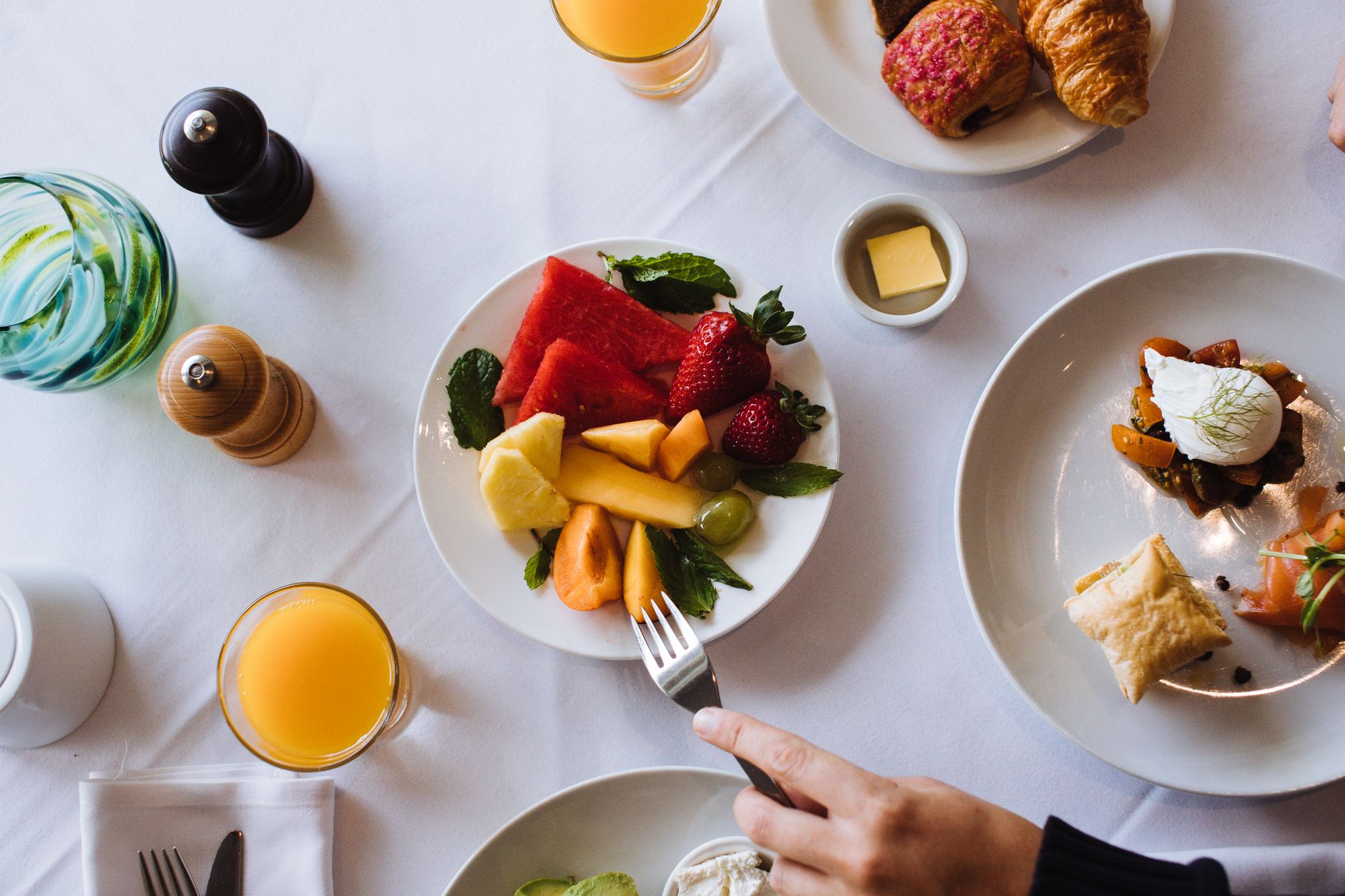
Choosing a variety of colorful fruits can satisfy multiple cravings while delivering key vitamins.
What psychological reasons behind pregnancy cravings?
Beyond biology, the mind plays a powerful role. Pregnancy is a period of rapid life changes—new responsibilities, altered body image, and heightened emotions—all of which can shape eating behavior.
Stress relief: Cortisol spikes during stressful weeks can increase appetite for high‑fat, high‑sugar foods that temporarily lower stress hormones.
Comfort and nostalgia: Craving a childhood favorite (e.g., peanut butter cookies) may be a subconscious attempt to recapture a sense of security.
Control: When many aspects of pregnancy feel out of control, choosing what to eat becomes a small way to exert agency.
Social influence: Family traditions, cultural “pregnancy foods,” and even media portrayals can shape cravings. A partner’s love for tacos, for instance, may turn into a shared craving.
Psychological research from the British Psychological Society (2021) shows that women who report higher anxiety levels also report more intense cravings, especially for “comfort” foods. Addressing stress through gentle yoga, breathing exercises, or counseling can therefore reduce the intensity of cravings.
It’s also worth noting that cravings can serve as a coping mechanism for the emotional rollercoaster of pregnancy. Recognizing the emotional component—whether it’s excitement, fear, or fatigue—allows you to meet the need in a healthier way, such as a brief walk, a warm bath, or a short chat with a supportive friend.
Many expectant parents find that a quick mindfulness check—“What am I feeling right now?”—helps separate true hunger from emotional urges.
How do cravings change across each trimester of pregnancy?
Cravings are not static; they evolve as your body progresses through the three trimesters. Below is a trimester‑by‑trimester overview, including a “pregnancy cravings list second trimester” that many readers search for.
First trimester (weeks 1–13): Hormonal spikes and morning sickness dominate. Cravings are often for bland, easy‑digestion foods—crackers, ginger tea, citrus. Many women also report a sudden aversion to previously loved foods.
Second trimester (weeks 14–27): Energy needs climb, and nausea usually subsides. This is the peak period for strong cravings—especially for salty (pickles), sweet (ice cream), and protein‑rich foods (steak, beans). The “pregnancy cravings list second trimester” frequently includes chocolate, cheese, and spicy dishes.
Third trimester (weeks 28–40): The baby’s growth puts pressure on the stomach, leading to smaller meals and more frequent snacking. Cravings may shift toward foods that are easy to chew and digest (smoothies, yogurt). Some women develop a craving for “soft” foods like mashed potatoes or ripe bananas.
Each trimester also brings different nutritional priorities. For example, calcium needs peak in the third trimester, so a craving for dairy may be especially beneficial then. Conversely, a sudden desire for high‑sodium snacks in the third trimester might warrant a closer look at blood‑pressure monitoring, especially if you have a history of hypertension.
Because cravings often mirror the body’s shifting demands, tracking them in a simple journal can help you and your provider spot trends that may indicate a need for a specific nutrient or a lifestyle adjustment.
One practical tip: jot down the time of day, the craving, and what you ate—patterns often emerge that guide smarter snack choices.
When do pregnancy cravings become unhealthy?
Most cravings are harmless, but certain patterns warrant caution. The following signs suggest that a craving could be putting you or your baby at risk:
Excessive intake of high‑sugar foods leading to rapid weight gain or spikes in blood glucose—potentially raising the risk of gestational diabetes.
Cravings for unpasteurized dairy, raw eggs, or undercooked meats—these can harbor Listeria or Toxoplasma, both dangerous for the fetus.
Persistent desire for highly caffeinated drinks (more than 200 mg caffeine per day) which may be linked to lower birth weight.
Extreme volume of salty snacks that could exacerbate hypertension or fluid retention.
If you notice any of these red flags, it’s time to talk to your provider. They may recommend a nutrition plan, blood‑sugar monitoring, or a referral to a dietitian. The American Diabetes Association (ADA) advises that pregnant women with gestational‑diabetes‑type cravings should aim for no more than 150 kcal of added sugars per day, reinforcing the need for mindful portion control.
Remember, occasional indulgence isn’t a problem—it's the frequency and quantity that matter most.
Tips for safely managing intense pregnancy cravings
Balancing cravings with nutrition doesn’t have to feel like a battle. Below are evidence‑based, practical strategies you can try tonight.
Prioritize nutrient‑dense versions. If you’re craving cheese, choose low‑fat cottage cheese with added fruit for calcium and vitamin C.
Pair indulgent foods with healthy sides. A slice of chocolate cake tastes better (and feels more satisfying) when paired with a handful of almonds.
Stay hydrated. Thirst is often mistaken for hunger. Keep a water bottle with sliced cucumber or lemon nearby.
Use the “5‑minute rule.” When a craving hits, set a timer for five minutes. Often the urge passes, or you discover a healthier alternative you’ll still enjoy.
Create a “craving pantry.” Stock your fridge with safe, nutrient‑rich foods that also satisfy texture cravings—Greek yogurt, frozen berries, whole‑grain crackers, hummus, and pre‑cut veggies.
Mindful eating. Eat slowly, savor each bite, and notice when you feel satisfied. This reduces the tendency to overeat.
Consult a dietitian. If cravings are intense, frequent, or cause anxiety, a registered dietitian can tailor a plan that meets both your nutritional and emotional needs.
Remember, “giving in” doesn’t mean giving up. A small, controlled indulgence can prevent feelings of deprivation, which often trigger binge‑eating later.
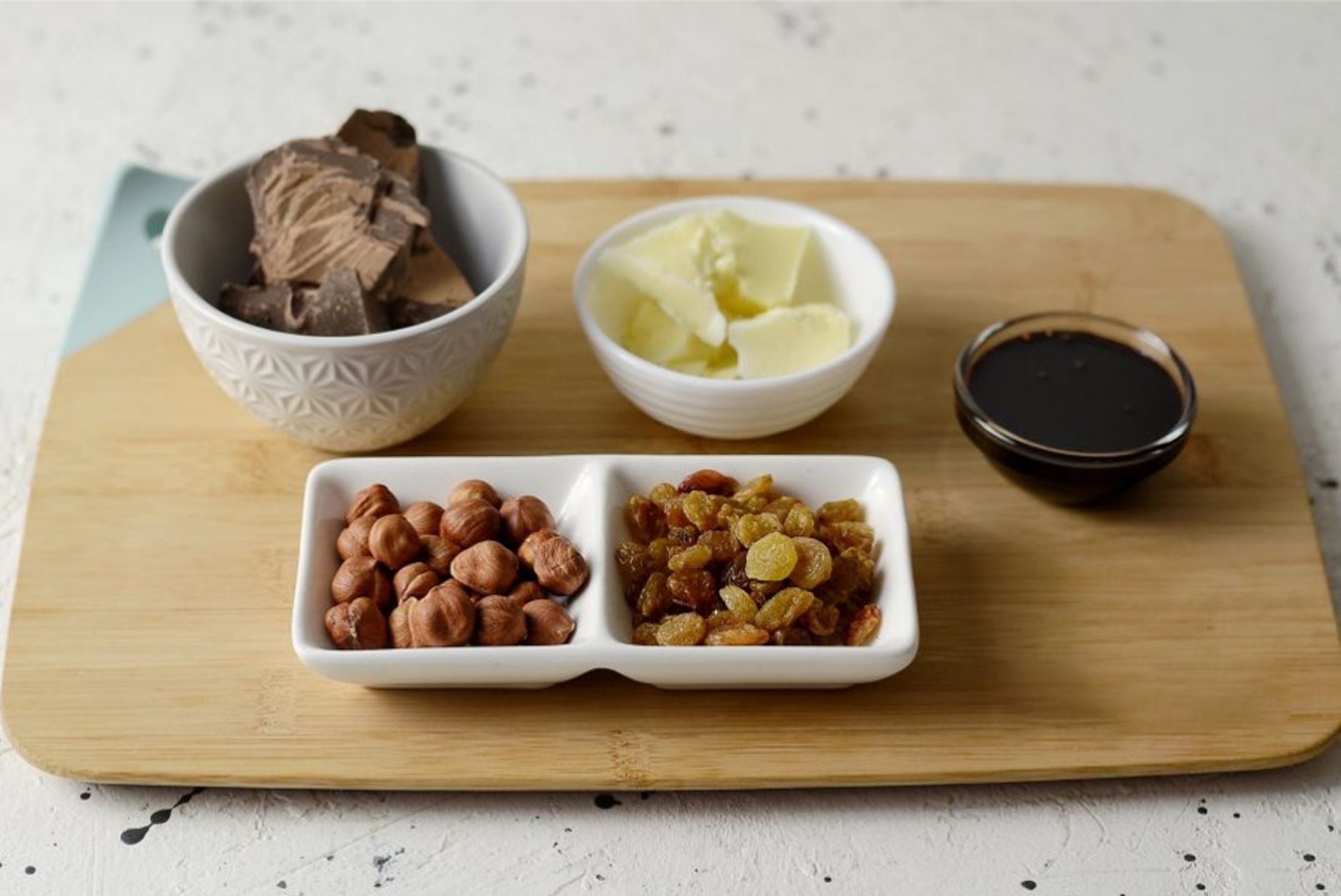
Mix a handful of nuts with a few dark‑chocolate chips for a balanced sweet‑and‑salty snack.
From our medical team: Cravings are a normal part of pregnancy physiology. They rarely indicate a serious problem, but they can serve as a useful “nutrition checkpoint.” If you’re ever unsure whether a craving is safe, ask your provider for a quick blood test (iron, calcium, blood‑sugar) and a personalized food‑choice guide. Your health team is here to help you balance pleasure and prenatal nutrition.
Cravings and gestational diabetes: what to watch
Gestational diabetes (GDM) affects about 7‑10 % of pregnancies in the United States, according to the Centers for Disease Control and Prevention (CDC). One of the most common triggers for GDM‑related cravings is a sudden surge in sweet‑tooth cravings, often driven by fluctuating blood‑sugar levels.
If you notice cravings for sugary snacks that become intense or frequent, consider these steps:
Check your carbohydrate intake. The American Diabetes Association (ADA) recommends that pregnant people with GDM aim for 30–45 g of carbs per meal, spread evenly throughout the day.
Swap refined sugars for low‑glycemic options. A piece of fruit, a small serving of Greek yogurt with berries, or a handful of nuts can satisfy the sweet urge while keeping glucose more stable.
Pair carbs with protein or healthy fat. Adding a spoonful of peanut butter to an apple slice slows sugar absorption and reduces cravings.
Regular screening for GDM typically occurs between 24–28 weeks gestation. If you’re diagnosed, your provider may suggest a glucose monitoring plan. Keeping a simple log of cravings, what you ate, and how you felt afterward can help the dietitian fine‑tune your meal plan.
Even when you’re not diabetic, the same principles—balancing carbs with protein and fiber—can keep blood sugar steadier and cravings more manageable.
Safe swaps for common cravings
Below is a quick‑reference table that pairs popular cravings with healthier, nutrient‑rich alternatives that still hit the flavor target.
Craving
Healthier swap
Key nutrients
Pickles
Olives or low‑sodium fermented vegetables
Sodium, probiotic bacteria
Ice cream
Greek yogurt with honey and frozen berries
Calcium, protein, vitamin C
Chocolate
Dark chocolate (70 % cacao) with a few almonds
Magnesium, iron, healthy fats
Spicy chips
Roasted chickpeas with chili powder
Fiber, plant‑based protein
Fast‑food burger
Grilled turkey or bean patty on a whole‑grain bun
Iron, zinc, B‑vitamins
These swaps keep the sensory satisfaction you’re after while adding vitamins, minerals, and fiber that benefit both you and your growing baby. The NHS Nutrition Guidelines encourage pregnant people to aim for at least five servings of fruit and veg daily; the swaps above make that goal easier to meet.
Feel free to experiment—add a dash of cinnamon to oatmeal for a sweet craving, or sprinkle nutritional yeast on popcorn for a cheesy flavor without excess dairy.
Cultural and family influences on pregnancy cravings
Across the globe, cultural traditions shape what foods are considered “crave‑worthy.” In many Latin American families, for example, a craving for “sopa de pollo” (chicken soup) is seen as a sign of a healthy baby, while in parts of South Asia, pickled mangoes are a classic prenatal treat.
These cultural cravings can be a source of comfort and community, but they sometimes clash with modern food‑safety advice. For instance, some traditional dishes call for raw milk cheeses that may contain Listeria. The Food Standards Agency (FSA) in the UK and the U.S. FDA both advise pregnant people to choose only pasteurized dairy products.
If a beloved family recipe includes a risky ingredient, look for a safer adaptation. A classic “pico de gallo” made with fresh, pasteurized cheese, or a steamed fish curry using thoroughly cooked fish, preserves the cultural flavor while keeping the pregnancy safe. Discussing these adaptations with a culturally‑competent dietitian can help you honor tradition without compromising health.
Many families find joy in swapping a classic recipe for a “pregnancy‑approved” version, creating new traditions that blend heritage and health.
How to keep a craving journal and why it helps
Writing down cravings in a simple notebook or phone note can turn a vague urge into actionable insight. Record the time, the specific food you’re craving, what you actually ate, and how you felt afterward. Over a week, patterns often emerge—perhaps you crave salty foods after a stressful meeting, or sweet treats after a workout.
These patterns give your provider concrete data to discuss at appointments. They also empower you to anticipate triggers and plan healthier swaps ahead of time, reducing the likelihood of impulsive over‑eating.
Talking to your provider about cravings and supplements
When you bring a craving log to your prenatal visit, ask focused questions: “My cravings for red meat have been steady—should I be screened for iron deficiency?” or “I’m craving dairy daily; is my calcium intake adequate?” Your provider may order labs, adjust prenatal vitamins, or refer you to a dietitian for a personalized plan.
Remember, supplements should complement—not replace—a balanced diet. The ACOG recommends that prenatal vitamins provide a baseline of iron, folic acid, and DHA, but they are not a cure‑all for every craving.
Myth vs. fact
Myth: Cravings always mean you’re lacking a specific nutrient.
Fact: While some cravings align with nutrient deficits (e.g., iron‑rich foods), many are driven by hormones or emotional factors and do not reliably predict deficiencies.
Myth: You can predict your baby’s gender based on cravings (e.g., sweet cravings = girl).
Fact: Scientific studies, including a large 2020 meta‑analysis, found no correlation between cravings and fetal sex.
Myth: All pregnant women have cravings.
Fact: About 70 % report cravings, but 30 % experience little to none, and both are considered normal variations.
Key takeaways
Cravings are normal and stem from hormonal, nutritional, and emotional shifts.
Common cravings (pickles, chocolate, meat) often point to sodium, calcium, or iron needs, but aren’t diagnostic on their own.
Listen to your body: moderate indulgences are safe, but watch for excessive sugar, caffeine, or unsafe foods.
Balance cravings with nutrient‑dense options—pair treats with protein, fiber, or healthy fats.
Stay hydrated, practice mindful eating, and keep a “craving pantry” of safe staples.
If cravings cause rapid weight gain, blood‑sugar spikes, or you suspect a nutrient deficiency, contact your provider.
Consider cultural adaptations that keep beloved flavors while following food‑safety guidelines.
Frequently asked questions
Why do I crave pickles during pregnancy?
Craving pickles is often linked to the body’s need for sodium, which helps maintain fluid balance as blood volume expands.
Are pregnancy cravings a sign of anemia?
They can be a clue—especially cravings for red meat or leafy greens—but anemia must be confirmed with a blood test, not just appetite.
Can stress cause pregnancy cravings?
Yes; stress raises cortisol, which can increase appetite for high‑fat, high‑sugar foods that temporarily soothe nervous feelings.
Do all pregnant women have cravings?
No. Studies show roughly 70 % experience notable cravings, while the remaining 30 % report minimal or no cravings.
How long do pregnancy cravings last?
Cravings typically peak in the second trimester and may diminish as the third trimester progresses, though individual timelines vary.
Should I give in to my pregnancy cravings?
Moderate indulgence is fine; the goal is balance. Choose safe, nutrient‑rich versions and avoid excessive amounts of sugary or high‑caffeine foods.
Can I eat fast food if I crave it?
Occasionally, a sensible fast‑food choice (like a grilled chicken sandwich on a whole‑grain bun) can satisfy a craving without compromising nutrition, as long as it’s not a daily habit.
Do cravings affect my baby’s development?
Most cravings have no direct impact on fetal growth. However, consistently choosing nutrient‑poor options can affect maternal health, which in turn influences the baby’s environment. Prioritizing balanced meals supports optimal development.
Can cravings indicate a need for more protein?
Yes. A sudden desire for meat, beans, or Greek yogurt can signal that your body is seeking additional protein, especially in the second trimester when fetal tissue growth accelerates.
Are there safe ways to satisfy salty cravings without adding too much sodium?
Opt for low‑sodium options like roasted seaweed, unsalted nuts, or homemade baked chips seasoned with herbs. Pairing salty bites with a source of potassium (e.g., banana slices) helps maintain electrolyte balance.
When to call your doctor
If you notice any of the following, reach out promptly: persistent nausea that interferes with eating, rapid weight gain (>2 kg in a week), blood‑sugar spikes (feeling dizzy, excessive thirst), cravings for raw or unpasteurized foods, or if cravings are accompanied by severe anxiety or depression.
This article provides general information and is not a substitute for personalized medical advice.
References
American College of Obstetricians and Gynecologists (ACOG). “Nutrition During Pregnancy.” Clinical Guidance, 2023.
World Health Organization (WHO). “Maternal Nutrition Guidelines.” Global Health Series, 2022.
National Institutes of Health (NIH). “Iron Deficiency in Pregnancy.” Office of Dietary Supplements, 2021.
National Health Service (NHS). “Pregnancy – Common Cravings.” Patient Information, 2022.
British Psychological Society. “Stress and Appetite in Pregnancy.” Journal of Health Psychology, 2021.
Centers for Disease Control and Prevention (CDC). “Gestational Diabetes Fact Sheet.” 2023.
Not sure about the label on Pregnancy Cravings Why They Happen And What They Mean products?
Snap the ingredients list and SafeFilter checks every ingredient for your stage — only 3 free scans this month, then you're locked until reset. Unlimited from $7/mo or $50/yr.
When Shubhra Mishra was expecting her first child in 2016, she was overwhelmed by conflicting food advice — one site said yes, another said never. By the time her second baby arrived in 2019, she realized millions of mothers face the same confusion.
That sparked a five-year journey through clinical nutrition papers, cultural diets, and expert conversations — all leading to BumpBites: a calm, compassionate space where science meets everyday motherhood.
Her long-term vision is to build a global community ensuring safe, supported, and free deliveriesfor every mother — because no woman should face pregnancy alone or uninformed. 🌿
🌍 Stand with mothers, shape safer guidance
Join a small circle of experts who review BumpBites articles so expecting parents everywhere can decide with confidence.