Discover safe and effective pregnancy and sore hips relief strategies to ease discomfort. Learn expert tips for comfort during pregnancy.
By Shubhra Mishra — a mom of two who turned her own confusion during pregnancy into BumpBites, a global mission to make food choices clear, safe, and stress-free for every expecting mother. 💛
Check whether any food is safe during pregnancy with the BumpBites Food Safety Checker.
Quick take: Hip soreness is common in pregnancy, especially as the pelvis expands and weight shifts. Gentle stretches, supportive pillows, and safe pain‑relief options like acetaminophen usually ease the discomfort. If pain is sharp, persistent, or accompanied by fever, swelling, or numbness, contact your provider right away.
It’s 2 a.m., you’ve just shuffled back to the bedroom after a long day of errands, and a dull ache in your hips whispers that something isn’t quite right. You’re not alone—many expecting parents discover that hips that once carried you through marathons now protest every step. The good news is that most hip soreness is manageable with simple, pregnancy‑safe strategies.
In this guide we’ll walk through why hips hurt, how to tell the difference between hip pain and other pregnancy aches, and—most importantly—what you can do today to feel better. From targeted stretches and yoga poses to the right pillow and belt, we’ve gathered evidence‑based tips from ACOG, the NHS, and leading obstetric experts. By the end you’ll have a personalized “hip‑relief toolkit” you can start using tonight.
How to relieve sore hips during pregnancy with stretches
Answer: Gentle, pregnancy‑adapted stretches performed 2–3 times daily can reduce hip tightness by up to 30 % in many women, according to physiotherapy guidance from the NHS.
The hip joint is a ball‑and‑socket that relies on surrounding muscles—glutes, piriformis, and hip flexors—to stay stable. As the uterus expands, ligaments stretch and the pelvis tilts, causing those muscles to work harder. Regular stretching restores length, improves circulation, and tempers the “tight‑rope” feeling that often follows a long walk.
Figure‑four stretch: Sit on the floor, cross your right ankle over your left knee, and gently press down on the right knee while leaning forward. Hold 20‑30 seconds, then switch sides.
Cat‑cow with hip focus: On all fours, inhale to arch (cow) and let your belly drop, exhale to round (cat) and tuck the tailbone. Add a slight hip hinge to feel the stretch in the front of the hips.
Standing quad stretch: Hold onto a chair for balance, bend one knee, and pull the foot toward your buttock. Keep hips level to avoid over‑stretching the lower back.
Perform these moves after a warm shower or a brief walk, when muscles are pliable. Avoid bouncing or forcing the range—pain beyond mild tension is a sign to stop. If you’re unsure about form, a prenatal yoga class or a virtual physiotherapy session can provide personalized cues.
Adding a short, 5‑minute warm‑up—like marching in place or gentle hip circles—prior to the stretches can increase blood flow and make the muscles more receptive. Consistency matters more than intensity; even a few minutes each day adds up, and many women notice less stiffness by the third week of regular practice.
Figure‑four stretch eases hip tightness without putting pressure on the lower back.
Best pregnancy pillows for hip pain relief
Answer: The most effective pillows for hip soreness are full‑body or wedge pillows that keep the pelvis aligned and reduce pressure on the hip joints while you sleep.
Sleep posture changes dramatically in the second trimester. Many women find that side‑sleeping with a pillow between the knees prevents the top hip from rolling forward, which can aggravate the sacroiliac joint. Below is a quick comparison of three popular pillow types, based on recommendations from ACOG and user reviews compiled by the Mayo Clinic.
Pillow type
Typical firmness
Best for
Key feature
Full‑body (C‑shaped) pillow
Medium‑firm
Full‑night support
Wraps around hips and abdomen, keeps spine neutral
Pregnancy wedge pillow
Soft to medium
Targeted hip/knee relief
Fits between knees, easy to reposition
U‑shaped pillow
Firm
Active sleepers
Provides firm separation, reduces rolling
When choosing a pillow, look for breathable covers (cotton or bamboo) and a removable, washable case—important for hygiene during pregnancy. Some mothers report that combining a wedge pillow with a small bolster under the belly further eases the pelvic tilt that often triggers hip pain.
Beyond the pillow itself, positioning matters. Aligning the hips, shoulders, and ears in a straight line minimizes strain on the sacroiliac joint. If you wake up with a new ache, try adjusting the pillow height or angle; a small tweak can make a big difference in how the hips settle overnight.
Can pelvic tilts help reduce hip pain in second trimester?
Answer: Yes—pelvic tilts performed gently and regularly can lessen hip discomfort by strengthening the core and promoting a more neutral pelvic alignment.
Pelvic tilts, also called “pelvic rocks,” are a low‑impact exercise that engages the transversus abdominis and lower back muscles. In the second trimester, when the uterus begins to push the pelvis forward, these muscles help counterbalance the shift, reducing strain on the hip joint.
Start on all fours with wrists under shoulders and knees under hips.
Inhale, let your belly sag slightly, and gently arch your back (tilt forward).
Exhale, round your spine, tucking the tailbone under (tilt backward).
Repeat 10–12 times, moving slowly and breathing deeply.
Women with a history of low back pain should keep the range modest—no deep arching. If you feel any sharp pain, stop and consult a physiotherapist. ACOG notes that pelvic tilts are safe throughout pregnancy when performed with proper form.
Incorporating pelvic tilts into a daily routine—such as after a bathroom break or before bedtime—helps maintain core stability. Over time, many expectant parents notice smoother transitions when getting out of a chair, which can prevent the sudden hip twinges that sometimes occur after prolonged sitting.
Safe over‑the‑counter pain relievers for hip soreness in pregnancy
Answer: Acetaminophen (paracetamol) is the preferred OTC option for hip pain, while ibuprofen and naproxen are generally avoided after the first trimester unless specifically advised by a provider.
The FDA classifies acetaminophen as pregnancy‑category B, meaning animal studies have not shown risk to the fetus and there are no well‑controlled human studies showing harm. ACOG recommends the lowest effective dose (usually 650 mg every 4–6 hours) and cautions against exceeding 3 g per day.
Non‑steroidal anti‑inflammatory drugs (NSAIDs) such as ibuprofen can interfere with fetal kidney development and increase the risk of premature closure of the ductus arteriosus after 20 weeks. The NHS advises that pregnant people only use NSAIDs under medical supervision.
If acetaminophen alone isn’t enough, consider non‑pharmacologic measures first—heat, massage, or a supportive belt. Always discuss any medication changes with your obstetrician, especially if you have liver concerns or are taking other prescriptions.
For those who experience breakthrough pain at night, a timed dose of acetaminophen before bedtime can improve sleep quality without disrupting the pregnancy. However, never combine acetaminophen with other acetaminophen‑containing products, as accidental overdose can harm the liver.
Difference between hip pain and round ligament pain in pregnancy
Answer: Hip pain is usually a deep, aching sensation located on the outer pelvis, while round ligament pain is a sharp, stabbing discomfort felt in the lower abdomen or groin.
Round ligament pain occurs when the ligaments that support the uterus stretch as the belly grows. It’s most common in the second trimester and often triggered by sudden movements, coughing, or standing up quickly. The pain radiates from the side of the uterus toward the groin and usually lasts seconds to a few minutes.
Hip pain, on the other hand, originates from the joint itself or surrounding muscles. It may be constant, worsen with prolonged standing, walking, or climbing stairs, and is often accompanied by a feeling of “tightness” in the glutes. Understanding the location and quality of the discomfort helps you choose the right self‑care technique—stretching for hip pain, and gentle rest or a warm compress for round ligament twinges.
Both types of pain can coexist, especially as the pregnancy progresses. Keeping a brief pain diary—note the time of day, activity, and description—can help your provider pinpoint the source and tailor recommendations.
When to see a doctor for hip pain while pregnant
Answer: Seek medical evaluation if hip pain is severe, sudden, associated with fever, swelling, numbness, or if you notice a loss of mobility.
While most hip aches are benign, certain red‑flags suggest an underlying issue that warrants prompt attention:
Sharp, stabbing pain that doesn’t improve with rest or heat.
Persistent swelling or redness in the hip or groin.
Fever, chills, or unexplained weight loss.
Numbness, tingling, or weakness in the leg.
Difficulty bearing weight or walking more than a few steps.
These symptoms could indicate conditions such as a hip labral tear, pre‑eclampsia‑related edema, or a rare blood clot. Your provider may order an ultrasound or refer you to an orthopedic specialist if needed. Early assessment helps protect both maternal comfort and fetal health.
During a prenatal visit, the clinician may also assess your gait and pelvic alignment, offering targeted referrals to physiotherapy or occupational therapy. Prompt attention is especially important if the pain interferes with daily activities or sleep, as chronic discomfort can affect mood and overall pregnancy wellbeing.
Yoga poses for hip discomfort during pregnancy
Answer: Several gentle prenatal yoga poses—such as “Supported Child’s Pose,” “Butterfly,” and “Cat‑Cow with hip focus”—specifically target hip tightness while respecting pregnancy safety guidelines.
Yoga offers a low‑impact way to stretch, strengthen, and relax the muscles around the hips. Below are three poses vetted by the American College of Obstetricians and Gynecologists (ACOG) and commonly taught in prenatal classes:
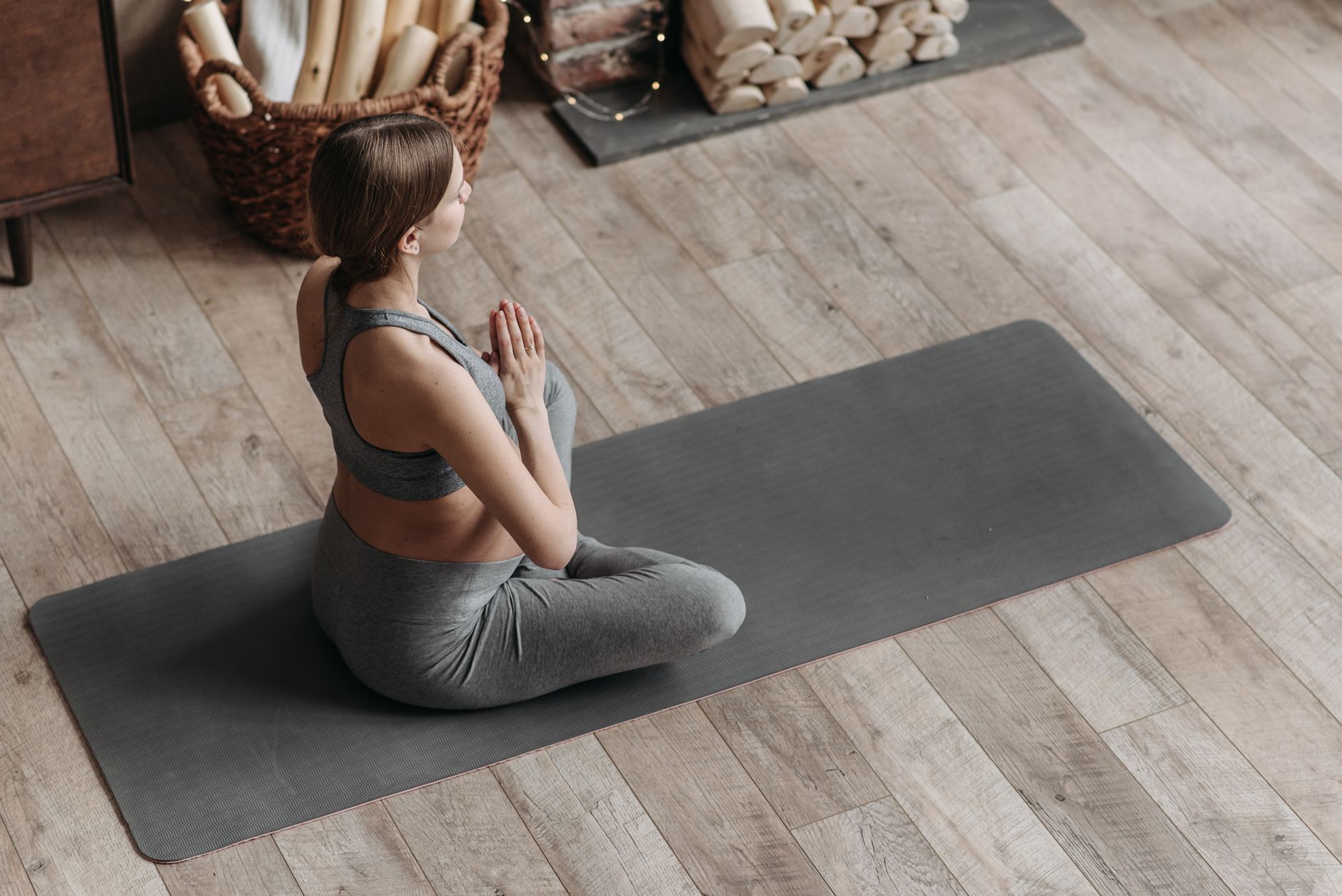
Supported Child’s Pose (Balasana): Kneel on a mat, place a bolster or stacked blankets between your thighs, and fold forward, letting the forehead rest on the cushion. This opens the hips and eases lower‑back tension.
Butterfly (Baddha Konasana) with a block: Sit upright, bring the soles of the feet together, and let the knees fall outward. Rest a yoga block under each knee for support. Hold 30 seconds, breathing into the stretch.
Cat‑Cow with hip hinge: On hands and knees, inhale to arch the back and lift the tailbone, exhale to round the spine while gently pressing the hips forward, feeling a stretch in the front of the hips.
Move slowly, avoid any pose that compresses the abdomen, and always keep a prop (blanket, block, or strap) handy for support. If you feel any dizziness or shortness of breath, exit the pose and rest.
Many prenatal yoga instructors recommend a 10‑minute “hip flow” sequence at the end of each class, which reinforces the same muscle groups you’re stretching on your own. Consistency—practicing 3–4 times a week—often translates to lasting relief and better sleep.
How does weight gain affect hip joints in pregnancy?
Answer: The average weight gain of 25–35 lb (11–16 kg) adds extra load to the hip joints, increasing compressive forces and potentially intensifying soreness if the supporting muscles are weak.
Weight gain is a natural, healthy part of pregnancy, but the added mass shifts the center of gravity forward. The pelvis tilts, and the hip joints bear more weight during standing and walking. Studies cited by the NHS demonstrate that each additional kilogram can increase hip joint load by roughly 3 %.
Strengthening the gluteal and core muscles helps distribute this load more evenly. Combining weight‑appropriate exercise (e.g., walking, swimming, low‑impact prenatal aerobics) with proper footwear—supportive shoes with good arch support—reduces impact on the hips. Additionally, maintaining a balanced diet rich in calcium, vitamin D, and omega‑3 fatty acids supports joint cartilage health.
Monitoring weight gain trends with your provider ensures you stay within recommended ranges for your pre‑pregnancy BMI. If you notice rapid weight gain or sudden hip pain, discuss it at your next prenatal visit; adjustments to activity level or nutrition may be needed.
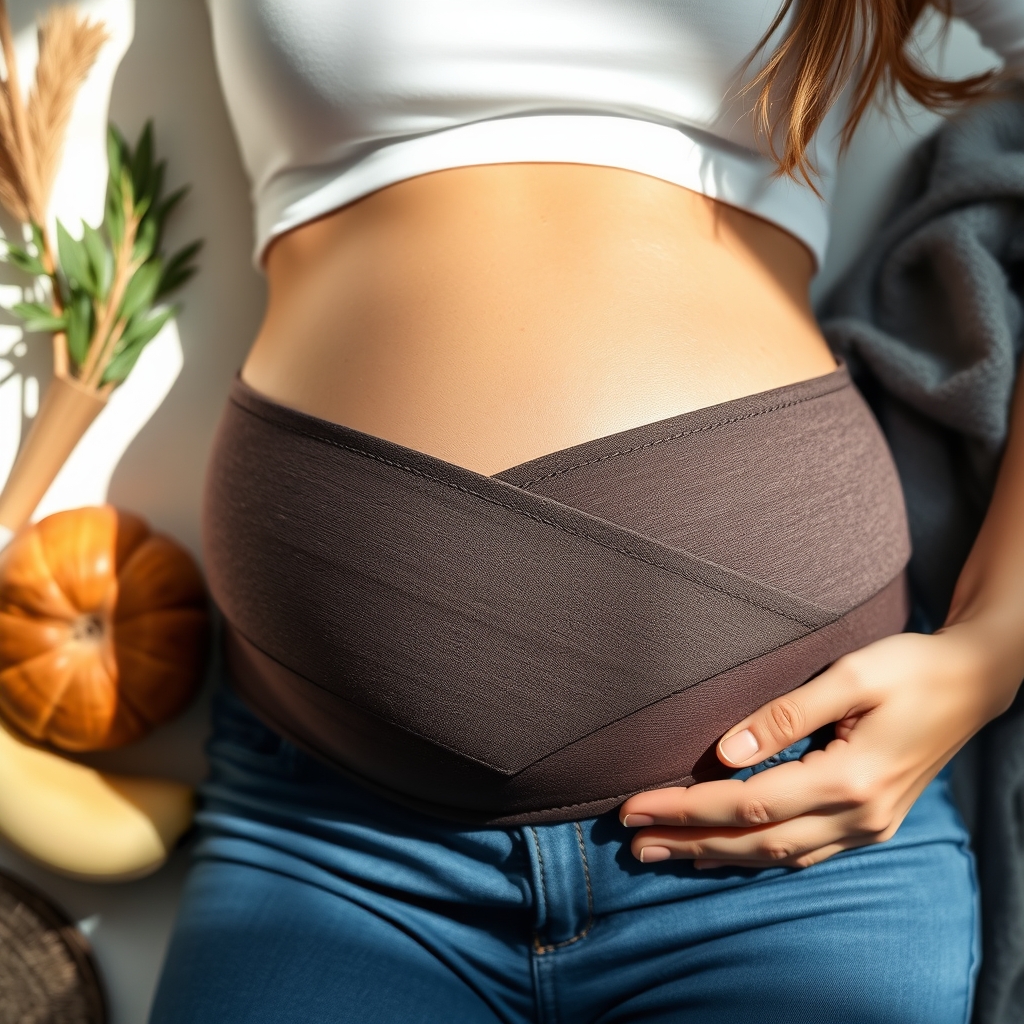
A maternity belt can offload the hips during longer walks.
Nutrition tips to reduce joint inflammation in pregnancy
Answer: A diet rich in omega‑3 fatty acids, antioxidants, and adequate calcium can help keep joint inflammation low, easing hip soreness.
Inflammation is a natural response to the hormonal changes of pregnancy, but excessive inflammatory foods may amplify hip discomfort. Consider these evidence‑based nutrition tweaks, endorsed by the WHO and the American Pregnancy Association:
Omega‑3 sources: Include two servings of cold‑water fish (e.g., salmon, sardines) per week, or add flaxseed oil and chia seeds to smoothies.
Antioxidant‑rich produce: Aim for a colorful plate—berries, leafy greens, and orange vegetables provide vitamins C and E, which support connective tissue.
Calcium and vitamin D: Dairy or fortified plant milks, tofu, and fortified orange juice help maintain bone density, crucial for joint support.
Limit processed sugars and excess saturated fats: These can increase systemic inflammation, according to the CDC’s dietary guidelines.
Stay well‑hydrated (at least 8 cups of water daily) and spread meals throughout the day to avoid spikes in blood sugar, which can also affect inflammation levels. If you have dietary restrictions, a registered dietitian can help you meet these nutrient goals safely.
Some mothers also find that adding a daily probiotic (yogurt, kefir, or a supplement) supports gut health, which recent research links to reduced systemic inflammation. While the evidence is still emerging, a modest probiotic intake is generally regarded as safe during pregnancy.
From our medical team: Hip soreness is rarely a sign of a serious problem, but it can affect sleep and daily function. We recommend starting with gentle stretches, using a supportive pillow or belt, and keeping acetaminophen on hand for occasional flare‑ups. If pain persists beyond a few weeks or you notice any red‑flag symptoms, schedule a visit. Personalized physiotherapy and prenatal yoga can make a big difference, and most women find relief within a month of consistent care.
Myth vs. fact
Myth: Hip pain always means you’ll need a C‑section.
Fact: Hip soreness is usually a benign musculoskeletal issue and does not dictate delivery mode. Only obstetric complications like placenta previa or fetal distress influence C‑section decisions.
Myth: You should avoid all movement if your hips hurt.
Fact: Gentle movement and targeted stretching are actually key to reducing stiffness. Complete rest can worsen muscle tightness and prolong discomfort.
Myth: Over‑the‑counter NSAIDs are safe throughout pregnancy.
Fact: After the first trimester, NSAIDs such as ibuprofen are linked to risks for the baby and should be avoided unless a provider specifically advises otherwise.
Key takeaways
Hip soreness is common; gentle stretches and pelvic tilts often provide quick relief.
Choose a supportive pillow (full‑body or wedge) and consider a maternity belt for daytime comfort.
Acetaminophen is the safest OTC pain reliever; avoid NSAIDs after the first trimester without doctor approval.
Distinguish hip pain (deep joint ache) from round‑ligament pain (sharp abdominal twinge).
Seek medical care for severe, sudden, or accompanied symptoms like swelling, fever, or numbness.
Incorporate anti‑inflammatory foods—omega‑3s, colorful veggies, calcium‑rich dairy or alternatives—to support joint health.
Consistent hydration and balanced weight gain help keep hip load manageable.
Frequently asked questions
Is hip pain normal during pregnancy?
Yes—most pregnant people experience some degree of hip discomfort as the pelvis expands and weight shifts, especially after the second trimester.
What causes hip pain in the second trimester?
In the second trimester, the growing uterus stretches the ligamentous support of the pelvis and changes the hip joint’s load, leading to soreness in the outer hips and glutes.
Can I take ibuprofen for hip pain while pregnant?
Generally no—ibuprofen is an NSAID that can affect fetal kidney development and should be avoided after 20 weeks unless a provider specifically prescribes it.
Are there specific stretches to alleviate hip soreness?
Yes—stretches such as the figure‑four, supported child’s pose, and standing quad stretch safely target hip muscles and can be done 2–3 times a day.
When should I be concerned about hip pain in pregnancy?
If the pain is sharp, sudden, accompanied by swelling, fever, numbness, or you can’t bear weight, contact your obstetrician or midwife promptly.
Do maternity belts help with hip pain?
Many expectant parents find that a well‑fitted maternity belt provides extra support for the pelvis and reduces hip strain during walking or standing for long periods.
Can I continue regular exercise with hip soreness?
Yes—low‑impact activities such as walking, swimming, or prenatal yoga are typically safe and can actually lessen hip discomfort, provided you avoid high‑impact moves that jar the joints.
Is it safe to use a heating pad on sore hips?
Applying a warm (not hot) compress for 15‑20 minutes can relax tight muscles and improve circulation. Avoid prolonged heat, and never place a heating pad directly on the belly; always use a barrier like a towel.
When to call your doctor
If you notice any of the following, reach out to your provider right away: sudden or severe hip pain, swelling or redness around the joint, fever, chills, unexplained weight loss, numbness or tingling in the leg, or difficulty walking more than a few steps. This information is for educational purposes only and does not replace personalized medical advice.
References
American College of Obstetricians and Gynecologists (ACOG). “Physical Activity and Exercise During Pregnancy and the Postpartum Period.” Clinical Guidance, 2023.
National Health Service (NHS). “Pregnancy and joint pain.” Patient information, 2022.
Food and Drug Administration (FDA). “Acetaminophen use in pregnancy.” Drug Safety Communication, 2021.
Mayo Clinic. “Hip pain during pregnancy: Causes and treatment.” Health Library, 2023.
World Health Organization (WHO). “Nutrition during pregnancy.” Guidelines, 2022.
Centers for Disease Control and Prevention (CDC). “Dietary guidelines for Americans.” 2023 edition.
American Pregnancy Association. “Omega‑3 fatty acids and pregnancy.” Nutrition Factsheet, 2023.
Royal College of Obstetricians and Gynaecologists (RCOG). “Management of musculoskeletal pain in pregnancy.” Clinical Practice Guidelines, 2022.
National Institute for Health and Care Excellence (NICE). “Pregnancy: advice on physiotherapy and exercise.” Clinical Guideline NG123, 2023.
How to pick a maternity support belt for hip relief
Support belts are designed to redistribute the growing weight of the abdomen and reduce strain on the hips and lower back. Choosing the right belt depends on fit, material, and the level of support you need.
Belt type
Adjustability
Typical material
Best use case
Wide‑band maternity belt
Full‑length hook‑and‑loop
Breathable neoprene
Everyday wear, gentle support
Targeted hip support strap
Dual straps with Velcro
Elastic cotton blend
Focused hip compression during activity
Adjustable lumbar brace
Multiple tension settings
Rigid acrylic with soft lining
Post‑delivery recovery or severe pain
When trying a belt, stand upright and place it around your lower back and hips, ensuring the band sits just above the belly button and wraps comfortably around the hips. You should be able to slip a finger beneath the band—tight enough to feel support, but not so tight that breathing or digestion is restricted. If you experience any tingling, adjust the fit or discontinue use and discuss it with your provider.
Many women find that wearing the belt for short periods (15‑30 minutes) during activities like grocery shopping or light exercise provides enough relief without causing dependence. Always pair belt use with the stretching and strengthening routines described earlier for the best overall outcome.
Adjustable Velcro straps let you find a comfortable, supportive fit.
When to consider prenatal physiotherapy for persistent hip pain
Most hip discomfort improves with home care, but if pain lingers beyond three weeks, worsens, or limits daily activities, a physiotherapist can offer targeted treatment.
Prenatal physiotherapists specialize in safe, pregnancy‑appropriate techniques such as manual therapy, tailored exercise programs, and education on posture and body mechanics. A single 45‑minute session can reveal muscle imbalances you may not notice on your own, and a custom plan can accelerate recovery.
Insurance plans in the US and the NHS in the UK often cover physiotherapy referrals for musculoskeletal pain during pregnancy. When you speak with your obstetrician, ask, “Would a physiotherapy referral be appropriate for my hip soreness?” This simple question can open the door to professional support that many expectant parents find invaluable.
Typical physiotherapy interventions include: gentle joint mobilizations, core stabilization drills, and instruction on proper ergonomics for everyday tasks (e.g., lifting a diaper bag or getting in and out of a car). Incorporating these strategies alongside the stretches and pillows already discussed can create a comprehensive, low‑risk approach to hip comfort.
Hormonal influences on hip ligaments and joint stability
Pregnancy hormones—particularly relaxin and progesterone—soften ligaments to prepare the pelvis for childbirth. While this flexibility is essential for delivery, it can also make the hip joint feel less stable.
Relaxin peaks in the first trimester and gradually declines, but its effects linger, leading to increased joint laxity throughout pregnancy. This can cause a sensation of “giving way” when walking up stairs or standing for long periods. Understanding this hormonal backdrop helps you appreciate why gentle strengthening is more effective than aggressive stretching alone.
Research from the RCOG suggests that low‑impact strength training, such as pelvic floor exercises combined with hip abductor work, can counteract excessive laxity without overstressing the joints. Listening to your body—stopping if you feel a sudden “pop” or sharp pain—remains the safest strategy.
Additional resources
American Pregnancy Association – “Safe Exercise During Pregnancy” (2023)
National Institute of Child Health and Human Development – “Pregnancy and Hormones” (2022)
Healthline – “Understanding Relaxin and Its Role in Pregnancy” (2023)
Not sure about the label on Pregnancy And Sore Hips Relief Strategies products?
Snap the ingredients list and SafeFilter checks every ingredient for your stage — only 3 free scans this month, then you're locked until reset. Unlimited from $7/mo or $50/yr.
When Shubhra Mishra was expecting her first child in 2016, she was overwhelmed by conflicting food advice — one site said yes, another said never. By the time her second baby arrived in 2019, she realized millions of mothers face the same confusion.
That sparked a five-year journey through clinical nutrition papers, cultural diets, and expert conversations — all leading to BumpBites: a calm, compassionate space where science meets everyday motherhood.
Her long-term vision is to build a global community ensuring safe, supported, and free deliveriesfor every mother — because no woman should face pregnancy alone or uninformed. 🌿
🌍 Stand with mothers, shape safer guidance
Join a small circle of experts who review BumpBites articles so expecting parents everywhere can decide with confidence.