Safe: Is a vegetarian diet during pregnancy safe? Yes, with careful planning. Learn how to ensure adequate nutrients like iron, B12, and omega-3s for a healthy
By Shubhra Mishra — a mom of two who turned her own confusion during pregnancy into BumpBites, a global mission to make food choices clear, safe, and stress-free for every expecting mother. 💛
Check whether any food is safe during pregnancy with the BumpBites Food Safety Checker.
Quick verdict: ✅ Generally safe. A well-planned vegetarian diet during pregnancy can be perfectly healthy for both you and your baby, provided you pay close attention to essential nutrient intake and consider supplementation. It's crucial to consult with your healthcare provider and a registered dietitian to ensure all nutritional needs are met.
The moment you see those two lines, a flood of questions often follows. If you're already following a vegetarian diet or considering one, you're likely wondering, "is vegetarian diet during pregnancy safe?" It's a common and important question, and we want to reassure you that with careful planning, a vegetarian diet can be a wonderful, healthy choice for your pregnancy journey. Many expectant parents worry about getting enough nutrients for their developing baby without meat, and it's completely understandable to feel a little overwhelmed.
At BumpBites, we understand these late-night searches and the desire for clear, evidence-based answers. The good news is that medical experts, including the American College of Obstetricians and Gynecologists (ACOG), generally agree that a well-planned vegetarian diet during pregnancy is safe and can support a healthy pregnancy. The key phrase here is "well-planned." This means being mindful of certain nutrients that are more readily available in animal products and ensuring you get them from plant-based sources or supplements.
This article will walk you through everything you need to know about maintaining a vegetarian diet while pregnant, covering potential risks, essential nutrients, recommended supplements, and how to ensure both you and your baby thrive. We'll also address specific concerns, compare vegetarian and vegan diets, and provide practical tips for meal planning.
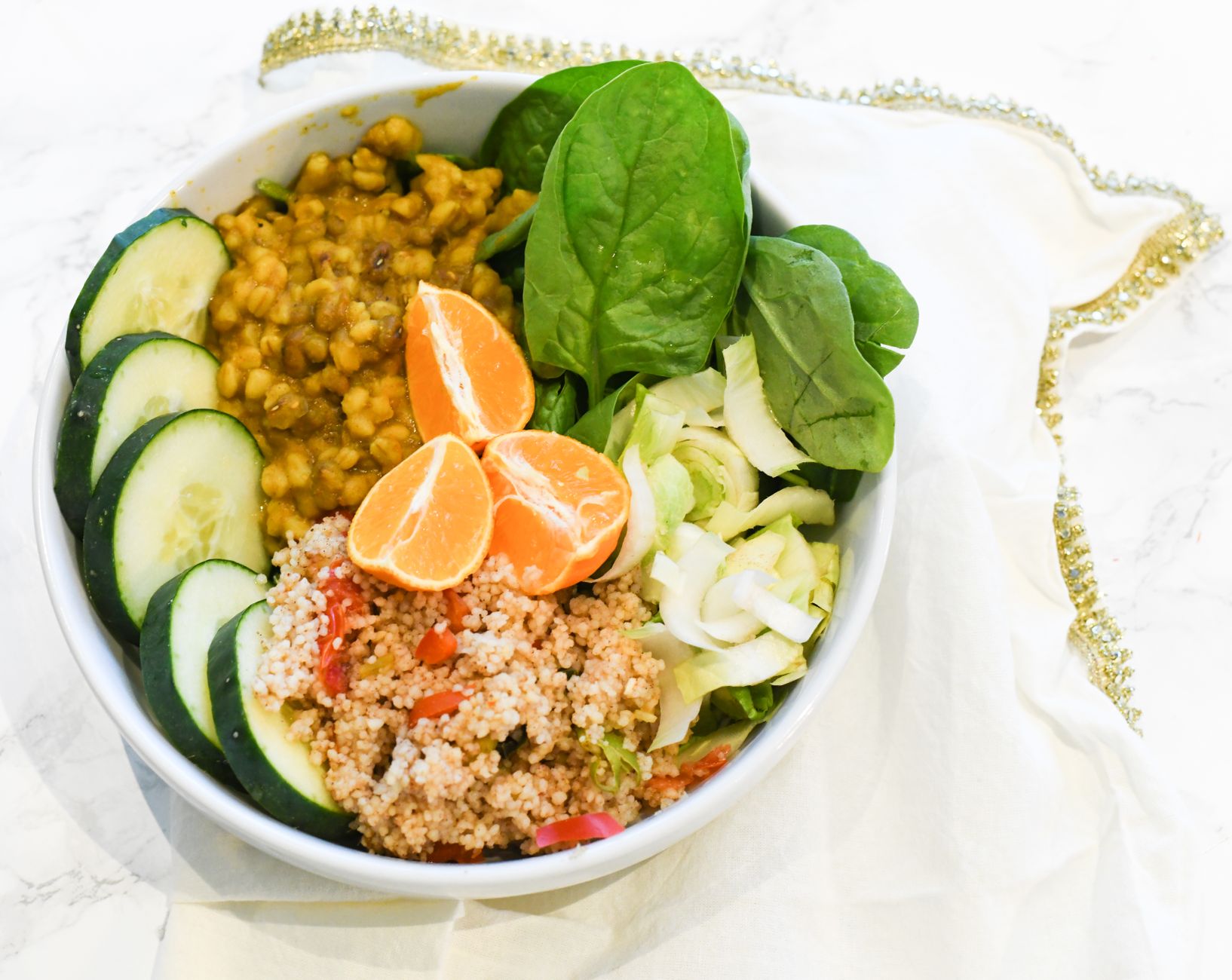
Embrace a rainbow of plant-based foods to ensure a diverse intake of nutrients during your vegetarian pregnancy.
Safety Snapshot: Vegetarian Diet During Pregnancy
Trimester/Stage
Verdict
Notes
First Trimester
✅ Generally Safe
Critical for organogenesis. Focus on folate, B12, iron, and iodine. Ensure adequate protein intake.
Second Trimester
✅ Generally Safe
Continued focus on all nutrients, especially calcium and vitamin D for bone development. Monitor iron levels.
Third Trimester
✅ Generally Safe
High energy and nutrient demands for rapid fetal growth. Prioritize iron, protein, and omega-3s.
Breastfeeding
✅ Generally Safe
Maternal diet directly impacts milk quality. Continue nutrient vigilance, especially B12, iron, and omega-3s.
What is a Vegetarian Diet?
A vegetarian diet is a dietary pattern that excludes meat, poultry, and fish. However, there are several variations within vegetarianism, each with slightly different food restrictions:
Lacto-ovo vegetarian: This is the most common type, including dairy products (lacto) and eggs (ovo), but no meat, poultry, or fish.
Lacto vegetarian: Includes dairy products but excludes eggs, meat, poultry, and fish.
Ovo vegetarian: Includes eggs but excludes dairy products, meat, poultry, and fish.
Pescatarian: While sometimes grouped with vegetarianism, pescatarians consume fish and seafood, along with dairy and eggs, but no other meat or poultry. For the purpose of this article, we'll focus on diets that exclude all animal flesh.
Vegan: The strictest form, excluding all animal products, including meat, poultry, fish, dairy, eggs, and often honey and other animal-derived ingredients.
People choose a vegetarian diet for various reasons, including ethical concerns, environmental impact, religious beliefs, and perceived health benefits. Regardless of the motivation, maintaining a balanced vegetarian diet requires understanding how to obtain all necessary nutrients from plant-based sources.
Is a Vegetarian Diet Safe During Pregnancy?
Yes,
a vegetarian diet during pregnancy is generally considered safe and healthy, provided it is well-planned and carefully managed. Major health organizations like the American College of Obstetricians and Gynecologists (ACOG), the Academy of Nutrition and Dietetics, and the UK's National Health Service (NHS) affirm that vegetarian diets can be nutritionally adequate for pregnant individuals. The key is ensuring a diverse intake of plant-based foods to cover all essential macronutrients (protein, carbohydrates, fats) and micronutrients (vitamins and minerals) that are vital for both maternal health and fetal development.
The primary concern with any restrictive diet during pregnancy is the potential for nutrient deficiencies. For vegetarians, this often means paying extra attention to nutrients like vitamin B12, iron, calcium, vitamin D, iodine, zinc, and omega-3 fatty acids. These nutrients are often more abundant or bioavailable in animal products. However, with strategic food choices, fortification, and appropriate supplementation, these needs can be met. For instance, while red meat is a rich source of highly absorbable heme iron, vegetarians can rely on non-heme iron from legumes, fortified cereals, and dark leafy greens, paired with vitamin C to enhance absorption.
The most important step is to communicate your dietary choices with your healthcare provider early in your pregnancy. They can assess your individual needs, recommend specific blood tests to check nutrient levels, and refer you to a registered dietitian who specializes in plant-based nutrition during pregnancy. This team approach ensures that your vegetarian diet during pregnancy is not only safe but optimally supports the health of you and your growing baby.
Is a Vegetarian Diet Safe in the First Trimester of Pregnancy?
The first trimester is a period of rapid and critical development for your baby, particularly organogenesis – the formation of major organs. Therefore, ensuring adequate nutrient intake from the very beginning is paramount. A well-planned vegetarian diet is safe during this crucial window, but vigilance regarding specific nutrients is especially important.
During the first trimester, adequate folate intake is critical to prevent neural tube defects. While many prenatal vitamins include folic acid, vegetarians can boost their intake through leafy greens, legumes, oranges, and fortified cereals. Iron is another key nutrient, essential for increasing your blood volume and preventing anemia. Since morning sickness or food aversions can sometimes make eating challenging, focusing on iron-rich plant foods like lentils, spinach, and fortified grains, combined with vitamin C sources (like citrus fruits or bell peppers) to enhance absorption, is vital. Remember to discuss your iron intake with your provider, as many pregnant individuals, regardless of diet, may need an iron supplement. You can learn more about essential foods and supplements for iron in pregnancy.
Vitamin B12 is almost exclusively found in animal products, so if you are lacto-ovo vegetarian, ensure you are regularly consuming dairy and eggs. If you are a strict vegetarian (vegan), a B12 supplement is non-negotiable from the outset. Protein needs also increase, and the first trimester is a good time to establish habits of including protein-rich plant foods like beans, lentils, tofu, tempeh, quinoa, and nuts in every meal. Consistent and balanced nutrition in the first trimester sets a strong foundation for a healthy pregnancy, confirming that a thoughtfully executed vegetarian diet during pregnancy is indeed safe from the start.
Safety in the Second and Third Trimesters and During Breastfeeding
As your pregnancy progresses into the second and third trimesters, your nutrient needs continue to climb to support your baby's rapid growth and development.
Second Trimester: This trimester is key for your baby's bone development, making calcium and vitamin D especially important. Vegetarians should ensure good intake from fortified plant milks, tofu set with calcium, leafy greens, and sun exposure for vitamin D (or a supplement if advised). Omega-3 fatty acids, particularly DHA, become crucial for fetal brain and eye development. While fatty fish are primary sources, vegetarian options include algal oil supplements and flaxseeds, chia seeds, and walnuts (which provide ALA, a precursor to DHA).
Third Trimester: Energy demands are at their highest. Continue to prioritize protein, iron, and calcium. Your baby will be building up their iron stores for after birth, so your iron intake remains critical. Regular blood tests will monitor your iron levels, and your doctor may adjust supplement recommendations.
Breastfeeding: If you choose to breastfeed, your nutritional needs remain elevated, sometimes even higher than during pregnancy. Your diet directly influences the nutrient composition of your breast milk. Maintaining a well-balanced vegetarian diet during this period is crucial, with continued emphasis on all the key nutrients mentioned, especially B12 and omega-3s, which can be passed to your baby through milk.
What are the Potential Risks of a Vegetarian Diet During Pregnancy?
While a vegetarian diet during pregnancy can be perfectly healthy, it does carry potential risks if not meticulously planned. The primary concern revolves around specific nutrient deficiencies that are more common in plant-based diets, which could impact both maternal health and fetal development.
One of the most significant risks is **Vitamin B12 deficiency**. B12 is crucial for neurological development in the fetus and for preventing megaloblastic anemia in the mother. Since it's primarily found in animal products, strict vegetarians (vegans) are at high risk, and even lacto-ovo vegetarians need to ensure adequate intake from fortified foods or supplements.
**Iron deficiency anemia** is another common concern, as non-heme iron from plant sources is not as readily absorbed as heme iron from meat. Insufficient iron can lead to maternal fatigue, increased risk of preterm delivery, and low birth weight. You can explore top foods rich in iron for a healthy pregnancy to help mitigate this risk.
Other potential deficiencies include:
**Calcium and Vitamin D:** Essential for fetal bone and teeth development. While dairy and fortified plant milks are good sources, adequate intake needs careful monitoring.
**Omega-3 Fatty Acids (DHA/EPA):** Critical for fetal brain and eye development. Plant sources provide ALA, which converts to DHA/EPA, but the conversion rate can be low.
**Iodine:** Important for thyroid function and neurological development. Vegetarians may have lower intake if they avoid iodized salt or sea vegetables.
**Zinc:** Plays a role in cell growth and immune function. Plant sources like legumes and nuts contain zinc, but phytates can inhibit absorption.
**Protein:** While generally easier to obtain on a vegetarian diet than a vegan one, ensuring diverse protein sources at each meal is important for meeting increased pregnancy needs.
These risks underscore the importance of regular prenatal check-ups, blood tests, and potentially working with a registered dietitian to ensure your vegetarian diet during pregnancy is providing all necessary nutrients.
How to Ensure Adequate Nutrition on a Vegetarian Pregnancy Diet?
Ensuring adequate nutrition on a vegetarian diet during pregnancy requires proactive planning and a deep understanding of nutrient-dense plant foods. It's not just about avoiding meat; it's about intentionally including a wide variety of foods that can provide all the necessary vitamins and minerals.
Prioritize Nutrient-Dense Plant Foods
Focus on incorporating these food groups into your daily meals:
Legumes: Beans, lentils, chickpeas, and peas are excellent sources of protein, iron, zinc, and fiber. Aim for at least 3-4 servings daily.
Whole Grains: Quinoa, brown rice, oats, whole wheat bread, and fortified cereals provide complex carbohydrates for energy, fiber, B vitamins, and some iron. Quinoa is a complete protein source.
Nuts and Seeds: Almonds, walnuts, chia seeds, flaxseeds, and hemp seeds offer healthy fats, protein, fiber, and minerals like magnesium and zinc. Walnuts and flaxseeds are good sources of ALA omega-3s.
Dark Leafy Greens: Spinach, kale, collard greens, and broccoli are packed with folate, calcium, iron, and vitamins A, C, and K. Pair them with vitamin C-rich foods to boost iron absorption.
Fortified Foods: Look for plant milks (soy, almond, oat) fortified with calcium and vitamin D, and breakfast cereals fortified with iron and B12.
Tofu and Tempeh: Soy products are versatile protein sources, with tofu often fortified with calcium. Tempeh also provides probiotics.
Eggs and Dairy (for lacto-ovo vegetarians): These provide high-quality protein, B12, calcium, and vitamin D.
Meal Planning Strategies
Combine Protein Sources: Ensure you get a variety of plant proteins throughout the day to consume all essential amino acids. For example, combine legumes with grains (e.g., rice and beans).
Boost Iron Absorption: Always pair iron-rich plant foods with sources of vitamin C (e.g., lentils with bell peppers, spinach with citrus dressing).
Snack Smart: Keep nutrient-dense snacks on hand, like nuts, seeds, fruit, or hummus with veggie sticks, to keep your energy up and nutrient intake consistent.
Eat Regular Meals: Aim for three balanced meals and 2-3 snacks daily to maintain blood sugar levels and consistent nutrient delivery.
By thoughtfully constructing your meals and snacks, your vegetarian diet during pregnancy can be incredibly nourishing and supportive of a healthy gestation.
What Supplements are Essential for Pregnant Vegetarians?
For pregnant individuals following a vegetarian diet, certain supplements become not just recommended, but often essential, to bridge potential nutrient gaps. Even with the most careful meal planning, it can be challenging to meet the increased demands of pregnancy for specific nutrients from plant-based foods alone.
Mandatory Supplements
Prenatal Vitamin: This is a non-negotiable for all pregnant individuals, vegetarian or not. It typically contains essential nutrients like folic acid, iron, calcium, and vitamin D. However, vegetarians should scrutinize the label to ensure it provides adequate amounts of specific nutrients.
Vitamin B12: This is arguably the most critical supplement for vegetarians, especially strict vegans, as B12 is almost exclusively found in animal products. Deficiency can lead to irreversible neurological damage in the baby. Your prenatal vitamin may contain B12, but ensure it's a sufficient dose (typically 2.6 mcg daily during pregnancy, but often higher in supplements).
Highly Recommended Supplements
Iron: While your prenatal vitamin will contain iron, many pregnant individuals, particularly vegetarians, may need an additional iron supplement. Your doctor will monitor your iron levels through blood tests and advise on the appropriate dosage, as too much iron can be harmful.
Omega-3 Fatty Acids (DHA/EPA): Essential for fetal brain and eye development. Since fish are the primary dietary source, vegetarians should consider an algal oil supplement, which provides pre-formed DHA and often EPA directly from marine algae.
Vitamin D: Many people, including vegetarians, don't get enough vitamin D through diet or sun exposure. It's crucial for calcium absorption and bone health for both mother and baby. Your prenatal vitamin likely has some, but additional supplementation may be needed, especially in winter months or for those with limited sun exposure.
Iodine: Important for thyroid function and neurological development. While iodized salt is a source, many vegetarians may have lower intake. Some prenatal vitamins include iodine, but check with your doctor if you need an additional supplement.
Always discuss all supplements with your healthcare provider or a registered dietitian before starting them. They can help tailor a supplementation plan to your specific needs, ensuring your vegetarian diet during pregnancy provides comprehensive support.
Is a Vegan Diet Safe During Pregnancy Compared to Vegetarian?
When considering a vegan diet during pregnancy, the question of safety becomes even more pronounced than with a vegetarian diet, as it involves the complete exclusion of all animal products, including dairy and eggs. While a well-planned vegan diet can be safe during pregnancy, it requires even more diligent attention to nutrient intake and supplementation.
The main difference lies in the increased risk of certain nutrient deficiencies. Vegans face a higher likelihood of inadequate intake of:
Vitamin B12: As mentioned, B12 is almost exclusively found in animal products, making supplementation absolutely essential for vegans.
Calcium and Vitamin D: Without dairy, vegans must rely heavily on fortified plant milks, calcium-set tofu, and dark leafy greens for calcium, and fortified foods or supplements for vitamin D.
Omega-3 Fatty Acids: Algal oil supplements are crucial for vegans to obtain pre-formed DHA and EPA, as plant-based ALA sources have limited conversion rates.
Iron and Zinc: While present in plant foods, absorption can be lower due to phytates. Careful meal planning (e.g., pairing with vitamin C) and potentially higher doses of supplements may be necessary.
Protein: While achievable, vegans need to ensure a wide variety of protein sources (legumes, grains, nuts, seeds, soy products) throughout the day to get all essential amino acids.
The Academy of Nutrition and Dietetics states that "well-planned vegan diets are appropriate for all stages of the life cycle, including pregnancy and lactation." However, this planning needs to be meticulous. It is highly recommended for pregnant individuals following a vegan diet to work closely with their healthcare provider and a registered dietitian specializing in vegan nutrition. They can help monitor nutrient levels, recommend specific fortified foods, and guide on appropriate supplementation, ensuring that the vegan diet during pregnancy is truly safe and supports optimal health for both mother and baby.
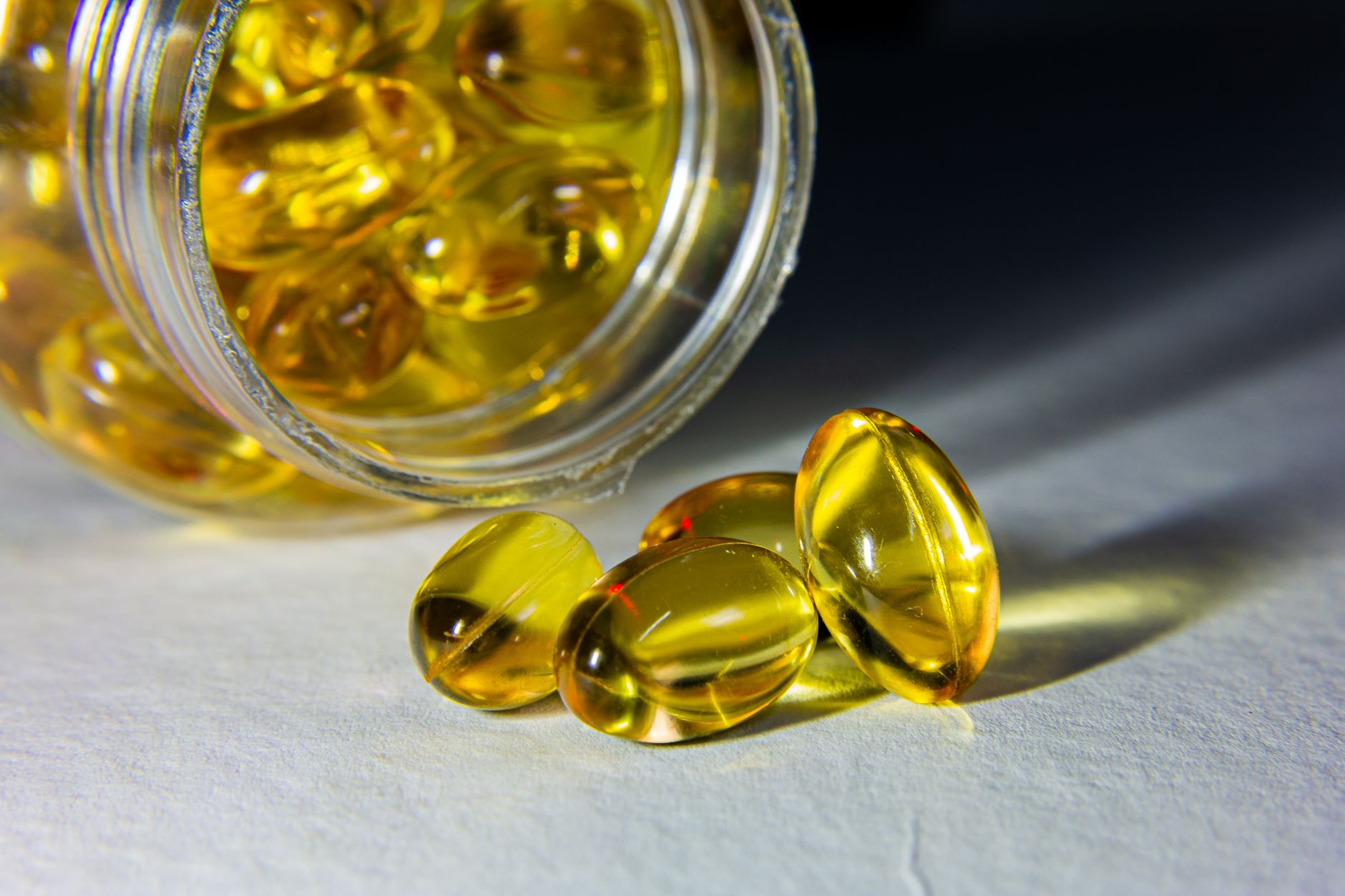
Discuss your supplement needs with your doctor to ensure you're getting all essential nutrients on a vegetarian diet during pregnancy.
Can a Vegetarian Diet Affect Fetal Development?
A well-planned vegetarian diet during pregnancy is not expected to negatively affect fetal development. In fact, studies show that pregnant individuals following well-balanced vegetarian diets have similar pregnancy outcomes to those consuming omnivorous diets, including birth weight, gestational age, and incidence of congenital anomalies. The key differentiator is *nutritional adequacy*, not the exclusion of meat itself.
However, if a vegetarian diet is poorly planned and leads to significant nutrient deficiencies, it *can* potentially impact fetal development. For example:
Folate deficiency: Can lead to neural tube defects early in pregnancy.
Vitamin B12 deficiency: Can impair neurological development and increase the risk of developmental delays.
Iron deficiency: Severe maternal anemia can be associated with preterm birth and low birth weight.
Omega-3 (DHA) deficiency: May impact the optimal development of the fetal brain and eyes.
Iodine deficiency: Can lead to impaired neurodevelopment and cretinism.
These risks are not inherent to vegetarianism but rather to any diet that fails to provide sufficient essential nutrients during pregnancy. This is why medical bodies emphasize the "well-planned" aspect. Regular monitoring of maternal nutrient status through blood tests, consistent communication with your healthcare provider, and potentially consulting a registered dietitian are crucial steps to ensure that your vegetarian diet during pregnancy fully supports your baby's healthy development. When managed correctly, a vegetarian diet can provide all the building blocks your baby needs to thrive.
Vegetarian Diet for Pregnant Women with Gestational Diabetes or Anemia
A vegetarian diet can be a beneficial dietary pattern for pregnant individuals managing specific health conditions like gestational diabetes or anemia, but it requires even more precise planning and medical oversight.
Gestational Diabetes
For those diagnosed with gestational diabetes (GD), a vegetarian diet can actually align well with the recommended dietary principles:
High Fiber: Vegetarian diets are naturally rich in fiber from fruits, vegetables, whole grains, and legumes. Fiber helps regulate blood sugar levels, which is crucial for GD management.
Complex Carbohydrates: Emphasizing whole grains over refined carbohydrates can provide sustained energy release and better blood sugar control.
Plant-Based Protein: Legumes, tofu, tempeh, nuts, and seeds offer good protein sources that can help stabilize blood sugar and promote satiety.
However, careful carbohydrate counting and portion control are still essential. Some vegetarian foods, like certain fruits or starchy vegetables, can still impact blood sugar if consumed in large quantities. Working with a registered dietitian who specializes in both vegetarian diets and gestational diabetes is highly recommended to create a personalized meal plan.
Anemia
Iron deficiency anemia is common in pregnancy, and vegetarians may be at higher risk. If you are diagnosed with anemia while following a vegetarian diet:
Increase Iron-Rich Plant Foods: Double down on sources like lentils, black beans, spinach, fortified cereals, and pumpkin seeds.
Maximize Iron Absorption: Always pair iron-rich foods with vitamin C sources (e.g., a spinach salad with orange slices, or lentil soup with bell peppers). Avoid consuming iron-rich foods with calcium-rich foods (like dairy or fortified plant milks) or coffee/tea, as these can inhibit iron absorption.
Iron Supplementation: Your doctor will almost certainly prescribe an iron supplement, likely at a higher dose than what's found in a standard prenatal vitamin. It's crucial to take this as directed.
In both cases, a vegetarian diet during pregnancy can be an effective tool for managing these conditions, but it necessitates careful monitoring by your healthcare team to ensure optimal outcomes for both you and your baby.
What are the Benefits of a Well-Planned Vegetarian Pregnancy?
Beyond simply being safe, a well-planned vegetarian diet during pregnancy can offer several significant health benefits for both the expectant parent and the developing baby.
1. **Increased Fiber Intake:** Vegetarian diets are naturally high in fiber from fruits, vegetables, whole grains, and legumes. This can help prevent common pregnancy discomforts like constipation and hemorrhoids, and contribute to better blood sugar control, potentially reducing the risk of gestational diabetes.
2. **Rich in Vitamins and Minerals:** A diverse vegetarian diet provides an abundance of vitamins, minerals, and antioxidants. For example, it's typically rich in folate, vitamin C, and potassium, all crucial for pregnancy.
3. **Heart Health Benefits:** Vegetarian diets are often lower in saturated fat and cholesterol, which can contribute to better maternal cardiovascular health.
4. **Lower Risk of Certain Pregnancy Complications:** Some research suggests that well-balanced vegetarian diets may be associated with a lower risk of preeclampsia, though more studies are needed.
5. **Healthy Weight Management:** The high fiber and nutrient density of plant-based foods can promote satiety, helping with healthy weight gain during pregnancy, which is important for reducing the risk of complications.
6. **Reduced Exposure to Foodborne Illnesses:** By eliminating meat, poultry, and fish, you naturally reduce your exposure to certain foodborne pathogens associated with these foods, provided you maintain excellent hygiene and safe food preparation practices for plant foods.
Ultimately, the choice to maintain a vegetarian diet during pregnancy is a personal one. When approached with knowledge, careful planning, and professional guidance, it can be a highly nutritious and beneficial dietary path, ensuring that your vegetarian diet during pregnancy contributes positively to your overall health and your baby's development.
Safer Alternatives and Other Healthy Dietary Patterns During Pregnancy
If you're considering a change to your diet during pregnancy, or are simply exploring options beyond a vegetarian approach, there are several other healthy dietary patterns that are widely recommended for expectant parents. The goal of any pregnancy diet is comprehensive nutrition, and these alternatives can also achieve that.
* **Well-Balanced Omnivorous Diet:** This is the most common dietary pattern and involves consuming a variety of foods from all groups, including lean meats, poultry, fish, dairy, eggs, fruits, vegetables, and whole grains. It generally provides an easier path to obtaining all essential nutrients, especially iron and B12, but still requires mindful choices about food quality and preparation.
* **Pescatarian Diet during Pregnancy:** This diet includes fish and seafood, along with dairy and eggs, but excludes other meats. It offers the benefits of plant-based eating while providing excellent sources of omega-3 fatty acids (DHA/EPA), vitamin D, and easily absorbed protein and iron from fish. It's considered a very healthy option for pregnancy, with guidance on safe fish choices (low mercury) being paramount.
* **Mediterranean Diet during Pregnancy:** Emphasizes fruits, vegetables, whole grains, legumes, nuts, seeds, olive oil, and includes fish, poultry, and dairy in moderation. This diet is renowned for its heart-healthy benefits and abundant micronutrients, making it an excellent and well-researched choice for pregnancy.
* **DASH Diet during Pregnancy (Dietary Approaches to Stop Hypertension):** While designed to lower blood pressure, the DASH diet's principles—rich in fruits, vegetables, whole grains, and low-fat dairy, with moderate amounts of lean protein and nuts/seeds—make it a highly nutritious and balanced option for pregnancy, supporting overall health.
Each of these dietary patterns, when well-executed, can provide the comprehensive nutrition needed for a healthy pregnancy. The best choice depends on your personal preferences, ethical considerations, and health needs, always in consultation with your healthcare provider. For comparison, you can also explore is carnivore diet pregnancy safe during pregnancy and is an elimination diet safe during pregnancy, but these are generally more restrictive and require even more careful consideration.
Related Diets — Safety at a Glance
Understanding how different dietary patterns compare in terms of pregnancy safety can help you make informed choices.
Pregnancy Safety of Related Diets
Dietary Pattern
Verdict
Notes
Vegan Diet during Pregnancy
⚠️ Safe with limits
Requires meticulous planning and essential supplementation (B12, DHA, iron, calcium, D) to avoid deficiencies.
Pescatarian Diet during Pregnancy
✅ Generally Safe
Excellent source of omega-3s, protein, and iron. Focus on low-mercury fish and varied seafood.
Keto Diet during Pregnancy
❌ Best Avoided
Generally not recommended due to potential nutrient deficiencies and unknown long-term effects on fetal development. See is keto diet during pregnancy safe.
Paleo Diet during Pregnancy
⚠️ Safe with limits
Can be nutrient-dense but may lack calcium from dairy and sufficient carbohydrates. Careful planning needed.
Gluten-Free Diet during Pregnancy
✅ Generally Safe
Necessary for celiac disease; otherwise, ensure whole grains are replaced with other nutrient-rich alternatives.
DASH Diet during Pregnancy
✅ Generally Safe
Highly recommended due to emphasis on fruits, vegetables, whole grains, and lean protein; supports overall health.
Mediterranean Diet during Pregnancy
✅ Generally Safe
Widely considered one of the healthiest dietary patterns, rich in whole foods, healthy fats, and lean protein.
Intermittent Fasting during Pregnancy
❌ Best Avoided
Generally not recommended due to potential risks of nutrient deficiencies and inadequate energy intake for fetal growth.
Myth vs. Fact
When it comes to vegetarian diets and pregnancy, there are many misconceptions. Let's clear up a few common ones.
Myth: You can't get enough protein on a vegetarian diet during pregnancy.
Fact: This is simply not true. While protein needs increase significantly during pregnancy, a diverse vegetarian diet can easily meet these requirements. Excellent plant-based protein sources include legumes (beans, lentils), tofu, tempeh, edamame, quinoa, nuts, seeds, and even some vegetables like broccoli and spinach. Lacto-ovo vegetarians also have access to eggs and dairy, which are complete protein sources. The key is to include a variety of these foods throughout your day.
Myth: All vegetarians are automatically healthier during pregnancy.
Fact: While well-planned vegetarian diets often lead to higher fiber intake and lower saturated fat, simply being vegetarian doesn't guarantee a healthy pregnancy. A vegetarian diet that relies heavily on processed foods, sugary drinks, and refined grains (e.g., chips, cookies, white bread) will not be healthier than a balanced omnivorous diet. The quality and variety of foods consumed are far more important than the presence or absence of meat.
Myth: If you're vegetarian, your baby will be smaller or have developmental issues.
Fact: This is a common worry, but it's not supported by evidence for well-planned diets. Research consistently shows that pregnant individuals on nutritionally adequate vegetarian diets have similar birth outcomes, including baby size and gestational age, as those on omnivorous diets. Any developmental issues are linked to specific nutrient deficiencies (like severe B12 or iron deficiency), which can happen on any diet if not managed correctly, not vegetarianism itself.
Key Takeaways
A well-planned vegetarian diet during pregnancy is generally safe and healthy for both you and your baby.
Prioritize key nutrients like Vitamin B12, iron, calcium, Vitamin D, omega-3s, iodine, and zinc.
Supplementation, especially with a high-quality prenatal vitamin, Vitamin B12, and often iron and DHA, is crucial for pregnant vegetarians.
Focus on diverse, nutrient-dense plant foods: legumes, whole grains, nuts, seeds, dark leafy greens, tofu, and fortified plant milks.
Consult your healthcare provider and a registered dietitian to ensure your specific nutritional needs are met and to monitor nutrient levels.
A vegan diet during pregnancy requires even more meticulous planning and supplementation than a lacto-ovo vegetarian diet.
Frequently Asked Questions
Is being vegetarian healthy during pregnancy?
Yes, being vegetarian can be very healthy during pregnancy, provided your diet is well-planned and includes a wide variety of nutrient-dense plant foods. It can offer benefits like higher fiber intake and lower saturated fat, but careful attention to specific nutrients and potential supplementation is essential for optimal maternal and fetal health.
What are the risks of a vegetarian diet during pregnancy?
The main risks of a vegetarian diet during pregnancy stem from potential nutrient deficiencies, particularly Vitamin B12, iron, omega-3 fatty acids (DHA/EPA), calcium, Vitamin D, iodine, and zinc. If these nutrients are not adequately obtained through diet or supplements, they can impact both maternal health and fetal development.
What supplements do vegetarians need during pregnancy?
Pregnant vegetarians typically need a high-quality prenatal vitamin, a Vitamin B12 supplement (especially vegans), and often additional iron and an algal oil-based DHA supplement. Your doctor may also recommend Vitamin D and iodine supplements based on your individual needs and blood test results.
Can a vegetarian diet affect baby's development?
A well-planned vegetarian diet during pregnancy will not negatively affect your baby's development. However, a poorly planned diet leading to significant nutrient deficiencies (e.g., severe B12 or iron deficiency) could potentially impact fetal growth and neurological development. This risk is managed through careful planning and supplementation.
Is a vegan diet safe during pregnancy?
A vegan diet can be safe during pregnancy, but it requires even more meticulous planning and consistent supplementation than a lacto-ovo vegetarian diet. Due to the complete exclusion of all animal products, careful attention to protein, B12, iron, calcium, Vitamin D, omega-3s, and zinc is paramount, often necessitating guidance from a registered dietitian.
What foods should vegetarians avoid during pregnancy?
Vegetarians should avoid the same foods generally advised against for all pregnant individuals: unpasteurized dairy and juices, raw sprouts, undercooked eggs (for lacto-ovo vegetarians), unwashed produce, and excessive amounts of certain herbs or herbal teas without medical advice. Also, limit highly processed vegetarian foods.
How do vegetarians get protein during pregnancy?
Vegetarians can get ample protein during pregnancy from a variety of plant-based sources such as legumes (beans, lentils, chickpeas), tofu, tempeh, edamame, quinoa, nuts, seeds, and whole grains. Lacto-ovo vegetarians also consume eggs and dairy products, which are excellent sources of complete protein.
Is it safe to go vegetarian while pregnant?
It is generally safe to transition to a vegetarian diet while pregnant, but it is crucial to do so under the guidance of your healthcare provider and a registered dietitian. They can help you plan your meals, monitor your nutrient levels, and recommend appropriate supplements to ensure you meet all your pregnancy nutritional needs from the outset.
When to Call Your Doctor
While a well-planned vegetarian diet during pregnancy is safe, it's important to be vigilant for any signs that your nutritional needs might not be fully met. Call your doctor or healthcare provider if you experience:
Persistent or extreme fatigue that doesn't improve with rest, as this could be a sign of iron or B12 deficiency.
Unusual cravings for non-food items (pica), which can sometimes indicate severe iron deficiency.
Dizziness, lightheadedness, or shortness of breath.
Concerns about your baby's growth or development raised during prenatal appointments.
Any persistent digestive issues or unexplained weight loss.
If you're struggling to maintain a balanced vegetarian diet due to food aversions or nausea, or have concerns about getting enough nutrients.
Always remember that this article provides general information and is not a substitute for personalized medical advice. Your healthcare provider is your best resource for guidance tailored to your specific health needs and pregnancy.
References
American College of Obstetricians and Gynecologists (ACOG). Nutrition During Pregnancy.
Academy of Nutrition and Dietetics. Position of the Academy of Nutrition and Dietetics: Vegetarian Diets.
National Health Service (NHS) UK. Vegetarian, vegan and pregnancy.
Centers for Disease Control and Prevention (CDC). Folic Acid.
Mayo Clinic. Pregnancy diet: Focus on these key nutrients.
Not sure about the label on Is Vegetarian Diet During Pregnancy Safe During Pregnancy products?
Snap the ingredients list and SafeFilter checks every ingredient for your stage — only 3 free scans this month, then you're locked until reset. Unlimited from $7/mo or $50/yr.
When Shubhra Mishra was expecting her first child in 2016, she was overwhelmed by conflicting food advice — one site said yes, another said never. By the time her second baby arrived in 2019, she realized millions of mothers face the same confusion.
That sparked a five-year journey through clinical nutrition papers, cultural diets, and expert conversations — all leading to BumpBites: a calm, compassionate space where science meets everyday motherhood.
Her long-term vision is to build a global community ensuring safe, supported, and free deliveriesfor every mother — because no woman should face pregnancy alone or uninformed. 🌿
🌍 Stand with mothers, shape safer guidance
Join a small circle of experts who review BumpBites articles so expecting parents everywhere can decide with confidence.