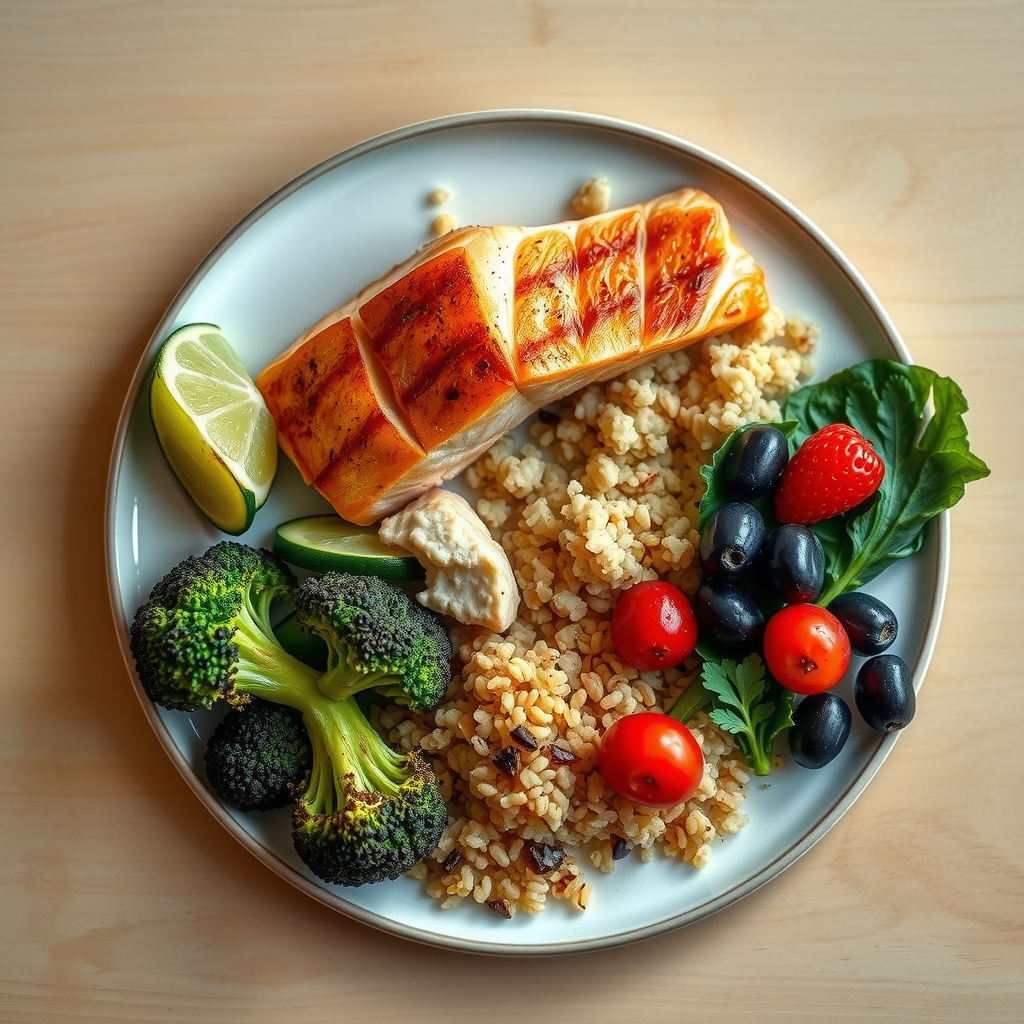
Limit: Is an elimination diet pregnancy safe? Generally, no, unless medically necessary and supervised by a doctor. Restricting nutrients can harm you and your
By Shubhra Mishra — a mom of two who turned her own confusion during pregnancy into BumpBites, a global mission to make food choices clear, safe, and stress-free for every expecting mother. 💛
Check whether any food is safe during pregnancy with the BumpBites Food Safety Checker.
Quick verdict: ⚠️ Talk to your doctor first. An elimination diet is generally not recommended during pregnancy without strict medical supervision due to the significant risk of nutrient deficiencies that can impact both maternal health and fetal development.
The journey of pregnancy brings with it a heightened awareness of everything you put into your body. If you're experiencing uncomfortable symptoms like nausea, bloating, or skin issues, it's natural to wonder if certain foods are to blame. You might be considering an elimination diet to pinpoint triggers, but then a new worry creeps in: is elimination diet pregnancy safe during pregnancy?
This is a common concern for many expecting parents. The idea of restricting your diet when you're already navigating pregnancy cravings and aversions can feel daunting, and the thought of potentially depriving your baby of essential nutrients is truly anxiety-inducing. We understand that late-night Google search, the desire for clarity, and the need to make the best choices for your growing family.
At BumpBites, we're here to provide reassuring, evidence-based guidance. While an elimination diet can be a powerful tool for identifying food sensitivities in some circumstances, its use during pregnancy requires extreme caution and, almost always, close medical supervision. We'll break down the risks, discuss when it might be medically necessary, and explore safer alternatives for managing food-related discomfort during this special time.
Prioritizing a diverse and nutrient-rich diet is crucial during pregnancy to support both maternal and fetal health.
Trimester/Period
Verdict
Notes
First Trimester
⚠️ Talk to your doctor first
Highest risk for nutrient deficiencies; critical period for fetal organ development. Morning sickness can already limit food intake.
Second Trimester
⚠️ Talk to your doctor first
Continued fetal growth and increased maternal nutrient needs. Restricting food groups can easily lead to deficiencies.
Third Trimester
⚠️ Talk to your doctor first
Rapid fetal growth demands high caloric and nutrient intake. Deficiencies can impact birth weight and maternal energy.
Breastfeeding
⚠️ Talk to your doctor first
Potential impact on milk supply and nutrient composition. Can be used under supervision to identify infant sensitivities, but careful planning is essential.
What is an Elimination Diet?
An elimination diet is a dietary approach designed to identify foods that may be causing adverse reactions in your body, such as allergies, intolerances, or sensitivities. The process typically involves two main phases: elimination and reintroduction. In the elimination phase, you remove specific foods or entire food groups from your diet for a set period, usually 2-4 weeks. Common culprits often include dairy, gluten, soy, eggs, nuts, corn, and nightshades.
The goal of this initial phase is to observe if your symptoms improve or disappear once the suspected trigger foods are removed. If symptoms subside, it suggests that one or more of the eliminated foods might be contributing to your discomfort. Following the elimination phase, you systematically reintroduce the removed foods, one at a time, over several days. During reintroduction, you carefully monitor your body for any return of symptoms. If a symptom reappears after reintroducing a particular food, that food is then identified as a potential trigger. This methodical approach aims to isolate specific dietary culprits rather than making broad, unnecessary dietary restrictions.
People pursue elimination diets for various reasons, including managing symptoms of irritable bowel syndrome (IBS), migraines, eczema, unexplained digestive upset, or suspected food allergies. While effective for some, it's a restrictive approach that requires careful planning to ensure nutritional adequacy, particularly for vulnerable populations like pregnant individuals.
Is an Elimination Diet Safe during Pregnancy?
The direct answer is: an elimination diet is generally **not considered safe or recommended during pregnancy without strict medical supervision**. Organizations like the American College of Obstetricians and Gynecologists (ACOG) and the UK's National Health Service (NHS) emphasize the importance of a varied and nutrient-dense diet throughout pregnancy to support both the mother's health and the baby's optimal development. Restricting major food groups without careful planning and supplementation can easily lead to nutritional deficiencies.
During pregnancy, your body's nutritional demands increase significantly. You need more calories, protein, vitamins (like folate, vitamin D, and B12), and minerals (such as iron, calcium, and iodine) to support the rapid growth and development of your baby, as well as to maintain your own health. For instance, iron is crucial for preventing maternal anemia and supporting fetal blood production, and inadequate intake can lead to complications. You can learn more about top foods rich in iron for a healthy pregnancy diet.
Elimination diets, by their very nature, remove entire categories of foods that are often primary sources of these essential nutrients. For example, eliminating dairy removes a key source of calcium and vitamin D; cutting out grains can impact your intake of B vitamins and fiber; and restricting legumes or nuts can reduce protein and healthy fats. Without careful planning by a registered dietitian or healthcare provider specializing in pregnancy nutrition, these restrictions can quickly lead to deficiencies that could compromise your health and your baby's development. The FDA also advises caution with any significant dietary changes during pregnancy and encourages consultation with a healthcare provider.
Is an elimination diet safe during early pregnancy?
The first trimester is a critical period for fetal development, often referred to as organogenesis, where the baby's major organs are forming. During this time, adequate intake of nutrients like folate is paramount to prevent neural tube defects. Many pregnant people also experience morning sickness, making it challenging to eat a wide variety of foods, let alone restrict them further. An elimination diet during early pregnancy is particularly risky as it can exacerbate existing nutrient challenges and potentially deprive the developing fetus of vital building blocks. Most obstetricians would strongly advise against it unless there is a clear, diagnosed medical necessity, and even then, only under strict supervision by both an obstetrician and a registered dietitian.
What are the risks of an elimination diet while pregnant?
The primary risks associated with an elimination diet during pregnancy revolve around **nutrient deficiencies** and their potential impact on both maternal and fetal health. When entire food groups are removed, it becomes challenging to meet the increased demands for essential vitamins and minerals. For the mother, this can lead to fatigue, anemia (especially if iron intake is insufficient), bone density issues, and a weakened immune system. For the developing baby, nutrient deficiencies can have more severe consequences, potentially leading to:
Intrauterine Growth Restriction (IUGR): If the mother's diet is severely lacking in calories or protein, the baby may not grow at a healthy rate.
Low Birth Weight: Associated with various health problems for the baby later in life.
Neural Tube Defects: Inadequate folate intake, which can occur if whole grains and certain vegetables are eliminated, is a known risk factor.
Impaired Organ Development: Specific nutrient deficiencies can affect the development of the brain, bones, and other vital organs.
Premature Birth: Some studies suggest a link between maternal malnutrition and preterm delivery.
Beyond physical risks, the stress and anxiety associated with a highly restrictive diet can also impact maternal well-being, which is another factor to consider during pregnancy. The psychological burden of constant food monitoring can be significant.
Can an elimination diet cause nutrient deficiencies during pregnancy?
Yes, an elimination diet can absolutely cause nutrient deficiencies during pregnancy, and this is one of the most significant concerns for healthcare providers. Pregnancy increases the need for almost all nutrients, and removing common food groups makes it much harder to meet these elevated requirements. For example:
Calcium and Vitamin D: Often found in dairy, which is a common elimination food. Critical for fetal bone development and maternal bone health.
Iron: Found in red meat, poultry, beans, and fortified grains. Eliminating these can worsen or cause iron-deficiency anemia, leading to fatigue and potential complications.
Folate (Folic Acid): Abundant in leafy greens, legumes, and fortified grains. Crucial for preventing neural tube defects, especially in the first trimester.
B Vitamins (especially B12): Found in animal products and some fortified foods. Essential for nerve function and red blood cell formation. Vegans are particularly at risk if not supplementing.
Protein: Essential for fetal growth and maternal tissue repair. Removing dairy, eggs, soy, or legumes without careful replacement can lead to insufficient protein intake.
Healthy Fats: Omega-3 fatty acids, crucial for fetal brain and eye development, can be missed if certain fish or nuts are eliminated.
Even if you're generally healthy, the margin for error is much smaller during pregnancy. A diet that might be adequate for a non-pregnant individual could quickly become deficient for someone who is pregnant, highlighting why medical and nutritional guidance is so important.
Always consult with your healthcare provider and a registered dietitian before making significant dietary changes during pregnancy.
When is an elimination diet medically necessary during pregnancy?
An elimination diet is rarely "necessary" in the general sense during pregnancy, but there are specific medical conditions where a targeted elimination of certain foods might be recommended by a healthcare provider. These are typically cases where a diagnosed condition requires dietary modification to manage severe symptoms or prevent harm. Examples include:
Diagnosed Celiac Disease: A strict gluten-free diet is essential for individuals with celiac disease, pregnant or not, to prevent intestinal damage and nutrient malabsorption.
Confirmed Food Allergies: If a pregnant person has a severe, diagnosed allergy (e.g., to peanuts, shellfish, or dairy), strict avoidance of that allergen is crucial. This isn't a broad "elimination diet" but rather targeted avoidance.
Severe Irritable Bowel Syndrome (IBS) or Crohn's Disease: In rare cases, if a pregnant individual with a pre-existing severe digestive condition is experiencing debilitating symptoms that are unresponsive to other treatments, a highly modified, supervised diet (like a low-FODMAP diet) might be considered. This would only happen under the joint care of their gastroenterologist, obstetrician, and a registered dietitian.
Gestational Diabetes: While not an "elimination diet" in the traditional sense, dietary modifications are critical for managing gestational diabetes, often involving limiting refined carbohydrates and sugars. This is a medically prescribed diet, not a self-initiated elimination.
In all these scenarios, the dietary changes are specific, medically indicated, and carefully monitored to ensure nutritional adequacy. They are not exploratory "elimination diets" undertaken without professional guidance.
How to safely conduct an elimination diet under medical supervision when pregnant?
If, and only if, your healthcare provider (obstetrician) and a registered dietitian (RD) determine that an elimination diet is medically necessary for your specific situation during pregnancy, then the process must be meticulously managed. Here's how it would typically be conducted safely:
Comprehensive Assessment: Before starting, your medical team will conduct a thorough nutritional assessment, reviewing your current diet, medical history, and existing nutrient levels (via blood tests).
Targeted Elimination: Instead of broad elimination, the diet will be highly targeted, removing only the most likely culprits based on your symptoms and medical history. The goal is to be as minimally restrictive as possible.
Nutrient Planning & Supplementation: Your registered dietitian will develop a detailed meal plan to ensure you meet all your caloric and nutrient needs, even with restrictions. This will almost certainly involve specific supplements (e.g., calcium, vitamin D, iron, B12, prenatal vitamins) to cover any gaps.
Regular Monitoring: You will have frequent check-ins with your healthcare provider and dietitian to monitor your symptoms, weight, energy levels, and potentially repeat blood tests to track nutrient status.
Short Duration & Structured Reintroduction: The elimination phase will be as short as possible, usually no more than 2-4 weeks. Reintroduction will be slow and methodical, under guidance, to precisely identify triggers.
Education: You'll receive extensive education on how to read food labels, identify hidden ingredients, and prepare meals that are both safe and nutritious.
The key here is that "safe" only applies when the process is entirely driven and overseen by a team of medical professionals who understand the unique nutritional demands of pregnancy.
What are safe alternatives to an elimination diet for managing food sensitivities in pregnancy?
If you suspect certain foods are causing you discomfort during pregnancy but an elimination diet isn't advisable, there are several safer and more appropriate alternatives to explore:
Food Journaling: This is often the first and most effective step. Keep a detailed log of everything you eat and drink, along with any symptoms you experience (e.g., bloating, nausea, heartburn, headaches), and when they occur. This can help you and your doctor identify patterns without restricting your diet.
Consulting a Registered Dietitian (RD): An RD specializing in maternal nutrition can help you analyze your current diet, identify potential triggers based on your symptoms, and suggest dietary modifications that ensure you maintain adequate nutrition. They can also help you understand which foods are truly problematic versus common pregnancy symptoms.
Allergy Testing: If you suspect a true food allergy (which can cause more severe reactions like hives, swelling, or breathing difficulties), your doctor can refer you for allergy testing (e.g., skin prick tests, blood tests for IgE antibodies). This is a precise way to identify specific allergens.
Gradual Food Reintroduction (if already restricted): If you were already on a restrictive diet before pregnancy, an RD can guide you on how to safely reintroduce foods one by one to broaden your nutrient intake, while still noting any reactions.
Targeted Allergen Avoidance: If you have a diagnosed condition like celiac disease or a confirmed allergy (e.g., to dairy or nuts), then avoiding those specific foods is medically necessary and safe, provided you work with an RD to ensure nutritional completeness. This is different from a broad elimination diet.
Working with a Healthcare Provider for Dietary Guidance: Your obstetrician or primary care provider can rule out other medical causes for your symptoms and provide initial dietary advice. They can also refer you to specialists like a gastroenterologist or allergist if needed.
These alternatives prioritize your and your baby's nutritional needs while still offering avenues to understand and manage food-related symptoms.
Are specific elimination diet protocols unsafe for pregnant women?
Yes, many popular or extreme elimination diet protocols are generally considered unsafe for pregnant women due to their highly restrictive nature and the high risk of nutrient deficiencies. These include, but are not limited to:
Keto Diet (Ketogenic Diet): This very low-carbohydrate, high-fat diet can be difficult to sustain and can lead to nutrient imbalances. The long-term effects of ketosis on fetal development are not well-studied and are a concern.
Whole30 Diet: While promoting whole foods, its strict elimination of grains, legumes, dairy, sugar, and certain additives can make it challenging to meet pregnancy's increased nutritional demands.
Carnivore Diet: An extremely restrictive diet consisting solely of animal products. This diet completely eliminates fruits, vegetables, and grains, leading to severe deficiencies in fiber, vitamins, and antioxidants crucial for pregnancy.
Extended Juice Cleanses or Detox Diets: These are almost universally discouraged during pregnancy due to their severe caloric and nutrient restriction, which can be harmful to both mother and baby.
Highly Restrictive Vegan or Vegetarian Diets without Planning: While well-planned vegan and vegetarian diets can be healthy during pregnancy, poorly planned versions that eliminate animal products without adequate replacement (e.g., for B12, iron, calcium, omega-3s) can be dangerous.
The common thread among these unsafe protocols is their inherent restrictiveness, which makes it incredibly difficult to achieve the broad spectrum of nutrients required for a healthy pregnancy without meticulous, professional guidance and often extensive supplementation.
What foods should be avoided on an elimination diet during pregnancy?
When considering an elimination diet (only under medical supervision, as stressed), the goal is typically to identify specific triggers, not to broadly avoid foods unless absolutely necessary. However, if you are medically advised to undertake a *highly targeted* elimination, the foods most commonly implicated in sensitivities (and therefore potentially removed) include:
Dairy: Milk, cheese, yogurt, butter, and other dairy products. These are primary sources of calcium and vitamin D, so safe alternatives must be ensured.
Gluten: Wheat, barley, rye, and sometimes oats (due to cross-contamination). Found in bread, pasta, cereals. Can impact B vitamins and fiber if not replaced with gluten-free whole grains.
Soy: Soy milk, tofu, tempeh, edamame, and soy-based products.
Eggs: A common allergen.
Nuts (especially peanuts and tree nuts): Common allergens and sources of healthy fats and protein.
Corn: Corn products, high-fructose corn syrup.
Nightshades: Tomatoes, potatoes (white), eggplants, bell peppers.
Food Additives and Preservatives: Artificial colors, flavors, sulfites, MSG.
It's crucial to understand that removing any of these during pregnancy carries a risk of nutrient deficiency. For example, if dairy is eliminated, your healthcare team will ensure you get enough calcium from fortified plant milks, leafy greens, and potentially supplements. The decision to remove any food, especially those that are nutritionally dense, must be weighed carefully against the risks and always guided by a professional.
Side Effects and Risks of Unsupervised Elimination Diets during Pregnancy
Engaging in an unsupervised elimination diet during pregnancy carries significant side effects and risks for both the expectant parent and the developing baby. Understanding these potential dangers is crucial for making informed decisions.
For the **pregnant person**, common side effects and risks include:
Nutrient Deficiencies: As discussed, this is the most prominent risk, leading to fatigue, anemia (especially iron deficiency), weakened immune function, and potentially affecting bone density. You might feel more tired than usual, experience dizziness, or notice changes in your skin, hair, and nails.
Weight Loss or Inadequate Weight Gain: Pregnancy requires a steady and appropriate weight gain. Restrictive diets can hinder this, potentially impacting fetal growth.
Increased Stress and Anxiety: Constantly worrying about what you can and cannot eat, combined with the general anxieties of pregnancy, can take a toll on mental health.
Disordered Eating Patterns: For some, strict diets can trigger or exacerbate disordered eating behaviors, leading to an unhealthy relationship with food.
Reduced Energy Levels: Insufficient caloric intake and nutrient deficiencies can leave you feeling constantly exhausted, beyond typical pregnancy fatigue.
Digestive Upset: While trying to resolve digestive issues, an improperly planned elimination diet can sometimes cause new ones due to changes in fiber intake or gut microbiome.
For the **developing baby**, the risks are more severe and can have long-lasting consequences:
Intrauterine Growth Restriction (IUGR) and Low Birth Weight: Direct consequences of insufficient maternal nutrition.
Impaired Fetal Development: Deficiencies in specific nutrients (like folate, iron, B12, choline, omega-3s) can negatively impact the development of the baby's brain, spinal cord, bones, and other vital organs.
Increased Risk of Birth Defects: Particularly linked to deficiencies in key vitamins like folate.
Premature Birth: Maternal malnutrition is a known risk factor for preterm delivery.
Long-term Health Consequences: Babies born with nutrient deficiencies or low birth weight may have a higher risk of chronic health issues later in life.
It's important to distinguish between "annoying but not dangerous" pregnancy symptoms (like mild nausea or occasional heartburn) and signs of true nutrient deficiency. If you experience severe fatigue, dizziness, persistent headaches, hair loss, brittle nails, unusual bruising, or any other concerning symptoms, these are red flags that warrant immediate discussion with your healthcare provider. Never try to self-diagnose or self-treat with a restrictive diet during pregnancy.
Safer Alternatives to an Elimination Diet for Managing Food Sensitivities in Pregnancy
If you're struggling with uncomfortable symptoms and suspect food sensitivities during pregnancy, there are several safer, evidence-based approaches that prioritize your and your baby's health without the risks of a broad elimination diet:
Food Journaling: Meticulously record everything you eat and drink, along with any symptoms, their severity, and timing. This can reveal patterns between specific foods and your discomfort, providing valuable information for your doctor or dietitian without any dietary restrictions.
Consulting a Registered Dietitian (RD): An RD specializing in prenatal nutrition can help you analyze your food journal, identify potential triggers based on common sensitivities, and guide you through safe, targeted dietary adjustments while ensuring all nutrient needs are met.
Allergy Testing: If you suspect a true food allergy (which typically involves an immune response and can be severe), your doctor can refer you for formal allergy testing, such as skin prick tests or blood tests (IgE antibodies). This provides clear, scientific identification of allergens.
Gradual Food Reintroduction: If you were already on a very restrictive diet before pregnancy, work with an RD to slowly and carefully reintroduce foods one by one to broaden your nutrient intake and identify any true sensitivities in a controlled manner.
Targeted Allergen Avoidance: If you have a confirmed diagnosis like celiac disease (requiring a gluten-free diet) or a severe, diagnosed food allergy, then strict avoidance of that specific allergen is medically necessary and safe when managed by your healthcare team and an RD.
Working with a Healthcare Provider for Dietary Guidance: Your obstetrician can help rule out other medical causes for your symptoms and refer you to appropriate specialists, ensuring a holistic approach to your health.
Focus on Digestive Health: Sometimes, general digestive discomfort can be improved by increasing fiber intake, staying well-hydrated, eating smaller frequent meals, and incorporating probiotics (with doctor's approval), rather than eliminating foods.
Related Items — Safety at a Glance
Many pregnant people consider various dietary approaches for health, weight management, or specific symptoms. Here's a quick look at the pregnancy safety of some other common diets compared to an elimination diet:
Dietary Approach
Verdict
Note
Keto Diet
❌ Best avoided
Highly restrictive; difficult to meet nutrient needs; long-term effects of ketosis on fetus are unknown and concerning.
Vegan Diet
⚠️ Safe with limits
Generally safe if very well-planned and supplemented (B12, iron, omega-3s, calcium); requires close monitoring by an RD.
Vegetarian Diet
✅ Generally safe
Generally safe and can be healthy with careful planning to ensure adequate iron, B12, calcium, and protein.
Intermittent Fasting
❌ Best avoided
Not recommended during pregnancy as consistent nutrient intake is crucial for fetal growth and maternal energy.
Low-Carb Diet
⚠️ Safe with limits
Moderate low-carb can be fine, but very restrictive low-carb diets (like keto) are generally avoided due to nutrient concerns.
Gluten-Free Diet
⚠️ Safe with limits
Only necessary if diagnosed with celiac disease or severe gluten sensitivity; otherwise, can lead to fiber and nutrient deficiencies if not carefully managed.
Dairy-Free Diet
⚠️ Safe with limits
Only necessary for diagnosed dairy allergy/intolerance; requires careful planning to ensure adequate calcium and vitamin D from other sources or supplements.
There are many misconceptions circulating about diet during pregnancy, especially concerning restrictive eating patterns. Let's clear up some common myths about elimination diets.
Myth: An elimination diet is a good way to "detox" or "cleanse" your body during pregnancy.
Fact: Pregnancy is not a time for "detoxing" or "cleansing." Your liver and kidneys are already working efficiently to process waste products. Restrictive diets marketed as "cleanses" can be dangerous during pregnancy, leading to nutrient deficiencies and potential harm to your baby. Focus instead on a balanced, whole-foods diet to support your body's natural processes.
Myth: If a food makes you feel a little uncomfortable, it's probably a major allergy, and you should cut it out completely.
Fact: Not all food discomfort indicates a severe allergy. Many digestive symptoms during pregnancy (like bloating, gas, or heartburn) are common physiological changes due to hormones, slowed digestion, and pressure from the growing uterus. A true food allergy involves an immune response and typically causes more severe, immediate symptoms (hives, swelling, breathing issues). Food intolerances are different and usually cause digestive upset. Self-diagnosing and eliminating foods based on mild discomfort can be risky; a healthcare professional can help differentiate symptoms.
Myth: You can easily replace any nutrients lost from an elimination diet with a prenatal vitamin.
Fact: While a high-quality prenatal vitamin is essential during pregnancy, it's designed to *supplement* a healthy diet, not replace one. The complex array of nutrients, fiber, and beneficial compounds found in whole foods cannot be fully replicated by a pill. Severely restrictive diets can create nutrient gaps that even a prenatal vitamin might not adequately fill, especially if you're eliminating multiple food groups.
Key Takeaways
An elimination diet is generally **not recommended during pregnancy** without strict medical supervision.
The primary risk is **nutrient deficiencies**, which can harm both maternal health and fetal development.
The first trimester, a critical period for organogenesis, is particularly risky for restrictive diets.
Only consider an elimination diet if **medically necessary** (e.g., diagnosed celiac disease or severe allergies) and under the guidance of an obstetrician and registered dietitian.
Safer alternatives include **food journaling, consulting an RD, or allergy testing** to identify food sensitivities.
Prioritize a **varied, nutrient-dense diet** to meet the increased demands of pregnancy.
Frequently Asked Questions
Can you do an elimination diet while breastfeeding?
You can do an elimination diet while breastfeeding, but it still requires careful medical and nutritional supervision. If your baby is showing signs of a food sensitivity (like severe colic, eczema, or blood in stool), a doctor or dietitian might recommend a targeted elimination diet for you to see if it improves your baby's symptoms. This is usually done by removing one specific food at a time, such as dairy or soy, and ensuring your own nutritional needs are still met.
What are the dangers of restrictive diets during pregnancy?
The main dangers of restrictive diets during pregnancy are nutrient deficiencies. These can lead to insufficient weight gain for the mother, impacting fetal growth and potentially resulting in low birth weight or intrauterine growth restriction. Deficiencies in key vitamins and minerals like iron, folate, calcium, and B12 can also impair fetal organ development and increase the risk of maternal complications like anemia and fatigue.
How do I find out what foods bother me during pregnancy?
The safest and most recommended way to find out what foods bother you during pregnancy is through detailed food journaling. Record everything you eat and drink, along with any symptoms, their timing, and severity. Share this journal with your obstetrician or a registered dietitian. They can help you identify patterns and discuss safe strategies for managing discomfort without compromising your or your baby's nutrition.
Is it safe to go gluten-free during pregnancy?
Going gluten-free during pregnancy is only medically necessary and safe if you have a diagnosed condition like celiac disease or a confirmed non-celiac gluten sensitivity. For others, eliminating gluten without a medical reason can lead to deficiencies in fiber, B vitamins, and iron, as many gluten-containing foods are fortified. Consult your doctor or a dietitian before making this significant dietary change.
Can an elimination diet cause miscarriage?
While an elimination diet itself is unlikely to directly cause a miscarriage, severe and prolonged nutrient deficiencies resulting from an unsupervised, highly restrictive diet could potentially increase the risk of pregnancy complications, including early pregnancy loss or issues with fetal development. The first trimester is particularly vulnerable, emphasizing why adequate nutrition is paramount. Always prioritize a balanced diet and consult your doctor.
When should a pregnant woman consult a doctor about an elimination diet?
A pregnant woman should consult a doctor about an elimination diet at the very first thought of making any significant dietary changes, especially if she suspects food sensitivities. It's crucial to discuss symptoms, potential triggers, and safer diagnostic methods with her obstetrician and ideally a registered dietitian *before* attempting any form of elimination diet to ensure the safety and nutritional adequacy for both mother and baby.
What is the best way to identify food intolerances while pregnant?
The best way to identify food intolerances during pregnancy is through careful food journaling and consultation with a registered dietitian or your healthcare provider. This approach allows you to track symptoms and potential triggers without resorting to restrictive diets that could compromise your nutritional intake. Your medical team can help differentiate true intolerances from common pregnancy symptoms and guide you on safe, targeted dietary adjustments if necessary.
When to Call Your Doctor
If you've been considering or have already started an elimination diet during pregnancy, or if you're experiencing any concerning symptoms, it's important to reach out to your healthcare provider. Call your doctor if you experience:
Unexplained or significant weight loss.
Persistent fatigue, dizziness, or weakness beyond typical pregnancy tiredness.
Symptoms of nutrient deficiencies such as brittle nails, hair loss, pale skin, or unusual bruising.
Severe or worsening digestive issues (e.g., persistent diarrhea, constipation, severe abdominal pain).
Any signs of an allergic reaction (hives, swelling, difficulty breathing).
Increased anxiety or stress related to food choices.
If you're struggling to meet your nutritional needs or are worried about your baby's development.
Remember, this article is for informational purposes only and is not a substitute for professional medical advice, diagnosis, or treatment. Always seek the advice of your physician or other qualified health provider with any questions you may have regarding a medical condition.
References
American College of Obstetricians and Gynecologists (ACOG). (2020). Nutrition During Pregnancy.
National Health Service (NHS). (2023). Eating well in pregnancy.
Centers for Disease Control and Prevention (CDC). (2023). Folic Acid.
Food and Drug Administration (FDA). (2023). Eating for a Healthy Pregnancy.
Mayo Clinic. (2023). Pregnancy diet: Focus on these essential nutrients.
Not sure about the label on Is Elimination Diet Pregnancy Safe During Pregnancy products?
Snap the ingredients list and SafeFilter checks every ingredient for your stage — only 3 free scans this month, then you're locked until reset. Unlimited from $7/mo or $50/yr.
When Shubhra Mishra was expecting her first child in 2016, she was overwhelmed by conflicting food advice — one site said yes, another said never. By the time her second baby arrived in 2019, she realized millions of mothers face the same confusion.
That sparked a five-year journey through clinical nutrition papers, cultural diets, and expert conversations — all leading to BumpBites: a calm, compassionate space where science meets everyday motherhood.
Her long-term vision is to build a global community ensuring safe, supported, and free deliveriesfor every mother — because no woman should face pregnancy alone or uninformed. 🌿
🌍 Stand with mothers, shape safer guidance
Join a small circle of experts who review BumpBites articles so expecting parents everywhere can decide with confidence.