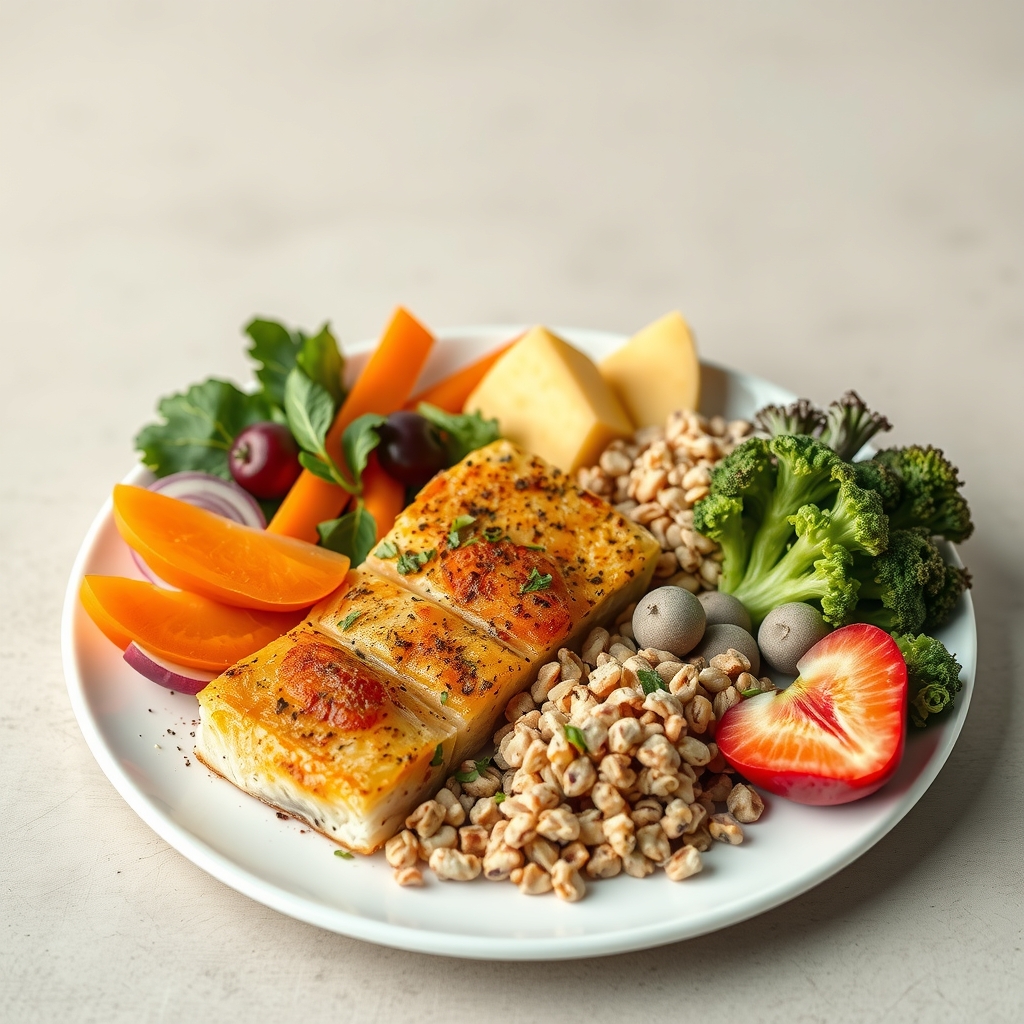
Limit the carnivore diet during pregnancy. Is carnivore diet pregnancy safe during pregnancy? Due to potential nutrient deficiencies and lack of research, it's
By Shubhra Mishra — a mom of two who turned her own confusion during pregnancy into BumpBites, a global mission to make food choices clear, safe, and stress-free for every expecting mother. 💛
Check whether any food is safe during pregnancy with the BumpBites Food Safety Checker.
Quick verdict: ❌ Best avoided. The carnivore diet is generally not recommended during pregnancy due to a significant lack of scientific evidence, potential severe nutrient deficiencies, and possible risks to both maternal and fetal health. We strongly advise discussing any dietary changes with your healthcare provider.
Finding out you're pregnant often brings a wave of excitement—and a tidal wave of questions about what's safe and what's not. If you're currently following or considering a carnivore diet, you might be wondering, "is carnivore diet pregnancy safe during pregnancy?" It's a common concern, especially with so much conflicting information online about various eating patterns.
At BumpBites, we understand the anxiety that comes with every dietary choice when you're expecting. The carnivore diet, which focuses exclusively on animal products, is a restrictive eating plan that raises particular concerns during this critical time. While some people report benefits outside of pregnancy, the unique nutritional demands of growing a baby mean that what works for one person may not be suitable for another, especially when it comes to such a limited diet.
In this comprehensive guide, we'll delve into the current medical understanding of the carnivore diet during pregnancy, addressing potential risks, nutrient considerations, and what leading health organizations recommend. Our goal is to provide you with clear, evidence-based information so you can make informed decisions in consultation with your healthcare provider.
Carnivore Diet Safety Snapshot During Pregnancy and Breastfeeding
Stage
Verdict
Notes
First Trimester
❌ Best Avoided
Critical period for fetal organ development; high risk of severe nutrient deficiencies (e.g., folate, vitamin C) essential for neural tube formation and overall growth. Potential for ketosis to impact early development.
Second Trimester
❌ Best Avoided
Continued risk of deficiencies affecting fetal growth and maternal health. Increased demand for a wide range of vitamins and minerals to support rapid fetal development.
Third Trimester
❌ Best Avoided
Maternal energy demands are at their peak. Risks of constipation, fatigue, and electrolyte imbalances are heightened. Inadequate fiber and diverse nutrients can impact maternal well-being and prepare for birth.
Breastfeeding
❌ Best Avoided
Potential for nutrient deficiencies to impact breast milk quality and severely deplete maternal nutrient stores, affecting long-term health and energy levels. Diverse diet is crucial for both mother and baby.
What is the Carnivore Diet?
The carnivore diet is an extremely restrictive eating plan that eliminates all plant-based foods, including fruits, vegetables, grains, legumes, nuts, and seeds. Adherents consume only animal products, such as meat (beef, pork, lamb, poultry), fish, eggs, and sometimes dairy (though often limited or excluded for strict followers). Water is typically the primary beverage, with some allowing coffee or tea.
Proponents of the carnivore diet suggest it can lead to various health benefits, including weight loss, improved digestion, reduced inflammation, and better blood sugar control. These purported benefits are often attributed to the elimination of potential food sensitivities, antinutrients found in plants, and carbohydrates, leading to a state of ketosis. However, it's important to note that most of these claims are anecdotal and lack robust scientific backing, especially in long-term studies or for specific populations like pregnant individuals.
The diet's strict nature means that followers rely entirely on animal sources for all their nutritional needs. This raises significant concerns about the intake of essential vitamins, minerals, and fiber typically abundant in plant foods, which are crucial for overall health and particularly vital during pregnancy.
Is the Carnivore Diet Safe During Pregnancy?
To directly answer the question, "is carnivore diet pregnancy safe during pregnancy?", the overwhelming consensus from medical professionals and leading health organizations is **no, it is not recommended and should be best avoided.** There is a significant lack of scientific evidence supporting the safety or benefits of a carnivore diet during pregnancy. In fact, most guidelines emphasize the importance of a varied and balanced diet for optimal maternal and fetal health.
Organizations like the American College of Obstetricians and Gynecologists (ACOG) and the UK's National Health Service (NHS) consistently recommend a diverse diet rich in fruits, vegetables, whole grains, lean proteins, and healthy fats for pregnant individuals. This recommendation is based on decades of research demonstrating that a wide array of nutrients is essential for fetal development, preventing birth defects, and supporting maternal well-being. The carnivore diet, by its very nature, excludes entire food groups that are primary sources of these critical nutrients, such as folate (found in leafy greens), vitamin C (from fruits and vegetables), and fiber (from plants).
The absence of fiber can lead to severe constipation, a common and uncomfortable issue during pregnancy, which can be exacerbated by a purely meat-based diet. Furthermore, the high fat and cholesterol content inherent in a carnivore diet could pose risks for some individuals, though this is often debated even outside of pregnancy contexts. Most importantly, the potential for nutrient deficiencies is a primary concern. Pregnancy significantly increases the demand for various micronutrients, and a restrictive diet like the carnivore diet makes it incredibly challenging to meet these needs without supplementation, which may not fully compensate for the synergistic benefits of whole foods.
During pregnancy, a diverse and colorful diet rich in fruits, vegetables, and whole grains is vital for both maternal health and fetal development.
Carnivore Diet Safety in First Trimester
The first trimester is a period of rapid and critical development for your baby, including the formation of vital organs like the brain and spinal cord. This stage has the highest demand for specific nutrients, making the question "is carnivore diet pregnancy safe during pregnancy" particularly relevant. Nutrient deficiencies during this time can have profound and lasting impacts.
First Trimester
During the first trimester, the risk associated with a carnivore diet is particularly high. Folate, a B vitamin found abundantly in leafy green vegetables, legumes, and fortified grains, is absolutely essential for neural tube development. Inadequate folate intake can lead to serious birth defects like spina bifida. A diet devoid of these plant-based sources makes it extremely difficult to meet the recommended daily intake of folate, even with prenatal supplements, as the bioavailability from whole foods is often superior.
Additionally, vitamin C, crucial for collagen formation, immune function, and iron absorption, is almost exclusively found in fruits and vegetables. A lack of vitamin C in the first trimester could potentially impact fetal tissue development and maternal immunity. The state of ketosis, which often occurs on a carnivore diet due to extreme carbohydrate restriction, is also a concern. While research on ketosis in human pregnancy is limited, some animal studies suggest potential risks to fetal development. For these reasons, most obstetricians would strongly advise against following a carnivore diet during this delicate window.
Second Trimester
As your pregnancy progresses into the second trimester, your baby continues to grow rapidly, and your body's nutritional demands remain high. While the immediate risks of neural tube defects might lessen, the general concerns about nutrient deficiencies on a carnivore diet persist. Your baby needs a wide spectrum of vitamins and minerals for bone development, organ maturation, and overall growth. A diet lacking in diverse plant foods may not provide adequate amounts of calcium, magnesium, potassium, and certain B vitamins that are crucial during this phase.
Maternal health can also suffer, leading to fatigue, electrolyte imbalances, and continued constipation due to the lack of dietary fiber. These issues can detract from your overall well-being and energy levels when you need them most. There is no evidence to suggest that a carnivore diet becomes safer or more appropriate in the second trimester.
Third Trimester
The third trimester is characterized by significant fetal weight gain and the final maturation of organs. Your energy requirements are at their peak, and your body is preparing for labor and delivery. A carnivore diet in the third trimester continues to pose substantial risks. The lack of fiber can make constipation and hemorrhoids, already common pregnancy complaints, even worse. Inadequate intake of a broad range of micronutrients can leave you feeling depleted and potentially impact your ability to recover post-delivery.
Ensuring a robust nutrient supply is vital for your baby's final growth spurt and the accumulation of nutrient stores for life outside the womb. Relying solely on animal products without the diverse nutrient profile of plant foods makes it challenging to meet these comprehensive demands. Therefore, the recommendation to avoid the carnivore diet extends through the entire third trimester.
Breastfeeding
The nutritional demands during breastfeeding are often as high, if not higher, than during pregnancy. Your body needs a continuous supply of energy, vitamins, and minerals to produce nutrient-rich breast milk for your baby while also maintaining your own health. Following a carnivore diet while breastfeeding can lead to significant maternal nutrient depletion, impacting your long-term health and energy levels.
While breast milk generally adapts to provide for the baby, a mother's diet can influence the concentration of certain vitamins (like B vitamins and vitamin C) in her milk. More importantly, severe maternal deficiencies can compromise your health, leading to fatigue, bone density issues, and other problems. A varied diet, including plenty of fruits, vegetables, whole grains, and diverse protein sources, is recommended by health experts to support both mother and baby during this crucial period.
Potential Risks of Carnivore Diet During Pregnancy
When considering "is carnivore diet pregnancy safe during pregnancy," understanding the potential risks is paramount. The restrictive nature of this diet can lead to several significant concerns for both the pregnant individual and the developing fetus.
Nutrient Deficiencies: This is arguably the most critical risk. A carnivore diet eliminates entire food groups rich in essential nutrients. Key deficiencies can include folate (crucial for neural tube development), vitamin C (for collagen synthesis and iron absorption), fiber (for digestive health), calcium and magnesium (for bone health and muscle function), and various phytonutrients and antioxidants that protect against cellular damage.
Ketosis: While some individuals aim for ketosis on a carnivore diet, its long-term effects and safety during pregnancy are not well-studied in humans. Some animal studies have raised concerns about potential impacts on fetal development. Chronic ketosis can also lead to symptoms like fatigue, headaches, and electrolyte imbalances in the mother.
Constipation: The complete absence of dietary fiber from fruits, vegetables, and whole grains almost guarantees severe constipation, a common and often painful issue during pregnancy. This can lead to hemorrhoids and significant discomfort.
Electrolyte Imbalance: Restrictive diets can sometimes lead to imbalances in electrolytes like sodium, potassium, and magnesium, which are vital for nerve and muscle function, blood pressure regulation, and overall hydration.
Impact on Fetal Growth and Development: A lack of diverse nutrients, especially micronutrients, can potentially hinder optimal fetal growth and organ development. While animal products provide complete proteins and certain fats, they cannot cover the entire spectrum of nutrients needed for a healthy pregnancy.
Maternal Health Concerns: Beyond the immediate nutrient issues, pregnant individuals on a carnivore diet may experience chronic fatigue, headaches, mood disturbances, and a general feeling of malaise due to the extreme dietary restrictions and potential for nutrient depletion.
Gestational Diabetes Risk: While proponents claim the carnivore diet helps blood sugar control, the long-term impact on gestational diabetes risk in pregnancy is unknown and not recommended as a preventative or management strategy by obstetric bodies. A balanced diet with controlled carbohydrates is generally advised for managing blood sugar.
Nutrient Deficiencies on a Carnivore Diet While Pregnant
The restrictive nature of the carnivore diet means that pregnant individuals are at a very high risk of developing multiple nutrient deficiencies. This is a primary reason why "is carnivore diet pregnancy safe during pregnancy" almost always gets a negative response from medical professionals. Here are some of the most concerning potential deficiencies:
Folate (Vitamin B9): Absolutely critical in the first trimester for preventing neural tube defects. Abundantly found in leafy green vegetables, legumes, and fortified grains, all of which are excluded from a carnivore diet. While some liver contains folate, it's often not enough to meet pregnancy demands, and excessive liver consumption can lead to vitamin A toxicity.
Vitamin C: Essential for collagen synthesis (important for fetal tissue development and maternal skin elasticity), immune function, and enhancing iron absorption. Almost exclusively found in fruits and vegetables. A severe deficiency can lead to scurvy, though milder deficiencies can still impact health.
Fiber: Crucial for digestive health, preventing constipation, and regulating blood sugar. Completely absent in animal products. Lack of fiber is a major concern for pregnant individuals prone to constipation.
Calcium: Vital for fetal bone and teeth development, as well as maintaining maternal bone density. While some dairy is sometimes included, strict carnivore diets exclude it. Plant sources like leafy greens and fortified foods are important contributors.
Magnesium: Involved in over 300 enzymatic reactions, important for muscle and nerve function, blood sugar control, and blood pressure regulation. Found in nuts, seeds, legumes, and dark leafy greens.
Vitamin K1: Primarily found in leafy green vegetables, essential for blood clotting. While Vitamin K2 is found in some animal products, relying solely on these sources might not cover all needs.
Antioxidants and Phytonutrients: These protective compounds, found almost exclusively in plants, are thought to reduce oxidative stress and inflammation. Their complete absence might have long-term health implications, though more research is needed in pregnancy.
While some animal foods contain certain vitamins and minerals, the sheer diversity and quantity of nutrients found in a balanced diet with plant foods are incredibly difficult, if not impossible, to replicate with just animal products. Even with supplementation, the synergistic effects of nutrients consumed in whole foods are often superior.
Can Carnivore Diet Affect Fetal Development?
The potential for the carnivore diet to affect fetal development is a major concern for obstetricians and expectant parents alike. The question, "is carnivore diet pregnancy safe during pregnancy," directly relates to this critical aspect. The answer points to significant risks due to potential nutrient deficiencies and metabolic changes.
During pregnancy, your baby relies entirely on you for all the nutrients needed to grow and develop. A diet that is severely lacking in essential vitamins and minerals, such as the carnivore diet, can have several negative impacts on fetal development:
Neural Tube Defects: As mentioned, a deficiency in folate, commonly found in plant foods, is directly linked to an increased risk of neural tube defects like spina bifida and anencephaly. The first trimester is the most vulnerable period for this.
Impaired Organ Development: Various vitamins and minerals play specific roles in the formation and maturation of fetal organs, including the heart, lungs, and kidneys. A broad spectrum of deficiencies could potentially compromise these processes.
Restricted Fetal Growth: Inadequate maternal nutrition, particularly a lack of essential micronutrients, can lead to intrauterine growth restriction (IUGR), meaning the baby does not grow as expected. This can increase the risk of complications at birth and long-term health issues for the child.
Cognitive Development: While more research is needed, a diverse range of nutrients, including those from plant sources, are thought to support optimal brain development. The long-term effects of such a restrictive diet on cognitive outcomes are unknown but a concern.
Ketosis and Fetal Health: The state of ketosis, which is common on a carnivore diet, involves the body burning fat for fuel. While moderate ketosis can be benign for some non-pregnant adults, its effects on a developing fetus are not well understood and some animal studies have raised flags. Medical professionals generally advise against sustained ketosis during pregnancy due to these unknowns.
Given these potential risks and the complete absence of research demonstrating safety, major health organizations do not support the use of a carnivore diet during pregnancy. Prioritizing a varied and nutrient-dense diet is crucial for supporting your baby's healthy development.
Lack of Safe Guidelines for a Carnivore Diet During Pregnancy
Unlike well-researched dietary patterns, there are absolutely no established safe guidelines for following a carnivore diet during pregnancy. This is a critical point when asking "is carnivore diet pregnancy safe during pregnancy?". Major health authorities do not provide recommendations for specific amounts of meat, types of animal products, or duration for this diet during gestation because they do not endorse it as a suitable eating plan for pregnant individuals.
For most foods and supplements, we can offer guidance on safe amounts, daily limits, or specific brands. However, for a diet as restrictive as the carnivore diet, the problem isn't about specific "dosages" but the fundamental lack of dietary diversity. The absence of plant-based foods means that a pregnant person would inherently miss out on crucial nutrients that cannot be adequately replaced by animal products alone, or through standard prenatal vitamins.
For example, while a prenatal vitamin provides baseline folate, the high demands of pregnancy often benefit from additional dietary sources. Similarly, the fiber found in fruits and vegetables is not something that can be easily supplemented to the same effect. There are no "pregnancy-safe" brands of a carnivore diet, as the diet itself is the concern.
Therefore, instead of looking for safe guidelines within the framework of a carnivore diet during pregnancy, the medical recommendation is to shift away from such a restrictive approach and towards a more balanced and diverse eating pattern that has proven benefits for maternal and fetal health.
Side Effects and Risks
Beyond the critical concerns of nutrient deficiencies and fetal development, a carnivore diet during pregnancy can lead to a range of uncomfortable and potentially serious side effects for the expectant parent. Understanding these risks is crucial when evaluating "is carnivore diet pregnancy safe during pregnancy."
Severe Constipation and Hemorrhoids: The complete lack of dietary fiber is almost guaranteed to cause significant constipation. Pregnancy hormones already slow digestion, and adding a fiber-free diet can make this condition excruciating, potentially leading to hemorrhoids and even anal fissures.
Fatigue and Low Energy: While some people report increased energy on a carnivore diet outside of pregnancy, the high metabolic demands of growing a baby, coupled with potential nutrient imbalances and the absence of easily accessible carbohydrates for quick energy, can lead to profound fatigue.
Electrolyte Imbalances: Restrictive diets, especially those that induce ketosis, can affect electrolyte balance. This can manifest as headaches, muscle cramps, dizziness, and in severe cases, more serious cardiac or neurological issues.
Nausea and Digestive Upset: Some individuals may experience nausea, indigestion, or diarrhea, particularly when initially adapting to a high-fat, high-protein diet, which can be exacerbated by pregnancy-related digestive changes.
Increased Risk of Gestational Diabetes (unclear evidence): While some individuals use low-carb diets to manage blood sugar, the long-term effects of a high-fat, high-protein, zero-carb carnivore diet on gestational diabetes risk are not studied. A balanced approach with controlled, healthy carbohydrates is generally recommended for blood sugar management in pregnancy.
Micronutrient Toxicity: While deficiencies are more common, excessive consumption of certain animal products (like liver) in an attempt to get missing nutrients can lead to toxicity of fat-soluble vitamins (e.g., Vitamin A).
If you are experiencing any of these symptoms while pregnant, especially severe constipation, persistent fatigue, dizziness, or any unusual changes, it's important to contact your healthcare provider immediately. These symptoms can be distressing on their own, but during pregnancy, they warrant prompt medical attention to rule out more serious complications and ensure both your and your baby's well-being.
Experiencing discomfort like severe constipation or persistent fatigue during pregnancy could be a sign of dietary imbalance. Always discuss new or worsening symptoms with your doctor.
Safer Alternatives to the Carnivore Diet for Pregnant Women
Understanding that "is carnivore diet pregnancy safe during pregnancy" leads to a clear "no" opens the door to exploring numerous safe and healthy dietary alternatives that can provide all the essential nutrients for you and your baby. These diets are well-researched and recommended by leading health organizations.
Balanced Omnivore Diet: This is the most common and widely recommended approach. It emphasizes a variety of whole foods, including lean proteins (meat, fish, poultry, eggs), plenty of fruits and vegetables, whole grains, legumes, and healthy fats. It allows for flexibility while ensuring comprehensive nutrient intake.
Mediterranean Diet: Often cited as one of the healthiest eating patterns, the Mediterranean Diet focuses on fruits, vegetables, whole grains, legumes, nuts, and olive oil, with moderate amounts of fish and poultry, and limited red meat. It's rich in antioxidants, fiber, and healthy fats, supporting both maternal and fetal health.
DASH Diet (Dietary Approaches to Stop Hypertension): While designed to lower blood pressure, the DASH diet is an excellent template for healthy eating during pregnancy. It emphasizes fruits, vegetables, whole grains, lean protein, and low-fat dairy, while limiting saturated fat, cholesterol, and sodium.
Well-Planned Plant-Based Diet (Vegetarian or Vegan): With careful planning and appropriate supplementation (especially B12 for vegans), plant-based diets can be perfectly safe and healthy during pregnancy. They are rich in fiber, vitamins, and minerals. Consulting with a dietitian is highly recommended to ensure all nutrient needs, including iron, calcium, and B12, are met. For more on iron, see our article on Iron Diet for Pregnancy: Essential Foods and Supplements.
Modified Paleo Diet: The traditional Paleo diet excludes grains, legumes, and dairy, but a *modified* version can be adapted for pregnancy. This would involve ensuring adequate calcium from other sources or supplements, and potentially reintroducing some well-tolerated legumes or gluten-free grains to boost nutrient and fiber intake. It still emphasizes whole, unprocessed foods.
Whole Foods Diet: This approach focuses on eating foods in their most natural, unprocessed state. It's not a strict "diet" but a philosophy that encourages fresh fruits, vegetables, lean proteins, whole grains, and healthy fats, avoiding processed foods, added sugars, and artificial ingredients. This naturally leads to a nutrient-dense eating pattern suitable for pregnancy.
No matter which dietary path you choose, the key is to ensure it is varied, balanced, and approved by your healthcare provider. For questions about specific dietary restrictions, you might find our article Is an Elimination Diet Safe During Pregnancy? What to Know helpful.
Modifying a Carnivore Diet for Pregnancy
Given that the question "is carnivore diet pregnancy safe during pregnancy" is met with a strong recommendation to avoid it, modifying a strict carnivore diet for pregnancy essentially means moving away from it towards a more inclusive, balanced eating plan. A true carnivore diet, by definition, excludes all plant foods, which are crucial for pregnancy. Therefore, "modifying" it implies reintroducing those essential food groups.
If you are currently on a carnivore diet and find yourself pregnant, or are considering pregnancy, the most responsible modification would be to gradually incorporate a wider variety of nutrient-dense foods under the guidance of your healthcare provider or a registered dietitian. This might include:
Adding Fruits and Vegetables: Start with easy-to-digest options like berries, cooked leafy greens (spinach, kale), sweet potatoes, and carrots. These will provide vital folate, vitamin C, fiber, and antioxidants.
Including Legumes: Beans, lentils, and chickpeas are excellent sources of plant-based protein, fiber, and important minerals like iron and magnesium.
Incorporating Whole Grains: Brown rice, oats, quinoa, and whole-wheat bread can provide complex carbohydrates for energy, B vitamins, and fiber.
Ensuring Adequate Calcium: If you're not consuming dairy, explore fortified plant milks or calcium-rich plant foods like fortified orange juice, certain nuts, and seeds, in addition to a prenatal supplement.
Prioritizing Healthy Fats: Include avocados, nuts, seeds, and olive oil to ensure sufficient intake of essential fatty acids.
The goal is to transition to a diet that includes all food groups to meet the increased nutritional demands of pregnancy. This is not about finding a "carnivore-lite" approach, but rather adopting a dietary pattern that is scientifically proven to support both maternal and fetal health. Always discuss any significant dietary changes with your doctor or a prenatal dietitian to ensure your specific needs are met and to monitor for any potential deficiencies.
Carnivore Diet and Gestational Diabetes
The relationship between the carnivore diet and gestational diabetes (GD) is complex and not directly studied. When asking "is carnivore diet pregnancy safe during pregnancy," particularly in the context of blood sugar, it's important to rely on established medical guidance for GD management.
Gestational diabetes is a condition where pregnant individuals develop high blood sugar levels. Management typically involves dietary changes, regular physical activity, and sometimes medication. The cornerstone of dietary management for GD, as recommended by ACOG and other organizations, is a balanced diet that carefully controls carbohydrate intake, emphasizes complex carbohydrates, lean proteins, and healthy fats, and is rich in fiber from fruits and vegetables.
While a carnivore diet is extremely low in carbohydrates, and therefore might seem appealing for blood sugar control, there are significant concerns:
Lack of Research: There is no scientific evidence or clinical trials supporting the use of a carnivore diet for preventing or managing gestational diabetes. Its long-term effects on maternal and fetal health in this context are unknown.
Nutrient Deficiencies: As previously discussed, the carnivore diet can lead to critical nutrient deficiencies. These deficiencies could potentially exacerbate other pregnancy complications or negatively impact fetal development, even if blood sugar levels appear controlled.
High Saturated Fat and Cholesterol: A diet exclusively of animal products can be very high in saturated fat and cholesterol. While the impact of dietary cholesterol on blood lipids is debated, an extremely high intake could be a concern for some individuals, especially those with pre-existing cardiovascular risk factors.
Impact on Gut Microbiome: A diet devoid of fiber and plant diversity can negatively impact the gut microbiome, which is increasingly recognized for its role in metabolic health and inflammation.
For individuals with gestational diabetes, the safest and most effective approach is to follow the dietary recommendations provided by their healthcare team, which typically includes a balanced intake of all macronutrients, with a focus on healthy, complex carbohydrates and plenty of fiber from plant sources. Relying on an unproven and restrictive diet like the carnivore diet for GD management is not advised.
Related Diets — Safety at a Glance
When considering "is carnivore diet pregnancy safe during pregnancy," it's helpful to see how it compares to other popular or restrictive diets. Here's a quick look at the pregnancy safety of some related eating patterns:
Dietary Pattern
Verdict During Pregnancy
Note
Keto Diet During Pregnancy
❌ Best Avoided
Similar to carnivore, can lead to ketosis and nutrient deficiencies; lack of long-term safety data in humans.
Vegan Diet During Pregnancy
⚠️ Safe with Limits
Can be safe and healthy if very well-planned, supplemented (B12, iron, calcium), and monitored by a dietitian.
Paleo Diet During Pregnancy
⚠️ Safe with Limits
Generally safe if modified to include nutrient-dense foods (e.g., some legumes, dairy alternatives) and ensure adequate calcium.
Intermittent Fasting During Pregnancy
❌ Best Avoided
Not recommended due to increased caloric and nutrient demands; potential for nutrient deficiencies and stress on the body.
Gluten-Free Diet During Pregnancy (without celiac disease)
⚠️ Safe with Limits
Generally safe, but ensure adequate fiber and B vitamins if eliminating gluten-containing whole grains; not necessary without medical reason.
Raw Food Diet During Pregnancy
❌ Best Avoided
High risk of foodborne illness (Listeria, Salmonella) from unpasteurized dairy, raw eggs, sprouts, and undercooked meats/fish.
High-Protein Diet During Pregnancy
⚠️ Safe with Limits
Generally safe if part of a balanced diet; excessive protein can be dehydrating and may displace other vital nutrients.
Myth vs. Fact
Myth vs. Fact
Myth: A carnivore diet provides all the nutrients a pregnant woman and her baby need because meat is nutrient-dense.
Fact: While animal products are excellent sources of protein, iron, and some B vitamins, they completely lack crucial nutrients like folate, vitamin C, and fiber, which are essential for fetal development and maternal health. A balanced diet with plant foods is necessary to cover all nutritional bases.
Myth: Eliminating plant toxins on a carnivore diet makes pregnancy healthier.
Fact: The concept of "plant toxins" is often overblown, and many plant compounds considered "toxins" are actually beneficial phytonutrients. The vast majority of people safely consume plant foods without issues, and their benefits far outweigh any theoretical risks for pregnancy. Eliminating them leads to significant nutrient deficiencies.
Myth: The carnivore diet can prevent or cure gestational diabetes.
Fact: There is no scientific evidence to support this claim. While a low-carb approach can help manage blood sugar, a carnivore diet's extreme restrictions pose significant risks due to nutrient deficiencies and unknown effects on fetal development. A balanced, medically supervised diet is the recommended approach for gestational diabetes.
A balanced plate, rich in diverse nutrients from both plant and animal sources, offers the most comprehensive support for a healthy pregnancy.
Key Takeaways
The carnivore diet is **not recommended** during pregnancy due to a significant lack of scientific evidence and high risk of nutrient deficiencies.
Critical nutrients like folate, vitamin C, and fiber, essential for fetal development and maternal health, are largely absent from a carnivore diet.
Potential risks include neural tube defects, impaired fetal growth, severe maternal constipation, fatigue, and electrolyte imbalances.
There are no safe guidelines or recommended "dosages" for a carnivore diet in pregnancy from major health organizations.
Safer and medically recommended alternatives include a balanced omnivore diet, Mediterranean diet, DASH diet, or a well-planned plant-based diet.
Always consult your healthcare provider or a registered dietitian before making any significant dietary changes during pregnancy.
Frequently Asked Questions
Is a carnivore diet safe for a developing baby?
No, a carnivore diet is generally not considered safe for a developing baby. The extreme restriction of plant foods leads to a high risk of nutrient deficiencies, such as folate and vitamin C, which are critical for fetal organ development and can impact growth and lead to birth defects. The lack of scientific evidence supporting its safety during pregnancy is a major concern.
What are the potential nutrient deficiencies on a carnivore diet during pregnancy?
Potential nutrient deficiencies on a carnivore diet during pregnancy include folate (crucial for neural tube development), vitamin C (essential for collagen and iron absorption), fiber (for digestive health), calcium, magnesium, and various antioxidants and phytonutrients. These are predominantly found in plant foods, which are excluded from the diet.
Can a carnivore diet cause complications in pregnancy?
Yes, a carnivore diet can cause complications in pregnancy. These may include severe maternal constipation, chronic fatigue, electrolyte imbalances, and potentially impaired fetal growth or development due to critical nutrient deficiencies. The lack of fiber and diverse micronutrients can compromise both maternal well-being and the baby's health.
What should pregnant women eat instead of a carnivore diet?
Instead of a carnivore diet, pregnant women should aim for a balanced and varied diet that includes lean proteins, plenty of fruits and vegetables, whole grains, legumes, and healthy fats. Examples of recommended eating patterns include a balanced omnivore diet, the Mediterranean diet, or a well-planned plant-based diet, all under professional guidance.
Is it safe to eat only meat while breastfeeding?
No, it is generally not considered safe to eat only meat while breastfeeding. The high nutritional demands of producing breast milk can quickly deplete maternal nutrient stores if the diet is restrictive. This can lead to maternal fatigue, nutrient deficiencies, and potentially impact the nutrient composition of breast milk, affecting both the mother's long-term health and the baby's intake of certain vitamins.
Are there any benefits to a carnivore diet during pregnancy?
There are no proven or medically recognized benefits to following a carnivore diet during pregnancy. While some individuals claim benefits outside of pregnancy, these are largely anecdotal and not supported by scientific research for expectant mothers. The potential risks of nutrient deficiencies and adverse effects on fetal development far outweigh any unproven benefits.
What are the risks of a high-protein diet during pregnancy?
While protein is essential, an *excessively* high-protein diet (like a carnivore diet) during pregnancy can carry risks. It can be dehydrating, potentially strain the kidneys, and may displace other vital nutrients like carbohydrates (for energy) and healthy fats. An imbalance of macronutrients can negatively impact maternal health and fetal development, especially if the protein comes without the diversity of other food groups.
When to Call Your Doctor
If you are currently following a carnivore diet and are pregnant, or considering becoming pregnant, it is crucial to speak with your healthcare provider or a registered dietitian as soon as possible. They can help you transition to a safe and nutritionally complete diet for pregnancy and monitor your health.
You should also contact your doctor immediately if you experience any of the following symptoms, as they could indicate a more serious issue related to dietary deficiencies or other pregnancy complications:
Severe or persistent constipation that doesn't resolve with increased water intake.
Unusual or extreme fatigue, dizziness, or lightheadedness.
Persistent nausea, vomiting, or diarrhea.
Muscle cramps, weakness, or heart palpitations, which could indicate electrolyte imbalances.
Any new or worsening symptoms that cause you concern.
Remember, this article provides general information and is not a substitute for personalized medical advice. Your healthcare provider is your best resource for guidance tailored to your individual health needs and pregnancy.
References
American College of Obstetricians and Gynecologists (ACOG). Nutrition During Pregnancy.
National Health Service (NHS) UK. Foods to avoid in pregnancy.
Centers for Disease Control and Prevention (CDC). Folic Acid.
Mayo Clinic. Pregnancy diet: What to eat, what to avoid.
Food and Drug Administration (FDA). What to Know About Eating Fish If You're Pregnant or Breastfeeding.
Not sure about the label on Is Carnivore Diet Pregnancy Safe During Pregnancy products?
Snap the ingredients list and SafeFilter checks every ingredient for your stage — only 3 free scans this month, then you're locked until reset. Unlimited from $7/mo or $50/yr.
When Shubhra Mishra was expecting her first child in 2016, she was overwhelmed by conflicting food advice — one site said yes, another said never. By the time her second baby arrived in 2019, she realized millions of mothers face the same confusion.
That sparked a five-year journey through clinical nutrition papers, cultural diets, and expert conversations — all leading to BumpBites: a calm, compassionate space where science meets everyday motherhood.
Her long-term vision is to build a global community ensuring safe, supported, and free deliveriesfor every mother — because no woman should face pregnancy alone or uninformed. 🌿
🌍 Stand with mothers, shape safer guidance
Join a small circle of experts who review BumpBites articles so expecting parents everywhere can decide with confidence.