Limit medium rare steak during pregnancy due to listeria and toxoplasmosis risks. Learn safe cooking temps, trimester-specific advice, and alternatives for a healthy diet.
By Shubhra Mishra — a mom of two who turned her own confusion during pregnancy into BumpBites, a global mission to make food choices clear, safe, and stress-free for every expecting mother. 💛
Check whether any food is safe during pregnancy with the BumpBites Food Safety Checker.
Quick verdict: ❌ Best avoided. Medium rare steak is not considered safe for pregnancy because it can harbor harmful bacteria and parasites that may affect both you and your baby.
It’s 2 a.m., you’re scrolling through recipe ideas, and a mouth‑watering photo of a perfectly pink medium rare steak catches your eye. Suddenly, a wave of worry hits: “Did I just make a mistake that could hurt my baby?” If you’re reading this, you’re not alone—many expectant parents wonder whether a medium rare steak is safe for pregnancy. The short answer is no: the safest route is to avoid medium rare steak entirely.
In this article we’ll break down the evidence, explain why under‑cooked beef can be risky, and give you clear guidance on how much protein you need, which cooking temperatures are safe, and what tasty, pregnancy‑friendly alternatives you can enjoy instead. We’ll also cover trimester‑specific recommendations, brand considerations, and what to do if you’ve already eaten a medium rare steak while pregnant.
By the end of this guide, you’ll know exactly whether a medium rare steak is safe for pregnancy, how to protect yourself and your baby, and which protein choices can keep your meals both delicious and worry‑free.
Trimester
Verdict
Notes
First trimester
❌ Avoid
Highest risk for infection during organ formation; avoid any pink or undercooked beef.
Second trimester
❌ Avoid
Risk of Toxoplasma and Listeria remains; fully cooked beef is recommended.
Third trimester
❌ Avoid
Continued infection risk; well‑done steak is safest.
Breastfeeding
❌ Avoid
Pathogens can be passed through breast milk; cook beef thoroughly.
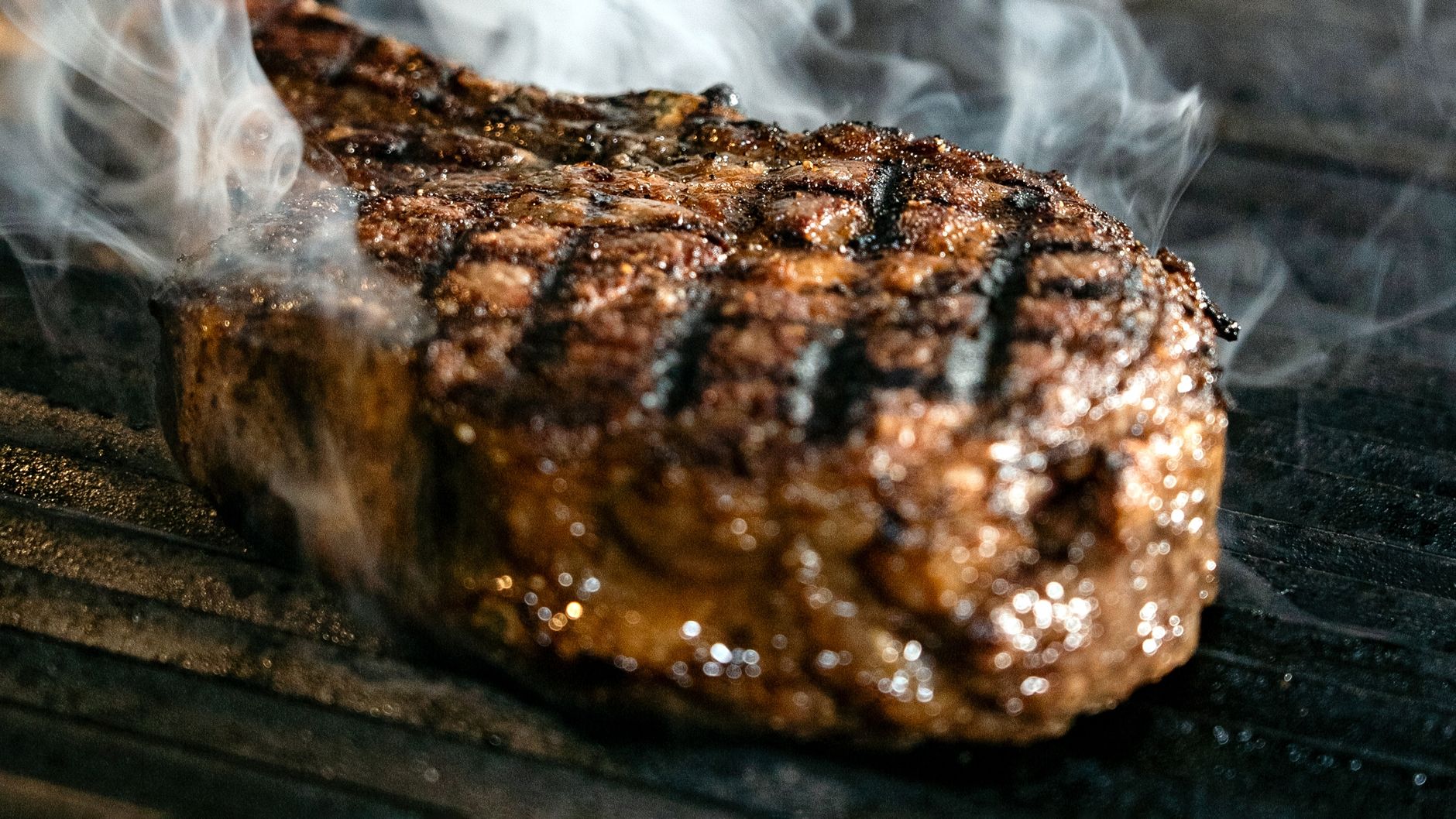
Medium rare steak refers to a cut of beef that’s been grilled, pan‑seared, or broiled to an internal temperature of about 130–135 °F (54–57 °C), leaving the center pink and juicy. The term “medium rare” is popular because the meat stays tender and flavorful, but the pink center means the muscle tissue hasn’t reached a temperature high enough to kill all potential pathogens. Pregnant people often choose steak for its iron and protein, but the safety of that choice hinges on how thoroughly the meat is cooked.
When you cook steak to medium rare, the surface of the meat is usually hot enough to destroy most surface bacteria, but any bacteria or parasites that have penetrated the muscle fibers can survive. Common culprits include Toxoplasma gondii (a parasite that can cause toxoplasmosis), Listeria monocytogenes, and Salmonella. In a healthy adult, these organisms might cause mild gastrointestinal upset, but during pregnancy they can lead to serious complications such as miscarriage, stillbirth, or severe illness in the newborn.
Because of these risks, leading health authorities—including the American College of Obstetricians and Gynecologists (ACOG), the U.K.’s National Health Service (NHS), and the U.S. Food and Drug Administration (FDA)—recommend that pregnant people avoid undercooked meats, including medium rare steak. The CDC also advises pregnant women to steer clear of foods that might carry Toxoplasma or Listeria, reinforcing the need for fully cooked beef.
Is medium rare steak safe to eat in the first trimester?
The first trimester is a critical period of organogenesis, when the baby’s major organs are forming. During this time, exposure to food‑borne pathogens can have the most severe impact, potentially leading to miscarriage or congenital infections. Because medium rare steak may still contain live Toxoplasma cysts or Listeria bacteria, ACOG advises pregnant people to avoid any meat that isn’t cooked to a safe internal temperature throughout.
Even if you’re feeling fine, the microscopic infection could silently affect the developing embryo. The safest approach is to choose well‑done steak (cooked to at least 145 °F or 63 °C with a three‑minute rest) or to switch to other fully cooked protein sources.
Why the first trimester is especially vulnerable
During weeks 1‑13, the placenta is still forming, and the fetal immune system is essentially non‑existent. Infections that would be harmless to an adult can cross the placental barrier and directly affect the embryo’s cells. Studies from the CDC have shown that maternal toxoplasmosis acquired in the first trimester carries a higher risk of severe fetal outcomes compared with infections later in pregnancy.
Because the stakes are highest early on, many clinicians adopt a “no‑pink” policy for all meats, not just beef. This blanket precaution simplifies decision‑making and reduces the chance of accidental exposure.
Can I eat medium rare steak during the second trimester of pregnancy?
During the second trimester, the baby’s growth accelerates, but the immune system remains relatively suppressed, keeping the risk of infection high. The NHS specifically warns that pregnant people should not eat meat that is pink in the middle, and the FDA’s Food Code reinforces the same precaution for all undercooked meats.
Medium rare steak still poses a potential threat because the internal temperature isn’t sufficient to guarantee the destruction of Toxoplasma and Listeria. If you crave steak, aim for a well‑done finish or consider alternative protein sources that are naturally cooked through, such as chicken breast or baked salmon.
Does the risk change as the pregnancy progresses?
While the absolute risk of congenital infection declines after the first trimester, the mother’s susceptibility to food‑borne illness does not disappear. The CDC notes that listeriosis can trigger preterm labor at any stage, and toxoplasmosis can still cause severe neurological damage even when acquired later. For that reason, the recommendation to avoid medium rare steak remains consistent throughout pregnancy.
How many ounces of medium rare steak can a pregnant woman safely consume?
Because the consensus among obstetric authorities is to avoid medium rare steak altogether, there isn’t a “safe portion” defined for this preparation. The American Pregnancy Association recommends that pregnant adults aim for 5‑6 oz of cooked lean protein per day, but that protein should come from fully cooked sources.
If you inadvertently ate a medium rare steak, don’t panic. The amount you consumed is less important than the fact that it was undercooked. Monitor for any signs of foodborne illness (fever, abdominal cramping, diarrhea) and contact your provider if symptoms develop.
Understanding portion sizes for fully cooked meat
For reference, a standard serving of cooked beef is about the size of a deck of cards (≈3 oz). Most nutrition guidelines suggest 2‑3 servings of protein per day for pregnant people, which translates to roughly 5‑6 oz total. When you choose well‑done steak, you can comfortably fit this amount into a balanced meal without compromising safety.
What are the risks of eating medium rare steak while pregnant?
Toxoplasmosis: Toxoplasma gondii can cross the placenta, potentially causing miscarriage, stillbirth, or neurological damage in the baby.
Listeriosis: Listeria monocytogenes can lead to severe infections, preterm labor, or neonatal sepsis.
Salmonella: While less common in steak than poultry, contaminated beef can cause gastrointestinal illness, dehydration, and complications for the pregnancy.
General bacterial load: Undercooked meat may harbor other bacteria that could trigger a mild food poisoning episode, which can be more dangerous during pregnancy.
Most cases of Toxoplasma infection are asymptomatic in the mother, which is why the risk is often underestimated. However, the potential impact on the developing baby makes avoidance the prudent choice.
How infection can affect pregnancy outcomes
When a pregnant person contracts toxoplasmosis, the parasite can invade the placenta and travel to the fetus, where it may damage the brain, eyes, or other organs. Listeria, on the other hand, can cause a rapid, invasive infection that often leads to fever, chills, and sometimes miscarriage. Prompt treatment is possible, but early detection is essential—hence the emphasis on prevention.
Are there any steak brands that are safer for pregnant women?
No specific brand can guarantee that a medium rare steak will be free from parasites or bacteria, because safety depends primarily on cooking method, not the producer. That said, choosing reputable sources that follow strict USDA inspection standards—such as USDA‑certified organic, grass‑fed, or locally inspected farms—can reduce the overall bacterial load on the meat’s surface.
Even with high‑quality beef, the internal temperature must reach a safe level to eliminate hidden pathogens. So, while brand selection matters for overall meat quality, it does not replace the need for thorough cooking.
What to look for on packaging
When you shop, look for labels that mention “USDA inspected,” “certified organic,” or “grass‑fed.” These labels indicate that the meat has undergone mandatory safety checks for surface contamination. However, always treat the meat as a raw product that needs to be cooked to a safe internal temperature before consumption.
What cooking temperature makes steak safe for pregnancy?
According to the USDA, whole cuts of beef (including steak) are safe when cooked to an internal temperature of at least 145 °F (63 °C) followed by a three‑minute rest. This temperature corresponds to a medium doneness level, but for pregnancy many clinicians advise cooking steak to well‑done (160 °F or 71 °C) to eliminate any lingering risk.
Using a calibrated meat thermometer is the most reliable way to ensure safety. Insert the probe into the thickest part of the steak, avoiding bone or fat, and verify the temperature before serving.
Tips for using a meat thermometer correctly
1. Choose an instant‑read digital thermometer for quick results.
2. Insert the probe horizontally into the side of the steak, aiming for the center.
3. Wait for the reading to stabilize (usually a few seconds).
4. If the temperature reads below 160 °F, continue cooking and re‑check every 2‑3 minutes.
Cleaning the thermometer between uses prevents cross‑contamination—a small step that keeps both you and your baby safe.
Can pregnant women with gestational diabetes eat medium rare steak?
Gestational diabetes primarily requires careful monitoring of carbohydrate intake and overall calorie balance. While the carbohydrate content of steak is negligible, the concern for a pregnant person with gestational diabetes remains the same: medium rare steak still carries the same infection risk.
Therefore, the recommendation is identical—avoid medium rare steak and opt for fully cooked protein sources that won’t jeopardize either blood‑sugar control or fetal health.
What are safe protein alternatives to medium rare steak during pregnancy?
Well‑done beef steak – cooked to at least 160 °F (71 °C) eliminates pathogens.
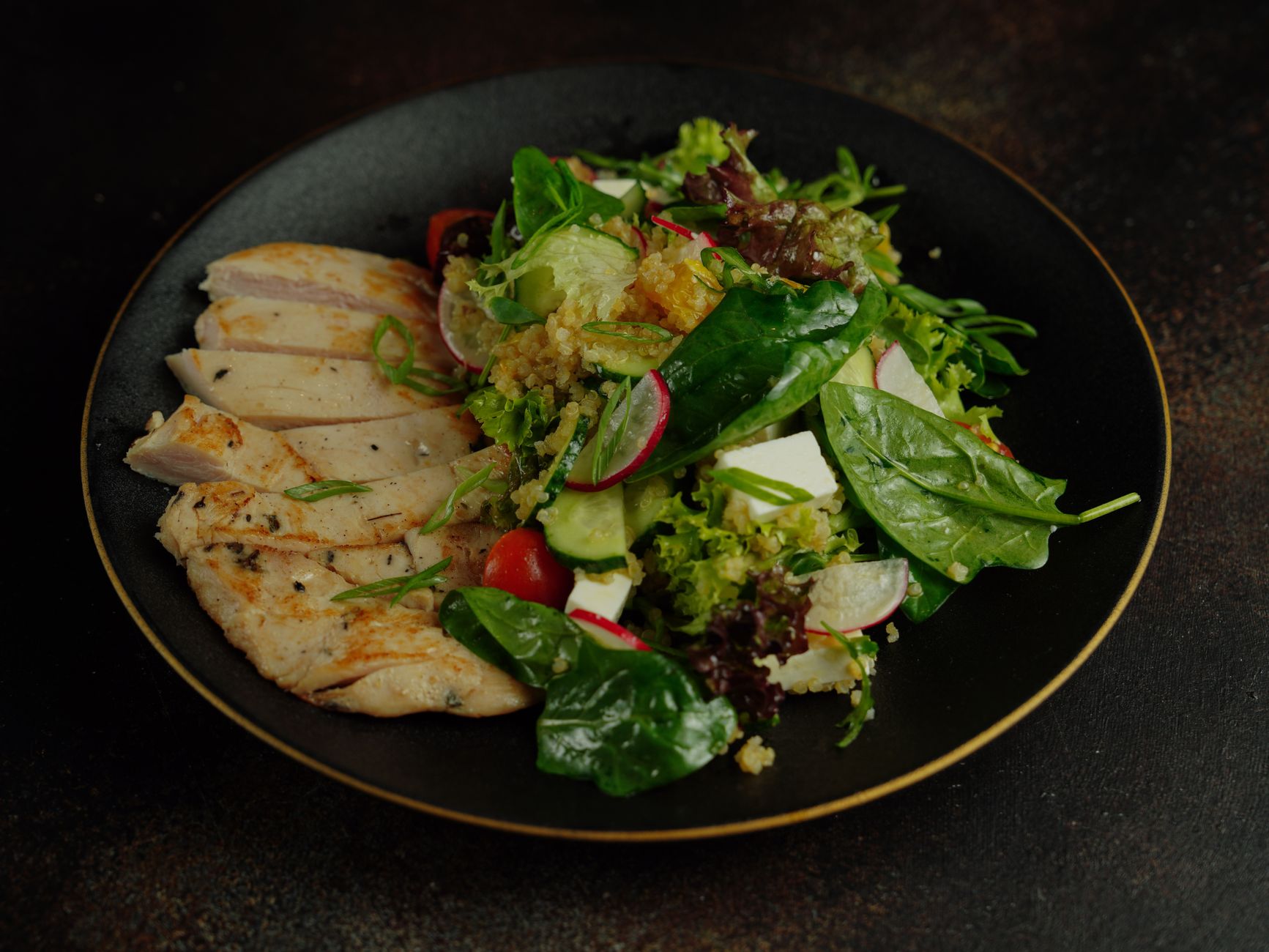
Grilled chicken breast – lean, high‑protein, and safe when cooked through.
Baked salmon – provides omega‑3 fatty acids and is safe when fully cooked.
Turkey breast – low‑fat, high‑protein, and safe when no pink remains.
Lentil soup – plant‑based protein with iron and fiber; fully simmered.
Tofu stir‑fry – soy protein, safe when heated to steaming.
Quinoa salad – complete protein; safe when quinoa is boiled.
Cooked shrimp – must reach 145 °F (63 °C); a quick source of lean protein.
Choosing a well‑done steak eliminates the risk of harmful bacteria while preserving flavor.
Safety by trimester
First trimester
During the first 13 weeks, the embryo’s organs are forming, making it especially vulnerable to infections. ACOG’s guidelines stress that pregnant people should avoid any undercooked meat, including medium rare steak, to prevent Toxoplasma and Listeria exposure. If you’ve already eaten a medium rare steak, stay alert for fever, flu‑like symptoms, or gastrointestinal upset, and contact your provider if any appear.
Second trimester
The second trimester (weeks 14‑27) continues to demand caution. The placenta is well‑developed, but the fetal immune system is still immature. The NHS advises pregnant individuals to “cook all meat thoroughly” and to avoid pink interiors. Stick to well‑done steak or switch to other fully cooked proteins.
Third trimester
In the final three months, the baby’s growth accelerates, but the risk of infection remains. The CDC notes that foodborne illnesses can trigger preterm labor. Maintaining the same precaution—fully cooked steak or alternative proteins—remains essential.
Breastfeeding
Even after birth, pathogens from undercooked meat can be transmitted through breast milk. The FDA recommends that nursing mothers continue to avoid medium rare steak to protect their infant’s health.
How to avoid cross‑contamination in the kitchen
Cross‑contamination can undo even perfect cooking. Use separate cutting boards for raw meat and ready‑to‑eat foods, wash hands with soap for at least 20 seconds after handling raw beef, and sanitize surfaces with hot, soapy water or a diluted bleach solution. Store raw beef on the bottom shelf of the refrigerator to prevent drips onto other foods.
These simple steps dramatically lower the chance that bacteria from undercooked steak will find their way onto fruits, vegetables, or dairy products that you might consume later in the day.
Safe dosage / amount / brands
Because the recommendation is to avoid medium rare steak entirely, there is no “safe amount” to list. Instead, focus on meeting your daily protein needs (about 5‑6 oz of fully cooked meat or equivalent plant‑based protein) using safe cooking methods.
If you prefer beef, select reputable brands that adhere to USDA inspection standards—such as “USDA Prime,” “USDA Choice,” or certified organic labels. Look for packaging that indicates the meat has been “hand‑cut” and “trim‑fat” for quality, but still cook the steak to well‑done before eating.
Item
Safe amount (per day)
Notes
Well‑done beef steak
4‑6 oz
Cook to ≥160 °F (71 °C); ensure no pink.
Grilled chicken breast
4‑6 oz
Internal temp 165 °F (74 °C).
Baked salmon
4‑6 oz
Cook until flaky; 145 °F (63 °C) internal.
Turkey breast
4‑6 oz
165 °F (74 °C) internal.
Lentil soup
1 cup
Fully simmered; provides iron.
Tofu stir‑fry
½ cup
Heat until steaming hot.
Quinoa salad
½ cup cooked quinoa
Boiled until soft.
Cooked shrimp
4‑6 oz
Cook to 145 °F (63 °C); no translucent parts.
Side effects and risks
The primary risks of eating medium rare steak while pregnant stem from infection:
Toxoplasmosis: May cause fever, swollen lymph nodes, and flu‑like symptoms in the mother; can lead to severe neurological damage or miscarriage in the fetus.
Listeriosis: Symptoms include fever, muscle aches, and sometimes gastrointestinal upset; can cause preterm labor, stillbirth, or severe newborn infection.
Salmonella: Typically causes diarrhea, abdominal cramps, and fever; dehydration can be dangerous for both mother and baby.
Most of these infections start with mild, nonspecific symptoms, which is why they can be easy to miss. If you develop any of the following, contact your obstetric provider promptly: fever above 100.4 °F (38 °C), persistent vomiting, severe abdominal pain, or a sudden change in fetal movement.
Swap medium rare steak for these fully cooked protein options to keep your meals safe and nutritious.
Safer alternatives
Well‑done beef steak – eliminates pathogens while still delivering iron.
Grilled chicken breast – lean, easy to season, and safe at 165 °F.
Baked salmon – rich in omega‑3s, crucial for fetal brain development.
Turkey breast – low‑fat, high‑protein, and fully cooked.
Lentil soup – plant‑based iron and fiber; fully simmered.
Tofu stir‑fry – versatile soy protein, safe when heated.
Cooked shrimp – quick, high‑protein option; ensure no translucent parts.
Related items — safety at a glance
Item
Verdict
One‑line note
Well‑done steak
✅ Generally safe
Cook to ≥160 °F (71 °C); no pink.
Ground beef (fully cooked)
✅ Generally safe
Must reach 160 °F (71 °C) throughout.
Lamb chops (well done)
✅ Generally safe
Same temperature rule as beef.
Veal cutlets (fully cooked)
✅ Generally safe
Cook until no pink remains.
Bison steak (well done)
✅ Generally safe
Follow beef temperature guidelines.
Venison steak (well done)
✅ Generally safe
Cook to 160 °F (71 °C) for safety.
Pork tenderloin (fully cooked)
✅ Generally safe
Internal temp 145 °F (63 °C) with a rest.
Chicken breast (well cooked)
✅ Generally safe
Reach 165 °F (74 °C) internal.
Myth vs. fact
Myth: “A pink interior means the steak is safe because the surface heat kills all germs.”
Fact: Pathogens like Toxoplasma can hide deep in muscle tissue; only reaching the safe internal temperature eliminates the risk.
Myth: “If the steak looks fresh and smells good, it can’t be harmful.”
Fact: Freshness and aroma don’t indicate the presence or absence of microscopic parasites or bacteria.
Myth: “Pregnant women can eat medium rare steak as long as they’re healthy.”
Fact: Even healthy adults can carry asymptomatic infections that may harm the fetus; guidelines apply to all pregnant individuals.
Key takeaways
❌ Medium rare steak is not considered safe for pregnancy; aim for well‑done instead.
Cook beef to at least 145 °F (63 °C) with a three‑minute rest, or better yet, 160 °F (71 °C) for no pink.
Focus on fully cooked protein sources—chicken, fish, turkey, or plant‑based options.
Watch for fever, severe abdominal pain, or changes in fetal movement; call your provider if these appear.
Choosing reputable meat brands reduces surface bacterial load but does not replace proper cooking.
Use a meat thermometer and practice strict kitchen hygiene to avoid cross‑contamination.
Frequently asked questions
Can I eat rare steak while pregnant?
No. Rare steak, which is cooked to an internal temperature below 130 °F (54 °C), can contain live parasites and bacteria that pose serious risks to both you and your baby.
What temperature is safe for steak during pregnancy?
The USDA recommends cooking whole cuts of beef to at least 145 °F (63 °C) followed by a three‑minute rest; many obstetricians advise reaching 160 °F (71 °C) to ensure no pink remains.
Is Toxoplasmosis a risk from medium rare steak?
Yes. Toxoplasma gondii can survive in undercooked meat, and infection during pregnancy can lead to miscarriage or severe fetal complications.
How does cooking steak affect pregnancy safety?
Proper cooking raises the internal temperature high enough to destroy harmful pathogens. Fully cooked steak (well‑done) eliminates the risk of Toxoplasma, Listeria, and Salmonella.
Can pregnant women eat steak medium rare in the second trimester?
Even in the second trimester, the recommendation remains the same: avoid medium rare steak because the infection risk does not diminish.
What are the signs of foodborne illness in pregnancy?
Watch for fever above 100.4 °F (38 °C), persistent vomiting, severe abdominal cramps, diarrhea, or a sudden change in fetal movement; these warrant immediate medical attention.
Does eating medium rare steak increase risk of miscarriage?
While a direct cause‑and‑effect link is rare, infections like toxoplasmosis and listeriosis—both associated with undercooked meat—are known to increase the risk of miscarriage and other serious outcomes.
What should I do if I suspect I have toxoplasmosis?
Contact your obstetric provider right away. They may order blood tests and, if confirmed, prescribe appropriate antibiotics such as spiramycin to reduce fetal risk.
Are other undercooked meats, like pork or poultry, also unsafe?
Yes. Undercooked pork, chicken, and turkey can harbor similar pathogens. The safest approach is to cook all meats until there is no pink inside—165 °F (74 °C) for poultry and 145‑160 °F (63‑71 °C) for most red meats.
When to call your doctor
If you experience any of the following after eating a medium rare steak, contact your obstetric provider right away:
Fever of 100.4 °F (38 °C) or higher.
Severe or prolonged abdominal pain.
Persistent vomiting or diarrhea lasting more than 24 hours.
Sudden decrease in fetal movement.
Any signs of flu‑like illness that do not resolve quickly.
These symptoms could signal a foodborne infection that may affect your pregnancy. This article provides general information and is not a substitute for personalized medical advice. Always discuss your dietary choices and any concerns with your healthcare provider.
References
American College of Obstetricians and Gynecologists. “Nutrition During Pregnancy.” ACOG Committee Opinion, 2020.
U.S. Food and Drug Administration. “Food Safety for Pregnant Women.” FDA Consumer Updates, 2021.
Centers for Disease Control and Prevention. “Pregnancy and Toxoplasmosis.” CDC, 2022.
National Health Service (NHS). “Food safety for pregnant women.” NHS, 2023.
United States Department of Agriculture (USDA). “Safe Minimum Cooking Temperatures.” USDA Food Safety and Inspection Service, 2022.
Mayo Clinic. “Toxoplasmosis: Symptoms and Causes.” Mayo Clinic, 2023.
World Health Organization. “Listeriosis.” WHO, 2021.
American Pregnancy Association. “Protein Needs During Pregnancy.” APA, 2022.
National Institute for Health and Care Excellence (NICE). “Food safety and pregnancy.” NICE Guidelines, 2023.
Not sure about the label on Is Medium Rare Steak Safe During Pregnancy products?
Snap the ingredients list and SafeFilter checks every ingredient for your stage — only 3 free scans this month, then you're locked until reset. Unlimited from $7/mo or $50/yr.
When Shubhra Mishra was expecting her first child in 2016, she was overwhelmed by conflicting food advice — one site said yes, another said never. By the time her second baby arrived in 2019, she realized millions of mothers face the same confusion.
That sparked a five-year journey through clinical nutrition papers, cultural diets, and expert conversations — all leading to BumpBites: a calm, compassionate space where science meets everyday motherhood.
Her long-term vision is to build a global community ensuring safe, supported, and free deliveriesfor every mother — because no woman should face pregnancy alone or uninformed. 🌿
🌍 Stand with mothers, shape safer guidance
Join a small circle of experts who review BumpBites articles so expecting parents everywhere can decide with confidence.