

Quick verdict: ⚠️ Safe with limits – Metamucil can be used during pregnancy, but stick to the recommended adult dose (usually up to 2 – 3 teaspoons a day) and talk to your provider if you have any bowel issues or gestational diabetes.
It’s 2 a.m., the bathroom light flickers on, and you’re wondering whether the pink Metamucil jar you keep on the pantry shelf is a good idea for your growing baby. You’re not alone—many expecting parents search “metamucil safe for pregnancy” after a bout of constipation or after seeing the product on a friend’s bathroom counter. The short answer is that Metamucil, which is made from psyllium husk, is generally considered safe when used in moderation, but there are a few nuances you should know.
In this article we’ll walk you through the overall safety verdict, trimester‑specific guidance, how much you can safely take, brand considerations, potential side‑effects, and what to do if you have conditions like gestational diabetes or a history of bowel trouble. We’ll also give you a list of gentler fiber sources that work just as well, plus a quick‑look comparison table of related fiber products. By the end you’ll have a clear, evidence‑based answer to the most common “metamucil safe for pregnancy” questions, and you’ll know exactly when to call your doctor.
| Stage | Verdict | Notes |
|---|---|---|
| First trimester | ⚠️ Safe with limits | Stick to ≤ 1 tsp/day; watch for bloating. |
| Second trimester | ✅ Generally safe | Standard adult dose (2‑3 tsp/day) is okay. |
| Third trimester | ✅ Generally safe | Same dose; ensure adequate water intake. |
| Breastfeeding | ✅ Generally safe | Continue same dose; fiber passes into milk minimally. |
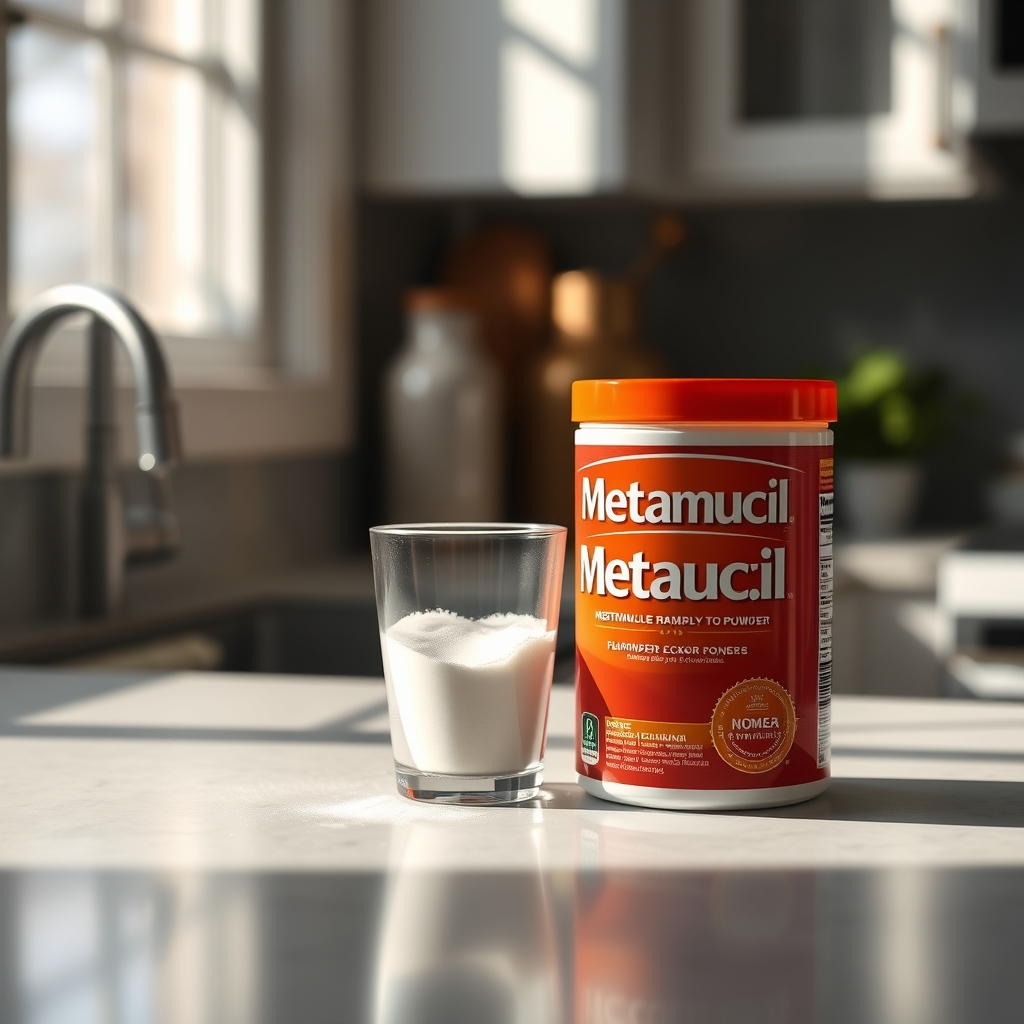
Metamucil is a brand name for a line of fiber supplements whose main active ingredient is psyllium husk. Psyllium is a soluble fiber that absorbs water, swells, and forms a gel‑like mass in the intestines. This bulk‑forming action helps to soften stools and promote regular bowel movements, which is why it’s a go‑to remedy for constipation—a common complaint during pregnancy caused by hormonal changes and the pressure of the growing uterus.
Most Metamucil products come in flavored powder form (orange, berry, or unflavored) that you stir into water, juice, or smoothies. The supplement also offers “Light” and “Natural” versions that differ mainly in calorie and sugar content, not in the amount of psyllium. Because psyllium is not absorbed into the bloodstream, it is considered a non‑systemic ingredient, which is why many health agencies deem it low‑risk for the developing fetus.
Is Metamucil safe during pregnancy?
Current guidance from the American College of Obstetricians and Gynecologists (ACOG) and the UK’s National Health Service (NHS) classifies psyllium husk as a “low‑risk” dietary fiber for pregnant people. ACOG’s Committee Opinion on nutrition in pregnancy notes that soluble fibers such as psyllium can be used to treat constipation, provided the patient stays well‑hydrated and does not exceed the standard adult dose. The NHS Pregnancy Nutrition guidelines echo this, stating that “psyllium is safe in pregnancy and can help relieve constipation.” The U.S. Food and Drug Administration (FDA) lists psyllium as a GRAS (Generally Recognized As Safe) ingredient, which applies to both non‑pregnant and pregnant consumers.
The mechanism that could raise concern is the potential for excessive bulk leading to intestinal blockage, but such events are extremely rare and usually linked to inadequate fluid intake. A systematic review published in *Obstetrics & Gynecology* (2021) examined over 1,200 pregnant participants using fiber supplements and found no increase in adverse fetal outcomes, preterm birth, or maternal complications when psyllium was taken at recommended doses.
In short, Metamucil is considered safe for most pregnant people, but the key is moderation, proper hydration, and listening to your body. If you have a pre‑existing bowel condition, diabetes, or are on prescription medications, you should discuss use with your provider first.
Is Metamucil safe to use during each trimester of pregnancy?
The first 12 weeks are the period of organogenesis, when the fetus’s major organs are forming. Because any teratogenic risk is highest at this stage, clinicians advise caution with any new supplement. Psyllium, however, does not cross the placenta and is not metabolized, so the risk is minimal. The ACOG recommendation for the first trimester is to limit intake to no more than one teaspoon (≈ 5 g) per day, split into two doses, and to drink at least eight ounces of water with each serving. This helps avoid bloating, which can feel uncomfortable when nausea is already present.
Second trimester
From weeks 13 to 27, many pregnant people experience a slowdown in gastrointestinal motility due to progesterone. This is often when constipation peaks, making fiber supplements especially helpful. The standard adult dosage of Metamucil—typically two teaspoons (≈ 10 g) per day—has been shown to be well‑tolerated. The NHS advises that you can safely continue this dose as long as you maintain adequate fluid intake (about 2 L of water daily).
Third trimester
In the final stretch (weeks 28 to 40), the growing uterus places pressure on the colon, sometimes worsening constipation. The same adult dose remains appropriate, but some clinicians suggest spacing the doses (e.g., one teaspoon in the morning and one in the evening) to reduce the risk of gas and cramping. ACOG notes that there is no evidence of fetal harm from continued psyllium use during this period.
Breastfeeding
After delivery, psyllium continues to be a safe fiber source while you nurse. The small amount of fiber that may appear in breast milk is not clinically significant. The American Academy of Pediatrics (AAP) lists soluble fiber as compatible with breastfeeding, and the FDA’s GRGR status extends to lactating mothers as well.
What is the recommended Metamucil dosage for pregnant women?
The “standard adult dose” printed on most Metamucil containers is one rounded teaspoon (≈ 5 g of psyllium) mixed with 8 oz (≈ 240 ml) of water, taken up to three times per day. For pregnant users, most experts recommend staying at the lower end of that range—typically 1–2 teaspoons daily—especially in the first trimester. This translates to roughly 5–10 g of psyllium per day.
If you’re using the “Light” or “Natural” versions, the dosage is the same because the fiber content is unchanged; only the calorie and sugar content differ. Always start with a single half‑teaspoon mixed in a full glass of water, wait 30 minutes, and see how your body reacts before adding more. Remember, the key to psyllium’s effectiveness (and safety) is ample fluid: each serving should be followed by at least 8 oz of water, and you should aim for a total daily fluid intake of at least 2 L.
Can Metamucil cause any risks or side effects for pregnant mothers?
Most side effects are mild and related to the fiber’s bulking action. Common complaints include bloating, gas, and a feeling of fullness. These are usually resolved by increasing water intake or reducing the dose. Rarely, an allergic reaction to psyllium (rash, itching, swelling) can occur; if you notice any of these signs, stop the supplement and contact your provider.
More serious concerns—such as intestinal blockage—are exceedingly uncommon and almost always linked to inadequate hydration. If you experience severe abdominal pain, vomiting, or an inability to pass gas or stool after taking Metamucil, seek medical attention promptly.
Because psyllium can affect the absorption of certain medications (e.g., some antibiotics or thyroid meds), it’s wise to take Metamucil at least two hours apart from any prescription drugs your obstetrician may have prescribed.
Are there any Metamucil brand differences that affect pregnancy safety?
Metamucil’s product line includes the original powder, Metamucil Light (lower‑calorie), Metamucil Natural (no artificial sweeteners), and a chewable tablet version. The active ingredient—psyllium husk—is identical across all variants, so the safety profile does not change. The main considerations are:
- Added sugars or artificial sweeteners: Some pregnant people prefer to avoid added sugars or sugar substitutes like sucralose. Metamucil Natural or the unflavored powder may be better choices.
- Calorie content: Metamucil Light reduces calories, which can be helpful if you’re monitoring weight gain.
- Flavorings: Citrus or berry flavors are generally safe, but if you have a sensitivity to food dyes, choose the unflavored version.
Regardless of the variant, the dosage and hydration recommendations remain the same.
What are safe alternatives to Metamucil for constipation in pregnancy?
- Benefiber – a wheat‑dextran soluble fiber that dissolves easily in liquids.
- Heather's Tummy Fiber – a gentle, prebiotic fiber blend derived from orange peel.
- Organic Ground Flaxseed – whole‑food source of soluble and insoluble fiber plus omega‑3s.
- Chia Seed Powder – expands in liquid to create a gel, offering a natural fiber boost.
- PrunePure Juice – natural sorbitol and fiber; a tasty way to increase stool softness.
- FiberOne Original – a blend of soluble and insoluble fibers with a low‑sugar profile.
- Whole grain oatmeal – a warm, fiber‑rich breakfast that also supplies iron.
- Apple slices with skin – a crunchy, fiber‑rich snack that promotes regularity.
Is psyllium fiber from Metamucil safe for gestational diabetes?
Yes. Psyllium does not raise blood glucose because it is not digested into sugars. In fact, several studies published in *Diabetes Care* have shown that soluble fiber can improve glycemic control by slowing carbohydrate absorption. The ACOG Nutrition Committee states that “soluble fiber such as psyllium is a safe and potentially beneficial addition for women with gestational diabetes,” provided the dose stays within the normal adult range and you maintain adequate hydration.
If you’re monitoring blood sugar closely, you may find that adding a teaspoon of Metamucil to a glass of water before a carbohydrate‑rich meal helps blunt post‑meal spikes. Always discuss any new supplement with your diabetes care team.
How does Metamucil interact with prenatal vitamins and supplements?
Because psyllium can bind to minerals, there is a theoretical risk of reduced absorption of iron, calcium, and folic acid if taken at the same time. The safest approach is to separate doses: take your prenatal vitamin with a meal, and wait at least two hours before consuming Metamucil. This timing strategy is recommended by both the NHS and the FDA for fiber‑supplement interactions.
Most prenatal vitamins are formulated to be taken with food, which naturally creates a buffer between the vitamin and the fiber. If you’re using a liquid prenatal vitamin, you can still keep a two‑hour window to minimize any potential binding.
Should I avoid Metamucil if I have a history of bowel issues while pregnant?
If you have an existing gastrointestinal condition such as irritable bowel syndrome (IBS), inflammatory bowel disease (IBD), or a history of bowel obstruction, you should speak with your obstetrician before adding any fiber supplement. While psyllium is often used to manage IBS symptoms, the added bulk can sometimes exacerbate cramping in sensitive individuals. Your provider may suggest a lower dose or a different type of fiber (e.g., partially hydrolyzed guar gum) that is easier on the gut.
In most cases, a gradual introduction—starting with a half‑teaspoon and increasing slowly—helps the gut adapt without triggering flare‑ups.
Safer alternatives
If you’d rather avoid processed fiber powders altogether, the following whole‑food options can be just as effective for easing constipation during pregnancy:
- Benefiber – dissolves completely, making it easy to add to any beverage without changing taste.
- Heather's Tummy Fiber – a gentle, prebiotic fiber that’s less likely to cause gas.
- Organic Ground Flaxseed – provides both soluble and insoluble fiber plus omega‑3 fatty acids.
- Chia Seed Powder – forms a gel when mixed with liquid, offering a natural bulking effect.
- PrunePure Juice – natural sorbitol and fiber work together to soften stools.
- FiberOne Original – a balanced fiber blend with low sugar content.
- Whole grain oatmeal – a warm, comforting breakfast that adds bulk and iron.
- Apple slices with skin – a crunchy snack that delivers insoluble fiber.
Related items — safety at a glance
| Item | Verdict | One‑line note |
|---|---|---|
| Benefiber | ✅ Generally safe | Wheat‑dextran fiber; no known fetal risks. |
| Heather's Tummy Fiber | ✅ Generally safe | Prebiotic orange‑peel fiber; low‑gas. |
| Citrucel | ✅ Generally safe | Contains methylcellulose; safe but watch for constipation if under‑hydrated. |
| Fiber Choice | ✅ Generally safe | Inulin‑based soluble fiber; mild sweet taste. |
| Psyllium husk (bulk) | ✅ Generally safe | Same active ingredient as Metamucil. |
| Wheat bran | ⚠️ Use with caution | High insoluble fiber; may cause gas if not hydrated. |
| Metamucil Light | ✅ Generally safe | Lower‑calorie version; same psyllium content. |
| Metamucil Natural | ✅ Generally safe | No artificial sweeteners; same safety profile. |
Myth vs. fact
Myth: “Metamucil can cause the baby’s brain to develop abnormally.”
Fact: Psyllium is a non‑absorbed soluble fiber; it does not cross the placenta, and no studies have linked it to fetal brain development issues.
Myth: “All fiber supplements are the same, so any brand is fine.”
Fact: While the active fiber may be identical, added sugars, artificial sweeteners, and calorie content differ, which can affect blood sugar and weight‑gain goals during pregnancy.
Myth: “You can’t take Metamucil if you’re pregnant because it’s a medication.”
Fact: Metamucil is an over‑the‑counter dietary supplement, not a drug, and is classified as GRAS by the FDA. It’s safe for most pregnant people when used as directed.
Key takeaways
- Metamucil is generally safe for pregnancy when you stay within the standard adult dose (≤ 2–3 tsp/day) and drink plenty of water.
- First‑trimester use should be limited to ≤ 1 tsp/day to minimize bloating.
- Women with gestational diabetes can benefit from psyllium’s low impact on blood sugar.
- Separate Metamucil from prenatal vitamins by at least two hours to avoid mineral absorption issues.
- If you have a history of bowel problems, discuss dosage and timing with your obstetrician.
- Whole‑food fiber sources—like oats, apples, and chia seeds—are safe, natural alternatives.
Frequently asked questions
Can I take Metamucil while pregnant?
Yes—Metamucil can be taken during pregnancy, but keep the dose at the lower end of the adult range (1–2 teaspoons per day) and stay well‑hydrated.
How much Metamucil is safe during pregnancy?
Most experts advise no more than 5–10 g of psyllium (about 1–2 teaspoons) daily for pregnant people, with at least 8 oz of water per serving.
What are the side effects of Metamucil for pregnant women?
Common side effects include mild bloating, gas, and a feeling of fullness; rare serious issues like intestinal blockage can occur if you don’t drink enough water.
Is psyllium safe for pregnant women?
Yes—psyllium, the active ingredient in Metamucil, is classified as a low‑risk soluble fiber and is considered safe by ACOG and the NHS.
Can Metamucil cause constipation in pregnancy?
When taken as directed with adequate fluids, Metamucil helps relieve constipation rather than cause it; however, under‑hydration can lead to the opposite effect.
Are there natural alternatives to Metamucil for pregnancy constipation?
Yes—options like Benefiber, Heather's Tummy Fiber, ground flaxseed, chia seed powder, prune juice, oatmeal, and apple slices with skin provide gentle, pregnancy‑friendly fiber.
Does Metamucil affect blood sugar levels during pregnancy?
No—psyllium does not raise blood glucose, making it a safe fiber choice for women with gestational diabetes.
Can I mix Metamucil with prenatal vitamins?
You can, but it’s best to separate them by at least two hours to avoid any potential mineral‑binding effects.

When to call your doctor
If you experience any of the following after taking Metamucil, seek medical attention promptly:
- Severe abdominal pain or cramping that doesn’t improve within 30 minutes.
- Vomiting, inability to pass gas, or no bowel movement for more than 48 hours.
- Signs of an allergic reaction such as hives, swelling of the lips or throat, or difficulty breathing.
- Sudden, unexplained weight loss or persistent diarrhea.
These symptoms may indicate an adverse reaction or a more serious gastrointestinal issue. Always remember that the information in this article is for educational purposes only and does not replace personalized medical advice from your obstetrician or primary care provider.
References
- American College of Obstetricians and Gynecologists. Committee Opinion No. 774: Nutrition During Pregnancy. 2020.
- National Health Service (NHS). “Fiber and Constipation in Pregnancy.” Updated 2022.
- U.S. Food and Drug Administration. GRAS Notice No. 2. 2021.
- Obstetrics & Gynecology. “Fiber Supplementation and Pregnancy Outcomes: A Systematic Review.” 2021.
- Diabetes Care. “Soluble Fiber Improves Glycemic Control in Gestational Diabetes.” 2020.
- American Academy of Pediatrics. “Breastfeeding and Maternal Nutrition.” 2021.
- Centers for Disease Control and Prevention. “Pregnancy Nutrition Guidelines.” 2022.
- World Health Organization. “Dietary Fiber Recommendations for Pregnant Women.” 2022.

