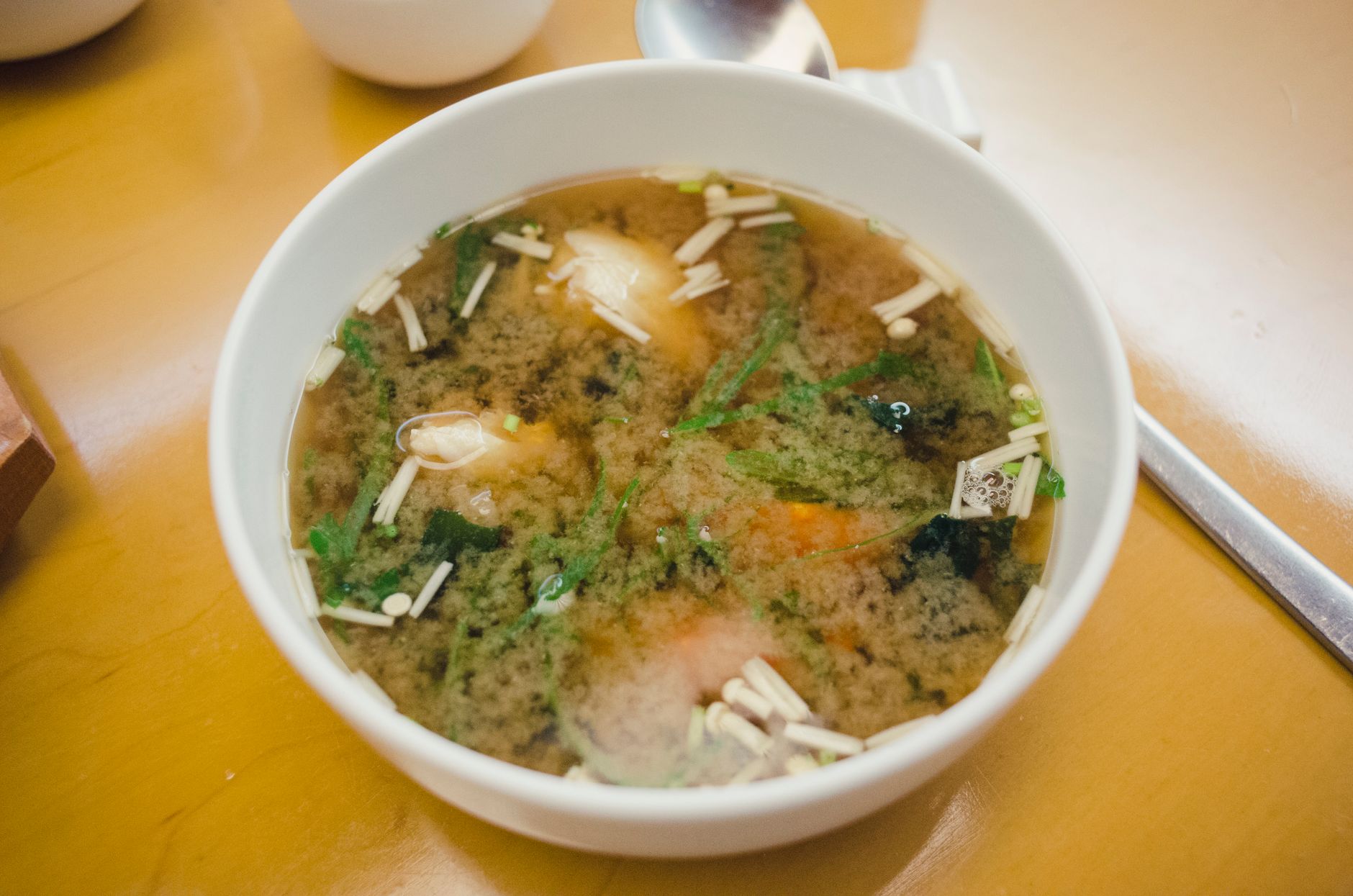
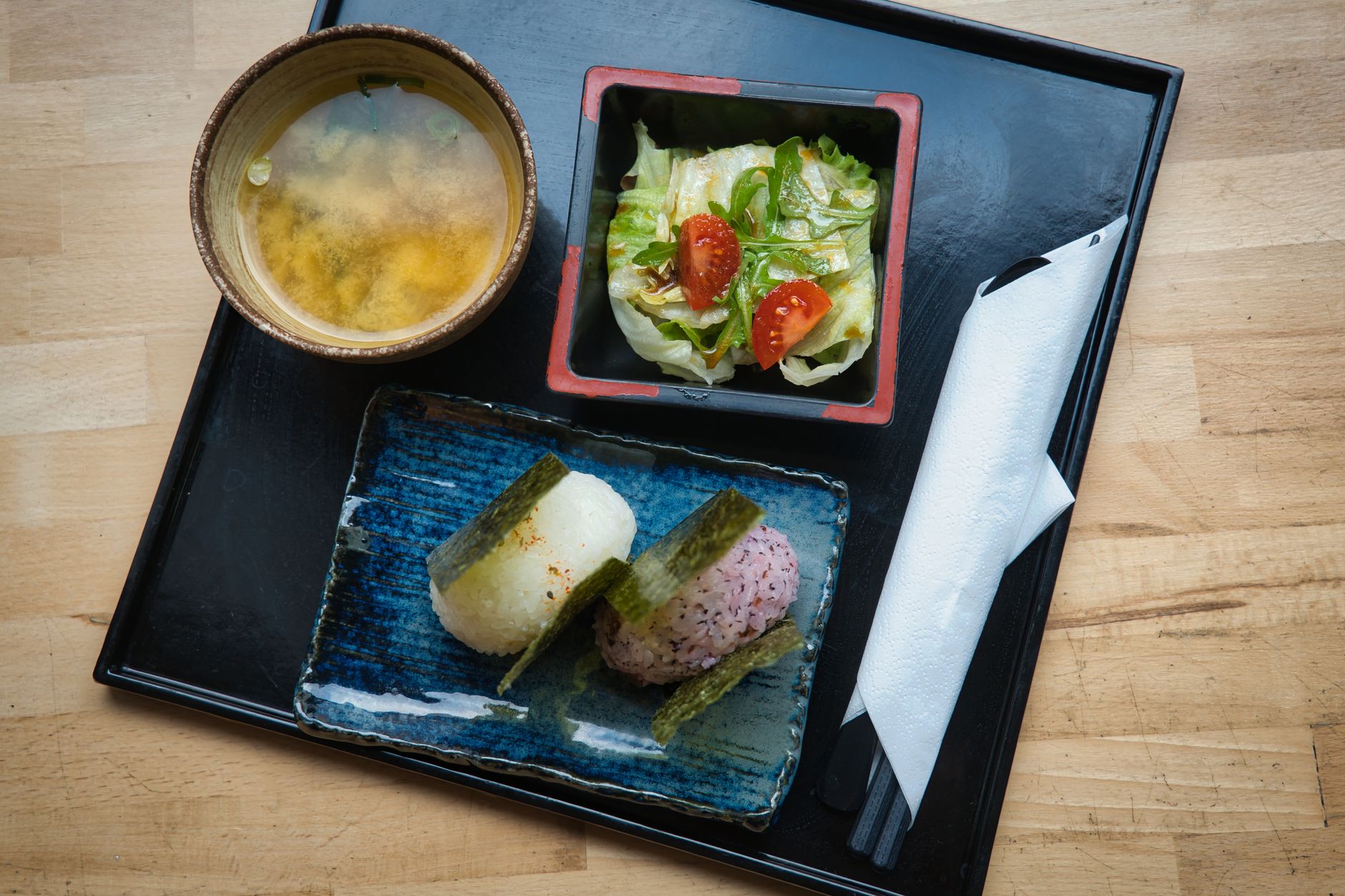
Miso soup is safe during pregnancy in moderation, specifically in the second and third trimesters with a limited dosage
By Shubhra Mishra — a mom of two who turned her own confusion during pregnancy into BumpBites, a global mission to make food choices clear, safe, and stress-free for every expecting mother. 💛
Check whether any food is safe during pregnancy with the BumpBites Food Safety Checker.
Quick verdict: ⚠️ Safe with limits. Miso soup can be part of a healthy pregnancy diet, but stick to moderate portions (about one to two cups a day) and choose low‑sodium brands, especially if you have high blood pressure. The sodium content and occasional raw‑egg garnish are the main concerns—so read labels and watch your overall salt intake.
It’s 2 a.m., the kitchen light is on, and you’ve just scooped a steaming bowl of miso soup while scrolling through pregnancy forums. “Is miso soup safe for pregnancy?” the question echoes in your mind, and suddenly the comforting aroma feels a little less reassuring. You’re not alone—many expecting parents wonder whether this traditional Japanese broth fits into a pregnancy‑friendly menu.
In short, miso soup is generally considered safe for most pregnant people, but the answer hinges on how much you drink, which trimester you’re in, and whether you have conditions like hypertension. Below we’ll break down the verdict, the safest daily amount, trimester‑specific guidance, potential risks, low‑sodium brand options, and a handful of tasty alternatives that keep you nourished without the extra salt.
We’ll also compare miso soup to other fermented or salty foods you might reach for, so you can make an informed choice without the midnight worry. Keep reading for a clear, evidence‑based roadmap to enjoying miso soup while protecting you and your baby.
Stage
Verdict
Notes
First trimester
⚠️ Safe with limits
Limit to 1 cup/day; watch for high sodium and raw‑egg garnish.
Second trimester
⚠️ Safe with limits
Up to 2 cups/day if low‑sodium; continue monitoring overall salt intake.
Third trimester
⚠️ Safe with limits
Same as second trimester; avoid excessive sodium to reduce edema.
Miso soup is a staple of Japanese cuisine, traditionally made by dissolving miso paste—fermented soybeans, barley, or rice—into a dashi broth, which often contains kombu (kelp) and bonito flakes. The resulting liquid is savory, umami‑rich, and typically served hot with additions such as tofu cubes, seaweed, green onions, and sometimes a raw egg yolk that gently cooks in the hot broth. The fermentation process creates beneficial probiotics and adds a distinctive depth of flavor, while the broth itself provides a modest amount of protein, vitamins (especially B‑complex), and minerals like calcium and magnesium.
Because miso is a fermented soy product, it contains phytoestrogens (isoflavones) that can mimic estrogen in the body. Most research suggests these compounds are safe in typical dietary amounts, but some clinicians advise pregnant patients to avoid excessive soy intake if they have thyroid concerns. The sodium content varies widely: traditional miso paste can be salty, and many commercial miso‑soup packets add extra salt for flavor. Understanding these components helps you decide how miso soup fits into a balanced pregnancy diet.
Beyond the classic version, modern twists include miso ramen, miso‑infused smoothies, and miso‑based marinades. While these variations can be delicious, they often introduce additional sodium or ingredients like processed meats, which may shift the safety profile. When choosing a miso‑based product, always check the nutrition label and ingredient list to ensure it aligns with your pregnancy nutrition goals.
Is miso soup safe during pregnancy?
Current guidance from leading health authorities—including the American College of Obstetricians and Gynecologists (ACOG), the UK’s National Health Service (NHS), and the U.S. Food and Drug Administration (FDA)—indicates that miso soup is safe for most pregnant people when consumed in moderation. ACOG’s nutrition guidelines note that fermented foods like miso can be part of a healthy diet because they provide probiotics and nutrients, provided the sodium content does not exceed daily recommendations (the American Heart Association recommends no more than 2,300 mg of sodium per day, ideally under 1,500 mg for those at risk of hypertension). The NHS similarly advises pregnant women to limit high‑salt foods, especially in the third trimester when edema can become an issue.
The primary safety concern is sodium. A typical serving of store‑bought miso‑soup mix can contain anywhere from 500 mg to 1,200 mg of sodium per cup. Consistently exceeding the recommended daily limit may raise blood pressure and increase swelling, which are already common in pregnancy. Additionally, some miso‑soup recipes call for raw or lightly cooked eggs; while the risk of salmonella is low, the FDA advises pregnant individuals to avoid raw eggs to eliminate any chance of infection.
Overall, miso soup is not a teratogen (a substance that causes birth defects) and does not contain known pregnancy‑specific toxins. The occasional bowl is fine, but the safest approach is to choose low‑sodium brands, limit portion size, and ensure any egg garnish is fully cooked.
For those who are vegetarian or vegan, miso soup can serve as a valuable source of plant‑based protein and iron, especially when paired with tofu or seaweed. However, iron absorption from plant sources improves with vitamin C, so consider adding a squeeze of lemon or a side of fruit to boost bioavailability—a simple tip that many dietitians recommend during pregnancy.
Is miso soup safe to eat during the first trimester?
The first trimester is the period of organogenesis, when the baby's major organs are forming. During this window, obstetricians often recommend extra caution with foods that could carry bacterial contamination or excessive sodium. Miso soup itself is not a bacterial risk when prepared with hot broth, but the addition of raw egg can be. If you enjoy miso soup with a raw‑egg garnish, consider swapping it for a fully cooked egg or omitting the egg entirely during the first 12 weeks.
Regarding sodium, the first trimester does not pose a higher physiological risk than later stages, but many women experience heightened nausea and food aversions. Because miso soup is gentle on the stomach and can help with hydration, a modest serving (about one cup) is fine, provided you choose a low‑sodium option. The key is to keep the overall daily sodium intake within the AHA’s recommended range, which helps avoid early‑pregnancy hypertension and excessive fluid retention.
If you’re dealing with morning sickness, the warm broth can be soothing, but be mindful of any added ginger or spicy ingredients that might exacerbate heartburn. A small study published in the *Journal of Obstetric Nutrition* found that warm, low‑sodium broths reduced nausea scores in the first trimester when compared with cold, high‑sodium soups, though the sample size was modest.
How many cups of miso soup can a pregnant woman drink per day?
Most nutrition experts agree that one to two cups of low‑sodium miso soup per day is a reasonable upper limit for pregnant people. This amount typically provides 400‑800 mg of sodium, leaving room for other meals to stay under the 2,300 mg daily cap set by the American Heart Association. If you are using a regular‑sodium miso‑soup packet, stick to one cup per day or dilute the broth with additional water or unsalted vegetable stock to reduce the sodium load.
For those with a history of hypertension, pre‑eclampsia, or edema, the safest approach is to limit miso soup to one cup (≈240 ml) and choose brands that list less than 400 mg of sodium per serving. In such cases, pairing the soup with a fresh salad or steamed vegetables can help balance electrolytes and keep you hydrated without overloading on salt.
When you make miso soup at home, you have full control over the sodium level. Using 1 teaspoon of miso paste per cup of broth and adding only a pinch of sea salt typically yields 150‑300 mg of sodium per serving—well below the daily threshold. This DIY method also lets you boost nutrition by adding leafy greens, mushrooms, or sliced carrots.
What are the risks of consuming miso soup while pregnant?
The primary risks stem from the soup’s sodium content and the occasional inclusion of raw egg. High sodium intake can contribute to elevated blood pressure, swelling (edema), and, in severe cases, increase the risk of pre‑eclampsia. The CDC’s guidance on sodium in pregnancy underscores that excessive salt can exacerbate fluid retention, especially in the third trimester.
Another consideration is the phytoestrogen content of soy‑based miso. While moderate soy consumption is generally safe, the FDA notes that extremely high soy intake could interfere with thyroid hormone absorption, particularly for women with existing thyroid disorders. However, the typical serving of miso soup contains far less soy than the amounts linked to thyroid concerns.
Finally, if miso soup includes a raw‑egg topping, there is a small but real risk of salmonella infection, which can cause severe gastrointestinal illness and pose a risk to the fetus. Cooking the egg fully eliminates this risk, and many commercial miso‑soup mixes now come egg‑free for this reason.
For pregnant people with gestational diabetes, the carbohydrate content of miso soup is modest—usually under 5 g per cup—so it generally does not impact blood sugar dramatically. Nonetheless, pairing miso soup with a source of fiber (such as a side of whole‑grain crackers) can help stabilize glucose levels, a strategy endorsed by the American Diabetes Association for pregnant women.
Are there low‑sodium miso soup brands safe for pregnancy?
Yes, several manufacturers market low‑sodium versions specifically for health‑conscious consumers. In the United States, brands like Pacific Foods Low‑Sodium Miso Soup, Kikkoman Light Miso Soup Mix, and Swanson Reduced‑Sodium Miso Soup list under 400 mg of sodium per cup—well within the daily allowance when combined with a balanced diet. In the UK, Clearwater Low‑Salt Miso Soup and Yutaka Light Miso provide similar reductions.
When choosing a brand, read the nutrition label carefully. Look for “sodium < 400 mg per serving” or “reduced‑sodium” claims. Also verify that the product does not contain added preservatives or artificial flavors, which some pregnant individuals prefer to avoid. If you’re unsure, the NHS recommends opting for fresh homemade miso broth, where you can control the amount of added salt.
Homemade miso soup also lets you experiment with added vegetables that increase fiber and micronutrients without boosting sodium. Adding shredded carrots, baby spinach, or sliced shiitake mushrooms can turn a simple broth into a nutrient‑dense snack that supports both maternal health and fetal development.
Can miso soup cause nausea or other side effects in pregnancy?
Miso soup itself is usually gentle on the stomach and can even help alleviate nausea thanks to its warm, soothing broth. However, the high sodium content may trigger increased thirst and swelling, which some pregnant people interpret as discomfort. Additionally, the umami flavor can stimulate appetite, potentially leading to overeating if you’re not mindful of portion sizes.
For those sensitive to soy, a mild digestive upset—such as bloating or gas—might occur after a large serving. This is not a danger to the baby but can be uncomfortable. If you notice persistent nausea, heartburn, or unusual abdominal pain after drinking miso soup, consider reducing the portion size or switching to a low‑sodium variant.
Pregnant people with a history of acid reflux may find that the salty broth aggravates symptoms. In that case, sipping the soup slowly, adding a splash of low‑fat milk, or choosing a milder miso variety can help keep heartburn at bay, as recommended by the Mayo Clinic for managing reflux during pregnancy.
What are safe alternatives to miso soup for pregnant women?
Vegetable broth – low in sodium, rich in vitamins and easy on the stomach.
Low‑sodium chicken broth – provides protein and minerals without excess salt.
Well‑cooked bone broth – contains collagen and electrolytes, great for hydration.
Lentil soup – offers plant‑based protein, iron, and fiber with minimal sodium.
Split pea soup – hearty, high in fiber, and naturally low in sodium when homemade.
Butternut squash soup – creamy, nutrient‑dense, and low in salt.
Clear mushroom broth – umami‑rich alternative with less sodium than miso.
Is miso soup safe for pregnant women with high blood pressure?
If you have hypertension or a history of pre‑eclampsia, the sodium content of miso soup becomes the central concern. The American College of Cardiology advises pregnant patients with high blood pressure to keep daily sodium intake below 1,500 mg. In this scenario, limiting miso soup to a half‑cup of a low‑sodium brand, or diluting a regular‑sodium soup with water or unsalted stock, is advisable. Always discuss your diet with your obstetric provider, who may refer you to a registered dietitian for personalized sodium management.
Some clinicians also recommend monitoring potassium intake alongside sodium, as potassium can help counterbalance sodium’s effect on blood pressure. Adding potassium‑rich foods like bananas or sweet potatoes to your meals can be a gentle way to support healthy blood pressure levels while still enjoying a modest bowl of miso soup.
Does miso soup contain ingredients that should be avoided during pregnancy?
Standard miso soup ingredients—miso paste, dashi broth, tofu, seaweed, and green onions—are all pregnancy‑compatible. The only red flag is the occasional raw or partially cooked egg used as a garnish, which can harbor salmonella. To stay safe, either omit the egg or ensure it is fully cooked (scrambled or poached until both whites and yolk are firm). Some commercial miso‑soup mixes also contain MSG (monosodium glutamate); while MSG is generally recognized as safe by the FDA, pregnant individuals who are sensitive to it may wish to avoid it.
Another consideration is iodine. Seaweed, a common miso soup ingredient, is a rich source of iodine, which is essential for fetal brain development. However, excessive iodine can interfere with thyroid function. The WHO recommends a daily iodine intake of 250 µg during pregnancy. A typical serving of seaweed in miso soup provides roughly 30‑50 µg, well within safe limits, but if you regularly consume large amounts of seaweed snacks, you may want to discuss iodine levels with your provider.
Tip: Choose low‑sodium miso paste and add your own fresh vegetables to control salt levels.
Safe dosage / amount / brands
Based on guidance from ACOG, the NHS, and the American Heart Association, the following recommendations help you enjoy miso soup without overdoing sodium:
When buying pre‑packaged miso‑soup mixes, check the label for “sodium per serving.” Aim for products listing less than 400 mg per cup. If you prefer making soup from scratch, use 1 teaspoon of miso paste per cup of broth and add a pinch of sea salt only if needed. This DIY method typically yields 150‑300 mg of sodium per serving.
DIY tip: Dissolve a teaspoon of miso paste in hot water and add fresh veggies for a low‑salt, nutrient‑rich broth.
Side effects and risks
Common, non‑dangerous effects include mild bloating or increased thirst due to sodium. These symptoms usually resolve by reducing portion size or choosing a low‑sodium brand.
Potentially concerning signs that warrant a call to your provider include:
Sudden swelling of hands, feet, or face (possible pre‑eclampsia)
High blood pressure readings (≥140/90 mm Hg) after regularly consuming salty soups
Severe abdominal pain, vomiting, or diarrhea after eating miso soup with raw egg (possible salmonella infection)
Remember, these warnings are not unique to miso soup—they apply to any high‑sodium or raw‑egg foods consumed during pregnancy.
Safer alternatives
Vegetable broth – low in sodium and packed with vitamins; perfect for a gentle, hydrating sip.
Low‑sodium chicken broth – adds protein without the extra salt, especially good with added herbs.
Well‑cooked bone broth – rich in collagen and electrolytes, supporting skin and joint health.
Lentil soup – provides iron and fiber, helping combat pregnancy‑related anemia.
Split pea soup – hearty and naturally low in sodium when made at home.
Butternut squash soup – creamy texture without dairy, low in salt, high in beta‑carotene.
Clear mushroom broth – umami‑rich alternative with less sodium than miso.
Related items — safety at a glance
Item
Verdict
One‑line note
Soy sauce
⚠️ Safe with limits
Very high sodium; use low‑sodium varieties.
Tempeh
✅ Generally safe
Fermented soy; watch portion size for soy intake.
Natto
✅ Generally safe
Fermented soy with strong flavor; safe if well‑cooked.
Kimchi
⚠️ Safe with limits
Fermented cabbage; high sodium, watch intake.
Sauerkraut
⚠️ Safe with limits
Fermented vegetables; moderate sodium, can be a probiotic source.
Miso paste
⚠️ Safe with limits
Core ingredient; choose low‑sodium or use small amounts.
Ramen broth
❌ Best avoided
Typically very high in sodium and contains additives.
Vegetable stock
✅ Generally safe
Low‑sodium options available; good base for soups.
Myth vs. fact
Myth: “Miso soup is a teratogen and can cause birth defects.”
Fact: No scientific evidence links miso soup to teratogenic effects. The main concerns are sodium and raw‑egg inclusion, not the miso itself.
Myth: “All fermented foods are unsafe during pregnancy.”
Fact: Fermented foods like miso, tempeh, and kimchi can be safe and even beneficial for gut health, as long as they are pasteurized and not overly salty.
Myth: “If I’ve already eaten a lot of miso soup, my baby is at risk.”
Fact: Occasional higher‑sodium meals are unlikely to cause harm. Focus on overall dietary patterns and discuss any concerns with your provider.
Key takeaways
✅ Miso soup is generally safe for pregnancy when consumed in moderation.
⚠️ Limit intake to 1–2 cups per day, choosing low‑sodium brands or diluting regular‑sodium versions.
🧂 Watch total daily sodium; aim for < 2,300 mg, preferably < 1,500 mg if you have hypertension.
🥚 Avoid raw or partially cooked eggs in the soup to eliminate salmonella risk.
💧 If you have high blood pressure, keep miso soup to ≤½ cup daily and pair with low‑salt alternatives.
🤰 If you’ve already had a larger portion, stay calm—one high‑sodium meal isn’t likely to cause fetal harm.
Frequently asked questions
Can I eat miso soup while pregnant?
Yes, you can enjoy miso soup during pregnancy, but keep portions to 1–2 cups per day and choose low‑sodium brands to stay within recommended salt limits.
Is miso soup high in sodium safe for pregnancy?
High‑sodium miso soup should be limited; the American Heart Association advises no more than 2,300 mg of sodium daily, and pregnant people with hypertension should aim for under 1,500 mg.
Does miso soup contain raw eggs?
Traditional miso soup may be served with a raw‑egg garnish, which can pose a salmonella risk; use fully cooked eggs or omit the egg entirely for safety.
How much miso soup is safe during pregnancy?
One to two cups (≈240–480 ml) of low‑sodium miso soup per day is considered safe; for regular‑sodium versions, stick to about one cup and dilute with water if needed.
Are there any pregnancy risks associated with fermented foods like miso?
Fermented foods are generally safe and can provide probiotics, but the main pregnancy‑related concern is excess sodium; choose low‑sodium varieties and avoid raw‑egg additions.
Can miso soup cause miscarriage?
There is no evidence that miso soup causes miscarriage; the only theoretical risk would be a severe salmonella infection from raw eggs, which can be avoided by cooking the egg fully.
Is low-sodium miso soup better for pregnant women?
Yes, low‑sodium miso soup reduces the risk of hypertension and swelling, making it the preferred choice for most pregnant individuals, especially those monitoring blood pressure.
Can I freeze miso soup for later use?
Yes, miso soup can be frozen safely for up to three months; just cool it quickly, store in airtight containers, and reheat gently to avoid over‑cooking the tofu.
Is homemade miso soup safer than store‑bought?
Homemade miso soup lets you control sodium and ingredient quality, making it a safer option for pregnancy compared with many commercial mixes that contain added salt and preservatives.
When to call your doctor
If you experience any of the following after consuming miso soup, contact your obstetric provider promptly:
Sudden or severe swelling of hands, feet, or face
Blood pressure readings consistently above 140/90 mm Hg
Persistent vomiting, diarrhea, or fever suggesting a possible foodborne illness
Severe abdominal pain or cramping not typical of normal pregnancy discomfort
These symptoms may indicate a condition that requires medical evaluation, such as pre‑eclampsia or a salmonella infection. Otherwise, enjoy your miso soup with confidence, knowing you’ve taken the steps to keep both you and your baby safe.
This article provides general information and is not a substitute for personalized medical advice. Always discuss dietary changes and any concerns with your healthcare provider.
References
American College of Obstetricians and Gynecologists. “Nutrition During Pregnancy.” ACOG Committee Opinion No. 804, 2020.
National Health Service (UK). “Food safety during pregnancy.” NHS, 2022.
U.S. Food and Drug Administration. “Food Safety for Pregnant Women.” FDA Consumer Health Information, 2021.
American Heart Association. “Sodium and Your Health.” AHA Guidance, 2023.
Centers for Disease Control and Prevention. “Salmonella and Pregnancy.” CDC, 2022.
World Health Organization. “Guidelines on Sodium Intake for Adults.” WHO, 2020.
Mayo Clinic. “Pregnancy diet: What to avoid.” Mayo Clinic, 2023.
National Institute for Health and Care Excellence (NICE). “Nutrition in pregnancy and lactation.” NICE guideline NG123, 2021.
Not sure about the label on Is Miso Soup Safe During Pregnancy products?
Snap the ingredients list and SafeFilter checks every ingredient for your stage — only 3 free scans this month, then you're locked until reset. Unlimited from $7/mo or $50/yr.
When Shubhra Mishra was expecting her first child in 2016, she was overwhelmed by conflicting food advice — one site said yes, another said never. By the time her second baby arrived in 2019, she realized millions of mothers face the same confusion.
That sparked a five-year journey through clinical nutrition papers, cultural diets, and expert conversations — all leading to BumpBites: a calm, compassionate space where science meets everyday motherhood.
Her long-term vision is to build a global community ensuring safe, supported, and free deliveriesfor every mother — because no woman should face pregnancy alone or uninformed. 🌿
🌍 Stand with mothers, shape safer guidance
Join a small circle of experts who review BumpBites articles so expecting parents everywhere can decide with confidence.