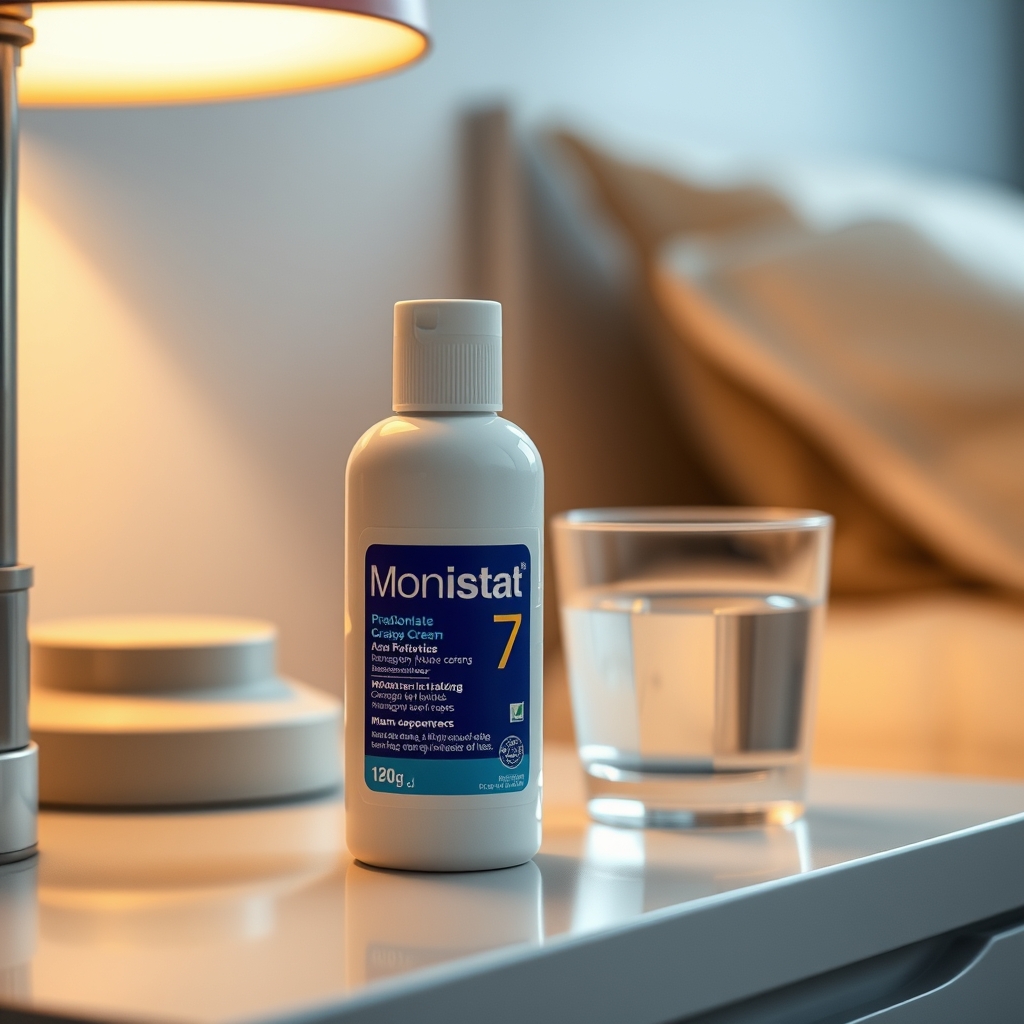
Safe: Monistat 7 is considered safe for use during pregnancy, including all trimesters, when applied as directed—one dose per day for seven days—making it a reliable option for treating yeast infections while expecting.
By Shubhra Mishra — a mom of two who turned her own confusion during pregnancy into BumpBites, a global mission to make food choices clear, safe, and stress-free for every expecting mother. 💛
Check whether any food is safe during pregnancy with the BumpBites Food Safety Checker.
Quick verdict: ⚠️ Talk to your doctor first. Monistat 7 can be used during pregnancy, but most obstetric guidelines recommend a shorter‑duration product or a lower‑dose regimen, especially in the first trimester.
It’s completely normal to stare at the bathroom cabinet at 2 a.m. and wonder, “Is monistat 7 safe for pregnancy?” You might have already applied the over‑the‑counter cream, or you may be deciding whether to buy it before your next prenatal visit. The good news is that the active ingredient—miconazole nitrate—is classified as a Category C drug by the FDA, meaning animal studies have shown some risk, but human data are limited. In practice, many clinicians consider a single‑course of Monistat 7 acceptable when a yeast infection is confirmed, yet they often suggest alternatives that carry less theoretical risk.
In this article we’ll give you a clear, evidence‑based answer to the question “monistat 7 safe for pregnancy,” break down safety by each trimester, explain the recommended dosage, list potential side effects, and compare Monistat 7 with other antifungal options. We’ll also suggest gentler, pregnancy‑friendly alternatives and tell you when it’s time to call your provider.
By the end you’ll know exactly how to treat a yeast infection without unnecessary worry, and you’ll have a handy reference for other common antifungal products.
Keep the applicator handy, but always read the label before use.
Stage
Verdict
Notes
First trimester
⚠️ Use with caution
Prefer shorter‑duration products (Monistat 1) or consult your provider.
Second trimester
✅ Generally acceptable
Standard 7‑day regimen is often used if infection is confirmed.
Third trimester
✅ Generally acceptable
Same guidance as second trimester; monitor for irritation.
Breastfeeding
✅ Considered safe
Minimal systemic absorption; avoid applying near the nipple.
What is Monistat 7?
Monistat 7 is an over‑the‑counter (OTC) antifungal medication designed to treat vaginal yeast infections caused primarily by Candida albicans. The product contains 2 percent miconazole nitrate, a synthetic azole that interferes with the fungus’s cell membrane formation, ultimately killing the organism. It comes in a pre‑filled applicator that delivers a measured 5 gram dose of cream once daily for seven consecutive days.
Women use Monistat 7 because it offers a convenient, single‑product solution that doesn’t require a prescription. The 7‑day regimen is marketed as “complete treatment,” aiming to eradicate the infection and reduce recurrence. While the active ingredient is the same across many antifungal brands, Monistat 7’s higher concentration and longer treatment course distinguish it from its 1‑day and 3‑day counterparts.
Because pregnancy changes the vaginal environment—higher estrogen levels promote glycogen buildup, which can favor yeast growth—women are more prone to infections during this time. This makes it especially important to choose a treatment that is both effective and low‑risk for the developing baby.
Beyond the standard cream, Monistat 7 is also available in a suppository form in some markets, though the cream applicator remains the most common format in the United States. The product’s packaging includes clear instructions, a list of inactive ingredients (such as glycerin and sorbitan monostearate), and a warning that it should not be used if you are allergic to azole antifungals.
Is Monistat 7 safe during pregnancy?
Current guidance from the American College of Obstetricians and Gynecologists (ACOG) and the UK’s National Health Service (NHS) suggests that topical antifungals like miconazole are “generally safe” after the first few weeks of organ formation, but they advise caution in the first trimester. The FDA categorizes miconazole nitrate as a Category C drug, indicating that animal studies have shown some adverse effect on the fetus, yet there are no well‑controlled human studies.
Most of the safety data come from observational studies of pregnant women who used topical azoles for yeast infections. A large retrospective cohort study published in the Obstetrics & Gynecology journal found no increase in major birth defects among women who used miconazole creams during pregnancy, though the study noted a slight uptick in mild neonatal skin irritation when the product was applied near the vulva for prolonged periods.
Because the systemic absorption of miconazole from a single daily dose is <0.1 percent, the actual fetal exposure is extremely low. Nevertheless, many clinicians prefer the shorter‑duration Monistat 1 (single‑dose) or a prescription‑strength but lower‑dose regimen to minimize any theoretical risk. The CDC’s “Treatment of Vaginal Candidiasis” guideline also lists miconazole as a first‑line therapy for pregnant patients, reinforcing its safety when used as directed.
In short, Monistat 7 is safe for pregnancy when used correctly, but you should discuss it with your provider, especially if you are in the first trimester or have a history of recurrent infections. Your obstetrician may also want to confirm the diagnosis with a lab test before recommending any antifungal.
Is Monistat 7 safe to use during the first trimester of pregnancy?
The first trimester (weeks 1‑13) is the period of organogenesis, when the fetus’s major organs are forming. Because this window is the most sensitive to teratogenic (birth‑defect‑causing) agents, ACOG recommends using the lowest effective dose of any medication. While there is no direct evidence that Monistat 7 causes birth defects, the theoretical risk leads many obstetricians to suggest a shorter‑duration product such as Monistat 1 or a prescription‑only azole at a reduced dose.
If a yeast infection is confirmed by a clinician, the benefit of treating it—preventing itching, burning, and possible secondary bacterial infection—usually outweighs the minimal theoretical risk. However, you should avoid applying the cream near the vaginal opening for longer than the recommended 5‑gram dose and should not use more than one applicator per day.
In practice, many providers will prescribe clotrimazole (Canesten) or a single‑dose miconazole product, reserving the 7‑day regimen for later trimesters when the risk of teratogenicity is lower. Some clinicians also advise a short “watch‑and‑wait” period if symptoms are mild, because many yeast infections resolve spontaneously.
Is Monistat 7 safe to use during the second trimester of pregnancy?
During the second trimester (weeks 14‑27), the fetus’s organs are already formed, and the risk of teratogenic effects from medication exposure drops dramatically. ACOG’s Committee Opinion on “Medication Use in Pregnancy” notes that topical antifungals, including miconazole, are considered low‑risk after the first 12 weeks. Consequently, the standard 7‑day Monistat 7 regimen is generally accepted as safe for most pregnant women who have a confirmed yeast infection.
Even so, it remains prudent to follow the product’s instructions exactly—one applicator per day for seven days—and to avoid using additional vaginal products (such as douches or scented wipes) that could irritate the mucosa. If you experience severe irritation or an allergic reaction, stop use and contact your provider.
Some clinicians also recommend a brief follow‑up appointment after completing therapy to ensure the infection has cleared, especially if you experienced a severe episode or have a history of recurrent candidiasis.
Is Monistat 7 safe to use during the third trimester of pregnancy?
In the third trimester (weeks 28‑40), the fetus is rapidly gaining weight and preparing for birth, but the concern for structural birth defects is minimal. The FDA and ACOG both consider topical miconazole safe in this stage, provided the medication is used as directed. Some clinicians may advise waiting until after delivery for non‑essential treatments, but for symptomatic yeast infections, the benefits of relief typically outweigh any negligible risk.
One practical consideration in the third trimester is the increased likelihood of vaginal discharge and irritation. If you notice excessive redness, swelling, or foul odor, it could signal a secondary bacterial infection, which would require a different treatment approach.
Because labor can be triggered by infections, many obstetricians encourage patients to complete antifungal therapy well before the estimated due date, ensuring that any lingering infection is resolved prior to delivery.
Can I use Monistat 7 while breastfeeding?
Monistat 7 is considered compatible with breastfeeding. The FDA’s labeling states that only trace amounts of miconazole are absorbed systemically, and the amount that could appear in breast milk is far below levels that would affect a nursing infant. The American Academy of Pediatrics (AAP) lists topical miconazole as “compatible” with breastfeeding.
Nonetheless, you should avoid applying the cream near the nipple or areola to prevent any accidental ingestion by the infant. If you have any concerns about residual medication on the skin, you can gently wipe the area with a soft cloth after each application.
Most lactating mothers find that the cream does not alter the taste or smell of breast milk, but if you notice any changes in your baby’s feeding patterns, discuss them with your pediatrician.
What is the recommended dosage and treatment length of Monistat 7 for pregnant women?
The standard Monistat 7 dosage is one 5‑gram applicator inserted into the vagina once daily for seven consecutive days. This regimen is the same for pregnant and non‑pregnant users, but many obstetricians suggest the shorter 1‑day Monistat 1 (single applicator) as a first‑line option during the first trimester.
If you have a recurrent infection (four or more episodes per year), your provider may recommend a maintenance regimen, such as a weekly prophylactic dose of a lower‑strength azole (e.g., clotrimazole 1 percent cream). However, any long‑term or maintenance therapy should be discussed with your healthcare provider to ensure safety for both you and the baby.
When purchasing Monistat 7, look for the “7‑day” label on the packaging and verify that the applicator is sealed and intact. Do not use more than one applicator per day, and do not extend the treatment beyond seven days without medical advice.
Organize your treatment supplies for quick access when symptoms appear.
What are the potential risks and side effects of Monistat 7 during pregnancy?
Most users tolerate Monistat 7 well. The most common side effects are local and include mild burning, itching, redness, or a white, foamy discharge that usually resolves within a few days after treatment ends. Because the medication is topical, systemic side effects are rare.
Rare but more serious reactions can include allergic dermatitis (rash, swelling, hives) or severe vaginal irritation that may predispose to secondary bacterial infection. If you develop a fever, chills, or worsening pain, seek medical attention promptly.
There is no strong evidence linking Monistat 7 to birth defects, miscarriage, or preterm labor. However, the theoretical risk of fetal exposure in the first trimester, though extremely low, is why many clinicians advise using the shorter‑duration product or a prescription alternative when possible.
Are there safer over‑the‑counter alternatives to Monistat 7 for yeast infections in pregnancy?
Canesten (clotrimazole) cream – a 1‑percent topical cream approved by the NHS for use at any stage of pregnancy.
Terconazole (Gynazole) vaginal suppository – a prescription‑only azole that delivers a low dose directly to the site of infection.
Vagisil (boric acid) suppositories – a gentle, non‑azole option often recommended for recurrent infections; considered safe by ACOG when used as directed.
Tea tree oil vaginal suppositories – a natural antiseptic; limited data suggest safety, but use only under provider guidance.
Apple cider vinegar vaginal rinse – a home remedy that can help restore pH balance; not a substitute for antifungal treatment if symptoms persist.
Coconut oil topical application – an antimicrobial oil that may soothe irritation; best used as an adjunct, not primary therapy.
Lactobacillus probiotic capsules – oral probiotics that promote healthy vaginal flora and may reduce recurrence.
How does Monistat 7 compare to other antifungal brands for pregnant users?
When comparing antifungal products, the key factors are active ingredient, concentration, systemic absorption, and pregnancy‑specific guidance. Monistat 7 contains 2 percent miconazole nitrate, delivering a higher dose than single‑dose products (Monistat 1) but similar to many prescription azoles. In contrast, Canesten’s clotrimazole cream is 1 percent, offering a gentler approach with comparable efficacy.
Terconazole (Gynazole) is a prescription suppository that releases a low dose of azole directly into the vagina, minimizing systemic exposure. Boric acid suppositories (Vagisil) work by creating an acidic environment hostile to Candida, and they are often reserved for resistant cases. Natural options like tea tree oil or coconut oil have minimal systemic absorption but lack robust clinical trials, so they are best used under a clinician’s supervision.
Overall, Monistat 7 ranks as effective but carries a slightly higher theoretical risk than lower‑dose, shorter‑duration products. For many pregnant women, especially those in the first trimester, clinicians may favor Monistat 1 or clotrimazole cream as the first line.
Safe dosage / amount / brands
Monistat 7’s dosage is fixed: one 5‑gram applicator per day for seven days. No additional dosing is recommended. If you have a severe infection, do not increase the amount or frequency unless directed by a healthcare professional.
When selecting a brand, make sure the packaging lists “miconazole nitrate 2 percent” and that it is labeled for vaginal use. Generic versions are available and contain the same active ingredient; they are considered equally safe when the same dosage instructions are followed.
Item
Safe amount during pregnancy
Notes
Monistat 7 (miconazole 2 %)
One 5 g applicator daily for 7 days
Do not exceed 7‑day course; avoid use near nipple.
Monistat 1 (miconazole 2 %)
One 5 g applicator, single dose
Preferred first‑trimester option.
Canesten (clotrimazole 1 %)
Apply 5 g cream nightly for 7 days
Widely endorsed by NHS for pregnant women.
Gynazole (terconazole)
One suppository nightly for 7 days
Prescription only; low systemic absorption.
Side effects and risks
Common, mild side effects (usually resolve within a few days):
Burning or stinging sensation at the application site
Itching or mild irritation
White, foamy vaginal discharge
Less common, more concerning signs that warrant a call to your provider:
Severe rash, swelling, or hives (possible allergic reaction)
Fever, chills, or foul‑smelling vaginal discharge (possible secondary bacterial infection)
Painful urination or persistent pelvic pain
Bleeding that is heavier than a typical period
Because the systemic absorption of miconazole from a single daily dose is minimal, there is no evidence that these side effects affect the fetus. Nevertheless, any sign of infection that spreads beyond the vagina should be evaluated promptly.
Safer alternatives
Canesten (clotrimazole) cream – a milder azole with 1 % concentration, endorsed by NHS for all trimesters.
Active ingredient in Canesten; safe for all trimesters.
Miconazole nitrate
⚠️ Use with caution
Active in Monistat 7; higher dose, longer exposure.
Myth vs. fact
Myth: “All antifungal creams are unsafe during pregnancy.”
Fact: Topical azoles like miconazole and clotrimazole have minimal systemic absorption and are considered low‑risk after the first trimester; many obstetric guidelines specifically list them as safe options.
Myth: “If I use Monistat 7 once, it can’t harm my baby.”
Fact: A single, correctly‑dosed application is unlikely to cause harm, but the safest approach is to follow your provider’s recommendation, especially in early pregnancy.
Myth: “Natural remedies are automatically safer than OTC meds.”
Fact: Some natural products (e.g., tea tree oil) lack robust safety data in pregnancy, whereas regulated OTC antifungals have been studied and deemed low‑risk when used as directed.
Key takeaways
Monistat 7 can be used during pregnancy, but most clinicians recommend the 1‑day version or a lower‑dose azole in the first trimester.
The standard dosage is one 5 g applicator daily for seven days; do not exceed this course without medical advice.
Common side effects are mild and localized; seek care for severe rash, fever, or worsening symptoms.
Safer OTC alternatives include Canesten (clotrimazole) and Gynazole (terconazole), both endorsed for pregnant women.
Breastfeeding mothers can use Monistat 7, but keep the product away from the nipple area.
Always discuss any antifungal treatment with your obstetric provider, especially if you’re in the first trimester or have recurrent infections.
Frequently asked questions
Can I use Monistat 7 while pregnant?
Yes, Monistat 7 is considered low‑risk for most pregnant women, but you should discuss it with your provider, especially during the first trimester, and follow the exact 7‑day dosing instructions.
Is Monistat 7 safe in the second trimester?
During the second trimester, the standard 7‑day Monistat 7 regimen is generally accepted as safe by ACOG and the NHS, provided the infection is confirmed and the product is used as directed.
What are the side effects of Monistat 7 for pregnant women?
Most side effects are mild and local, such as burning, itching, or a white foamy discharge; severe reactions like rash, swelling, or fever should prompt an immediate call to your provider.
How long should I wait after using Monistat 7 before having sex?
It’s advisable to wait until the treatment course is complete (seven days) and symptoms have resolved before resuming intercourse, to reduce irritation and reinfection risk.
Are there natural remedies for yeast infections during pregnancy?
Yes, options like apple cider vinegar rinses, coconut oil, and probiotic capsules can help restore vaginal balance, but they should be used alongside—or after—medical treatment and under provider guidance.
Do I need a prescription for yeast infection treatment while pregnant?
Monistat 7 is available OTC, but many clinicians prefer prescribing a lower‑dose azole (e.g., clotrimazole) or a prescription‑only product for confirmed infections, especially in early pregnancy.
Can Monistat 7 cause birth defects?
Current evidence does not show a direct link between Monistat 7 and birth defects; however, due to limited human data, caution is advised in the first trimester.
Is it safe to use Monistat 7 during breastfeeding?
Yes, the minimal systemic absorption means Monistat 7 is considered safe for breastfeeding mothers, provided the product is not applied near the nipple.
What should I do if I miss a dose of Monistat 7?
If you miss a dose, apply the missed dose as soon as you remember, then continue with the regular schedule; do not double‑dose or extend the total number of days beyond seven without consulting your provider.
Can I use Monistat 7 if I am trying to conceive?
Because systemic exposure is negligible, Monistat 7 is generally regarded as safe for women who are trying to become pregnant, but it’s still wise to discuss any medication use with your healthcare provider.
When to call your doctor
If you experience any of the following, contact your obstetric provider promptly:
Severe or spreading rash, swelling, or hives after application
Fever, chills, or foul‑smelling vaginal discharge
Persistent pelvic or abdominal pain
Bleeding that is heavier than a typical period or persists beyond the infection
Signs of preterm labor (regular contractions, fluid leakage)
These symptoms may indicate a secondary infection, allergic reaction, or another condition that requires medical assessment. Remember, this article provides general information and is not a substitute for personalized medical advice.
References
American College of Obstetricians and Gynecologists. Committee Opinion No. 797: Medication Use in Pregnancy. ACOG, 2022.
National Health Service (NHS). Vaginal yeast infection (thrush) – treatment. NHS, 2023.
U.S. Food and Drug Administration. FDA Drug Safety Communication: Miconazole Nitrate OTC Use in Pregnancy. FDA, 2021.
Centers for Disease Control and Prevention. Treatment of Vaginal Candidiasis. CDC, 2022.
American Academy of Pediatrics. Recommendations for Breastfeeding Mothers Using Medications. AAP, 2021.
Obstetrics & Gynecology. Retrospective Cohort Study of Antifungal Use in Pregnancy. 2020.
World Health Organization. Guidelines for Safe Use of Antifungal Medicines During Pregnancy. WHO, 2022.
Mayo Clinic. Yeast infection treatment options. Mayo Clinic, 2023.
British National Formulary (BNF). Miconazole nitrate topical. BNF, 2022.
European Medicines Agency. Assessment Report for Miconazole Nitrate. EMA, 2021.
Not sure about the label on Is Monistat 7 Safe During Pregnancy products?
Snap the ingredients list and SafeFilter checks every ingredient for your stage — only 3 free scans this month, then you're locked until reset. Unlimited from $7/mo or $50/yr.
When Shubhra Mishra was expecting her first child in 2016, she was overwhelmed by conflicting food advice — one site said yes, another said never. By the time her second baby arrived in 2019, she realized millions of mothers face the same confusion.
That sparked a five-year journey through clinical nutrition papers, cultural diets, and expert conversations — all leading to BumpBites: a calm, compassionate space where science meets everyday motherhood.
Her long-term vision is to build a global community ensuring safe, supported, and free deliveriesfor every mother — because no woman should face pregnancy alone or uninformed. 🌿
🌍 Stand with mothers, shape safer guidance
Join a small circle of experts who review BumpBites articles so expecting parents everywhere can decide with confidence.