Discover a variety of healthy pregnancy snacks that are nutritious options for expecting mothers. Fuel your body and baby with delicious, safe, and energy-boosting bites to support a healthy pregnancy journey.
By Shubhra Mishra — a mom of two who turned her own confusion during pregnancy into BumpBites, a global mission to make food choices clear, safe, and stress-free for every expecting mother. 💛
Check whether any food is safe during pregnancy with the BumpBites Food Safety Checker.
Quick take: During pregnancy, healthy snacks are your secret weapon for sustained energy, managing nausea, and providing essential nutrients for you and your baby. Focus on whole, unprocessed foods like fruits, vegetables, nuts, and lean proteins, and always prioritize hydration. Small, frequent snacks can help keep your blood sugar stable and prevent overeating at meal times.
It's 3 p.m., the afternoon slump is hitting hard, and your stomach is rumbling with the intensity of a small earthquake. Or maybe it's 2 a.m., and you're suddenly ravenous, wondering if that bag of chips is really the best choice. Sound familiar? Pregnancy comes with a whole new set of hunger cues and cravings, and it can be tough to navigate what's truly nourishing for both you and your growing baby.
The good news is, snacking during pregnancy isn't just allowed—it's encouraged! Healthy, well-timed snacks are a vital part of supporting your increased nutritional needs, keeping your energy levels up, and even helping to ease common pregnancy discomforts like morning sickness. But with so much information out there, knowing which options are genuinely beneficial can feel overwhelming.
We understand the worry and the constant quest for clear, trustworthy answers. That's why we've put together this comprehensive guide to healthy pregnancy snacks. We'll explore delicious, nutritious options that cater to various needs, from managing nausea and gestational diabetes to satisfying those unique cravings. Our goal is to empower you with practical, science-backed choices so you can snack with confidence, knowing you're doing the best for yourself and your little one.
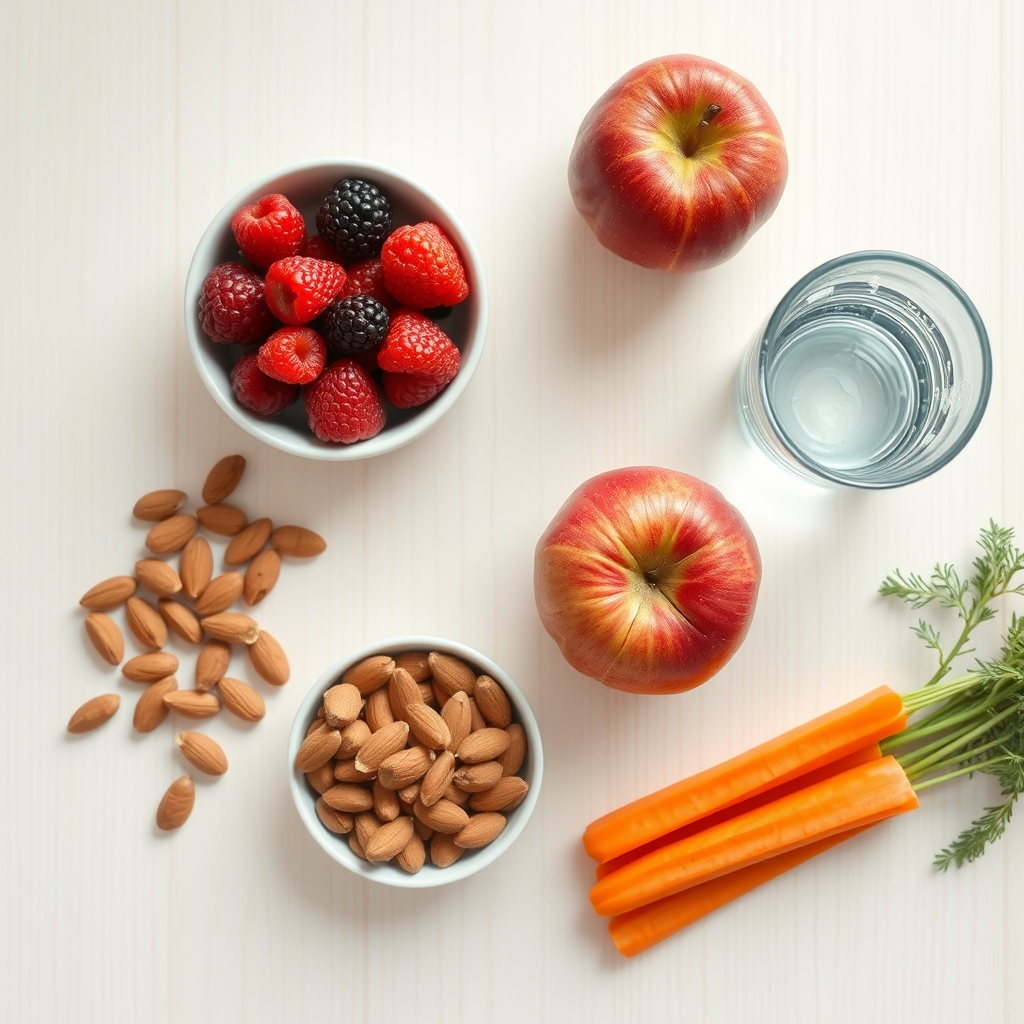
Filling your pantry with a variety of nutritious foods makes healthy snacking easy and accessible throughout your pregnancy.
What are the best healthy snack ideas for pregnancy?
During pregnancy, your body is working overtime, and healthy snacks are key to providing the sustained energy and extra nutrients you need. Think of snacks as mini-meals that bridge the gap between main meals, helping to stabilize blood sugar, prevent excessive hunger, and deliver crucial vitamins and minerals. The best snacks combine protein, healthy fats, and complex carbohydrates to keep you feeling full and satisfied.
Why is nutrition so important now? Your baby is developing rapidly, and every bite you take contributes to their growth and organ formation. Nutrients like folate, iron, calcium, and protein are in higher demand. Healthy snacking ensures you consistently meet these needs, supporting a healthy pregnancy and your baby's development. It also helps manage healthy weight gain for you, which is important for reducing risks during pregnancy and birth.
Here are some top-tier snack combinations that offer a powerful nutritional punch:
Greek yogurt with berries: Greek yogurt is packed with protein and calcium, vital for bone health. Berries add fiber, antioxidants, and natural sweetness.
Apple slices with nut butter: A classic for a reason! Apples provide fiber and vitamins, while nut butter (like almond or peanut butter) offers protein and healthy fats.
Hard-boiled eggs: An excellent source of high-quality protein, choline (essential for baby's brain development), and several vitamins. They're quick, portable, and satisfying.
Whole-wheat crackers with hummus: Hummus, made from chickpeas, provides plant-based protein, fiber, and iron. Pair it with whole-wheat crackers for complex carbohydrates.
Vegetable sticks with guacamole: Carrots, celery, bell peppers, and cucumber are rich in vitamins and fiber. Guacamole offers healthy monounsaturated fats and folate from avocados.
Cottage cheese with pineapple: Cottage cheese is a great source of protein and calcium. Pineapple adds a refreshing, sweet, and tangy flavor, plus vitamin C.
Edamame: These green soybeans are a complete protein, meaning they contain all nine essential amino acids. They're also rich in fiber, folate, and iron.
Air-popped popcorn: A whole grain that provides fiber and can be a satisfying crunchy snack. Just go easy on the butter and salt, or try nutritional yeast for a cheesy flavor.
Remember, variety is key! Mixing up your snacks ensures you get a wide range of nutrients. Listen to your body's hunger cues, and choose options that make you feel good.
Which are the best nuts for pregnant women?
Nuts are nutritional powerhouses, offering a fantastic blend of protein, healthy fats, fiber, vitamins, and minerals. They're incredibly convenient and satisfying, making them an ideal pregnancy snack. However, it's important to choose unsalted, raw, or dry-roasted varieties to avoid excess sodium or unhealthy oils. If you have a nut allergy, of course, these should be avoided.
Here are some of the best nuts to include in your pregnancy diet:
Almonds: Rich in calcium, magnesium, vitamin E, and protein. They support bone health and provide antioxidants. A handful of almonds is a perfect on-the-go snack.
Walnuts: Stand out for their high content of omega-3 fatty acids (alpha-linolenic acid or ALA), which are crucial for baby's brain and eye development. They also contain antioxidants.
Pistachios: Offer a good source of protein, fiber, and potassium. They're also rich in antioxidants and vitamin B6.
Cashews: Provide iron, magnesium, and zinc, all important for energy production and immune function during pregnancy.
Peanuts (technically a legume, but nutritionally similar to nuts): Excellent source of protein, folate (essential for preventing neural tube defects), and healthy fats. Peanut butter is also a great option, just check for varieties with minimal added sugar and no hydrogenated oils.
What about allergies? For years, there was concern that eating nuts during pregnancy could increase the risk of allergies in the baby. However, current evidence suggests that unless you have a nut allergy yourself, avoiding nuts during pregnancy is not recommended and may not prevent allergies in your child. In fact, some studies suggest that early exposure might even be beneficial. The American Academy of Pediatrics (AAP) and other major health organizations generally advise that pregnant people without nut allergies can safely consume nuts.
Portion control: While nuts are healthy, they are calorie-dense. A typical serving is about a quarter-cup or a small handful (around 1 ounce). Eating them in moderation helps with healthy weight management.
Nut
Key Nutrients for Pregnancy
Benefit
Almonds
Calcium, Magnesium, Vitamin E, Protein
Bone health, antioxidant protection
Walnuts
Omega-3 Fatty Acids (ALA), Antioxidants
Baby's brain & eye development, anti-inflammatory
Pistachios
Protein, Fiber, Potassium, Vitamin B6
Energy, digestion, blood pressure support
Cashews
Iron, Magnesium, Zinc
Energy, immune function, red blood cell formation
Peanuts
Protein, Folate, Healthy Fats
Neural tube development, sustained energy
What are the best pregnancy snacks for morning sickness?
Morning sickness, which can unfortunately strike at any time of day, is one of the most common and challenging pregnancy symptoms. When nausea hits, the thought of eating anything can be unappealing. The key is to choose bland, easy-to-digest foods that won't upset your stomach further, and to eat small, frequent portions to prevent an empty stomach, which often worsens nausea.
One BumpBites reader shared, "During my first trimester, the only thing I could stomach was dry toast and ginger ale. I kept crackers by my bed and would eat a few before even getting up. It really made a difference." This strategy is common and effective.
Here are some gentle snack ideas that often help ease morning sickness:
Dry toast or plain crackers: Simple carbohydrates are often the easiest to tolerate. Keep them by your bedside to nibble on before getting up.
Ginger-containing foods: Ginger has long been recognized for its anti-nausea properties. Try ginger biscuits (low sugar), ginger tea, or small pieces of crystallized ginger.
Popsicles or ice chips: The cold can be soothing, and they provide hydration without feeling too heavy.
Plain bagels or pretzels: Again, bland and easy on the stomach.
Applesauce: Smooth, mild, and a good source of energy.
Melon (cantaloupe, honeydew): High water content, refreshing, and often well-tolerated.
Smoothies with ginger: Blend plain yogurt, banana, and a small piece of fresh ginger for a nutrient-dense, easy-to-drink option.
Lemon-flavored items: Some find the scent and taste of lemon helpful. Try lemon drops or a slice of lemon in water.
Rice cakes: Very plain and light, a good base for a thin spread of avocado if tolerated.
Tips for managing morning sickness with snacks:
Eat small, frequent meals: Don't let your stomach get completely empty, as this can trigger nausea. Aim for 6-8 small snacks/meals throughout the day.
Avoid strong smells: Foods with strong odors can be a trigger. Opt for cold or room-temperature snacks.
Stay hydrated: Dehydration can worsen nausea. Sip water, clear broths, or ginger ale throughout the day.
Listen to your body: What works for one person might not work for another. Experiment to find what you can tolerate. Don't worry too much about "perfect" nutrition during the worst of morning sickness; focus on getting some calories and staying hydrated.
What are healthy snack options for gestational diabetes?
If you've been diagnosed with gestational diabetes (GDM), managing your blood sugar levels through diet is crucial for both your health and your baby's. Healthy snacking plays a vital role in this, helping to keep blood sugar stable between meals and prevent spikes. The key is to choose snacks that are high in protein and fiber, and low in refined carbohydrates and added sugars. These combinations slow down glucose absorption.
Many moms with GDM find that pairing a carbohydrate with a protein or healthy fat is the most effective strategy. For example, instead of just an apple, pair it with a handful of almonds or a spoonful of peanut butter. This helps to blunt the blood sugar response.
Here are some excellent snack options for managing gestational diabetes:
Cheese and whole-wheat crackers: Cheese provides protein and calcium, while whole-wheat crackers offer complex carbs and fiber.
Greek yogurt (plain, unsweetened) with a few berries: High in protein, and the berries add fiber and antioxidants without a large sugar load.
Hard-boiled eggs: Pure protein, no carbs, and very satisfying.
Vegetable sticks with hummus or nut butter: Fiber-rich veggies paired with protein and healthy fats help stabilize blood sugar.
Cottage cheese with cucumber slices: Protein and a refreshing, low-carb vegetable.
Avocado toast on whole-grain bread: Healthy fats and fiber from avocado, complex carbs from whole-grain bread. Be mindful of portion size for the bread.
Handful of nuts (almonds, walnuts, pecans): Excellent source of protein, fiber, and healthy fats.
Edamame: Plant-based protein and fiber, great for satiety.
Small portion of sugar-free gelatin with fruit: A lighter option, but ensure the fruit portion is controlled.
Tips for GDM snacking:
Portion control is critical: Even healthy foods can cause blood sugar spikes if eaten in excess. Your dietitian will provide specific carbohydrate targets for snacks.
Read labels carefully: Look for hidden sugars in seemingly healthy foods like yogurt, granola bars, and fruit juices.
Pair carbs with protein/fat: This is the golden rule for GDM management.
Stay hydrated: Water is always best. Avoid sugary drinks, including fruit juice, which can spike blood sugar.
Consult your healthcare provider or dietitian: They can provide personalized advice and help you create a meal and snack plan tailored to your specific needs and blood glucose targets.
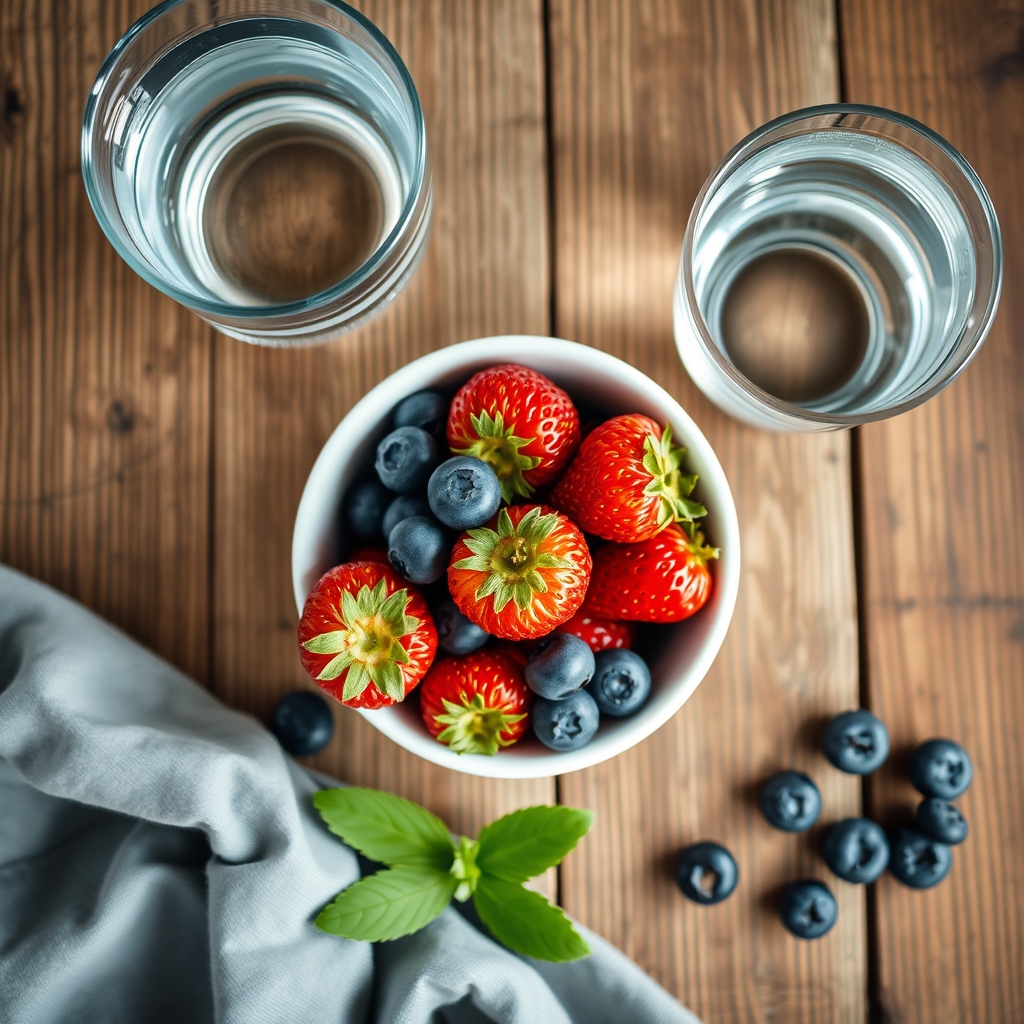
Berries are a fantastic choice for pregnancy snacks, offering antioxidants and fiber with natural sweetness.
What fruits are good for pregnant women?
Fruits are nature's candy, packed with vitamins, minerals, fiber, and antioxidants. They're a fantastic way to satisfy a sweet craving while providing essential nutrients for you and your baby. Most fruits are safe and beneficial during pregnancy, but variety is key to getting a broad spectrum of nutrients. Always wash fruits thoroughly before eating.
Here are some particularly good fruits for pregnant women:
Berries (strawberries, blueberries, raspberries): High in antioxidants, vitamin C, and fiber. Blueberries are especially rich in anthocyanins, which have anti-inflammatory properties.
Bananas: An excellent source of potassium, which can help with leg cramps common in pregnancy. They also provide energy and fiber.
Oranges (and other citrus fruits): Bursting with vitamin C, crucial for immune function and iron absorption. Folate in oranges also supports neural tube development.
Avocados: While often considered a vegetable, avocados are botanically a fruit! They're rich in healthy monounsaturated fats, folate, potassium, and vitamin K. Great for baby's brain development and can help with leg cramps.
Apples: "An apple a day..." holds true! They're high in fiber, helping with digestion and preventing constipation, and contain various vitamins.
Mangoes: A tropical delight, rich in vitamin C, vitamin A (for baby's vision and immune system), and fiber.
Kiwi: Packed with vitamin C, vitamin K, folate, and fiber.
Melons (cantaloupe, honeydew, watermelon): High water content helps with hydration, especially important during pregnancy. They also provide vitamins A and C.
Tips for enjoying fruit safely:
Wash thoroughly: Always wash all fruits under running water, even if you plan to peel them, to remove dirt, bacteria, and pesticide residues.
Choose whole fruit over juice: Whole fruit provides fiber, which juice lacks. Fruit juice can also lead to rapid blood sugar spikes. If you drink juice, ensure it's 100% pasteurized juice and limit your intake.
Mind portion sizes: While healthy, fruits contain natural sugars. If you have gestational diabetes, work with your dietitian to determine appropriate portion sizes.
What are the best protein-rich snacks for pregnancy?
Protein is a non-negotiable nutrient during pregnancy. It's the building block for your baby's tissues and organs, including their brain, muscles, and blood. Your own body also needs more protein to support increased blood volume, uterine growth, and breast tissue development. Aim for about 70-100 grams of protein per day, depending on your individual needs and trimester. Protein-rich snacks are fantastic for keeping you full, stable, and energized.
Many pregnant people notice that a protein-rich snack helps stave off hunger for longer than a carb-heavy one. One mom-to-be told us, "I used to grab a muffin, but I'd be starving an hour later. Now I have Greek yogurt or a handful of almonds, and I actually feel satisfied until my next meal."
Here are some excellent protein-packed snack ideas:
Greek yogurt: Offers double the protein of regular yogurt. Opt for plain to avoid added sugars, and sweeten with a few berries or a drizzle of honey if desired.
Hard-boiled eggs: A perfect portable protein source, providing about 6 grams per egg, plus choline.
Cottage cheese: Another dairy powerhouse, rich in casein protein, which is slow-digesting and provides a steady release of amino acids.
Nuts and seeds: Almonds, walnuts, pistachios, pumpkin seeds, and sunflower seeds are all great sources of plant-based protein, healthy fats, and fiber.
Nut butter (almond, peanut, cashew) on apple slices or whole-grain toast: A delicious and filling combination.
Edamame: Steamed edamame in the pod makes for a fun, nutritious, and high-protein snack.
Cheese sticks or cubes: Convenient and provide protein and calcium. Choose pasteurized varieties.
Roasted chickpeas: A crunchy, savory, plant-based protein snack. You can roast them with your favorite spices.
Small portion of lean deli meat (reheated): If you enjoy deli meat, ensure it's reheated until steaming hot to kill any potential bacteria like Listeria.
Protein smoothie: Blend plain yogurt or milk with a scoop of pregnancy-safe protein powder (check with your doctor), spinach, and fruit.
Incorporating protein into every snack helps ensure a steady supply of amino acids for your growing baby and keeps your energy levels consistent throughout the day.
How can I manage pregnancy cravings with healthy snack ideas?
Cravings during pregnancy are notoriously strong and often unpredictable. One day you might want something salty and crunchy, the next it's all about rich chocolate, and the day after that, pickles and ice cream seem like a perfectly normal combination! While it's okay to indulge occasionally, consistently giving in to unhealthy cravings can lead to excess weight gain and missed opportunities for vital nutrients. The trick is to find healthy swaps or mindful ways to satisfy those urges.
Understanding your cravings: Sometimes, a craving might hint at a nutritional need (e.g., a desire for red meat might signal an iron need), but often it's just your hormones playing tricks. Instead of fighting them, try to outsmart them.
Here's how to manage common pregnancy cravings with healthier snack ideas:
Salty cravings:
Instead of potato chips: Try air-popped popcorn (lightly seasoned), roasted chickpeas, whole-grain pretzels, or vegetable sticks with a light dip.
Instead of processed salty snacks: Opt for a handful of unsalted nuts, olives, or a small bowl of low-sodium broth.
Sweet cravings:
Instead of candy or cookies: Reach for fresh fruit (berries, grapes, sliced apple), a small square of dark chocolate, or a fruit smoothie made with plain yogurt.
Instead of ice cream: Try frozen yogurt (plain, with fruit), a banana "nice" cream (blended frozen bananas), or fruit popsicles made from 100% fruit juice.
Instead of sugary pastries: A whole-wheat muffin made with fruit and less sugar, or a small bowl of oatmeal with berries.
Creamy/Cheesy cravings:
Instead of processed cheese snacks: Enjoy cottage cheese, Greek yogurt, or a small portion of pasteurized cheese with whole-wheat crackers.
Instead of rich desserts: A small bowl of plain Greek yogurt with a drizzle of honey and cinnamon, or a homemade chia seed pudding.
Tips for managing cravings generally:
Stay hydrated: Sometimes thirst can be mistaken for hunger or a craving. Drink a glass of water first.
Don't skip meals: Regular, balanced meals and snacks prevent extreme hunger that can make cravings harder to resist.
Mindful indulgence: If you absolutely must have that specific treat, have a small portion and truly savor it. Don't feel guilty, but don't let it derail your overall healthy eating.
Distraction: Sometimes a craving will pass if you distract yourself with another activity.
The goal isn't to eliminate all cravings, but to have strategies for making healthier choices most of the time. This supports a healthy baby and healthy weight gain.
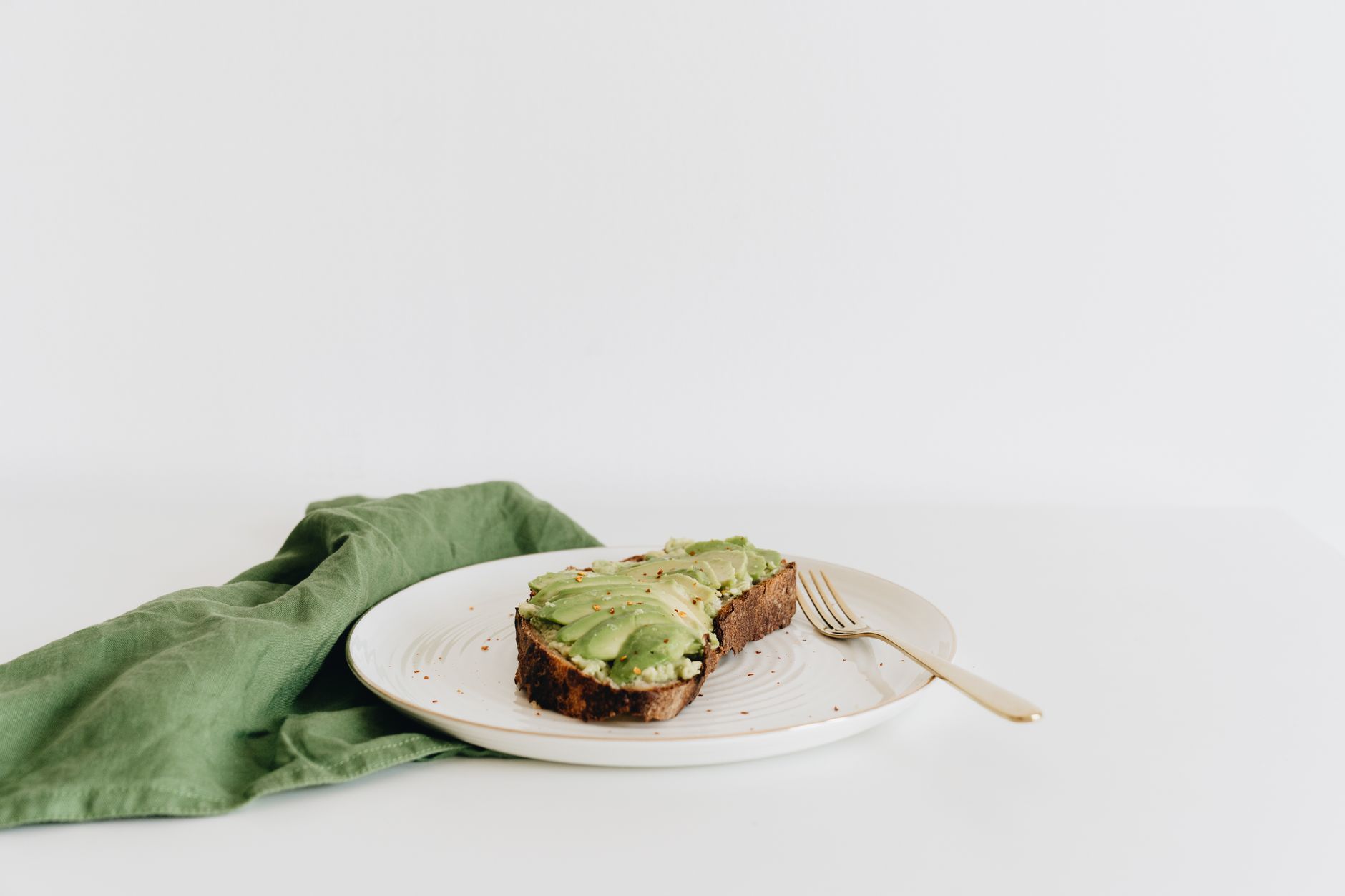
Avocado on whole-grain toast is a fantastic snack, providing healthy fats, fiber, and complex carbohydrates.
What snacks to avoid during pregnancy?
While focusing on what to eat is important, knowing what to avoid or limit during pregnancy is equally crucial for your safety and your baby's health. Certain foods can carry risks of bacterial contamination (like Listeria or Salmonella), contain high levels of mercury, or have other components that aren't recommended during gestation. Always err on the side of caution.
Here’s a list of snacks and ingredients to avoid or be very careful with:
Unpasteurized foods:
Soft cheeses: Avoid unpasteurized soft cheeses like Brie, Camembert, Roquefort, Feta, Gorgonzola, and queso blanco/fresco unless the label explicitly states they are made with pasteurized milk. These can harbor Listeria bacteria, which is particularly dangerous in pregnancy.
Unpasteurized milk or juice: Always choose pasteurized dairy products and 100% pasteurized fruit juices.
Raw or undercooked foods:
Raw cookie dough or cake batter: Contains raw eggs, which can carry Salmonella.
Raw sprouts: Alfalfa, clover, radish, and mung bean sprouts can harbor bacteria like Salmonella or E. coli.
High-mercury fish:
Avoid large predatory fish like shark, swordfish, king mackerel, and tilefish due to their high mercury content, which can harm your baby's developing nervous system.
Limit tuna (especially albacore) to safe amounts. The FDA and EPA recommend 2-3 servings of lower-mercury fish per week, and for canned light tuna, it's generally safe to have up to 12 ounces per week.
Deli meats and hot dogs (unless reheated): These can also carry Listeria. If you choose to eat them, heat them until they are steaming hot (165°F or 74°C) to kill any bacteria.
Excessive caffeine: High caffeine intake has been linked to an increased risk of miscarriage and low birth weight. Most health organizations (like ACOG and NHS) recommend limiting caffeine to no more than 200 mg per day, which is roughly one 12-ounce cup of coffee. Remember, caffeine is also in tea, chocolate, and some soft drinks.
Alcohol: There is no known safe amount of alcohol during pregnancy. It's best to avoid it entirely.
Certain herbal teas/supplements: Not all herbal products are safe in pregnancy. Always consult your doctor or midwife before consuming any herbal teas or supplements.
Unwashed fruits and vegetables: These can carry toxoplasmosis, a parasitic infection. Always wash produce thoroughly.
When in doubt about a specific food, it's always best to check with your healthcare provider or refer to official guidelines from reputable health organizations like the CDC, ACOG, or NHS. Your safety and your baby's well-being are paramount.
From our medical team: "Eating small, frequent, nutrient-dense snacks throughout the day is one of the best ways to manage energy levels, nausea, and ensure consistent nutrient delivery during pregnancy. It's not about being 'perfect,' but about making informed, balanced choices that support both your health and your baby's development. Don't hesitate to discuss your diet and any cravings or concerns with your doctor or a registered dietitian."
Myth vs. fact
Pregnancy is a time ripe for old wives' tales and conflicting advice. Let's clear up some common myths about pregnancy snacks:
Myth: You're "eating for two" so you can eat whatever you want, whenever you want.
Fact: While your nutritional needs increase, you're not actually eating for two adults. In the first trimester, you typically don't need any extra calories. In the second trimester, you need about an extra 340 calories per day, and in the third trimester, about 450 extra calories. These should come from nutrient-dense foods, not just empty calories. It's about quality, not just quantity.
Myth: If you crave a specific food, it means your body is deficient in a nutrient found in that food.
Fact: While some cravings might be linked to nutrient needs (e.g., craving red meat for iron), many are hormonal, psychological, or simply a desire for comfort. For instance, craving chocolate doesn't necessarily mean you're low on magnesium; it might just be a desire for its taste and texture. It's best to address cravings with a healthier alternative if possible, rather than assuming a specific deficiency.
Myth: Eating spicy foods during pregnancy can harm the baby or induce labor.
Fact: Eating spicy foods is generally safe during pregnancy and will not harm your baby or induce labor. The main concern is often for the expectant parent, as spicy foods can worsen heartburn, indigestion, or morning sickness, which are common pregnancy symptoms. If you enjoy spicy foods and they don't cause you discomfort, there's no medical reason to avoid them.
Key takeaways
Healthy snacks are crucial for sustained energy, managing nausea, and meeting increased nutritional needs during pregnancy.
Focus on nutrient-dense options that combine protein, healthy fats, and complex carbohydrates.
Listen to your body's hunger cues and eat small, frequent portions to stabilize blood sugar.
Manage cravings by choosing healthier alternatives and practicing mindful indulgence.
Avoid unpasteurized foods, raw/undercooked items, high-mercury fish, and excessive caffeine.
Always stay well-hydrated with water.
Frequently asked questions
What are the best snacks for pregnant women?
The best snacks for pregnant women are nutrient-dense options that offer a mix of protein, healthy fats, and complex carbohydrates. Examples include Greek yogurt with berries, apple slices with nut butter, hard-boiled eggs, vegetable sticks with hummus, or a handful of mixed nuts. These choices provide sustained energy and essential nutrients for both you and your baby.
How often should I snack during pregnancy?
The frequency of snacking depends on your individual hunger levels and needs, but generally, eating small, frequent meals and snacks every 2-3 hours is recommended. This approach helps to stabilize blood sugar, prevent extreme hunger, and can alleviate common pregnancy symptoms like nausea and heartburn. Listen to your body's signals.
What are some healthy alternatives to junk food during pregnancy?
Instead of chips, try air-popped popcorn or roasted chickpeas. For sweet cravings, opt for fresh fruit, a small square of dark chocolate, or a fruit smoothie instead of candy or cookies. Swap sugary drinks for water infused with fruit, or plain milk. The goal is to choose options that provide nutrients rather than just empty calories.
Can I eat spicy snacks during pregnancy?
Yes, eating spicy snacks is generally safe during pregnancy and will not harm your baby or induce labor. However, spicy foods can sometimes exacerbate common pregnancy discomforts like heartburn, indigestion, or morning sickness. If you enjoy them and they don't cause you discomfort, there's no medical reason to avoid them.
How can I manage cravings during pregnancy with healthy snacks?
Managing cravings involves finding healthy swaps and practicing mindful eating. For salty cravings, try unsalted nuts or veggie sticks. For sweet cravings, opt for fresh fruit or a small piece of dark chocolate. Staying well-hydrated and eating regular, balanced meals can also help prevent intense cravings. Occasionally, a small, mindful indulgence is also okay.
What are some good snack ideas for pregnant women with nausea?
For nausea, focus on bland, easy-to-digest snacks eaten in small, frequent portions. Good options include dry toast or plain crackers, ginger biscuits or ginger tea, applesauce, plain bagels, or melon. The key is to avoid an empty stomach and strong smells, and to sip on clear liquids like water or ginger ale to stay hydrated.
When to call your doctor
This article provides general information and is not a substitute for personal medical advice. While healthy snacking is crucial, always discuss your specific dietary needs, concerns, or any unusual symptoms with your healthcare provider or a registered dietitian. If you experience severe or persistent nausea and vomiting, significant unintentional weight loss, or have concerns about gestational diabetes or any other health condition, please contact your doctor or midwife right away. They can provide personalized guidance to ensure a healthy pregnancy for you and your baby.
References
American College of Obstetricians and Gynecologists (ACOG). Nutrition During Pregnancy.
National Health Service (NHS) UK. Foods to avoid in pregnancy.
Centers for Disease Control and Prevention (CDC). Listeria (Listeriosis).
Mayo Clinic. Pregnancy diet: Focus on these essential nutrients.
Food and Drug Administration (FDA) and Environmental Protection Agency (EPA). Advice About Eating Fish.
American Academy of Pediatrics (AAP). Management of Food Allergy.
National Institute for Health and Care Excellence (NICE) UK. Diabetes in pregnancy: management from preconception to the postnatal period.
Not sure about the label on Healthy Pregnancy Snacks Nutritious Options products?
Snap the ingredients list and SafeFilter checks every ingredient for your stage — only 3 free scans this month, then you're locked until reset. Unlimited from $7/mo or $50/yr.
When Shubhra Mishra was expecting her first child in 2016, she was overwhelmed by conflicting food advice — one site said yes, another said never. By the time her second baby arrived in 2019, she realized millions of mothers face the same confusion.
That sparked a five-year journey through clinical nutrition papers, cultural diets, and expert conversations — all leading to BumpBites: a calm, compassionate space where science meets everyday motherhood.
Her long-term vision is to build a global community ensuring safe, supported, and free deliveriesfor every mother — because no woman should face pregnancy alone or uninformed. 🌿
🌍 Stand with mothers, shape safer guidance
Join a small circle of experts who review BumpBites articles so expecting parents everywhere can decide with confidence.