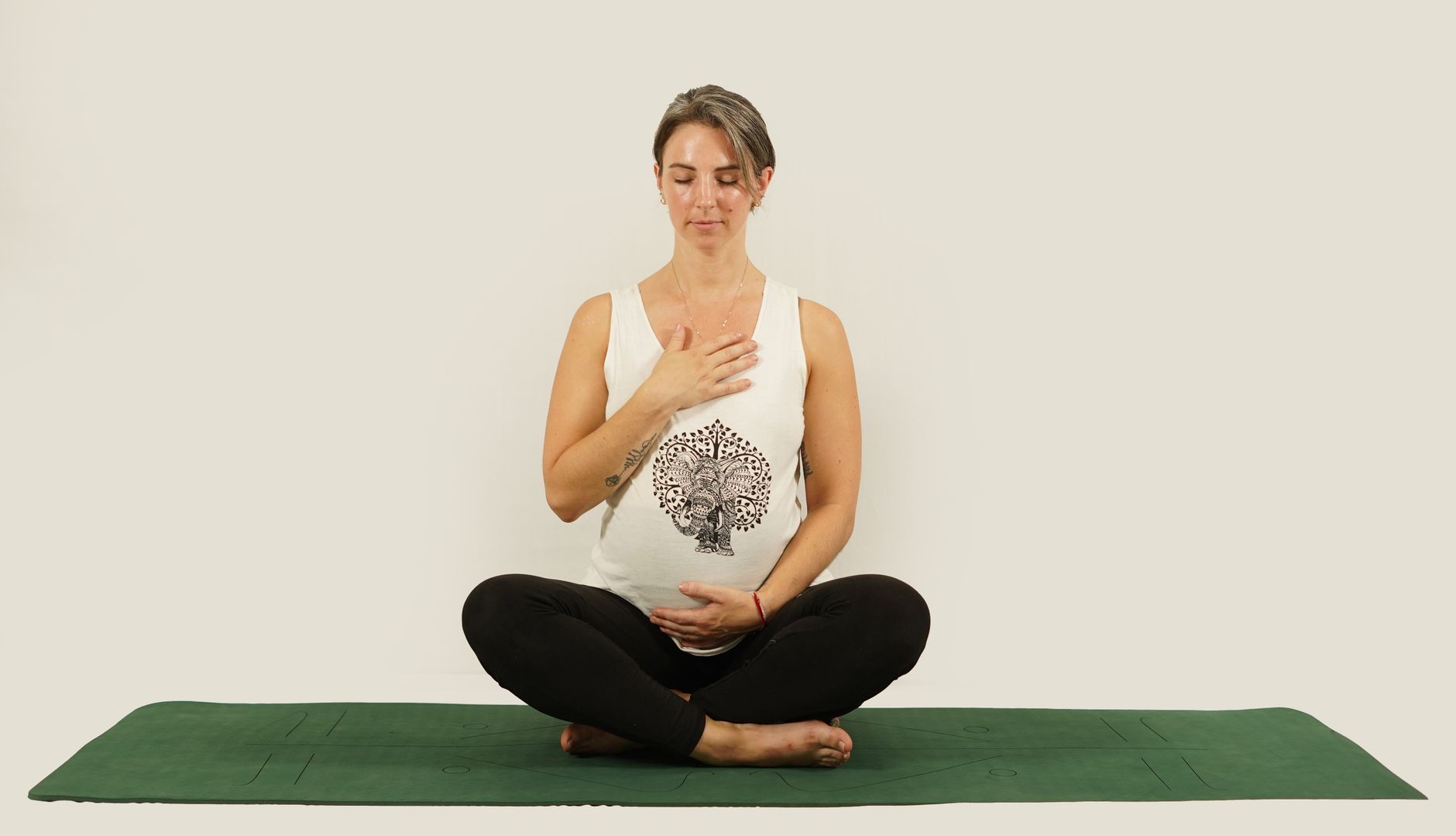
Heart palpitations in pregnancy are usually harmless, but they can signal a serious condition. Learn how to tell the difference, when to seek care, and what treatments are safe.
By Shubhra Mishra — a mom of two who turned her own confusion during pregnancy into BumpBites, a global mission to make food choices clear, safe, and stress-free for every expecting mother. 💛
Check whether any food is safe during pregnancy with the BumpBites Food Safety Checker.
Quick take: Most pregnant people experience occasional heart palpitations, and in the majority of cases they’re benign. However, if the fluttering feels rapid, lasts more than a few minutes, or is accompanied by shortness of breath, dizziness, or chest pain, you should contact your provider right away. Lifestyle tweaks—like staying hydrated, managing stress, and moderating caffeine—often help, while serious underlying issues such as anemia or pre‑eclampsia are rare but require medical attention.
It’s 2 a.m., your heart is thumping like a drum, and you’re scrolling through pregnancy forums wondering if you’ve done something wrong. You’re not alone. A fluttering or “skipping” sensation in the chest is one of the most common worries new moms voice, especially when hormones are doing a full‑volume remix of your body’s normal rhythms.
Below, we break down everything you need to know about heart palpitations during pregnancy—what triggers them, whether they’re a red‑flag sign, how to calm them naturally, and when a quick call to your midwife or obstetrician is the safest move. We’ll also address the most‑asked follow‑up questions, so you can feel confident that you’re doing the right thing for you and your baby.
Read on for a step‑by‑step guide that covers early‑pregnancy flutter, third‑trimester spikes, nighttime episodes, caffeine effects, and the link between palpitations and conditions like pre‑eclampsia or anemia. By the end, you’ll have a clear action plan and a list of “must‑ask” questions for your next prenatal visit.
What causes heart palpitations during pregnancy?
Short answer: Hormonal shifts, increased blood volume, and the extra workload on your heart are the primary drivers of palpitations in pregnancy.
During pregnancy, estrogen and progesterone rise dramatically. These hormones relax the walls of your blood vessels, which lowers peripheral resistance and makes your heart pump more blood to reach the growing uterus and placenta. At the same time, your blood volume expands by up to 50 % by the third trimester, and cardiac output can increase 30‑50 %.
Other common contributors include:
Iron‑deficiency anemia: Low hemoglobin forces the heart to work harder to deliver oxygen.
Thyroid changes: Pregnancy can unmask hyper‑ or hypothyroidism, both of which affect heart rhythm.
Stimulants: Caffeine, nicotine, and certain over‑the‑counter cold medicines can provoke a faster heartbeat.
Dehydration or electrolyte shifts: Sodium and potassium balance influence heart electrical activity.
Stress and anxiety: The nervous system’s “fight‑or‑flight” response can trigger palpitations, especially when you’re worried about the pregnancy itself.
Below is a quick reference that shows which cause tends to appear most often in each trimester.
Trimester
Most common cause
Typical trigger
First (0‑13 weeks)
Hormonal surge & early blood‑volume rise
Sudden posture changes, early‑morning nausea
Second (14‑27 weeks)
Iron‑deficiency anemia
Inadequate iron intake, rapid growth spurts
Third (28‑40 weeks)
Increased cardiac output + anxiety about labor
Large baby size, reduced lung capacity
Understanding the root cause helps you and your provider decide whether simple lifestyle tweaks will suffice or whether lab work is needed to rule out anemia, thyroid disorders, or other medical conditions. ACOG’s 2023 cardiovascular guidance notes that these physiologic shifts are normal, but they also recommend routine monitoring of hemoglobin and blood pressure to catch any concerning trends early.
In addition to the classic triggers, emerging research from the American Heart Association (2022) suggests that even modest changes in sleep position can influence vagal tone, subtly affecting heart rhythm. Keeping a brief symptom diary—note the time of day, activity, and any foods or drinks you consumed—can give your provider valuable clues about patterns that might otherwise be missed.
Heart palpitations during early pregnancy symptoms
<
strong>Short answer: In the first trimester, palpitations often feel like a brief “flutter” or racing heartbeat that may be accompanied by mild light‑headedness, especially after standing up quickly.
Early‑pregnancy palpitations are usually benign. You might notice them after a bout of morning sickness, a cup of coffee, or a short walk up stairs. The sensation can be described as a skipped beat, a pounding drum, or a rapid thump that lasts anywhere from a few seconds to a couple of minutes.
Typical accompanying symptoms include:
Warmth or flushing
Mild dizziness (often resolves when you sit down)
Occasional shortness of breath, especially after climbing a few stairs
Feeling “jumpy” or nervous
If you experience any of the following, it’s a cue to call your provider sooner rather than later:
Palpitations that last longer than 10 minutes
Chest pain, pressure, or tightness
Fainting or near‑fainting episodes
Rapid breathing that doesn’t improve with rest
Most first‑trimester flutters resolve on their own as your body adjusts to the hormonal changes, but keeping an eye on iron intake and staying well‑hydrated can smooth the transition. NHS advice stresses that persistent dizziness or a fast pulse lasting more than a few minutes warrants a prompt check‑up to exclude anemia or thyroid issues.
Another factor to watch in early pregnancy is rapid blood‑sugar swings. Skipping meals or consuming high‑glycemic snacks can cause a surge of adrenaline, which may mimic or amplify palpitations. Pairing protein with each snack—think a hard‑boiled egg or a handful of nuts—helps blunt those spikes and keeps your heart rhythm steadier.
Can heart palpitations during pregnancy be a sign of something serious?
Short answer: Rarely, but persistent or severe palpitations can signal anemia, arrhythmia, thyroid disease, or pre‑eclampsia—conditions that need prompt medical evaluation.
While the majority of palpitations are harmless, a small percentage point to underlying health issues that could affect both you and the baby. Here’s a quick rundown of the red‑flag conditions:
Anemia: Low iron forces the heart to pump faster to meet oxygen demands. Lab tests will show low hemoglobin and ferritin.
Arrhythmias: Abnormal heart rhythms such as atrial fibrillation are uncommon in pregnancy but can cause sustained rapid heartbeats and require cardiology input.
Thyroid disorders: Hyperthyroidism can make the heart race; hypothyroidism can cause bradycardia (slow heart rate) and fatigue.
Pre‑eclampsia: This pregnancy‑specific hypertensive disorder often presents with high blood pressure, proteinuria, and sometimes palpitations paired with severe headache or visual changes.
Cardiomyopathy: A rare weakening of the heart muscle that can emerge in the third trimester.
Because these conditions are relatively uncommon, most providers will first look for lifestyle factors—caffeine, stress, dehydration—before ordering extensive cardiac testing. Nonetheless, if you notice any of the “red‑flag” symptoms listed above, call your obstetrician or go to the nearest emergency department. A basic CBC, thyroid panel, and blood pressure check are usually the first steps, as recommended by the CDC’s 2022 anemia brief.
It’s also worth noting that some women develop autoimmune conditions (like lupus) during pregnancy, which can affect the heart’s electrical system. If you have a personal or family history of autoimmune disease, mentioning this during prenatal visits can help your team decide whether earlier cardiac monitoring is warranted.
How to stop heart palpitations during pregnancy naturally?
Short answer: Simple lifestyle changes—hydration, balanced meals, stress reduction, and moderated caffeine—often calm the flutter.
Below are evidence‑based, pregnancy‑safe strategies you can try tonight or tomorrow morning:
Stay hydrated: Aim for 2‑3 L of water daily. Dehydration reduces blood volume and can trigger palpitations. Add a slice of lemon or cucumber for flavor if plain water feels boring.
Eat small, frequent meals: Blood‑sugar dips after large meals can provoke a racing heart. Include protein, healthy fats, and complex carbs at each snack.
Limit caffeine to ≤200 mg per day: That’s roughly one 12‑oz cup of brewed coffee. Decaf or herbal teas (like rooibos) are safer alternatives.
Practice slow breathing: The 4‑7‑8 technique (inhale 4 seconds, hold 7 seconds, exhale 8 seconds) can activate the parasympathetic nervous system and lower heart rate within minutes.
Gentle movement: Light walking or prenatal yoga improves circulation and reduces anxiety. Avoid high‑intensity cardio unless cleared by your provider.
Sleep on your left side: This position improves blood flow to the uterus and can reduce nighttime heart racing.
Use magnesium‑rich foods: Pumpkin seeds, almonds, and leafy greens help maintain electrolyte balance.
If palpitations persist despite these measures, discuss with your provider whether a short‑term beta‑blocker (such as labetalol) is appropriate. These medications are considered safe in pregnancy but should never be started without medical supervision. ACOG’s 2023 statement on arrhythmia management emphasizes that medication is a last resort after lifestyle optimization.
Another natural tool is the use of a handheld fan or cool compress on the forehead. A brief cool stimulus can activate the vagus nerve, which often slows the heart rate within seconds. Many pregnant patients find that simply opening a window for fresh air during a flutter episode provides quick relief.
Heart palpitations during pregnancy third trimester
Short answer: Palpitations often intensify in the third trimester because the uterus presses on the diaphragm, reducing lung capacity and making the heart work harder.
By the time you’re approaching 30 weeks, your growing baby takes up more abdominal space, pushing the diaphragm upward. This limits the amount of air you can inhale, which can cause a sensation of shortness of breath and trigger palpitations, especially after climbing stairs or when lying flat.
Common third‑trimester triggers include:
Rapid weight gain that strains the heart
Increased anxiety about labor and delivery
Higher levels of progesterone that keep blood vessels dilated
Nighttime “pounding” due to lying supine (on your back) which can compress the vena cava
Practical tips for the third trimester:
Sleep on your left side with a pillow between your knees to ease pressure on the back.
Take short, frequent walks instead of long, strenuous hikes.
Elevate the head of your bed a few inches to reduce nighttime supine pressure.
Schedule a prenatal check‑up to monitor blood pressure and hemoglobin, especially if you notice new‑onset palpitations.
Compression stockings can also help improve venous return and reduce the sensation of a racing heart, a recommendation echoed in NICE’s 2022 guidance on managing lower‑leg swelling in late pregnancy.
Finally, consider a brief “heart‑check” before bedtime: place your hand on your chest, note the rhythm for 30 seconds, and then write down any irregularities. Sharing this log with your provider can pinpoint whether the episodes are truly new or part of a normal pattern that resolves after delivery.
Gentle self‑massage and relaxed breathing can calm a racing heart.
Do heart palpitations during pregnancy go away after birth?
Short answer: For most people, palpitations fade within weeks to months postpartum as hormone levels and blood volume return to pre‑pregnancy norms.
After delivery, estrogen and progesterone drop sharply, and the extra blood volume is shed through menstruation and diuresis. This rapid shift usually restores a normal heart rhythm. However, a minority of people continue to experience occasional flutter, especially if underlying conditions like anemia or thyroid disease persist.
Postpartum monitoring tips:
Check hemoglobin levels at your 6‑week postpartum visit; iron supplementation may still be needed.
Continue limiting caffeine if it still triggers palpitations.
Watch for lingering anxiety or sleep deprivation, both of which can keep the heart on edge.
Seek evaluation if palpitations are accompanied by persistent shortness of breath, chest pain, or irregular beats.
The American College of Obstetricians and Gynecologists (ACOG) advises that any postpartum woman with ongoing cardiac symptoms be evaluated for anemia, thyroid dysfunction, or postpartum cardiomyopathy, a rare but serious condition.
Breastfeeding can also influence heart rate. Prolactin, the hormone that drives milk production, may cause mild increases in resting heart rate. If you notice a pattern of palpitations linked to feeding sessions, try sitting upright while nursing and stay well‑hydrated; this often smooths the rhythm.
Can heart palpitations during pregnancy be a sign of preeclampsia?
Short answer: Yes—palpitations can be an early warning sign of pre‑eclampsia, especially when paired with high blood pressure, severe headache, or visual changes.
Preeclampsia affects about 5‑8 % of pregnancies and is characterized by new‑onset hypertension (≥140/90 mm Hg) after 20 weeks gestation, plus proteinuria or organ dysfunction. The condition can cause fluid shifts that increase cardiac workload, leading to palpitations.
When evaluating for pre‑eclampsia, providers will check:
Blood pressure at each prenatal visit
Urine protein levels (dipstick or 24‑hour collection)
Kidney and liver function tests
Any neurologic symptoms such as headache, visual disturbances, or altered mental status
If you notice a sudden increase in heart rate alongside swelling, sudden weight gain, or a headache that doesn’t improve with rest, call your provider immediately. Early detection and management—often with medication and close monitoring—greatly improve outcomes for both mother and baby. NICE’s 2022 guideline emphasizes the importance of patient‑reported symptoms like palpitations as part of the pre‑eclampsia screening toolkit.
Because pre‑eclampsia can progress quickly, many clinicians now use home blood‑pressure monitors to track trends between visits. Recording both systolic and diastolic numbers, along with any accompanying palpitations, gives a clearer picture of whether the condition is evolving.
Heart palpitations and shortness of breath during pregnancy
Short answer: Shortness of breath (dyspnea) often co‑occurs with palpitations because the heart and lungs are both working harder to meet the fetus’s oxygen needs.
Normal physiologic dyspnea peaks in the second trimester as the diaphragm rises and lung capacity drops. However, if you notice:
Sudden, sharp breathlessness that doesn’t improve with sitting up
Chest tightness or pain
Light‑headedness or faintness
Rapid heart rate that persists for more than a few minutes
These could signal a more serious cardiac or pulmonary issue, such as pulmonary embolism, peripartum cardiomyopathy, or a severe anemia flare. Emergency evaluation is warranted. NHS guidance flags persistent dyspnea with accompanying palpitations as a red flag that should prompt urgent assessment.
One practical tip: keep a small notebook by your bedside to jot down the exact time, position, and any triggers when a dyspnea‑palpitation episode occurs. This “snapshot” can help clinicians differentiate between normal pregnancy‑related breathlessness and a pathologic process that needs immediate imaging or treatment.
Hydration and magnesium‑rich snacks can help keep palpitations at bay.
Additional topics that often come up
Pregnancy heart palpitations at night
Nighttime palpitations are common because lying flat can compress the vena cava, reducing blood return to the heart and prompting a quicker beat. Sleeping on your left side, using a pillow wedge, and keeping a glass of water by the bed can reduce nighttime episodes.
Heart palpitations during pregnancy 37 weeks
At 37 weeks, the baby is full‑term, and the uterus is at its largest. Palpitations may feel more intense due to increased pressure on the diaphragm and heightened anxiety about labor. If you experience a rapid heartbeat that lasts more than 10 minutes or is accompanied by chest pain, contact your provider—especially as you approach delivery.
Pregnancy heart rate variability
Heart‑rate variability (HRV) measures the time between beats and reflects autonomic balance. Pregnancy tends to lower HRV because the sympathetic (stress) system is more active. Low HRV isn’t a diagnosis, but persistent very low HRV combined with palpitations may warrant a cardiac review.
Heart palpitations and anxiety during pregnancy
Anxiety can heighten the perception of palpitations. Cognitive‑behavioral techniques, mindfulness, and prenatal yoga have been shown to reduce both anxiety scores and the frequency of fluttering heartbeats.
Pregnancy heart palpitations and dizziness
Dizziness often accompanies palpitations when blood pressure drops upon standing (orthostatic hypotension). Rise slowly, squeeze your calves, and hydrate well. If dizziness persists, ask your provider to check your blood pressure and iron levels.
Heart palpitations during pregnancy and caffeine
Caffeine is a known stimulant. The FDA suggests limiting intake to 200 mg per day (about one 12‑oz coffee). Decaf coffee, herbal tea, or sparkling water are safer alternatives. Some people are more sensitive and may need to cut caffeine even lower.
Pregnancy heart palpitations and dehydration
Dehydration reduces plasma volume, prompting the heart to beat faster to maintain circulation. Aim for at least 8‑10 cups of fluid daily, more if you’re exercising or live in a hot climate.
Can certain foods trigger palpitations during pregnancy?
While palpitations are primarily driven by hormonal and circulatory changes, specific foods can amplify the sensation in sensitive individuals. Spicy foods, for example, may stimulate the vagus nerve and cause a brief heart‑rate spike. Similarly, high‑sugar snacks can trigger an adrenaline surge that mimics a flutter.
To keep food‑related triggers in check, aim for balanced meals that combine protein, fiber, and healthy fats. If you notice a pattern—say, after a sugary pastry or a heavily seasoned dinner—consider swapping that item for a lower‑glycemic alternative or reducing the spice level. Keeping a simple food‑symptom journal (even a quick note on your phone) helps you and your provider pinpoint culprits without unnecessary testing.
When should I consider a cardiology referral during pregnancy?
Most palpitations are benign, but certain red‑flag patterns merit early cardiology input. If you experience any of the following, discuss a referral with your obstetrician:
More than three episodes per week of sustained tachycardia (>120 bpm) lasting longer than 15 minutes.
A resting heart rate that remains elevated even after resting for 10 minutes.
Family history of sudden cardiac death, congenital heart disease, or known arrhythmias.
Palpitations that occur with syncope (fainting) or near‑syncope.
A cardiology specialist can perform advanced testing—such as an echocardiogram, stress echo, or ambulatory Holter monitoring—to rule out structural heart disease or rhythm disorders. The American Heart Association (2023) emphasizes that timely referral reduces the risk of complications and gives pregnant patients peace of mind.
Is it safe to exercise when I have palpitations?
Gentle, regular exercise is generally safe and can actually reduce the frequency of palpitations by improving cardiovascular efficiency. ACOG recommends at least 150 minutes of moderate‑intensity activity per week for pregnant people, provided there are no contraindications. Opt for low‑impact options such as walking, swimming, or prenatal yoga, and avoid activities that require lying flat on your back after the first trimester.
Start slowly, monitor your heart rate (aim for 50‑70 % of your age‑predicted maximum), and stop if you feel dizzy, experience chest pain, or notice a sudden surge in heartbeats that doesn’t settle within a few minutes. Many women find that a brief warm‑up and cool‑down, along with deep‑breathing, keep the heart rhythm steady. If you’re unsure whether a specific workout is appropriate, ask your obstetrician during your next visit.
When should I get cardiac monitoring?
Most palpitations don’t require advanced testing, but certain patterns merit an ECG (electrocardiogram) or a Holter monitor (24‑hour heart rhythm recorder). Your provider may recommend monitoring if you experience:
Palpitations lasting longer than 15 minutes or occurring more than three times a week
A resting heart rate above 120 bpm without obvious triggers
Associated symptoms such as fainting, chest pain, or severe shortness of breath
A personal or family history of cardiac disease
These tools help clinicians differentiate benign sinus tachycardia from arrhythmias that need specialist care. The American Heart Association’s 2023 statement advises that early referral to a cardiologist is appropriate when a pregnant patient presents with unexplained tachycardia or irregular rhythms.
In some cases, a wearable heart‑rate monitor (like a smartwatch) can provide preliminary data, but it should never replace a medical-grade ECG. Always bring your device’s readout to the appointment so the provider can assess its accuracy and decide on further testing.
Prenatal yoga offers gentle movement that can keep heart rate steady.
From our medical team: “If you’re experiencing occasional palpitations, start with hydration, balanced meals, and gentle breathing exercises. If the episodes are frequent, last longer than a few minutes, or come with chest discomfort, we’ll order a CBC, thyroid panel, and possibly an ECG to rule out anemia, thyroid disease, or arrhythmia. Most of the time, simple lifestyle tweaks are enough, but we never hesitate to investigate when red‑flag symptoms appear.”
Myth vs. fact
Myth: All heart palpitations mean you have a heart problem.
Fact: The majority are benign and linked to normal pregnancy changes; serious heart disease is rare.
Myth: You should stop all caffeine during pregnancy.
Fact: Moderate caffeine (≤200 mg/day) is considered safe by the ACOG and FDA, though individual tolerance varies.
Myth: Palpitations always disappear after delivery.
Fact: Most resolve within weeks postpartum, but lingering issues may point to anemia or thyroid imbalance that need treatment.
Key takeaways
Occasional fluttering is normal; persistent rapid beats, chest pain, or dizziness require medical evaluation.
Stay well‑hydrated, eat iron‑rich foods, and limit caffeine to ≤200 mg per day.
Practice slow‑breathing and left‑side sleeping to reduce nighttime palpitations.
Monitor for red‑flag signs of pre‑eclampsia—high blood pressure, swelling, severe headache.
Postpartum follow‑up should include a hemoglobin check and review of any lingering symptoms.
Always discuss new or worsening palpitations with your obstetrician or midwife.
Frequently asked questions
Are heart palpitations during pregnancy normal?
Yes—most pregnant people experience occasional palpitations due to hormonal and circulatory changes. They are usually harmless unless accompanied by chest pain, prolonged rapid beats, or dizziness.
Can heart palpitations during pregnancy be a sign of a heart problem?
Rarely, but persistent or severe palpitations can indicate arrhythmia, anemia, or thyroid disease. If symptoms are frequent or severe, your provider will order tests like an ECG and blood work to rule out underlying cardiac issues.
How common are heart palpitations during pregnancy?
Studies cited by the American College of Obstetricians and Gynecologists (ACOG) estimate that up to 70 % of pregnant individuals notice palpitations at some point, especially in the second and third trimesters.
Can I take medication for heart palpitations during pregnancy?
Medication is rarely needed. If lifestyle changes don’t help, a low‑dose beta‑blocker such as labetalol may be prescribed under close supervision. Always discuss medication options with your provider first.
Do heart palpitations during pregnancy affect the baby?
In most cases, palpitations do not harm the fetus. However, if they stem from severe anemia or pre‑eclampsia, those underlying conditions can affect fetal growth, making prompt treatment essential.
Can stress cause heart palpitations during pregnancy?
Yes—stress triggers the sympathetic nervous system, which can increase heart rate. Mind‑body practices like prenatal yoga, meditation, and deep‑breathing are effective ways to lower stress‑related flutter.
Is it safe to take prenatal vitamins if I have palpitations?
Yes—prenatal vitamins are generally safe and often contain iron, which can actually help reduce palpitations caused by anemia. If you notice a new flutter after starting a supplement, mention it to your provider; they may adjust the formulation or timing.
Can I travel by plane if I experience palpitations?
Most pregnant people can fly safely, but if you have frequent or severe palpitations, talk to your obstetrician before booking a trip. They may suggest a brief medical note, encourage you to stay hydrated, move your legs often, and avoid caffeine before and during the flight.
What is a normal resting heart rate during pregnancy?
During pregnancy, a resting heart rate of 70‑90 bpm is typical, with a slight increase of up to 10‑15 bpm in the second and third trimesters. Rates consistently above 120 bpm at rest should be evaluated by your provider.
Can postpartum hormonal changes cause palpitations?
Yes—after delivery, the rapid drop in estrogen and progesterone, combined with sleep disruption and breastfeeding demands, can lead to temporary heart‑rate spikes. Most resolve within weeks, but persistent symptoms merit a postpartum check‑up.
When to call your doctor
If you experience any of the following, seek medical attention promptly: palpitations lasting longer than 10 minutes, chest pain or pressure, sudden shortness of breath, fainting or near‑fainting, rapid heartbeat (>120 bpm) with dizziness, or any new high blood pressure reading. This article is for informational purposes only and does not replace personalized medical advice from your healthcare provider.
References
American College of Obstetricians and Gynecologists (ACOG). “Cardiovascular Physiology in Pregnancy.” 2023 Clinical Guidance.
National Health Service (NHS). “Palpitations in Pregnancy.” Updated 2022.
U.S. Food and Drug Administration (FDA). “Caffeine Consumption During Pregnancy.” 2022 Advisory.
World Health Organization (WHO). “Maternal Health and Preeclampsia.” 2021 Report.
American Heart Association (AHA). “Managing Arrhythmias in Pregnancy.” 2023 Clinical Statement.
Centers for Disease Control and Prevention (CDC). “Iron‑Deficiency Anemia in Pregnancy.” 2022 Data Brief.
Royal College of Obstetricians and Gynaecologists (RCOG). “Hypertension and Preeclampsia.” 2022 Guideline.
National Institute for Health and Care Excellence (NICE). “Prenatal Anxiety Management.” 2023 Recommendations.
American College of Obstetricians and Gynecologists (ACOG). “Physical Activity and Exercise During Pregnancy.” 2023 Clinical Guidance.
American Heart Association (AHA). “Cardiac Monitoring in Pregnancy.” 2023 Clinical Statement.
American Heart Association. “Referral Guidelines for Pregnant Patients with Cardiac Symptoms.” 2023.
American College of Obstetricians and Gynecologists (ACOG). “Postpartum Care.” 2023 Clinical Guidance.
Not sure about the label on Heart Palpitations During Pregnancy Normal Or Dangerous products?
Snap the ingredients list and SafeFilter checks every ingredient for your stage — only 3 free scans this month, then you're locked until reset. Unlimited from $7/mo or $50/yr.
When Shubhra Mishra was expecting her first child in 2016, she was overwhelmed by conflicting food advice — one site said yes, another said never. By the time her second baby arrived in 2019, she realized millions of mothers face the same confusion.
That sparked a five-year journey through clinical nutrition papers, cultural diets, and expert conversations — all leading to BumpBites: a calm, compassionate space where science meets everyday motherhood.
Her long-term vision is to build a global community ensuring safe, supported, and free deliveriesfor every mother — because no woman should face pregnancy alone or uninformed. 🌿
🌍 Stand with mothers, shape safer guidance
Join a small circle of experts who review BumpBites articles so expecting parents everywhere can decide with confidence.