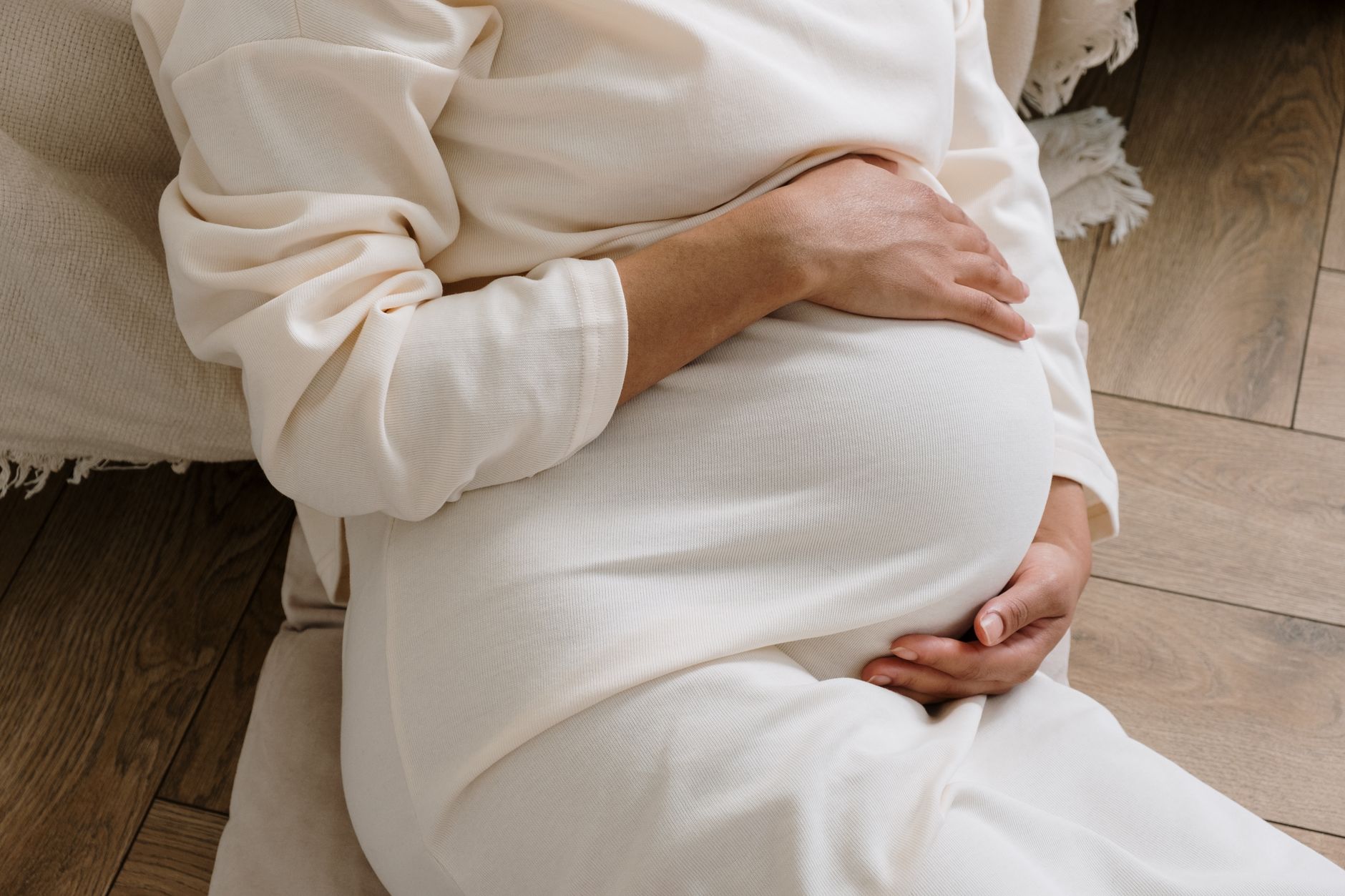
Heart palpitations in pregnancy are usually harmless, but they can indicate serious problems. Find out when they’re normal, warning signs, and what to do.
By Shubhra Mishra — a mom of two who turned her own confusion during pregnancy into BumpBites, a global mission to make food choices clear, safe, and stress-free for every expecting mother. 💛
Check whether any food is safe during pregnancy with the BumpBites Food Safety Checker.
Quick take: Heart palpitations in pregnancy are very common and usually harmless — your heart is working harder to support your growing baby. Most women feel them as a flutter, a racing heartbeat, or a "flip-flop" in their chest, especially in the second and third trimesters. While they can feel unsettling, they’re rarely a sign of a serious problem. That said, if you also feel dizzy, short of breath, or have chest pain, call your doctor right away. Most palpitations go away on their own after delivery.
It’s 3 a.m. You’re lying on your side, trying to get comfortable, when suddenly your heart does a little flip — or maybe it feels like it’s racing for no reason. You press your hand to your chest, counting the beats. Is this normal? Did you drink too much coffee yesterday? Or is something wrong?
🔢 Calculate it for your situation: Use our Pregnancy Palpitations for a personalized result in seconds.
If this sounds familiar, you’re not alone. Many pregnant women describe the same moment: a sudden awareness of their heartbeat, a flutter that wasn’t there before. One mom we spoke with put it this way: "I’d be folding laundry, and suddenly my heart would feel like it was doing jumping jacks. I’d stop, hold my breath, and wait for it to pass. It was scary at first, but my midwife said it was just my body adjusting to pregnancy."
Heart palpitations — those moments when your heart feels like it’s beating too fast, too hard, or out of rhythm — are one of those pregnancy symptoms that can catch you off guard. They’re not talked about as much as morning sickness or back pain, but they’re incredibly common. The good news? In most cases, they’re a normal part of pregnancy. Your heart is working harder than ever to pump blood for you and your baby, and sometimes that extra effort makes itself known.
But how do you know when a palpitation is just your body doing its job, and when it’s something that needs a doctor’s attention? In this guide, we’ll walk you through what heart palpitations feel like during pregnancy, why they happen, when to worry, and what you can do to manage them. We’ll also share some real-life tips from moms who’ve been there — because sometimes, knowing you’re not the only one can make all the difference.
Many women first notice heart palpitations during quiet moments — like when lying down or trying to sleep.
What are heart palpitations, and how do they feel?
Heart palpitations are sensations that make you suddenly aware of your heartbeat. Normally, you don’t notice your heart beating — it just does its job quietly in the background. But during a palpitation, it can feel like your heart is:
Fluttering (like a butterfly in your chest)
Racing (as if you’ve just run a sprint, even though you’re sitting still)
Pounding (a strong, forceful beat that feels like it’s echoing in your chest or throat)
Skipping a beat (a momentary pause, followed by a strong "thump")
Flip-flopping (a sudden, brief sensation of your heart turning over)
These sensations can last for a few seconds or several minutes. They might happen once in a while or several times a day. Some women feel them most when they’re lying down, especially on their left side, while others notice them after eating, drinking caffeine, or feeling stressed.
One mom described it like this: "It was like my heart was doing a little dance. I’d be sitting at my desk, and suddenly I’d feel this quick flutter, like a hummingbird’s wings in my chest. It wasn’t painful, but it was definitely weird — like my body was reminding me it was working overtime."
It’s important to note that palpitations are not the same as chest pain. While palpitations can feel uncomfortable, they’re usually not painful. If you ever feel pain, pressure, or tightness in your chest — especially if it spreads to your arm, jaw, or back — that’s a medical emergency, and you should call 911 or go to the hospital right away.
Why do heart palpitations happen during pregnancy?
Pregn
ancy is a time of big changes for your body — and your heart is no exception. Here’s why palpitations are so common when you’re expecting:
Your blood volume increases
During pregnancy, your body produces up to 50% more blood to support your growing baby. This extra blood means your heart has to work harder to pump it through your body. Think of it like a garden hose: if you turn up the water pressure, the hose has to handle more flow. Your heart is doing the same thing — and sometimes, that extra effort can make itself known as a palpitation.
Your heart rate goes up
It’s normal for your resting heart rate to increase by about 10–20 beats per minute during pregnancy. This usually starts in the first trimester and peaks in the second. A faster heart rate can make you more aware of your heartbeat, especially during quiet moments.
Hormonal changes
Pregnancy hormones — especially progesterone — can affect your heart’s rhythm and make it more sensitive to stress, caffeine, and other triggers. Progesterone also relaxes your blood vessels, which can cause your blood pressure to drop slightly. This can lead to a temporary increase in heart rate as your body works to keep blood flowing efficiently.
Your growing uterus
As your baby grows, your uterus pushes up against your diaphragm (the muscle that helps you breathe). This can put pressure on your heart and lungs, making you feel short of breath or more aware of your heartbeat. This is especially common in the third trimester, when your baby is taking up more space.
Other common triggers
Some everyday things can make palpitations more likely during pregnancy, including:
Caffeine: Coffee, tea, soda, and chocolate can all speed up your heart rate.
Dehydration: Not drinking enough water can make your blood thicker and harder to pump.
Stress or anxiety: Pregnancy can be an emotional time, and stress can trigger palpitations.
Low blood sugar: Skipping meals or eating too many refined carbs can cause your blood sugar to drop, which can make your heart race.
Anemia: Iron deficiency is common in pregnancy and can make your heart work harder to deliver oxygen to your body.
Thyroid changes: Some women develop an overactive thyroid (hyperthyroidism) during pregnancy, which can cause palpitations.
Lying on your back: In the second and third trimesters, lying flat can compress a major blood vessel (the vena cava), reducing blood flow to your heart and making palpitations more likely.
During pregnancy, your blood volume increases by up to 50% — which means your heart has to work harder to pump it all.
When should you worry about heart palpitations in pregnancy?
Most heart palpitations during pregnancy are harmless, but there are times when they can signal something more serious. Here’s how to tell the difference between normal palpitations and ones that need medical attention.
Normal palpitations: What’s typical
It’s usually nothing to worry about if:
Your palpitations are brief (lasting a few seconds to a minute or two).
They happen occasionally, not constantly.
They don’t come with other symptoms (like dizziness, chest pain, or fainting).
They go away on their own when you rest or change positions.
Your doctor or midwife has checked your heart and said everything looks fine.
One mom shared: "I had palpitations almost every day in my third trimester. They’d happen when I was lying down or after I ate something sugary. My doctor said it was normal, but it still freaked me out. I started keeping a little journal to track when they happened, and that helped me see they weren’t getting worse."
When to call your doctor or midwife
Contact your healthcare provider if you have palpitations and any of the following symptoms:
Dizziness or lightheadedness: Feeling like you might faint or pass out.
Shortness of breath: Struggling to catch your breath, even when you’re resting.
Chest pain or pressure: Any pain, tightness, or discomfort in your chest, especially if it spreads to your arm, jaw, or back.
Fainting or near-fainting: Losing consciousness or feeling like you’re about to.
Severe fatigue: Feeling exhausted all the time, even after a good night’s sleep.
Swelling in your hands, feet, or face: Sudden or severe swelling, especially if it’s only on one side of your body.
Blurred vision or severe headaches: Especially if they come with high blood pressure.
Palpitations that last more than a few minutes: Or that happen very frequently (several times an hour).
A family history of heart problems: If heart disease runs in your family, it’s worth mentioning to your provider.
These symptoms could be a sign of a more serious condition, such as:
Preeclampsia: A pregnancy-related condition involving high blood pressure and organ damage. Palpitations can sometimes be an early sign, especially if they come with swelling, headaches, or vision changes.
Anemia: Severe iron deficiency can make your heart work harder to deliver oxygen, leading to palpitations and fatigue.
Thyroid problems: An overactive thyroid (hyperthyroidism) can cause a rapid or irregular heartbeat.
Heart rhythm disorders: Conditions like supraventricular tachycardia (SVT) or atrial fibrillation (AFib) can cause palpitations, though these are rare in pregnancy.
Heart valve problems: If you have a history of heart valve issues, pregnancy can put extra strain on your heart.
If you’re ever unsure whether your symptoms are normal, it’s always better to call your provider. They’d rather hear from you and say "it’s nothing to worry about" than miss something important.
When to seek emergency care
Call 911 or go to the nearest emergency room if you have:
Chest pain or pressure that doesn’t go away.
Severe shortness of breath or trouble breathing.
Fainting or loss of consciousness.
Sudden numbness or weakness on one side of your body.
Slurred speech or confusion.
These could be signs of a heart attack, blood clot, or other serious condition that needs immediate treatment.
Symptoms that may accompany heart palpitations
Heart palpitations don’t always happen in isolation. Sometimes, they come with other symptoms that can give you clues about what’s causing them. Here are some common ones to watch for:
Shortness of breath
Feeling like you can’t catch your breath — even when you’re resting — is common in pregnancy, especially in the third trimester. This happens because your growing uterus pushes up against your diaphragm, making it harder for your lungs to expand fully. If shortness of breath comes with palpitations, it could be a sign that your heart is working extra hard to keep up with your body’s demands.
Dizziness or lightheadedness
Dizziness is another common pregnancy symptom, especially in the first trimester. It can happen when your blood pressure drops (a normal part of pregnancy) or when you stand up too quickly. If dizziness comes with palpitations, it could mean your heart isn’t pumping blood efficiently, or that you’re dehydrated or anemic.
Fatigue
Feeling tired is a normal part of pregnancy, but extreme fatigue — the kind that makes it hard to get through the day — can be a sign of anemia or thyroid problems. If you’re exhausted all the time and having palpitations, it’s worth mentioning to your provider.
Anxiety or panic
Pregnancy can be an emotional rollercoaster, and it’s normal to feel anxious or overwhelmed at times. But if you’re having frequent panic attacks — sudden episodes of intense fear, rapid heartbeat, sweating, or shaking — it’s important to talk to your provider. Anxiety can trigger palpitations, and palpitations can make anxiety worse, creating a cycle that’s hard to break.
Swelling
Some swelling in your feet and ankles is normal during pregnancy, especially in the third trimester. But sudden or severe swelling — especially if it’s only on one side of your body — can be a sign of preeclampsia or a blood clot. If swelling comes with palpitations, call your provider right away.
Nausea or sweating
Nausea is common in early pregnancy, but if it comes with palpitations and sweating, it could be a sign of low blood sugar or dehydration. Try eating a small snack (like a banana or some crackers) and drinking a glass of water to see if your symptoms improve.
How to manage and prevent heart palpitations during pregnancy
While you can’t always prevent heart palpitations during pregnancy, there are plenty of things you can do to reduce how often they happen and how intense they feel. Here are some practical, science-backed strategies to try:
Lifestyle changes
Stay hydrated
Dehydration can make your blood thicker and harder to pump, which can trigger palpitations. Aim to drink at least 8–10 cups (64–80 ounces) of water a day, and more if you’re active or it’s hot outside. If you’re struggling to drink enough, try:
Carrying a water bottle with you everywhere.
Adding a slice of lemon, cucumber, or mint to your water for flavor.
Setting reminders on your phone to drink throughout the day.
Eating water-rich foods like watermelon, cucumbers, and oranges.
Limit caffeine
Caffeine is a stimulant that can speed up your heart rate and trigger palpitations. The American College of Obstetricians and Gynecologists (ACOG) recommends limiting caffeine to 200 mg per day during pregnancy — about one 12-ounce cup of coffee. Keep in mind that caffeine is also found in tea, soda, chocolate, and some medications. If you’re sensitive to caffeine, try switching to decaf or herbal teas (just check with your provider first, as some herbs aren’t safe in pregnancy).
Here’s how much caffeine is in common drinks and foods:
Drink/Food
Serving Size
Caffeine (mg)
Brewed coffee
8 oz (1 cup)
95–200 mg
Espresso
1 oz (1 shot)
63 mg
Black tea
8 oz (1 cup)
40–70 mg
Green tea
8 oz (1 cup)
20–45 mg
Soda (cola)
12 oz (1 can)
30–40 mg
Energy drinks
8 oz
80–150 mg
Dark chocolate
1 oz (1 square)
12–25 mg
Milk chocolate
1 oz (1 square)
5–10 mg
Eat small, frequent meals
Low blood sugar can trigger palpitations, especially if you go too long without eating. Try to eat small, balanced meals every 3–4 hours to keep your blood sugar stable. Focus on foods that combine protein, healthy fats, and complex carbs, like:
Greek yogurt with berries and granola
Whole-grain toast with avocado and a hard-boiled egg
Hummus and veggie sticks with whole-grain crackers
A handful of nuts and dried fruit
A smoothie with spinach, banana, almond butter, and milk
Avoid lying on your back
In the second and third trimesters, lying flat on your back can compress the vena cava — a major blood vessel that carries blood from your lower body back to your heart. This can reduce blood flow to your heart and trigger palpitations. Instead, try sleeping on your left side (which improves blood flow to your baby) or propping yourself up with pillows.
Manage stress and anxiety
Stress and anxiety can trigger palpitations, and pregnancy can be a stressful time. Finding ways to relax and unwind can help keep your heart rate steady. Some strategies to try:
Deep breathing: Try the 4-7-8 technique: inhale for 4 seconds, hold for 7, and exhale for 8. Repeat a few times until you feel calmer.
Prenatal yoga or meditation: Gentle yoga or guided meditation can help reduce stress and improve circulation. Many studios offer prenatal classes, or you can find videos online.
Journaling: Writing down your thoughts and feelings can help you process emotions and reduce anxiety.
Talking to someone: Whether it’s your partner, a friend, or a therapist, talking about your worries can help put them in perspective.
Getting outside: Fresh air and sunlight can do wonders for your mood. Even a short walk around the block can help.
Get enough sleep
Pregnancy can make it hard to get comfortable at night, but sleep is crucial for your heart health. Lack of sleep can increase stress hormones and make palpitations more likely. Try these tips for better sleep:
Go to bed and wake up at the same time every day.
Keep your bedroom cool, dark, and quiet.
Use pillows to support your belly and back (a pregnancy pillow can be a game-changer).
Avoid screens (phones, TVs, tablets) for at least an hour before bed.
Try a warm bath or a cup of caffeine-free tea (like chamomile) before bed to relax.
Exercise gently
Regular, moderate exercise can help keep your heart healthy and reduce stress. It can also improve circulation and prevent blood from pooling in your legs (which can trigger palpitations). Good options for pregnancy include:
Walking
Swimming
Prenatal yoga
Stationary biking
Low-impact aerobics
Aim for at least 30 minutes of moderate exercise most days of the week, but listen to your body. If you feel dizzy, short of breath, or have palpitations during exercise, stop and rest. Avoid activities that involve lying flat on your back (like some yoga poses) or that carry a risk of falling (like skiing or horseback riding).
What to do when a palpitation happens
Even with the best prevention, palpitations can still happen. Here’s what to do when you feel one:
Stop what you’re doing and sit or lie down. This can help slow your heart rate and reduce the intensity of the palpitation.
Take slow, deep breaths. Inhale through your nose for 4 seconds, hold for 4, and exhale through your mouth for 4. Repeat until you feel calmer.
Try the Valsalva maneuver. This is a technique that can help reset your heart’s rhythm. To do it, pinch your nose closed, close your mouth, and try to exhale gently (like you’re blowing up a balloon). Hold for 10–15 seconds, then release. Note: Don’t do this if you have high blood pressure or heart problems, and check with your provider first.
Splash cold water on your face. The shock of cold water can trigger the "dive reflex," which slows your heart rate.
Drink a glass of water. Dehydration can make palpitations worse, so sipping water can help.
Avoid caffeine, sugar, and stress. These can all make palpitations worse, so try to steer clear of them when you’re feeling one.
Most palpitations will go away on their own within a few minutes. If they don’t, or if you feel other symptoms (like dizziness or chest pain), call your provider.
Track your palpitations
Keeping a log of your palpitations can help you and your provider figure out what’s triggering them and whether they’re getting worse. Here’s what to track:
The date and time of the palpitation.
How long it lasted.
What you were doing when it happened (e.g., lying down, after eating, after drinking coffee).
Any other symptoms you noticed (e.g., dizziness, shortness of breath).
What you did to make it go away (e.g., deep breathing, drinking water).
You can use a notebook, a notes app on your phone, or even a symptom-tracking app. Some women find it helpful to use the Pregnancy Palpitations calculator to log their symptoms and see patterns over time. This can be especially useful if you’re trying to figure out what triggers your palpitations or if you want to share detailed information with your provider.
Doctor's note
From our medical team:
Heart palpitations are one of the most common concerns we hear from pregnant women, and it’s easy to see why — they can feel scary, especially if you’ve never experienced them before. The good news is that in the vast majority of cases, palpitations are a normal part of pregnancy and nothing to worry about. Your body is undergoing incredible changes to support your growing baby, and your heart is working harder than ever to keep up.
That said, it’s always important to listen to your body. If your palpitations come with other symptoms — like dizziness, shortness of breath, chest pain, or fainting — it’s time to call your provider. These could be signs of an underlying condition that needs treatment, such as anemia, thyroid problems, or preeclampsia. Even if it turns out to be nothing, it’s better to err on the side of caution.
If your palpitations are frequent or bothersome, your provider may recommend some simple tests, like an electrocardiogram (ECG) or blood work, to check your heart rhythm and rule out any issues. These tests are quick, painless, and can give you peace of mind. In the meantime, focus on the basics: stay hydrated, eat well, manage stress, and get plenty of rest. Your heart is doing an amazing job — give it the support it needs.
🔢 Ready to crunch your numbers? Use our Pregnancy Palpitations for a personalized result in seconds.
Myth vs. fact
Myth: Heart palpitations during pregnancy always mean there’s something wrong.
Fact: Most heart palpitations during pregnancy are completely normal and caused by the physical changes your body is going through. Your heart is working harder to pump extra blood, and sometimes that extra effort makes itself known as a flutter or a racing heartbeat. As long as your palpitations aren’t accompanied by other symptoms (like dizziness, chest pain, or fainting), they’re usually nothing to worry about.
Myth: If you have heart palpitations, you should avoid all exercise.
Fact: Regular, moderate exercise is actually good for your heart and can help reduce stress — which can, in turn, reduce palpitations. Gentle activities like walking, swimming, and prenatal yoga are great options during pregnancy. Just listen to your body: if you feel dizzy, short of breath, or have palpitations during exercise, stop and rest. Avoid activities that involve lying flat on your back or that carry a risk of falling.
Myth: Heart palpitations mean you’re having a heart attack.
Fact: Heart palpitations and heart attacks are very different. Palpitations are usually brief and harmless, while a heart attack involves chest pain or pressure that doesn’t go away, often spreading to the arm, jaw, or back. If you ever experience chest pain, severe shortness of breath, or fainting, call 911 or go to the emergency room right away. These could be signs of a heart attack or another serious condition.
Key takeaways
Heart palpitations during pregnancy are very common and usually harmless. They’re often caused by the physical changes your body goes through to support your growing baby.
Most palpitations feel like a flutter, a racing heartbeat, or a "flip-flop" in your chest. They can last for a few seconds or several minutes and may happen occasionally or frequently.
While palpitations are usually normal, they can sometimes signal a more serious condition — especially if they come with dizziness, shortness of breath, chest pain, or fainting. If you experience these symptoms, call your provider right away.
You can reduce palpitations by staying hydrated, limiting caffeine, eating small, frequent meals, managing stress, and avoiding lying on your back in the second and third trimesters.
If a palpitation happens, stop what you’re doing, sit or lie down, and take slow, deep breaths. Most palpitations will go away on their own within a few minutes.
Keeping a log of your palpitations can help you and your provider figure out what’s triggering them and whether they’re getting worse. The Pregnancy Palpitations calculator can be a helpful tool for tracking your symptoms.
Frequently asked questions
What do heart palpitations feel like during pregnancy?
Heart palpitations during pregnancy can feel different for everyone, but most women describe them as a flutter, a racing heartbeat, or a "flip-flop" in their chest. Some say it feels like their heart is doing jumping jacks or skipping a beat. Others describe it as a sudden awareness of their heartbeat, especially during quiet moments like lying down or trying to sleep. Palpitations are usually brief and not painful, though they can feel unsettling.
Can heart palpitations during pregnancy be a sign of something serious?
Most heart palpitations during pregnancy are harmless and caused by normal physical changes, like increased blood volume and hormonal shifts. However, in rare cases, they can be a sign of a more serious condition, such as preeclampsia, anemia, thyroid problems, or a heart rhythm disorder. If your palpitations come with other symptoms — like dizziness, shortness of breath, chest pain, or fainting — call your provider right away. These could be signs that something needs medical attention.
How can I stop heart palpitations during pregnancy?
While you can’t always prevent palpitations, there are things you can do to reduce how often they happen and how intense they feel. Try staying hydrated, limiting caffeine, eating small, frequent meals, managing stress, and avoiding lying on your back in the second and third trimesters. If a palpitation happens, stop what you’re doing, sit or lie down, and take slow, deep breaths. Most palpitations will go away on their own within a few minutes.
Are heart palpitations more common during pregnancy?
Yes, heart palpitations are more common during pregnancy because of the physical changes your body goes through. Your blood volume increases by up to 50%, your heart rate goes up, and your growing uterus puts pressure on your diaphragm and major blood vessels. All of these changes can make you more aware of your heartbeat and more likely to experience palpitations. They’re especially common in the second and third trimesters.
Do heart palpitations during pregnancy go away after birth?
For most women, yes. Heart palpitations during pregnancy are usually caused by the temporary physical changes your body goes through to support your baby. After delivery, your blood volume and heart rate gradually return to normal, and most women stop experiencing palpitations. If you had palpitations before pregnancy or if they’re caused by an underlying condition (like a heart rhythm disorder), they may not go away completely. Talk to your provider if you’re still having palpitations a few months after delivery.
Can heart palpitations during pregnancy be a sign of anxiety?
Yes, anxiety can trigger heart palpitations, and pregnancy can be an anxious time. Stress and worry can cause your body to release hormones that speed up your heart rate, making palpitations more likely. If you’re feeling anxious, try deep breathing, prenatal yoga, or talking to someone about your worries. If your anxiety feels overwhelming or if you’re having frequent panic attacks, talk to your provider. They can help you find ways to manage your symptoms.
When to call your doctor
Heart palpitations during pregnancy are usually nothing to worry about, but there are times when they can signal a more serious problem. Call your doctor or midwife if you experience any of the following:
Palpitations that last more than a few minutes or happen very frequently (several times an hour).
Palpitations accompanied by dizziness, lightheadedness, or feeling like you might faint.
Shortness of breath or trouble breathing, even when you’re resting.
Chest pain or pressure that doesn’t go away, especially if it spreads to your arm, jaw, or back.
Fainting or loss of consciousness.
Severe fatigue or exhaustion that makes it hard to get through the day.
Sudden or severe swelling in your hands, feet, or face, especially if it’s only on one side of your body.
Blurred vision, severe headaches, or other vision changes.
A family history of heart problems or heart disease.
If you ever feel unsure about your symptoms, it’s always better to call your provider. They’d rather hear from you and say "it’s nothing to worry about" than miss something important.
Remember: This article is for informational purposes only and is not a substitute for professional medical advice, diagnosis, or treatment. Always seek the advice of your physician or other qualified health provider with any questions you may have about a medical condition.
Not sure about the label on Heart Palpitations In Pregnancy Normal Or Worrying products?
Snap the ingredients list and SafeFilter checks every ingredient for your stage — only 3 free scans this month, then you're locked until reset. Unlimited from $7/mo or $50/yr.
When Shubhra Mishra was expecting her first child in 2016, she was overwhelmed by conflicting food advice — one site said yes, another said never. By the time her second baby arrived in 2019, she realized millions of mothers face the same confusion.
That sparked a five-year journey through clinical nutrition papers, cultural diets, and expert conversations — all leading to BumpBites: a calm, compassionate space where science meets everyday motherhood.
Her long-term vision is to build a global community ensuring safe, supported, and free deliveriesfor every mother — because no woman should face pregnancy alone or uninformed. 🌿
🌍 Stand with mothers, shape safer guidance
Join a small circle of experts who review BumpBites articles so expecting parents everywhere can decide with confidence.