HELLP vs preeclampsia: Simple differentiation + urgent management – The key difference is liver involvement and platelet count; identify quickly and start emergency care to protect mother and baby.
By Shubhra Mishra — a mom of two who turned her own confusion during pregnancy into BumpBites, a global mission to make food choices clear, safe, and stress-free for every expecting mother. 💛
Check whether any food is safe during pregnancy with the BumpBites Food Safety Checker.
Quick take: HELLP syndrome and preeclampsia are serious, high-blood-pressure related complications of pregnancy that share some symptoms but are distinct conditions. Preeclampsia involves high blood pressure and organ damage (often kidneys), while HELLP syndrome is a life-threatening variant characterized by Hemolysis (destruction of red blood cells), Elevated Liver enzymes, and Low Platelet count. Both require urgent medical attention and often prompt delivery for resolution.
It's 3 a.m. and you're up again, feeling a dull ache in your upper belly, a headache that won't quit, or maybe just a general sense of "offness" that you can't quite shake. You might be Googling your symptoms, wondering if it's just normal pregnancy discomfort or something more serious. For expecting parents, the terms preeclampsia and HELLP syndrome can trigger immediate anxiety — and for good reason. These conditions are among the most serious complications of pregnancy, demanding swift medical attention.
🔢 Calculate it for your situation: Use our HELLP Syndrome Classifier for a personalized result in seconds.
While often discussed together, HELLP syndrome is not just "severe preeclampsia." It's a distinct, life-threatening variant that requires a different level of urgency and specific diagnostic criteria. Understanding the differences, recognizing the warning signs, and knowing what immediate steps to take are crucial for both your health and your baby's.
In this comprehensive guide, we'll break down preeclampsia and HELLP syndrome, helping you understand their unique symptoms, how they're diagnosed, and what urgent management looks like. We'll also cover the critical link between them, arming you with the knowledge to advocate for yourself and your baby.
Feeling unwell during pregnancy can be concerning. Always trust your instincts and talk to your healthcare provider about any new or worsening symptoms.
What is Preeclampsia?
Preeclampsia is a serious pregnancy complication characterized by high blood pressure and signs of damage to another organ system, most often the kidneys (indicated by protein in the urine). It typically begins after 20 weeks of pregnancy in women whose blood pressure had been normal. While it can range from mild to severe, preeclampsia always requires careful monitoring because it can quickly escalate and lead to life-threatening complications for both you and your baby.
For many women, preeclampsia might start subtly, with symptoms that are easy to dismiss as typical pregnancy discomforts. You might experience swelling in your hands or face, which can be normal in pregnancy, but if it's sudden or severe, it's a red flag. Headaches that don't go away with pain relievers, changes in vision (like flashing lights or blurry vision), or upper abdominal pain are more concerning signs. The core issue is the high blood pressure, which can restrict blood flow to the placenta, impacting your baby's growth and well-being. According to the American College of Obstetricians and Gynecologists (ACOG), preeclampsia affects about 5-8% of all pregnancies.
Common Symptoms of Preeclampsia
High blood pressure: Blood pressure readings of 140/90 mmHg or higher, measured on two occasions at least four hours apart.
Protein in urine (Proteinuria): Detected through a urine test.
Severe headaches: Persistent and not relieved by standard pain medication.
Vision changes: Blurry vision, temporary loss of vision, sensitivity to light, or seeing "spots" or flashing lights.
Upper abdominal pain: Often described as pain in the upper right side, under the ribs, or in the stomach area.
Swelling (edema): Particularly in the face and hands, and sudden, excessive swelling in the feet or ankles.
Shortness of breath: Caused by fluid in the lungs.
Nausea or vomiting: More than typical morning sickness, especially in the second half of pregnancy.
Risk Factors for Preeclampsia
While preeclampsia can affect any pregnant person, certain factors increase your risk. These include:
First pregnancy
History of preeclampsia in a previous pregnancy
Family history of preeclampsia
Chronic high blood pressure (hypertension)
Chronic kidney disease
Diabetes (pre-existing or gestational)
Autoimmune diseases (like lupus)
Obesity
Being pregnant with multiples (twins, triplets)
Older maternal age (over 35)
Assisted reproductive technologies (like IVF)
What is HELLP Syndrome?
HELLP
syndrome is a severe and life-threatening complication that is considered a variant of severe preeclampsia, though it can sometimes occur without prior symptoms of preeclampsia. The acronym HELLP stands for:
Hemolysis: The destruction of red blood cells.
ELevated Liver enzymes: Indicating liver damage.
LPLow Platelet count: Platelets are crucial for blood clotting.
HELLP syndrome is rarer than preeclampsia, affecting about 0.5-0.9% of all pregnancies, but it carries significant risks for both mother and baby. It often develops rapidly, making early recognition and urgent treatment paramount. The condition typically arises in the late stages of pregnancy or soon after birth, usually between 27 and 37 weeks gestation, but it can occur earlier or postpartum.
The symptoms of HELLP syndrome can be intense and quickly worsen. Many women report feeling a profound sense of malaise, a general feeling of being unwell, which is more than just pregnancy fatigue. Upper abdominal pain, particularly in the upper right quadrant (where your liver is located), is a hallmark symptom and can be severe. This pain is often described as burning, gnawing, or a sharp, stabbing sensation. Headaches, visual disturbances, and nausea/vomiting are also common, often more severe than in typical preeclampsia. Because of the low platelet count, there's an increased risk of bleeding, and in rare cases, liver rupture or stroke.
Common Symptoms of HELLP Syndrome
While HELLP syndrome shares some symptoms with preeclampsia, specific indicators point to its severity:
Severe upper right abdominal pain: Often localized to the liver area and can radiate to the back. This is a very common and distinctive symptom.
Nausea, vomiting, or indigestion: Often severe and persistent, can be mistaken for a stomach bug or reflux.
Headache: Severe, persistent, and not relieved by medication.
Fatigue or malaise: A profound feeling of being unwell, often described as "flu-like."
Vision disturbances: Similar to preeclampsia but can be more pronounced (blurry vision, double vision, flashing lights, temporary blindness).
Swelling (edema): Especially in the face and hands, often sudden.
Jaundice: Yellowing of the skin or eyes (less common but can occur).
Bleeding or bruising: Due to low platelet count, you might notice easy bruising, petechiae (tiny red spots under the skin), or prolonged bleeding from small cuts.
Risk Factors for HELLP Syndrome
The risk factors for HELLP syndrome largely overlap with those for severe preeclampsia, as it's often considered a progression or severe variant. However, some factors may slightly increase the likelihood of HELLP developing:
History of preeclampsia or HELLP syndrome in a previous pregnancy.
Multiparity (having had previous pregnancies).
Older maternal age (over 25).
Caucasian ethnicity (though it can affect any ethnicity).
It's important to note that HELLP syndrome can sometimes develop in women without any prior risk factors or even without overt signs of preeclampsia, making it particularly challenging to predict.
HELLP vs. Preeclampsia: Key Clinical Differences
While preeclampsia and HELLP syndrome are related and share common features like high blood pressure, their key distinctions lie in specific symptoms, lab results, and the urgency of management. Understanding these differences is vital for accurate diagnosis and effective treatment.
Symptoms and Presentation
Many symptoms overlap, but the intensity and specific presentation can differ. With preeclampsia, you might experience elevated blood pressure and protein in your urine, along with headaches or swelling. For instance, many moms tell us they felt a persistent "tension headache" with preeclampsia that just wouldn't ease up.
HELLP syndrome, on the other hand, often presents with more severe and specific symptoms related to liver and blood cell damage. The most distinctive symptom is often severe upper right abdominal pain, sometimes described as a sharp, burning sensation under the ribs. One reader described feeling "like someone was pressing a hot poker under my ribs," making it difficult to even lie down comfortably. Nausea and vomiting can also be far more pronounced than in typical preeclampsia, sometimes leading to misdiagnosis as a stomach virus or gallbladder issue. Fatigue and a general feeling of being unwell (malaise) are also common and can be debilitating.
Laboratory Results
This is where the most definitive differentiation occurs. Preeclampsia is diagnosed based on high blood pressure and signs of organ damage, primarily proteinuria. However, in HELLP syndrome, specific blood tests reveal the distinct hallmarks:
Hemolysis (H): Indicated by abnormal red blood cell smear, elevated bilirubin (a byproduct of red blood cell breakdown), and elevated LDH (lactate dehydrogenase), an enzyme released when cells are damaged.
Elevated Liver enzymes (EL): Aspartate aminotransferase (AST) and alanine aminotransferase (ALT) levels will be significantly elevated, indicating liver cell damage.
Low Platelet count (LP): Platelet count drops below 100,000 cells/microliter. Platelets are crucial for blood clotting, so a low count increases the risk of bleeding.
These specific lab abnormalities are what truly define HELLP syndrome, even in cases where blood pressure might not be as critically high as expected for severe preeclampsia, or where proteinuria is absent.
Progression and Severity
Preeclampsia can progress gradually, allowing for some watchful waiting, especially in milder cases or earlier gestations. However, it can also worsen rapidly. HELLP syndrome, by its nature, represents a severe, rapidly progressing condition. It's often considered an emergency because of its potential for serious complications, including liver rupture, kidney failure, disseminated intravascular coagulation (DIC - a severe bleeding and clotting disorder), pulmonary edema (fluid in the lungs), stroke, and placental abruption (where the placenta separates from the uterus).
Treatment Focus
For preeclampsia, management often involves close monitoring of blood pressure, urine protein, and fetal well-being, with medications to control blood pressure and prevent seizures (Magnesium Sulfate). The ultimate "cure" for preeclampsia is delivery, but timing depends on severity and gestational age.
With HELLP syndrome, the treatment is almost always immediate delivery, regardless of gestational age, once the mother is stabilized. The focus shifts to stabilizing the mother's condition, preventing further organ damage, managing blood pressure, and preventing seizures. Blood transfusions might be necessary due to hemolysis and low platelets.
To help visualize these crucial differences, here's a comparison table:
Feature
Preeclampsia
HELLP Syndrome
Definition
High blood pressure + organ damage (often kidneys, proteinuria) after 20 weeks gestation.
A severe variant of preeclampsia characterized by Hemolysis, Elevated Liver enzymes, Low Platelets.
Incidence
5-8% of pregnancies
0.5-0.9% of pregnancies
Key Diagnostic Criteria
BP ≥140/90 mmHg (x2, 4 hrs apart) + proteinuria or other organ dysfunction.
Relationship Between Preeclampsia and HELLP Syndrome
It's common to hear HELLP syndrome referred to as a "variant" or "complication" of severe preeclampsia, and this relationship is crucial to understand. While not all women with preeclampsia will develop HELLP syndrome, a significant percentage (around 10-20% of women with severe preeclampsia) do. HELLP syndrome is considered an extreme manifestation of the same underlying condition that causes preeclampsia, involving widespread endothelial cell dysfunction (damage to the lining of blood vessels).
The progression isn't always linear or predictable. Some women may have mild preeclampsia symptoms for days or weeks before a sudden worsening to HELLP syndrome. Others may develop HELLP syndrome without ever showing classic signs of preeclampsia, such as high blood pressure or significant proteinuria. This "normotensive HELLP" (HELLP without high blood pressure) is less common but highlights why it's so important for providers to consider HELLP even if blood pressure isn't severely elevated, especially if a pregnant person presents with severe upper right abdominal pain, nausea, or general malaise.
Because of this potential for rapid progression, any diagnosis of preeclampsia, especially severe preeclampsia, requires vigilant monitoring for the signs and symptoms of HELLP syndrome. This includes regular blood tests to check liver enzymes and platelet counts, alongside blood pressure monitoring and symptom assessment.
Diagnostic Criteria and Tests
Diagnosing preeclampsia and HELLP syndrome involves a combination of clinical assessment and specific laboratory tests. Your healthcare provider will consider your symptoms, medical history, and physical examination findings to guide diagnostic testing.
For Preeclampsia
Diagnosis typically requires:
Blood Pressure Measurement: Two readings of 140/90 mmHg or higher, taken at least four hours apart. For severe preeclampsia, readings of 160/110 mmHg or higher are used.
Urine Test: To check for proteinuria (protein in the urine), which indicates kidney involvement. This can be a urine dipstick test or a 24-hour urine collection for a more accurate measurement.
Blood Tests: To assess kidney function (creatinine), liver function (AST, ALT), and platelet count. These help rule out HELLP syndrome and assess the severity of organ damage.
For HELLP Syndrome
Diagnosis is primarily made through specific blood tests that reveal the characteristic abnormalities:
Hemolysis:
Abnormal peripheral blood smear (showing fragmented red blood cells).
Bilirubin (indirect) level of 1.2 mg/dL or higher.
Lactate dehydrogenase (LDH) level of 600 IU/L or higher (indicating red blood cell breakdown).
Elevated Liver enzymes:
Aspartate aminotransferase (AST) level of 70 IU/L or higher.
Alanine aminotransferase (ALT) level of 70 IU/L or higher.
Low Platelet count:
Platelet count of less than 100,000 cells/microliter.
Your doctor will use these criteria, along with your symptoms, to make a diagnosis. If you're looking to understand your own lab results in context, our HELLP Syndrome Classifier can help you interpret what certain numbers might indicate, though it is not a substitute for medical advice.
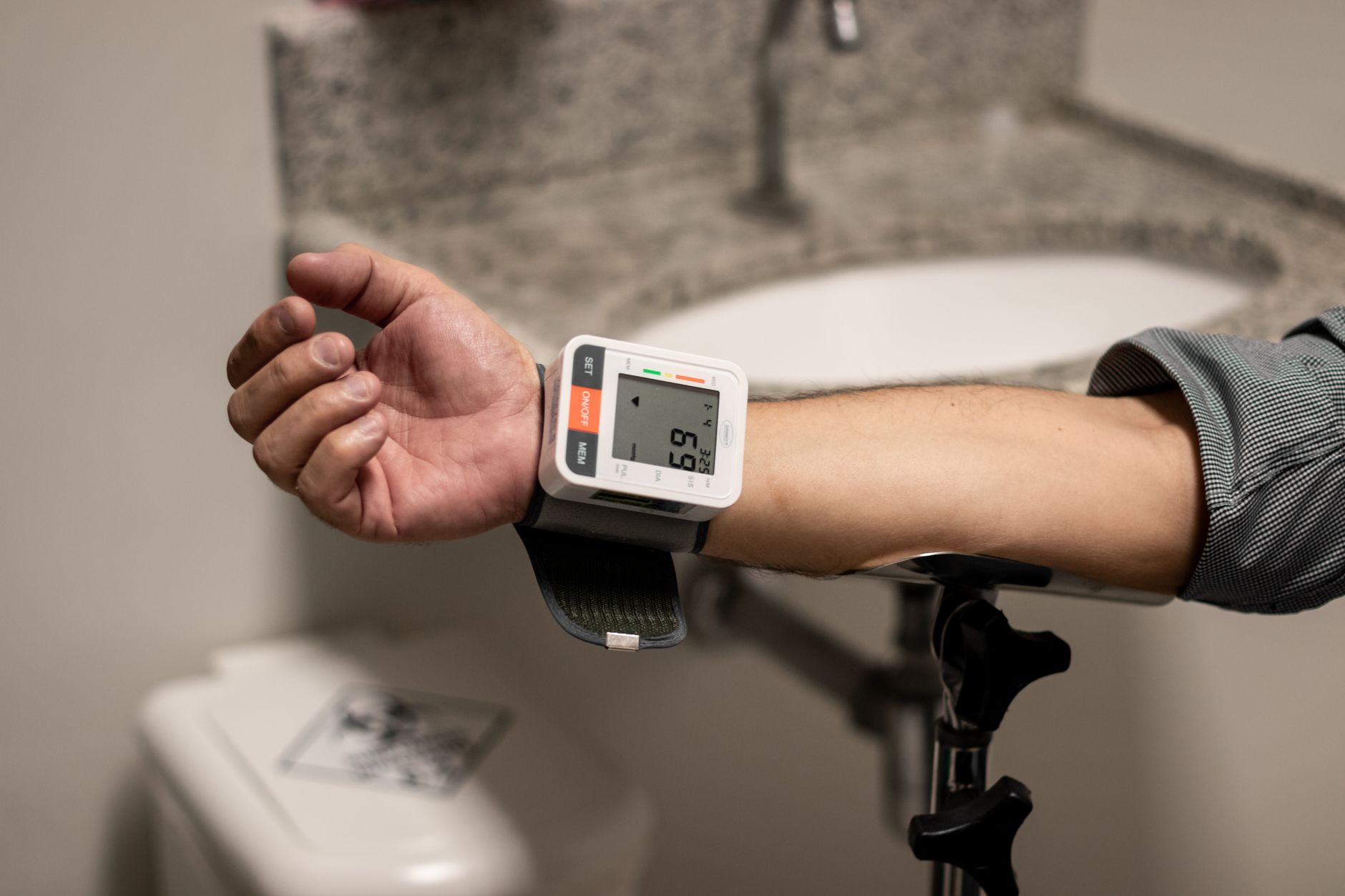
Regular blood pressure checks are a cornerstone of prenatal care and crucial for detecting conditions like preeclampsia.
Immediate Management and Treatment Protocols
Both preeclampsia and HELLP syndrome demand urgent medical management, but the intensity and speed of treatment differ significantly. The primary goal for both is to prevent severe complications for the mother and ensure the safest possible outcome for the baby.
For Preeclampsia
Management depends on the severity and gestational age. For mild preeclampsia, your provider might recommend close outpatient monitoring, including frequent blood pressure checks, urine tests, and fetal monitoring (like nonstress tests). You might be advised to rest and monitor symptoms at home.
For severe preeclampsia, hospitalization is almost always required. Treatment focuses on:
Blood Pressure Control: Medications (e.g., labetalol, nifedipine, hydralazine) are given intravenously or orally to lower blood pressure and prevent stroke.
Seizure Prevention: Magnesium sulfate is the cornerstone of treatment to prevent eclamptic seizures. It's usually given intravenously and continued for 24 hours after delivery.
Fetal Monitoring: Continuous monitoring of the baby's heart rate, movement, and growth to assess well-being.
Corticosteroids: If preterm delivery is likely and the pregnancy is less than 34 weeks, corticosteroids (like betamethasone) may be given to help speed up the baby's lung development.
Delivery: The only definitive cure for preeclampsia is delivery of the baby and placenta. The timing of delivery depends on the severity of the preeclampsia and the gestational age. For severe preeclampsia at or beyond 34 weeks, delivery is usually recommended. For less severe cases or earlier gestations, watchful waiting might be considered to allow the baby more time to develop, provided the mother and baby remain stable.
For HELLP Syndrome
HELLP syndrome is considered a medical emergency requiring immediate and intensive care. The treatment protocols are more aggressive:
Stabilization of the Mother: This is the top priority. You will be admitted to a high-level care unit, often an intensive care unit (ICU) or labor and delivery unit with ICU capabilities.
Blood Pressure Control: Aggressive management of high blood pressure with intravenous medications is critical to prevent stroke.
Seizure Prevention: Magnesium sulfate is almost always administered immediately to prevent seizures.
Corticosteroids: Dexamethasone, a corticosteroid, may be given to help improve platelet count and liver function in the short term, and to accelerate fetal lung maturity if the baby is preterm.
Blood Product Transfusions: Due to hemolysis and low platelet count, you may need transfusions of red blood cells or platelets to stabilize your condition, especially before or during delivery.
Fluid Management: Careful management of intravenous fluids is crucial to prevent fluid overload or dehydration, which can impact kidney function and blood pressure.
Immediate Delivery: Once the mother's condition is stabilized, delivery is the definitive treatment for HELLP syndrome, regardless of gestational age. This is often done via C-section, especially if the mother's platelet count is very low, making vaginal delivery risky due to potential bleeding complications.
The urgency stems from the rapid deterioration possible with HELLP syndrome. The goal is to deliver the baby as quickly and safely as possible once the mother is stable, as the condition typically resolves after the placenta is delivered.
Delivery Timing and Maternal-Fetal Considerations
The decision of when and how to deliver is critical in both preeclampsia and HELLP syndrome, balancing the risks to the mother with the benefits of allowing the baby more time to mature in utero. This is a complex decision made by your medical team.
Delivery Timing for Preeclampsia
Mild Preeclampsia (without severe features): If diagnosed before 37 weeks, your provider may recommend expectant management, meaning close monitoring of both you and your baby, hoping to prolong the pregnancy until at least 37 weeks. This involves frequent appointments, blood pressure checks, urine tests, and fetal surveillance (nonstress tests, biophysical profiles). Delivery is typically recommended at 37 weeks or later.
Preeclampsia with Severe Features: If diagnosed at or beyond 34 weeks, delivery is usually recommended, often after a course of corticosteroids if the baby's lungs need further maturation. If diagnosed before 34 weeks, expectant management in a hospital setting may be considered if the mother and baby are stable, in an attempt to gain more gestational age. However, if maternal or fetal conditions worsen (e.g., uncontrolled blood pressure, worsening lab results, signs of fetal distress), immediate delivery is indicated.
In all cases, magnesium sulfate is often administered before and during delivery, and for 24 hours postpartum, to prevent seizures.
Delivery Timing for HELLP Syndrome
For HELLP syndrome, the general guideline is to proceed with delivery as soon as the mother's condition is stabilized, regardless of gestational age. This is because the risks of continuing the pregnancy often outweigh the benefits, given the rapid progression and life-threatening nature of the syndrome.
Maternal Stabilization First: Before delivery, efforts are made to stabilize the mother, including managing blood pressure, administering magnesium sulfate, and potentially giving corticosteroids to improve platelet count and aid fetal lung maturity (especially if <34 weeks).
Mode of Delivery: The mode of delivery (vaginal or C-section) depends on several factors, including the baby's position, cervical readiness, and the mother's platelet count. If platelets are very low (<50,000/µL), a C-section may be preferred to minimize the risk of maternal bleeding complications, including intracranial hemorrhage.
Maternal-Fetal Considerations
Both conditions pose significant risks to both mother and baby:
For the Mother: Risks include eclampsia (seizures), stroke, kidney failure, liver rupture, placental abruption, disseminated intravascular coagulation (DIC), pulmonary edema, and even maternal death.
For the Baby: Risks include preterm birth (with associated complications like respiratory distress syndrome, intraventricular hemorrhage), fetal growth restriction (due to reduced blood flow through the placenta), placental abruption (leading to fetal distress or death), and stillbirth.
The medical team, including obstetricians, neonatologists, and sometimes intensivists, will work together to make decisions that prioritize the safety of both mother and baby. The period immediately following delivery is also critical, as complications can still arise or worsen postpartum.
In cases of early delivery, babies may require specialized care in the NICU, highlighting the importance of timely medical intervention.
Long-Term Outcomes and Follow-Up Care
The journey doesn't end with delivery. Both preeclampsia and HELLP syndrome can have lasting impacts on a mother's health, and follow-up care is essential for monitoring recovery and assessing future risks.
Maternal Recovery and Long-Term Health
For most women, blood pressure begins to normalize and lab values improve within days or weeks after delivery. However, complete resolution can take several months. You will typically be monitored closely in the hospital for several days postpartum, especially if you had severe preeclampsia or HELLP syndrome.
Blood Pressure Monitoring: You'll need regular blood pressure checks, often for several weeks or months postpartum. Some women may develop chronic hypertension after preeclampsia or HELLP, requiring long-term medication.
Kidney and Liver Function: Follow-up blood tests will be conducted to ensure kidney and liver functions return to normal.
Increased Risk for Future Pregnancies: A history of preeclampsia or HELLP syndrome significantly increases the risk of recurrence in future pregnancies. Your doctor will discuss strategies to mitigate this risk, such as starting low-dose aspirin in early pregnancy.
Increased Cardiovascular Risk: Research, including studies by the National Institutes of Health (NIH) and the British Heart Foundation, indicates that women who have had preeclampsia or HELLP syndrome have a higher long-term risk of developing cardiovascular diseases, including heart disease, stroke, and chronic hypertension, later in life. It's crucial to adopt a heart-healthy lifestyle and have regular screenings with your primary care provider.
Mental Health: Experiencing a life-threatening pregnancy complication can be traumatic. Many women experience anxiety, depression, or post-traumatic stress disorder (PTSD). Seeking support from mental health professionals, support groups, or trusted loved ones is vital for emotional recovery.
Fetal/Neonatal Outcomes
The baby's outcome largely depends on the gestational age at delivery and any complications experienced in utero or during birth. Babies born prematurely due to preeclampsia or HELLP syndrome are at higher risk for:
Respiratory Distress Syndrome: Due to underdeveloped lungs.
Intraventricular Hemorrhage: Bleeding in the brain, more common in very premature infants.
Necrotizing Enterocolitis: A severe intestinal problem.
Sepsis: Life-threatening infection.
Long-Term Developmental Issues: While many preterm babies thrive, some may face developmental delays or other health challenges requiring ongoing follow-up with pediatric specialists.
Neonatologists will provide specialized care in the neonatal intensive care unit (NICU) to support your baby's development and address any immediate health concerns.
From our medical team: "When facing conditions like preeclampsia or HELLP syndrome, it's natural to feel overwhelmed and frightened. Remember that your medical team is highly trained to manage these complex situations. Our priority is always your safety and the well-being of your baby. Don't hesitate to voice your concerns or ask questions. Early detection and immediate, coordinated care are your best defense."
🔢 Ready to crunch your numbers? Use our HELLP Syndrome Classifier for a personalized result in seconds.
Myth vs. Fact
Myth vs. Fact: Preeclampsia and HELLP Syndrome
Myth: HELLP syndrome is just a very severe form of preeclampsia, so the treatment is the same.
Fact: While HELLP is a variant of severe preeclampsia, its specific characteristics (hemolysis, elevated liver enzymes, low platelets) require more aggressive and often immediate intervention, including prompt delivery, sometimes even earlier than with severe preeclampsia alone.
Myth: If my blood pressure is normal, I can't have HELLP syndrome.
Fact: This is false. While high blood pressure is a hallmark of preeclampsia, about 15-20% of women with HELLP syndrome do not have high blood pressure, or their blood pressure is only mildly elevated. This is known as "normotensive HELLP" and can make diagnosis more challenging.
Myth: I can prevent preeclampsia or HELLP syndrome by eating a special diet or resting more.
Fact: Unfortunately, there's no proven way to prevent these conditions through diet or rest alone. While healthy lifestyle choices are always encouraged in pregnancy, preeclampsia and HELLP syndrome are complex medical conditions that can arise despite all best efforts. Early detection and management are key.
Key Takeaways
Preeclampsia involves high blood pressure and organ damage, usually kidneys, while HELLP syndrome is a severe variant with hemolysis, elevated liver enzymes, and low platelets.
HELLP syndrome often presents with more severe symptoms like intense upper right abdominal pain, severe nausea, and profound malaise.
Lab tests are crucial for differentiation: HELLP syndrome has specific blood abnormalities (LDH, AST/ALT, platelet count).
Both conditions require urgent medical attention, but HELLP syndrome typically necessitates immediate delivery once the mother is stabilized, regardless of gestational age.
Magnesium sulfate is a key medication for seizure prevention in both conditions.
A history of preeclampsia or HELLP increases future cardiovascular risk, necessitating long-term follow-up and heart-healthy habits.
Frequently Asked Questions
What is the difference between HELLP syndrome and preeclampsia?
The primary difference lies in specific lab abnormalities. Preeclampsia is defined by high blood pressure and signs of organ damage, often protein in the urine. HELLP syndrome, a severe variant, is characterized by Hemolysis (red blood cell destruction), Elevated Liver enzymes (indicating liver damage), and Low Platelet count (affecting blood clotting). While they share symptoms like high blood pressure and headache, HELLP involves more severe liver and blood-related issues.
Can preeclampsia turn into HELLP syndrome?
Yes, preeclampsia can progress to HELLP syndrome. HELLP syndrome is considered a severe complication or variant of preeclampsia, affecting about 10-20% of women with severe preeclampsia. This progression can happen rapidly, which is why close monitoring of blood pressure and lab values is essential if you have a preeclampsia diagnosis.
What are the symptoms of HELLP syndrome?
Key symptoms of HELLP syndrome include severe upper right abdominal pain (often described as burning or gnawing), severe nausea and vomiting, persistent and severe headache, profound fatigue or malaise ("flu-like" feeling), and sometimes visual disturbances or swelling. Unlike preeclampsia, it can also manifest with easy bruising or bleeding due to low platelets.
How is HELLP syndrome diagnosed?
HELLP syndrome is primarily diagnosed through blood tests that confirm the three characteristic components: hemolysis (e.g., elevated LDH, bilirubin), elevated liver enzymes (significantly high AST and ALT), and a low platelet count (below 100,000 cells/microliter). Clinical symptoms like severe upper right abdominal pain also strongly suggest the diagnosis.
What is the emergency treatment for HELLP syndrome?
The emergency treatment for HELLP syndrome focuses on immediate stabilization of the mother and prompt delivery of the baby. This includes aggressive management of high blood pressure with IV medications, administration of magnesium sulfate to prevent seizures, and potentially corticosteroids to improve platelet count and fetal lung maturity. Blood transfusions may be needed for severe anemia or low platelets.
Is it safe to deliver early with HELLP syndrome?
While early delivery carries risks for the baby, it is generally considered the safest and most definitive treatment for HELLP syndrome. The risks of continuing the pregnancy for the mother (e.g., liver rupture, stroke, death) usually outweigh the risks of prematurity for the baby. Your medical team will work to stabilize your condition before delivery to ensure the safest possible outcome for both of you.
When to Call Your Doctor
Preeclampsia and HELLP syndrome are medical emergencies. If you are pregnant and experience any of the following symptoms, call your doctor or midwife immediately, or go to the nearest emergency room:
Severe headache that doesn't go away with pain relievers.
Sudden, severe swelling in your face, hands, or feet.
Vision changes, such as blurred vision, seeing spots or flashing lights, or temporary loss of vision.
Severe pain in your upper right abdomen, under your ribs, or generalized stomach pain.
Nausea or vomiting that is severe and persistent, especially in the second half of pregnancy.
Shortness of breath.
Any unusual bruising or bleeding.
A general feeling of being unwell or "not right."
This article provides general information and is not a substitute for professional medical advice, diagnosis, or treatment. Always seek the advice of your qualified healthcare provider with any questions you may have regarding a medical condition.
References
American College of Obstetricians and Gynecologists (ACOG). Hypertension in Pregnancy. Practice Bulletin No. 222. Obstetrics & Gynecology. 2020;135(6):e237-e260.
National Institute of Child Health and Human Development (NICHD). Preeclampsia and Eclampsia: Condition Information. NIH.
The Preeclampsia Foundation. HELLP Syndrome.
National Health Service (NHS) UK. Preeclampsia.
Mayo Clinic. Preeclampsia.
Sibai BM. Diagnosis, controversies, and management of the syndrome of hemolysis, elevated liver enzymes, and low platelet count. Obstet Gynecol. 2004 Apr;103(4):981-91.
Wallace K, et al. HELLP Syndrome. StatPearls [Internet]. Treasure Island (FL): StatPearls Publishing; 2024 Jan-.
British Heart Foundation. Preeclampsia and your heart health.
Not sure about the label on Hellp Vs Preeclampsia Simple Differentiation Urgent Management products?
Snap the ingredients list and SafeFilter checks every ingredient for your stage — only 3 free scans this month, then you're locked until reset. Unlimited from $7/mo or $50/yr.
When Shubhra Mishra was expecting her first child in 2016, she was overwhelmed by conflicting food advice — one site said yes, another said never. By the time her second baby arrived in 2019, she realized millions of mothers face the same confusion.
That sparked a five-year journey through clinical nutrition papers, cultural diets, and expert conversations — all leading to BumpBites: a calm, compassionate space where science meets everyday motherhood.
Her long-term vision is to build a global community ensuring safe, supported, and free deliveriesfor every mother — because no woman should face pregnancy alone or uninformed. 🌿
🌍 Stand with mothers, shape safer guidance
Join a small circle of experts who review BumpBites articles so expecting parents everywhere can decide with confidence.