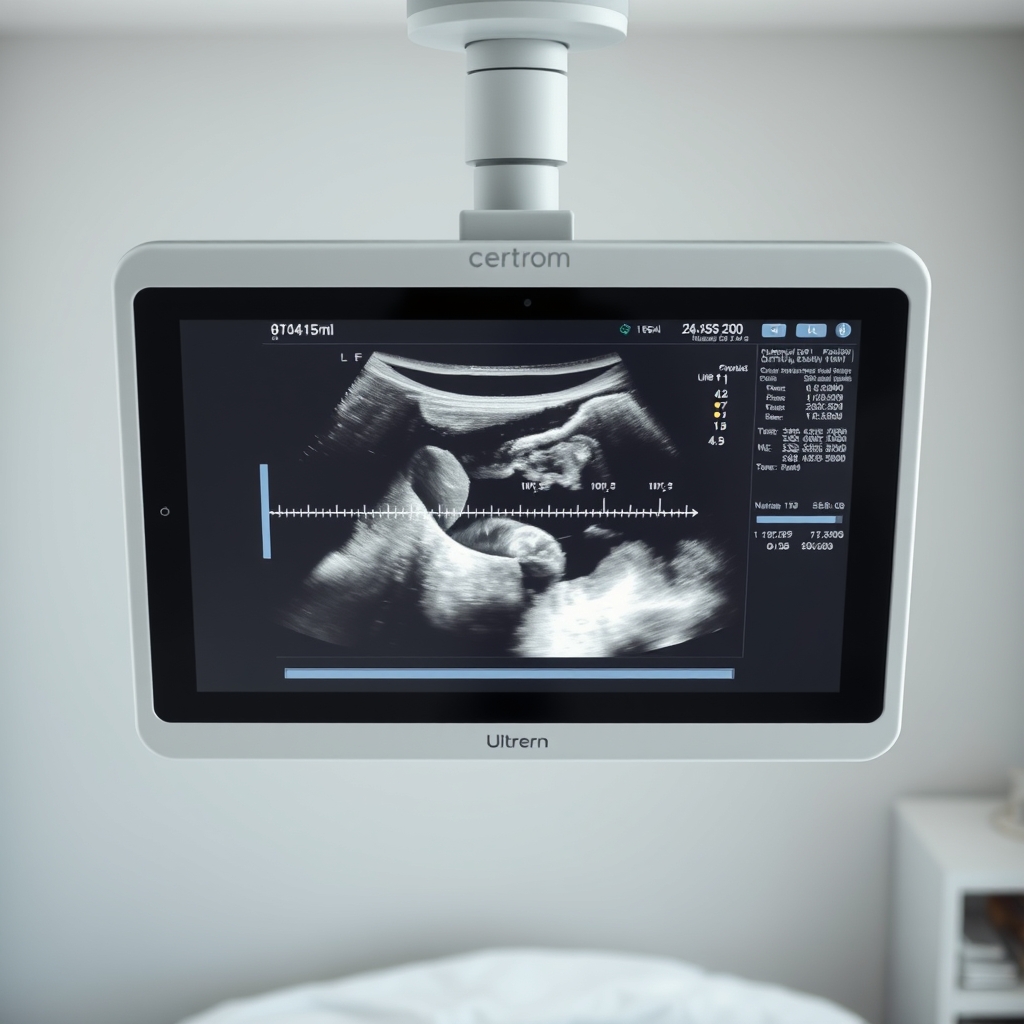
Estimate your baby's weight from ultrasound measurements, learn how much your baby weighs now with our guide and calculator tools online
By Shubhra Mishra — a mom of two who turned her own confusion during pregnancy into BumpBites, a global mission to make food choices clear, safe, and stress-free for every expecting mother. 💛
Check whether any food is safe during pregnancy with the BumpBites Food Safety Checker.
Quick take: Ultrasound can give a good ballpark of your baby’s weight, but it isn’t an exact measurement. Most estimates are within ±10‑15 % of the actual birth weight, and doctors use the numbers to track growth trends rather than to predict the exact pound‑or‑ounce figure.
It’s 2 a.m., you’ve just finished a restless night of cravings and you’re scrolling through your phone, wondering, “How much does my baby weigh now?” You might have seen a number pop up on the recent scan report—maybe 1 500 g at 28 weeks—and you’re trying to picture that in real life. You’re not alone; many expectant parents turn the same question over and over, especially when a new ultrasound tells them a different number.
🔢 Calculate it for your situation: Use our Fetal Weight Calculator for a personalized result in seconds.
Below, we break down exactly how fetal weight is calculated from an ultrasound, why the numbers matter, and what influences their accuracy. We’ll walk you through the common formulas, the growth‑percentile charts, and the practical steps you can take with your provider to keep the pregnancy on track.
By the end of this guide you’ll know: the typical weight ranges at each trimester, how doctors turn measurements into a weight estimate, which factors can shift that estimate up or down, and when a weight reading should prompt a closer look.
How ultrasound measurements turn into a fetal weight estimate
Ultrasound machines capture several key dimensions of the baby—most often the head circumference (HC), abdominal circumference (AC), and the length of the femur (FL). By feeding those numbers into a mathematical formula, the software outputs an estimated fetal weight (EFW). The most widely used formulas are the Hadlock equations, which were developed in the 1980s and refined over decades of research. They combine HC, AC, and FL in different ways to produce an estimate that matches the average growth patterns observed in large population studies.
Here’s a simplified snapshot of the calculation process:
Technician measures HC, AC, and FL on the ultrasound screen.
The machine’s software plugs those values into a Hadlock equation (or a newer version such as the Shepard or Warsof formulas).
The equation produces a weight in grams, which the report lists as “estimated fetal weight.”
Clinicians compare that number to gestational‑age‑specific growth charts to see if the baby is tracking within the normal range.
While the math sounds exact, the real‑world output depends on image quality, the baby’s position, and even the skill of the sonographer. That’s why the estimate is always presented as a range rather than a single definitive figure.
It’s also important to understand that the accuracy of the estimate can vary depending on the gestational age. Generally, the accuracy improves after 24 weeks, as the baby’s anatomy is larger and easier to measure. However, in earlier pregnancy, the estimates may be less precise due to the smaller size of the fetus.
Typical ultrasound measurements that feed into fetal weight formulas.
Even though the software does the heavy lifting, clinicians still review each image to confirm that the calipers are placed correctly. A slight misplacement—say, a millimeter off the true edge of the abdomen—can shift the calculated weight by dozens of grams. That’s why a skilled sonographer and a vigilant obstetrician are both essential for a reliable estimate.
Average fetal weight by week: what’s normal?
Becau
se growth follows a fairly predictable curve, clinicians have established average weight ranges for each week of gestation. Below is a quick reference that shows the median (50th percentile) weight, plus the typical low (10th) and high (90th) percentiles. These numbers come from ACOG’s “Fetal Growth Charts” and the WHO’s international standards.
Gestational Age
10th Percentile
50th Percentile (median)
90th Percentile
20 weeks
250 g
300 g
350 g
24 weeks
450 g
600 g
750 g
28 weeks
800 g
1 100 g
1 400 g
30 weeks
950 g
1 300 g
1 650 g
34 weeks
1 300 g
1 800 g
2 300 g
36 weeks
1 500 g
2 000 g
2 500 g
38 weeks
1 800 g
2 700 g
3 200 g
40 weeks (full term)
2 200 g
3 300 g
4 000 g
These figures give you a sense of where your baby falls on the growth curve. If your EFW lands between the 10th and 90th percentiles, most providers consider that “appropriate for gestational age.” If it’s below the 10th, it may signal fetal growth restriction (FGR); above the 90th, it could indicate macrosomia, which carries its own set of delivery considerations.
Understanding the percentiles is crucial because it helps identify potential issues early on. For example, if your baby’s weight is consistently below the 10th percentile, your provider may recommend more frequent ultrasounds to monitor growth and potentially intervene if necessary.
Keep in mind that these ranges are based on large, diverse populations. Individual babies may naturally sit near the edges of the chart without any underlying problem, especially if parental size or genetics differ from the average.
How accurate are ultrasound weight estimates?
Accuracy is the most common concern. Studies published by the ACOG and reviewed by the NHS consistently report that ultrasound EFWs are within ±10 % of the actual birth weight about 60‑70 % of the time, and within ±15 % roughly 80‑90 % of the time. In other words, a baby estimated at 2 500 g could actually weigh anywhere from 2 250 g to 2 750 g, and still be considered a reasonable prediction.
Several factors influence that margin of error:
Gestational age: Accuracy improves after 24 weeks because the baby’s anatomy is larger and easier to measure.
Maternal BMI: Higher body mass index can reduce image clarity, widening the error range.
Baby’s position: If the fetus is curled up or lying on a spine that’s hard to see, measurements may be less precise.
Equipment and operator skill: Modern high‑resolution machines and experienced sonographers produce tighter estimates.
Because of these variables, clinicians treat the EFW as a trend marker—comparing serial measurements over weeks—to spot concerning patterns rather than relying on a single number.
In practice, most obstetric teams will repeat the measurement at the next scheduled scan if the estimate falls near a clinical threshold. This “double‑check” approach helps smooth out random variation and gives a clearer picture of true growth.
Why tracking fetal weight matters
Monitoring growth helps identify two primary concerns:
Fetal Growth Restriction (FGR): When a baby isn’t gaining weight as expected, it may signal placental insufficiency, maternal hypertension, or other conditions that could affect oxygen and nutrient delivery.
Macrosomia: Excessive weight gain can increase the risk of shoulder‑dystocia, birth injuries, and the need for a cesarean section.
Early detection of either scenario gives your care team time to intervene—whether that means more frequent ultrasounds, adjusting nutrition, treating maternal health issues, or planning a delivery strategy.
In addition to health outcomes, knowing the baby’s growth percentile can ease parental anxiety. Seeing a steady upward curve on the chart reassures you that the pregnancy is progressing as expected.
Moreover, growth data can inform discussions about timing of delivery. For instance, a baby consistently above the 95th percentile may prompt a conversation about induction at 38‑39 weeks to avoid labor complications.
How to calculate fetal weight on your own
If you’ve received the raw measurements from your sonographer (HC, AC, FL), you can plug them into an online tool for a quick estimate. While the numbers won’t replace a professional reading, they can help you understand the “how” behind the report.
Our Fetal Weight Calculator lets you enter those three dimensions and instantly displays the estimated weight, the corresponding percentile, and a brief interpretation. Remember, the calculator uses the same Hadlock formulas that clinicians trust, but it doesn’t account for image quality or maternal factors that a real‑world scan would.
Using the calculator can be a useful way to demystify the report, but it’s still a good idea to bring the results to your next appointment. Your provider can explain any discrepancies and place the estimate in the context of your overall health.
Methods doctors use to estimate fetal weight
Beyond the classic Hadlock equations, there are a few other approaches:
Two‑dimensional (2D) formulas: Rely on HC and AC alone; quicker but slightly less precise.
Three‑dimensional (3D) and four‑dimensional (4D) ultrasound: Capture volumetric data of the fetal body, theoretically improving accuracy, especially in later pregnancy.
Magnetic Resonance Imaging (MRI): Reserved for high‑risk cases; offers detailed soft‑tissue imaging but is costly and not routine.
In most low‑risk pregnancies, the standard 2D Hadlock method remains the workhorse because it balances speed, accessibility, and acceptable accuracy.
Newer AI‑enhanced software is beginning to appear on high‑end scanners, promising tighter confidence intervals. However, as of the latest FDA guidance (2023), these tools are still considered adjuncts and must be interpreted by a qualified practitioner.
Limitations and potential errors in fetal weight estimation
Even with the best equipment, several scenarios can skew the estimate:
Compression of the abdomen: If the mother’s abdominal wall is pressed too hard by the transducer, the AC measurement can be artificially small.
Hydration status: Dehydration can shrink the amniotic fluid pocket, making the baby appear smaller.
Multiple pregnancies: Twins and higher-order multiples each have their own growth curves, and the formulas designed for singletons tend to overestimate weight.
Placental location: An anterior placenta (in front of the baby) can cast acoustic shadows that obscure certain measurements.
Because of these nuances, your provider will typically repeat measurements if a single scan looks out of range, and they’ll corroborate the EFW with maternal fundal height checks and, if needed, serial growth ultrasounds.
Another subtle source of error is fetal movement during the scan. A quick kick can momentarily change the position of the femur, leading to a slightly longer or shorter FL reading. Sonographers often wait for a still moment before snapping the final measurement.
Using fetal weight estimates to spot health issues
When an EFW falls consistently below the 10th percentile, doctors may investigate for FGR. Common work‑up steps include:
Maternal blood pressure monitoring for pre‑eclampsia.
Doppler ultrasound of the umbilical artery to assess placental blood flow.
Maternal blood tests for anemia, diabetes, and infections.
Non‑stress tests (NST) or biophysical profiles (BPP) to evaluate fetal well‑being.
If the estimate stays above the 90th percentile, the care team may discuss delivery timing, possible induction, or a planned cesarean if the baby appears very large. In both scenarios, the goal is to keep the baby thriving while minimizing delivery complications.
It’s worth noting that a single outlier (e.g., an EFW at the 95th percentile at 28 weeks) does not automatically trigger intervention. Most clinicians look for a trend over multiple scans before deciding on a management plan.
Understanding the range of newborn weights helps put ultrasound estimates into perspective.
How often should you have an ultrasound for weight checks?
Standard prenatal care includes a detailed anatomy scan around 18‑22 weeks, which provides the first reliable EFW. If you’re low‑risk, additional growth scans are usually scheduled at 28 weeks and again at 36 weeks. High‑risk pregnancies—those with hypertension, diabetes, or a history of FGR—may need ultrasounds every 3‑4 weeks to closely monitor growth.
Ultimately, the frequency is personalized. Talk with your obstetrician about a schedule that matches your health profile and any concerns you have about your baby’s size.
In many health systems, the timing of scans also aligns with recommended screening windows for other conditions, such as the anomaly scan at 20 weeks and the glucose tolerance test at 24‑28 weeks. Coordinating these appointments can reduce the number of separate visits you need to make.
What to ask your provider at the next appointment
“Can you show me the measurements that were used for the weight estimate?”
“Where does my baby’s weight fall on the growth percentile chart?”
“If the estimate is low/high, what additional testing do we need?”
“How does my weight gain and nutrition affect the baby’s growth?”
“What signs should I watch for that might indicate a problem with growth?”
Having these questions ready helps you get clear answers and stay engaged in the monitoring process.
Most providers will also review your own weight trajectory, because maternal weight gain patterns are closely linked to fetal growth. Sharing a simple food log or step count can make the conversation more productive.
Understanding fetal growth restriction (FGR)
Fetal growth restriction is a condition where the baby does not grow at a normal rate inside the womb. This can be due to various factors such as placental insufficiency, maternal hypertension, or other health issues. Early detection of FGR is crucial to ensure the best possible outcomes for the baby.
Some common signs of FGR include a decrease in fetal movement, a decrease in the size of the baby on ultrasound, and an abnormal umbilical artery Doppler study. If your provider suspects FGR, they may recommend more frequent ultrasounds, additional testing, and close monitoring of the baby’s growth.
When FGR is confirmed, management may involve optimizing maternal nutrition, controlling blood pressure, or, in severe cases, planning an early delivery to give the baby a chance to thrive outside the womb.
Understanding macrosomia
Macrosomia refers to a condition where the baby is significantly larger than average. This can increase the risk of complications during delivery, such as shoulder dystocia or birth injuries. If your provider suspects macrosomia, they may discuss the potential risks and benefits of induction or cesarean delivery.
Some common signs of macrosomia include an increase in the size of the baby on ultrasound, an increase in maternal weight gain, and an abnormal glucose screening test. If your provider suspects macrosomia, they may recommend more frequent ultrasounds and close monitoring of the baby’s growth.
In many cases, careful blood‑sugar control in mothers with gestational diabetes can help keep the baby’s growth within a healthier range, reducing the likelihood of extreme macrosomia.
Understanding fetal weight estimates can help alleviate uncertainty and anxiety during pregnancy.
Role of nutrition in fetal growth
A well-balanced diet rich in essential nutrients is crucial for the healthy growth and development of the fetus. A diet that includes adequate protein, healthy fats, and complex carbohydrates can support the baby’s growth and development.
In addition to a balanced diet, certain nutrients such as folic acid, iron, and calcium are particularly important for fetal growth and development. Folic acid, for example, is essential for preventing birth defects of the brain and spine, while iron is important for the production of red blood cells.
Recent guidance from the NHS (2023) emphasizes omega‑3 fatty acids—especially DHA—as supportive of brain development, and suggests that pregnant people aim for two servings of low‑mercury fish per week. Hydration also matters; staying well‑watered helps maintain amniotic fluid volume, which can subtly influence ultrasound measurements.
What to expect during an ultrasound for fetal weight estimation
An ultrasound for fetal weight estimation is a routine procedure that typically takes about 30 minutes to an hour. During the procedure, a sonographer will apply a gel to your abdomen and use a transducer to capture images of the baby.
The sonographer will take measurements of the baby’s head, abdomen, and femur, and use these measurements to estimate the baby’s weight. The procedure is painless and non-invasive, and you will be able to see the images of your baby on the screen.
Most clinics will also check your fundal height (the distance from your pubic bone to the top of your uterus) as an additional, low‑tech way to gauge growth. If the fundal height and ultrasound EFW disagree, your provider may repeat the scan or order a more detailed study.
From our medical team: Fetal weight estimates are a valuable tool for spotting growth trends, not a crystal ball for the exact birth weight. If your latest scan shows a number that seems far off from what you expected, give yourself a moment to breathe, then discuss the context with your provider. Most discrepancies are harmless, and serial measurements usually smooth out the picture.
Factors that influence fetal weight beyond ultrasound
While the ultrasound provides the most direct measurement, several maternal and environmental factors can affect how quickly a baby gains weight. Maternal nutrition, glucose control, smoking status, and even stress hormones all play a role in fetal growth.
For example, the American College of Obstetricians and Gynecologists (ACOG) notes that gestational diabetes—if untreated—can increase fetal weight by up to 20 % compared with non‑diabetic pregnancies. Conversely, smoking has been linked to lower birth weights, with each cigarette potentially reducing fetal weight by 10–20 g per week.
Understanding these influences helps you and your care team interpret the ultrasound numbers in context. Lifestyle modifications, such as quitting smoking or optimizing blood‑sugar control, can shift growth trajectories in a positive direction.
Eating a nutrient‑dense diet supports steady fetal growth and can improve the accuracy of weight estimates.
Interpreting growth charts: what the percentiles mean for you
Growth charts are visual tools that plot estimated fetal weight against gestational age, showing where a baby falls relative to a reference population. The 10th and 90th percentiles act as “red‑flag” zones, while the 50th percentile represents the statistical median.
If your baby’s EFW consistently tracks between the 25th and 75th percentiles, most clinicians consider that a reassuring pattern. A shift toward the 5th percentile may prompt evaluation for FGR, whereas a move above the 95th percentile could raise concerns about macrosomia, especially if accompanied by maternal obesity or diabetes.
It’s also helpful to know that a single percentile reading can be misleading if taken out of context. Trends over time—whether the baby is moving upward, plateauing, or dropping—provide a clearer picture of growth dynamics.
When to consider advanced imaging or a second opinion
In rare cases, standard 2D ultrasound may not provide enough detail, especially when there’s a discrepancy between the EFW and other clinical signs. High‑risk situations—such as unexplained growth restriction, abnormal Doppler studies, or a suspicion of structural anomalies—may merit a referral for 3D ultrasound or fetal MRI.
The Society for Maternal‑Fetal Medicine (SMFM) recommends that any persistent growth abnormality after three consecutive scans be evaluated with additional imaging or a specialist consultation. A second opinion can also be valuable if you feel uncertain about the management plan or want reassurance that all options have been explored.
These advanced tools are not routine, but they can provide clearer anatomical detail, helping to rule out congenital issues or confirm the severity of growth concerns.
From our medical team: If you’re ever unsure about a weight estimate, remember that it’s one piece of a larger puzzle. Bring your questions, ask to see the raw measurements, and discuss any lifestyle factors that could be influencing growth. Collaborative care leads to the best outcomes.
🔢 Ready to crunch your numbers? Use our Fetal Weight Calculator for a personalized result in seconds.
Myth vs. fact
Myth: An ultrasound will tell you the exact weight of your baby down to the gram.
Fact: Ultrasound provides an estimate that is typically accurate within ±10‑15 % of the actual birth weight, and clinicians use it to track growth rather than to predict the precise final weight.
Myth: If the estimated weight is high, the baby will definitely be a “big” baby at birth.
Fact: Many factors—including maternal hydration, measurement timing, and natural variability—can cause the estimate to be higher than the eventual birth weight. Most babies in the 90th percentile still fall within a normal, healthy range.
Myth: You only need one ultrasound to know your baby’s weight.
Fact: Growth is a dynamic process; serial ultrasounds allow providers to see trends, catch potential issues early, and adjust care plans as needed.
Key takeaways
Ultrasound estimates fetal weight using head, abdominal, and femur measurements plugged into validated formulas.
Typical accuracy is within ±10‑15 % of actual birth weight, making it a useful trend tool rather than an exact prediction.
Weight percentiles (10th‑90th) help clinicians determine whether growth is appropriate for the gestational age.
Factors like maternal BMI, fetal position, and equipment quality can affect estimate precision.
Regular growth scans (usually at 20, 28, and 36 weeks) are standard for low‑risk pregnancies; high‑risk cases may need more frequent monitoring.
Use the Fetal Weight Calculator to explore your own numbers, but always discuss results with your provider.
Consider lifestyle influences—nutrition, glucose control, and smoking—when interpreting weight trends.
Advanced imaging or a second opinion may be warranted if growth patterns remain abnormal despite repeated scans.
Frequently asked questions
How do doctors estimate fetal weight?
Doctors measure the baby’s head circumference, abdominal circumference, and femur length on an ultrasound, then apply those numbers to a formula (most commonly a Hadlock equation) that outputs an estimated weight in grams.
What is the average weight of a baby at birth?
Across the United States and the United Kingdom, the median birth weight is about 3 300 g (7 lb 5 oz); most full‑term babies fall between 2 200 g (4 lb 13 oz) and 4 000 g (8 lb 13 oz).
Can an ultrasound determine the exact weight of my baby?
No. Ultrasound provides an estimate that is usually within 10‑15 % of the actual birth weight, which is sufficient for tracking growth but not precise enough to state the exact gram amount.
How often should I have an ultrasound to check my baby's weight?
Standard care includes a detailed anatomy scan at 18‑22 weeks, a growth scan around 28 weeks, and a final scan near 36 weeks. If you have risk factors like hypertension or diabetes, your provider may schedule more frequent scans.
What factors affect fetal weight estimates?
Key factors include gestational age, maternal body mass index, fetal position, the quality of the ultrasound equipment, and the expertise of the sonographer. Hydration and multiple pregnancies also influence accuracy.
Is my baby's weight normal for their gestational age?
Your provider will compare the estimated weight to growth‑percentile charts. If the estimate falls between the 10th and 90th percentiles, it is generally considered appropriate for the gestational age.
What are the risks associated with fetal growth restriction?
Fetal growth restriction can increase the risk of stillbirth, preterm birth, and low birth weight. It can also increase the risk of complications during delivery, such as fetal distress and the need for a cesarean section.
What are the risks associated with macrosomia?
Macrosomia can increase the risk of complications during delivery, such as shoulder dystocia and birth injuries. It can also increase the risk of cesarean delivery and postpartum hemorrhage.
Can my diet change the estimated fetal weight?
Maternal nutrition does influence fetal growth. A balanced diet with adequate protein, iron, calcium, and omega‑3 fatty acids supports steady weight gain. However, short‑term dietary changes are unlikely to dramatically shift an ultrasound estimate; long‑term patterns matter more.
What’s the difference between estimated fetal weight and birth weight?
Estimated fetal weight (EFW) is a prediction made during pregnancy based on ultrasound measurements. Birth weight is the actual weight measured after delivery. Because EFW is an estimate, a difference of 10‑15 % between the two is normal.
When to call your doctor
If you notice any of the following, reach out to your obstetrician or midwife right away: vaginal bleeding, severe abdominal pain, sudden loss of fetal movement, persistent swelling or high blood pressure, or if a recent ultrasound shows the baby’s weight consistently below the 10th percentile or above the 90th percentile. This article is for informational purposes only and does not replace personalized medical advice.
References
American College of Obstetricians and Gynecologists (ACOG). “Fetal Growth and Birth Weight.” Practice Bulletin, 2022.
World Health Organization (WHO). “International Standards for newborn weight measurement.” 2021.
National Health Service (NHS). “Ultrasound scans in pregnancy – what to expect.” Updated 2023.
Centers for Disease Control and Prevention (CDC). “Birthweight data.” 2022.
Royal College of Obstetricians and Gynaecologists (RCOG). “Guidelines on fetal growth restriction.” 2020.
Mayo Clinic. “Fetal weight estimate (ultrasound).” 2023.
Society for Maternal-Fetal Medicine (SMFM). “Fetal growth restriction:
Not sure about the label on How Much Does My Baby Weigh Now Estimate From Ultrasound Measurements products?
Snap the ingredients list and SafeFilter checks every ingredient for your stage — only 3 free scans this month, then you're locked until reset. Unlimited from $7/mo or $50/yr.
When Shubhra Mishra was expecting her first child in 2016, she was overwhelmed by conflicting food advice — one site said yes, another said never. By the time her second baby arrived in 2019, she realized millions of mothers face the same confusion.
That sparked a five-year journey through clinical nutrition papers, cultural diets, and expert conversations — all leading to BumpBites: a calm, compassionate space where science meets everyday motherhood.
Her long-term vision is to build a global community ensuring safe, supported, and free deliveriesfor every mother — because no woman should face pregnancy alone or uninformed. 🌿
🌍 Stand with mothers, shape safer guidance
Join a small circle of experts who review BumpBites articles so expecting parents everywhere can decide with confidence.