how much weight should i gain during pregnancy? 25-35 lbs for normal weight women, less for overweight women, and more for underweight women typically
By Shubhra Mishra — a mom of two who turned her own confusion during pregnancy into BumpBites, a global mission to make food choices clear, safe, and stress-free for every expecting mother. 💛
Check whether any food is safe during pregnancy with the BumpBites Food Safety Checker.
Quick take: Most pregnant people should gain between 25 and 35 pounds (11–16 kg), but the exact amount depends on your pre‑pregnancy body‑mass index (BMI) and whether you’re carrying one baby or twins. Gaining too little or too much can raise risks for both you and your baby, so aim for the guideline that matches your BMI and track your progress with your prenatal team.
It’s 2 a.m., you’re feeling a little queasy, and a midnight search lands you on a page that asks, “How much weight should I gain during pregnancy?” The question feels urgent—your body is changing, the scale is moving, and you wonder if you’re on the right track. You’re not alone; many expectant parents wrestle with the same worry.
🔢 Calculate it for your situation: Use our Pregnancy Weight Gain for a personalized result in seconds.
Below, we break down the science‑backed recommendations, explain why the numbers differ from person to person, and give you practical tools to stay comfortable and healthy throughout your pregnancy. By the end of this guide you’ll know the exact weight‑gain ranges that fit your body type, how to monitor them week by week, and when a change in your plan calls for a chat with your provider.
What does “healthy weight gain” really mean?
A “healthy” gain is one that supports fetal growth, builds maternal stores of iron and calcium, and keeps you within a range that minimizes complications. In plain terms, it means gaining enough weight to nourish your baby while avoiding excess that can strain your heart, joints, and blood‑sugar regulation.
The American College of Obstetricians and Gynecologists (ACOG) and the UK National Institute for Health and Care Excellence (NICE) both base their guidance on pre‑pregnancy body‑mass index (BMI). Your BMI is calculated from your weight and height before you conceived, and it groups you into categories ranging from underweight to obese. Each category has a recommended total gain, and each trimester has its own typical pace.
For most people carrying a single baby, the overall target is 25–35 lb (11–16 kg). If you’re expecting twins, the recommended total rises to about 35–45 lb (16–20 kg) because you need extra nutrients for two growing fetuses.
It’s essential to understand that these ranges are not one‑size‑fits‑all. Your individual circumstances—age, activity level, and any pre‑existing medical conditions—will influence your ideal weight gain. For instance, if you have a history of gestational diabetes, your provider may recommend a more conservative gain to keep blood‑sugar levels steady.
Why do these numbers matter? Too much or too little weight can affect the supply of key nutrients like iron, calcium, and omega‑3 fatty acids, which are crucial for your baby’s brain and bone development. Staying within the recommended range helps ensure those nutrients are available without overloading your own system.
Measuring your waist can help you notice changes beyond the scale.
What factors influence how much weight you’ll gain?
Beyon
d BMI, several personal and medical factors shape your ideal gain. Age, activity level, dietary habits, and pre‑existing conditions such as diabetes or hypertension can all shift the recommended range. For example, a highly active person who already eats a balanced diet may gain toward the lower end of the range, while someone who was underweight before pregnancy may need to aim for the higher end.
Genetics also play a role. If your mother gained a lot of weight during her pregnancies, you might be predisposed to a similar pattern. Conversely, a family history of gestational diabetes may prompt your provider to monitor weight more closely and suggest a slightly tighter target.
Socio‑economic factors matter, too. Access to nutritious foods, safe spaces for walking, and supportive prenatal care can affect how easily you meet the guidelines. That’s why many clinicians recommend a personalized plan that considers your whole life context, not just a single number.
Furthermore, your mental health and emotional well‑being can impact weight gain. Stress, anxiety, and depression can lead to overeating or poor food choices, while a positive mindset and healthy coping mechanisms can help you stay on track. If you’re feeling overwhelmed, let your provider know—there are resources and counseling options that can make a big difference.
Recommended weight‑gain ranges by BMI and trimester
Below is the ACOG‑endorsed chart that matches total recommended gain to your pre‑pregnancy BMI. The weekly gain for the second and third trimesters is also listed, because that’s when most of the weight is added.
Pre‑pregnancy BMI
Total gain (lb)
Total gain (kg)
Weekly gain (2nd & 3rd trimesters) (lb)
Weekly gain (kg)
Underweight (<18.5)
28–40
13–18
0.5–0.7
0.2–0.3
Normal weight (18.5–24.9)
25–35
11–16
0.5–0.6
0.2–0.3
Overweight (25–29.9)
15–25
7–11
0.3–0.5
0.1–0.2
Obese (≥30)
11–20
5–9
0.2–0.4
0.1–0.2
During the first trimester (weeks 1–13), most people gain only 1–5 lb (0.5–2 kg), mainly from the placenta, amniotic fluid, and increased blood volume. By week 20, the weight‑gain curve typically flattens into the weekly ranges shown above.
When you’re carrying twins, the weekly gain in the second and third trimesters is roughly 0.6–0.9 lb (0.3–0.4 kg) per week, and the total target rises to 35–45 lb (16–20 kg). Your provider will monitor fetal growth closely to ensure both babies are thriving.
Interpreting the chart can feel technical, but think of it as a flexible roadmap rather than a strict rule. Your provider may adjust the target if you develop conditions like hypertension or if you’re of a specific ethnic background that influences typical birth‑weight patterns.
Need a personalized number? Try our Pregnancy Weight Gain calculator, which lets you input your height, pre‑pregnancy weight, and expected baby count to see the exact range that fits you.
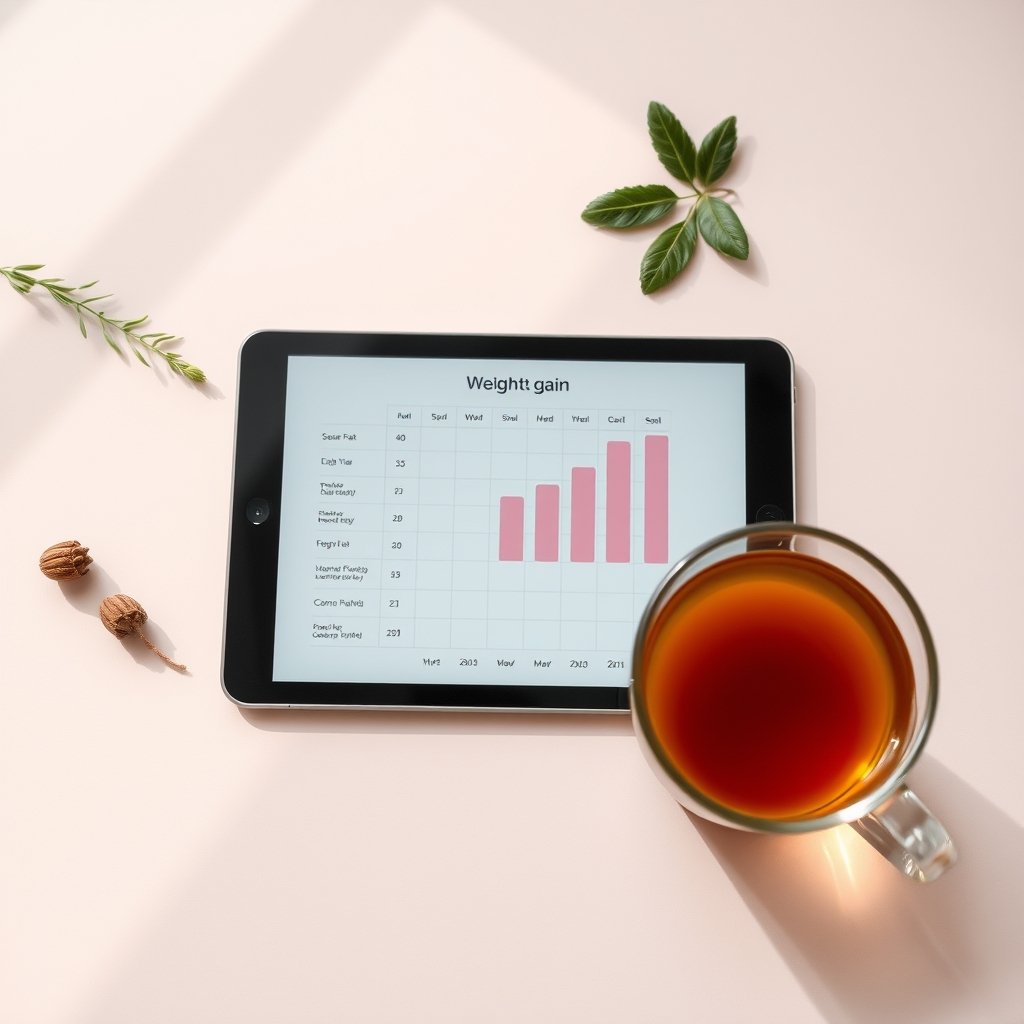
Use a visual chart to track weekly progress and stay on target.
What are the risks of gaining too much or too little?
Excessive gain—especially if you start the pregnancy already overweight—can increase the chance of gestational diabetes, pre‑eclampsia, and a C‑section. Babies born to mothers who gain a lot of weight are also more likely to be large for gestational age, which can lead to delivery complications and later childhood obesity.
On the other hand, inadequate gain raises the risk of preterm birth, low birth weight, and developmental delays. For underweight mothers, insufficient weight gain can mean the baby isn’t receiving enough iron, calcium, and other key nutrients, potentially affecting bone development and brain growth.
Both extremes may also affect your postpartum recovery. Gaining too much can make it harder to lose the extra pounds after birth, while gaining too little may leave you feeling fatigued and under‑nourished, slowing your return to daily activities.
Beyond the immediate pregnancy, the weight‑gain pattern can influence the child’s long‑term health. Studies cited by the CDC show that excessive maternal weight gain is linked with higher rates of childhood obesity, while very low gain is associated with increased risk of metabolic syndrome later in life.
Practical tips for managing weight gain through diet and exercise
Start with a balanced plate: half vegetables, a quarter lean protein, and a quarter whole grains. Adding a serving of dairy or fortified plant‑based milk each day helps meet calcium needs without adding excess calories.
Snack wisely. Choose nutrient‑dense options like a banana with a tablespoon of nut butter, Greek yogurt with berries, or a small handful of almonds. These provide protein, healthy fats, and fiber, keeping you satisfied between meals.
Stay active safely. The NHS and ACOG both recommend at least 150 minutes of moderate‑intensity aerobic activity per week—think brisk walking, swimming, or low‑impact prenatal yoga. Strength training twice a week can also support posture and prevent back pain.
Hydration matters, too. Aim for 8–10 cups of water daily; it helps maintain amniotic fluid levels and reduces swelling. If you’re craving salty foods, reach for a slice of whole‑grain toast with avocado instead of processed chips.
Consider keeping a simple food diary or using a nutrition‑tracking app. Seeing where your calories come from can highlight hidden sources of added sugars or excess fats, and help you make small, sustainable adjustments.
How to track and monitor your weight gain
Regular weigh‑ins—once a week or every two weeks—are the simplest way to stay on target. Keep a small notebook or use a pregnancy‑tracking app to log the number, the date, and any notes about how you feel that day. Look for a steady upward trend rather than day‑to‑day fluctuations, which are normal.
Share these logs with your prenatal care provider at each visit. They’ll plot your weight on a growth chart that aligns with your BMI category, allowing them to spot any concerning deviations early. If you’re gaining faster than the weekly range, they may suggest adjusting your calorie intake or activity level.
Don’t forget to measure other markers of healthy growth. Your provider will also check fundal height (the distance from your pubic bone to the top of the uterus) and ultrasound measurements. These give a fuller picture of fetal development beyond the scale.
Many apps now let you visualize your weight‑gain curve alongside the recommended range, turning numbers into an easy‑to‑read graphic that you can show your provider on the spot.
Weighing yourself weekly helps you see the big picture, not just day‑to‑day changes.
How prenatal care supports healthy weight gain
Your obstetrician, midwife, or family physician will discuss weight goals at the first prenatal visit. They’ll review your BMI, medical history, and any nutrition concerns, then tailor a plan that fits your lifestyle.
Throughout pregnancy, you’ll have routine labs that check iron, thyroid function, and blood sugar—issues that can affect weight gain. If a problem like gestational diabetes appears, your provider will give a specific diet plan and possibly a referral to a registered dietitian.
Don’t hesitate to ask questions at each appointment. Typical queries include: “What’s a safe weekly gain for my BMI?” “Should I change my exercise routine?” and “How will my weight affect my labor options?” Your care team is there to adjust the plan as your pregnancy progresses.
Some providers also use body‑composition analysis (like bio‑impedance scales) to differentiate between fat, lean mass, and fluid retention, offering a more nuanced view of how you’re gaining weight.
Staying active during pregnancy: benefits and guidelines
Regular physical activity during pregnancy offers numerous benefits, including reduced risk of gestational diabetes, improved mood, and a lower risk of complications during delivery. The American College of Obstetricians and Gynecologists (ACOG) recommends at least 150 minutes of moderate‑intensity aerobic activity per week.
However, it’s essential to follow guidelines and listen to your body. Avoid high‑impact activities, contact sports, and exercises that involve lying flat on your back after the first trimester. Instead, opt for low‑impact activities like walking, swimming, or prenatal yoga, which can help maintain flexibility and strength without putting excessive strain on your body.
If you notice dizziness, shortness of breath, or pelvic pain while exercising, stop and contact your provider. Those symptoms can signal that you need to modify intensity or type of activity.
Nutrition and meal planning for healthy weight gain
A well‑balanced diet is crucial for supporting healthy weight gain during pregnancy. Focus on whole, unprocessed foods like fruits, vegetables, whole grains, lean proteins, and healthy fats. Aim to include a variety of colors on your plate to ensure you’re getting a range of vitamins and minerals.
Meal planning can help you stay on track. Consider planning your meals for the week, making a grocery list, and preparing healthy snacks in advance. You can also find many healthy pregnancy‑friendly recipes online or in cookbooks to inspire your meal planning.
Pay special attention to nutrients that are in higher demand during pregnancy: iron (found in lean red meat, beans, and fortified cereals), folate (leafy greens, citrus, and legumes), calcium (dairy or fortified plant milks), and omega‑3 fatty acids (salmon, walnuts, chia seeds). These support fetal brain development and help prevent anemia.
Managing cravings and emotional eating during pregnancy
Cravings and emotional eating are common during pregnancy. While it’s okay to indulge occasionally, frequent overeating or making unhealthy food choices can lead to excessive weight gain. Find healthy alternatives to your cravings, such as choosing fruits or nuts instead of sweets, and practice mindful eating to stay in control.
Emotional eating can be managed by identifying your triggers and finding healthier coping mechanisms. Engage in activities that bring you joy, practice stress‑reducing techniques like meditation or deep breathing, and reach out to friends, family, or a support group for emotional support.
When a craving hits, try a “swap” strategy: if you’re yearning for something salty, reach for lightly salted popcorn or a slice of avocado toast; if you want something sweet, blend frozen berries with a splash of milk for a quick, nutrient‑dense smoothie.
From our medical team: Tracking weight gain isn’t about obsessing over numbers; it’s a tool to ensure both you and your baby receive the right nutrients. If you notice a sudden jump or plateau, bring it up at your next visit. Most variations are harmless, but early conversation lets your provider intervene if needed, keeping the pregnancy on a healthy trajectory.
Understanding what makes up pregnancy weight gain
Weight gained during pregnancy isn’t just baby fat. Roughly 30–35 % of the total gain is the growing fetus, placenta, and amniotic fluid. About 20 % is increased blood volume and fluid in maternal tissues. Another 15 % comes from breast tissue preparing for lactation, and the remaining portion is maternal fat stores that provide energy for labor and postpartum recovery.
Knowing this composition can ease anxiety. A sudden “jump” on the scale might be your body retaining extra fluid or your uterus expanding, rather than excess fat. Your provider will consider these components when evaluating whether your gain is on track.
Weight gain considerations for high‑risk pregnancies
If you have pre‑existing conditions such as hypertension, type 1 or type 2 diabetes, or a history of pre‑eclampsia, your provider may set a tighter weight‑gain target. The NICE guidelines recommend closer monitoring and sometimes a lower upper limit for overweight or obese patients to reduce the risk of worsening blood pressure or glucose control.
Women with a history of preterm birth may be advised to aim for the higher end of the recommended range, as modestly increased weight can support uterine growth and placental function. In any high‑risk scenario, regular ultrasounds and more frequent prenatal visits help ensure the baby is thriving while keeping maternal health optimal.
Postpartum weight loss: what to expect
After delivery, much of the pregnancy weight returns quickly—baby, placenta, and fluid are gone. The remaining weight, largely stored fat, will gradually shed over weeks to months, especially if you’re breastfeeding, which can burn an extra 300–500 kcal per day.
Set realistic expectations: losing 1–2 lb per week is generally safe, and rapid loss can affect milk supply. Focus on balanced nutrition, gentle movement (like walking or postnatal yoga), and adequate sleep. If you’re concerned about postpartum weight, discuss a tailored plan with your provider; they can refer you to a dietitian or a postpartum fitness specialist.
🔢 Ready to crunch your numbers? Use our Pregnancy Weight Gain for a personalized result in seconds.
Myth vs. fact
Myth: “You must gain exactly 30 lb no matter what.”
Fact: The recommended range varies by pre‑pregnancy BMI and whether you’re carrying twins. Individual needs differ, and a modest deviation from the midpoint is usually fine.
Myth: “If you’re an active athlete, you shouldn’t gain any weight.”
Fact: Even highly active individuals need extra calories—about 300 kcal per day in the second trimester—to support fetal growth and maternal tissue expansion.
Myth: “All weight gain is fat.”
Fact: Only a portion of the gain is fat; the rest includes the baby, placenta, amniotic fluid, increased blood volume, and breast tissue.
Key takeaways
Use your pre‑pregnancy BMI to find the total weight‑gain range that’s right for you.
Aim for 1–5 lb (0.5–2 kg) in the first trimester, then add 0.5–0.6 lb (0.2–0.3 kg) per week in the second and third trimesters for a singleton.
Track weight weekly, but focus on the overall trend rather than daily fluctuations.
Eat a balanced diet rich in protein, whole grains, fruits, vegetables, and calcium‑rich foods.
Stay active with moderate‑intensity exercise, unless your provider advises otherwise.
Stay hydrated by drinking at least 8–10 cups of water daily.
Monitor your mental health and seek support if you experience stress, anxiety, or depression.
If you have a high‑risk condition, work closely with your care team to tailor weight‑gain goals.
Frequently asked questions
What is a healthy weight gain during pregnancy?
For most pregnant people with a normal pre‑pregnancy BMI (18.5–24.9), a healthy gain is 25–35 lb (11–16 kg) total, with 1–5 lb in the first trimester and about 0.5 lb per week thereafter.
How much weight should I gain during my first pregnancy?
The same guidelines apply to first‑time pregnancies—your BMI determines the range. If you’re unsure of your BMI, a quick calculation of weight (kg) ÷ height (m²) will place you in a category and you can reference the chart above.
What happens if I gain too much weight during pregnancy?
Excessive gain raises the risk of gestational diabetes, hypertension, large‑for‑gestational‑age babies, and cesarean delivery. It can also make postpartum weight loss more challenging.
Can I gain weight too slowly during pregnancy?
Yes. Gaining less than the recommended amount, especially if you’re underweight, can increase the chance of preterm birth and low‑birth‑weight infants, which may affect the baby’s long‑term health.
How does weight gain during pregnancy affect the baby?
Appropriate gain supports optimal fetal growth, brain development, and bone mineralization. Both too much and too little gain can affect birth weight, which in turn influences neonatal health and future metabolic risk.
What are the risks of excessive weight gain during pregnancy?
Beyond gestational diabetes and hypertension, excessive gain can lead to postpartum hemorrhage, sleep apnea, and a higher likelihood of retaining excess weight years after delivery.
How can I manage my weight gain during pregnancy if I have a history of eating disorders?
If you have a history of eating disorders, it’s essential to work closely with your healthcare provider and a registered dietitian to develop a personalized plan for healthy weight gain. They can help you navigate challenges and ensure you receive the nutrients needed for a healthy pregnancy.
What role does stress play in weight gain during pregnancy?
Stress can contribute to overeating or poor food choices, leading to excessive weight gain. Practice stress‑reducing techniques like meditation, deep breathing, or yoga to help manage stress and stay on track with your weight‑gain goals.
Can I use a scale that shows body‑fat percentage during pregnancy?
Scales that estimate body‑fat percentage can be misleading in pregnancy because they don’t account for the fluid and tissue changes that naturally occur. Focus on overall weight trends and discuss any concerns with your provider.
Is it safe to do strength training in the third trimester?
Yes, most women can continue moderate strength training in the third trimester, provided they avoid heavy lifting, supine positions, and exercises that strain the abdomen. Always check with your provider before starting or modifying any routine.
When to call your doctor
If you notice any of the following, contact your provider right away: sudden swelling of the hands or face, rapid weight gain of more than 2 lb (1 kg) in a week, persistent severe headache, vision changes, severe abdominal pain, or bleeding. Remember, this article is for information only and does not replace personalized medical advice.
References
American College of Obstetricians and Gynecologists. “Weight Gain During Pregnancy.” ACOG Practice Bulletin, 2023.
National Institute for Health and Care Excellence. “Weight Management Before, During and After Pregnancy.” NICE Guideline NG123, 2022.
Centers for Disease Control and Prevention. “Gestational Weight Gain.” CDC Pregnancy Care, 2023.
World Health Organization. “Maternal Nutrition and Weight Gain.” WHO Recommendations, 2022.
National Health Service (UK). “How Much Weight Should You Gain During Pregnancy?” NHS, 2023.
Mayo Clinic. “Pregnancy Weight Gain: What’s Healthy?” Mayo Clinic, 2024.
Royal College of Obstetricians and Gynaecologists. “Guidelines for Weight Gain in Pregnancy.” RCOG, 2023.
U.S. Department of Agriculture. “Dietary Guidelines for Americans 2025–2029.” USDA, 2025.
American Academy of Pediatrics. “Nutrition and Growth in Pregnancy.” AAP, 2022.
Food Standards Agency (UK). “Safe Food and Nutrition for Pregnant Women.” FSA, 2023.
Not sure about the label on How Much Weight Should I Gain During Pregnancy products?
Snap the ingredients list and SafeFilter checks every ingredient for your stage — only 3 free scans this month, then you're locked until reset. Unlimited from $7/mo or $50/yr.
When Shubhra Mishra was expecting her first child in 2016, she was overwhelmed by conflicting food advice — one site said yes, another said never. By the time her second baby arrived in 2019, she realized millions of mothers face the same confusion.
That sparked a five-year journey through clinical nutrition papers, cultural diets, and expert conversations — all leading to BumpBites: a calm, compassionate space where science meets everyday motherhood.
Her long-term vision is to build a global community ensuring safe, supported, and free deliveriesfor every mother — because no woman should face pregnancy alone or uninformed. 🌿
🌍 Stand with mothers, shape safer guidance
Join a small circle of experts who review BumpBites articles so expecting parents everywhere can decide with confidence.