Struggling with constipation during pregnancy? Discover safe, fast-acting remedies to relieve discomfort immediately, including diet, hydration, and gentle exercises.
By Shubhra Mishra — a mom of two who turned her own confusion during pregnancy into BumpBites, a global mission to make food choices clear, safe, and stress-free for every expecting mother. 💛
Check whether any food is safe during pregnancy with the BumpBites Food Safety Checker.
Quick take: Constipation is common in pregnancy, but you can find relief fast with a few simple changes. Focus on fiber‑rich foods, plenty of water, gentle movement, and, if needed, a pregnancy‑approved stool softener. Most women feel better within a day or two, and you’ll keep both you and your baby comfortable.
It’s 2 a.m., you’re curled up on the couch, and that uncomfortable pressure in your lower belly won’t go away. You’ve tried a glass of water, a prune, and a few stretches, but the urge to go still feels distant. You’re not alone—many expectant mothers experience constipation, especially as the uterus grows and hormones slow digestion. The good news is that most cases can be eased quickly with safe, evidence‑based steps.
In this guide we’ll walk through exactly how to relieve constipation during pregnancy immediately. We’ll cover diet tweaks, over‑the‑counter options, gentle home remedies, foods to steer clear of, how often stool softeners are used, the role of prenatal yoga, and when you should call your provider. By the end you’ll have a clear, step‑by‑step plan you can start tonight.
How to relieve constipation during pregnancy with diet
Diet is the cornerstone of bowel health, and during pregnancy it becomes even more important. Hormonal shifts—especially increased progesterone—relax the intestinal walls, slowing the movement of food. Add the pressure of the growing uterus on the rectum, and stool can linger, harden, and become painful to pass.
Best high‑fiber foods for pregnant women include:
Whole grains: oats, quinoa, brown rice, whole‑wheat pasta.
Legumes: lentils, chickpeas, black beans, split peas.
Fruits: apples (with skin), pears, berries, kiwi, prunes, figs.
Nuts and seeds: chia, flaxseed (ground), almonds, pistachios.
Aiming for 25–30 grams of fiber daily (the amount recommended by the American College of Obstetricians and Gynecologists—ACOG) can keep stools soft and regular. Spread fiber throughout the day; a sudden surge can cause gas or bloating.
Hydration matters as much as fiber. Fiber draws water into the colon, but without adequate fluids the stool stays dry. The NHS advises pregnant people to sip at least eight 8‑ounce glasses of water a day, plus extra if you’re active or live in a hot climate. Warm fluids—like a morning cup of herbal tea (ginger or peppermint) or warm lemon water—can stimulate the gut and are especially soothing before bedtime.
When planning meals, think of a “bowls” approach: start with a base of whole grains, add a generous portion of colorful veggies, top with beans or lentils, and finish with a piece of fruit or a handful of nuts. This creates a natural fiber and fluid combo that promotes regularity.
Tips to prevent constipation in the third trimester:
Increase fluid intake by 1‑2 cups per day.
Choose high‑fiber snacks (e.g., apple slices with almond butter).
Split meals into smaller, more frequent portions to avoid feeling overly full.
Keep moving—short walks after meals are especially effective.
By adjusting your plate, you set the stage for faster, softer bowel movements without relying on medication.
Why the timing matters: Studies cited by ACOG show that constipation peaks in weeks 28–32, when the uterus exerts maximum pressure on the colon. Adding a fiber‑rich snack between lunch and dinner can keep the digestive tract moving during this critical window. If you notice a slowdown, reach for a fiber‑packed fruit or a small handful of nuts rather than a sugary treat.
Another practical tip is to pair fiber with a source of healthy fat—like avocado or olive oil—to help the stool glide more smoothly through the intestines. This combination reduces the risk of gas and keeps the experience pleasant.
Finally, consider timing your fiber intake around your prenatal vitamins. Some prenatal formulas contain iron, which can be constipating. Pairing the pill with a high‑fiber, high‑water meal can offset that effect and keep you comfortable.
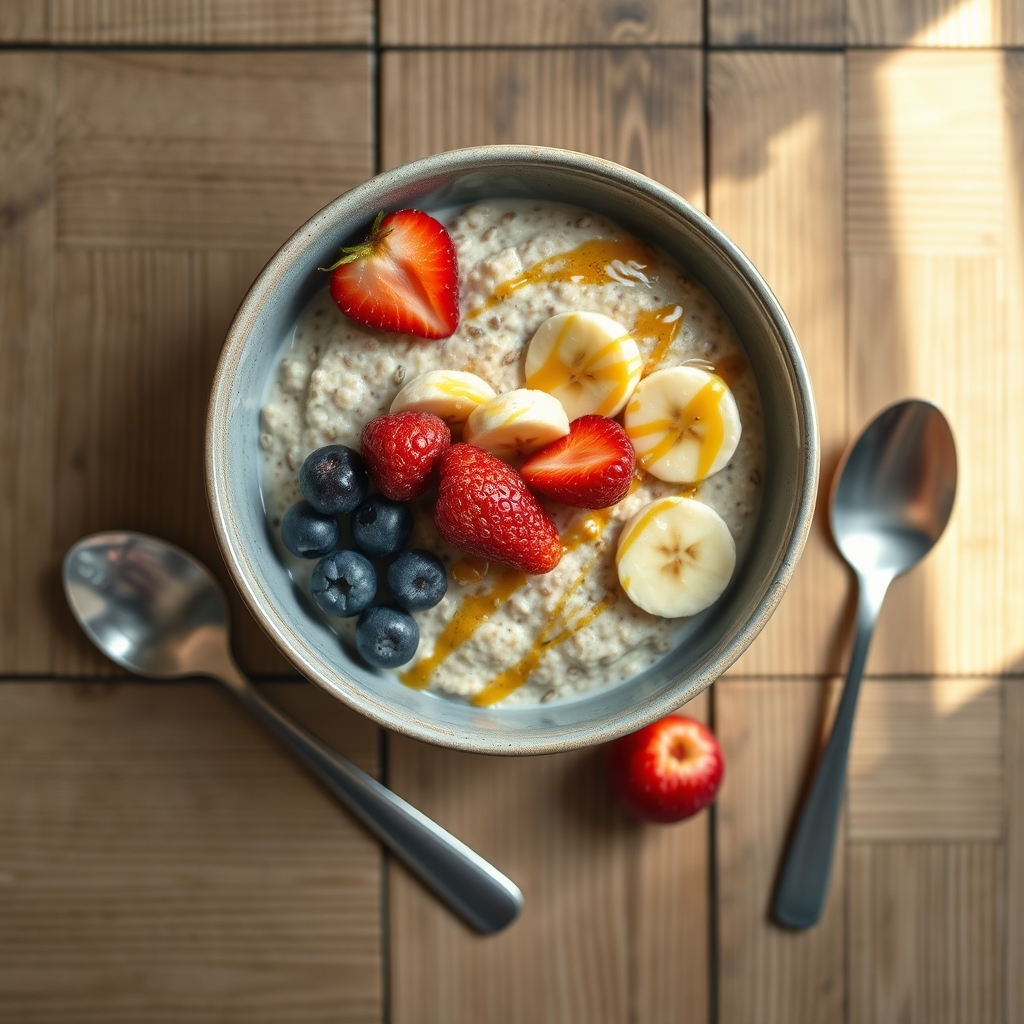
Start your day with a fiber‑packed breakfast to keep things moving.
Safe over‑the-counter remedies for constipation in pregnancy
If dietary changes and hydration don’t bring relief within 48 hours, an over‑the‑counter (OTC) option is usually safe. ACOG and the U.S. FDA list a few pregnancy‑approved products:
Product
Active ingredient
Typical dose
Pregnancy safety grade
Colace (docusate sodium)
Docusate sodium
100 mg 1–2 capsules daily
Category C (generally safe)
Metamucil (psyllium husk)
Psyllium
1 tsp mixed in 8 oz water, up to 3 times daily
Category B (safe)
Milk of Magnesia (magnesium hydroxide)
Magnesium hydroxide
30 mL once daily (max 60 mL)
Category C (use under doctor guidance)
Stool softeners like docusate work by drawing water into the stool, making it easier to pass without stimulating strong intestinal contractions. They are considered low‑risk because they don’t cause cramping.
Fiber supplements such as psyllium are also safe and can be convenient if you struggle to meet fiber goals through food alone. Mix the powder into a glass of water or a smoothie, and drink it promptly—waiting lets the fiber gel and may cause bloating.
For occasional, more urgent relief, a short course of a gentle osmotic laxative such as magnesium hydroxide (Milk of Magnesia) is acceptable, but only under a provider’s advice. It pulls water into the colon, softening stool, but excess magnesium can lead to diarrhea or, rarely, electrolyte imbalance.
Never use stimulant laxatives (e.g., senna, bisacodyl) unless a specialist specifically recommends them. These can cause uterine contractions and are generally avoided in pregnancy according to the WHO and ACOG.
When you do reach for an OTC product, read the label for any added ingredients that might be high in sugar or artificial sweeteners—these can worsen constipation. Also, keep a short log of the product, dose, and timing; this helps your provider see patterns if you need a follow‑up.
Some clinicians also recommend magnesium citrate as an alternative osmotic agent because it is well‑absorbed and has a milder taste. However, the FDA cautions that high doses may lead to rapid bowel movements, so start with the lowest effective amount and discuss with your obstetrician.
Natural home remedies for constipation relief in pregnant women
Before reaching for a pill, many women find comfort in simple home methods that can act within hours.
Warm fluids: A cup of warm water or herbal tea after meals can stimulate the gastrocolic reflex—the natural urge to have a bowel movement after eating.
Gentle movement: A 10‑minute walk after breakfast or dinner helps gravity and muscle activity move stool along. Even light housework counts.
Abdominal massage: Using the palm of your hand, apply gentle clockwise circles on the abdomen for 2–3 minutes after a meal.
Pelvic tilts: While lying on your back with knees bent, gently rock your hips forward and backward. This can relieve pressure on the rectum.
These methods are low‑risk, inexpensive, and can be combined with dietary tweaks for faster results.
Another at‑home technique is a warm sitz bath. Filling a shallow tub with comfortably warm water and soaking for 10–15 minutes can relax the pelvic floor muscles, making it easier to pass stool. Adding a teaspoon of Epsom salt (magnesium sulfate) is safe in pregnancy and may further soften stool, but always check with your provider first.
Finally, consider a probiotic‑rich yogurt or kefir snack. The live cultures can help balance gut bacteria, which some research (e.g., a 2022 systematic review cited by the NHS) links to smoother bowel movements. Choose plain varieties to keep added sugars low.
Breathing exercises can also play a role. A simple diaphragmatic breathing pattern—inhale for four counts, hold for two, exhale for six—performed while seated on the toilet can relax the abdominal muscles and encourage a smoother passage.
What foods to avoid to prevent constipation while pregnant
Some foods can tighten the stool or slow gut motility. While occasional indulgence is fine, regular consumption may worsen constipation.
Low‑fiber processed foods: white bread, crackers, pastries, and many snack foods lack the bulk needed for regularity.
Excessive dairy: Large amounts of cheese or milk can be constipating for some people; aim for 2–3 servings daily and balance with calcium‑rich, high‑fiber options like fortified plant milks.
Red meat without fiber: Heavy, fatty cuts can be harder to digest. Pair meat with fiber‑rich sides.
Bananas (unripe): Green bananas are higher in resistant starch, which can slow digestion. Choose ripe bananas instead.
Caffeinated or sugary drinks: Coffee and sodas can dehydrate you if you rely on them instead of water.
Replacing these items with whole‑grain alternatives, fresh fruit, and plenty of water helps keep the digestive system moving.
It’s also worth noting that some “healthy” trends—like excessive chia or flaxseed without enough liquid—can paradoxically cause a blockage. The rule of thumb is one tablespoon of seeds per day, accompanied by at least a full glass of water.
High‑fat fried foods and processed meats (e.g., hot dogs, deli slices) can also slow gastric emptying, leaving you feeling sluggish and constipated. Opt for baked or grilled preparations and keep the portion size modest.
How many times a day should I use a stool softener during pregnancy
Stool softeners like docusate are typically taken once daily, but the exact frequency depends on individual response and the recommendation of your obstetrician.
Common dosing patterns:
Standard dose: 100 mg (one capsule) once a day, preferably with breakfast.
If needed: Some providers allow a second dose (up to 200 mg total) after a few days if bowel movements remain infrequent.
Maximum duration: Use for no longer than 2 weeks without a check‑in; prolonged use may mask an underlying issue.
Always discuss dosage with your provider, especially if you have a history of kidney disease or are taking other medications that could interact with docusate.
When you do start a stool softener, keep a simple diary: note the time you take it, how much water you drink, and whether you have a bowel movement that day. This data helps your clinician adjust the plan quickly, preventing both over‑use and under‑use.
Using the Bristol stool chart—a visual guide that classifies stool form from 1 (hard) to 7 (watery)—can help you track progress. Aim for a type 3 or 4, which indicates a soft, easy‑to‑pass stool.
Can prenatal yoga help with constipation during pregnancy
Yes—prenatal yoga can gently stimulate the abdomen, improve circulation, and reduce stress, all of which support healthy bowel movements.
Recommended poses (performed under guidance and with a cushion for support):
Cat‑Cow stretch: Moves the spine and massages the abdominal organs.
Seated forward bend: Encourages gentle pressure on the intestines.
Supine twist: Aids digestion and can relieve gas.
Wind‑relieving pose (Pawanmuktasana): Specifically targets the lower abdomen to release trapped gas and promote peristalsis.
Studies from the Mayo Clinic and RCOG indicate that regular prenatal yoga, practiced 2–3 times per week, can reduce constipation severity by up to 30 % in pregnant participants. The key is consistency and avoiding any pose that compresses the abdomen too forcefully.
Beyond the poses themselves, the rhythmic breathing used in yoga activates the parasympathetic nervous system, which encourages the “rest‑and‑digest” response. This physiological shift can make the colon more receptive to moving waste, especially after meals.
Many yoga instructors also incorporate a short meditation at the end of each session. Even a few minutes of mindful breathing can lower cortisol—a stress hormone that, when elevated, slows gut motility.
When to see a doctor for constipation in pregnancy
Most constipation cases resolve with diet and lifestyle changes, but certain signs warrant a prompt medical evaluation.
Persistent pain lasting more than two weeks despite home measures.
Bleeding, especially bright red blood, which could signal hemorrhoids or anal fissures.
Severe abdominal cramping, fever, or vomiting—possible signs of bowel obstruction.
Sudden change in bowel habits, such as new onset diarrhea alternating with constipation.
Signs of dehydration (dry mouth, dizziness, reduced urine output).
Untreated constipation can lead to hemorrhoids, anal fissures, or, rarely, preterm labor due to increased abdominal pressure. Your provider may recommend prescription medications, a tailored fiber plan, or, in rare cases, a brief course of a safe laxative.
In some cases, constipation may be a symptom of an underlying thyroid disorder or diabetes, both of which can affect bowel motility. If your provider suspects a systemic cause, they may order blood tests to rule out these conditions. Rarely, a colonoscopy is considered, but only after careful risk‑benefit discussion.
From our medical team: “Most pregnant people find relief with fiber, water, and gentle movement. If you’re still struggling after a few days, don’t wait—talk to your obstetrician. They can safely prescribe a stool softener or adjust your prenatal vitamins to include more magnesium.”
Can probiotics help with constipation in pregnancy?
Probiotics—live microorganisms that support a healthy gut flora—are increasingly popular for digestive concerns. Research compiled by the NHS in 2022 suggests that certain strains (e.g., Bifidobacterium lactis and Lactobacillus rhamnosus) can modestly improve stool frequency in pregnant women when taken daily for at least four weeks.
When choosing a probiotic, look for a product that lists the specific strain and CFU (colony‑forming units). A daily dose of 5–10 billion CFU is typical for pregnant consumers. Pair the probiotic with a fiber‑rich diet to maximize benefit, because the bacteria need substrate (the fiber) to thrive.
Safety-wise, most probiotic supplements are considered GRAS (Generally Recognized As Safe) by the FDA, and they have not been linked to adverse pregnancy outcomes. However, if you have an immune‑compromising condition, discuss use with your provider first.
Fermented foods such as kefir, miso, kimchi, and sauerkraut also deliver natural probiotic strains. Aim for a modest portion daily—about a half‑cup of kefir or a tablespoon of kimchi—to reap the gut‑friendly benefits without excess sodium.
When prescription medication is needed for severe constipation
While most cases settle with lifestyle tweaks, a small percentage of pregnant people develop refractory constipation that requires prescription‑strength treatment. Medications such as low‑dose polyethylene glycol (PEG 3350) or certain colonic stimulants may be prescribed under close supervision.
Prescription PEG 3350 is an osmotic laxative that draws water into the colon without causing electrolyte shifts. The American College of Obstetricians and Gynecologists (ACOG) states that PEG 3350 is safe in pregnancy when used at the recommended dose (usually 17 g dissolved in 8 oz of fluid once daily). Your provider will monitor you for side effects like excessive cramping or diarrhea.
In rare cases where an underlying motility disorder is identified, a gastroenterologist may recommend a short course of a medication such as prucalopride. This drug is not routinely used in pregnancy, but emerging data (2023 European Gastroenterology Society guidelines) suggest it can be considered when benefits outweigh risks. Always have a specialist review before starting any non‑standard therapy.
When prescription agents are used, clinicians often check serum electrolytes after a week to ensure magnesium or sodium levels remain within safe limits for both mother and baby.
Stress, sleep, and bowel health during pregnancy
Stress hormones—particularly cortisol—can slow gut motility, while poor sleep disrupts the natural circadian rhythm that regulates bowel movements. A 2021 study referenced by the CDC found that pregnant people who reported high stress levels were 1.5 times more likely to experience constipation than those with low stress.
Practical ways to protect your gut include:
Mindful breathing for 5 minutes before bedtime to lower cortisol.
Consistent sleep schedule: Aim for 7–9 hours of quality sleep; use a pillow to support the belly and reduce reflux that can interfere with nighttime bathroom trips.
Evening routine: A warm shower followed by a short, gentle stretch can cue the colon to prepare for a bowel movement.
When stress feels overwhelming, consider talking to a therapist who specializes in perinatal mental health. Reducing anxiety not only helps your overall wellbeing but also promotes smoother digestion.
Many expectant parents find that mindfulness apps—such as Headspace or Calm—offer guided meditations specifically designed for pregnancy, which can lower stress hormones and indirectly improve bowel regularity.
Creating a calm bedtime routine can support regular bowel movements.
How pregnancy hormones affect your digestive system
Progesterone, which rises sharply after conception, relaxes smooth muscle throughout the body—including the intestines. This relaxation slows peristalsis, the wave‑like contractions that move food through the gut. At the same time, estrogen increases water absorption in the colon, making stool drier.
These hormonal effects are most pronounced in the second and third trimesters, which is why constipation often spikes after week 20. Understanding the “why” helps you target relief strategies—like adding extra fluid and fiber—to counteract the slowdown.
Herbal teas and natural beverages that can ease constipation
Several caffeine‑free herbal teas have a mild laxative effect and are generally regarded as safe in pregnancy. Peppermint tea can relax intestinal smooth muscle, while ginger tea stimulates gastric motility. Both are soothing for nausea, too.
When brewing, use 1‑2 teaspoons of loose leaf or a single tea bag per 8 oz of hot water, and sip slowly after meals. Avoid teas that contain senna, licorice root, or large amounts of fennel oil, as these can be too stimulating or carry other risks.
Warm lemon water, especially with a splash of apple cider vinegar, can also encourage the gastrocolic reflex. The acidity signals the stomach to empty, prompting the colon to move its contents forward.
Quick bowel‑friendly smoothie recipes for pregnant moms
Blending a fiber‑rich smoothie can deliver nutrients quickly and keep you hydrated. A simple “Green Gut” blend—spinach, frozen berries, a tablespoon of ground flaxseed, a scoop of plain Greek yogurt, and almond milk—provides about 10 grams of fiber and a dose of probiotic bacteria.
Another favorite is the “Prune Power” smoothie: prune juice, banana, a pinch of cinnamon, and oat milk. The natural sorbitol in prunes works together with the soluble fiber in oats to soften stool. Aim for a serving size of 8–10 oz, and drink it mid‑morning or mid‑afternoon for a gentle boost.
Remember to follow each smoothie with a full glass of water; the added fluid helps the fiber expand and move through the colon more efficiently.
Myth vs. fact
Myth: “All laxatives are unsafe during pregnancy.”
Fact: Only stimulant laxatives (like senna) are generally avoided. Stool softeners and certain fiber supplements are considered safe by ACOG and the FDA when used as directed.
Myth: “Constipation is just a minor annoyance and can be ignored.”
Fact: Persistent constipation can cause hemorrhoids, anal fissures, and, in rare cases, increase the risk of preterm labor. Prompt management protects both mother and baby.
Myth: “You should stop eating fiber once you’re constipated.”
Fact: Maintaining fiber intake while increasing fluids is essential; cutting fiber can worsen the problem.
Key takeaways
Aim for 25–30 g of fiber daily from whole grains, legumes, fruits, and vegetables.
Drink at least eight 8‑oz glasses of water a day; warm beverages after meals can boost the gut reflex.
Try safe OTC options like docusate sodium or psyllium if diet alone isn’t enough.
Gentle movement—walks, prenatal yoga, abdominal massage—can provide fast relief.
Avoid low‑fiber processed foods, excess dairy, and unripe bananas to prevent blockage.
Consider probiotic‑rich foods or supplements for added gut support.
Consult your provider if pain persists, you notice bleeding, or you develop fever.
Use the Bristol stool chart to track consistency and aim for type 3‑4.
Incorporate calming bedtime routines and mindful breathing to reduce stress‑related constipation.
Frequently asked questions
Is constipation common during pregnancy?
Yes—up to 40 % of pregnant people experience constipation, especially in the second and third trimesters, due to hormonal changes and pressure from the growing uterus.
Can I take fiber supplements while pregnant?
Fiber supplements such as psyllium are safe in pregnancy and can help you meet your daily fiber goal; just be sure to drink plenty of water with them.
What are the safest laxatives for pregnant women?
Stool softeners (docusate sodium) and osmotic agents like magnesium hydroxide are considered safe when used as directed; stimulant laxatives should be avoided unless a specialist specifically recommends them.
How does pregnancy affect bowel movements?
Progesterone relaxes intestinal muscles, slowing transit time, while the uterus can compress the colon, both leading to harder, less frequent stools.
Can dehydration cause constipation in pregnancy?
Absolutely—insufficient fluid intake reduces water in the colon, making stool dry and difficult to pass; increasing water intake often improves symptoms quickly.
When should I be concerned about constipation during pregnancy?
Seek medical attention if you have severe pain, blood in stool, fever, vomiting, or if constipation lasts more than two weeks despite home measures.
Is it safe to use a castor oil suppository for constipation?
Castor oil is a strong stimulant laxative and is not recommended during pregnancy because it may cause uterine contractions; talk to your provider for safer alternatives.
Can prune juice alone relieve constipation?
Prune juice contains sorbitol, which can help soften stool, but it works best when combined with fiber and adequate hydration. One to two glasses a day may provide relief, but monitor your blood sugar if you have gestational diabetes.
Can a heating pad help relieve constipation?
Applying a warm (not hot) heating pad to the lower abdomen can relax the muscles around the colon and make bowel movements easier. Use it for 15‑minutes at a time and ensure the temperature is comfortable to avoid burns.
How long should I wait before trying another OTC product?
Give each OTC option at least 48 hours to work, while maintaining adequate fluid intake. If you haven’t had a bowel movement after two days, switch to a different safe product or discuss alternatives with your provider.
When to call your doctor
If you experience any of the following, call your provider right away: intense abdominal pain, rectal bleeding, fever, vomiting, a sudden change in bowel habits, or signs of dehydration such as dizziness or reduced urine output. This article is for informational purposes only and does not replace personalized medical advice.
References
American College of Obstetricians and Gynecologists (ACOG). “Constipation in Pregnancy.” Clinical Guidance, 2023.
National Health Service (NHS). “Constipation during pregnancy.” Patient information, 2022.
U.S. Food and Drug Administration (FDA). “Pregnancy Category Guide for Medications.” 2021.
Mayo Clinic. “Pregnancy constipation: Tips and treatments.” Health article, 2022.
World Health Organization (WHO). “Guidelines on nutrition for pregnant women.” 2020.
Royal College of Obstetricians and Gynaecologists (RCOG). “Management of constipation in pregnancy.” Clinical Standard, 2022.
Centers for Disease Control and Prevention (CDC). “Hydration and pregnancy health.” 2023.
National Health Service (NHS). “Probiotics and pregnancy.” Digestive health briefing, 2022.
European Society of Gastroenterology. “Guidelines on the use of PEG 3350 in pregnancy.” 2023.
American College of Obstetricians and Gynecologists (ACOG). “Stress and gastrointestinal symptoms in pregnancy.” Committee Opinion, 2021.
Royal College of Obstetricians and Gynaecologists (RCOG). “Prenatal yoga recommendations.” Clinical Guidance, 2022.
Harvard Health Publishing. “Herbal teas that are safe in pregnancy.” 2021.
British Dietetic Association (BDA). “Fiber and fluid recommendations for pregnant patients.” Nutrition Bulletin, 2022.
Not sure about the label on How To Relieve Constipation During Pregnancy Immediately Guide products?
Snap the ingredients list and SafeFilter checks every ingredient for your stage — only 3 free scans this month, then you're locked until reset. Unlimited from $7/mo or $50/yr.
When Shubhra Mishra was expecting her first child in 2016, she was overwhelmed by conflicting food advice — one site said yes, another said never. By the time her second baby arrived in 2019, she realized millions of mothers face the same confusion.
That sparked a five-year journey through clinical nutrition papers, cultural diets, and expert conversations — all leading to BumpBites: a calm, compassionate space where science meets everyday motherhood.
Her long-term vision is to build a global community ensuring safe, supported, and free deliveriesfor every mother — because no woman should face pregnancy alone or uninformed. 🌿
🌍 Stand with mothers, shape safer guidance
Join a small circle of experts who review BumpBites articles so expecting parents everywhere can decide with confidence.