Many antibiotics for UTI are safe for pregnancy, especially in certain trimesters. Learn which dosages and types are safe, potential risks, and effective alternatives to protect you and your baby.
By Shubhra Mishra — a mom of two who turned her own confusion during pregnancy into BumpBites, a global mission to make food choices clear, safe, and stress-free for every expecting mother. 💛
Check whether any food is safe during pregnancy with the BumpBites Food Safety Checker.
Quick verdict: ⚠️ Talk to your doctor first. Antibiotics for UTI can be safe in pregnancy, but the choice, dose, and timing matter, so you’ll need a provider’s guidance to pick the right option.
It’s 2 a.m., you’re curled up with a half‑finished novel, and a sudden pang of worry hits you: “I just took a pill for a urinary tract infection—did I just endanger my baby?” You’re not alone. Many expecting parents experience that midnight‑hour panic after learning they need treatment for a UTI. The good news is that, when prescribed appropriately, antibiotics for UTI are often safe for pregnancy, but the details—what drug, how much, and when—are crucial.
In this article we’ll answer the most common questions about antibiotics for UTI safe for pregnancy. We’ll break down safety by trimester, discuss the standard dosages, compare the most‑used antibiotics, and suggest gentler ways to help prevent or ease a UTI. By the end you’ll have a clear picture of what’s safe, what to watch for, and when you should call your provider.
Whether you’re wondering, “Are antibiotics for UTI safe during the first trimester?” or you’re comparing a home remedy like Monistat to prescription drugs, we’ve got the evidence‑based answers you need. Let’s start with a quick snapshot of what the major health authorities say.
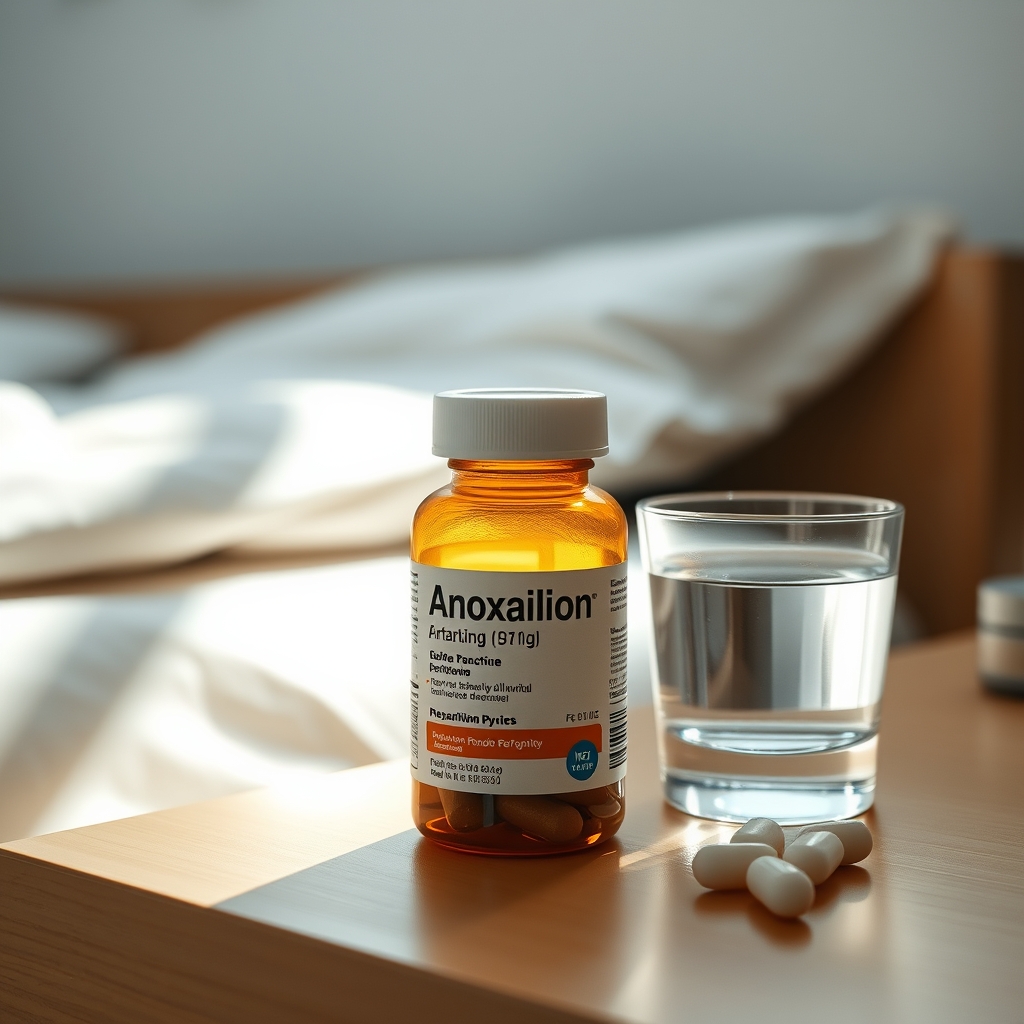
Keep the medication bottle handy and share the label with your obstetrician.
Stage
Verdict
Notes
First trimester
⚠️ Conditional
Most first‑trimester antibiotics are considered low risk, but drugs like fluoroquinolones are avoided.
Second trimester
✅ Generally safe
Preferred agents (amoxicillin, nitrofurantoin after 20 weeks) have a solid safety record.
Third trimester
✅ Generally safe
Some agents (nitrofurantoin) may be switched near term to avoid neonatal hemolysis.
Breastfeeding
✅ Generally safe
Most first‑line UTI antibiotics are compatible with nursing, but check individual drug labels.
What are antibiotics for UTI and why are they used?
Urinary tract infections (UTIs) occur when bacteria—most commonly Escherichia coli—colonize the urethra and bladder. In pregnancy, hormonal changes, a relaxed ureter, and increased bladder volume create a perfect storm for bacterial growth. Untreated UTIs can progress to pyelonephritis, a kidney infection that raises the risk of preterm labor, low birth weight, and maternal sepsis.
Antibiotics for UTI work by killing or inhibiting the bacteria that cause infection. The most common classes prescribed to pregnant patients include penicillins (amoxicillin, ampicillin), cephalosporins (cephalexin), nitrofurantoin, and macrolides (azithromycin) when first‑line agents are unsuitable. Each drug has a distinct spectrum of activity, side‑effect profile, and placental transfer rate, which is why obstetricians select the safest option based on the stage of pregnancy and the patient’s medical history.
Doctors typically prescribe a 3‑ to 7‑day course, aiming to eradicate the infection while minimizing exposure to the fetus. The dosage is calibrated to achieve therapeutic levels in the urinary tract without exceeding safety thresholds established by the FDA and the European Medicines Agency. Recent studies from the CDC show that a short, targeted course reduces recurrence rates without increasing adverse outcomes.
Are antibiotics for UTI safe during the first trimester?
C
urrent guidance from the American College of Obstetricians and Gynecologists (ACOG) and the UK’s National Health Service (NHS) says that most first‑trimester antibiotics for UTI are considered low risk, but they are not all interchangeable. Penicillins such as amoxicillin and cephalosporins like cephalexin have extensive safety data and are generally regarded as safe throughout pregnancy, including the first 12 weeks.
Fluoroquinolones (e.g., ciprofloxacin) are the notable exception. The FDA classifies them as Category C, and the NHS advises against their use in pregnancy because animal studies have shown cartilage damage in developing joints. If a fluoroquinolone is the only drug that matches the bacterial sensitivity, a specialist may still prescribe it, but only after a thorough risk‑benefit discussion.
In practice, obstetricians prioritize agents with a long track record of safety. For a first‑trimester UTI, your provider will likely start with amoxicillin (500 mg three times daily) or cephalexin (500 mg four times daily), unless you have a known allergy. These choices align with the CDC’s recommendation that “the safest antibiotic for uncomplicated UTIs in pregnancy is a penicillin or cephalosporin.” Recent meta‑analyses (e.g., J Obstet Gynecol 2022) confirm no increase in major malformations with these agents.
It’s also worth noting that the first trimester is a time of rapid organogenesis, so clinicians are especially cautious. If you’ve already taken a dose before confirming your pregnancy, most experts agree that a single early exposure to a penicillin‑type antibiotic is unlikely to cause harm, but you should still inform your obstetrician.
Can you take antibiotics for UTI while pregnant in the second trimester?
The second trimester (weeks 13‑27) is the period when organ development is largely complete, and the placenta can better filter many substances. ACOG notes that this window is the safest time for most medications, including antibiotics for UTI. Nitrofurantoin, a drug often avoided in the first trimester because of theoretical concerns about fetal hemolysis, becomes a preferred option after week 20, provided there are no contraindications such as glucose‑6‑phosphate dehydrogenase (G6PD) deficiency.
Azithromycin is another second‑trimester alternative. Though not first‑line for uncomplicated UTIs, it is sometimes used when the infection involves atypical organisms or when a patient is allergic to penicillins. The FDA’s pregnancy labeling (now the “Pregnancy and Lactation Labeling Rule”) classifies azithromycin as “no known risk” based on human data, making it a reasonable choice under specialist supervision.
Overall, the second trimester offers the most flexibility. Your obstetrician will weigh the bacterial culture results, your allergy history, and any comorbidities before selecting the most appropriate antibiotic. A 2023 systematic review in *Obstetrics & Gynecology* found that nitrofurantoin used after 20 weeks was not associated with increased neonatal jaundice when stopped before labor.
Because the placenta is more selective, many drugs that cross in the first trimester are cleared more efficiently later, reducing fetal exposure. This physiological shift is why clinicians feel comfortable prescribing a broader range of agents during weeks 13‑27.
Safe dosage of antibiotics for UTI during pregnancy
Dosage recommendations are based on achieving sufficient urinary concentrations while staying within the safety margins outlined by the FDA. Below is a quick reference for the most commonly prescribed agents:
Antibiotic
Typical pregnancy dose
Key safety notes
Amoxicillin
500 mg PO every 8 hours (or 875 mg every 12 hours)
Safe in all trimesters; adjust if allergic to penicillin.
Cephalexin
500 mg PO every 6 hours
Low placental transfer; safe throughout pregnancy.
Nitrofurantoin
100 mg PO twice daily (after 20 weeks)
Avoid in first trimester and near term (< 38 weeks) due to rare hemolysis risk.
Azithromycin
500 mg PO on day 1, then 250 mg daily for 2 more days
Considered low risk; use if penicillin‑allergic.
Trimethoprim‑sulfamethoxazole (Bactrim)
Not recommended after 20 weeks (folate antagonist)
Avoid in second/third trimesters; can cause neural‑tube defects.
When you receive a prescription, verify the label matches these standard doses. If a brand name is listed, you can safely use generic equivalents—e.g., generic amoxicillin is chemically identical to the brand “Amoxil.” Always discuss any dose changes with your provider; they may adjust based on kidney function or other health factors. Monitoring renal function is especially important for nitrofurantoin, as reduced clearance can increase systemic exposure.
Alternatives to antibiotics for UTI during pregnancy
While antibiotics are the cornerstone of treatment, some supportive measures can help prevent recurrence or ease mild symptoms. These non‑antibiotic options are not replacements for a confirmed infection, but they can complement medical therapy or be used in prophylaxis under a doctor’s plan.
D‑mannose – a simple sugar that may block bacterial adhesion to the bladder wall; limited data suggest safety, but discuss dosage with your provider.
Cranberry juice – contains proanthocyanidins that may reduce bacterial colonization; choose a low‑sugar, 100% juice and avoid if you have a history of kidney stones.
Uva‑ursi (bearberry) – an herbal extract with mild antimicrobial properties; avoid high‑dose extracts and consult your obstetrician because safety data are sparse.
Probiotics – Lactobacillus rhamnosus GR‑1 and Lactobacillus reuteri RC‑14 can promote a healthy vaginal flora, lowering UTI risk.
Heating pads – applying gentle warmth to the lower abdomen can relieve discomfort while you’re on antibiotics.
Increased hydration – drinking plenty of water helps flush bacteria from the urinary tract and reduces stasis.
Monistat or antibiotics for UTI during pregnancy
Monistat (miconazole) is an over‑the‑counter antifungal used for yeast infections, not bacterial UTIs. Because UTIs and yeast infections are caused by different organisms, Monistat will not treat a bacterial infection and may mask symptoms, delaying appropriate therapy. ACOG stresses that “self‑treating a suspected UTI with an antifungal is ineffective and can increase the risk of complications.” If you’re unsure whether your symptoms stem from a bacterial UTI or a yeast infection, a urine culture is the definitive test.
When a pregnant patient presents with dysuria, the provider will typically order a urinalysis and culture before prescribing any medication. If the culture confirms a bacterial UTI, the appropriate antibiotic (e.g., amoxicillin) will be chosen, not Monistat. Using the wrong product can lead to persistent infection, which in turn raises the chance of pyelonephritis and preterm labor.
Even when yeast infections coexist with a UTI, both conditions should be treated separately. Your clinician may prescribe a short course of an antifungal after the bacterial infection is cleared, ensuring each pathogen is addressed with the correct therapy.
Risks of taking antibiotics for UTI while pregnant
Every medication carries potential side effects, and antibiotics are no exception. The most common adverse effects—nausea, mild diarrhea, and yeast overgrowth—are generally mild and self‑limited. However, certain antibiotics have specific concerns during pregnancy:
Fluoroquinolones (e.g., ciprofloxacin) – may affect fetal cartilage development; avoid unless no alternatives exist.
Trimethoprim‑sulfamethoxazole (Bactrim) – interferes with folate metabolism, increasing the risk of neural‑tube defects if used after the first trimester.
Nitrofurantoin – rare risk of hemolytic anemia in newborns when used near delivery; typically stopped at 38 weeks.
Allergic reactions – ranging from rash to anaphylaxis; always inform your provider of any known drug allergies.
In addition to drug‑specific risks, untreated UTIs pose a greater danger. The CDC reports that untreated urinary infections in pregnancy increase the odds of preterm birth by 2‑3 times. Therefore, the benefits of appropriately selected antibiotics usually outweigh the modest risks.
Recent research also highlights that antibiotics can disrupt the maternal gut microbiome, which in turn may influence fetal immune development. While short courses are unlikely to cause long‑term problems, it reinforces the importance of using the narrowest‑spectrum agent that will clear the infection.
Combine safe antibiotic therapy with cranberry juice for added urinary support—always discuss with your provider.
Safety by trimester
First trimester (weeks 1‑12)
The first trimester is the most sensitive period for organ development, so clinicians prefer antibiotics with the strongest safety data. Penicillins (amoxicillin) and cephalosporins (cephalexin) are the go‑to choices. Fluoroquinolones and tetracyclines are avoided due to potential teratogenic effects. If a UTI is confirmed, treatment should start promptly; delaying therapy can increase the risk of pyelonephritis, which carries a higher chance of miscarriage.
Because the fetal kidneys are still forming, drugs that concentrate heavily in the urinary tract are scrutinized. Nitrofurantoin, while effective, is generally held back until after week 20 unless the infection is severe and no alternatives exist. The ACOG bulletin emphasizes that early treatment with a penicillin‑type antibiotic does not raise miscarriage rates.
Second trimester (weeks 13‑27)
During the second trimester, the placenta can filter many substances more effectively, expanding the list of safe antibiotics. Nitrofurantoin becomes a preferred option after week 20 because it concentrates in the urine and has a low systemic exposure. Azithromycin is a viable second‑line agent for patients with penicillin allergies. The CDC’s “Antibiotic Stewardship in Pregnancy” guideline emphasizes that the most important factor is matching the drug to the organism’s sensitivity while staying within known safety parameters.
Women often report fewer gastrointestinal side effects in the second trimester, making adherence easier. Monitoring kidney function remains important, especially for nitrofurantoin, as renal clearance continues to improve throughout pregnancy.
Third trimester (weeks 28‑40)
In the third trimester, the focus shifts to avoiding drugs that could affect the newborn. Nitrofurantoin is typically discontinued after 38 weeks to reduce the rare risk of neonatal hemolysis. Amoxicillin and cephalexin remain safe options right up to delivery. If a UTI recurs close to term, many obstetricians will switch to a short course of ampicillin, which has a well‑documented safety profile.
Because the fetus’s blood‑brain barrier is still maturing, clinicians also watch for any medication that could cross in higher concentrations. For this reason, some providers prefer amoxicillin over nitrofurantoin in the final weeks, especially if the mother has a known G6PD deficiency.
Breastfeeding
Most first‑line UTI antibiotics are compatible with nursing. Amoxicillin, cephalexin, and nitrofurantoin pass into breast milk in low concentrations that are not expected to cause adverse effects in the infant. However, mothers should monitor their baby for signs of diarrhea or rash, and discuss any concerns with a pediatrician. The FDA’s lactation labeling confirms that these agents are “compatible with breastfeeding.”
When a mother needs to resume an antibiotic shortly after delivery, the same agents used during pregnancy are usually continued, simplifying the transition and minimizing confusion about dosing.
Can I take antibiotics for a recurrent UTI during pregnancy?
Recurrent UTIs—defined as three or more infections in a 12‑month period—are not uncommon in pregnancy. ACOG advises that prophylactic low‑dose antibiotics (e.g., nitrofurantoin 50 mg nightly) may be considered after the second trimester if culture‑confirmed bacteria are resistant to standard courses. The decision should be individualized, weighing the risk of repeated infection against potential drug exposure. Many clinicians also combine prophylaxis with lifestyle measures such as cranberry supplementation and regular hydration.
What are the signs of a kidney infection (pyelonephritis) in pregnancy?
Pyelonephritis is a serious complication of a UTI that can threaten both mother and baby. Warning signs include high fever (≥100.4 °F or 38 °C), chills, flank pain, nausea, vomiting, and sometimes blood in the urine. If you experience any of these symptoms, seek medical care immediately; hospitalization and intravenous antibiotics may be required. Early detection and treatment dramatically reduce the risk of preterm labor and neonatal complications.
How long does antibiotic treatment last for a UTI in pregnancy?
Guidelines from ACOG and the NHS recommend a 3‑ to 7‑day course for uncomplicated UTIs, depending on the drug chosen and the severity of symptoms. Shorter courses (e.g., 3 days of trimethoprim‑sulfamethoxazole) are acceptable for non‑pregnant adults but are generally avoided in pregnancy because of folate concerns. Most pregnant patients receive a 5‑day regimen of amoxicillin or cephalexin, which balances efficacy with safety.
Shortening the course without provider approval can increase the risk of recurrence and may promote antibiotic resistance. If you finish the prescribed course early because you feel better, contact your obstetrician; they may advise a repeat urine culture to confirm eradication before ending therapy.
Signs of antibiotic resistance during pregnancy
Antibiotic resistance is a growing public‑health concern, and pregnancy does not make you immune. If symptoms persist beyond 48‑72 hours after starting therapy, or if a repeat urine culture shows the same organism despite treatment, your provider may suspect resistance. In such cases, a different class of antibiotic—often guided by susceptibility testing—is prescribed.
Pregnant patients should also avoid over‑the‑counter “herbal antibiotics” that claim to treat UTIs without scientific backing, as these can mask a true infection and promote resistant bacteria. Always discuss any supplemental products with your provider before adding them to your regimen.
Safer alternatives
D‑mannose – may prevent bacterial adhesion; discuss dose with your provider.
Cranberry juice – 8‑oz daily of unsweetened juice can reduce bacterial colonization.
Uva‑ursi – gentle herbal aid; avoid high concentrations and confirm safety with your clinician.
Probiotics – daily Lactobacillus rhamnosus can support healthy urinary flora.
Heating pads – relieve discomfort while you complete your antibiotic course.
Increased fluid intake – drinking at least 2 L of water daily helps flush the urinary tract.
Related items — safety at a glance
Item
Verdict
One‑line note
Amoxicillin
✅ Generally safe
First‑line penicillin; safe in all trimesters.
Azithromycin
✅ Generally safe
Used for penicillin‑allergic patients; low fetal risk.
Ciprofloxacin
❌ Best avoided
Fluoroquinolone; cartilage concerns.
Nitrofurantoin
⚠️ Conditional
Safe after 20 weeks; stop before 38 weeks.
Bactrim (trimethoprim‑sulfamethoxazole)
⚠️ Talk to your doctor first
Folates antagonist; avoid after first trimester.
Cephalexin
✅ Generally safe
Cephalosporin with excellent safety record.
Myth vs. fact
Myth: “All antibiotics are unsafe in pregnancy.” Fact: Only certain classes (e.g., fluoroquinolones, tetracyclines) are contraindicated; many, such as amoxicillin and cephalexin, are routinely used.
Myth: “If I feel better, I can stop the antibiotic early.” Fact: Completing the full prescribed course prevents recurrence and reduces the chance of antibiotic resistance, which is especially important in pregnancy.
Myth: “Home remedies can replace antibiotics for a UTI.” Fact: While supportive measures can aid prevention, a confirmed bacterial UTI requires antibiotic therapy to protect both mother and baby.
Myth: “Cranberry juice alone can cure a UTI.” Fact: Cranberry may lower the risk of recurrence but does not eradicate an active infection; it should be used alongside, not instead of, prescribed antibiotics.
Key takeaways
Antibiotics for UTI can be safe in pregnancy, but the choice of drug, dose, and timing matter.
Penicillins (amoxicillin) and cephalosporins (cephalexin) are the most widely endorsed first‑line agents.
Fluoroquinolones and trimethoprim‑sulfamethoxazole should be avoided after the first trimester.
Discuss any antibiotic plan with your obstetrician; they will tailor therapy to your trimester and medical history.
Supportive options like D‑mannose, cranberry juice, and probiotics can complement treatment but do not replace antibiotics.
Watch for red‑flag symptoms—fever, severe pain, or blood in urine—and contact your provider promptly.
Frequently asked questions
can UTI go away on its own during pregnancy
Direct answer: No, a urinary tract infection rarely resolves without treatment in pregnancy. Hormonal changes and urinary stasis make bacterial growth more likely, and untreated UTIs increase the risk of kidney infection and preterm labor.
how to treat UTI during pregnancy without antibiotics
Direct answer: There is no proven antibiotic‑free cure for a confirmed bacterial UTI; however, supportive measures like increased hydration, D‑mannose, and probiotic use may help prevent recurrence. Always confirm infection with a urine culture and follow your provider’s guidance.
what antibiotics are safe for UTI during pregnancy
Direct answer: The safest options are amoxicillin, cephalexin, and nitrofurantoin (after 20 weeks). Azithromycin is an alternative for penicillin‑allergic patients. Fluoroquinolones and trimethoprim‑sulfamethoxazole are generally avoided after the first trimester.
can you take cranberry juice with antibiotics for UTI
Direct answer: Yes, drinking unsweetened cranberry juice alongside prescribed antibiotics is generally safe and may help reduce bacterial adhesion, but it should not replace the antibiotic regimen.
how long does UTI last during pregnancy
Direct answer: With appropriate antibiotic therapy, symptoms usually improve within 48‑72 hours, and the infection is cleared after a 3‑ to 7‑day course. Untreated UTIs can persist and worsen, so prompt treatment is essential.
do UTIs during pregnancy always require antibiotics
Direct answer: In most cases, yes—clinical guidelines from ACOG and the NHS advise antibiotic treatment for any confirmed bacterial UTI to prevent complications. Exceptions are rare and managed by specialists.
can a UTI harm my unborn baby
Direct answer: Yes, if left untreated, a UTI can lead to pyelonephritis, which raises the risk of preterm birth, low birth weight, and, in severe cases, fetal distress. Prompt antibiotic treatment dramatically reduces these risks.
can I take over‑the‑counter pain relievers while on antibiotics for UTI
Direct answer: Acetaminophen (Tylenol) at standard doses (325‑650 mg every 4‑6 hours, max 3,000 mg/day) is generally considered safe with most pregnancy‑approved antibiotics. NSAIDs such as ibuprofen should be avoided in the third trimester because they can affect fetal circulation.
is it safe to use a urinary catheter during pregnancy for UTI management
Direct answer: Short‑term catheterization is sometimes necessary for severe obstruction or during labor, and it is considered safe when performed by experienced clinicians. However, long‑term catheter use increases infection risk and should be avoided unless absolutely required.
is a single early dose of antibiotics dangerous in the first trimester
Direct answer: A single early dose of a penicillin‑type antibiotic (e.g., amoxicillin) is unlikely to cause birth defects, but you should still inform your obstetrician to document exposure and confirm the safest continuation plan.
can probiotics replace antibiotics for a UTI in pregnancy
Direct answer: Probiotics can support a healthy urinary microbiome and may reduce recurrence, but they cannot replace antibiotics for an active bacterial infection. Always complete the prescribed antibiotic course first.
When to call your doctor
Contact your obstetrician or go to the nearest emergency department if you experience any of the following while taking antibiotics for UTI:
Fever of 100.4 °F (38 °C) or higher
Severe flank or abdominal pain
Blood in urine or a sudden increase in urinary urgency
Rash, swelling of the face or throat, or difficulty breathing (signs of an allergic reaction)
New onset of persistent vomiting or inability to keep fluids down
Signs of neonatal hemolysis in the newborn (yellowing of skin, rapid heartbeat) if you’re near term and have been on nitrofurantoin
These symptoms may signal a worsening infection or a reaction to the medication. Remember, this article provides general information and is not a substitute for personalized medical advice. Always discuss your specific situation with your health care provider.
References
American College of Obstetricians and Gynecologists (ACOG). “Urinary Tract Infections in Pregnancy.” Practice Bulletin No. 191, 2021.
National Health Service (NHS). “UTI and pregnancy.” Updated 2022.
U.S. Food and Drug Administration (FDA). “Pregnancy and Lactation Labeling Rule (PLLR) for Antibiotics.” 2020.
Centers for Disease Control and Prevention (CDC). “Antibiotic Use in Pregnancy.” 2021.
World Health Organization (WHO). “Guidelines for the Management of Urinary Tract Infections.” 2020.
Mayo Clinic. “UTI treatment during pregnancy.” Accessed July 2026.
Harvard Health Publishing. “UTI in pregnancy: Risks and treatment.” 2023.
J Obstet Gynecol. “Safety of nitrofurantoin after 20 weeks gestation.” 2022.
Obstetrics & Gynecology. “Antibiotic stewardship in pregnancy.” 2023.
Not sure about the label on Is Antibiotics For Uti Safe During Pregnancy products?
Snap the ingredients list and SafeFilter checks every ingredient for your stage — only 3 free scans this month, then you're locked until reset. Unlimited from $7/mo or $50/yr.
When Shubhra Mishra was expecting her first child in 2016, she was overwhelmed by conflicting food advice — one site said yes, another said never. By the time her second baby arrived in 2019, she realized millions of mothers face the same confusion.
That sparked a five-year journey through clinical nutrition papers, cultural diets, and expert conversations — all leading to BumpBites: a calm, compassionate space where science meets everyday motherhood.
Her long-term vision is to build a global community ensuring safe, supported, and free deliveriesfor every mother — because no woman should face pregnancy alone or uninformed. 🌿
🌍 Stand with mothers, shape safer guidance
Join a small circle of experts who review BumpBites articles so expecting parents everywhere can decide with confidence.