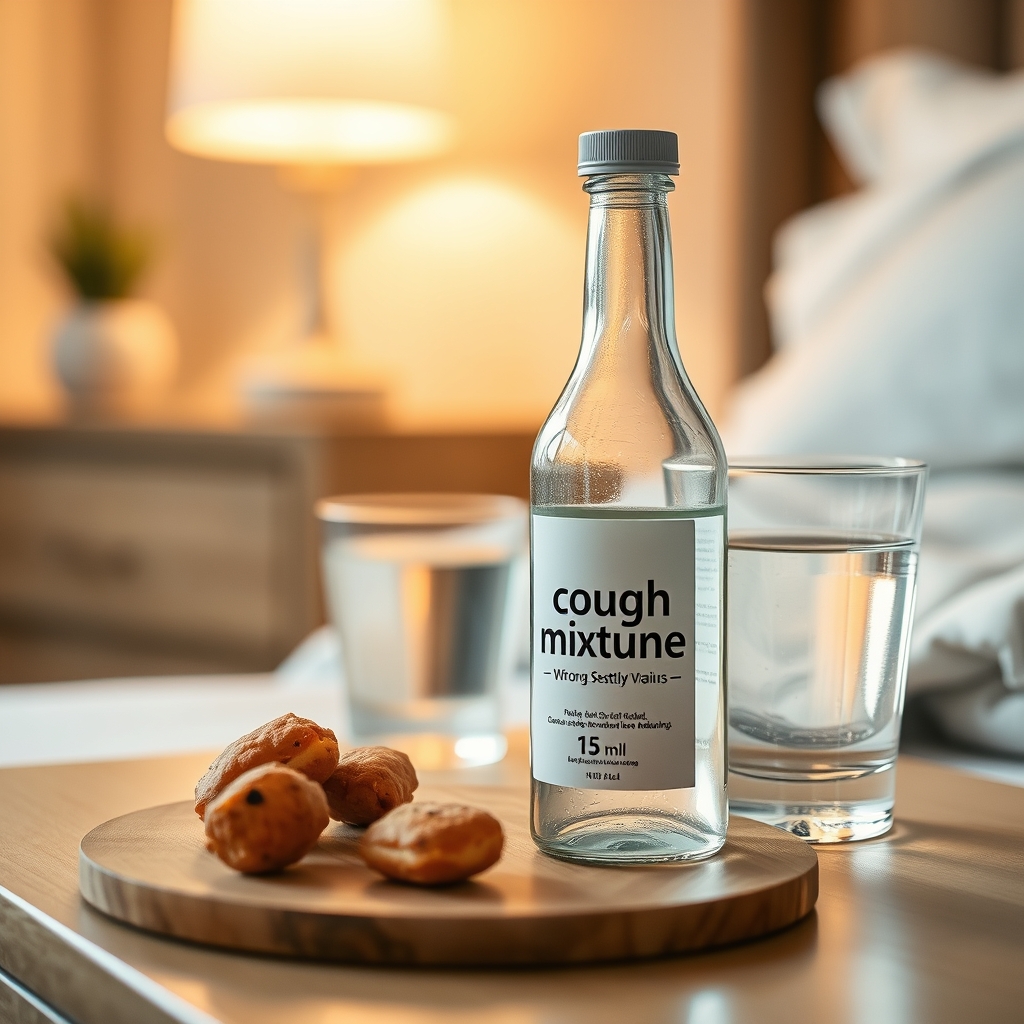
Cough mixture is generally safe during pregnancy when used in limited doses, especially in the second and third trimesters with a recommended dosage
By Shubhra Mishra — a mom of two who turned her own confusion during pregnancy into BumpBites, a global mission to make food choices clear, safe, and stress-free for every expecting mother. 💛
Check whether any food is safe during pregnancy with the BumpBites Food Safety Checker.
Quick verdict: ⚠️ Talk to your doctor first. Some cough mixture ingredients are considered safe in pregnancy, but several common components—especially in the first trimester—should be avoided or used only under medical supervision. Check the ingredient list, follow recommended dosages, and consider non‑medicinal alternatives whenever possible.
It’s 2 a.m., the house is quiet, and a persistent cough is keeping you awake. You glance at the nightstand and see a bottle of cough mixture that you’ve taken a few times already. “Is this safe for my baby?” you wonder, feeling a wave of anxiety. You’re not alone—many expecting parents search “cough mixture safe for pregnancy” in the middle of the night, hoping for reassurance.
The good news is that not all cough medicines are created equal. Some ingredients, like certain expectorants, are generally regarded as low‑risk, while others—especially decongestants and certain antihistamines—can pose concerns during early fetal development. In this article we’ll break down the current guidance from ACOG, the NHS, the FDA, and other reputable bodies, explain which ingredients are safe, how dosage changes across trimesters, and what gentler, pregnancy‑friendly options you can try instead.
By the end of this guide you’ll know exactly which cough mixture ingredients you can use, how much is considered safe, which brands are most trustworthy, and when it’s time to call your provider. Let’s turn that midnight worry into confidence.
Stage
Verdict
Notes
First trimester
⚠️ Use only under physician guidance
Avoid decongestants (e.g., pseudoephedrine) and high‑dose antihistamines; expectorants like guaifenesin are generally low‑risk.
Second trimester
✅ Generally safe with limits
Most OTC expectorants and cough suppressants (e.g., dextromethorphan) are acceptable at standard adult doses.
Third trimester
✅ Generally safe with limits
Same guidance as second trimester; monitor for increased reflux or heartburn that can worsen cough.
Breastfeeding
⚠️ Talk to your doctor
Most OTC ingredients pass into breast milk in minimal amounts, but some (e.g., codeine) are best avoided.
Keep a bottle of verified cough mixture within reach, but always read the label before use.
Which cough mixture ingredients are safe during pregnancy?
Cough mixtures are a blend of one or more active ingredients that either suppress the cough reflex (cough suppressants) or loosen mucus (expectorants). The most common components you’ll see on the label include:
Dextromethorphan – a cough suppressant that works on the brain’s cough center.
Guaifenesin – an expectorant that thins mucus, making it easier to clear.
Phenylephrine or Pseudoephedrine – nasal decongestants that shrink swollen blood vessels.
Antihistamines such as diphenhydramine or chlorpheniramine – reduce post‑nasal drip.
Acetaminophen – often added for pain relief or fever reduction.
According to the American College of Obstetricians and Gynecologists (ACOG) and the UK’s National Health Service (NHS), cough mixture safe for pregnancy depends largely on these ingredients. Dextromethorphan and guaifenesin have the most supportive data, showing no clear increase in birth defects when used at standard adult doses. In contrast, pseudoephedrine (a stimulant decongestant) is linked to a modest rise in the risk of low birth weight and should be avoided, especially in the first trimester.
When evaluating any cough mixture, look for clear labeling that lists each active component and its concentration. If a product contains multiple ingredients, each must be considered individually for safety.
Is cough syrup safe during the first trimester?
The first trimester is the period of organogenesis, when the fetus’s major organs are forming. Because of this heightened sensitivity, the NHS advises that pregnant people limit exposure to any medication that could interfere with fetal development unless the benefit clearly outweighs the risk.
For cough syrup, the consensus among obstetric experts is:
Dextromethorphan – generally regarded as low‑risk; the FDA classifies it as Pregnancy Category C, meaning animal studies have shown some risk, but human data are limited. Most clinicians consider occasional short‑term use acceptable.
Guaifenesin – also Category C, but several cohort studies have not identified a teratogenic signal. It’s often recommended as a first‑line option if a cough is severe enough to affect sleep or nutrition.
Decongestants (pseudoephedrine, phenylephrine) – should be avoided in the first trimester due to potential vasoconstriction that may reduce placental blood flow.
Antihistamines – diphenhydramine (Benadryl) is considered relatively safe, but chlorpheniramine may cause drowsiness and is less preferred.
In short, a cough mixture that contains only dextromethorphan and/or guaifenesin, without decongestants, is often deemed “cough mixture safe for pregnancy” in the first trimester, provided you stay within recommended dosing. Always double‑check with your provider, especially if you have underlying health conditions.
Cough medicine safety in second and third trimesters
By the second trimester, the risk of structural birth defects declines, and many medications become permissible if they address a genuine health need. ACOG notes that dextromethorphan and guaifenesin remain low‑risk throughout pregnancy, and the FDA does not list them as contraindicated.
During the third trimester, the primary concerns shift to maternal comfort and potential effects on labor. Some cough suppressants can cause drowsiness, which might increase fall risk, while certain decongestants can raise blood pressure. The NHS advises that pregnant people continue to avoid pseudoephedrine in the third trimester unless a physician explicitly recommends it for severe nasal congestion.
Overall, the safest approach in later pregnancy is to stick with single‑ingredient products—preferably those containing only dextromethorphan or guaifenesin—and to keep the dose at the lowest effective level.
Recommended dosage for cough mixture when pregnant
For most over‑the‑counter cough mixtures that contain dextromethorphan (often 10 mg per dose) or guaifenesin (100 mg per dose), the standard adult dosing is:
Take one dose every 4–6 hours as needed.
Do not exceed 4 doses (40 mg dextromethorphan or 400 mg guaifenesin) in a 24‑hour period.
These limits align with the FDA’s labeling for adult use and are echoed by the Mayo Clinic’s guidance for pregnant patients. If a product combines both dextromethorphan and guaifenesin, the total dose should still not exceed the individual maximums for each ingredient.
For pregnant individuals with chronic conditions (e.g., asthma) that require regular cough suppressant use, the provider may prescribe a tailored regimen. In all cases, avoid “extra‑strength” formulations that contain higher concentrations of active ingredients without medical oversight.
Honey and lemon tea can soothe a cough without medication.
Safe natural alternatives for cough relief during pregnancy
Honey and lemon tea – honey coats the throat and lemon provides vitamin C; both are safe for most pregnant adults.
Humidifier – adds moisture to the air, reducing irritation of the throat and airways.
Saltwater gargle – loosens mucus and eases throat soreness.
Menthol cough drops – provide a cooling sensation; choose sugar‑free options if you’re monitoring glucose.
Warm compresses – applied to the chest can relieve muscle tension that worsens cough.
Vapor rub (external use) – menthol and eucalyptus vapors can open airways; avoid applying near the face of a newborn.
Plenty of rest and increased fluid intake – the simplest yet most effective ways to support the immune system.
Specific cough syrup brands safe for pregnant women
When you’re looking at the pharmacy aisle, a few brands stand out for their transparent labeling and limited ingredient lists. The following are commonly recommended by obstetricians when a cough suppressant is truly needed:
Delsym – extended‑release dextromethorphan (30 mg per dose); follow the 4‑dose‑per‑day limit.
Benadryl Cough – combines diphenhydramine (an antihistamine) with dextromethorphan; safe if antihistamine is tolerated.
Vicks NyQuil Cough – contains dextromethorphan and guaifenesin, but no pseudoephedrine.
Always verify the ingredient list—some “nighttime” formulas add additional sedatives or decongestants that are not pregnancy‑friendly. If you’re unsure, bring the bottle to your prenatal visit and ask for clarification.
Potential risks and side effects of cough medicine in pregnancy
Most cough suppressants are well‑tolerated, but side effects can still occur. Common, non‑serious reactions include:
Drowsiness or mild dizziness (especially with antihistamine‑containing products).
Nausea or mild stomach upset.
Dry mouth, which can be mitigated by sipping water.
More concerning signs that warrant immediate medical attention include:
Severe shortness of breath, chest pain, or wheezing.
Rapid heartbeat, high blood pressure, or swelling—possible signs of a reaction to a decongestant.
Any rash, swelling of the face or throat, or difficulty breathing—possible allergic reaction.
While dextromethorphan has not been linked to birth defects, the FDA’s pregnancy category C status means that theoretical risks cannot be completely ruled out. The CDC emphasizes that any medication taken during pregnancy should be the lowest effective dose for the shortest duration needed.
Safer alternatives
Honey and lemon tea – soothing, antimicrobial, and safe for most pregnant adults.
Saline nasal spray – clears congestion without systemic medication.
Humidifier – moist air reduces throat irritation.
Saltwater gargle – inexpensive and effective for throat soreness.
Menthol cough drops – provide a cooling effect; choose sugar‑free if needed.
Warm compresses – relax chest muscles and ease cough spasms.
Vapor rub (external use) – mentholated vapor helps open airways; safe when applied away from the infant’s face.
Plenty of rest and fluids – supports the body’s natural healing processes.
Related items — safety at a glance
Item
Verdict
One‑line note
Paracetamol (Acetaminophen)
✅ Generally safe
First‑line pain and fever reducer; avoid high doses.
Ibuprofen
⚠️ Avoid after 20 weeks
NSAID that can affect fetal circulation.
Pseudoephedrine
❌ Best avoided
Decongestant linked to low birth weight.
Phenylephrine
⚠️ Use only with doctor’s advice
Less data than pseudoephedrine, but similar concerns.
Diphenhydramine
✅ Generally safe
Antihistamine; may cause drowsiness.
Loratadine
✅ Generally safe
Non‑sedating antihistamine; safe for allergy relief.
Guaifenesin
✅ Generally safe
Expectorant; helps clear mucus.
Dextromethorphan
✅ Generally safe
Cough suppressant; keep within adult dosing limits.
Sore throat lozenges
✅ Generally safe
Prefer sugar‑free; avoid menthol if sensitive.
Nasal decongestant sprays
⚠️ Short‑term only
Can cause rebound congestion; limit to 3 days.
Myth vs. fact
Myth: All cough syrups are unsafe once you’re pregnant.
Fact: Many over‑the‑counter cough mixtures that contain only dextromethorphan or guaifenesin are considered low‑risk when used at standard adult doses, according to ACOG and the FDA.
Myth: Herbal “natural” cough remedies are always safer than pharmacy products.
Fact: Some herbs, such as pennyroyal or licorice root, can be harmful in pregnancy. Always verify the safety of herbal ingredients with a healthcare professional.
Myth: If a cough medicine works for you, it must be safe for your baby.
Fact: The safety of a medication for the mother does not automatically translate to fetal safety. Ingredients that affect blood pressure or hormone levels can impact the developing fetus even if they relieve symptoms.
Key takeaways
Only cough mixtures that contain dextromethorphan, guaifenesin, or diphenhydramine (without decongestants) are generally considered safe for pregnancy.
Use the lowest effective dose, no more than four doses in 24 hours, and avoid “extra‑strength” formulations without doctor approval.
First‑trimester exposure to decongestants like pseudoephedrine should be avoided; discuss any needed use with your provider.
Non‑medicinal options—honey‑lemon tea, saline spray, humidifier—are effective and carry no drug‑related risk.
Always read the label, confirm ingredients, and consult your obstetrician before starting any new cough medication.
Frequently asked questions
What cough syrup is safe to take during pregnancy?
Most clinicians recommend cough syrups that contain only dextromethorphan or guaifenesin, such as Delsym or Robitussin Cough & Chest Congestion, because these ingredients have not been linked to birth defects when used at standard adult doses.
Can I take dextromethorphan while pregnant?
Yes, dextromethorphan is generally considered low‑risk and is often listed as “cough mixture safe for pregnancy” when taken at the recommended adult dose (up to 40 mg per day). Always confirm with your provider, especially if you have other health concerns.
Is Mucinex safe for pregnant women?
Mucinex products contain guaifenesin, an expectorant that is usually deemed safe in pregnancy. However, many Mucinex formulations also include decongestants like pseudoephedrine, which should be avoided, especially in the first trimester.
What cough drops are safe during pregnancy?
Plain menthol or honey‑flavored cough drops without added caffeine or alcohol are safe. Choose sugar‑free varieties if you’re monitoring blood glucose, and avoid drops that contain high‑dose antihistamines.
Can I use Vicks VapoRub when pregnant?
Vicks VapoRub is safe for external use during pregnancy; the menthol and eucalyptus oils are not absorbed systemically in harmful amounts. Apply it to the chest or back, but keep it away from the infant’s face.
What natural remedies help a cough during pregnancy?
Honey and lemon tea, saline nasal spray, a cool‑mist humidifier, saltwater gargles, and plenty of fluids are all evidence‑based, non‑medicinal ways to soothe a cough without exposing the fetus to drug ingredients.
Is Benylin safe during pregnancy?
Benylin offers several formulations; the ones that combine dextromethorphan with guaifenesin are usually safe, but those that add pseudoephedrine or other decongestants should be avoided unless a doctor specifically prescribes them.
What cold medicine can I take while pregnant?
The safest over‑the‑counter cold medicines are those containing only acetaminophen for pain/fever and either dextromethorphan or guaifenesin for cough. Avoid multi‑symptom products that include decongestants, antihistamines with sedating effects, or high‑dose vitamins.
When to call your doctor
If you experience any of the following, contact your obstetric provider promptly:
Fever that persists for more than 24 hours despite acetaminophen.
Severe shortness of breath, chest pain, or wheezing that does not improve.
Rapid heart rate, high blood pressure, or swelling of the hands, feet, or face.
Signs of an allergic reaction: rash, itching, swelling of the face or throat, or difficulty breathing.
A cough that lasts longer than two weeks or is accompanied by blood‑tinged sputum.
These symptoms could indicate an underlying infection, asthma exacerbation, or another condition that requires targeted treatment. Remember, this article provides general information and is not a substitute for personalized medical advice. Always discuss any medication changes with your healthcare provider.
References
American College of Obstetricians and Gynecologists (ACOG). “Medication Use During Pregnancy.” Updated 2023.
National Health Service (NHS). “Cough Medicines and Pregnancy.” Reviewed 2022.
U.S. Food and Drug Administration (FDA). “Pregnancy Category Classification.” Accessed 2024.
Centers for Disease Control and Prevention (CDC). “Pregnancy and Medication Safety.” 2023.
Mayo Clinic. “Dextromethorphan (Cough Suppressant) – Safety During Pregnancy.” Updated 2023.
World Health Organization (WHO). “Guidelines on the Use of Medicines in Pregnancy.” 2022.
British Committee for Standards in Haematology. “Use of Decongestants in Pregnancy.” 2021.
American Academy of Pediatrics (AAP). “Honey Use in Pregnancy and Infancy.” 2022.
National Institute for Health and Care Excellence (NICE). “Managing Upper Respiratory Infections in Pregnancy.” 2023.
U.S. National Library of Medicine. “Guaifenesin – Pregnancy and Lactation.” 2023.
Not sure about the label on Is Cough Mixture Safe During Pregnancy products?
Snap the ingredients list and SafeFilter checks every ingredient for your stage — only 3 free scans this month, then you're locked until reset. Unlimited from $7/mo or $50/yr.
When Shubhra Mishra was expecting her first child in 2016, she was overwhelmed by conflicting food advice — one site said yes, another said never. By the time her second baby arrived in 2019, she realized millions of mothers face the same confusion.
That sparked a five-year journey through clinical nutrition papers, cultural diets, and expert conversations — all leading to BumpBites: a calm, compassionate space where science meets everyday motherhood.
Her long-term vision is to build a global community ensuring safe, supported, and free deliveriesfor every mother — because no woman should face pregnancy alone or uninformed. 🌿
🌍 Stand with mothers, shape safer guidance
Join a small circle of experts who review BumpBites articles so expecting parents everywhere can decide with confidence.