Wondering how much water to drink while pregnant? Aim for 8-12 glasses (64-96 ounces) daily to support your health and baby's development. Our guide explains why hydration is crucial and offers tips to meet your daily water intake goals safely and effectively during pregnancy.
By Shubhra Mishra — a mom of two who turned her own confusion during pregnancy into BumpBites, a global mission to make food choices clear, safe, and stress-free for every expecting mother. 💛
Check whether any food is safe during pregnancy with the BumpBites Food Safety Checker.
Quick take: Most pregnant people need about 2.7 L (≈ 9 cups) of total fluids a day, but needs can rise to 3 L in the second trimester and even higher in hot weather or with increased activity. Sip water throughout the day, track your intake with a calculator, and watch for thirst, dark urine, or dizziness as signs you may need more.
It’s 2 a.m., you’re curled up on the couch, and that restless feeling in your belly has you wondering whether the half‑glass of water you just finished will be enough for the day. You’ve heard “drink more water” everywhere—from your friend’s Instagram post to the prenatal class handout—but the exact amount feels fuzzy, especially as your pregnancy progresses. You’re not alone; countless expecting parents grapple with the same question, and the answer isn’t a one‑size‑fits‑all number.
🔢 Calculate it for your situation: Use our Pregnancy Water Intake for a personalized result in seconds.
In this guide we’ll break down exactly how much water you should aim for, why staying hydrated matters for both you and your baby, what signs signal dehydration, and practical ways to hit your daily goal without feeling like you’re chugging a river. We’ll also explain how other drinks count toward your fluid total, whether you can drink too much, and give you a simple calculator to personalize the recommendation. By the end you’ll have a clear, science‑backed plan you can trust.
What is the basic daily water recommendation for pregnancy?
The Institute of Medicine (now the National Academy of Medicine) suggests that the average adult woman needs about 2.7 L (≈ 9 cups) of total water each day from all beverages and foods. During pregnancy, the American College of Obstetricians and Gynecologists (ACOG) adds roughly 300 mL (≈ 1 cup) to that baseline to support the growing placenta, amniotic fluid, and increased blood volume. In practical terms, most clinicians advise pregnant individuals to aim for 2.8–3.0 L (≈ 9–10 cups) of fluids daily.
That figure includes water you drink straight, plus the water naturally present in foods like fruit, soups, and milk. For most people, the bulk of the fluid comes from plain water, but the total still counts toward the daily goal. If you’re in a hot climate, exercising, or have a fever, you may need an extra 250–500 mL on top of the baseline.
Water isn't just about quenching thirst; it's the invisible workhorse behind every critical process in your body. During pregnancy, your body is a bustling factory, and water is the main transport system. It helps carry essential nutrients like vitamins and minerals from your bloodstream to your growing baby via the placenta, ensuring they get all they need for healthy development. Simultaneously, it acts as a waste disposal system, flushing out metabolic byproducts and toxins from both your body and your baby's, which are filtered by your kidneys. This increased workload on your kidneys means they need more fluid to operate efficiently and prevent strain.
Beyond these vital functions, sufficient water intake also plays a role in maintaining your own comfort and health. It lubricates your joints, which can be under extra stress from weight gain, and helps regulate your body temperature, preventing overheating, which can be more common due to increased metabolic activity. So, when we talk about reaching your daily fluid goal, it’s not just about hitting a number; it’s about supporting a complex, interconnected system that’s working hard for two.
Because every body is different, the exact target can vary. That’s why many providers suggest using a simple calculator to personalize the recommendation based on your weight, activity level, and local temperature. Our Pregnancy Water Intake tool does exactly that—just plug in a few numbers and you’ll get a daily fluid goal that feels realistic for you.
Remember, the goal isn’t to force yourself to finish a set number of glasses. It’s to keep your urine light‑yellow, your mouth moist, and your energy steady. If you consistently meet the guideline, you’re giving your baby the hydration it needs for healthy development.
Plain water is the simplest way to meet your daily fluid goal.
How do trimester, activity, climate, and health conditions affect water needs?
Water
needs aren’t static; they shift as your pregnancy advances. In the first trimester, many people experience nausea and vomiting, which can actually reduce fluid intake. By the second trimester, blood volume expands by about 30 % and amniotic fluid peaks, increasing the demand for water. The third trimester adds the extra weight of the baby and higher metabolic rate, often nudging the recommended intake up another 200–300 mL.
The hormonal shifts throughout pregnancy can also influence your fluid balance and thirst cues. Progesterone, for instance, can slightly increase body temperature, making you feel warmer and potentially more prone to dehydration. Estrogen can affect kidney function and fluid retention. These hormonal dances mean your body's signals might be a little different than pre-pregnancy, underscoring the importance of proactive hydration rather than just waiting until you feel parched.
Many expecting parents find their thirst dramatically increases in the second and third trimesters, a clear sign their body is asking for more. One mom we spoke with described it as "feeling like I'd just run a marathon, even after sitting still for an hour." This intense thirst is your body's clever way of signaling the heightened demands of pregnancy. It’s a good idea to keep a water bottle with you at all times, making it easy to respond to these cues instantly.
Physical activity also matters. The CDC notes that moderate exercise—like a brisk 30‑minute walk—can increase fluid loss through sweat. If you’re exercising regularly, add roughly 350 mL (≈ 12 oz) for each 30‑minute session. Conversely, if you’re mostly sedentary, the baseline recommendation suffices unless other factors intervene.
Climate is another big driver. A study from the UK’s NHS highlights that people in hot, humid environments lose up to 1 L of water per day just from perspiration. In such settings, increase your intake by 250–500 mL and monitor urine color more closely. Conversely, cooler climates may not require the same boost, but you should still aim for the baseline.
Health conditions like diabetes, hyperemesis gravidarum (severe morning sickness), or kidney issues can dramatically alter fluid needs. For example, women with gestational diabetes are often advised to spread fluid intake throughout the day to avoid blood‑sugar spikes, while those with hyperemesis may need IV fluids under medical supervision. Always discuss any chronic condition with your provider to tailor the recommendation.
In short, think of the baseline (≈ 2.8 L) as a starting line. From there, add 250–500 mL for each of the following: second or third trimester, regular moderate exercise, hot weather, or a specific health condition that increases fluid loss. Your personal calculator can help you add these variables up without the guesswork.
What are the benefits of staying well‑hydrated during pregnancy?
Keeping hydrated supports several key physiological processes that protect both you and your developing baby. First, water makes up about 95 % of amniotic fluid, which cushions the fetus, facilitates movement, and helps regulate temperature. Adequate fluid intake helps maintain that protective cushion.
Second, proper hydration aids digestion and reduces constipation—a common complaint in pregnancy. Fiber works best when paired with enough water, allowing waste to move smoothly through the intestines. This can also alleviate heartburn, another frequent discomfort.
Third, the increased blood volume during pregnancy relies on plasma, the liquid component of blood, which is largely water. When you’re well‑hydrated, your blood can carry oxygen and nutrients more efficiently, supporting fetal growth and reducing the risk of orthostatic dizziness or low blood pressure.
Fourth, research from the American Journal of Obstetrics & Gynecology suggests that adequate hydration may lower the incidence of urinary tract infections (UTIs), a condition that can become more common as the uterus presses on the bladder. Drinking enough water helps flush bacteria from the urinary tract, lowering infection risk.
Finally, many people find that sipping water throughout the day eases mild nausea and reduces the severity of morning sickness. The fluid helps dilute stomach acid and keeps the gastrointestinal tract moving, which can make meals more tolerable.
Beyond physical functions, hydration also plays a subtle but significant role in your overall well-being. Many pregnant individuals report feeling more energetic and less fatigued when consistently hydrated. Dehydration, even mild, can lead to sluggishness and brain fog, making those already challenging pregnancy days even harder. Proper fluid intake supports cellular function and nutrient delivery to your brain, helping maintain mental clarity and mood stability.
While it might seem counterintuitive, adequate hydration can actually help reduce some forms of swelling (edema), particularly in the hands, feet, and ankles—a common pregnancy complaint. When you’re dehydrated, your body tends to hold onto fluid, thinking it needs to conserve water. By drinking enough, you signal to your kidneys that they can release excess fluid, which can help alleviate discomfort. The NHS often advises maintaining good hydration as a first-line defense against mild pregnancy swelling.
Regular sips keep you comfortable and support fetal development.
What are the signs of dehydration, and why is it risky?
Dehydration can sneak up on you, especially when nausea or a busy schedule masks thirst. The most reliable early sign is dark‑yellow urine; a pale straw color usually means you’re hydrated. Other warning signs include a dry mouth, feeling unusually thirsty, headaches, dizziness, or a rapid heartbeat.
In pregnancy, dehydration can have more serious consequences. Low fluid levels may reduce amniotic fluid volume, potentially impacting fetal movement and cushioning. Severe dehydration can also trigger uterine contractions or preterm labor, according to ACOG. Moreover, reduced blood volume can lead to orthostatic hypotension—feeling light‑headed when you stand up quickly—which raises fall risk.
It’s not just the immediate effects that are concerning. Prolonged or severe dehydration can also impact the development of the placenta and fetal organs, though this is rare in mild cases. The critical balance of electrolytes, which are essential for nerve and muscle function, can be disrupted. This is particularly important for the heart, which is already working harder during pregnancy.
A specific concern in later pregnancy is the potential for dehydration to trigger Braxton Hicks contractions, often called "practice contractions." While usually harmless, persistent Braxton Hicks can be uncomfortable and, in some cases, may be difficult to distinguish from early labor contractions. Rehydrating often helps to calm these uterine spasms, making it a crucial first step if you experience them frequently. If contractions don't subside with rest and fluids, or become regular and painful, it's always best to contact your provider.
Because the body conserves water by reducing sweat, you might not notice the loss during hot weather. That’s why it’s crucial to check your urine color at least twice a day and keep a water bottle within arm’s reach. If you notice any of the red‑flag symptoms—persistent dizziness, fainting, rapid heartbeat, or a sudden decrease in fetal movement—contact your provider immediately.
Even mild dehydration can exacerbate common pregnancy complaints like constipation, swelling (edema), and fatigue. Treating these symptoms early with proper hydration can improve overall comfort and may prevent more serious complications.
Practical tips for meeting your daily water goal
Here are seven evidence‑based strategies that make reaching your fluid target feel natural rather than forced:
Start your day with a glass. Place a 250 mL glass of water on your nightstand and drink it as soon as you wake up. This jump‑starts your intake before any morning nausea sets in.
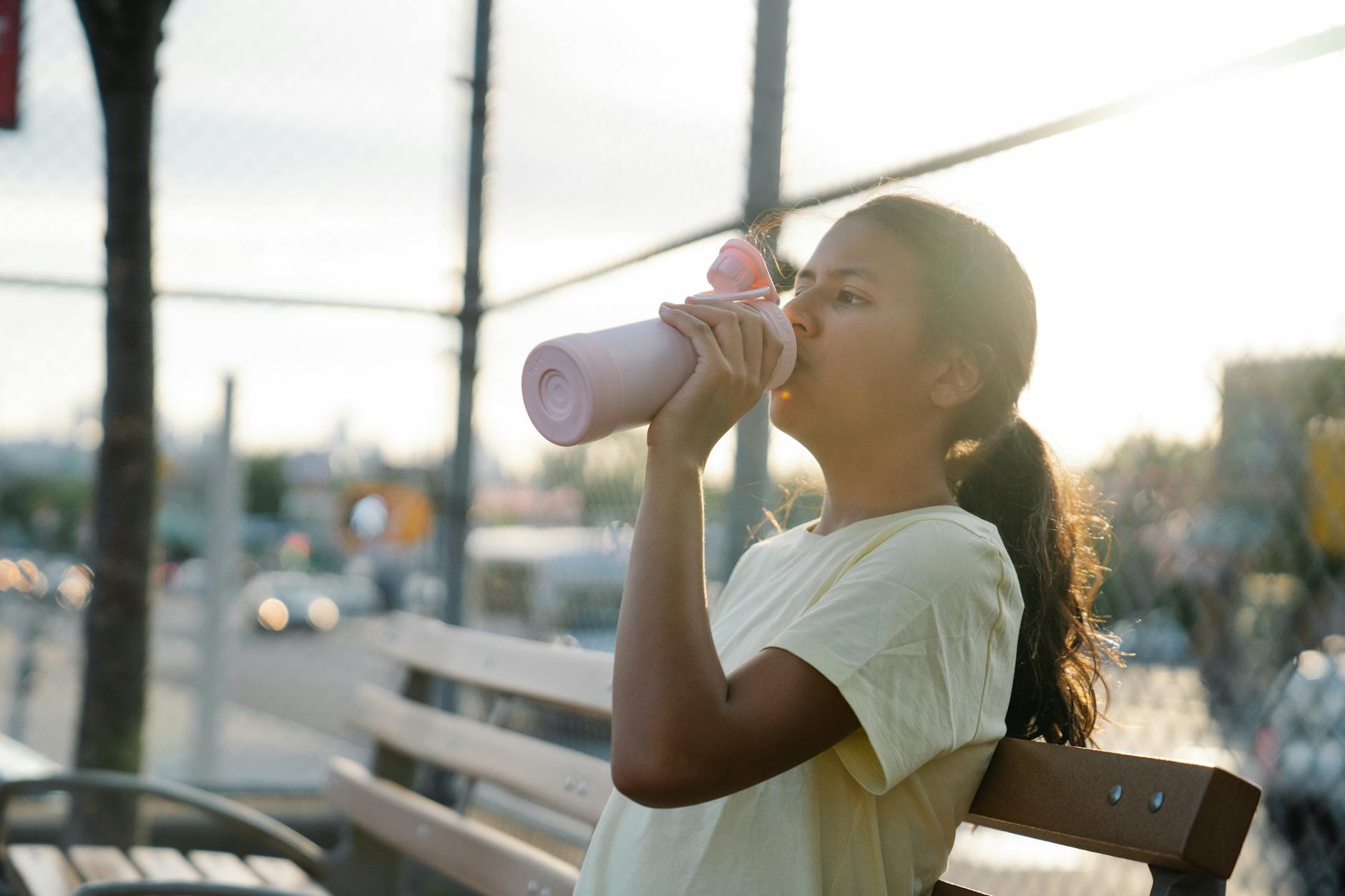
Carry a reusable bottle. Choose a bottle with measurement markings, so you can see exactly how many ounces you’ve consumed. Aim to refill it at least three times a day.
Set timed reminders. Use a phone alarm or a hydration app to prompt a sip every 60–90 minutes, especially during long work blocks.
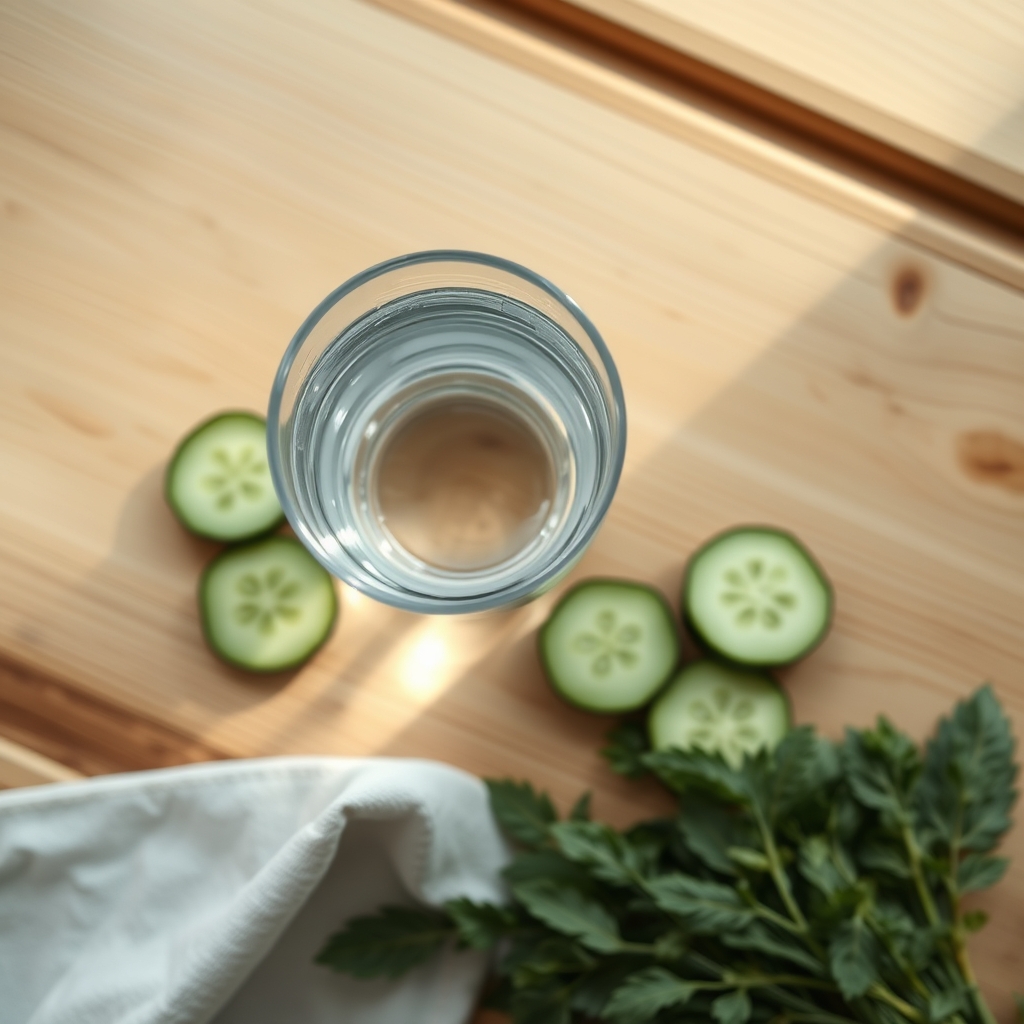
Infuse for flavor. Add slices of cucumber, lemon, or berries to water for a subtle taste boost without extra sugars. This can be especially helpful if you’re experiencing taste changes.
Eat water‑rich foods. Include fruits like watermelon, oranges, and strawberries, as well as soups and broths, in your meals. Those foods can contribute up to 300 mL of fluid per serving.
Swap sugary drinks for herbal teas. Caffeine‑free herbal teas (e.g., ginger or peppermint) count toward your fluid total and can soothe nausea.
Drink before, during, and after meals. This helps with digestion and ensures you're getting fluid when your body is naturally processing food. Many find that a glass of water before each meal helps prevent overeating and aids nutrient absorption.
Keep water visible. If it's in front of you, you're more likely to drink it. Place bottles in common areas like your desk, bedside table, or next to the couch.
Track your intake. Keep a simple log in a notebook or on your phone. Seeing the numbers can motivate you to finish the day strong.
Remember, the goal is consistency, not binge‑drinking. Spread your water consumption evenly throughout the day, and you’ll avoid the uncomfortable feeling of a full bladder that can disrupt sleep. Making hydration a habit takes a little conscious effort at first, but it quickly becomes second nature. Think of it as a small act of self-care that reaps huge rewards for both you and your baby. Don't be discouraged if you miss a goal one day; just pick up where you left off the next. The key is consistent, mindful sipping throughout your pregnancy journey.
Understanding Electrolytes and Hydration
While plain water is paramount, electrolytes play a crucial supporting role in maintaining proper hydration, especially during pregnancy. Electrolytes are essential minerals like sodium, potassium, and magnesium that carry an electric charge when dissolved in body fluids. They are vital for nerve and muscle function, maintaining fluid balance, and regulating blood pressure.
During pregnancy, you might lose electrolytes more rapidly due to factors like morning sickness (vomiting), increased perspiration from a higher metabolic rate or hot weather, and exercise. If you're experiencing significant fluid loss, simply drinking plain water might not be enough to restore the delicate electrolyte balance, which can lead to fatigue, muscle cramps, and even dizziness. Natural sources of electrolytes include fruits like bananas (potassium), leafy greens (magnesium), and a balanced diet with some sodium.
For most pregnant individuals, a balanced diet provides sufficient electrolytes. However, if you're dealing with severe morning sickness, intense physical activity, or are in a very hot climate, your provider might suggest low-sugar electrolyte-enhanced beverages or specific food choices. Always consult your doctor or midwife before adding electrolyte supplements, as an imbalance can also be harmful. The goal is balance, not excess.
Addressing Common Hydration Challenges During Pregnancy
Pregnancy brings unique challenges that can make consistent hydration feel like an uphill battle. But with a few strategies, you can overcome these hurdles.
Nausea and Vomiting: Morning sickness can make the thought of drinking water unbearable. Instead of large glasses, try small, frequent sips of water, ice chips, or diluted fruit juice. Ginger ale (flat, not fizzy) or ginger tea can also be soothing and contribute to your fluid intake. Some find chilled or flavored water (like cucumber or mint infused) easier to tolerate. Experiment to find what works for you, and try to drink between meals rather than with them if eating triggers nausea.
Frequent Urination: As your uterus grows and presses on your bladder, you'll likely find yourself making more trips to the bathroom. This is normal and doesn't mean you should reduce your fluid intake. Your body still needs the water. Instead, try to front-load your hydration earlier in the day and reduce fluid intake slightly in the hour or two before bed to minimize nighttime awakenings. Just ensure you're still meeting your daily goal overall.
Night Thirst: Waking up parched in the middle of the night is a common pregnancy complaint, often due to increased blood volume and metabolic activity. Keep a glass or bottle of water right by your bedside. If you wake up thirsty, take a few sips to quench it, rather than chugging a large amount, which could lead to more nighttime bathroom trips. Consistent hydration throughout the day can also help reduce the intensity of night thirst.
Heartburn: Pregnancy heartburn can be exacerbated by certain foods and drinks. Plain water can help dilute stomach acid and soothe irritation. Avoid very acidic drinks like citrus juices (unless heavily diluted) and carbonated beverages, which can worsen symptoms. Small sips of water throughout the day, especially after meals, can be more effective than large quantities at once.
Do other beverages count toward your fluid intake?
Yes—most drinks count, but quality matters. Milk, 100 % fruit juice, and herbal teas are all excellent sources of hydration and provide additional nutrients like calcium, vitamin D, and antioxidants. However, caffeine‑containing beverages (coffee, black tea, some sodas) have a mild diuretic effect, especially when consumed in large amounts.
When choosing herbal teas, always check with your doctor or midwife, as some herbs are not recommended during pregnancy. Safe and popular options include ginger tea (great for nausea), peppermint tea, and raspberry leaf tea (often suggested in the third trimester, though consult your provider). Avoid teas containing licorice root, black cohosh, or blue cohosh, which can have uterine stimulating effects.
The FDA defines a moderate caffeine intake during pregnancy as up to 200 mg per day (about one 12‑oz cup of coffee). If you drink coffee, consider it part of your total fluid budget, but remember that excessive caffeine can increase heart rate and potentially affect fetal growth. Decaf coffee or caffeine‑free tea are safer choices for large volumes.
Regarding caffeinated beverages, while they do contain water, the mild diuretic effect means they don't contribute to hydration as effectively as plain water or caffeine-free options. The "net hydration" might be less, especially with higher caffeine content. It's often recommended to balance each caffeinated drink with an equal amount of plain water to offset any fluid loss. Be mindful of hidden caffeine in items like chocolate, certain medications, and even some flavored waters.
Alcohol is a clear exception: it should be avoided entirely during pregnancy because it crosses the placenta and can harm fetal development. Even small amounts can affect hydration status, so it’s best to skip it altogether.
Sugary sodas and energy drinks provide fluid but also add empty calories, high fructose, and sometimes artificial sweeteners, which may not be ideal. If you enjoy them, limit them to occasional treats and balance with water.
Can you drink too much water during pregnancy?
While staying hydrated is essential, excessive water intake—known as hyponatremia or water intoxication—can be dangerous. This condition dilutes the sodium in your blood, leading to low blood pressure, swelling of brain cells, seizures, or, in extreme cases, coma. The risk is low for most pregnant people, but it can happen if you force a large volume of water in a short time, especially if you’re also taking diuretics or have kidney issues.
The body has remarkable mechanisms to regulate fluid balance, but these can be overwhelmed by extreme intake. People with certain pre-existing conditions, like kidney disease or heart failure, or those taking medications that affect fluid retention, might be more susceptible to hyponatremia. Very active individuals who only drink plain water and don't replenish electrolytes after intense, prolonged exercise in hot weather can also be at risk, though this is less common in typical pregnancy activity.
Symptoms of hyponatremia include nausea, headache, confusion, and a feeling of “bubbles” in the head. If you notice these signs, stop drinking water immediately and seek medical attention. ACOG recommends that most pregnant individuals stay below 3.5 L (≈ 12 cups) of total fluids per day unless a provider advises otherwise.
It's important to differentiate between drinking a bit more than the baseline recommendation and truly "overdrinking." If you're listening to your thirst cues and your urine is consistently pale yellow, you're likely in a healthy range. The concern arises when you're forcing yourself to drink beyond thirst, especially large volumes very quickly. Always defer to your healthcare provider if you have concerns about your fluid intake or any underlying health conditions.
To avoid overhydration, follow the “listen to your body” rule: drink when you’re thirsty, and aim for urine that’s pale yellow. The daily calculator can help you stay within a safe range by factoring in your activity level and climate.
Water Quality and Safety During Pregnancy
Ensuring the water you drink is safe and clean is just as important as drinking enough of it. During pregnancy, your body and your baby are more vulnerable to contaminants, so being mindful of your water source is a smart move.
Tap Water: In most developed countries, tap water is regulated and safe to drink. However, water quality can vary by location. You can usually find a local water quality report (Consumer Confidence Report in the US) online through your municipality's water provider. This report details any contaminants found and their levels. If you live in an older home, especially one built before 1986, there's a risk of lead pipes or lead solder, which can leach lead into your drinking water. Consider getting your water tested for lead or using a certified water filter that removes lead.
Filtered Water: Using a water filter (pitcher, faucet-mounted, or whole-house) can provide an extra layer of reassurance by removing impurities, chlorine taste, and potential contaminants like lead, pesticides, and certain industrial chemicals. Look for filters certified by organizations like NSF International to ensure they meet performance standards for contaminant reduction.
Bottled Water: While convenient, bottled water isn't necessarily safer or healthier than tap water. The FDA regulates bottled water, but standards can sometimes be less stringent than for municipal tap water. Additionally, concerns exist about microplastics leaching from plastic bottles, especially when exposed to heat, and the environmental impact of plastic waste. If you choose bottled water, opt for brands that clearly list their source and purification methods, and try to use glass or stainless steel reusable bottles when possible.
Well Water: If your home uses well water, it's crucial to have it tested annually for bacteria (like E. coli), nitrates, and other potential contaminants. Well water is not regulated by the EPA in the same way public water systems are, and its quality can be affected by local agriculture, septic systems, or industrial activities. Your local health department can provide guidance on well water testing.
What are the best drinks for pregnancy hydration?
Navigating the beverage aisle during pregnancy can feel like a minefield, but the good news is there are plenty of delicious and safe options to keep you hydrated. While plain water is always your best bet, incorporating a variety of other drinks can provide essential nutrients and make hitting your daily fluid goal more enjoyable.
Drink
Hydration Value
Key Nutrients
Notes
Plain water
100 %
None (pure)
Best baseline; no calories, no additives.
Milk (cow or fortified plant)
95 %
Calcium, vitamin D, protein
Supports bone health; watch added sugars in flavored varieties.
100 % fruit juice (small portions)
90 %
Vitamin C, potassium
Limit to 1 cup per day due to natural sugar content.
Herbal tea (caffeine‑free)
85 %
Varies (e.g., ginger for nausea)
Check safety of herbs with your provider; avoid licorice, black cohosh.
Coffee (≤200 mg caffeine)
80 %
Antioxidants
Moderate intake; count toward fluid total, balance with water.
Electrolyte drinks (low sugar)
80 %
Sodium, potassium, magnesium
Useful in hot climates, after heavy exercise, or with severe vomiting.
Plain water remains the gold standard, but mixing in these other options can add flavor, nutrients, and variety without compromising hydration goals. When in doubt, always read labels carefully, especially for added sugars, artificial sweeteners, and caffeine content. Prioritize natural, unprocessed options, and remember that moderation is key for anything beyond plain water. Your body will thank you for making smart, hydrating choices.
When should you talk to your provider about hydration?
While mild dehydration can often be remedied with increased fluid intake at home, there are specific situations where professional medical advice is crucial. Your healthcare provider is your best resource for personalized guidance, especially if you're experiencing persistent symptoms or have underlying health concerns.
If you experience any of the following, reach out to your obstetrician, midwife, or primary care provider promptly:
Persistent dark urine despite increased water intake.
Frequent dizziness, fainting, or rapid heartbeat.
Severe swelling that doesn’t improve with rest.
Reduced fetal movement or sudden changes in activity patterns.
Underlying medical conditions (e.g., diabetes, kidney disease) that affect fluid balance.
For instance, persistent dark urine can signal that your kidneys are struggling to filter waste effectively, while frequent dizziness or fainting could indicate dangerously low blood pressure or electrolyte imbalances. Severe swelling might be a sign of pre-eclampsia, a serious condition requiring immediate medical attention, not just more water. Any reduction in fetal movement is always a reason to call your doctor, as it could indicate a variety of issues, including maternal dehydration. Don't hesitate to reach out; it's always better to be safe than sorry.
Your provider can assess kidney function, check electrolyte levels, and customize a fluid plan that fits your unique health profile.
From our medical team: “Staying hydrated is one of the simplest ways to support a healthy pregnancy. We recommend sipping water consistently, listening to thirst cues, and using a hydration tracker if you’re unsure. If you have any chronic condition or notice red‑flag symptoms, contact your care team right away—early intervention makes a big difference.”
🔢 Ready to crunch your numbers? Use our Pregnancy Water Intake for a personalized result in seconds.
Myth vs. fact
Myth: You must drink exactly eight 8‑ounce glasses of water every day, no more, no less.
Fact: Fluid needs vary by trimester, activity, climate, and individual health. The “8‑by‑8” rule is a helpful baseline but not a strict prescription.
Myth: All beverages, including soda and coffee, hydrate you equally.
Fact: While most drinks contribute to total fluid intake, sugary sodas add empty calories, and high‑caffeine drinks can have a mild diuretic effect. Choose water, milk, and herbal teas as primary sources.
Myth: Drinking too much water can cause a miscarriage.
Fact: Overhydration (water intoxication) is rare and usually linked to extreme fluid bingeing. Normal hydration, even above the baseline, does not increase miscarriage risk. However, always follow medical guidance if you have a health condition that affects fluid balance.
Key takeaways
Aim for roughly 2.8 L (≈ 9 cups) of total fluids daily; increase by 250–500 mL in the second/third trimester, hot weather, or with exercise.
Use a hydration calculator to personalize your goal based on weight, activity, and climate.
Watch for dark urine, dry mouth, dizziness, or rapid heartbeat as signs you need more fluid.
Plain water is best, but milk, 100 % juice, and caffeine‑free herbal tea also count toward your total.
Understand the role of electrolytes, especially with morning sickness or exercise, but don't over-rely on sugary sports drinks.
Address common challenges like nausea or frequent urination with practical strategies rather than cutting back on fluids.
Be mindful of water quality and safety, especially with tap or well water, and consider filtration.
Avoid excessive water intake (>3.5 L/day) and never replace water with sugary sodas or alcohol.
If you notice any red‑flag symptoms, contact your provider promptly.
Frequently asked questions
Is it bad to not drink enough water while pregnant?
Yes, insufficient fluid intake can lead to dehydration, which may reduce amniotic fluid volume, increase constipation, and elevate the risk of urinary tract infections. Maintaining adequate hydration supports blood volume, nutrient transport, and overall comfort.
What are the signs of dehydration in pregnancy?
Early signs include dark‑yellow urine, feeling unusually thirsty, dry mouth, and mild headache. More severe symptoms—dizziness, rapid heartbeat, or fainting—require immediate medical attention.
Does drinking water help with morning sickness?
Many people find that sipping water throughout the day dilutes stomach acid and reduces nausea. Small, frequent sips are often better tolerated than large glasses, especially during bouts of vomiting.
Can I drink too much water during pregnancy?
While rare, excessive water intake can cause hyponatremia, a dangerous condition where blood sodium levels drop. To stay safe, aim for 2.8–3.0 L per day and avoid forcing large amounts in a short period.
How much water should a pregnant woman drink in the first trimester?
In the first trimester, the baseline recommendation is about 2.7 L (≈ 9 cups) of total fluids daily. If nausea limits intake, focus on small, frequent sips and water‑rich foods to meet the goal.
What counts as fluid intake during pregnancy?
All beverages—including water, milk, 100 % juice, and caffeine‑free herbal teas—plus the water contained in foods like fruits, vegetables, and soups count toward your daily total. Alcohol should be avoided entirely.
What about sparkling water or seltzer during pregnancy?
Sparkling water and seltzer are generally safe during pregnancy and can be a refreshing alternative to plain water, especially if you're experiencing nausea or taste changes. Just be sure to choose varieties without added sugars, artificial sweeteners, or excessive sodium.
Can I use electrolyte drinks or powders for hydration?
Low-sugar electrolyte drinks or powders can be beneficial if you're exercising intensely, experiencing significant morning sickness with vomiting, or in very hot weather, as they replenish essential minerals lost through sweat or fluid loss. However, they aren't necessary for daily hydration; plain water is usually sufficient. Always check with your provider before regularly using supplements.
When to call your doctor
If you experience any of the following, seek medical care right away: persistent dark urine, dizziness or fainting, rapid heartbeat, swelling that doesn’t improve with rest, or a noticeable decrease in fetal movement. This information is for educational purposes only and does not replace professional medical advice.
References
American College of Obstetricians and Gynecologists (ACOG). “Nutrition During Pregnancy.” 2023 clinical guidance.
National Academy of Medicine (formerly Institute of Medicine). “Dietary Reference Intakes for Water, Electrolytes, and Energy.” 2005.
National Health Service (NHS). “Hydration and Pregnancy.” Updated 2022.
World Health Organization (WHO). “Guidelines for Drinking‑Water Quality.” 2017.
Centers for Disease Control and Prevention (CDC). “Water, Hydration, and Pregnancy.” 2021.
American Journal of Obstetrics & Gynecology. “Maternal Hydration and Pregnancy Outcomes.” 2020.
U.S. Food and Drug Administration (FDA). “Caffeine in Food and Dietary Supplements.” 2022.
Not sure about the label on How Much Water Should I Drink While Pregnant Daily Calculator products?
Snap the ingredients list and SafeFilter checks every ingredient for your stage — only 3 free scans this month, then you're locked until reset. Unlimited from $7/mo or $50/yr.
When Shubhra Mishra was expecting her first child in 2016, she was overwhelmed by conflicting food advice — one site said yes, another said never. By the time her second baby arrived in 2019, she realized millions of mothers face the same confusion.
That sparked a five-year journey through clinical nutrition papers, cultural diets, and expert conversations — all leading to BumpBites: a calm, compassionate space where science meets everyday motherhood.
Her long-term vision is to build a global community ensuring safe, supported, and free deliveriesfor every mother — because no woman should face pregnancy alone or uninformed. 🌿
🌍 Stand with mothers, shape safer guidance
Join a small circle of experts who review BumpBites articles so expecting parents everywhere can decide with confidence.