Green stool during pregnancy is usually harmless, often caused by diet or prenatal vitamins. Learn when it’s normal and when to consult your doctor.
By Shubhra Mishra — a mom of two who turned her own confusion during pregnancy into BumpBites, a global mission to make food choices clear, safe, and stress-free for every expecting mother. 💛
Check whether any food is safe during pregnancy with the BumpBites Food Safety Checker.
Quick take: Seeing green stool during pregnancy is usually harmless and often linked to diet, prenatal vitamins, or faster gut transit. It becomes concerning if it’s paired with severe cramps, fever, or persistent changes—then you should contact your provider.
It’s 2 a.m., you’re curled up in the kitchen, and a quick glance at the toilet reveals a surprising shade of green. Your mind races: “Is this a sign of something wrong with my baby?” You’re not alone. Many pregnant people notice unexpected color shifts in their bowel movements and wonder whether it signals a health issue or simply a harmless side‑effect of pregnancy.
In this guide we’ll explain why stool can turn green, what’s normal versus what needs a doctor’s attention, and how you can calm your gut while keeping both you and your baby safe. We’ll cover the role of bile, the impact of prenatal vitamins, diet tricks, and red‑flag symptoms you shouldn’t ignore.
By the end you’ll have a clear, science‑backed answer to the most common “green stool in pregnancy” questions, plus practical steps you can take tonight and at your next prenatal visit.
Why does my stool turn green during pregnancy?
Most of the time, a green hue is simply a reflection of how quickly food moves through your intestines. When bile— a yellow‑green fluid that helps break down fats—doesn’t have enough time to be fully processed by gut bacteria, the stool can retain that green color. In pregnancy, hormonal shifts (especially progesterone) relax the smooth muscle of the gastrointestinal tract, sometimes speeding up or slowing down transit. A faster transit time means bile stays green, while a slower one can lead to darker, tarry stools.
Additionally, pregnancy often brings cravings, new snack habits, and changes in fiber intake, all of which can alter gut motility. For many, the combination of altered hormones and dietary tweaks is enough to produce a fleeting green stool without any underlying disease.
That said, certain conditions can also cause green stool. Infections with bacteria like Clostridium difficile or Salmonella can speed up intestinal movement, leaving bile unprocessed. Malabsorption disorders (e.g., celiac disease) may also prevent proper digestion of fats, resulting in a greenish tint. However, these scenarios are rarer and usually accompanied by other symptoms such as fever, vomiting, or weight loss.
Understanding the underlying process helps you gauge whether the color change is a harmless variation or a clue that something else needs attention.
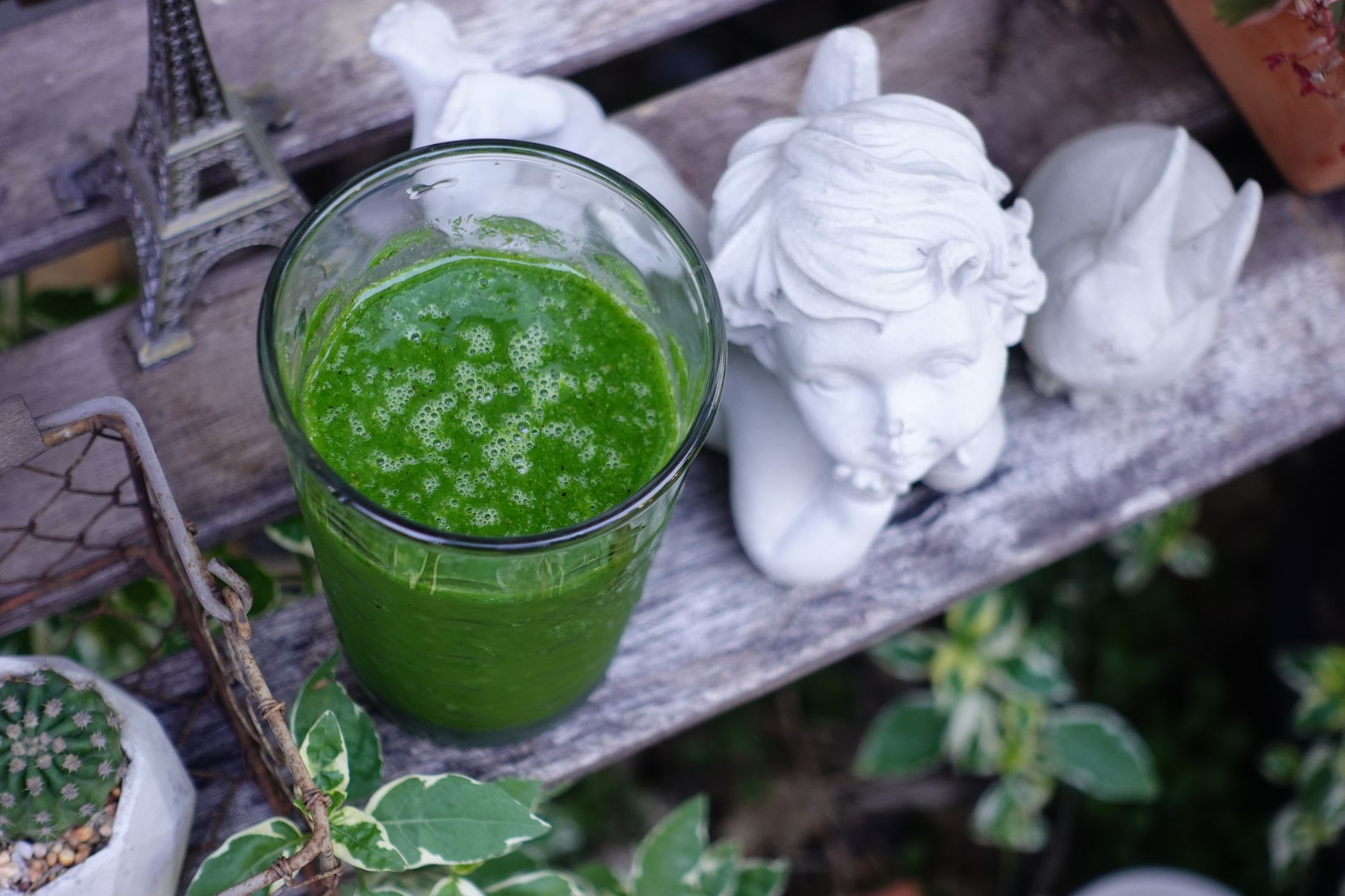
Hydration and balanced smoothies can help maintain regular bowel movements without dramatic color changes.
Is green poop a sign of a nutrient deficiency in pregnant women?
Generally, green stool is not a reliable marker of a nutrient deficiency. In fact, a lack of iron or other minerals more often leads to pale or “tarry” stools, not green. However, certain deficiencies can indirectly cause green bowel movements. For example, low magnesium can increase constipation, prompting you to reach for high‑fiber foods like leafy greens, which may color the stool green.
Pregnant people with iron‑deficiency anemia are often prescribed iron supplements. Iron can cause dark, almost black stools, but when combined with high‑chlorophyll foods (spinach, kale) the mix may appear greenish. The key is to look at the overall pattern: isolated green stool without other signs—such as fatigue, pallor, or shortness of breath—usually isn’t a deficiency warning.
Guidelines from the American College of Obstetricians and Gynecologists (ACOG) and the UK’s NHS both stress that nutrient deficiencies should be diagnosed with blood tests, not stool color. If you suspect a deficiency, ask your provider for a ferritin or vitamin panel rather than relying on bowel changes alone.
In practice, most clinicians use a combination of dietary history and laboratory work to pinpoint deficiencies, keeping stool color as a secondary observation.
Can prenatal vitamins cause green stool in pregnancy?
Yes, prenatal vitamins can shift stool color, though green is less common than the typical dark brown or black associated with iron. Many prenatal formulas contain iron, folic acid, and sometimes chlorophyll‑rich extracts (like spirulina) that can tint the stool.
Iron, as mentioned, often darkens stools, but when iron is combined with a high dose of vitamin C (which enhances iron absorption) the stool may take on a greenish shade. Some prenatal blends also include B‑complex vitamins that boost gut motility, meaning food moves quicker and bile stays greener.
Clinical guidance from the FDA and ACOG notes that changes in stool color are an expected side‑effect of iron‑containing supplements. If the green color appears shortly after you start a new prenatal product, it’s likely the culprit. Switching to a prenatal with a lower iron dose or taking the supplement with food can often normalize stool color while still delivering essential nutrients.
When choosing a prenatal, consider formulations that separate iron from other minerals, which can lessen the impact on stool hue.
How to treat green bowel movements safely while pregnant
First, assess whether the green stool is accompanied by discomfort. If you’re otherwise feeling well, simple home measures usually suffice:
Stay hydrated. Aim for at least 8‑10 cups of water daily; dehydration can speed up transit and intensify green hues.
Balance fiber. Add soluble fiber (oats, apples, psyllium) to slow gut transit, giving bile more time to break down fully.
Moderate chlorophyll‑rich foods. While spinach and kale are excellent for pregnancy, excessive amounts may overwhelm the system. Try rotating greens with other vegetables.
Review your prenatal supplement. If you suspect iron is the cause, discuss with your provider the option of a lower‑dose iron or a split‑dose schedule.
Probiotic foods. Yogurt, kefir, and fermented vegetables can help normalize gut bacteria, aiding in proper bile transformation.
These steps are safe for most pregnant people and align with recommendations from the World Health Organization (WHO) on maintaining gut health during pregnancy. If symptoms persist for more than a week, or you develop cramping, fever, or blood in the stool, it’s time to seek medical advice.
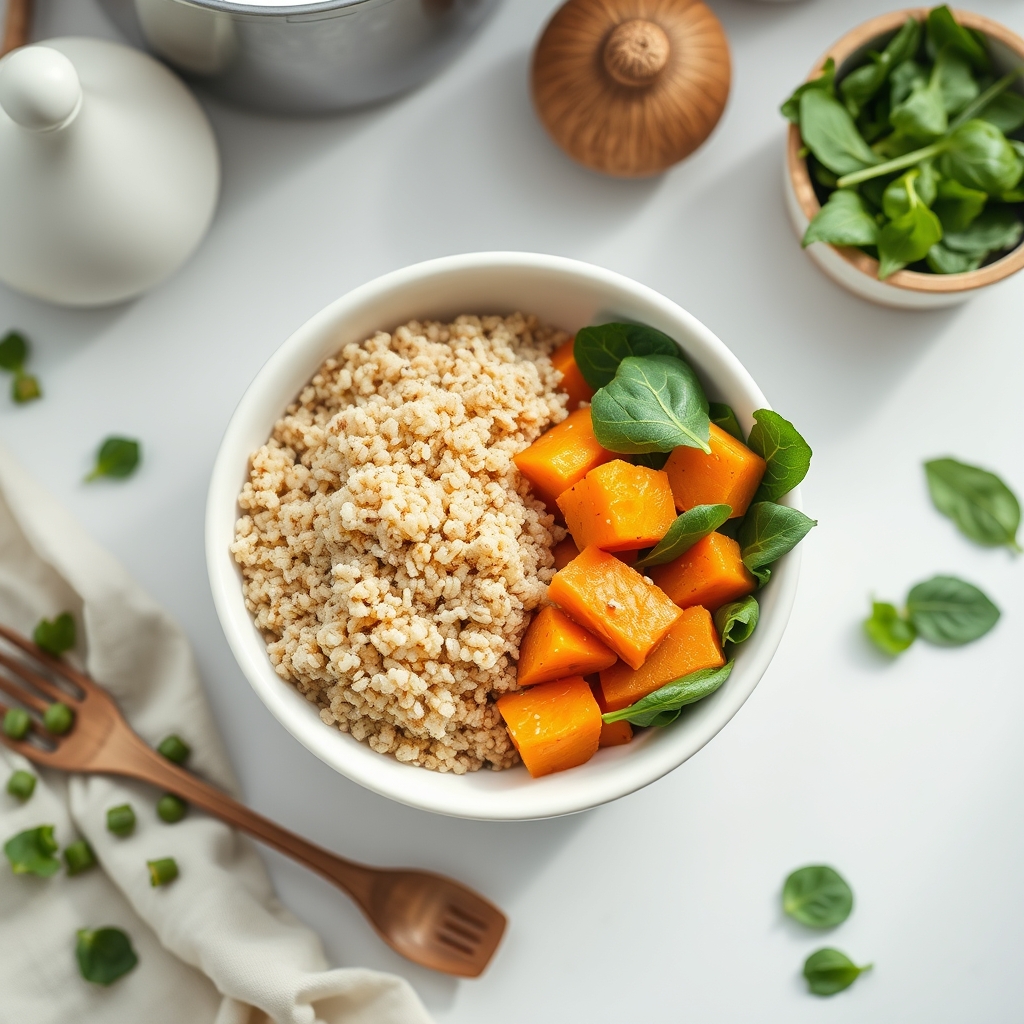
Balanced meals with varied vegetables can keep stool color stable while providing essential nutrients.
Does diet affect stool color in the second trimester?
The second trimester is often when cravings intensify and dietary patterns shift dramatically. Foods high in chlorophyll (spinach, parsley, broccoli) or artificial colorings (bright candies, sports drinks) can directly tint stool green. Additionally, the increased need for iron, calcium, and folate may lead you to consume more fortified cereals and supplements, further influencing color.
Because the uterus expands, some women experience slowed gastric emptying, which can actually darken stool. However, if you’re eating more fiber‑rich, leafy foods, the stool may stay greener. In short, diet is a major driver of stool hue during the second trimester, but the changes are typically benign.
Nutrition experts from the American Dietetic Association (ADA) recommend a varied diet that includes a rainbow of fruits and vegetables, lean protein, and whole grains. This approach not only supports fetal growth but also stabilizes bowel patterns, reducing extreme color swings.
Keeping a simple food diary can help you spot patterns between what you eat and how your stool looks, giving you confidence in managing any changes.
When should I call my doctor about green stool in pregnancy?
While most green stools are harmless, you should contact your obstetrician or midwife if you notice any of the following:
Persistent green stool for more than two weeks without an obvious dietary cause.
Accompanying symptoms such as fever (>100.4 °F/38 °C), severe abdominal cramps, or vomiting.
Presence of blood or mucus in the stool.
Unexplained weight loss or loss of appetite.
Signs of dehydration (dry mouth, dizziness, reduced urine output).
These red‑flag signs could indicate an infection, malabsorption, or a more serious gastrointestinal condition that warrants prompt evaluation. Your provider may order stool cultures, blood tests, or imaging to rule out underlying issues.
When you do call, have a brief note ready about any recent diet changes, supplement adjustments, and the timeline of symptoms—this speeds up the assessment.
Green stool vs diarrhea in pregnancy: what's the difference?
Green stool and diarrhea can coexist, but they are not the same. Diarrhea is defined by frequent, loose stools—typically three or more watery bowel movements in a 24‑hour period. The primary concern with diarrhea in pregnancy is dehydration, which can affect amniotic fluid volume and fetal well‑being.
Green stool, on the other hand, refers specifically to coloration and does not inherently indicate frequency or consistency. You can have solid, formed green stools that are perfectly normal. If the green stool is also watery, the combined picture suggests rapid transit, possibly due to infection or a reaction to a new food or supplement.
Management differs: for diarrhea, focus on rehydration with oral rehydration solutions and bland foods (bananas, rice, toast). For isolated green stool, the strategies outlined earlier—hydration, balanced fiber, and reviewing supplements—are sufficient.
Monitoring stool consistency alongside color gives a clearer picture of gut health during pregnancy.
Foods that can turn stool green during pregnancy
Below is a quick reference of common foods and drinks that may lend a green tint to your bowel movements. The effect varies by individual gut flora and how quickly the food passes through your system.
Food / Drink
Typical Green Effect
Pregnancy Tip
Spinach, kale, collard greens
Strong green coloration due to chlorophyll
Consume in moderation; pair with protein for balanced nutrition.
Blue‑green algae (spirulina) powders
Intense green, can linger in stool
Check with provider before adding to prenatal diet.
Artificially colored beverages (sports drinks, green smoothies with food coloring)
Limit to 1–2 cups per day; avoid on an empty stomach.
Remember, a single serving of these foods rarely leads to dramatic stool changes. It’s the cumulative effect—especially when paired with supplements—that often creates a noticeable green shade.
Keeping an eye on portion sizes and timing can help you enjoy these nutritious foods without surprise color changes.
Green stool pregnancy diet recommendations
To keep your digestive system happy while still enjoying nutrient‑dense foods, consider the following dietary plan:
Rotate leafy greens. Alternate spinach with lettuce, arugula, or roasted carrots to avoid over‑loading chlorophyll.
Include soluble fiber. Oats, apples, and carrots help slow transit, giving bile a chance to break down fully.
Stay iron‑smart. If you’re on an iron supplement, take it with a small snack containing vitamin C (e.g., orange slice) to improve absorption and reduce stool discoloration.
Hydrate with variety. Water, herbal teas (ginger, peppermint), and diluted fruit juices keep you hydrated without excess artificial colors.
Probiotic support. A daily serving of yogurt or kefir can stabilize gut bacteria, reducing unpredictable stool colors.
These guidelines align with the British National Health Service (NHS) advice on balanced pregnancy nutrition and are safe for most pregnant people.
Feel free to adapt the plan to your cultural food preferences; the core principle is variety and moderation.
Green stool pregnancy and bacterial infection
While most green stools are benign, a bacterial infection can cause the same hue. Pathogens like Salmonella, Shigella, and Clostridioides difficile often accelerate gut motility, leaving bile unprocessed. Infected individuals usually experience additional symptoms such as fever, abdominal cramping, nausea, and sometimes bloody diarrhea.
If you have green stool plus any of those warning signs, it’s essential to seek medical care promptly. Stool cultures can identify the specific bacteria, and treatment may involve antibiotics (chosen carefully to avoid harming the developing baby) and rehydration therapy.
The CDC recommends that pregnant individuals with suspected food‑borne illness be evaluated early, as some infections can increase the risk of preterm labor or low birth weight. Early diagnosis and appropriate treatment keep both mother and baby safe.
Prompt attention also helps prevent dehydration, which can affect amniotic fluid levels.
Green stool pregnancy and nausea
Nausea is a common early‑pregnancy symptom, and when it coincides with green stool, the two are often linked through diet. Many women experiencing nausea turn to bland, easily digestible foods like crackers, bananas, and ginger tea. However, some reach for green smoothies or herbal teas for a soothing effect, inadvertently increasing chlorophyll intake.
Because nausea can also slow gastric emptying, the combination of slowed digestion and high‑chlorophyll foods may amplify the green coloration. To manage both issues, try the following:
Eat small, frequent meals that are low in fat and high in protein.
Choose lightly cooked greens (steamed broccoli) instead of raw, which are gentler on the stomach.
Limit green‑colored drinks to once daily and monitor stool color after each consumption.
These steps are endorsed by the American College of Obstetricians and Gynecologists (ACOG) for managing nausea while maintaining nutritional adequacy.
Gentle ginger capsules (after provider approval) can also calm nausea without worsening stool color.
Green stool pregnancy after eating spinach
Spinach is a powerhouse of iron, folate, and calcium—nutrients vital for fetal development. Yet its high chlorophyll content can leave a vivid green residue in the gastrointestinal tract. If you notice green stool after a spinach‑heavy meal, it’s likely a temporary effect. The color typically fades within 24–48 hours as your gut bacteria finish processing the bile.
If the green stool persists beyond a few days, consider whether you’re also taking an iron supplement. The combination can compound the effect. Adjusting the timing—eating spinach at dinner and taking iron with a morning snack—often reduces the overlapping impact.
In most cases, there’s no need to eliminate spinach. It remains a nutrient‑dense food that supports healthy pregnancy outcomes.
Pairing spinach with a source of vitamin C (like citrus) can improve iron absorption while keeping stool color more predictable.
Green stool pregnancy iron supplement side effects
Iron supplements are a common source of stool color change. Besides turning stools dark or black, they can occasionally cause a green tint, especially when paired with chlorophyll‑rich foods. Other typical side effects include:
Constipation or, less commonly, loose stools.
Stomach upset, nausea, or heartburn.
Metallic taste.
To minimize these effects, take iron tablets with a full glass of water and a small snack that includes vitamin C. Splitting the dose (half in the morning, half in the evening) can also reduce gastrointestinal irritation. If symptoms are severe, discuss alternative formulations (e.g., ferrous bisglycinate) with your provider.
Some women find that a chewable iron with a fruit puree base is gentler on the stomach and causes less dramatic stool changes.
Green stool pregnancy constipation remedies
Constipation is a frequent pregnancy complaint, and paradoxically, some women with constipation still notice green stool due to occasional “break‑through” episodes when the colon finally moves content quickly. Remedies that address both constipation and stool color include:
Fiber boost. Aim for 25–30 g of fiber daily from fruits, vegetables, legumes, and whole grains.
Gentle laxatives. Psyllium husk (Metamucil) is safe in pregnancy and can soften stool without harsh chemicals.
Physical activity. A daily 30‑minute walk promotes intestinal motility.
Warm fluids. A cup of warm water with lemon each morning can stimulate bowel movements.
These strategies are supported by the NICE (National Institute for Health and Care Excellence) guidelines for managing constipation in pregnancy.
Combining fiber with adequate fluids is key; without water, fiber can actually worsen constipation.
Green stool pregnancy and nausea
We’ve already touched on nausea, but it’s worth reiterating that persistent nausea can alter how your gut processes food, sometimes leading to greener stools. If nausea is severe, consider ginger capsules (standardized to 500 mg) after consulting your provider. Ginger is recognized by the WHO as safe for pregnancy and can reduce both nausea and the likelihood of rapid transit that creates green stool.
Always pair ginger with adequate fluid intake and balanced meals to keep your digestive system steady.
Some women also find relief with peppermint tea, which can calm the stomach without affecting stool color.
Green stool pregnancy normal or abnormal?
In most cases, green stool during pregnancy is normal and harmless. The body’s hormonal shifts, dietary changes, and prenatal supplements account for the majority of cases. It becomes abnormal when accompanied by red‑flag symptoms—fever, blood, persistent diarrhea, or significant abdominal pain—as these may signal infection or a more serious gastrointestinal issue.
Bottom line: if the green color is isolated, brief, and not linked to other concerning signs, you can safely monitor at home. If anything feels off, trust your instincts and reach out to your care team.
Regular prenatal check‑ups provide an opportunity to discuss any recurring digestive concerns, giving you peace of mind throughout your pregnancy.
How pregnancy hormones affect bile production
Progesterone and estrogen rise dramatically during pregnancy, influencing not only uterine growth but also liver function. Elevated estrogen can increase bile secretion, while progesterone relaxes the sphincter of Oddi, the valve that controls bile flow into the intestine. This combination may cause bile to enter the gut more quickly, preserving its green hue.
Understanding this hormonal interplay helps explain why some women notice green stool even when they haven’t changed their diet. The effect is usually temporary and settles as hormone levels stabilize later in the third trimester.
Hormonal shifts can speed up bile movement, sometimes leading to greener stool.
Safe over‑the‑counter remedies for green stool
If you’re looking for quick relief without prescription medication, consider these pregnancy‑friendly options:
Activated charcoal tablets. Small doses can bind excess pigments, but always check with your provider first.
Digestive enzymes. Products containing lipase may help break down fats, allowing bile to be fully processed.
Probiotic capsules. Strains like Lactobacillus rhamnosus GG are widely studied in pregnancy and can balance gut flora.
All OTC choices should be discussed with your obstetrician to ensure they’re compatible with your prenatal vitamins and overall health plan.
Remember, the safest remedy is often simple lifestyle adjustment—hydration, fiber, and mindful supplement timing.
From our medical team: “Seeing green stool is usually just a signal that your digestive system is processing food a bit faster than usual—nothing to panic about. Keep an eye on any new symptoms, stay hydrated, and keep your prenatal vitamin schedule consistent. When in doubt, a quick phone call to your provider can give you peace of mind and rule out infection.”
Myth vs. fact
Myth: Green stool always means something is wrong with my baby.
Fact: In pregnancy, green stool most often reflects diet or faster gut transit and does not harm the fetus.
Myth: All prenatal vitamins turn stool black.
Fact: While iron can darken stool, many prenatal blends cause brown or even green hues, especially when combined with chlorophyll‑rich foods.
Myth: If my stool is green, I should stop eating vegetables.
Fact: Vegetables are vital for pregnancy; adjusting portion size or timing can prevent excessive color without sacrificing nutrition.
Key takeaways
Green stool is usually harmless and linked to diet, supplements, or faster gut transit.
Monitor for red‑flag symptoms—fever, blood, severe cramps—and call your provider if they appear.
Hydration, balanced fiber, and probiotic foods help normalize stool color.
Review your prenatal vitamin’s iron content; discuss dosage adjustments with your care team if needed.
Eat a variety of greens, but rotate them to avoid overwhelming chlorophyll intake.
If green stool persists beyond two weeks or is accompanied by diarrhea, seek medical evaluation.
Frequently asked questions
Can green stool be a sign of a problem during pregnancy?
Most of the time, no—green stool alone is not a sign of a serious problem. It often reflects diet, supplements, or faster bowel transit, which are common in pregnancy.
If it’s paired with fever, bloody stool, or severe pain, it could indicate infection or another condition that needs medical attention.
What foods cause green poop in pregnant women?
Leafy greens (spinach, kale), spirulina powders, green tea, and artificially colored drinks are the most common culprits.
These foods add chlorophyll or pigments that can tint stool green, especially when combined with iron supplements.
Do prenatal vitamins change stool color?
Yes. Prenatal vitamins that contain iron or high‑dose B vitamins can darken or sometimes green‑tint stool.
Changes are normal; if the color is unsettling, discuss adjusting the supplement timing or formulation with your provider.
Is it safe to have green bowel movements while pregnant?
In the absence of other symptoms, green bowel movements are safe and typically no cause for concern.
Staying hydrated, eating balanced meals, and monitoring for any new discomfort are the best practices.
When should I be concerned about green stool in pregnancy?
Contact your provider if green stool lasts more than two weeks, or if you develop fever, vomiting, severe cramps, blood, or persistent diarrhea.
These signs could point to an infection or other gastrointestinal issue that needs evaluation.
How long does green stool last after changing diet in pregnancy?
After removing a green‑tinting food, stool color usually returns to normal within 24–48 hours, depending on how quickly your gut processes the remaining bile.
Consistent dietary habits and adequate fiber help stabilize stool color over the longer term.
Can I eat green vegetables every day without affecting stool color?
Eating green vegetables daily is healthy, but large portions may lead to greener stool due to chlorophyll. Rotate your greens and balance them with other vegetables to keep color changes minimal.
If stool color becomes a concern, try smaller servings of chlorophyll‑rich foods and pair them with protein or iron‑rich foods.
Are probiotics safe if I have green stool?
Yes. Probiotic foods like yogurt, kefir, and fermented vegetables are generally safe in pregnancy and can help normalize gut bacteria, which may reduce unexpected stool colors.
Choose plain, low‑sugar options and discuss any new supplement with your provider if you have underlying health conditions.
When to call your doctor
If you experience any of the following, call your obstetrician, midwife, or go to urgent care immediately: fever over 100.4 °F (38 °C), severe abdominal pain, blood or mucus in stool, persistent diarrhea, unexplained weight loss, or green stool lasting more than two weeks without an obvious cause.
This information is for educational purposes only and does not replace personalized medical advice. Always discuss your specific situation with a qualified health professional.
References
American College of Obstetricians and Gynecologists (ACOG). “Nutrition During Pregnancy.” 2023 Clinical Guidance.
National Health Service (NHS). “Pregnancy diet and nutrition.” Updated 2022.
World Health Organization (WHO). “Maternal nutrition: recommendations for pregnant women.” 2021.
Centers for Disease Control and Prevention (CDC). “Foodborne Illnesses: Pregnant Women.” 2022.
National Institute for Health and Care Excellence (NICE). “Constipation in pregnancy.” Clinical guideline NG123, 2022.
U.S. Food and Drug Administration (FDA). “Guidance for Industry: Dietary Supplement Health and Safety.” 2020.
British Society of Gastroenterology. “Bile metabolism and stool color.” 2021.
American Dietetic Association (ADA). “Eating a balanced diet during pregnancy.” Position Paper, 2022.
World Health Organization (WHO). “Safety of ginger in pregnancy.” 2020.
American College of Obstetricians and Gynecologists (ACOG). “Management of nausea and vomiting of pregnancy.” 2022.
Not sure about the label on Green Stool In Pregnancy Digestive Changes products?
Snap the ingredients list and SafeFilter checks every ingredient for your stage — only 3 free scans this month, then you're locked until reset. Unlimited from $7/mo or $50/yr.
When Shubhra Mishra was expecting her first child in 2016, she was overwhelmed by conflicting food advice — one site said yes, another said never. By the time her second baby arrived in 2019, she realized millions of mothers face the same confusion.
That sparked a five-year journey through clinical nutrition papers, cultural diets, and expert conversations — all leading to BumpBites: a calm, compassionate space where science meets everyday motherhood.
Her long-term vision is to build a global community ensuring safe, supported, and free deliveriesfor every mother — because no woman should face pregnancy alone or uninformed. 🌿
🌍 Stand with mothers, shape safer guidance
Join a small circle of experts who review BumpBites articles so expecting parents everywhere can decide with confidence.