Diarrhea in early pregnancy is common due to hormonal changes, diet shifts, or infections. Learn safe treatments, when to see a doctor, and how to manage symptoms effectively.
By Shubhra Mishra — a mom of two who turned her own confusion during pregnancy into BumpBites, a global mission to make food choices clear, safe, and stress-free for every expecting mother. 💛
Check whether any food is safe during pregnancy with the BumpBites Food Safety Checker.
Quick take: Diarrhea in early pregnancy is usually caused by hormonal shifts, prenatal supplements, or simple food triggers, and it often resolves with hydration, diet tweaks, and gentle probiotics. Most cases are not a sign of miscarriage, but severe or persistent symptoms warrant a call to your provider.
It’s 2 a.m., your stomach feels like a whir‑ring blender and you’re scrolling through answers about “diarrhea in the first trimester.” You’re not alone—many expectant moms experience loose stools, and the uncertainty can be unsettling. The good news is that, in most cases, diarrhea is short‑lived and manageable with home care.
In this guide we’ll break down why diarrhea happens early in pregnancy, what foods and supplements might be culprits, how to stay hydrated, which remedies are safe, and exactly when you should reach out to a health professional. By the end you’ll have a clear, step‑by‑step plan to keep your gut—and your pregnancy—on track.
We’ll also sprinkle in practical tips, a quick‑reference table of safe over‑the‑counter options, and answers to the most common follow‑up questions you might have after reading.
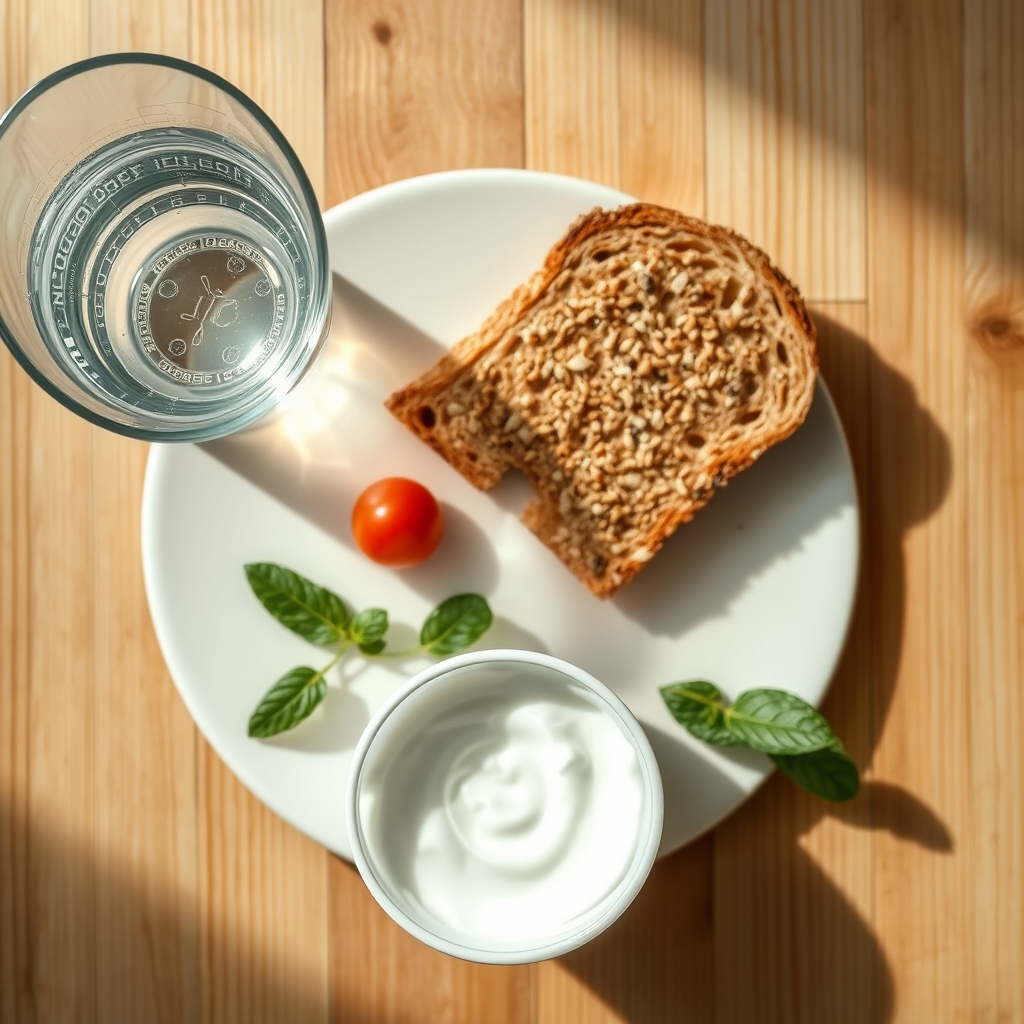
Staying hydrated and adding gentle probiotics can calm an upset tummy during the first trimester.
What causes diarrhea in the first trimester of pregnancy?
Hormonal changes are the primary driver. After conception, progesterone rises sharply and relaxes smooth muscle throughout the body, including the intestines. This “relax‑and‑slow” effect can speed up transit time, leading to looser stools. At the same time, estrogen boosts gastric secretions, which can irritate the lining of the gut.
Beyond hormones, a handful of medical and dietary factors frequently show up in the first trimester:
Prenatal supplements: Iron, folic acid, and vitamin C can each act as mild irritants.
Changes in gut microbiota: Pregnancy subtly reshapes the balance of beneficial bacteria, sometimes favoring strains that produce more gas and water.
Infections: Viral gastroenteritis (often called “stomach flu”) is no more common in pregnancy, but when it occurs the immune system’s altered response can make symptoms feel more intense.
Food intolerances: Lactose, fructose, and gluten sensitivities may surface or worsen when hormones shift.
Finally, stress and anxiety—common during early pregnancy—can activate the gut‑brain axis, prompting diarrhea in some people.
Many women notice that their bowel habits swing between constipation and diarrhea as the intestines adjust to the hormonal milieu. Low‑fiber meals or a sudden increase in processed foods can amplify this variability, so keeping a balanced fiber intake helps smooth out the rhythm.
Diarrhea and dehydration in the first trimester
Even a modest increase in stool frequency can sap fluids. Dehydration is defined by the CDC as losing more than 2 % of body water, which can happen quickly when you’re losing both water and electrolytes. Symptoms include dark urine, dizziness, and a rapid heartbeat. Staying ahead of dehydration is essential because severe fluid loss can reduce placental perfusion, a concern highlighted by ACOG.
How long does diarrhea last in early pregnancy?
Most episodes resolve within a few days to a week, especially if the trigger (e.g., a new supplement or a questionable food) is identified and removed. Persistent diarrhea beyond two weeks should prompt a medical evaluation to rule out infection, inflammatory bowel disease, or a reaction to medication.
Because every pregnancy is unique, it can be helpful to keep a brief symptom diary. Note the time of day, what you ate, any new supplements, and how many times you’re using the bathroom. Over a week, patterns often emerge that point directly to the offending factor.
Recording these details not only clarifies the cause but also gives your provider a clear snapshot, making the next appointment more productive.
Is diarrhea during early pregnancy a sign of miscarriage?
No single symptom, including diarrhea, can predict miscarriage. Miscarriage risk is primarily linked to chromosomal abnormalities and uterine factors, not gastrointestinal issues. However, severe, prolonged diarrhea can lead to dehydration, which in extreme cases may compromise fetal blood flow.
Research from the NHS indicates that most women who experience gastrointestinal upset do not have an increased risk of pregnancy loss. Nonetheless, if diarrhea is accompanied by heavy bleeding, cramping, or a sudden drop in blood pressure, those are red‑flag signs that warrant immediate medical attention.
The emotional weight of worrying about miscarriage can be overwhelming. Remember that feeling anxious is normal, and a quick check‑in with your provider can ease the mind while you monitor your symptoms.
Can diarrhea cause miscarriage in early pregnancy?
Current evidence suggests that mild to moderate diarrhea alone does not cause miscarriage. The key is to prevent dehydration and electrolyte imbalance; once those are managed, the likelihood of a negative impact on pregnancy is very low.
It’s also worth remembering that many women experience “tummy troubles” in the first trimester—nausea, constipation, and occasional loose stools—all of which are usually benign. If you’re ever unsure, a quick phone call to your provider can give you peace of mind.
How to safely treat diarrhea in early pregnancy without medication?
First‑line care focuses on hydration, diet, and gut‑friendly microbes.
Fluid replacement: Aim for 2–3 liters (about 8–12 cups) of clear fluids daily. Oral rehydration solutions (ORS) that contain sodium and potassium are ideal. If you’re reluctant to drink plain water, add a splash of citrus or sip on herbal teas like ginger or peppermint (both safe in pregnancy).
BRAT diet (modified): Bananas, rice, applesauce, and toast provide bland carbs without irritating the gut. Pair these with low‑fat yogurt for a probiotic boost.
Probiotics: Strains such as Lactobacillus rhamnosus GG and Bifidobacterium lactis have been shown in small RCTs to shorten diarrhea duration in pregnant women (CDC, 2022). A daily dose of 1 billion CFU is a safe starting point.
Fiber balance: Soluble fiber (oatmeal, peeled apples) can absorb excess water, while insoluble fiber (whole‑grain crackers) may worsen symptoms if consumed in large amounts.
If you’re looking for an over‑the‑counter (OTC) option, some brands of loperamide (Imodium) are classified as Category C by the FDA—meaning risk cannot be ruled out. ACOG recommends limiting OTC use to short courses (<24 hours) and only after consulting a provider.
Many patients find telehealth visits helpful for a quick assessment, especially when symptoms are mild but persistent. A virtual check‑in can confirm that home measures are on track and decide whether a lab test is needed.
Safe over‑the‑counter meds for diarrhea during pregnancy
Medication
Active ingredient
Pregnancy category
Typical adult dose
Safety note
Pepto‑Bismol
Bismuth subsalicylate
Category C
2 tab (262 mg) every 30 min, max 8 tab/24 h
Generally avoided in the first trimester due to salicylate content.
Loperamide (Imodium)
Loperamide
Category C
2 mg after first loose stool, may repeat once
Use only under provider guidance; short‑term relief.
None (Hydration & diet)
–
–
–
First‑line, safest approach.
Best probiotic for pregnant women with diarrhea
The probiotic market is crowded, but a few products stand out for safety and research backing. Culturelle® Prenatal Daily Probiotic contains L. rhamnosus GG and is labeled pregnancy‑compatible by the FDA. Another option is Garden of Life RAW Probiotics for Women, which offers a blend of 12 strains, including B. lactis. Choose a product with no added caffeine or artificial sweeteners.
If you prefer food‑based sources, kefir, miso soup, and fermented vegetables can deliver similar strains without the need for a capsule. Just be sure the foods are pasteurized and refrigerated to meet FDA food‑safety standards.
When you opt for a supplement, check the expiration date and store it in a cool, dry place; probiotics lose potency if exposed to heat or moisture.
Can prenatal vitamins cause diarrhea in the first trimester?
Yes, especially those that contain iron. Iron supplements are notorious for gastrointestinal upset, with up to 30 % of pregnant women reporting constipation or diarrhea. The mechanism involves iron’s oxidative properties, which can irritate the intestinal lining.
Folic acid (vitamin B9) is generally well tolerated, but high‑dose vitamin C (often added to improve iron absorption) can increase stool acidity, leading to loose stools.
If you suspect a vitamin is the culprit, try these strategies:
Switch to a chelated iron formulation (e.g., ferrous bisglycinate) that is gentler on the gut.
Take the supplement with food, not on an empty stomach.
Split the dose: half in the morning, half in the evening.
Many brands now offer prenatal gummies that contain iron in a more tolerable matrix. While gummies can be easier on the stomach, they still deliver the same mineral load, so monitor your symptoms after switching.
Diarrhea after taking prenatal iron supplement
When iron is the trigger, you may notice dark, tarry stools (a harmless side effect) alongside the diarrhea. If the symptom persists beyond a few days, discuss alternative iron preparations with your provider. Some clinicians recommend a short trial of a prenatal iron‑free multivitamin while monitoring iron levels via blood test.
In addition to iron, some prenatal formulas include probiotics, omega‑3 fatty acids, or herbal extracts. These extra ingredients can occasionally cause gut upset, especially if you have a sensitive stomach. Always read the label and ask your provider whether a specific brand is appropriate for you.
Foods to avoid to prevent diarrhea in early pregnancy
While every palate is unique, certain foods are repeatedly flagged by pregnant women as gut irritants:
High‑fat fried foods: Greasy fries or onion rings can overwhelm the digestive system.
Spicy chilies: Capsaicin may increase gut motility.
Artificial sweeteners: Sorbitol and mannitol are known laxatives.
Dairy (if lactose‑intolerant): Even low‑fat milk can cause loose stools when lactase is low.
Unpasteurized juices or raw sprouts: These carry a higher risk of bacterial contamination that can mimic food poisoning.
In addition to avoiding these triggers, follow food‑safety guidelines from the FDA: wash fruits thoroughly, cook eggs to solid yolks, and keep leftovers refrigerated within two hours.
Portion control matters too—large meals can overload a sensitive gut, while smaller, more frequent meals give the digestive system a chance to process nutrients without a sudden surge of fluid into the colon.
Pregnancy diarrhea vs. food poisoning symptoms
Both can present with watery stools, but food poisoning often includes fever, vomiting, and abdominal cramps that start suddenly after a specific meal. Diarrhea from hormonal or supplement causes tends to be more gradual and lacks the high‑grade fever. If you have a fever >38 °C (100.4 °F) or blood in the stool, seek care promptly.
Another practical tip: keep a simple “safe‑food list” in your kitchen. Include items like cooked carrots, plain oatmeal, and boiled chicken breast. When cravings hit, you’ll have a quick reference that steers you away from common irritants.
When should I see a doctor for diarrhea in early pregnancy?
Most diarrhea resolves with home care, but certain warning signs merit a professional evaluation:
Persistent diarrhea longer than 14 days.
Signs of dehydration: dark urine, dizziness, rapid pulse.
Blood or mucus in the stool.
Severe abdominal pain, especially if it’s cramp‑like and constant.
Accompanying fever >38 °C (100.4 °F) or vomiting that prevents fluid intake.
When you call, be ready to share:
Start date and frequency of stools.
Any recent changes in supplements, diet, or medications.
Hydration status (how much fluid you’ve been drinking).
Any red‑flag symptoms listed above.
Many clinics now offer same‑day telemedicine appointments, which can be a convenient first step if you’re unsure whether an in‑person visit is needed.
Potential impact on pregnancy outcomes such as miscarriage or preterm labor
Severe dehydration can theoretically reduce uterine blood flow, but studies from ACOG and the WHO show that when dehydration is promptly corrected, there is no measurable increase in miscarriage or preterm birth. The real risk lies in underlying infections—e.g., a bacterial gastroenteritis that goes untreated could, in rare cases, lead to systemic illness affecting the fetus.
Because the placenta adapts to modest changes in maternal fluid status, short‑term bouts of diarrhea rarely cause lasting harm. Nonetheless, staying ahead of fluid loss is the simplest way to protect both you and your baby.
Home remedies for diarrhea during early pregnancy
Beyond the basic BRAT diet, a few gentle home approaches can calm the gut without risking the baby:
Ginger tea: 1‑2 grams fresh ginger steeped in hot water for 10 minutes can soothe nausea and reduce intestinal spasms.
Apple cider vinegar rinse: Dilute 1 tablespoon in 8 ounces of water and sip; the mild acidity may help balance gut flora.
Chamomile tea: Known for anti‑inflammatory properties, a warm cup before bedtime can reduce cramping.
Banana‑smoothie: Blend a ripe banana with a cup of kefir and a drizzle of honey for a probiotic‑rich, easy‑to‑digest snack.
Remember to keep each serving moderate; over‑consumption of any single remedy (especially herbal teas) can introduce unwanted compounds or excess calories.
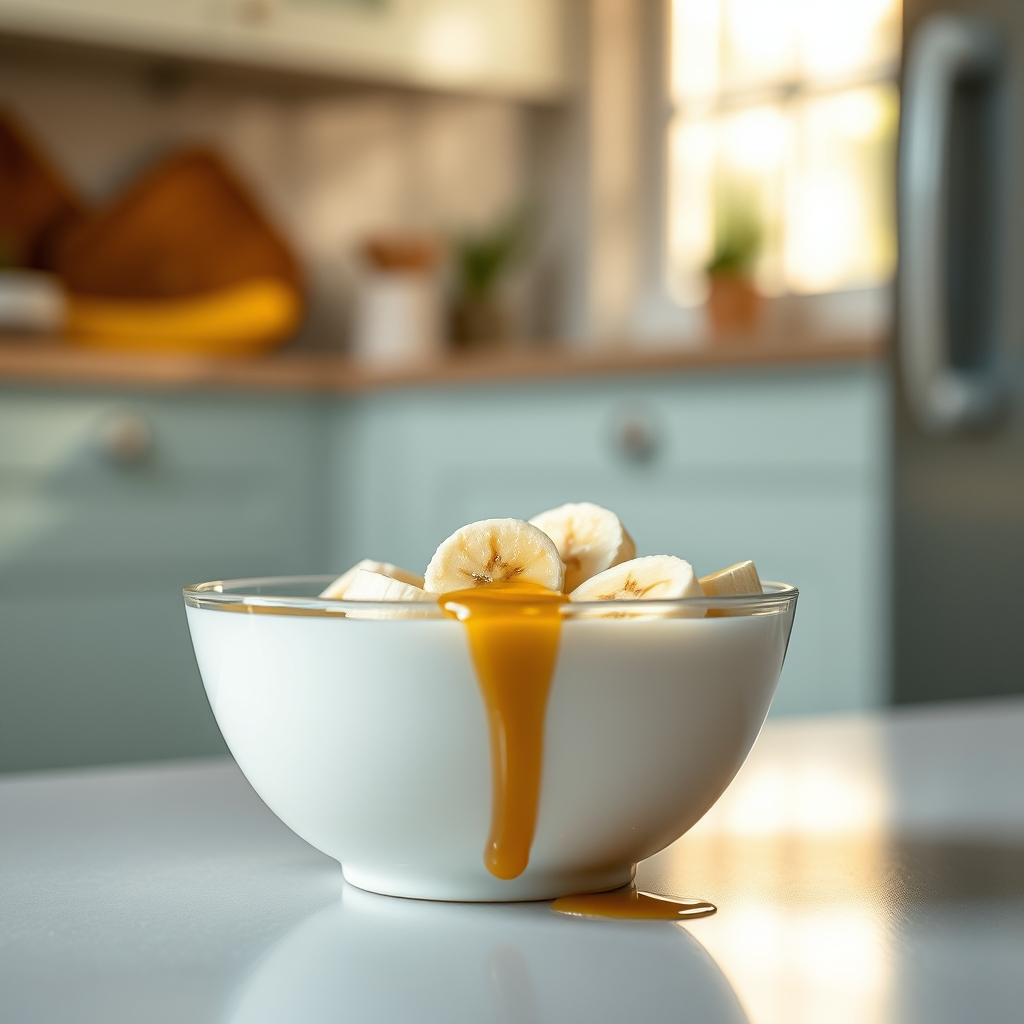
Probiotic yogurt paired with banana offers both gut‑friendly bacteria and potassium.
How stress and anxiety can worsen diarrhea in early pregnancy
The gut–brain connection is especially active during pregnancy. Elevated cortisol from stress can speed up intestinal motility, making loose stools more likely. A 2021 review in the Journal of Obstetric, Gynecologic & Neonatal Nursing highlighted that pregnant women who report high anxiety scores are 1.5 times more likely to experience gastrointestinal upset, including diarrhea.
Practical ways to keep stress in check include short breathing exercises, prenatal yoga, and setting aside a few minutes each day for a calming ritual—like a warm cup of ginger tea (mentioned above). If anxiety feels overwhelming, consider speaking with a mental‑health professional; many insurers cover prenatal counseling, and ACOG notes that managing stress can improve overall pregnancy outcomes.
Mindfulness apps that guide you through body‑scan meditations are a low‑cost tool that fits into a busy schedule. Even a five‑minute “pause” before meals can help reset the nervous system and reduce gut hyper‑reactivity.
When is a stool test needed in pregnancy?
Most cases of diarrhea don’t require lab work, but a stool test becomes important if you have any of the following:
Blood, mucus, or pus visible in the stool.
Fever ≥ 38 °C (100.4 °F) that persists more than 24 hours.
Recent travel to areas with known water‑borne pathogens.
Persistent symptoms beyond two weeks despite dietary changes.
The test can screen for bacterial pathogens (e.g., Salmonella, Campylobacter), parasites (like Giardia), and viral causes (norovirus). In the United States, the CDC recommends a multiplex PCR panel for rapid identification, while the NHS advises a stool culture followed by sensitivity testing if an infection is confirmed.
Collecting a stool sample in the morning, before any food or medication, improves accuracy. Store the container in a sealed bag and deliver it to the lab within the timeframe specified by your provider.
Can I get probiotics through food instead of supplements?
Absolutely. Food‑based probiotics can be a gentler entry point, especially if you’re wary of capsules. Fermented dairy (plain yogurt, kefir), miso, tempeh, and sauerkraut all contain live cultures that support gut health. The key is to choose products that are pasteurized and have “live and active cultures” on the label, as required by the FDA.
For pregnant women, low‑fat Greek yogurt with no added sugars is a popular choice because it adds protein and calcium without excess calories. A single cup (≈ 240 ml) typically delivers 1–5 billion CFU, which aligns with the probiotic dosage mentioned earlier. If you’re vegan or dairy‑intolerant, fortified soy or almond yogurts with added probiotics are good alternatives.
Pair probiotic foods with prebiotic fibers—such as bananas, oats, or chicory root—to feed the beneficial bacteria and boost their activity in the gut.
Diarrhea and nutrient absorption: protecting iron and folate levels
Frequent loose stools can interfere with the absorption of key pregnancy nutrients, especially iron and folate. Iron is best absorbed on an empty stomach, but that same empty stomach can increase irritation. Pair iron‑rich foods (lean red meat, lentils, spinach) with a small amount of vitamin C‑rich fruit to enhance uptake without over‑loading the gut.
If diarrhea persists, ask your provider about checking serum ferritin and folate levels. In some cases, a short course of a gentle iron‑glycinate supplement taken with a snack can maintain iron stores while minimizing gastrointestinal side effects.
Travel‑related diarrhea: precautions for pregnant globetrotters
Planning a vacation or visiting family far from home? Travel‑associated pathogens are a real concern, especially in regions with limited water sanitation. The CDC advises pregnant travelers to drink only bottled or boiled water, avoid ice cubes, and steer clear of raw salads or street‑food meats.
Pack an oral rehydration solution and a travel‑size probiotic capsule (check with your provider first). Some vaccines, such as the typhoid vaccine, are safe in pregnancy, while others (e.g., live attenuated oral cholera vaccine) are not recommended. Always review travel immunizations with your obstetrician well before departure.
When you return, monitor your stool for a few days. If you develop watery diarrhea, fever, or abdominal pain, seek medical care promptly—early treatment can prevent dehydration and reduce the risk of infection spreading to the fetus.
When antibiotics may be needed for infection‑related diarrhea in pregnancy
Most viral gastroenteritis resolves without antibiotics, but bacterial infections sometimes require treatment to protect both mother and baby. Safe options during pregnancy include amoxicillin, cephalexin, and azithromycin (when indicated). Your provider will choose an antibiotic based on the identified pathogen and its susceptibility pattern.
Never self‑prescribe antibiotics; inappropriate use can disrupt the gut microbiome and increase resistance. If a stool culture returns positive for a treatable bacterium, discuss the regimen and any possible side effects with your medical team.
In addition to antibiotics, continuing hydration and probiotic support during the treatment phase can help restore a healthy gut flora more quickly.
From our medical team: “Most diarrhea in the first trimester is benign and responds well to fluid replacement and dietary tweaks. If you’re ever unsure whether a supplement or a new food is the cause, pause it and monitor your symptoms. Persistent or severe cases deserve a quick visit—dehydration is the main concern, not the diarrhea itself.”
Myth vs. fact
Myth: Diarrhea always means a miscarriage is coming.
Fact: While severe dehydration can stress pregnancy, mild to moderate diarrhea alone does not increase miscarriage risk. Proper hydration and monitoring are key.
Myth: All over‑the-counter anti‑diarrheal drugs are unsafe in pregnancy.
Fact: Some, like loperamide, can be used short‑term under a provider’s guidance. Others, especially those containing salicylates (e.g., Pepto‑Bismol), should be avoided in the first trimester.
Myth: Prenatal vitamins never cause stomach problems.
Fact: Iron and high‑dose vitamin C in prenatal formulas can irritate the gut, leading to diarrhea or constipation. Switching to a gentler iron form often resolves the issue.
Understanding the nuance behind each myth helps you make informed choices without unnecessary worry.
Key takeaways
Hormonal shifts, iron supplements, and certain foods are the most common triggers for early‑pregnancy diarrhea.
Stay ahead of dehydration: aim for 2–3 liters of fluid daily, using ORS if needed.
Gentle diet changes—BRAT foods, soluble fiber, and probiotic‑rich dairy—often resolve symptoms within a week.
OTC loperamide can be used briefly, but only after discussing it with your provider.
Seek medical care if diarrhea lasts >14 days, is bloody, or is accompanied by fever, severe pain, or signs of dehydration.
Most cases do not affect pregnancy outcomes; the priority is maintaining proper hydration and electrolyte balance.
Stress management and food‑based probiotics are extra tools that can keep your gut happy.
When traveling, follow water‑safety guidelines and carry oral rehydration salts.
Frequently asked questions
Can diarrhea cause miscarriage in early pregnancy?
No, mild diarrhea alone does not cause miscarriage; the risk only rises if it leads to severe dehydration, which should be prevented with adequate fluid intake.
Is it safe to take Imodium while pregnant?
Imodium (loperamide) is classified as Category C, meaning it should be used only under a doctor’s direction and typically for short courses (<24 hours) when other measures fail.
What foods can trigger diarrhea in the first trimester?
Common triggers include high‑fat fried foods, spicy dishes, artificial sweeteners like sorbitol, and dairy for those who are lactose‑intolerant. Unpasteurized products also pose a risk.
How much water should I drink if I have diarrhea during pregnancy?
Aim for 2–3 liters (8–12 cups) of fluid per day, including water, herbal teas, and oral rehydration solutions. If you’re sweating heavily or have a fever, increase intake slightly.
Should I avoid dairy if I have diarrhea while pregnant?
If you suspect lactose intolerance, try a lactose‑free yogurt or kefir. Otherwise, low‑fat dairy can provide beneficial probiotics that may actually help calm diarrhea.
When does morning sickness turn into diarrhea?
Morning sickness usually presents as nausea and vomiting. When stomach acid irritates the intestines, you may notice looser stools; this transition often occurs as hormone levels rise around weeks 5–7.
Is it safe to eat spicy food if I’m experiencing diarrhea?
Spicy foods can further stimulate gut motility, potentially worsening diarrhea. If you crave heat, opt for milder spices like paprika or cumin, and monitor how your body reacts.
Can I use apple cider vinegar if I have gestational diabetes?
Apple cider vinegar in the small amounts described (1 tbsp diluted in 8 oz water) generally has a negligible impact on blood sugar. However, always discuss any new supplement or remedy with your provider, especially when managing gestational diabetes.
Are probiotic supplements safe if I’m also taking prenatal vitamins?
Yes, most probiotic supplements are considered safe alongside prenatal vitamins. Look for products that are free of added caffeine, artificial sweeteners, or herbal extracts not specifically approved for pregnancy.
Can I take antacids for heartburn if I also have diarrhea?
Many over‑the‑counter antacids (e.g., calcium carbonate) are safe in pregnancy. However, some formulations contain magnesium or aluminum, which can act as laxatives. Choose a pregnancy‑compatible antacid and discuss any concerns with your provider.
When to call your doctor
If you experience any of the following, contact your obstetrician or midwife right away: blood or mucus in stool, fever over 38 °C (100.4 °F), severe abdominal cramps, signs of dehydration (dark urine, dizziness, rapid heartbeat), or diarrhea lasting more than two weeks. This article provides general information and is not a substitute for personalized medical advice.
Many health systems offer 24‑hour nurse lines or on‑call obstetric services for urgent concerns after regular office hours. Keep the phone number handy in case symptoms worsen overnight.
References
American College of Obstetricians and Gynecologists (ACOG). “Management of Common Gastrointestinal Issues in Pregnancy.” 2023 Clinical Guidance.
National Health Service (NHS). “Pregnancy and Diarrhoea.” Updated 2022.
Centers for Disease Control and Prevention (CDC). “Oral Rehydration Therapy.” 2022.
World Health Organization (WHO). “Nutrition for Women During Pregnancy.” 2021.
Food and Drug Administration (FDA). “Pregnancy Categories for Medications.” 2023.
Royal College of Obstetricians and Gynaecologists (RCOG). “Guidance on Iron Supplementation in Pregnancy.” 2022.
National Institute for Health and Care Excellence (NICE). “Probiotics in Pregnancy.” 2021.
American Academy of Pediatrics (AAP). “Hydration Needs for Pregnant Adolescents.” 2020.
Mayo Clinic. “Diarrhea in Pregnancy: When to Seek Care.” 2022.
U.S. Department of Agriculture (USDA). “Food Safety Guidelines for Pregnant Women.” 2023.
Not sure about the label on Diarrhea During Early Pregnancy Causes And Treatment products?
Snap the ingredients list and SafeFilter checks every ingredient for your stage — only 3 free scans this month, then you're locked until reset. Unlimited from $7/mo or $50/yr.
When Shubhra Mishra was expecting her first child in 2016, she was overwhelmed by conflicting food advice — one site said yes, another said never. By the time her second baby arrived in 2019, she realized millions of mothers face the same confusion.
That sparked a five-year journey through clinical nutrition papers, cultural diets, and expert conversations — all leading to BumpBites: a calm, compassionate space where science meets everyday motherhood.
Her long-term vision is to build a global community ensuring safe, supported, and free deliveriesfor every mother — because no woman should face pregnancy alone or uninformed. 🌿
🌍 Stand with mothers, shape safer guidance
Join a small circle of experts who review BumpBites articles so expecting parents everywhere can decide with confidence.