ealousy in toddlers often looks like behavioral chaos—not because your child is "bad," but because their emotions are overwhelming them. The key is recognizing the patterns before they spiral. Here’s what to watch for:
- Regression in skills: Suddenly refusing to use the potty, wanting a pacifier again, or clinging to you like a baby. (Yes, even if they were potty-trained for months.)
- Clinginess or withdrawal: Either refusing to let go of your hand for a second or suddenly pushing everyone away, including you.
- Aggression or defiance: Hitting, biting, or screaming when the baby is near—even if they adore them otherwise.
- Demanding more attention: Interrupting everything you do to demand your focus ("Mommy! Look at me!").
- Sleep disruptions: Waking up more often, refusing naps, or crying at bedtime—especially if they’ve been sleeping well before.
- Rejection of baby-related items: Throwing away the baby’s hat you just handed them or refusing to hold the baby’s stuffed animal.
- Physical symptoms: Complaining of a "tummy ache" or "headache" when you’re busy with the baby.
Why does this happen? Toddlers operate in the here and now. When a baby arrives, their world feels like it’s been taken over. They might think, *"Mommy used to be ALL mine, but now there’s this tiny person who gets more attention!"* Their brain hasn’t developed the ability to understand that love is limitless—or that the baby’s needs are different from theirs. It’s not personal; it’s developmental.
One mom we spoke to, Lena, put it this way: *"My daughter would scream if I even looked at the baby. I thought I was doing something wrong—until I realized she was just scared. She didn’t understand why the baby got to sleep in my bed while she had to stay in hers."* That’s the key: Toddlers don’t understand the why—they only feel the what.
If you’re seeing these signs, don’t panic. This is normal. But act now—the sooner you address it, the smoother the transition will be. Next, let’s talk about the first step: how to introduce your toddler to the baby in a way that feels safe and exciting for them.
---
How to introduce a new baby to a jealous toddler: the first 24 hours matter
The first time your toddler meets the baby is a big deal—even if it’s just a quick glance in the stroller. How you handle this moment sets the tone for the next few weeks. Here’s how to do it right:
- Keep it low-pressure: Don’t force interaction. Let your toddler observe from a distance first. If they’re curious, great. If they’re not, that’s okay too.
- Use neutral language: Avoid saying things like, *"This is your new brother/sister"*—it can feel like a threat. Instead, say, *"This is baby [name]. They’re so tiny!"* This keeps it about the baby’s newness, not your toddler’s loss.
- Give them a "job": Toddlers feel more secure when they have a role. Hand them a soft blanket to hold near the baby or let them "help" by handing you a diaper. Feeding them a snack while you’re changing the baby can also make them feel included.
- Avoid comparisons: Never say, *"Remember when you were this small?"* It can trigger resentment. Instead, focus on the baby’s individuality—*"Look at those little hands!"*—not your toddler’s past.
- End on a positive note: If your toddler is engaged, praise them: *"You’re such a good big sister/brother!"* If they’re not, don’t push it. Just say, *"We’ll play together later!"* and move on.
Pro tip: If your toddler is overwhelmed by the baby’s size or sounds, try this trick: Let them "meet" the baby in stages. First, just look at photos together. Then, let them hold a soft baby doll while you talk about the real baby. Finally, introduce them to the baby in person. This builds confidence gradually.
 >
>
One reader, Mira, shared that she used this approach with her son: *"I let him hold a baby doll while I read a book about babies. Then, when the real baby came home, he was already familiar with the idea. He didn’t freak out—he was just curious!"*
But what if your toddler’s jealousy doesn’t ease after the first few days? Let’s talk about the next step: how to prevent sibling rivalry from taking root.
---
How to prevent sibling rivalry after baby arrival: the 3-step plan
Sibling rivalry isn’t inevitable—it’s preventable with the right strategies. Here’s how to build a foundation of security and connection before jealousy takes hold:
Step 1: Maintain (or restore) your one-on-one time
Your toddler’s world feels like it’s shrinking. The best way to combat that? Give them dedicated time every day—just like you did before the baby. This isn’t about "rewarding" good behavior; it’s about reassurance.
- Schedule "me time": Even 15 minutes a day of undivided attention—reading a book together, playing with Legos, or just sitting on the couch while they talk about dinosaurs. Use a timer so they know it’s coming.
- Prioritize quality over quantity: It’s better to have one deep, focused moment with your toddler than to feel guilty for not giving them "enough" time.
- Avoid "distracted" interactions: No scrolling while they talk. No answering emails while they’re showing you their drawing. They need to feel seen.
If you’re stretched thin, try this bedtime routine trick: End the day with a special ritual—like a back rub or a story—that’s just for them. It signals, *"You’re still my priority."*
Step 2: Involve them in baby care (the right way)
Toddlers thrive on helping. The key is giving them age-appropriate tasks that make them feel useful—not overwhelmed. Here’s how:
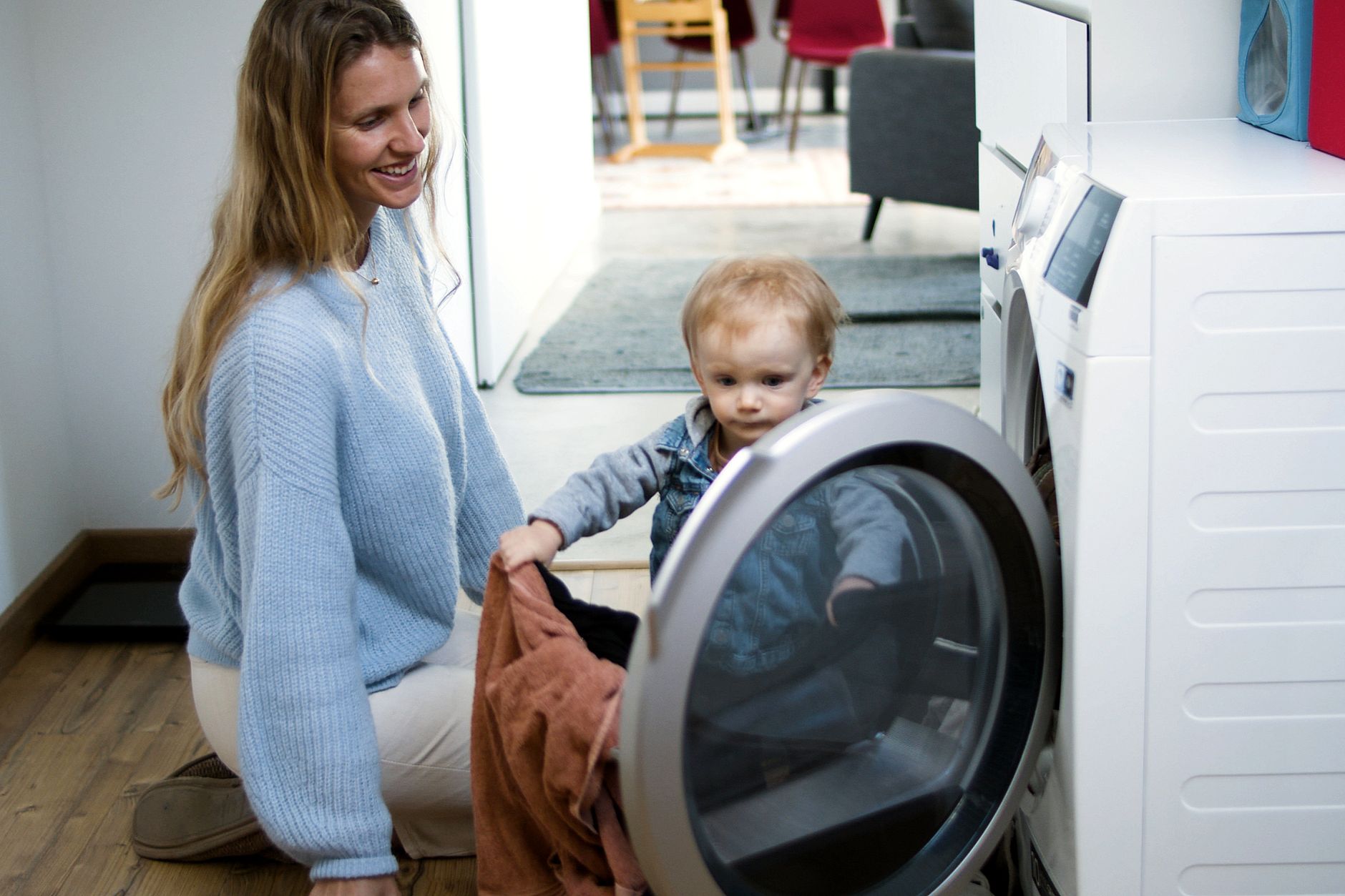
- Let them "help" with diaper changes: Hand them a clean diaper or a washcloth to hold. Even if they just stand there, it makes them feel part of the process.
- Give them a "special" baby toy: A soft baby doll or a stuffed animal that’s "the baby’s friend." Let them take care of it together.
- Avoid handing them the real baby: Unless you’re prepared to supervise closely, skip the "big sister/brother" holding. Toddlers can be rough, and babies are fragile.
- Praise their efforts: *"You’re such a good helper!"* even if it’s just holding a sock. Positive reinforcement goes a long way.
 >
>
Step 3: Keep routines intact (even if they feel impossible)
Routines are your secret weapon. They give toddlers a sense of control in a chaotic world. Even with a newborn, try to keep these non-negotiable:
- Naptime: If your toddler used to nap, find a way to keep it—even if it’s just 20 minutes of quiet time with a book.
- Dinnertime: Sit down together as a family (even if it’s just you and your toddler). Use the nutrition calculator to ensure they’re getting enough while you’re feeding the baby.
- Bedtime: Stick to the same routine as closely as possible. This guide has tips for making it work with a newborn.
- Independent play: Set up a "special" bin with toys they love. Even 10 minutes of solo play gives you a break.
If you’re struggling, remember: Progress > perfection. Some days, you’ll keep the routine. Other days, you’ll just try. That’s okay.
Now, let’s talk about the moments when jealousy does flare up. How do you handle it when your toddler acts out?
---
What to do when toddler resents baby at home: handling the tough moments
Jealousy doesn’t announce itself with a sign. It hits in the middle of the night, at the grocery store, or right when you’re trying to get the baby to nap. Here’s how to handle the most common triggers:
1. When they hit or bite the baby
First, stay calm. Reacting with anger can escalate the situation. Instead:
- Gently separate them: *"No hitting, sweetie. Biting hurts."*
- Redirect their energy: *"Let’s play with your cars instead!"*
- Later, explain: *"Babies are little and fragile. We take care of them gently."*
2. When they refuse to share you
If they’re clinging to you while you’re changing the baby’s diaper, try this:
- Give them a "job": *"Can you hand me the diaper cream?"*
- Use a timer: *"We’ll play together for 5 more minutes after this."*
- Avoid giving in: If you pick them up every time they cry, they’ll learn that jealousy = attention.
3. When they act out at bedtime
If your toddler suddenly refuses to sleep, try:
- Sticking to the routine even if it’s hard. If they’re used to a bath and a story, don’t skip it.
- Giving them a "comfort object": A favorite stuffed animal or blanket can help them feel secure.
- Using a consistent bedtime signal, like turning off the lights at the same time every night.
 >
>
4. When they ask, "Why do you love the baby more?"
This is the hardest question. The truth? You don’t love the baby more—you just love them differently. Here’s what to say:
"I love you so much, and I always will. The baby is little and needs lots of help right now, but you’re my big helper too. I love all the ways you’re special!"
This reassures them without lying. If they push back, stay calm and repeat it later. Over time, they’ll start to believe it.
What if none of this seems to work? Let’s talk about the next level: how to keep your toddler engaged when the baby is the center of attention.
---
How to keep toddler engaged when new baby arrives: activities that work
When the baby is the new star of the show, your toddler needs their own spotlight. The goal? Activities that are fun, independent, and engaging—so they don’t feel like they’re being ignored. Here are some of the most effective ideas:
1. Sensory bins
Fill a shallow container with rice, beans, or water beads (supervised!) and add scoops, cups, or small toys. Toddlers love exploring textures, and it keeps them busy for 20+ minutes. Pro tip: Let them help you clean up afterward—it teaches responsibility!
2. "Big kid" chores
Toddlers love feeling like they’re contributing. Try:
- Sorting laundry by color
- Wiping baseboards with a damp cloth
- Feeding the family pet
- Watering plants
3. Outdoor adventures
If you’re feeling overwhelmed indoors, take your toddler outside. A hike with a snack, a trip to the park, or even just playing in the backyard can be a lifesaver. The fresh air and movement help both of you reset.
4. Creative play
Set up a "dress-up" station with old clothes, hats, and scarves. Or create a "car wash" for toy cars with soapy water. The key is open-ended play—no rules, just imagination.
5. Audiobooks or music time
If your toddler loves stories, try an audiobook during chores or car rides. If they’re musical, play their favorite songs and let them dance. These activities give them something to focus on while you handle baby tasks.
Here’s a quick reference table for quick, low-effort activities:
If you’re struggling to find time for these, remember: even 5 minutes of focused attention is better than none. Use a phone timer to signal when your "special time" is ending so your toddler knows what to expect.
But what if your toddler’s jealousy feels like it’s permanent? Let’s talk about the next step: how to talk to your toddler about the baby’s arrival in a way that eases their fears.
---
How to talk to toddler about baby arrival: the do’s and don’ts
Words matter—especially when your toddler’s world is changing. The way you talk about the baby can either ease their fears or amplify their anxiety. Here’s how to do it right:
Do
- Use positive, simple language:
"The baby is here, and we’re so happy! You’re going to be such a good big sister/brother!"
- Avoid comparisons:
"No, you weren’t this little!" (Instead: *"Look at those tiny hands!"*)
- Give them a role:
"You can help me by holding the baby’s blanket."
- Reassure them of your love:
"I love you more than anything, and the baby loves you too!"
- Use books and stories: Read books about siblings together. Some favorites:
- Sister, Brother, Family by Wendy Ewald
- Little Brother, Big Brother by Margaret Wise Brown
- The Rabbit Who Wants to Fall Asleep by Charlotte Zolotow
Don’t
- Say the baby is "taking your place".
- Use the baby as a bribe (*"If you’re good, the baby will play with you!"*).
- Dismiss their feelings (*"You’re just being silly!"*).
- Talk badly about the baby (even in frustration).
One mom, Priya, shared that she used a visual aid to help her son understand: *"We drew a picture of our family—me, you, and the baby—and I pointed to each of us and said, ‘We all love each other!’"* It helped him see that the baby wasn’t replacing him.
If your toddler is still struggling, try this script when they ask, *"Why do you love the baby more?"*:
"I love you so much, and I always will. The baby is little and needs lots of help right now, but you’re my big helper too. I love all the ways you’re special—your laugh, your hugs, the way you help me!"
This reinforces that their relationship with you hasn’t changed—only their role in the family has.
Now, let’s talk about the bigger picture: managing expectations—yours and your toddler’s.
---
How to manage toddler’s jealousy after baby arrival: setting realistic expectations
One of the hardest parts of this transition? Managing your own expectations. You might expect your toddler to be thrilled about the baby, but that’s not realistic. Here’s what to know:
1. Jealousy is temporary
Most toddlers adjust within 3 to 6 months. The first few weeks are the hardest, but with consistency, their jealousy will fade. One study from the Journal of Developmental & Behavioral Pediatrics found that siblings who had positive interactions early on were more likely to form strong bonds later.
2. It’s not about the baby—it’s about the change
Your toddler isn’t jealous of the baby. They’re jealous of the attention the baby is getting. Their brain hasn’t developed the ability to understand that love is limitless. The good news? With patience and consistency, they will adjust.
3. You can’t give 100% to both
And that’s okay. You’re doing an amazing job by trying. Some days, you’ll give more to the baby. Other days, you’ll give more to your toddler. The key is that they see you giving—even if it’s just a quick hug or a silly joke.
4. It’s normal for them to regress
Potty training? Undone. Sleeping through the night? Gone. Thumb-sucking? Back again. This isn’t a lack of progress—it’s a sign that they’re processing the change. Stay patient and consistent.
If you’re feeling overwhelmed, remember: this phase will pass. One mom we interviewed, Sophia, put it this way: *"It was the hardest month of my life—but also the most rewarding. Watching my daughter start to include the baby in her games was worth every cry."*
But what if your toddler’s jealousy feels unmanageable? When should you seek help?
---
When to seek professional help for toddler jealousy
Most toddler jealousy is normal and temporary. But if your child’s behavior is persistent, extreme, or affecting their daily life, it may be time to talk to a professional. Here’s when to consider reaching out:
- If they’re consistently aggressive: Hitting, biting, or screaming at the baby (or you) daily for more than a few weeks.
- If they’re refusing to interact with the baby: Avoiding the baby entirely, even when you encourage it.
- If they’re showing signs of anxiety: Nightmares, clinginess, or refusal to go to daycare/preschool.
- If they’re regressing in major ways: Losing potty training, refusing to eat, or having major sleep disruptions for months.
- If you’re feeling hopeless: If you’re exhausted, resentful, or struggling to cope, a therapist can help you both navigate this transition.
What kind of help is available?
- Child therapist: A specialist in toddler development can help your child process their feelings.
- Parent coaching: Some therapists focus on helping parents navigate sibling dynamics.
- Support groups: Connecting with other moms who’ve been through this can be incredibly validating.
If you’re unsure where to start, your pediatrician can refer you to a child psychologist or family therapist. Many offer short-term support, which can be a game-changer.
 >
>
---
Myth vs. fact: debunking common misconceptions about toddler jealousy
Jealousy is a tricky topic, and there are a lot of myths floating around. Let’s set the record straight:
Myth: "If I ignore the jealousy, it will go away."
Fact: Ignoring it can make it worse. Toddlers need validation of their feelings, even if you reassure them that everything is okay. Acknowledging their emotions helps them process them.
Myth: "My toddler will automatically love the baby."
Fact: Love isn’t automatic—it’s built through experience. Some toddlers take months to warm up to the baby, and that’s okay. Patience and consistency are key.
Myth: "Giving the baby more attention will make the jealousy worse."
Fact: The baby needs attention, and that’s not the problem. The issue is when your toddler feels left out. The solution? Balance—giving the baby what they need while still making time for your toddler.
Myth: "Toddler jealousy only happens with the first baby."
Fact: Jealousy can happen with any new sibling. The more siblings you have, the more important it is to involve your older children in the process.
---
Key takeaways: your toddler jealousy survival guide
Bringing home a new baby while your toddler is at home is hard. But with the right strategies, you can turn this transition from chaotic to calm. Here’s what to remember:
- Jealousy is normal—it’s not about the baby, it’s about the change.
- Keep routines intact—they give your toddler a sense of security.
- Involve them in baby care—give them age-appropriate "jobs" to feel useful.
- Schedule one-on-one time—even 15 minutes a day makes a difference.
- Avoid comparisons—focus on the baby’s individuality, not your toddler’s past.
- Use positive reinforcement—praise their efforts, not just their results.
- Seek help if needed—if their behavior is persistent or extreme, a therapist can help.
---
Frequently asked questions about toddler jealousy
How can I help my toddler feel less jealous of the new baby?
The best way is to combine reassurance with involvement. Spend dedicated one-on-one time with your toddler daily, involve them in baby care (even if it’s just holding a blanket), and avoid comparisons. Books about siblings can also help them process their feelings.
What are signs that my toddler is jealous of the baby?
Watch for regression (potty accidents, clinginess), aggression (hitting or biting), demanding more attention, sleep disruptions, or rejection of baby-related items. These are all normal reactions to change.
How do I keep my toddler engaged when I have a new baby?
Set up independent play stations (sensory bins, dress-up clothes), use audiobooks during chores, or take them on short outdoor adventures. Even 10 minutes of focused attention can make a big difference. This guide has more ideas for keeping them busy outside.
Should I let my toddler sleep with the baby?
It depends on their age and your comfort level. If your toddler is under 2, it’s generally safer to keep them in their own bed. If you do let them sleep with the baby, use a bassinet or crib (not the same bed) and always supervise. The American Academy of Pediatrics recommends room-sharing (not bed-sharing) for infants.
What activities can reduce jealousy between siblings?
Activities that give your toddler a sense of responsibility work best. Try letting them "help" with diaper changes, giving them a special baby toy to care for, or setting up a sibling playdate where they can interact with the baby in a low-pressure way. Feeding them a snack while you’re changing the baby can also make them feel included.
How long does toddler jealousy last after baby arrival?
Most toddlers adjust within 3 to 6 months. The first few weeks are the hardest, but with consistency and patience, their jealousy will fade. If it lasts longer than 6 months or becomes extreme, consider talking to a child therapist.
---
When to see a doctor or specialist
If your toddler’s jealousy is causing persistent behavioral issues—like aggression, refusal to interact with the baby, or major sleep/eating regressions—it’s time to reach out to a professional. A child psychologist or family therapist can help your child process their feelings and give you strategies to manage the transition.
If you’re feeling overwhelmed as a parent, don’t hesitate to seek support. Parenting is hard, and you don’t have to do it alone. Many moms find relief in support groups or online communities where



