Planning international travel? Get a comprehensive catch-up on country-specific requirements and crucial timing for parents. Navigate health forms, visa rules, and vaccination schedules easily.
By Shubhra Mishra — a mom of two who turned her own confusion during pregnancy into BumpBites, a global mission to make food choices clear, safe, and stress-free for every expecting mother. 💛
Check whether any food is safe during pregnancy with the BumpBites Food Safety Checker.
Quick take: Most pregnant travelers can safely fly abroad through the end of their 36th week, provided they choose the right trimester, gather the required medical documents, and follow country‑specific entry rules. Check airline policies, secure a doctor’s letter, and verify vaccination and visa restrictions well before you book.
It’s 10 p.m., you’re scrolling through your phone with a half‑finished packing list, and a new worry pops up: “Will the passport office let me travel to Italy now that I’m 28 weeks pregnant?” You’re not alone. Expectant parents often wonder if their wanderlust collides with pregnancy safety, airline rules, or foreign entry requirements. The good news is that with a bit of planning, most destinations are still within reach.
🔢 Calculate it for your situation: Use our Vaccine Catch-Up Scheduler for a personalized result in seconds.
In this guide we break down everything you need to know about international travel while pregnant—from the safest trimester to fly, to the paperwork that will smooth your airport experience, to the vaccines and insurance you should consider. We’ll also map out common country‑specific restrictions so you can decide where and when to book that long‑awaited getaway.
By the end of the article you’ll have a clear checklist, a timeline for medical clearances, and confidence to book your tickets without the lingering “what‑if.” Let’s get started.
General pregnancy travel guidelines: timing, trimester considerations, and safety tips
Most health authorities, including ACOG and the NHS, agree that the second trimester (weeks 14–27) is the optimal window for international travel. Your energy levels are usually higher, morning sickness has eased, and the risk of preterm labor is lower than in the first or third trimesters. If you’re in your first trimester, expect more fatigue and nausea; if you’re past 36 weeks, many airlines will require a medical clearance or outright deny boarding for safety reasons.
Regardless of the trimester, keep these core safety practices in mind:
Stay hydrated – aim for at least 2 liters of water per day, especially on long flights.
Move regularly – stand or walk every 1–2 hours to reduce the risk of deep‑vein thrombosis (DVT).
Pack a travel health kit – include prenatal vitamins, any prescribed medications, and a small first‑aid kit.
Know the location of the nearest reputable hospital at your destination; an online search for “obstetric services” can save precious time if complications arise.
Pregnant travelers with high‑risk pregnancies (e.g., hypertension, gestational diabetes, or a history of preterm birth) should get a personalized assessment from their obstetrician before any overseas trip. Your provider may suggest a shorter trip, a different destination, or additional monitoring.
Why timing matters: The third trimester brings increased uterine size and reduced mobility, which can make long‑haul flights uncomfortable and elevate the risk of blood‑clot formation. In addition, many countries have entry‑screening protocols that become stricter after 32 weeks, especially for remote or high‑altitude locations. Planning ahead lets you avoid these pitfalls and enjoy a smoother journey.
Another practical tip is to schedule a brief “travel health check‑in” with your OB‑GYN about six weeks before departure. This allows time to address any new symptoms, update your vaccination status, and obtain the doctor’s clearance letter that many airlines now request. (ACOG 2023 recommends a pre‑travel visit for any trip longer than four hours.)
Airline policies for pregnant passengers: medical clearance, seat selection, and in‑flight accommodations
Airli
nes worldwide have varying policies, but most follow a common baseline. For flights up to 28 weeks, you usually won’t need a doctor’s note. Between 28 and 36 weeks, many carriers (including major U.S. and European airlines) request a medical certificate confirming a low‑risk pregnancy and an estimated delivery date. After 36 weeks, most airlines either prohibit travel or require a physician’s clearance that the pregnancy is stable and the flight is short (< 4 hours).
When booking, request an aisle seat for easier bathroom access and the ability to stretch your legs. Some airlines also offer extra pillows, a complimentary blanket, and priority boarding for pregnant passengers. If you anticipate a need for a medical oxygen supply or have a condition that could be aggravated by cabin pressure, contact the airline’s special assistance department at least two weeks before departure.
Don’t forget to check the airline’s specific policy on travel insurance. While many carriers recommend purchasing a separate policy, some include limited coverage for pregnancy‑related flight changes in their fare rules.
Many airlines now provide a “pregnancy support kit” on long‑haul routes, which can include compression socks, a mini‑hydration pack, and a guide to safe in‑flight exercises. Asking ahead can secure these amenities and make the journey more comfortable.
In addition, be aware of security screening accommodations. In the United States, the TSA allows pregnant travelers to request a private screening if they’re uncomfortable with the standard metal detector, and they may keep a small amount of liquid (e.g., prenatal vitamins) in a clear bag. In the UK, the Home Office advises that pregnant passengers can ask for a manual pat‑down instead of a full-body scanner, which reduces anxiety and speeds the process.
Documentation you’ll need at the airport and border control
Border officers rarely ask for a pregnancy confirmation, but a few countries require proof of a healthy pregnancy for entry, especially if you’re traveling with a newborn on the same trip. The safest approach is to carry the following documents in a small, organized folder:
A recent doctor’s letter (dated within 30 days of travel) stating your due date, any relevant medical conditions, and confirming that you’re cleared for travel.
Your prenatal records – a one‑page summary of key dates, blood type, and any high‑risk factors.
Proof of vaccinations pertinent to your destination (e.g., yellow fever, hepatitis A).
A copy of your travel insurance policy showing coverage for pregnancy complications.
Standard travel documents: passport, visa (if required), and any COVID‑19 test results or vaccination certificates.
Having these items handy can prevent delays at customs and give you peace of mind if a health professional requests verification. Some countries, such as Brazil, may also ask for a “certificate of fitness for travel” issued by a local physician, so double‑check the latest embassy guidelines.
It’s also wise to keep a digital copy of all documents on your smartphone, encrypted and password‑protected, in case the paper set is misplaced. Many airports now allow you to present electronic documents at e‑gates, which speeds the process for travelers who are already juggling a stroller or a baby carrier.
Country‑specific entry requirements: vaccinations, health certificates, and pregnancy‑related restrictions
Entry rules differ dramatically by region. Below is a snapshot of common requirements for popular travel destinations in 2024. Note that policies can change quickly, so always verify with the official embassy or health ministry website before you book.
Region / Country
Vaccination / Health Certificate
Pregnancy‑Specific Restrictions
Europe (Schengen Area)
COVID‑19 vaccination or negative test (48 h); no routine travel vaccines required for most EU nations.
Generally no restrictions; however, some high‑altitude resorts (e.g., Swiss Alps) advise against travel after 32 weeks.
United Kingdom
COVID‑19 vaccination or test; yellow‑fever certificate only if arriving from endemic areas.
Pregnant women may be advised to avoid certain rural clinics lacking obstetric care.
United States
COVID‑19 vaccination recommended; no additional travel vaccines for most visitors.
Airline‑specific medical clearance required after 28 weeks for most carriers.
Canada
COVID‑19 vaccination or test; no routine travel vaccines.
Similar to U.S.; some provinces recommend avoiding remote northern regions after 34 weeks.
Australia & New Zealand
COVID‑19 vaccination; hepatitis A/B if traveling to remote Pacific islands.
Pregnant travelers should avoid the outback during extreme heat (> 35 °C) after 30 weeks.
Southeast Asia (Thailand, Vietnam, Malaysia)
Hepatitis A, Typhoid, and possibly Japanese encephalitis vaccine; yellow‑fever only if coming from endemic zone.
Thai authorities advise against travel after 36 weeks; many hospitals require a delivery plan.
South America (Brazil, Peru, Chile)
Yellow‑fever vaccine (mandatory for Brazil); hepatitis A/B and typhoid recommended.
High‑altitude cities (e.g., La Paz) may limit travel after 32 weeks due to oxygen considerations.
Africa (Kenya, South Africa, Ghana)
Yellow‑fever vaccine (mandatory for Kenya, Ghana); malaria prophylaxis if entering endemic zones.
Some safari operators restrict travel after 34 weeks; malaria medication safety varies by trimester.
When a destination requires a yellow‑fever vaccine, the CDC notes that the vaccine is safe for pregnant women after the first trimester, but if you’re earlier in pregnancy you may be exempted with a medical waiver. Always discuss vaccine timing with your obstetrician.
For a quick overview of which vaccines you might need based on your travel dates, try our Vaccine Catch‑Up Scheduler. It lets you input your due date and planned itinerary to see which immunizations fit safely into your prenatal schedule.
Having your passport, doctor’s note, and vaccination records together speeds up security checks.
Travel insurance considerations: coverage for pregnancy complications, medical evacuation, and trip cancellation
Standard travel insurance policies often exclude “pre‑existing conditions,” which can include pregnancy. Look for a plan that specifically mentions “pregnancy coverage” or “maternal health.” Key features to prioritize:
Medical evacuation – the ability to transport you to the nearest hospital with obstetric services, even if it’s across borders.
Pregnancy‑related complications – coverage for premature labor, miscarriage, or emergency C‑section abroad.
Trip interruption or cancellation – reimbursement if you need to postpone or cancel due to a medical recommendation.
24‑hour hotline – a dedicated line that can arrange local medical care and translation services.
Many insurers require a physician’s statement confirming that you’re low‑risk and cleared for travel. Premiums for pregnancy‑inclusive policies can be 20‑30 % higher than standard plans, but the peace of mind is worth it, especially for high‑risk trips like remote safaris or mountain trekking.
Below is a quick comparison of what to look for when evaluating policies:
Feature
Standard Policy
Pregnancy‑Inclusive Policy
Medical evacuation
Often excluded for pre‑existing conditions
Included up to 36 weeks, with obstetric care
Pregnancy complications
Rarely covered
Coverage for premature labor, C‑section, miscarriage
Trip cancellation
Limited to weather/transport issues
Allows cancellation for medical advice or complications
24‑hour support line
Usually available
Specialized multilingual obstetric assistance
When comparing plans, also verify whether the policy includes “coverage for obstetric emergencies in low‑resource settings.” Some insurers only cover evacuation to the nearest tertiary hospital, which may still be far from a remote destination. If you’re headed to a region with limited facilities, consider a supplemental rider that guarantees transport to a major city.
Health precautions and recommended vaccinations for pregnant travelers
Vaccination safety during pregnancy follows a risk‑benefit analysis. Inactivated vaccines (e.g., influenza, Tdap, hepatitis A) are generally safe and recommended. Live attenuated vaccines (e.g., yellow‑fever, MMR) are typically avoided in the first trimester and only given when the benefit outweighs the risk.
Here are the most common vaccines and their pregnancy recommendations, based on CDC and WHO guidance:
Influenza (inactivated) – recommended for all pregnant women each flu season, regardless of trimester.
Tdap (tetanus, diphtheria, pertussis) – recommended during each pregnancy, ideally between weeks 27–36, to protect the newborn.
Hepatitis A – safe in any trimester; advised for travelers to regions with poor sanitation.
Yellow‑fever – safe after the first trimester; if you need it earlier, a medical waiver may be accepted by some countries.
Typhoid (inactivated) – safe in pregnancy; oral Typhoid vaccine is contraindicated, so the injectable form is preferred.
COVID‑19 (mRNA) – recommended for all pregnant women; studies show reduced risk of severe disease and no increase in adverse pregnancy outcomes.
Beyond vaccines, practice standard travel health hygiene: use bottled water, avoid raw or undercooked foods, and apply insect repellent containing DEET (up to 30 % concentration is considered safe during pregnancy. The CDC confirms DEET’s safety profile for pregnant travelers.) Carry a small supply of prenatal vitamins and any prescribed medications in your carry‑on, as airlines may limit checked‑bag access to medical supplies.
When timing vaccinations, aim for at least two weeks before departure to allow your immune system to respond. For trips planned within a month, prioritize the influenza and Tdap vaccines, which have the quickest protective effect.
Timing and planning tips: when to book, how far in advance to obtain clearances, and peak travel seasons
Start planning at least three months before your intended departure. This gives you time to:
Schedule a pre‑travel visit with your obstetrician to discuss risks and obtain a travel clearance letter.
Apply for any required visas or health certificates, which can take 2–4 weeks depending on the country.
Get vaccinations well before travel – most inactivated vaccines need a 2‑week lead time for optimal immunity.
Purchase travel insurance that includes pregnancy coverage, and review the policy’s fine print.
Book flights with flexible change policies, especially if you’re traveling close to your due date.
Peak travel seasons (summer in Europe, winter holidays in the U.S., and spring festivals in Asia) often mean higher fares and busier airports. If you can be flexible, aim for shoulder‑season travel (April‑May or September‑October) to enjoy milder crowds and more comfortable weather, which is also beneficial for pregnant travelers.
Don’t forget to check evolving COVID‑19 entry rules. Many countries still require a negative PCR test within 72 hours of arrival or proof of vaccination. Some also mandate a short quarantine for unvaccinated travelers, which can be especially challenging in the third trimester.
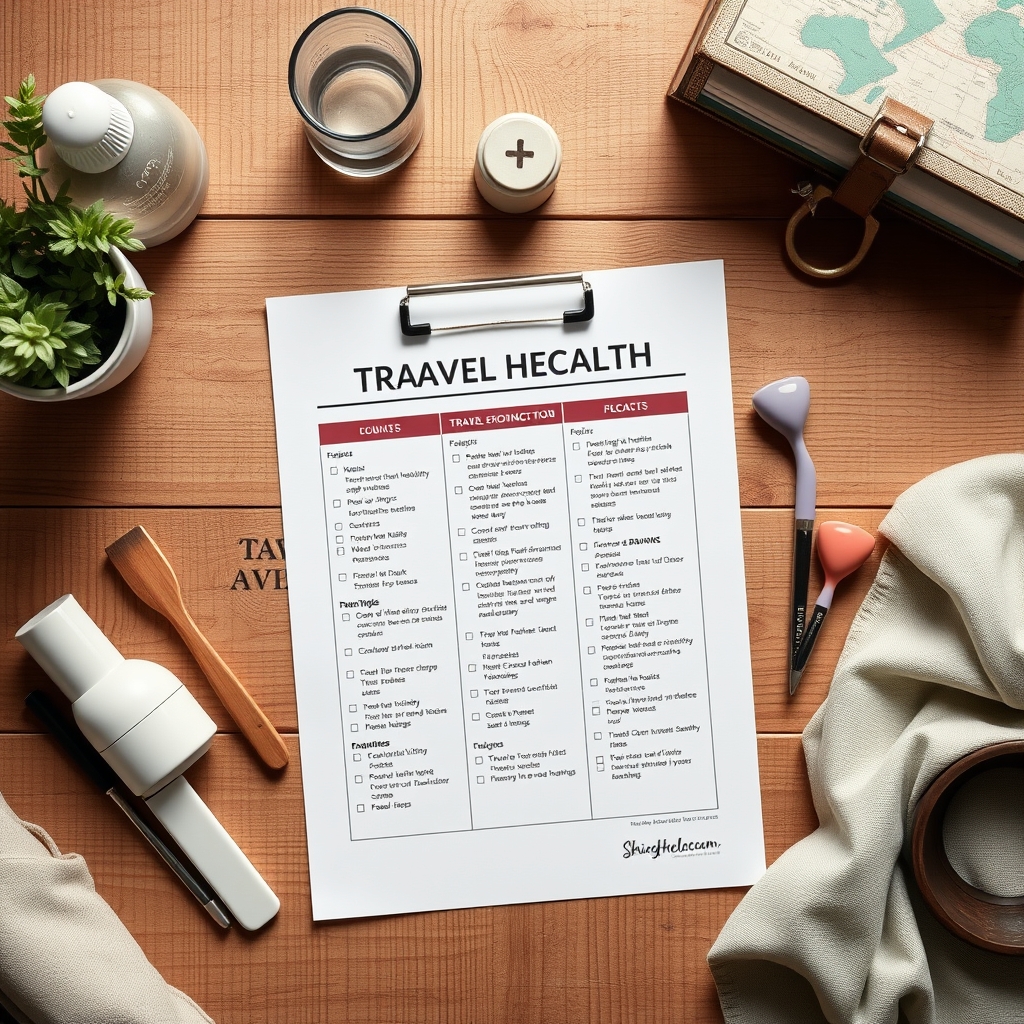
Use a printed checklist to ensure you’ve packed every essential document and medication.
Preparing for airport security and customs with pregnancy
Security checkpoints can be a source of anxiety, especially when you’re juggling a stroller or a baby carrier. In the U.S., the TSA allows pregnant travelers to request a private screening, and you may keep prenatal vitamins or a small bottle of water in a clear zip‑top bag. In the UK, the Home Office recommends asking for a manual pat‑down instead of a full‑body scanner if you’re uncomfortable with the metal detector. Both agencies advise informing the officer of your pregnancy before the scan begins; this simple step can prevent unnecessary delays.
Another tip is to pack all liquids—including any liquid medication—in a separate, easily accessible pouch. This speeds up the “liquids” part of the security line and reduces the chance you’ll have to unpack a diaper bag mid‑process. If you’re traveling with a newborn, bring a copy of the infant’s birth certificate and a note from your pediatrician confirming the baby’s health; some airports request proof of age for infants under six months.
Managing nutrition and hydration on the go
Staying well‑nourished while you’re on the move supports both your energy levels and fetal development. Aim for balanced meals that include protein (lean meats, legumes, dairy), complex carbs (whole‑grain breads, quinoa), and healthy fats (avocado, nuts). If you’re concerned about food safety, choose hot‑cooked dishes over raw salads, and always drink bottled or filtered water—especially in regions where tap water may carry parasites.
Pack a portable snack kit with items such as mixed nuts, dried fruit, whole‑grain crackers, and pre‑sliced cheese. These foods are low‑risk, easy to carry, and can keep blood‑sugar stable during long layovers. A reusable water bottle with a built‑in filter is a practical way to stay hydrated without constantly buying plastic bottles, and many airports now have water‑filling stations in the terminal corridors.
Managing travel‑related stress and sleep while pregnant
Travel can be a source of excitement, but also of anxiety—especially when you’re pregnant. Poor sleep and heightened stress can trigger uterine contractions, so it’s worth building a calming routine before and during the trip. Pack a small pillow, a familiar sleep mask, and a calming playlist for the flight. Herbal teas like ginger or peppermint (in moderation) can soothe nausea without affecting sleep.
Consider a short “pre‑trip detox” of 48 hours: limit caffeine, avoid heavy meals late at night, and practice gentle stretching or prenatal yoga. According to the NHS, maintaining a regular sleep schedule (7–9 hours per night) helps regulate cortisol levels, which supports a healthier pregnancy and reduces the likelihood of stress‑related complications.
Post‑trip health check‑in and monitoring
After you return, schedule a routine prenatal visit within two weeks to discuss any symptoms you experienced abroad—such as fever, gastrointestinal upset, or unusual fatigue. This follow‑up allows your provider to screen for infections that might have been acquired overseas, such as Zika or malaria, and to adjust any prenatal testing if needed.
Bring a copy of any medical records you obtained while traveling, including lab results, prescription receipts, or discharge summaries. Even if you felt fine, a brief review can catch silent issues early. The RCOG advises that any travel‑related illness, especially with fever, should be reported promptly to avoid complications like preterm labor.
Doctor’s note
From our medical team: “If you’re in good health and your pregnancy is low‑risk, international travel is usually safe up to 36 weeks. The most important steps are securing a physician’s clearance, staying hydrated, and having a solid insurance plan that covers obstetric emergencies. Always keep a copy of your prenatal records handy, and don’t hesitate to ask local health providers about the nearest obstetric services upon arrival.”
🔢 Ready to crunch your numbers? Use our Vaccine Catch-Up Scheduler for a personalized result in seconds.
Myth vs. fact
Myth: You can’t travel after the first trimester because the baby might be harmed by cabin pressure. Fact: Cabin pressure is regulated to the equivalent of 6,000‑8,000 feet, which is safe for most pregnant women. The real concern is prolonged immobility, which can be mitigated by regular movement and compression stockings.
Myth: All vaccines are unsafe during pregnancy. Fact: Inactivated vaccines such as influenza, Tdap, and hepatitis A are recommended, while live vaccines are only avoided when unnecessary or during early pregnancy.
Myth: Travel insurance never covers pregnancy complications. Fact: Specialized “maternal” policies do exist and can cover emergency deliveries, medical evacuation, and trip cancellations related to pregnancy.
Key takeaways
Travel is safest in the second trimester; most airlines allow travel up to 36 weeks with a doctor’s note.
Gather a recent physician’s clearance, prenatal summary, and vaccination records before you leave.
Check each destination’s entry requirements – especially for yellow‑fever, COVID‑19, and altitude considerations.
Purchase travel insurance that specifically includes pregnancy complications and medical evacuation.
Stay hydrated, move frequently, and know the location of obstetric care at your destination.
Re‑confirm airline and visa policies at least two weeks before departure to avoid surprises.
Plan for stress‑reduction and post‑trip follow‑up to keep you and your baby healthy.
Frequently asked questions
Can I travel internationally during my second trimester?
Yes – the second trimester (weeks 14–27) is generally the safest period for overseas trips, as many women experience reduced nausea and stable health, making travel comfortable and low‑risk.
Do I need a doctor’s note to fly abroad while pregnant?
Most airlines require a medical clearance after 28 weeks; before that, a note is optional but helpful for border officials and peace of mind.
What are the vaccination requirements for pregnant travelers?
Inactivated vaccines such as influenza, Tdap, hepatitis A, and the COVID‑19 mRNA vaccine are safe at any trimester, while live vaccines (e.g., yellow‑fever) are recommended only after the first trimester and may need a medical waiver.
Are there any countries that restrict travel for pregnant women?
Few countries outright ban pregnant travelers, but some high‑altitude destinations (e.g., La Paz, Bolivia) advise against travel after 32 weeks, and certain safari operators limit trips after 34 weeks for safety.
How far in advance should I schedule a travel health check before an overseas trip?
Plan a pre‑travel appointment at least 6–8 weeks before departure to allow time for vaccinations, obtaining a clearance letter, and arranging any necessary visas or health certificates.
What travel insurance covers pregnancy complications abroad?
Look for policies that list “pregnancy complications,” “maternal health,” or “obstetric emergency” coverage, and verify that they include medical evacuation and trip cancellation benefits.
Can I take a cruise while pregnant?
Most cruise lines allow pregnant guests up to 24 weeks, and some extend to 28 weeks with a physician’s note; however, the rolling motion and limited medical facilities mean you should discuss any cruise plans with your obstetrician and ensure the ship has a qualified medical team.
What should I do if I go into labor abroad?
If you experience regular contractions, water breaking, or any signs of preterm labor while overseas, contact the ship’s medical staff or local emergency services immediately, then follow the nearest obstetrician’s advice. Having a pre‑arranged evacuation plan in your insurance policy can speed up transport to a hospital with a neonatal unit.
What should I pack in a pregnancy‑friendly travel kit?
Include a doctor’s clearance letter, a one‑page prenatal summary, any prescribed medications, prenatal vitamins, a small first‑aid kit, compression socks, a reusable water bottle, and snacks like nuts or whole‑grain crackers. Keep all items in a carry‑on so you have quick access during the flight.
Is it safe to travel to malaria‑endemic regions while pregnant?
Travel to malaria‑endemic areas is possible with careful planning. The CDC recommends using insect repellent (DEET ≤30 %), sleeping under insect‑netted beds, and taking prophylactic medication only after consulting your obstetrician, as some antimalarials (e.g., mefloquine) are considered safe in the second and third trimesters.
When to call your doctor
If you experience any of the following, contact your obstetrician or go to the nearest emergency department immediately: severe abdominal pain, heavy bleeding, sudden swelling of hands or face, high fever (> 38 °C), shortness of breath, or signs of preterm labor (regular contractions before 37 weeks). This article provides general information and is not a substitute for personalized medical advice.
References
American College of Obstetricians and Gynecologists (ACOG). “Travel During Pregnancy.” 2023 clinical guidance.
Centers for Disease Control and Prevention (CDC). “Travelers’ Health: Pregnancy.” Updated 2024.
World Health Organization (WHO). “Vaccines and pregnancy.” 2023 position paper.
National Health Service (NHS). “Travel advice for pregnant women.” 2024.
U.S. Department of State. “Visa and entry requirements for pregnant travelers.” 2024.
International Air Transport Association (IATA). “Medical Guidelines for Air Travel.” 2023.
Royal College of Obstetricians and Gynaecologists (RCOG). “Travel advice for pregnant women.” 2024.
Travel Insurance Association. “Maternal health coverage overview.” 2024.
European Centre for Disease Prevention and Control (ECDC). “COVID‑19 travel restrictions.” 2024.
Australian Government Department of Health. “Vaccination recommendations for pregnant women.” 2024.
U.S. Transportation Security Administration (TSA). “Traveling while pregnant.” 2023.
UK Home Office. “Airport security and pregnancy.” 2023.
Not sure about the label on International Travel Catch Up Country Specific Requirements Timing products?
Snap the ingredients list and SafeFilter checks every ingredient for your stage — only 3 free scans this month, then you're locked until reset. Unlimited from $7/mo or $50/yr.
When Shubhra Mishra was expecting her first child in 2016, she was overwhelmed by conflicting food advice — one site said yes, another said never. By the time her second baby arrived in 2019, she realized millions of mothers face the same confusion.
That sparked a five-year journey through clinical nutrition papers, cultural diets, and expert conversations — all leading to BumpBites: a calm, compassionate space where science meets everyday motherhood.
Her long-term vision is to build a global community ensuring safe, supported, and free deliveriesfor every mother — because no woman should face pregnancy alone or uninformed. 🌿
🌍 Stand with mothers, shape safer guidance
Join a small circle of experts who review BumpBites articles so expecting parents everywhere can decide with confidence.