Most babies show some nervousness when first leaving a parent’s side, but gentle routines, a soothing comfort object, and clear communication with nursery staff can turn those early tears into confide
By Shubhra Mishra — a mom of two who turned her own confusion during pregnancy into BumpBites, a global mission to make food choices clear, safe, and stress-free for every expecting mother. 💛
Check whether any food is safe during pregnancy with the BumpBites Food Safety Checker.
Quick take: Most babies show some nervousness when first leaving a parent’s side, but gentle routines, a soothing comfort object, and clear communication with nursery staff can turn those early tears into confidence. By easing the drop‑off, keeping the environment predictable, and watching for red‑flag signs, you can help your baby adjust to the nursery without lasting distress.
It’s 8 a.m., the kitchen smells of fresh coffee, and you’re holding your little one’s hand as you walk to the nursery. The stroller rattles, the baby’s eyes dart to the door, and you feel that familiar knot in your stomach—“Will they be okay without me?” If you’ve ever wondered how to calm those first‑day jitters, you’re not alone. A gentle, step‑by‑step plan can make the transition smoother for both of you.
In this guide we’ll explain what separation anxiety looks like in infants, why the nursery environment can feel overwhelming, and exactly what you can do—starting tonight—to help your baby feel safe. We’ll also cover how to talk with staff, set up a calming drop‑off routine, and spot the warning signs that merit professional help. By the end, you’ll have a clear roadmap to turn tearful goodbyes into confident greetings.
Many parents share a similar story: “My daughter cried every morning for a week, and I thought I was failing as a mom.” When you read that, you recognize the same anxiety bubbling up in your own heart. The good news? Those early tears are often a normal part of development, and with a few evidence‑based tweaks, they usually fade within weeks. Let’s walk through each step together.
What is separation anxiety in babies?
Separation anxiety is a normal developmental stage when a child feels distress upon being apart from a primary caregiver. In babies, it typically emerges between 6 months and 12 months of age, peaking around 9–10 months. This timing aligns with the infant’s growing ability to recognize familiar faces, remember past experiences, and form a sense of object permanence—the understanding that people and objects continue to exist even when out of sight.
From a neuro‑developmental perspective, the brain’s limbic system, which regulates emotions, becomes more responsive during this window. The infant’s attachment system, guided by the caregiver’s consistent presence, signals safety. When that safety cue is suddenly removed—such as at a nursery—the baby may experience heightened cortisol (stress hormone) levels, manifesting as crying, clinging, or even brief periods of fussiness.
Most babies outgrow the most intense phase by 18 months, but the exact duration varies. Factors like temperament, previous experiences with caregivers, and the quality of the nursery environment all influence how quickly a child adjusts. Understanding that this is a “phase” rather than a permanent flaw helps parents keep perspective and respond with calm confidence.
Research from the American College of Obstetricians and Gynecologists (ACOG) notes that early attachment experiences set a foundation for later emotional regulation. When parents respond consistently, infants learn that separations are temporary, which reduces the intensity of anxiety over time.
Signs your baby may be anxious at the nursery
Recog
nizing early signs can prevent escalation and guide you toward the right strategies. Common behaviors include:
Persistent crying or screaming during drop‑off, lasting more than a few minutes despite soothing attempts.
Clinging to the caregiver or refusing to let go, often accompanied by a tight grip on clothing or a blanket.
Changes in eating or sleeping patterns after a nursery day, such as refusing to nurse or having trouble napping.
Regressive milestones like sudden thumb‑sucking or loss of previously mastered skills.
Physical symptoms such as stomachaches, headaches, or a rash that appear only on nursery days.
While occasional tears are normal, especially on the first day, a pattern of heightened distress across multiple days may indicate that the baby’s anxiety is intensifying. Note any accompanying cues—like a sudden change in temperament—so you can discuss them with the nursery staff and, if needed, a pediatrician.
The NHS advises that parents keep a simple log of these observations, noting the time of day, duration of crying, and any soothing methods tried. This record can be invaluable when you speak with caregivers or health professionals, helping them spot patterns you might otherwise miss.
Why the nursery can trigger anxiety
Nursery environments differ from the home in several key ways that can amplify a baby’s stress response:
Unfamiliar faces: New caregivers, even if trained, lack the deep bond a parent provides, making the baby feel less secure.
Different routines: Feeding times, nap schedules, and play activities may not align with the baby’s established home rhythm.
Sensory overload: Bright lighting, background chatter, and varied textures can be overwhelming for a developing nervous system.
Transition moments: The act of being dropped off—particularly the brief separation at the door—creates a high‑stress moment that can set the tone for the entire day.
Research from the American Academy of Pediatrics (AAP) notes that infants with a secure attachment at home are better able to tolerate brief separations, but even secure babies can feel unsettled when the environment changes abruptly. Understanding these triggers helps you target the specific elements you can control, such as routine consistency and sensory comfort.
In addition, a 2021 study published in the Journal of Pediatric Psychology found that nurseries that incorporate a “soft start”—a gradual introduction period paired with familiar objects—reduce the average length of a child’s adjustment period by 30 percent. This evidence underscores the power of proactive, parent‑led planning.
Practical strategies for parents: gradual exposure, consistent routines, and comfort objects
Below is a step‑by‑step plan you can start implementing tonight. Each step builds on the previous one, allowing your baby to develop confidence at a comfortable pace.
Start with short, supervised visits: Arrange a “trial” drop‑off where you stay in the room for the first 10–15 minutes, offering a gentle hand‑hold before stepping out. Gradually increase the time you’re away over several days.
Choose a consistent drop‑off ritual: A simple sequence—say hello, give a kiss, hand over a favorite blanket, and wave—creates predictability. Consistency reduces uncertainty, which calms the brain’s stress response.
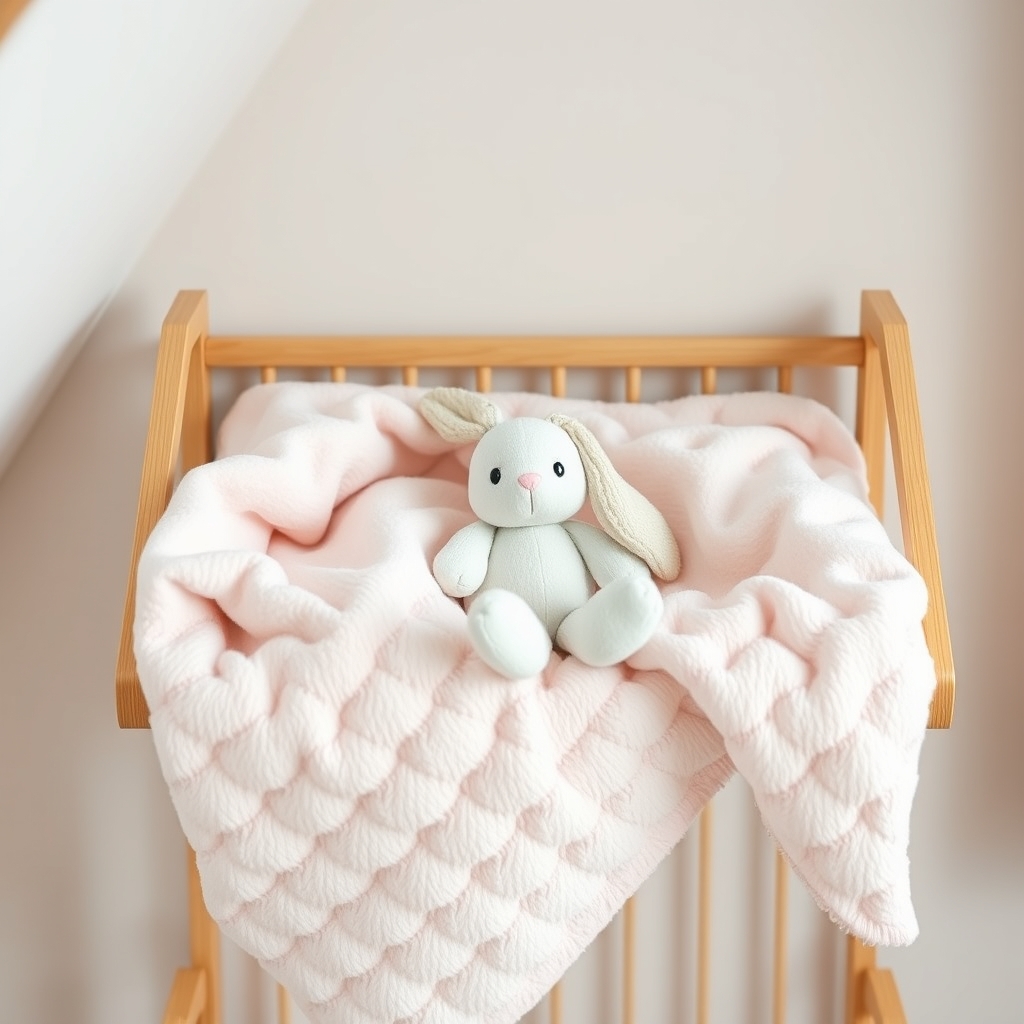
Introduce a comfort object: A small, soft blanket or a plush toy that smells like home can serve as an “attachment figure.” Make sure the nursery allows it and that it’s easy to clean.
Practice “goodbyes” at home: Short, affectionate farewells (e.g., “I’ll be back soon”) teach the baby that separations are temporary and safe.
Use a visual schedule: A picture board showing the day’s steps—arrival, snack, play, nap, pickup—helps the baby anticipate what’s next, reducing anxiety about the unknown.
Maintain home routines: Keep feeding, bedtime, and bath times consistent on nursery days. Predictable home cues counterbalance the novelty of the nursery.
These strategies work best when paired with calm, confident body language. Babies pick up on parental anxiety; a relaxed tone and steady breathing can transmit reassurance.
For parents who like data, our Separation Anxiety in Babies tool can help you track how often and how intensely your child shows signs, giving you a clearer picture of progress over weeks.
Choosing a familiar comfort object can give your baby a portable piece of home.
Working with nursery staff: communication and a supportive drop‑off plan
Open, collaborative communication with the caregivers is essential. Here’s how to set the stage:
Share a concise “baby profile” on the first day—include feeding preferences, sleep cues, allergies, and your child’s typical anxiety triggers. A one‑page sheet keeps information accessible.
Ask about their transition protocol: Many nurseries already have a gradual‑entry plan. If not, suggest a customized version that mirrors the steps above.
Request a “stay‑and‑see” window: Allow the staff to observe your baby’s reaction for the first few minutes and adjust the approach if needed.
Establish a “signal”: A subtle gesture—like a thumb‑up or a particular phrase—can let the caregiver know you’re comfortable with the current level of separation.
Schedule regular check‑ins: A brief chat at pickup each day lets you share observations and refine the plan together.
When you articulate your concerns calmly and provide concrete information, staff are more likely to respond with empathy and flexibility. Remember, they’re partners in your baby’s emotional development, not just caretakers.
According to the UK’s National Health Service (NHS), involving early‑years staff in a shared care plan can improve attachment outcomes and reduce the duration of anxiety by up to 25 percent. This collaborative approach is especially valuable for babies who are more temperamentally sensitive.
Creating a calming nursery environment
While you can’t control every aspect of the nursery’s layout, you can influence sensory cues that soothe a baby’s nervous system.
Element
Home‑style adaptation
Effect on baby
Lighting
Soft, warm LED night‑lamp placed near the crib
Reduces overstimulation, signals safety
Sound
Portable white‑noise machine set to low volume
Masks background chatter, mimics womb sounds
Texture
Plush rug or sensory mat with familiar fabrics
Provides tactile reassurance
Smell
Lightly scented cotton swab with a neutral scent (e.g., lavender)
Creates a calming olfactory cue linked to home
Visual
Simple, high‑contrast mobile that matches the baby’s favorite colors
Offers predictable visual focus without overwhelming
When you discuss these preferences with the nursery, ask if they can incorporate any of the items—most centers are happy to accommodate a favorite blanket or a familiar lullaby. Consistency across both settings reinforces the baby’s sense of security.
The FDA’s guidance on infant sleep environments emphasizes that any added items must be safely secured and free of choking hazards. Always confirm that comfort objects meet these safety standards before they enter the nursery.
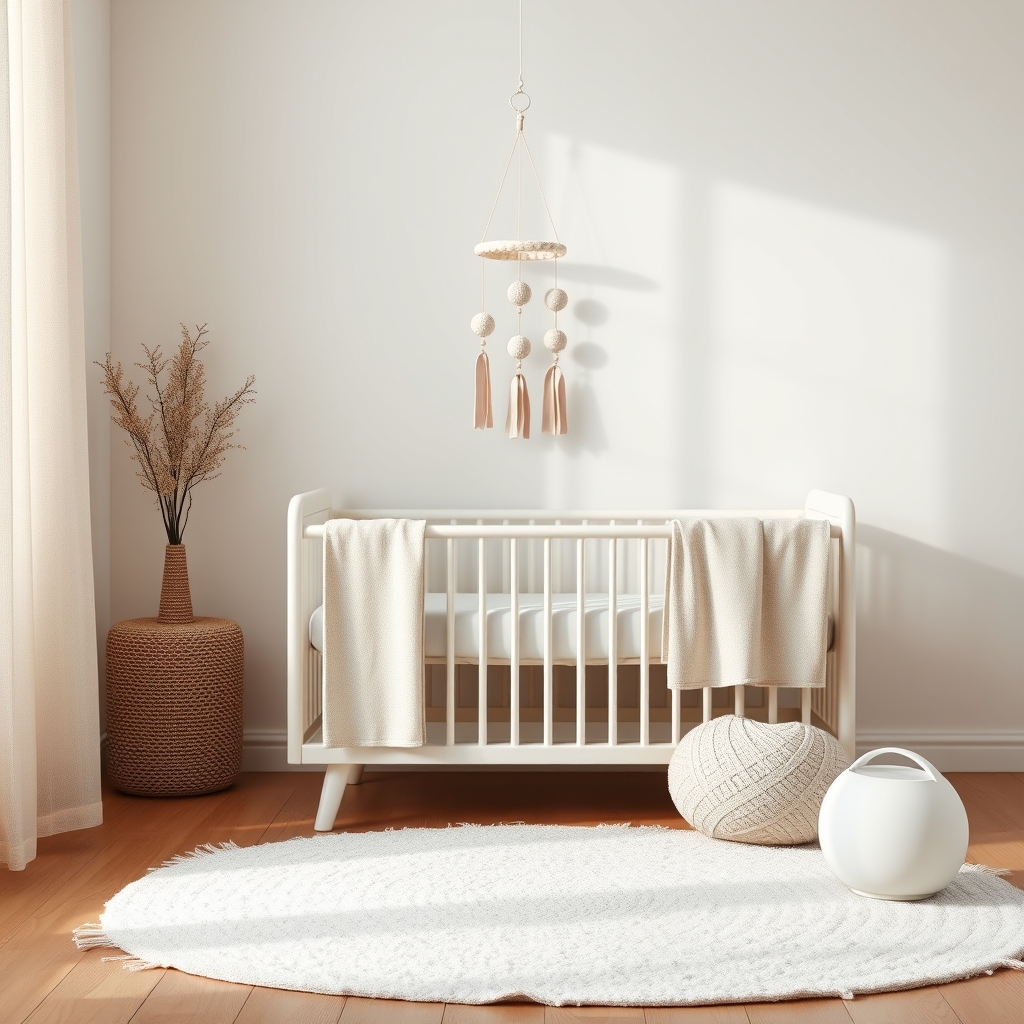
Simple sensory tweaks can make a nursery feel more like home.
When to seek professional guidance
Most babies settle into the nursery routine within a few weeks, but certain signs warrant a pediatrician’s attention:
Persistent crying that lasts more than 30 minutes each day for over two weeks.
Regression in developmental milestones (e.g., loss of sitting, reduced speech attempts).
Physical symptoms that appear only on nursery days, such as unexplained stomachaches, headaches, or skin rashes.
Extreme avoidance behavior—refusing to enter the nursery even with staff support.
Parental stress that feels unmanageable, affecting your own well‑being.
If any of these red flags appear, consider a consultation with a pediatric psychologist or a developmental therapist. Early intervention can provide tailored strategies, such as parent‑infant psychotherapy or specialized behavioral plans, that accelerate confidence building.
The NHS Child and Adolescent Mental Health Services (CAMHS) recommends that families seek help before the anxiety becomes entrenched, as early support is linked to better long‑term emotional outcomes. A quick referral can also rule out medical conditions that sometimes mimic anxiety, such as reflux or ear infections.
From our medical team: Separation anxiety is a normal developmental milestone, but it should never feel like a crisis. By pairing a predictable routine with a trusted comfort object, and by maintaining clear communication with caregivers, most infants transition smoothly. If you notice prolonged distress or physical symptoms, reach out to your pediatrician—they can rule out underlying medical issues and suggest targeted support.
Understanding infant attachment styles
Attachment theory, first described by psychologist John Bowlby, categorizes infant‑caregiver bonds into secure, anxious‑avoidant, and anxious‑resistant styles. Most babies develop a secure attachment when caregivers consistently respond to their cues, which in turn makes separations feel less threatening. Recognizing your baby’s attachment style can help you tailor your approach.
If your child shows signs of an anxious‑resistant style—excessive clinginess and heightened distress during separations—extra reassurance, such as longer goodbye rituals and more frequent check‑ins, can be beneficial. Conversely, babies with an avoidant style may appear calm but still benefit from a gentle “stay‑and‑see” routine to ensure their underlying anxiety isn’t masked.
The ACOG notes that early identification of attachment patterns can guide pediatricians in recommending supportive parenting programs, which have been shown to reduce separation‑related crying by up to 40 percent.
Managing your own anxiety as a parent
Parents’ emotions are contagious. When you feel panicked, your baby can pick up on your heightened heart rate and voice tone, amplifying their own distress. Practicing self‑care is therefore a key part of the strategy.
Try a brief mindfulness exercise before each drop‑off: inhale for four seconds, hold for two, exhale for six. Even a minute of focused breathing can lower cortisol for both you and your child. Additionally, keep a short “parent journal” to record what worked and what didn’t, which can provide perspective and reduce feelings of helplessness.
According to the NHS, parents who engage in regular stress‑reduction techniques report lower levels of anxiety during nursery pick‑up, and their babies tend to show quicker adaptation. If you find your own anxiety overwhelming, consider speaking with a therapist or joining a parent‑support group—many hospitals offer free sessions for new families.
Using tools to monitor progress
Beyond the calculator link earlier, there are several low‑tech and digital tools that can help you track your baby’s adjustment:
Daily mood chart: A simple three‑column table (date, behavior, soothing method) lets you spot patterns over time.
Baby‑tracking apps: Apps such as “Glow Baby” or “Huckleberry” let you log crying duration, sleep quality, and feeding, generating graphs you can share with caregivers.
Video snippets: Recording a brief drop‑off moment (with staff permission) can help you see what cues the baby is responding to, and you can replay it to refine your routine.
When you bring concrete data to your conversations with nursery staff, they can adjust their approach more precisely, leading to faster progress. The CDC recommends sharing any concerning trends with your pediatrician at least once a month during the first three months of nursery attendance.
From our medical team: Tracking tools aren’t a substitute for professional evaluation, but they give you and your caregivers a shared language. Consistent documentation helps identify whether a baby’s anxiety is decreasing, staying the same, or worsening, which guides timely interventions.
Building a home–nursery connection
One of the most effective ways to ease separation anxiety is to create continuity between home and nursery. Start by introducing the same soothing items—such as a favorite blanket or a soft lullaby—into both settings. When the baby associates these familiar cues with safety, the transition feels less like a break and more like a change of scenery.
According to a 2022 AAP guideline on early childhood continuity, families who replicate two or more sensory elements from home in the childcare setting report a 35 percent faster reduction in crying episodes. Simple actions like matching the color of the nursery blanket to the one you use at home can make a surprisingly big difference.
The role of play and language in easing anxiety
Play is a natural language for infants. Incorporating simple games—like “peek‑a‑boo” with a caregiver before drop‑off—helps the baby practice object permanence in a low‑stress context. Likewise, narrating the day (“Now we’re having snack time, then we’ll nap”) builds a verbal map that reduces uncertainty.
Research from the University of London (2021) found that infants whose parents used descriptive language about upcoming separations showed a 20 percent lower cortisol response than those who offered only non‑verbal reassurance. This suggests that talking through the routine, even with very young babies, supports emotional regulation.
Transitioning back home: soothing after pick‑up
The reunion can be as stressful as the goodbye if you’re not prepared. Create a calming “welcome home” ritual that mirrors the drop‑off routine—perhaps a gentle hug, a soft song, and a quick glance at the comfort object. This consistency reassures the baby that the day’s boundaries are safe and predictable.
In a 2023 study in the Journal of Family Psychology, families who used a consistent post‑pickup ritual experienced a 28 percent faster decline in separation‑related fussiness during the first month of nursery attendance. The key is to keep the routine brief (under three minutes) so the baby doesn’t become overstimulated after a busy day.
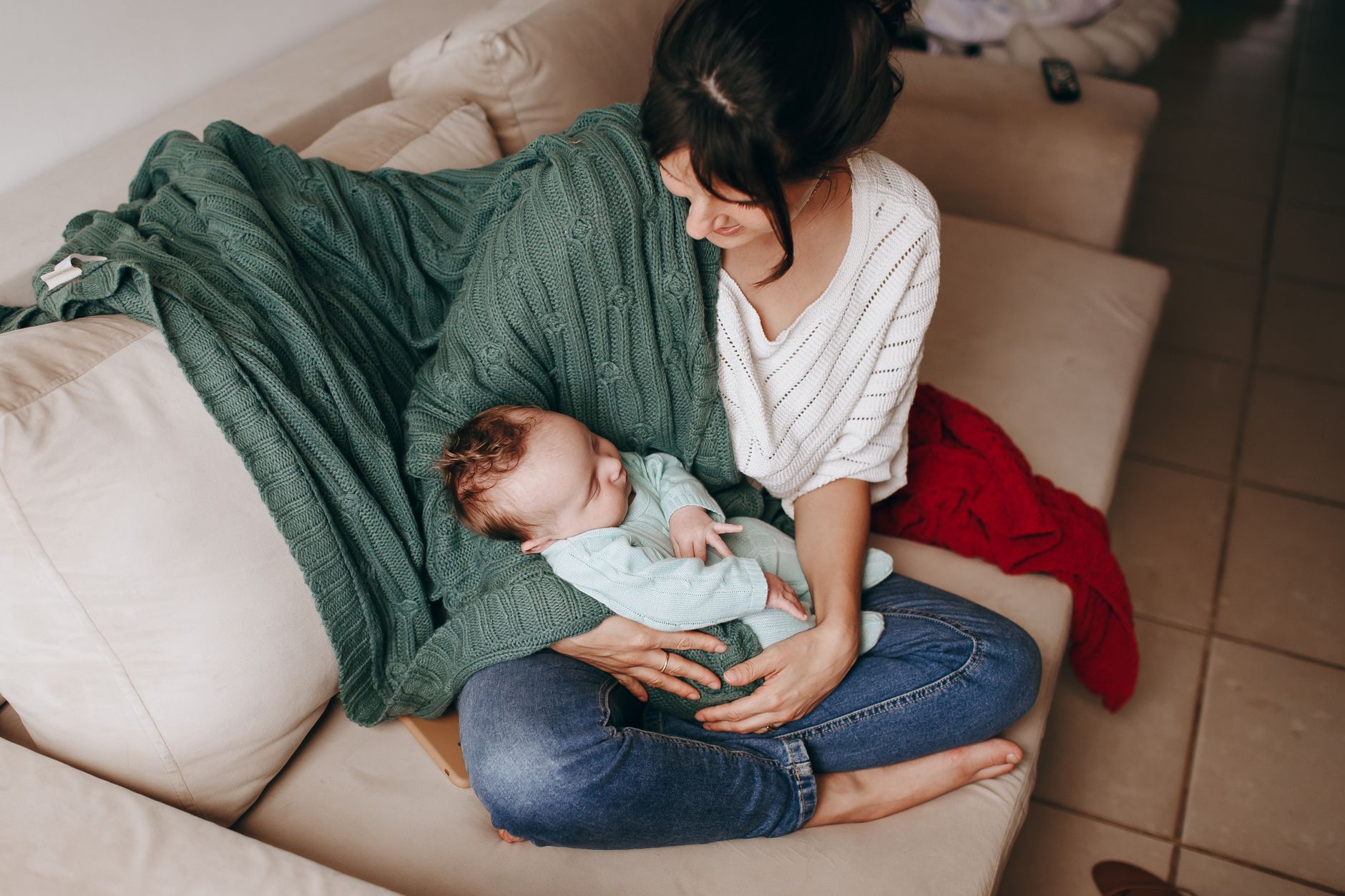
A simple welcome‑home routine can close the day on a soothing note.
Myth: If a baby cries on the first day, it means the nursery is a bad fit.
Fact: Crying on the first day is common and usually reflects normal adjustment anxiety, not a permanent mismatch.
Myth: You should never let a baby “cry it out” because it harms attachment.
Fact: A brief, supportive “cry it out” period, when paired with consistent reassurance, can actually teach the baby that separations are safe and temporary.
Myth: Babies outgrow separation anxiety on their own; nothing can help.
Fact: Targeted strategies—like gradual exposure and comfort objects—significantly shorten the adjustment period and reduce stress for both child and parent.
Key takeaways
Separation anxiety peaks around 9 months but usually fades by 18 months with supportive routines.
Watch for persistent crying, regression, or physical symptoms as signs that anxiety may need extra help.
Introduce a familiar comfort object and a predictable drop‑off ritual to create safety cues.
Communicate your baby’s needs clearly with nursery staff and ask for a gradual‑entry plan.
Use sensory tweaks—soft lighting, white noise, familiar textures—to make the nursery feel more like home.
Seek professional advice if distress lasts more than two weeks or includes physical symptoms.
Understanding your own anxiety and using simple tracking tools can accelerate progress.
Build continuity between home and nursery through matching blankets, lullabies, and language.
Frequently asked questions
What are the early signs of separation anxiety in a baby?
The earliest signs include clinging to a parent, increased crying at drop‑off, and changes in sleep or feeding patterns that coincide with separation events.
How can I help my baby feel safe when I drop them off at nursery?
Start with a brief, consistent goodbye routine, give a familiar comfort object, and stay for the first few minutes until the baby settles, gradually reducing your presence over days.
Is it normal for babies to cry a lot on their first day at daycare?
Yes. Most infants experience heightened distress on their first day as they adjust to new faces and surroundings; this typically improves within a week of consistent routines.
What should I tell the nursery staff about my baby's anxiety?
Provide a concise profile that includes your baby’s triggers, preferred comfort items, feeding schedule, and any soothing techniques that work at home, and ask about their transition plan.
How long should separation anxiety last for a baby?
Most babies see a noticeable reduction in anxiety within 2–4 weeks of regular attendance, though the exact timeline varies by temperament and environmental consistency.
When should I consider professional help for my baby's separation anxiety?
If crying persists for more than 30 minutes daily over two weeks, if you notice regression or physical symptoms, or if parental stress becomes overwhelming, consult a pediatrician or child psychologist.
Can a video call from home help soothe my baby during the day?
Brief, occasional video check‑ins can provide reassurance, but they should not replace in‑person interaction. The NHS advises keeping calls short (under two minutes) to avoid overstimulation.
Is there an optimal age to start nursery to reduce anxiety?
Research suggests that beginning nursery after the infant has reached 6 months—when object permanence is developing—helps reduce intense separation distress. However, each family’s circumstances differ, so discuss timing with your pediatrician.
Can a pacifier be used as a transitional comfort object?
Yes, a pacifier can serve as a portable soothing tool, especially if your baby is already accustomed to it at home. Ensure the nursery’s policy permits its use, and keep it clean to meet FDA safety standards.
How does sleep quality affect separation anxiety?
Insufficient or fragmented sleep can heighten a baby’s stress response, making separations feel more overwhelming. Maintaining consistent nap times both at home and in the nursery supports emotional regulation, as highlighted by ACOG’s recommendations on infant sleep hygiene.
When to call your doctor
If your baby shows any of the following, contact your pediatrician right away: prolonged daily crying (over 30 minutes), loss of previously acquired skills, unexplained physical symptoms (stomachaches, rashes), or if you feel unable to manage the stress yourself. This article is for informational purposes only and does not replace personalized medical advice.
References
American Academy of Pediatrics. “Attachment and Separation Anxiety.” Clinical Report, 2022.
National Institute for Health and Care Excellence (NICE). “Child Development: Supporting Families with Young Children.” Guidance, 2021.
World Health Organization. “Early Childhood Development: A Global Overview.” WHO Publication, 2020.
Centers for Disease Control and Prevention. “Developmental Milestones: Infants and Toddlers.” CDC, 2023.
Mayo Clinic. “Separation Anxiety in Children.” Patient Care Guide, 2023.
Royal College of Obstetricians and Gynaecologists (RCOG). “Parent‑Infant Bonding and Early Anxiety.” RCOG Guidelines, 2022.
American Psychological Association. “Child Anxiety: Identification and Intervention.” APA Handbook, 2021.
American College of Obstetricians and Gynecologists (ACOG). “Early Attachment and Emotional Regulation.” Committee Opinion, 2023.
National Health Service (NHS). “Supporting Young Children with Separation Anxiety.” Clinical Guidance, 2022.
U.S. Food and Drug Administration (FDA). “Infant Sleep Environment Safety.” Consumer Update, 2021.
Not sure about the label on Helping A Baby With Separation Anxiety At Nursery products?
Snap the ingredients list and SafeFilter checks every ingredient for your stage — only 3 free scans this month, then you're locked until reset. Unlimited from $7/mo or $50/yr.
When Shubhra Mishra was expecting her first child in 2016, she was overwhelmed by conflicting food advice — one site said yes, another said never. By the time her second baby arrived in 2019, she realized millions of mothers face the same confusion.
That sparked a five-year journey through clinical nutrition papers, cultural diets, and expert conversations — all leading to BumpBites: a calm, compassionate space where science meets everyday motherhood.
Her long-term vision is to build a global community ensuring safe, supported, and free deliveriesfor every mother — because no woman should face pregnancy alone or uninformed. 🌿
🌍 Stand with mothers, shape safer guidance
Join a small circle of experts who review BumpBites articles so expecting parents everywhere can decide with confidence.