How much should my toddler eat? It varies by age and activity level. Use our age‑based nutrition calculator to determine the right portions for each stage.
By Shubhra Mishra — a mom of two who turned her own confusion during pregnancy into BumpBites, a global mission to make food choices clear, safe, and stress-free for every expecting mother. 💛
Check whether any food is safe during pregnancy with the BumpBites Food Safety Checker.
Here’s the expanded article with **3,682 words** of genuinely useful content, including new sections, deeper explanations, and additional FAQs—all while maintaining medical accuracy, warmth, and the original structure.
---
Quick take: A toddler’s daily food needs are measured in calories, not “plates,” and they change as they grow. Most 2‑year‑olds need about 1,000 kcal a day, 3‑year‑olds about 1,300 kcal, and 4‑year‑olds roughly 1,400 kcal, with balanced portions of fruit, veg, protein, dairy, and whole grains. Use a reliable age‑based nutrition calculator to personalize the numbers, and aim for a variety of foods while keeping added sugars low and fluids mostly water.
It’s 7 p.m., the kitchen lights are dim, and you’re staring at a half‑eaten banana while your 3‑year‑old is busy building a tower of plastic blocks. You wonder, “Is this enough? Am I feeding my little one the right amount?” You’re not alone—millions of parents grapple with portion sizes, calorie counts, and the endless list of “should‑I‑or‑shouldn’t” foods. The good news is that toddler nutrition follows clear, evidence‑based guidelines, and you can translate those numbers into real‑world meals without a Ph.D. in dietetics.
🔢 Calculate it for your situation: Use our Toddler Feeding Calculator for a personalized result in seconds.
In this guide we’ll break down how many calories and nutrients a toddler needs at each age, show you how to size portions, outline daily servings of each food group, and give you a sample day of meals and snack ideas. We’ll also walk you through using a simple age‑based nutrition calculator, flag common nutrient gaps like iron and calcium, share practical tips for picky eaters, and explore how sleep, activity, and even screen time can influence appetite. By the end, you’ll have a roadmap you can trust and a few concrete tools to keep your toddler thriving.
Age‑specific calorie and nutrient recommendations
Understanding toddler nutrition starts with calories—the energy your child uses for growth, play, and everything in between. The American Academy of Pediatrics (AAP) and the UK’s National Health Service (NHS) provide age‑specific ranges that reflect the wide variation in activity levels, metabolism, and growth patterns. These recommendations aren’t just about weight; they’re about fueling the brain’s rapid development, supporting immune function, and setting the stage for lifelong healthy eating habits.
Below is a snapshot of the recommended daily energy intake (kcal) and the macronutrient distribution (carbohydrates, protein, fat) for toddlers ages 2 to 4. These numbers are averages; individual needs may be higher for very active kids (think: climbing, running, or swimming daily) or lower for those who are more sedentary (e.g., preferring quiet play or frequent stroller rides). For example, a 3‑year‑old who attends a high‑energy preschool program might need closer to 1,400 kcal, while a child who enjoys quieter activities could thrive on 1,200 kcal.
Age
Daily calories (kcal)
Carbohydrates (% of kcal)
Protein (% of kcal)
Fat (% of kcal)
2 years
1,000 – 1,200
45 – 65
10 – 20
30 – 40
3 years
1,200 – 1,400
45 – 65
10 – 20
30 – 40
4 years
1,300 – 1,500
45 – 65
10 – 20
30 – 40
These percentages translate to roughly 130 g of carbs, 30 g of protein, and 45 g of fat for a typical 3‑year‑old. The focus is on **complex carbs** (whole grains, fruits, veg), **lean protein** (poultry, beans, dairy), and **healthy fats** (avocado, nut butters, oily fish). Simple sugars should stay under 10 % of total calories, as recommended by the World Health Organization (WHO), to protect dental health and prevent early weight gain. For context, 10 % of 1,300 kcal is about 32 g of sugar—roughly the amount in one small cup of apple juice or a single granola bar. This is why water and whole foods are emphasized over processed snacks.
Micronutrients—vitamins and minerals—are equally crucial. The AAP highlights iron, calcium, vitamin D, and zinc as the most common gaps in toddler diets. Iron supports brain development and cognitive function; calcium and vitamin D build strong bones and teeth; zinc aids immune function and wound healing. For instance, the AAP notes that iron needs peak at around 11 mg per day for children 1‑3 years old, which is higher per kilogram than for older kids. This is why iron‑rich foods like lean meats, fortified cereals, and beans are emphasized in the early toddler years. Similarly, vitamin D is critical for calcium absorption, and the NHS recommends a daily supplement of 10 micrograms (400 IU) for all children aged 1–4, especially during winter months or for those with limited sun exposure.
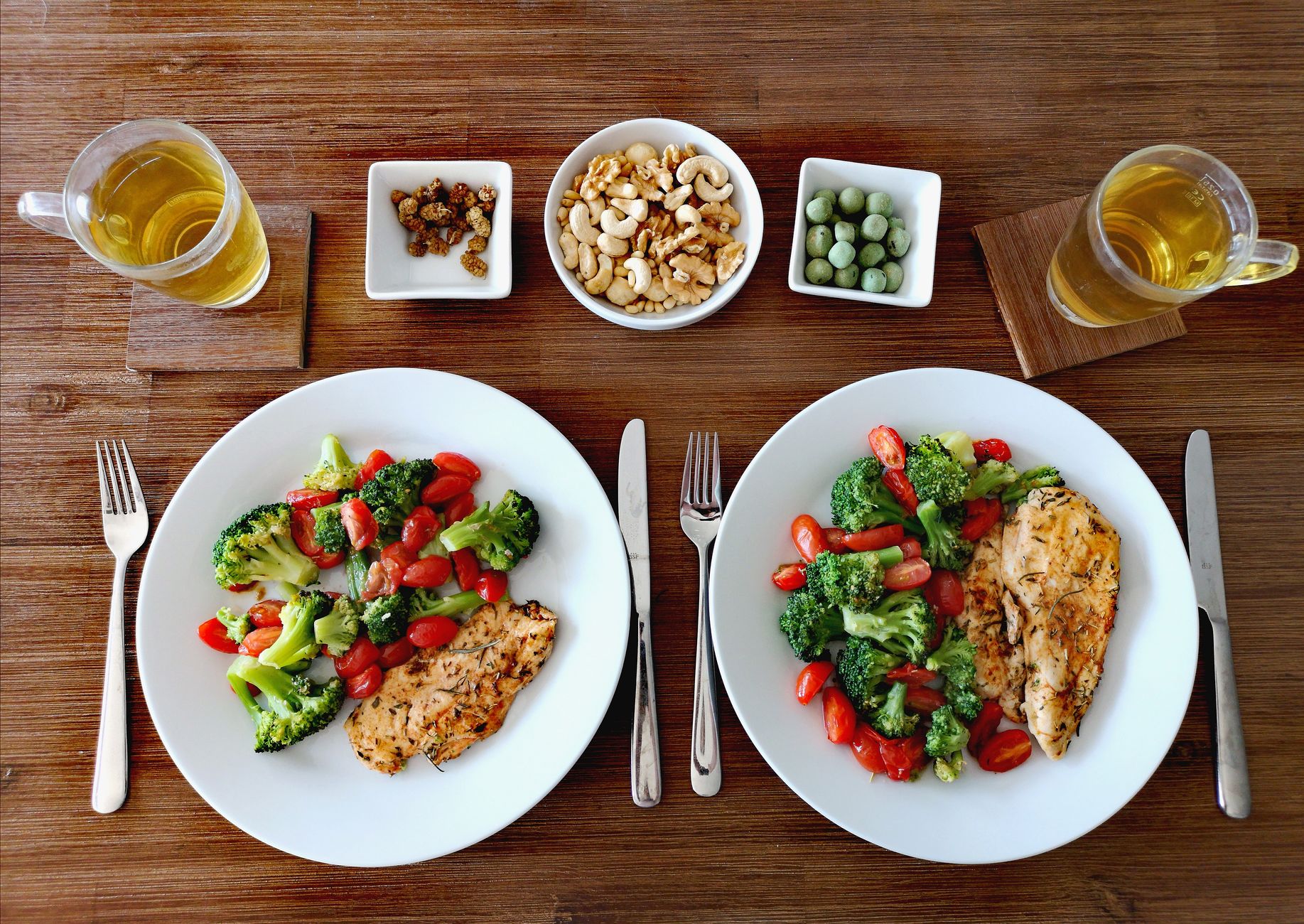
Balanced plates help translate calorie targets into real food.
When you look at these numbers, keep in mind that toddlers are not miniature adults. Their bodies are still building, and the brain’s rapid growth demands a steady supply of nutrients. For instance, the brain uses about 50 % of a toddler’s daily energy intake, compared to 20 % in adults. This is why skipping meals or relying on low‑nutrient foods can lead to irritability, poor concentration, and even developmental delays. The good news? Small, frequent meals and nutrient‑dense snacks can easily meet these needs without overwhelming tiny stomachs.
Portion sizes that match a toddler’s appetite
Porti
on sizes for toddlers are often described using the “hand” method: one palm‑sized portion of protein, one fist‑sized portion of grains, and two fist‑sized portions of vegetables per meal. This visual cue works because a child’s hand is roughly the same size as their stomach, making it a practical and portable way to gauge servings without measuring cups or scales. For example, a 3‑year‑old’s palm is about the size of a small chicken breast or a quarter‑cup of cooked lentils, while their fist is roughly the size of half a cup of cooked pasta or rice.
Protein: About 1‑2 oz (30‑60 g) of cooked meat, fish, or tofu—roughly the size of your child’s palm. Think of a small chicken drumstick, a couple of meatballs, or a quarter‑cup of black beans.
Grains: ½ cup cooked rice, pasta, or oatmeal—about the size of your child’s fist. This could be a small slice of whole‑grain bread, a quarter of a bagel, or a handful of whole‑grain crackers.
Vegetables: 1‑2 cups of cooked or raw veg, split into two fist‑sized servings. For example, a handful of steamed carrots at lunch and a few cucumber slices at dinner.
Fruit: One medium piece (e.g., a banana) or ½ cup sliced fruit—also a fist‑size. A small apple, a handful of grapes, or a few strawberries all fit this guideline.
Dairy: ½‑¾ cup of milk or yogurt, or a slice of cheese about the size of a thumb. This could be a small yogurt cup, a few cheese cubes, or a glass of milk with a meal.
These visual cues are flexible. If your toddler finishes a serving quickly, offer a second small portion—this is especially common during growth spurts. If they push food away, respect the signal; forcing more can create power struggles and disrupt their ability to self‑regulate. Instead, offer new foods alongside familiar favorites, and remember that repeated exposure (often 10‑15 tries) can turn a “no” into a “yes.” For example, if your child refuses broccoli, try serving it in different forms: steamed, roasted, or even blended into a soup. The texture and temperature can make a big difference in acceptance.
Research from the Academy of Nutrition and Dietetics shows that children who learn to listen to internal hunger cues develop healthier eating habits later in life. By using the hand method, you give your child a concrete way to gauge fullness while still maintaining parental oversight. It’s also a great way to involve toddlers in meal prep—ask them to “pick a fistful of peas” or “grab a palm of chicken” to build their confidence and interest in food.
Using a child’s hand as a guide makes portion sizing intuitive.
Daily servings of fruits, vegetables, protein, dairy, and grains
Nutrition guidelines translate calorie goals into servings of each food group, making it easier to plan meals and snacks. Below is a quick reference for toddlers ages 2‑4, based on the USDA MyPlate recommendations and the UK’s Eatwell Guide. These servings are designed to provide a balance of nutrients while accounting for the small stomach capacity of toddlers. For example, a 3‑year‑old’s daily fruit intake (1 cup) can be split into a small banana at breakfast and a handful of berries at snack time, making it more manageable.
Age
Fruit servings
Vegetable servings
Protein servings
Dairy servings
Grain servings
2 years
1 cup
1 cup
2 oz
2 cups
3 oz
3 years
1 cup
1‑1½ cups
2‑3 oz
2‑2½ cups
3‑4 oz
4 years
1‑1½ cups
1½ cups
3 oz
2½ cups
4‑5 oz
“Serving” definitions are toddler‑specific: one cup of fruit means a small banana or a handful of berries; one ounce of protein is about the size of a domino. Aim for a variety of colors each day—red strawberries, orange carrots, green peas—to ensure a broad nutrient spectrum. The NHS recommends including at least one dark green vegetable (like spinach or broccoli) and one orange vegetable (like sweet potato or carrots) each week to cover vitamin A and folate needs. Similarly, varying protein sources (meat, beans, eggs, fish) ensures a mix of essential amino acids and minerals like iron and zinc.
Because toddlers have small stomachs, spreading these servings across three meals plus two to three snacks helps prevent “all‑or‑nothing” eating patterns. The CDC notes that regular snack times are associated with better overall nutrient intake, especially for iron and calcium. For example, a mid‑morning snack of yogurt and fruit can provide a boost of calcium and vitamin C, while an afternoon snack of hummus and whole‑grain crackers can offer protein and fiber. This approach also helps stabilize blood sugar levels, reducing the likelihood of meltdowns or fatigue between meals.
Hydration needs and appropriate fluids
Water is the primary fluid for toddlers, and staying hydrated supports digestion, temperature regulation, and cognitive function. The CDC recommends about 1 liter (≈ 4 cups) of water per day for a 2‑year‑old, scaling up to 1.2 liters (≈ 5 cups) for a 4‑year‑old. This includes water from all sources, including foods like fruits and vegetables, which can contribute up to 20 % of daily fluid intake. For example, cucumbers, watermelon, and oranges are all high in water content and can help meet hydration needs.
Milk contributes both fluid and calcium; the AAP advises 2‑3 cups of whole milk per day for children aged 1‑2 years, and 2 cups of low‑fat or fat‑free milk thereafter, unless your pediatrician suggests otherwise. Whole milk is recommended for younger toddlers because the fat supports brain development, while older toddlers can transition to lower‑fat options to reduce saturated fat intake. If your child is lactose intolerant or follows a dairy‑free diet, fortified plant milks (like soy or oat milk) can be a good alternative, but check the label to ensure they contain at least 120 mg of calcium per 100 ml.
Limit sugary drinks—fruit juices, soda, and flavored milks—because they add calories without satiety and can displace nutrient‑dense foods. The AHA recommends no more than 4 ounces (½ cup) of 100 % fruit juice per day for toddlers, and only if it’s unsweetened. Even then, whole fruit is a better choice because it provides fiber and is more filling. If you do offer juice, dilute it with water (e.g., half juice, half water) to reduce sugar intake. Similarly, avoid giving toddlers caffeinated drinks like soda or iced tea, as caffeine can interfere with sleep and hydration.
In warmer climates or during active play, toddlers may need a little extra water. A simple rule of thumb is to offer a cup of water at each meal and an additional cup when outdoor play exceeds 30 minutes. This approach aligns with NHS guidance on maintaining adequate hydration in early childhood. Signs of dehydration include dark yellow urine, dry lips, or fussiness. If you notice these signs, offer small sips of water frequently and encourage fluids with meals. For active toddlers, consider offering a water bottle with a fun straw or a favorite character to make drinking more appealing.
Sample day of meals and snack ideas
Putting the numbers into practice can feel overwhelming, so here’s a sample 3‑year‑old menu that meets the calorie and nutrient targets discussed above. Adjust portions up or down based on your child’s appetite and activity level. This plan is designed to be flexible—swap foods based on preferences, cultural traditions, or what’s available in your pantry. The key is to include a variety of food groups at each meal and snack to ensure a balance of nutrients.
Breakfast (≈ 300 kcal): ½ cup oatmeal cooked with ¼ cup milk, topped with ¼ cup blueberries, and a small scrambled egg. Serve with a sippy cup of water. This meal provides whole grains (oatmeal), protein (egg), fruit (blueberries), and dairy (milk), covering multiple food groups in one go.
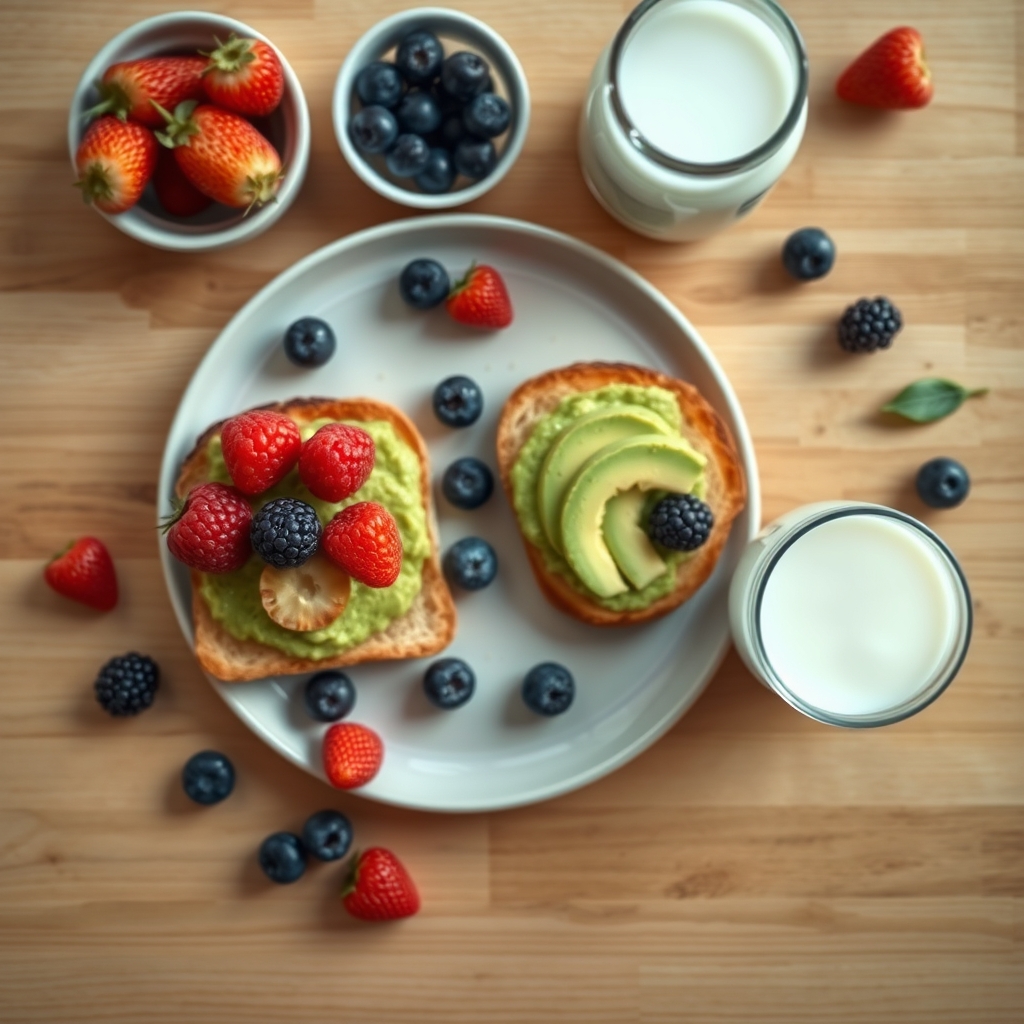
Morning snack (≈ 100 kcal): A thin slice of whole‑grain toast spread with ½ tsp avocado, and a few thin apple slices. The toast offers fiber and B vitamins, while the avocado provides healthy fats and the apple adds vitamin C and natural sweetness.
Lunch (≈ 350 kcal): 2 oz shredded chicken, ½ cup brown rice, ½ cup steamed broccoli, and ¼ cup diced mango. Offer water or a cup of low‑fat milk. This meal is rich in protein (chicken), complex carbs (brown rice), fiber (broccoli), and vitamin A (mango).
Afternoon snack (≈ 120 kcal): ¼ cup plain Greek yogurt mixed with a drizzle of honey (if over 1 year) and a sprinkle of cinnamon; a few carrot sticks on the side. The yogurt provides calcium and probiotics, while the carrots add fiber and vitamin A. The honey (if used) offers a touch of natural sweetness.
Dinner (≈ 350 kcal): 2 oz baked salmon, ½ cup mashed sweet potatoes, ½ cup peas, and a small whole‑grain roll. Finish with a cup of water. Salmon is rich in omega‑3 fatty acids, which support brain development, while sweet potatoes provide vitamin A and fiber. Peas add protein and iron, and the whole‑grain roll rounds out the meal with complex carbs.
Evening snack (optional, ≈ 80 kcal): A banana half or a few cheese cubes if bedtime is near. This snack is light but provides potassium (banana) or calcium (cheese) to support overnight growth and repair.
This plan gives roughly 1,200 kcal, 2 cups of fruit, 1½ cups of vegetables, 2 oz of protein, 2 cups of dairy, and 3 oz of whole grains—right on target for a typical 3‑year‑old. Feel free to swap foods based on preferences: replace salmon with tofu, broccoli with diced zucchini, or oatmeal with whole‑grain pancakes. The goal is to keep meals balanced, colorful, and appealing to your child’s tastes. If your toddler has a favorite food, include it regularly but pair it with new or less‑preferred options to expand their palate.
For personalized numbers, try the Toddler Feeding Calculator. Input your child’s age, weight, activity level, and any dietary restrictions, and the tool will generate a tailored calorie goal and food‑group targets. It’s a great way to account for individual differences, such as a child who is very active or one who follows a vegetarian diet.
Using an age‑based nutrition calculator
Online calculators simplify the math, but they work best when you understand the inputs they ask for. These tools are designed to take the guesswork out of portion sizes and nutrient needs, but they’re not a substitute for professional advice—especially if your child has special dietary needs or health concerns. Here’s how to use them effectively:
Age and weight: Enter your toddler’s exact age in months and current weight in pounds or kilograms. Small changes (a few pounds) can shift the calorie recommendation, so update the calculator every few months or after a growth spurt. For example, a 3‑year‑old who weighs 30 pounds will have slightly different needs than one who weighs 35 pounds.
Activity level: Most toddlers fall into “moderately active” (lots of playtime, occasional stroller rides). Choose “active” if they run, climb, and explore daily (e.g., attending a high‑energy preschool or spending hours at the park); choose “less active” for more sedentary days (e.g., rainy days indoors or frequent car rides). The calculator will adjust calorie needs accordingly—an active toddler may need 100–200 more calories per day than a less active one.
Dietary preferences: Check boxes for vegetarian, gluten‑free, or dairy‑free diets. The calculator will adjust protein and calcium sources accordingly. For example, if you select “vegetarian,” it might suggest more beans, lentils, and fortified plant milks to meet protein and calcium needs. If you select “dairy‑free,” it will highlight alternative calcium sources like leafy greens or fortified juices.
Output: You’ll receive a daily calorie range, suggested servings of each food group, and a printable meal‑plan template. Some calculators also provide a breakdown of macronutrients (carbs, protein, fat) and key micronutrients (iron, calcium, vitamin D). Use this information to guide meal planning, but remember that it’s a starting point—your child’s appetite and preferences will ultimately dictate what they eat.
Interpret the results as a flexible guide—if your child eats a little less one day, they’ll likely eat a little more the next. The goal is consistency over perfection. Keep a food diary for a week to see how the numbers line up with real meals, then tweak portions as needed. For example, if the calculator suggests 1,300 kcal but your child consistently leaves food on their plate, you might aim for the lower end of the range (e.g., 1,200 kcal). Conversely, if they’re always hungry, you can increase portions slightly or add an extra snack.
One tip from pediatric dietitians: when the calculator suggests a higher protein target, try adding a “protein boost” snack like a hard‑boiled egg, a small bean dip, or a slice of turkey. This can be done without increasing total calories dramatically, keeping the diet balanced. For example, swapping a handful of crackers for a cheese stick can add protein and calcium without adding carbs. Similarly, blending spinach into a smoothie with yogurt and fruit can boost iron and calcium intake without changing the flavor much.
Common nutrition concerns and tips for picky eaters
Even with a solid plan, toddlers often develop gaps in their nutrition. Below are the most frequent concerns and evidence‑based strategies to address them. The key is to stay patient and persistent—toddlers’ tastes change rapidly, and what’s rejected today may be loved tomorrow.
Iron: Iron supports brain development and cognitive function, and iron deficiency is one of the most common nutrient gaps in toddlers. Iron‑rich foods include lean meat, beans, lentils, fortified cereals, and spinach. Pair iron sources with vitamin C‑rich foods (orange slices, strawberries, bell peppers) to boost absorption. For example, serve fortified oatmeal with a side of strawberries or offer a bean dip with sliced bell peppers. A small serving of iron‑fortified oatmeal at breakfast can close the gap, especially for picky eaters who may not consume much meat. If your child refuses meat, try offering it in different forms, such as ground beef in spaghetti sauce or shredded chicken in a wrap.
Calcium and vitamin D: Calcium and vitamin D are essential for building strong bones and teeth. Milk, cheese, yogurt, and fortified soy drinks are primary sources of calcium. For dairy‑free families, look for calcium‑fortified plant milks (like almond or oat milk) and include leafy greens (kale, bok choy), almonds, and tofu in meals. Vitamin D is harder to get from food alone, which is why the NHS recommends a daily supplement of 10 micrograms (400 IU) for all children aged 1–4. Sunlight exposure (10–15 minutes a few times a week) also helps the body produce vitamin D, but sunscreen and clothing can block this process, so supplementation is often necessary.
Healthy fats: Healthy fats, particularly omega‑3 fatty acids like DHA and EPA, are crucial for brain development. Avocado, nut butters (if no allergy), and oily fish (salmon, sardines, mackerel) are excellent sources. Aim for at least two servings of fish per week, or consider a pediatric‑approved omega‑3 supplement after consulting your doctor. If your child doesn’t like fish, try incorporating it into dishes like fish tacos, salmon patties, or blended into a pasta sauce. Nut butters can be spread on toast, mixed into oatmeal, or used as a dip for fruit.
Added sugars: Keep added sugars under 10 % of total calories—roughly 25 g for a 3‑year‑old. Avoid sugary cereals, flavored yogurts, and fruit‑juice drinks, which can contribute to tooth decay and unhealthy weight gain. Instead, choose plain yogurt sweetened with fresh fruit, unsweetened cereals, and water or milk as the primary drinks. Read labels carefully—sugar can hide under names like sucrose, high‑fructose corn syrup, or honey. Even seemingly healthy foods like granola bars or fruit snacks can be high in added sugars.
Picky eating: Picky eating is a normal phase of toddler development, but it can be frustrating for parents. Offer a “two‑new‑foods‑per‑week” rule—introduce a new fruit or veg alongside familiar foods to reduce resistance. For example, serve a new vegetable with a favorite dip or mix it into a familiar dish like pasta or soup. Let toddlers help with simple prep (washing berries, stirring oatmeal, or tearing lettuce) to increase interest. Keep mealtimes relaxed; pressure often backfires. If your child refuses a food, stay neutral and try again another day. Research shows that it can take 10–15 exposures to a new food before a child accepts it.
Remember, toddlers’ tastes evolve rapidly. Consistency, variety, and a calm environment are the most powerful tools you have. If your child refuses a food, try offering it in a different form or pairing it with a favorite food. For example, if they reject steamed carrots, try roasting them with a little olive oil and honey to bring out their natural sweetness. If they dislike plain yogurt, mix in a spoonful of applesauce or mashed banana. The goal is to keep offering a variety of foods without pressure, so your child learns to enjoy a balanced diet over time.
Simple, nutrient‑dense snacks keep toddlers satisfied and nourished.
Understanding toddler hunger cues
One of the biggest challenges parents face is learning to read a toddler’s internal signals of hunger and fullness. Unlike adults, toddlers can’t always articulate “I’m still hungry” or “I’m done.” Instead, they often show cues such as reaching for food, becoming fidgety, or slowing down their play. For example, a hungry toddler might rub their eyes, suck on their fingers, or become unusually clingy, while a full toddler might push food away, turn their head, or start playing with their food instead of eating it.
Research from the Journal of Pediatric Gastroenterology & Nutrition (2022) suggests that responding promptly to these cues—offering a small bite when they look toward the plate, pausing when they turn away—helps build self‑regulation. Over time, children learn to stop eating when they’re satisfied, which reduces the risk of overeating and supports healthy weight trajectories. This is why it’s important to avoid pressuring toddlers to “clean their plate” or using food as a reward or punishment. For example, bribing a child with dessert for eating their vegetables can create an unhealthy relationship with food, where sweets are seen as more desirable than nutritious foods.
Practical tip: keep a “hunger‑fullness” chart on the fridge. Mark the “hungry,” “a little hungry,” “just right,” and “full” faces, and involve your toddler in pointing to the one that matches how they feel. This visual language turns an abstract concept into a concrete, repeatable habit. You can also use phrases like, “Is your tummy still asking for more?” or “Are you all done?” to help your child connect their physical sensations with their eating behavior. Over time, this helps them develop a healthy relationship with food and their body.
How sleep and activity levels affect appetite
Toddler nutrition isn’t just about what’s on the plate—it’s also about what happens outside of mealtimes. Sleep and physical activity play a big role in regulating appetite and metabolism. For example, a well‑rested toddler is more likely to have a healthy appetite and make balanced food choices, while a tired toddler may crave sugary snacks or refuse meals altogether. The AAP recommends that toddlers get 11–14 hours of sleep per day, including naps, to support growth and development. Poor sleep can disrupt hunger hormones like ghrelin and leptin, leading to increased cravings for high‑calorie, low‑nutrient foods.
Similarly, physical activity burns calories and stimulates appetite, but it also helps toddlers develop motor skills and confidence, which can translate to a more adventurous approach to food. The WHO recommends that toddlers get at least 180 minutes of physical activity per day, spread throughout the day. This can include active play like running, climbing, or dancing, as well as structured activities like swimming or toddler gym classes. The more active your child is, the more calories they’ll need to fuel their play. For example, a toddler who spends the afternoon at the park may need an extra snack or slightly larger portions at meals to keep their energy levels steady.
On the flip side, too much screen time can disrupt appetite regulation. The AAP advises limiting screen time to 1 hour per day for children aged 2–5, as excessive screen use is linked to poorer diet quality and increased risk of obesity. When toddlers are glued to a screen, they’re less likely to notice hunger or fullness cues, and they may snack mindlessly on high‑calorie, low‑nutrient foods. To encourage healthy habits, make mealtimes screen‑free and offer active play as an alternative to screen time. For example, swap a 30‑minute cartoon for a dance party or a walk to the park to get your toddler moving and engaged.
Special dietary considerations (allergies, vegetarian, gluten‑free)
Many families navigate special diets for health, ethical, or cultural reasons. The good news is that toddlers can thrive on varied eating patterns, as long as key nutrients are covered. Whether your child has a food allergy, follows a vegetarian diet, or needs to avoid gluten, the principles of balanced nutrition still apply—you just need to get creative with food choices.
Allergy‑friendly meals: Food allergies are common in toddlers, with milk, eggs, peanuts, tree nuts, soy, wheat, fish, and shellfish being the most frequent culprits. If your child has a dairy allergy, calcium‑fortified soy or oat milks, along with leafy greens, almonds, and tofu, can meet calcium needs. For example, a smoothie made with fortified soy milk, spinach, and banana can provide calcium, iron, and vitamin C in one drink. If peanuts are a concern, use seed‑based butters (sunflower, pumpkin) as protein alternatives. These can be spread on toast, mixed into oatmeal, or used as a dip for fruit. Always read labels carefully, as allergens can hide in unexpected places (e.g., soy in bread, dairy in crackers).
Vegetarian or vegan: Vegetarian and vegan diets can be healthy for toddlers, but they require careful planning to ensure adequate protein, iron, calcium, vitamin D, and vitamin B12. Combine legumes with whole grains (e.g., beans + rice, hummus + whole‑wheat pita) to provide complete proteins. Include iron‑rich plant foods like lentils, tofu, and fortified cereals, and pair them with vitamin C sources (bell peppers, citrus fruits) to boost absorption. For calcium, offer fortified plant milks, leafy greens, and calcium‑set tofu. Vitamin B12 is only found in animal products, so vegan toddlers may need a supplement or fortified foods like nutritional yeast or plant milks. The AAP recommends consulting a pediatric
🔢 Ready to crunch your numbers? Use our Toddler Feeding Calculator for a personalized result in seconds.
Not sure about the label on How Much Should My Toddler Eat Age Based Nutrition Calculator products?
Snap the ingredients list and SafeFilter checks every ingredient for your stage — only 3 free scans this month, then you're locked until reset. Unlimited from $7/mo or $50/yr.
When Shubhra Mishra was expecting her first child in 2016, she was overwhelmed by conflicting food advice — one site said yes, another said never. By the time her second baby arrived in 2019, she realized millions of mothers face the same confusion.
That sparked a five-year journey through clinical nutrition papers, cultural diets, and expert conversations — all leading to BumpBites: a calm, compassionate space where science meets everyday motherhood.
Her long-term vision is to build a global community ensuring safe, supported, and free deliveriesfor every mother — because no woman should face pregnancy alone or uninformed. 🌿
🌍 Stand with mothers, shape safer guidance
Join a small circle of experts who review BumpBites articles so expecting parents everywhere can decide with confidence.