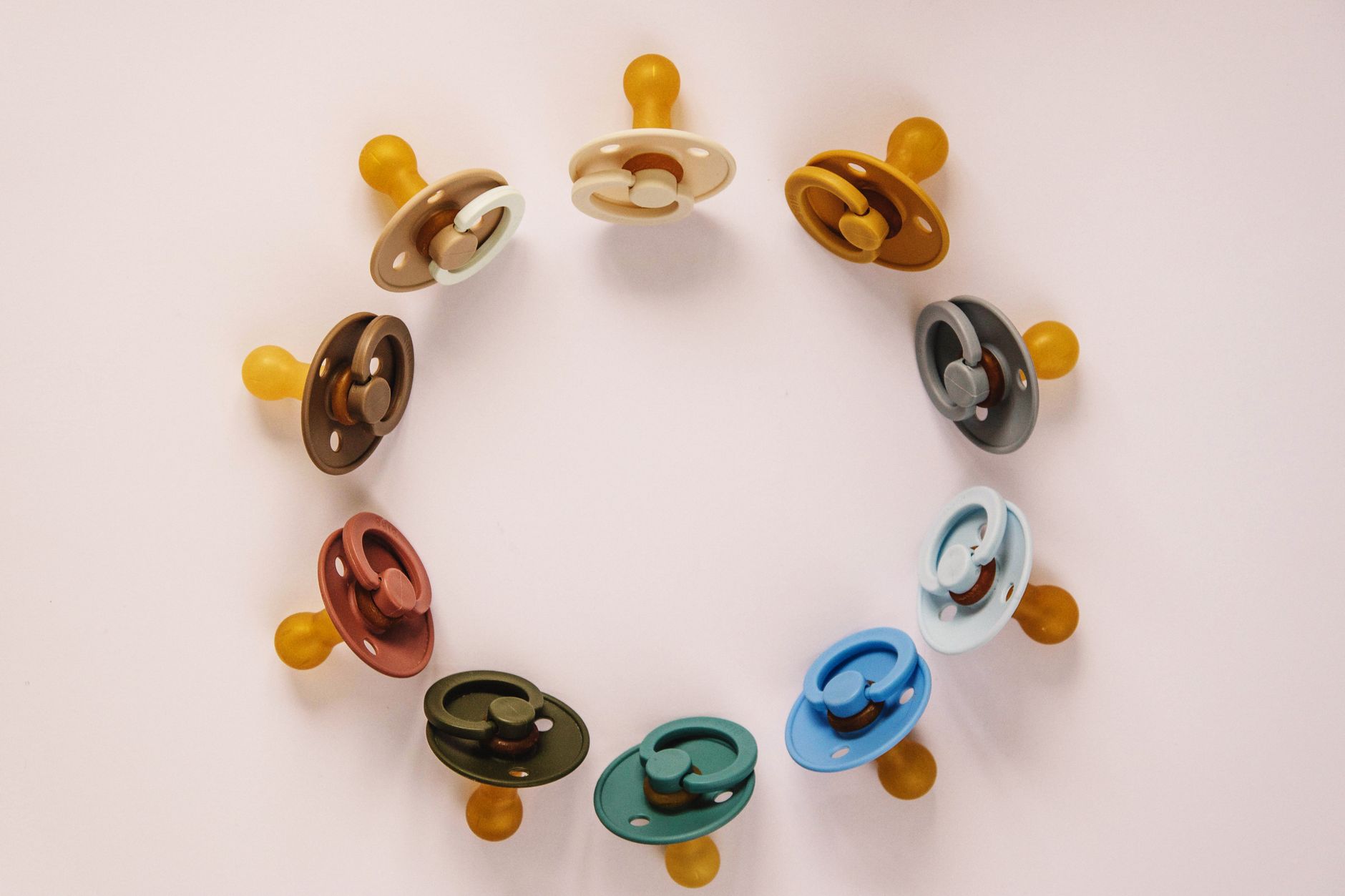
Discover the best teething remedies to soothe your baby’s discomfort safely. Learn what works, what to avoid, and expert-recommended solutions for teething pain.
By Shubhra Mishra — a mom of two who turned her own confusion during pregnancy into BumpBites, a global mission to make food choices clear, safe, and stress-free for every expecting mother. 💛
Check whether any food is safe during pregnancy with the BumpBites Food Safety Checker.
Quick take: Most babies start teething between four and seven months, and the safest relief comes from cold objects, gentle gum massage, and age‑appropriate pain relievers. Avoid benzocaine gels and strong essential oils, and always check with your pediatrician if symptoms seem severe.
It’s 2 a.m., the house is quiet, and you’re staring at your little one’s clenched fists, wondering whether that sudden fussiness is just a phase or the first sign of teething. You’ve probably Googled “why is my baby crying at night?” a dozen times, and the answers feel like a maze of home remedies, over‑the‑counter gels, and conflicting advice. You’re not alone—most new parents reach for a quick fix before they even know what’s actually safe.
🔢 Calculate it for your situation: Use our Baby Teething Tracker for a personalized result in seconds.
In this guide we’ll break down the science of teething, walk you through the most effective and evidence‑backed remedies, and flag the ingredients that can do more harm than good. We’ll also share practical nighttime soothing tactics, help you pick safe toys and gels, and give a clear signal of when a doctor’s call is needed. By the end, you’ll have a toolbox of trusted options instead of a list of scary “do‑not‑use” warnings.
Because every baby’s journey is unique, we’ve also linked the Baby Teething Tracker so you can log when symptoms appear and see how they line up with typical milestones. Let’s turn that 2 a.m. worry into confidence.
What teething looks like: symptoms and typical timeline
Teething is the process of primary (baby) teeth breaking through the gums. The first tooth—usually a lower central incisor—emerges around 4 months, but some infants start as early as 3 months, while others may not see a tooth until 12 months. The timeline is variable, and the American Academy of Pediatrics (AAP) notes that “most children have all 20 primary teeth by age three.”
Common signs include:
Increased drooling, often with a mild rash around the chin or neck.
Gnawing or chewing on objects, fingers, or toys.
Swollen, tender gums that may appear red.
Changes in sleep patterns—more night waking or restlessness.
Low‑grade fever (under 38 °C/100.4 °F) and slight ear pulling.
Decreased appetite or preference for cooler foods.
Most of these symptoms peak for a few days to a week per tooth and then subside as the tooth fully erupts. The “teething curve” often repeats every few months as the next set of teeth pushes through, typically at 6‑month intervals for the front incisors, then again for molars around 12‑18 months.
It’s normal for a baby to have overlapping symptoms when two teeth emerge close together. However, persistent high fever, vomiting, diarrhea, or a rash that spreads beyond the chin area warrant a medical check‑up, as they may signal an infection rather than teething. The American College of Obstetricians and Gynecologists (ACOG) reminds parents that fever above 38 °C that lasts more than 24 hours is rarely caused by teething alone.
Soft silicone rings can soothe gums without the risk of choking.
How teething pain works: why gums hurt
When
a tooth begins to move toward the surface, pressure builds against the surrounding gum tissue. This pressure triggers nerve endings, sending pain signals to the brain. In addition, the eruption process can cause mild inflammation, which makes the gums more sensitive to temperature and pressure.
Research from the National Institute for Health and Care Excellence (NICE) explains that the pain is largely mechanical, not infectious. That’s why cold objects—like chilled teething rings—often provide instant relief: they numb the area briefly and reduce swelling. Conversely, heat can increase blood flow, sometimes intensifying discomfort.
Understanding the mechanism helps you target the right kind of relief. For example, a gentle gum massage mimics the natural pressure the tooth exerts, easing the transition. Meanwhile, an age‑appropriate dose of acetaminophen or ibuprofen reduces inflammation and pain signaling, offering a more systemic approach when the discomfort is stronger.
It’s also worth noting that a baby’s immune system is still maturing. The mild inflammation that accompanies teething is usually self‑limited, but if you notice swelling that doesn’t subside after a day or two, it may be prudent to ask a clinician to rule out an abscess or other oral infection.
Evidence‑based remedies that really help
When it comes to teething, not every product on the shelf has solid research behind it. Below are the interventions that have the strongest backing from pediatric and dental authorities.
Cold teething rings and chilled washcloths
Cooling a silicone or rubber teething ring in the refrigerator (not the freezer) for 10‑15 minutes creates a soothing, safe chill. The Centers for Disease Control and Prevention (CDC) cites cold therapy as a first‑line recommendation for mild to moderate teething pain. The cold numbs the gum tissue, and the act of chewing helps massage the gums.
Gentle gum massage
Using a clean finger, apply gentle pressure in circular motions on the swollen gum. The American Dental Association (ADA) recommends this technique because it mimics the natural pressure of the erupting tooth and can relieve tension without any chemicals.
Age‑appropriate oral pain relievers
The AAP and the UK National Health Service (NHS) both endorse acetaminophen for infants older than two months and ibuprofen for those older than six months, provided the dosage is weight‑based (usually 10 mg/kg for acetaminophen, 5–10 mg/kg for ibuprofen). These medications have been shown to reduce teething‑related discomfort and improve sleep quality.
Teething tablets versus gels
Recent guidance from the U.S. Food and Drug Administration (FDA) warns that over‑the‑counter (OTC) teething gels containing benzocaine have been linked to methemoglobinemia—a rare blood disorder. In contrast, FDA‑approved teething tablets that contain only acetaminophen (in a chewable form) are considered safer, though they should only be given under pediatric guidance.
Remedy
Typical Dose / Use
Onset of Relief
Pros
Cons / Cautions
Cold silicone ring
Chill 10‑15 min; let baby chew
Immediate (within minutes)
Drug‑free, easy to clean, portable
Must be refrigerated, not frozen; replace if cracked
Gum massage
2‑3 min, 2–3 times daily
Immediate
No equipment, promotes bonding
Requires clean hands; may be less effective for severe pain
Acetaminophen (liquid)
10 mg/kg every 4–6 h (max 5 doses/24 h)
30–45 min
Well‑studied, safe when dosed correctly
Risk of overdose; avoid with liver disease
Ibuprofen (liquid)
5–10 mg/kg every 6–8 h (max 4 doses/24 h)
30–45 min
Reduces inflammation as well as pain
Not for infants <6 months; avoid with dehydration
Teething tablets (acetaminophen)
Chewable, dose per weight
30–45 min
Convenient for older infants who can chew
Potential choking hazard; keep out of reach of younger babies
Overall, the combination of cold therapy, gentle massage, and, when needed, a pediatric‑approved dose of acetaminophen or ibuprofen covers the majority of teething discomfort without exposing infants to unnecessary chemicals.
Cold silicone rings are a safe, drug‑free way to calm sore gums.
Natural and home remedies you can try safely
Many parents turn to kitchen‑based solutions for comfort. While some “natural” options are harmless, others lack evidence or may pose risks. Below we separate the helpful from the hype.
Cold, wet washcloth
Soak a clean cotton washcloth, wring out excess water, and place it in the refrigerator for 10 minutes. Let your baby chew on it under supervision. The NHS lists this as a low‑cost, effective technique for soothing gums.
Chamomile tea “gargle” (for older infants)
For babies over six months who can sit upright, a weak chamomile tea (one teaspoon of brewed tea diluted in a cup of water) can be offered in a bottle. Chamomile has mild anti‑inflammatory properties, but the American Academy of Family Physicians (AAFP) cautions that herbal teas should never replace water or breast milk, and that any tea must be free of added sugars.
Frozen fruit (for babies who have started solids)
Small pieces of frozen banana or peeled pear can double as a teething aid. The coldness provides relief, and the natural sweetness keeps babies engaged. Ensure the pieces are appropriately sized to avoid choking, and always supervise.
Breast‑milk or formula “gel”
Swirl a small amount of breast milk or formula in a clean silicone teething toy and freeze it. The frozen milk releases a gentle, familiar flavor while numbing the gums. This method is endorsed by the AAP as a safe, drug‑free option.
What to avoid in home remedies
Applying raw honey (risk of botulism for infants under one year).
Using clove oil or strong essential oils directly on gums (can cause burns and allergic reactions).
Home‑made “teething powders” that contain unknown herbs or spices.
When you choose a natural remedy, keep the following safety checkpoints in mind: the item must be clean, free of choking hazards, and free of added sugars, salt, or alcohol.
Ingredients and products to avoid
Not all teething products are created equal. Over‑the‑counter gels, tablets, and even some toys can contain hidden ingredients that pose health risks.
Benzocaine – Linked to methemoglobinemia; the FDA has issued warnings against its use in infants under two years.
Phenol – A topical anesthetic that can cause skin irritation and systemic toxicity.
Essential oils (e.g., clove, peppermint, eucalyptus) – Concentrated oils can cause burns, allergic reactions, and respiratory distress when applied directly to gums.
Alcohol‑based gels – May lead to accidental ingestion and central nervous system depression.
Added sugars or honey – Increases risk of dental decay and infant botulism.
If a product label lists any of these ingredients, set it aside. The AAP and the British Dental Association (BDA) both recommend sticking to products that are “silicone, BPA‑free, and free of added flavors or sweeteners.” Look for the “USP‑verified” or “Pediatrician‑recommended” seal when possible.
Choosing safe teething toys and gels
When shopping for teething toys, focus on three safety pillars: material, size, and design.
Material matters
Silicone, medical‑grade rubber, and untreated wood are the gold standards. They are non‑porous, easy to sterilize, and free of harmful chemicals like BPA or phthalates. The FDA’s “Food Contact Substance” guidance confirms that silicone approved for food use meets safety thresholds for infants.
Size and shape
Toys should be large enough that they cannot be swallowed whole and should have no small detachable parts. A diameter of at least 2 inches (5 cm) is a good rule of thumb. Rounded edges reduce the chance of gum injury.
Design features
Textured surfaces provide gentle gum stimulation, while smooth surfaces are better for younger infants who may bite hard. Some toys incorporate a “cold‑hold” core that retains refrigeration longer, a feature praised by the Canadian Paediatric Society (CPS).
Choosing a gel
If you decide a gel is necessary, select one that contains only pharmacologically‑approved ingredients like lidocaine (under 10 mg per dose) or acetaminophen, and ensure it is labeled for “infants 6 months and older.” Verify that the product is FDA‑cleared and that the packaging includes clear dosing instructions.
Remember to rotate toys regularly and clean them according to the manufacturer’s instructions—most silicone toys can be washed in warm, soapy water and sterilized in a dishwasher top rack.
Nighttime soothing strategies and feeding adjustments
Teething often peaks at night, disrupting both baby’s and parents’ sleep. A multi‑step routine can make evenings smoother.
Pre‑bedtime routine
Warm bath – The warm water relaxes muscles and can reduce perceived gum pressure.
Gentle gum massage – Do this right after the bath while the skin is soft.
Cold teething ring – Offer a chilled ring for the last 5 minutes of the routine.
Consistent timing signals the brain that it’s time to wind down, which can lessen night waking.
Feeding tweaks
If your baby seems extra hungry, try offering a cool bottle of expressed breast milk or formula. The cooler temperature can double as a soothing tool. For older infants who have started solids, a chilled fruit puree (e.g., banana) can be both a snack and a teething aid.
Environmental comfort
Keep the room at a comfortable 68–72 °F (20–22 °C) and use a white‑noise machine to mask sudden cries. A night‑light that emits a soft, warm glow can help you see if the baby is simply restless rather than in acute pain.
When to consider a pain reliever at night
If your baby’s crying persists for more than 30 minutes despite the above measures, a weight‑based dose of acetaminophen (or ibuprofen if over six months) can be administered. Keep a log of dosing times and amounts—this is where the Baby Teething Tracker becomes especially handy.
Creating a calm sleep environment can reduce nighttime teething distress.
From our medical team: “Teething is a normal developmental milestone, not a disease. Most discomfort can be managed with cold therapy and gentle massage. Use medication only as a backup, and always follow weight‑based dosing. If you ever see a fever above 38 °C, a rash that spreads, or signs of dehydration, call your pediatrician right away.”
When to consider professional teething care
Most teething discomfort resolves at home, but there are scenarios where a clinician’s input can be valuable. If a baby shows signs of persistent pain despite cold therapy, massage, and appropriate dosing of acetaminophen or ibuprofen, a pediatric dentist or pediatrician may recommend a prescription‑strength analgesic or a brief course of a topical anesthetic that is safe for infants.
In rare cases, a baby may develop a severe gum infection (cellulitis) or an abscess around a newly erupted tooth. These conditions often present with localized swelling, redness, fever, and refusal to eat. The AAP advises prompt evaluation, as antibiotics may be needed. Additionally, if you notice an unusually early eruption (before three months) or a delayed pattern (no teeth by 18 months), a dental professional can assess for underlying developmental issues.
Teething and nutrition: soothing foods that help
Beyond frozen fruit, other foods can double as comfort tools. Cold, unsweetened yogurt offers a creamy texture that can be soothing, while also providing calcium and probiotics. Soft, chilled carrot sticks (peeled and cut into baby‑safe sticks) give a gentle crunch that massages gums without the risk of choking if supervised.
For babies who are still exclusively breast‑fed, offering a cool, expressed breast‑milk “popsicle” (a small amount frozen in a silicone mold) can be a refreshing, familiar remedy. The key is to keep added sugars or honey out of the equation, as they can encourage early tooth decay once the teeth emerge.
Hydration matters, too. Warm water (not hot) can be soothing if offered in a sippy cup. Some parents find that a sip of warm water with a pinch of baking soda helps neutralize mouth acidity, but this should only be done under pediatric guidance.
Teething with twins or multiples
Managing teething for two (or more) babies at once can feel like a marathon. Staggered schedules help: if one twin’s tooth is due in April and the other’s in June, you can focus on one set of soothing strategies at a time. Keeping separate teething kits—each with its own chilled ring, washcloth, and pain‑relief medication—prevents cross‑contamination and makes nighttime routines smoother.
Shared experiences can also be a source of comfort. When one twin begins to chew on a cold toy, the other often follows suit. However, be mindful of the “double‑dose” trap—never give medication to both babies at the same time without checking each infant’s weight and dosing schedule.
🔢 Ready to crunch your numbers? Use our Baby Teething Tracker for a personalized result in seconds.
Myth vs. fact
Myth: “Benzocaine gel is the fastest way to stop a baby’s teething pain.”
Fact: The FDA warns that benzocaine can cause methemoglobinemia in infants under two years. Safer options include cold therapy, gum massage, and approved acetaminophen.
Myth: “If a baby is drooling a lot, they must be teething.”
Fact: While drooling often accompanies teething, it can also be a sign of oral infections or simply a developmental stage. Look for other teething signs—gum swelling, chewing, and night waking—to confirm.
Myth: “Essential oils are a natural cure for teething pain.”
Fact: Strong essential oils can irritate delicate infant skin and cause respiratory issues. The AAP advises against direct application of essential oils on babies under 12 months.
Key takeaways
Cold silicone rings, chilled washcloths, and gentle gum massage are the safest first‑line teething remedies.
Acetaminophen (for 2 months +) and ibuprofen (for 6 months +) are the only OTC pain relievers with pediatric backing.
Avoid benzocaine gels, phenol, alcohol‑based products, and strong essential oils.
Choose teething toys that are silicone, BPA‑free, and large enough to prevent choking.
Track symptoms with the Baby Teething Tracker and consult your pediatrician if fever, prolonged crying, or feeding issues arise.
Frequently asked questions
Is it safe to use teething gels on my baby?
Most teething gels that contain benzocaine are not safe for infants under two years; the FDA has issued warnings about this ingredient. Safer gels are those that contain only FDA‑approved, low‑dose lidocaine and are labeled for use in babies over six months.
How long does teething usually last?
Teething can span from the first tooth’s emergence at about four months to the final primary tooth around 30 months, with each tooth causing a few days to a week of heightened discomfort.
What are the signs that my baby is teething?
Typical signs include increased drooling, gum swelling, a desire to chew on objects, mild fever, changes in sleep, and occasional ear‑pulling. These symptoms usually appear a few weeks before a tooth actually breaks through.
Can cold teething rings help relieve pain?
Yes—refrigerated (not frozen) silicone or rubber rings provide immediate, drug‑free relief by numbing the gums and allowing the baby to massage the sore area while chewing.
Are home remedies like chamomile tea effective for teething?
Chamomile has mild anti‑inflammatory properties, but evidence is limited. For babies over six months who can sit upright, a weak chamomile infusion diluted with water can be offered, but it should never replace regular feeding or hydration.
When should I consult a pediatrician for teething issues?
Call your pediatrician if your baby has a fever above 38 °C (100.4 °F), persistent vomiting or diarrhea, a rash that spreads beyond the chin, refuses to drink, or shows signs of dehydration. These could indicate an infection rather than normal teething.
Can I use a frozen washcloth for my baby’s gums?
Yes—placing a clean, damp washcloth in the refrigerator for about 10 minutes creates a safe, chilled chewable that can soothe sore gums. Always supervise to prevent choking, and avoid the freezer, which can make the cloth too hard.
Is it okay to give my baby an over‑the‑counter pain reliever before bedtime?
When used according to weight‑based dosing guidelines from the AAP or NHS, acetaminophen or ibuprofen can be given at night to help your baby sleep through a teething episode. If you’re unsure about the correct dose, ask your pediatrician or pharmacist before the first use.
When to call your doctor
If you notice any of the following, seek medical attention promptly: fever over 38 °C (100.4 °F) that lasts more than 24 hours, persistent crying for more than 30 minutes despite soothing measures, vomiting, diarrhea, signs of dehydration (dry mouth, fewer wet diapers), rash that spreads beyond the chin, or any difficulty breathing. This article is for informational purposes only and does not replace personalized medical advice.
References
American Academy of Pediatrics. “Pain Management in Infancy.” AAP Clinical Guidelines, 2023.
American Dental Association. “Oral Health Topics: Teething.” ADA.org, 2022.
U.S. Food and Drug Administration. “Benzocaine Warning for Infants.” FDA Safety Alerts, 2021.
National Institute for Health and Care Excellence (NICE). “Teething and Infant Pain Management.” NICE Guideline NG88, 2022.
Centers for Disease Control and Prevention. “Teething: What Parents Need to Know.” CDC Health Topics, 2023.
National Health Service (NHS). “Teething in Babies.” NHS.uk, 2023.
Canadian Paediatric Society. “Recommendations for Teething Toys.” CPS Position Statement, 2022.
World Health Organization (WHO). “Infant Feeding and Nutrition.” WHO Guidelines, 2022.
British Dental Association. “Safe Teething Products.” BDA Publications, 2021.
American Academy of Family Physicians. “Herbal Remedies for Children.” AAFP Clinical Recommendations, 2022.
American College of Obstetricians and Gynecologists (ACOG). “Fever in Infancy.” ACOG Committee Opinion, 2022.
National Institute for Health and Care Excellence (NICE). “Guidance on Use of Essential Oils in Children.” NICE Clinical Knowledge Summary, 2021.
Not sure about the label on Best Teething Remedies What Works And What To Avoid products?
Snap the ingredients list and SafeFilter checks every ingredient for your stage — only 3 free scans this month, then you're locked until reset. Unlimited from $7/mo or $50/yr.
When Shubhra Mishra was expecting her first child in 2016, she was overwhelmed by conflicting food advice — one site said yes, another said never. By the time her second baby arrived in 2019, she realized millions of mothers face the same confusion.
That sparked a five-year journey through clinical nutrition papers, cultural diets, and expert conversations — all leading to BumpBites: a calm, compassionate space where science meets everyday motherhood.
Her long-term vision is to build a global community ensuring safe, supported, and free deliveriesfor every mother — because no woman should face pregnancy alone or uninformed. 🌿
🌍 Stand with mothers, shape safer guidance
Join a small circle of experts who review BumpBites articles so expecting parents everywhere can decide with confidence.