Calculate ORS volume by weight and severity for child dehydration treatment, learn how to use an ORS volume calculator for effective rehydration
By Shubhra Mishra — a mom of two who turned her own confusion during pregnancy into BumpBites, a global mission to make food choices clear, safe, and stress-free for every expecting mother. 💛
Check whether any food is safe during pregnancy with the BumpBites Food Safety Checker.
Quick take: If your child is dehydrated, oral rehydration solution (ORS) can help replace lost fluids and electrolytes safely at home. The right amount depends on your child’s weight and how dehydrated they are—mild dehydration needs about 50 mL per kg over 4 hours, while moderate needs 100 mL per kg. Use our ORS Volume Calculator to get a personalized plan in seconds. Give small sips every 5–10 minutes, and watch for signs like dry mouth, sunken eyes, or no tears when crying. If your child refuses to drink, vomits repeatedly, or seems unusually sleepy, call your doctor right away.
You’re up at 3 a.m., holding a fussy toddler with a fever
Her cheeks are flushed, her lips are dry, and she’s refusing the bottle. You’ve heard about dehydration—how quickly it can happen in little bodies—but you’re not sure what to do next. Should you offer water? Juice? That half-empty bottle of Pedialyte from last month? And how much is enough?
🔢 Calculate it for your situation: Use our ORS Volume Calculator for a personalized result in seconds.
Many parents find themselves in this exact spot, especially during stomach bugs, heatwaves, or when a child just won’t drink. The good news: for mild to moderate dehydration, oral rehydration solution (ORS) can help your child recover safely at home. But the key is giving the right amount, at the right pace. Too little, and dehydration can worsen. Too much, and you risk making vomiting worse. That’s where weight-based ORS dosing comes in.
In this guide, we’ll walk you through how to spot dehydration in your child, calculate the exact ORS volume they need based on weight and severity, and give it safely. We’ll also cover when to call the doctor, how to mix ORS correctly, and what to avoid. By the end, you’ll have a clear, step-by-step plan—so you can stop worrying and start helping your child feel better.
Small, frequent sips of ORS can help your child rehydrate safely at home—even if they’re fussy or refusing to drink.
What is dehydration in children—and why is it dangerous?
Dehyd
ration happens when your child loses more fluids than they take in. This can occur quickly in little bodies, especially during illnesses like diarrhea, vomiting, or fever. Unlike adults, children have a higher surface area-to-weight ratio, meaning they lose fluids faster through sweating, breathing, and even crying. Infants and toddlers are at even higher risk because they can’t tell you they’re thirsty—and their kidneys are less efficient at conserving water.
When fluids drop too low, the body can’t function properly. Blood volume decreases, making it harder for the heart to pump oxygen to vital organs. Electrolytes—like sodium and potassium—get out of balance, which can affect everything from muscle function to brain activity. In severe cases, dehydration can lead to shock, seizures, or even organ failure. That’s why spotting it early and treating it correctly is so important.
How dehydration progresses: mild, moderate, and severe
Dehydration isn’t an all-or-nothing condition. It exists on a spectrum, and the treatment changes depending on how severe it is. Here’s how doctors typically classify it:
Severity
Signs and symptoms
What to do
Mild dehydration (3–5% fluid loss)
Slightly dry mouth or lips
Thirst (though young kids may not show it)
Normal or slightly decreased urine output (fewer wet diapers)
Mild fussiness or irritability
Skin that springs back quickly when pinched
Can usually be treated at home with ORS. Offer small, frequent sips (5–10 mL every 5–10 minutes).
Moderate dehydration (6–9% fluid loss)
Dry mouth and tongue
Sunken eyes or fontanelle (the soft spot on a baby’s head)
No tears when crying
Dark yellow urine or very few wet diapers (less than 3 in 24 hours for infants, less than 4 for older kids)
Cool hands and feet
Lethargy or irritability (hard to console)
Skin that takes 1–2 seconds to spring back when pinched
Requires ORS and close monitoring. Give 5–10 mL every 5 minutes. If vomiting persists or symptoms worsen, call your doctor.
Severe dehydration (10% or more fluid loss)
Very dry mouth and tongue (may appear sticky)
Sunken eyes and fontanelle
No tears, no urine for 6+ hours (or very dark, strong-smelling urine)
Rapid breathing or heartbeat
Extreme lethargy (difficult to wake, floppy, or unresponsive)
Cold, clammy, or mottled skin
Skin that stays tented (doesn’t spring back) when pinched
Medical emergency. Seek immediate care. IV fluids may be needed.
One mom, Sarah, shared her experience with her 18-month-old son, Jake: “I knew Jake had a stomach bug, but I didn’t realize how fast dehydration could set in. By the second day, he was barely peeing, and his eyes looked sunken. I panicked and called the pediatrician, who told me to start ORS immediately. Within a few hours of small sips, he perked up. It was such a relief to see him back to his usual self.”
Sarah’s story isn’t uncommon. Many parents don’t recognize the early signs of dehydration—or they assume their child will “drink when they’re thirsty.” But in young children, thirst isn’t always a reliable signal. That’s why it’s important to act early, especially during illnesses.
ORS volume calculator by weight: how much does your child need?
The amount of ORS your child needs depends on two things: their weight and how dehydrated they are. The World Health Organization (WHO) and the American Academy of Pediatrics (AAP) recommend a simple formula to calculate the total volume:
Mild dehydration: 50 mL (about 1.7 oz) of ORS per kilogram of body weight, given over 4 hours.
Moderate dehydration: 100 mL (about 3.4 oz) of ORS per kilogram of body weight, given over 4 hours.
For example, if your child weighs 10 kg (about 22 pounds) and has mild dehydration, they’d need 500 mL (about 17 oz) of ORS over 4 hours. If they’re moderately dehydrated, they’d need 1,000 mL (about 34 oz) over the same time.
But don’t worry—you don’t have to do the math in your head. Our ORS Volume Calculator does it for you. Just enter your child’s weight and dehydration level, and it’ll give you a personalized plan, including how much to give every 5–10 minutes.
How to use the ORS volume calculator: step-by-step
Here’s how to put the calculator (and the formula) into action:
Weigh your child. Use a digital scale if possible, and record their weight in kilograms (kg). If you only have pounds, divide by 2.2 to convert (e.g., 22 lbs ÷ 2.2 = 10 kg).
Tip: If you don’t have a scale, use your child’s most recent doctor’s visit weight as a guide. If they’ve lost weight since then (e.g., due to illness), estimate a lower weight.
Assess dehydration severity. Use the table above to determine if your child is mildly or moderately dehydrated. If you’re unsure, err on the side of moderate—it’s better to give a little more than too little.
Calculate the total volume. Multiply your child’s weight (in kg) by 50 (for mild) or 100 (for moderate). This gives you the total mL of ORS they need over 4 hours.
Example: A 12 kg child with moderate dehydration needs 12 × 100 = 1,200 mL (about 40 oz) over 4 hours.
Divide into small, frequent doses. Instead of giving the full amount at once (which can cause vomiting), offer 5–10 mL every 5–10 minutes. Use a syringe, spoon, or small cup to measure.
Example: For the 12 kg child above, 1,200 mL over 4 hours = 300 mL per hour. If you’re giving 5 mL every 5 minutes, that’s 60 mL per hour—so you’d need to adjust to 10 mL every 5 minutes to hit the target.
Monitor and adjust. If your child vomits within 30 minutes of drinking, wait 10 minutes, then offer the same amount again. If they keep it down, continue with the plan. If they refuse to drink or vomit repeatedly, call your doctor.
One dad, Mark, shared how the calculator helped with his 3-year-old daughter, Lily: “Lily had a stomach bug and was barely drinking. I was so worried, but the calculator gave me a clear plan. I set a timer on my phone for every 5 minutes and used a syringe to give her small sips. It took a while, but by the next morning, she was back to her usual self. I don’t know what I would’ve done without it.”
ORS dosage chart by weight (for quick reference)
If you’re on the go and can’t use the calculator, here’s a quick reference chart for common weights. Remember: these are total volumes over 4 hours, not per dose.
Child’s weight (kg)
Mild dehydration (mL)
Moderate dehydration (mL)
5 kg (11 lbs)
250 mL (8.5 oz)
500 mL (17 oz)
7 kg (15 lbs)
350 mL (12 oz)
700 mL (24 oz)
10 kg (22 lbs)
500 mL (17 oz)
1,000 mL (34 oz)
12 kg (26 lbs)
600 mL (20 oz)
1,200 mL (40 oz)
15 kg (33 lbs)
750 mL (25 oz)
1,500 mL (50 oz)
18 kg (40 lbs)
900 mL (30 oz)
1,800 mL (60 oz)
20 kg (44 lbs)
1,000 mL (34 oz)
2,000 mL (68 oz)
Note: For children over 20 kg, the WHO recommends using the adult dosage: 2,000–4,000 mL over 4 hours, depending on severity. However, always check with your doctor for personalized advice.
How to give ORS to your child: a step-by-step guide
Knowing how much ORS to give is only half the battle. The other half? Actually getting your child to drink it—especially if they’re fussy, nauseous, or refusing everything. Here’s how to do it safely and effectively.
Step 1: Choose the right ORS
Not all electrolyte drinks are created equal. ORS is specially formulated to replace fluids and electrolytes in the right balance. Here’s what to look for:
WHO-approved ORS: These contain the ideal ratio of sodium, glucose, and potassium to help the body absorb fluids quickly. Look for brands like Pedialyte, Enfalyte, or store-brand ORS (check the label for “WHO formula” or “oral rehydration salts”).
Avoid sports drinks, juice, or homemade mixes. Sports drinks (like Gatorade) have too much sugar and not enough sodium, which can make diarrhea worse. Juice and soda can also worsen dehydration due to their high sugar content. Homemade mixes (like salt + sugar + water) are risky because it’s easy to get the proportions wrong, which can be dangerous.
For babies under 6 months: The AAP recommends sticking to breast milk or formula for hydration. If your baby is severely dehydrated, your doctor may recommend ORS, but always check with them first. Never give plain water to infants—it can dilute their electrolytes dangerously.
Step 2: Prepare the ORS correctly
Most ORS comes as a powder or pre-mixed liquid. Here’s how to prepare it:
Powdered ORS:
Wash your hands with soap and water.
Boil 1 liter (about 4 cups) of clean water and let it cool to room temperature. (If you don’t have boiled water, use bottled or filtered water.)
Pour the water into a clean container.
Add the entire packet of ORS powder and stir until fully dissolved.
Use within 24 hours. If you don’t use it all, discard the rest and make a fresh batch the next day.
Pre-mixed ORS: No preparation needed. Just shake the bottle and serve. Once opened, store in the fridge and use within 48 hours.
Important: Never add extra sugar, salt, or flavorings to ORS. This can throw off the electrolyte balance and make dehydration worse. If your child refuses the taste, try chilling it or offering it with a straw or fun cup.
Step 3: Start with small, frequent sips
The key to successful ORS administration is small amounts, often. Large gulps can overwhelm your child’s stomach and trigger vomiting. Here’s how to do it:
For infants (under 1 year):
Use a syringe (without the needle) or a small spoon to give 5 mL (about 1 teaspoon) every 5 minutes.
If your baby is breastfed, continue nursing on demand, but offer the ORS in between feeds.
If your baby is formula-fed, continue offering formula, but replace one feed with ORS if they’re refusing formula.
For toddlers and older kids:
Use a small cup, spoon, or syringe to give 5–10 mL every 5 minutes.
If your child is old enough, let them hold the cup or syringe themselves—it can make them feel more in control.
Praise them for every sip, even if it’s just a tiny amount. Positive reinforcement helps!
One mom, Priya, shared her trick for getting her 2-year-old to drink ORS: “My son hated the taste, so I froze it into popsicles. He thought it was a treat, and it helped him stay hydrated without realizing it. Just make sure to give small bites so he doesn’t choke.”
Step 4: Monitor for improvement (or worsening)
As you give ORS, keep an eye on your child’s symptoms. Here’s what to watch for:
Signs they’re improving:
More wet diapers or trips to the bathroom
Lighter-colored urine
More energy and less fussiness
Skin that springs back quickly when pinched
Tears when crying
Signs they need medical help:
No urine for 6+ hours (or very dark, strong-smelling urine)
Vomiting every time they drink
Blood in vomit or stool
Sunken eyes or fontanelle
Extreme lethargy (difficult to wake, floppy, or unresponsive)
Rapid breathing or heartbeat
Fever over 102°F (39°C) in infants under 3 months, or over 104°F (40°C) in older kids
If your child shows any of the “need medical help” signs, stop giving ORS and call your doctor or go to the ER immediately. Severe dehydration requires IV fluids, which can only be given in a medical setting.
Step 5: Transition back to normal fluids
Once your child is rehydrated (usually after 4–6 hours of ORS), you can gradually reintroduce their normal diet. Here’s how:
For breastfed babies: Resume nursing on demand. If your baby is still fussy, offer smaller, more frequent feeds.
For formula-fed babies: Reintroduce formula slowly. Start with half-strength formula (mix equal parts formula and ORS) for the first few feeds, then return to full-strength formula.
For older kids: Offer bland, easy-to-digest foods like bananas, rice, applesauce, or toast (the BRAT diet). Avoid dairy, fatty, or spicy foods until they’re fully recovered.
Continue offering ORS as needed, especially if vomiting or diarrhea persists. You can also offer water, but avoid giving large amounts at once.
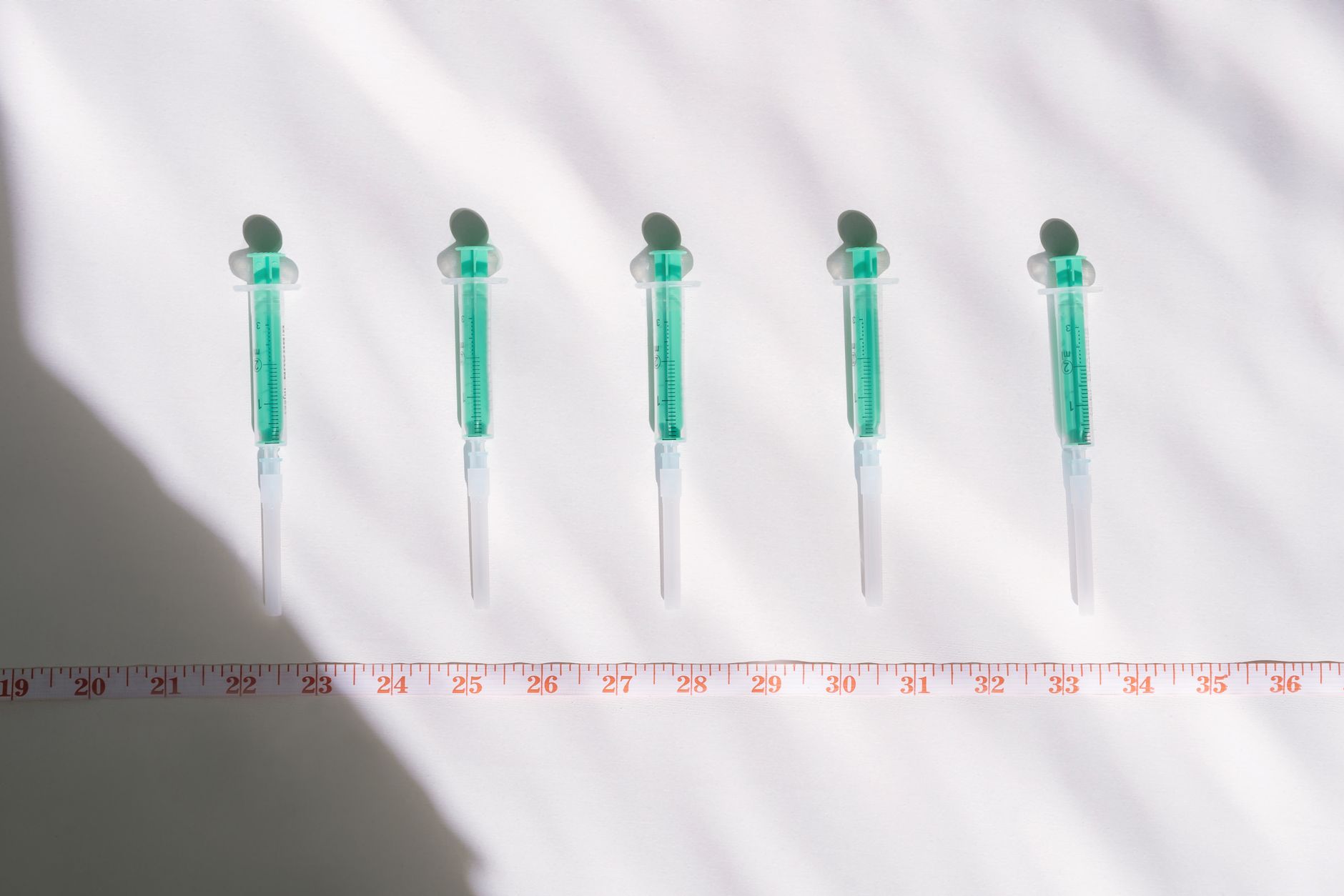
Small tools like syringes and spoons help you measure ORS accurately—especially for young children who can’t drink from a cup yet.
Recognizing dehydration symptoms in children: a quick guide by age
Dehydration can look different depending on your child’s age. Here’s what to watch for in infants, toddlers, and older kids.
Infants (0–12 months)
Babies are especially vulnerable to dehydration because they can’t tell you they’re thirsty. Watch for:
Fewer wet diapers: Normally, infants have 6+ wet diapers a day. If your baby has fewer than 3 in 24 hours, it’s a red flag.
Dry mouth and tongue: Check for sticky or dry saliva. A well-hydrated baby’s mouth should be moist.
No tears when crying: Babies produce tears when they cry, even newborns. If your baby cries without tears, it’s a sign of dehydration.
Sunken fontanelle: The soft spot on your baby’s head should be flat or slightly raised. If it’s sunken, your baby may be dehydrated.
Sunken eyes: Dehydration can make your baby’s eyes look hollow or sunken.
Lethargy or irritability: A dehydrated baby may be unusually sleepy, hard to wake, or fussy and inconsolable.
Rapid breathing or heartbeat: If your baby’s breathing or heartbeat seems faster than usual, seek medical help immediately.
Toddlers (1–3 years)
Toddlers are active and may not stop to drink when they’re thirsty. Signs of dehydration include:
Fewer wet diapers or trips to the bathroom: Toddlers should have at least 4 wet diapers or trips to the bathroom in 24 hours. Dark yellow urine is also a warning sign.
Dry mouth and lips: Check for cracked lips or a sticky-feeling mouth.
No tears when crying: Like infants, toddlers should produce tears when they cry.
Sunken eyes: Dehydration can make your toddler’s eyes look hollow or tired.
Lethargy or irritability: A dehydrated toddler may be unusually cranky, sleepy, or hard to engage.
Cool hands and feet: Poor circulation can make your toddler’s extremities feel cool or clammy.
Skin that doesn’t spring back: Gently pinch the skin on your toddler’s belly or thigh. If it doesn’t snap back quickly, they may be dehydrated.
Older kids (4+ years)
Older kids can often tell you when they’re thirsty, but they may ignore the signs—especially if they’re busy playing or sick. Watch for:
Dark yellow or strong-smelling urine: Healthy urine should be pale yellow. Dark urine is a sign of dehydration.
Dry mouth or bad breath: Dehydration can cause a sticky mouth or unpleasant breath.
Fatigue or dizziness: If your child complains of feeling tired or dizzy, it could be a sign of dehydration.
Headache: Dehydration can cause headaches, especially in older kids.
Muscle cramps: Low electrolytes can lead to muscle cramps, especially during physical activity.
Sunken eyes: Like younger kids, older children may have sunken or tired-looking eyes when dehydrated.
Rapid heartbeat or breathing: If your child’s heart or breathing seems faster than usual, seek medical help.
🔢 Ready to crunch your numbers? Use our ORS Volume Calculator for a personalized result in seconds.
When to call the doctor: red flags you shouldn’t ignore
ORS is safe and effective for mild to moderate dehydration, but some situations require medical attention. Call your doctor or go to the ER if your child has any of these signs:
No urine for 6+ hours (or very dark, strong-smelling urine).
Vomiting every time they drink (or vomiting blood).
Blood in stool (or black, tarry stools).
Sunken eyes or fontanelle (the soft spot on a baby’s head).
Extreme lethargy (difficult to wake, floppy, or unresponsive).
Rapid breathing or heartbeat (faster than usual for your child).
Fever over 102°F (39°C) in infants under 3 months, or over 104°F (40°C) in older kids.
Seizures or confusion (rare, but serious).
Cold, clammy, or mottled skin (a sign of poor circulation).
Skin that stays tented when pinched (doesn’t spring back).
If your child has any of these symptoms, stop giving ORS and seek medical help immediately. Severe dehydration can progress quickly, especially in young children, and may require IV fluids.
One mom, Jessica, shared her experience with her 6-month-old son, Noah: “Noah had a stomach bug and wasn’t keeping anything down. By the second day, he hadn’t peed in 8 hours, and his fontanelle was sunken. I called the pediatrician, who told me to go to the ER. They gave him IV fluids, and within a few hours, he was back to his usual self. It was scary, but I’m so glad I didn’t wait.”
Preventing dehydration in children: tips for everyday life
Dehydration isn’t just a risk during illness—it can happen anytime your child loses more fluids than they take in. Here’s how to keep them hydrated and healthy:
During illness
Illnesses like diarrhea, vomiting, or fever are the most common causes of dehydration in kids. Here’s how to prevent it:
Offer fluids early and often. Don’t wait for your child to ask—offer small sips of ORS, breast milk, or formula every 15–30 minutes.
Stick to ORS for hydration. Avoid juice, soda, or sports drinks, which can make diarrhea worse.
Continue breastfeeding or formula-feeding. For babies under 6 months, breast milk or formula is the best way to stay hydrated.
Watch for signs of dehydration. Check for fewer wet diapers, dry mouth, or sunken eyes.
Call your doctor if symptoms worsen. If your child refuses to drink, vomits repeatedly, or shows signs of severe dehydration, seek medical help.
During hot weather or physical activity
Kids lose fluids quickly when they’re active or in hot weather. Here’s how to keep them hydrated:
Offer water before, during, and after play. Encourage your child to drink water every 20–30 minutes during physical activity.
Dress them in lightweight, breathable clothing. Light colors and loose fabrics help keep them cool.
Avoid peak sun hours. If possible, limit outdoor play to early morning or late afternoon.
Watch for signs of heat exhaustion. Symptoms include dizziness, nausea, headache, or excessive sweating. If your child shows these signs, move them to a cool place, offer fluids, and call your doctor if symptoms persist.
Use ORS for prolonged activity. If your child is playing sports or outside for more than an hour, ORS can help replace lost electrolytes.
Everyday hydration tips
Even when your child isn’t sick or active, it’s important to keep them hydrated. Here’s how:
Make water accessible. Keep a water bottle within reach at all times, especially for toddlers and older kids.
Offer fluids with meals and snacks. Serve water, milk, or diluted juice with every meal.
Limit sugary drinks. Juice, soda, and sports drinks can contribute to dehydration and tooth decay. Stick to water or milk as much as possible.
Lead by example. Kids mimic what they see. Drink water regularly, and they’ll be more likely to do the same.
Use fun cups or straws. A colorful cup or silly straw can make drinking water more appealing.
Myth vs. fact: common misconceptions about child dehydration
Myth: If my child is thirsty, they’ll drink when they need to.
Fact: Thirst isn’t always a reliable signal in young children. Infants and toddlers may not recognize thirst, and older kids may ignore it—especially when they’re busy playing or sick. That’s why it’s important to offer fluids regularly, even if your child doesn’t ask for them.
Myth: Water is the best way to rehydrate a dehydrated child.
Fact: While water is great for everyday hydration, it’s not enough for a dehydrated child. ORS is specially formulated to replace fluids and electrolytes in the right balance. Water alone can dilute electrolytes, making dehydration worse. Stick to ORS for rehydration during illness.
Myth: Sports drinks like Gatorade are a good substitute for ORS.
Fact: Sports drinks have too much sugar and not enough sodium to effectively rehydrate a dehydrated child. They can also make diarrhea worse. ORS is the gold standard for rehydration during illness.
Myth: If my child vomits after drinking ORS, I should stop giving it.
Fact: Vomiting is common during illnesses, but it doesn’t mean ORS isn’t working. If your child vomits within 30 minutes of drinking, wait 10 minutes, then offer the same amount again. If they keep it down, continue with the plan. If vomiting persists, call your doctor.
From our medical team:
“Dehydration in children can be scary, but the good news is that most cases can be treated safely at home with ORS. The key is acting early—don’t wait for severe symptoms to appear. Start with small, frequent sips, and monitor your child closely. If they refuse to drink, vomit repeatedly, or show signs of severe dehydration, don’t hesitate to call your doctor or go to the ER. Trust your instincts—you know your child best.”
Key takeaways
Dehydration in children happens when they lose more fluids than they take in, often during illnesses like diarrhea, vomiting, or fever.
The amount of ORS your child needs depends on their weight and dehydration severity: 50 mL per kg for mild dehydration, 100 mL per kg for moderate dehydration, over 4 hours.
Use our ORS Volume Calculator to get a personalized plan based on your child’s weight and symptoms.
Not sure about the label on Child Dehydration Ors Volume Calculator By Weight Severity products?
Snap the ingredients list and SafeFilter checks every ingredient for your stage — only 3 free scans this month, then you're locked until reset. Unlimited from $7/mo or $50/yr.
When Shubhra Mishra was expecting her first child in 2016, she was overwhelmed by conflicting food advice — one site said yes, another said never. By the time her second baby arrived in 2019, she realized millions of mothers face the same confusion.
That sparked a five-year journey through clinical nutrition papers, cultural diets, and expert conversations — all leading to BumpBites: a calm, compassionate space where science meets everyday motherhood.
Her long-term vision is to build a global community ensuring safe, supported, and free deliveriesfor every mother — because no woman should face pregnancy alone or uninformed. 🌿
🌍 Stand with mothers, shape safer guidance
Join a small circle of experts who review BumpBites articles so expecting parents everywhere can decide with confidence.