Recognize child deterioration early using PEWS scoring and an escalation protocol. This guide helps parents identify warning signs, understand scoring, and know when to seek urgent medical help for timely intervention.
By Shubhra Mishra — a mom of two who turned her own confusion during pregnancy into BumpBites, a global mission to make food choices clear, safe, and stress-free for every expecting mother. 💛
Check whether any food is safe during pregnancy with the BumpBites Food Safety Checker.
Quick take: A child’s condition can change quickly, and the Pediatric Early Warning Score (PEWS) gives parents a simple, evidence‑based way to spot early signs of deterioration. If your child’s total PEWS reaches 4 or higher, or if any single item scores 3, call your provider right away or head to the nearest emergency department.
It’s 2 a.m., the house is quiet, and your toddler is sniffling, breathing a little faster than usual. You’ve Googled “why is my child breathing fast” and the pages you find are full of medical jargon that feels overwhelming. You wonder if a quick bedside tool could help you decide whether this is a moment to watch or a signal to call for help. The answer is yes—many hospitals and home‑care programs use the Pediatric Early Warning Score (PEWS) to turn observable signs into a clear, actionable number.
In this guide we’ll walk you through what child deterioration means, why catching it early matters, and how the PEWS system works step by step. You’ll learn how to calculate a PEWS score, what each score level means, and the exact actions you should take—whether you’re at home, in a daycare, or in a pediatric ward. We’ll also cover common illnesses that can trigger rapid decline, practical monitoring tips, and a concise checklist you can keep by the bedside. By the end, you’ll have a reliable safety net you can trust when the stakes feel high.
What is child deterioration and why early recognition is crucial?
Child deterioration describes a sudden or progressive decline in a youngster’s physiological stability—think rapid breathing, dropping blood pressure, altered consciousness, or a new rash. Unlike adults, children can compensate for serious illness for a short time before decompensating dramatically, which makes early warning signs especially valuable.
Early recognition matters for three main reasons:
Preventing emergencies: Prompt intervention can stop a reversible condition—such as sepsis or dehydration—from becoming life‑threatening.
Improving outcomes: Studies cited by the American Academy of Pediatrics (AAP) and the UK’s NHS show that hospitals using early‑warning tools see lower rates of cardiac arrest and ICU admission.
Empowering families: When parents understand the signs, they can act confidently, reducing anxiety and unnecessary trips to the doctor.
In practical terms, early recognition means watching for subtle changes—like a child who is unusually sleepy after a fever, or an infant whose skin feels cooler than usual. These “soft” cues often precede measurable vital‑sign changes, and PEWS is designed to capture both.
Beyond the immediate health benefits, early detection also supports better long‑term outcomes. Children who receive timely treatment for infections, for example, are less likely to experience complications that could affect growth or neurodevelopment. This is why many pediatric quality‑improvement programs now embed PEWS into routine care pathways (AAP, 2022).
Understanding the Pediatric Early Warning Score (PEWS) – purpose and components
PEWS
is a bedside scoring system that translates five observable parameters into a single number. The system was created to give a quick, reproducible assessment of a child’s risk of deterioration. While hospitals may use slightly different versions, the core components are widely accepted:
Respiratory rate (RR): How fast the child is breathing.
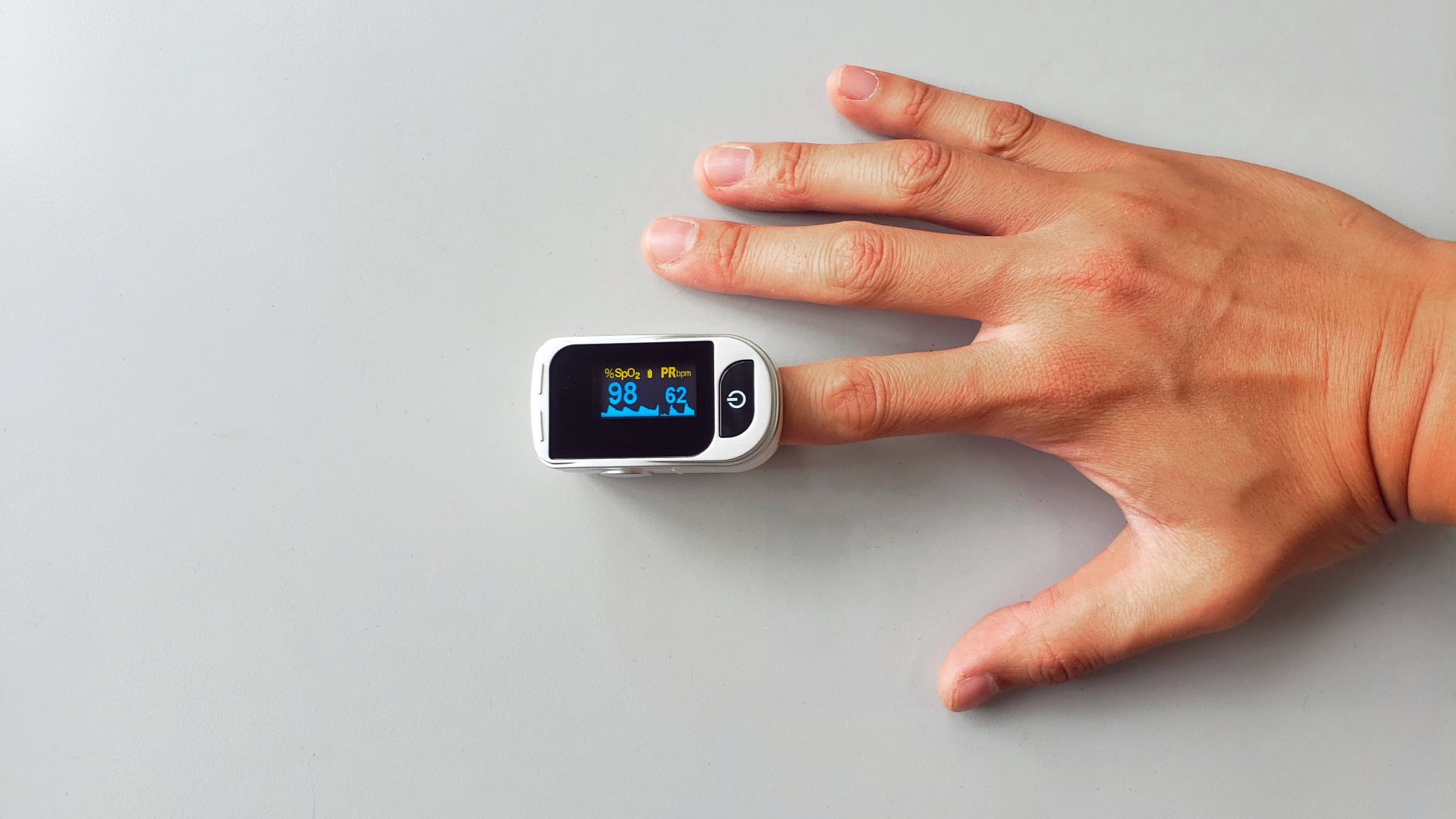
Oxygen saturation (SpO₂): The percentage of oxygen in the blood, measured with a fingertip pulse oximeter.
Heart rate (HR): Beats per minute, adjusted for age.
Level of consciousness (LOC): Whether the child is alert, responsive to voice, or less responsive.
Behavior/appearance: Signs such as skin color, work of breathing, or presence of a new rash.
Each parameter is scored from 0 (normal) to 3 (severe deviation). The scores are added together, giving a total ranging from 0 to 15. A higher total signals greater risk. The system is simple enough that parents can use it at home, especially when a child is ill with fever, cough, or gastrointestinal upset.
Below is a concise reference table that outlines typical age‑adjusted thresholds. These ranges follow guidance from the Royal College of Paediatrics and Child Health (RCPCH) and the UK’s NICE guidelines.
Parameter
Score 0
Score 1
Score 2
Score 3
Respiratory rate (infants < 12 mo)
30‑60 breaths/min
61‑80
81‑100
> 100
Respiratory rate (toddlers 1‑3 yr)
20‑30
31‑40
41‑50
> 50
Oxygen saturation (any age)
> 95 %
92‑95 %
90‑91 %
<90 %
Heart rate (infants)
100‑160 bpm
161‑180
181‑200
> 200
Heart rate (toddlers)
80‑130
131‑150
151‑170
> 170
Level of consciousness
Alert
Responds to voice
Responds to pain
Unresponsive
Behavior/appearance
Normal skin colour, no distress
Flushed or pale, mild retractions
Marked retractions, grunting
Severe distress, cyanosis
When you add the scores, you get a clear numeric picture of how your child is doing. The next sections show you how to use this information at home.
It’s worth noting that PEWS is not a diagnostic tool; it simply flags when a child’s physiology is moving out of the normal range. In hospital settings, a high PEWS often triggers a rapid response team (RRT) call, which has been shown to reduce in‑hospital cardiac arrests by up to 30 % (NICE, 2020). At home, the same principle applies—recognizing the signal early gives you the chance to intervene before a crisis develops.
Calculating and interpreting a PEWS score at home – step‑by‑step examples
Before you start, gather a few simple tools: a digital thermometer, a fingertip pulse oximeter (many pharmacies sell child‑friendly models), and a watch or phone to count breaths. If you don’t have an oximeter, you can still use the other four parameters; the score will be slightly less precise but still useful.
Let’s walk through two real‑world scenarios that illustrate how to calculate a PEWS score. These examples mirror situations many parents face, whether it’s a fever‑ish night or a sudden cough.
Example 1 – Fever and lethargy in a 10‑month‑old
Respiratory rate: You count 78 breaths per minute. That falls into the “61‑80” range for infants, scoring 1.
Oxygen saturation: The oximeter reads 94 %. That is a score of 1 (92‑95 %).
Heart rate: You feel a rapid pulse of 185 bpm. That lands in the 181‑200 bracket, scoring 2.
Level of consciousness: The baby is difficult to rouse, only responding to a gentle shake. That’s “responds to pain,” scoring 2.
Behavior/appearance: The infant’s skin is pale, and you notice mild chest retractions. That is a score of 2.
Total PEWS = 1 + 1 + 2 + 2 + 2 = 8. According to the escalation protocol (see next section), a total of 4 or higher triggers immediate medical evaluation. In this case, you would call your pediatrician or go to the nearest emergency department right away.
Example 2 – Cough and mild wheeze in a 3‑year‑old
Respiratory rate: 38 breaths/min → score 1 (31‑40 for toddlers).
Oxygen saturation: 96 % → score 0 (≥95 %).
Heart rate: 115 bpm → score 0 (80‑130 for toddlers).
Level of consciousness: Alert → score 0.
Behavior/appearance: Mild wheeze with no retractions → score 1.
Total PEWS = 1 + 0 + 0 + 0 + 1 = 2. A score of 2 suggests close monitoring, but not an emergency. You would keep an eye on the child, re‑check the score in an hour, and call the doctor if the score rises.
These examples show how a few minutes of observation can translate into a clear decision pathway. If you’d like a quick calculator to plug in your numbers, try our Paediatric Early Warning (PEWS) tool. It walks you through each step and automatically totals the score.
Using a child‑friendly pulse oximeter makes the PEWS assessment quick and reliable.
Warning signs to watch for in infants, toddlers, and older children
While PEWS captures measurable changes, it’s helpful to pair the score with age‑specific “red‑flag” signs that parents often notice first. Below is a concise checklist for each age group.
Infants (0‑12 months)
Persistent high fever (> 38.5 °C) lasting more than 24 hours.
Breathing faster than 80 breaths per minute, or noticeable chest retractions.
Skin that feels cool to the touch, mottled or bluish lips.
Decreased feeding, prolonged crying, or difficulty waking.
Vomiting more than two times in 24 hours or persistent diarrhea.
Toddlers (1‑3 years)
Rapid breathing (> 50 breaths per minute) or noisy breathing (wheezing, grunting).
Persistent lethargy, inability to play or interact.
Severe dehydration signs: dry mouth, no tears, sunken fontanelle.
Rash that spreads quickly or looks purplish.
Unexplained irritability or inconsolable crying.
Older children (4 years and up)
Chest pain, especially when breathing or coughing.
Shortness of breath at rest or after minimal activity.
Fever above 39 °C with a change in mental status.
Vomiting blood or black stools, indicating gastrointestinal bleeding.
Sudden weakness, loss of coordination, or difficulty walking.
When any of these signs appear, you should calculate a PEWS score immediately. Even a modest score combined with a concerning sign (e.g., a new rash) warrants a call to your pediatrician.
Regular temperature checks help you spot fever‑related deterioration early.
The PEWS escalation protocol – what to do at each score level
The escalation protocol translates the total PEWS into actionable steps. Below is a standard tiered approach, adapted from AAP and NHS recommendations. Remember, local hospitals may have slightly different triggers, but the core principles are the same.
Total PEWS
Action
0‑1
Continue routine monitoring. Re‑assess in 4–6 hours if the child remains well.
2‑3
Increase observation frequency (every 1–2 hours). Contact your pediatrician if the score rises.
4‑5
Call your provider promptly. Arrange a same‑day clinic visit or urgent care evaluation.
6‑7
Escalate to emergency services. Seek care in an emergency department within the next hour.
≥ 8 or any single item = 3
Activate emergency response immediately. Call 911 (US) / 999 (UK) or go to the nearest pediatric emergency department.
Key points to remember:
Time matters: The longer a high score remains unaddressed, the greater the risk of rapid decline.
Combine with clinical judgment: A PEWS of 3 might be less urgent for a well‑hydrated child with a mild viral illness, but if the child also has a new rash, you should still call the doctor.
Document the trend: Write down each score, the time you measured it, and any changes in symptoms. This log helps clinicians see the trajectory quickly.
In practice, many families keep a small notebook or a phone note titled “PEWS Log” next to the child’s bedside. This habit turns a numeric tool into a reliable safety net. Some parents even set a nightly alarm to remind them to re‑check the score if their child is still ill.
Integrating PEWS into daily routine at home
Turning PEWS from a one‑off test into a habit can feel daunting, but small, consistent actions make it manageable. First, designate a specific “check‑in” time—usually when your child wakes, after meals, or before bedtime. Use the same thermometer and pulse oximeter each time so the readings stay comparable.
Second, involve older siblings or caregivers in the process. A simple chart on the fridge, with columns for each parameter, lets everyone see the current score at a glance. When the chart fills out, it becomes a visual cue that something may need attention.
Third, pair the PEWS log with a symptom journal. Note things like “spit‑up after feeding,” “cough worsened after playing outside,” or “skin feels dry.” Over a few days, patterns emerge that help you anticipate spikes before they happen. This approach mirrors the “track‑and‑trigger” systems used in many pediatric wards, where nurses record vitals every shift and act on trends (NICE, 2020).
Finally, rehearse the escalation steps with your family. Knowing exactly who to call, what information to give, and which hospital’s pediatric ED is closest reduces panic when a high score appears. A quick family drill—similar to a fire‑escape plan—takes only a few minutes but can save crucial minutes later.
PEWS for children with chronic health conditions
Children who have asthma, congenital heart disease, or neurologic disorders often have baseline vital‑sign ranges that differ from the general population. For these kids, the standard PEWS thresholds may need slight adjustment, but the principle remains the same: a deviation from the child’s personal baseline is the warning sign.
Most pediatric specialists recommend establishing a “personal PEWS” during routine clinic visits. During that appointment, the clinician records the child’s typical heart rate, respiratory rate, and oxygen saturation at rest. Parents then use those individualized numbers as the “score 0” reference when calculating PEWS at home.
For example, a child with moderate asthma may normally have a resting SpO₂ of 94 % rather than > 95 %. In that case, a reading of 92 % would be scored as 0 for that child, while 88 % would be a 2. The same logic applies to heart rate in children with cardiac shunts, where a higher baseline may be normal.
Several hospitals have published condition‑specific PEWS charts (e.g., the “Asthma PEWS” used in the UK). When you have a chronic condition, ask your pediatrician for a customized chart and for guidance on when to lower the threshold for calling emergency services. Tailoring the tool maintains its sensitivity without causing unnecessary alarms.
Digital tools and apps for tracking PEWS
Technology can make PEWS tracking less manual and more reliable. Many health‑tech companies now offer apps that let you input the five parameters, automatically calculate the total, and store the trend over time. Some apps even sync with Bluetooth‑enabled pulse oximeters, eliminating the need for manual entry of SpO₂.
When choosing an app, look for these features:
Data security: HIPAA‑compliant or GDPR‑compliant privacy policies.
Customizable thresholds: Ability to set personal baseline values for children with chronic conditions.
Alert system: Push notifications when the score reaches a predefined level.
Exportable logs: Ability to generate a PDF that you can share with your pediatrician.
Two widely used platforms are PEWS Tracker (U.S.) and KidsWatch (U.K.). Both have free versions that cover the basic five‑parameter scoring and allow you to add notes. If you prefer a paper‑based system, the same columns can be drawn on a printable worksheet—whichever method fits your family’s routine best.
Regardless of the medium, the most important factor is consistency. A digital app can streamline the process, but it’s still essential to measure vital signs accurately and to reassess regularly, especially if symptoms change.
When to call a doctor or go to the emergency department
Even with a PEWS score below the emergency threshold, certain symptoms should prompt immediate medical attention. Trust your instincts—if something feels “off,” it probably is.
Call your pediatrician, urgent‑care clinic, or emergency services if you notice any of the following:
Persistent fever (> 38.5 °C) lasting more than 24 hours in an infant, or > 39 °C in an older child.
Breathing that is noticeably labored, with chest retractions, grunting, or a change in skin colour (bluish lips, pallor).
Sudden drop in responsiveness—child is difficult to rouse, unusually sleepy, or unresponsive to voice.
Severe dehydration signs: no tears when crying, dry mouth, sunken fontanelle in infants.
Vomiting blood, persistent vomiting, or diarrhea with blood or black stools.
New rash that spreads quickly, especially if it looks purplish or petechial.
Any score ≥ 4 on the PEWS chart, or a single item scoring 3 (e.g., oxygen saturation < 90 %).
When you decide to seek care, have your PEWS log handy. It gives clinicians a rapid snapshot of the child’s recent trend, which can speed up assessment and treatment.
From our medical team: PEWS is a tool, not a replacement for professional judgment. If you’re ever unsure, err on the side of caution and call your provider. The goal is to catch serious illness early, and a quick phone call can prevent a crisis.
Myth vs. fact
Myth: Only hospitals can use PEWS; parents can’t calculate it at home.
Fact: The scoring system is deliberately simple, using observable signs that any caregiver can measure. Home use is encouraged for children with chronic conditions or during acute illness.
Myth: A low PEWS means the child is completely safe.
Fact: A low score is reassuring but does not replace ongoing observation. Changes in behavior or new symptoms should still trigger a re‑assessment.
Myth: PEWS replaces the need for a pediatrician’s opinion.
Fact: PEWS is an early‑warning tool that helps you decide when to seek professional care; it does not diagnose or treat any condition.
Key takeaways
Child deterioration can happen quickly; early detection saves lives.
PEWS turns five observable signs—breathing, oxygen, heart rate, consciousness, appearance—into a single actionable number.
A total score of 4 or higher, or any single item scoring 3, warrants immediate medical contact.
Keep a simple PEWS log at bedside and re‑check scores every hour if symptoms persist.
Combine the numeric score with age‑specific red‑flag signs (e.g., high fever, labored breathing, dehydration).
When in doubt, call your provider—better safe than sorry.
Customize PEWS for children with chronic conditions and consider digital apps for easier tracking.
Practice escalation steps as a family drill to reduce panic during a high‑score event.
Frequently asked questions
What does a PEWS score mean?
A PEWS score quantifies how far a child’s vital signs and behavior deviate from age‑adjusted normal ranges; higher scores indicate greater risk of clinical deterioration. Scores 0‑1 are reassuring, 2‑3 suggest close monitoring, and 4 or above require prompt medical evaluation.
What are the signs of a deteriorating child?
Key warning signs include rapid breathing, low oxygen saturation, a sudden drop in consciousness, pale or bluish skin, persistent high fever, severe dehydration, and new or spreading rashes. Pair these signs with a PEWS score to decide on next steps.
How do you escalate care for a child?
Escalation follows the PEWS protocol: continue routine monitoring for scores 0‑1, increase observation for 2‑3, call your provider for 4‑5, seek emergency care for 6‑7, and activate emergency services immediately for ≥ 8 or any single item = 3.
What is the purpose of a PEWS chart?
The chart provides a standardized, easy‑to‑use framework for translating observable clinical signs into a single score, helping families and clinicians recognize early deterioration and act quickly.
When should I be concerned about my child's breathing?
If your child breathes faster than age‑specific thresholds, shows chest retractions, makes grunting sounds, or has an oxygen saturation below 95 % (or 90 % in severe cases), calculate the PEWS and consider urgent medical evaluation.
Can parents use PEWS to monitor their child?
Yes. PEWS is designed for both clinicians and caregivers. With a basic pulse oximeter, thermometer, and a watch, parents can calculate the score at home and use the escalation protocol to decide when to seek help.
Can I use PEWS for a newborn infant?
Newborns (0‑28 days) have slightly different normal ranges, especially for heart rate and respiratory rate. Many hospitals use a neonatal‑specific version of PEWS that accounts for these differences. If you have a newborn, ask your pediatrician for the appropriate chart and thresholds.
What if I don’t have a pulse oximeter at home?
Without SpO₂, you can still calculate a PEWS using the four remaining parameters. The total will be lower, but a high score on the other items (especially respiratory distress or altered consciousness) should still trigger a call to your provider. Consider acquiring an affordable fingertip oximeter—most pharmacies sell child‑friendly models for under $30.
When to call your doctor
If you notice any of the following, contact your pediatrician, urgent‑care clinic, or emergency services right away: a PEWS total of 4 or higher, any single item scoring 3, persistent fever, labored breathing, sudden change in consciousness, severe dehydration, vomiting blood, or a rapidly spreading rash. This article is for informational purposes only and does not replace personalized medical advice. Always discuss your child’s specific situation with a qualified health professional.
References
American Academy of Pediatrics. “Clinical Practice Guidelines for Early Warning Scores in Pediatrics.” 2022.
Royal College of Paediatrics and Child Health (RCPCH). “Paediatric Early Warning Scores – Guidance for Parents and Caregivers.” 2021.
National Institute for Health and Care Excellence (NICE). “Acute Illness in Children: Recognition and Management.” NG45, 2020.
Centers for Disease Control and Prevention (CDC). “Sepsis in Children – Recognizing Early Signs.” Updated 2023.
World Health Organization (WHO). “Integrated Management of Childhood Illness (IMCI) Guidelines.” 2022.
National Health Service (NHS). “Respiratory distress in children – when to seek urgent care.” 2021.
U.S. Food and Drug Administration (FDA). “Pulse Oximeter Use in Home Settings.” 2023.
Mayo Clinic. “Pediatric vital signs: Normal ranges by age.” 2022.
British Paediatric Surveillance Unit (BPSU). “Outcomes of early warning score implementation.” 2021.
Australian Government Department of Health. “Child health emergency protocols.” 2022.
National Institute for Health and Care Excellence (NICE). “Rapid response systems in paediatrics.” NG57, 2021.
American College of Obstetricians and Gynecologists (ACOG). “Guidelines for family education on pediatric health emergencies.” 2020.
HealthIT.gov. “HIPAA compliance for health apps.” 2023.
European Union GDPR Portal. “Data protection standards for health applications.” 2022.
Not sure about the label on Child Deterioration Recognition Pews Scoring Escalation Protocol products?
Snap the ingredients list and SafeFilter checks every ingredient for your stage — only 3 free scans this month, then you're locked until reset. Unlimited from $7/mo or $50/yr.
When Shubhra Mishra was expecting her first child in 2016, she was overwhelmed by conflicting food advice — one site said yes, another said never. By the time her second baby arrived in 2019, she realized millions of mothers face the same confusion.
That sparked a five-year journey through clinical nutrition papers, cultural diets, and expert conversations — all leading to BumpBites: a calm, compassionate space where science meets everyday motherhood.
Her long-term vision is to build a global community ensuring safe, supported, and free deliveriesfor every mother — because no woman should face pregnancy alone or uninformed. 🌿
🌍 Stand with mothers, shape safer guidance
Join a small circle of experts who review BumpBites articles so expecting parents everywhere can decide with confidence.