Wondering if your baby qualifies for cooling therapy? Learn the eligibility criteria, key signs, and next steps to protect your newborn’s health after birth.
By Shubhra Mishra — a mom of two who turned her own confusion during pregnancy into BumpBites, a global mission to make food choices clear, safe, and stress-free for every expecting mother. 💛
Check whether any food is safe during pregnancy with the BumpBites Food Safety Checker.
Quick take: Cooling therapy (therapeutic hypothermia) is a treatment for newborns who’ve experienced oxygen deprivation during birth, which can lead to brain injury. Your baby may qualify if they meet specific medical criteria, including signs of moderate to severe hypoxic-ischemic encephalopathy (HIE) and are within the first 6 hours of life. This article explains the eligibility guidelines, how the therapy works, and what to expect. If you’re unsure whether your baby meets the criteria, use our Therapeutic Hypothermia Eligibility calculator to check.
You’re sitting in the NICU, your baby swaddled in a tiny blanket, wires and monitors beeping softly around you. The doctor just said the words “oxygen deprivation” and “brain injury,” and now they’re talking about something called “cooling therapy.” Your mind races: What does this mean? Is my baby eligible? Will it help? You’re not alone—many parents find themselves in this exact moment, searching for clear answers in the middle of the night.
Cooling therapy, also known as therapeutic hypothermia, is a treatment that can reduce the risk of brain damage in newborns who’ve experienced a lack of oxygen during birth. It’s not for every baby, but for those who qualify, it can be life-changing. In this article, we’ll walk you through everything you need to know: what cooling therapy is, who qualifies, how it’s done, and what the risks and benefits are. We’ll also share a real story from a mom who went through it, so you can hear what it’s like from someone who’s been there.
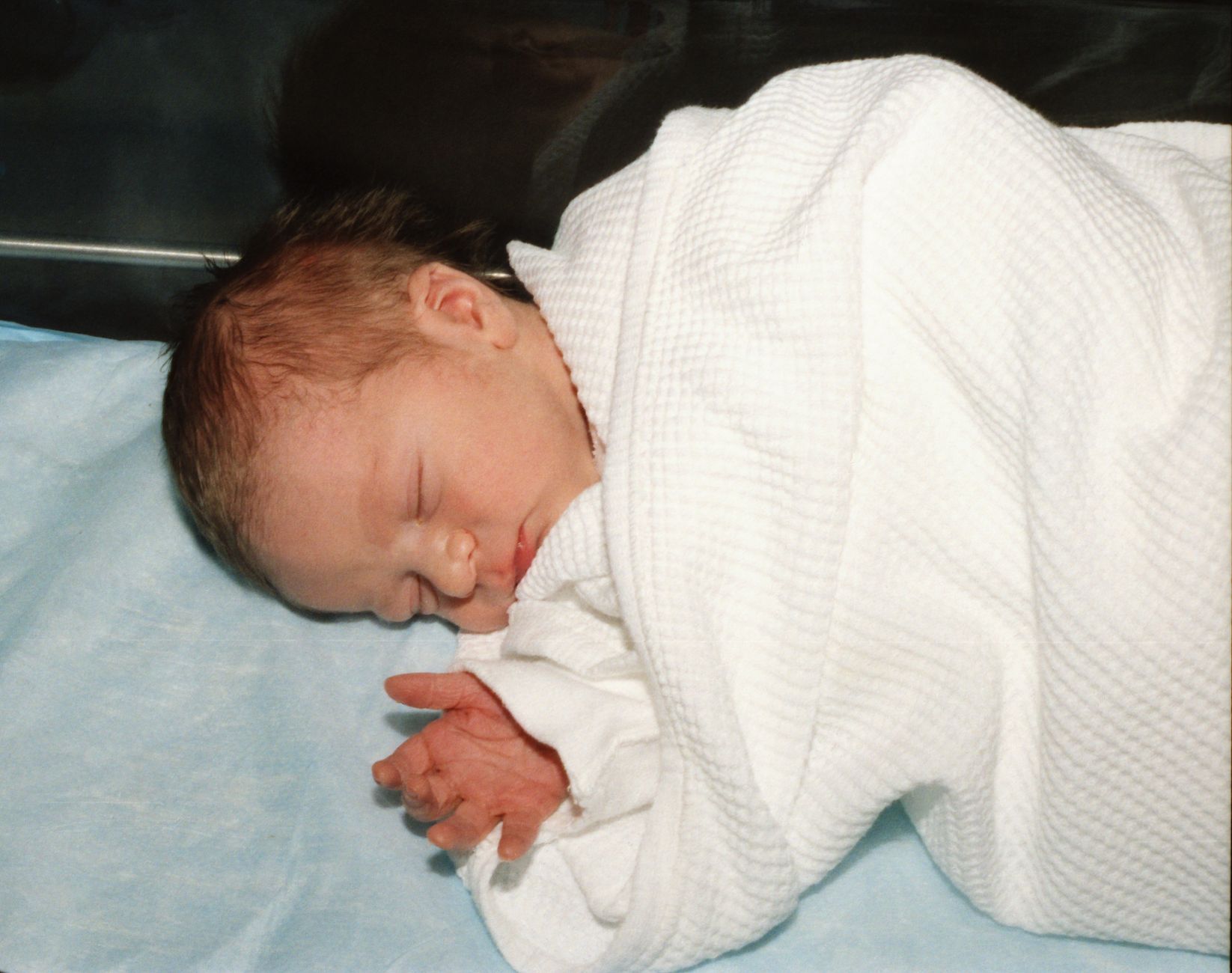
Cooling therapy is carefully monitored in the NICU to protect your baby’s brain after oxygen deprivation.
What is cooling therapy for babies?
Cooling therapy, or therapeutic hypothermia, is a medical treatment that lowers a newborn’s body temperature to protect the brain after oxygen deprivation. When a baby doesn’t get enough oxygen during birth—whether due to complications like a prolapsed cord, placental abruption, or a difficult delivery—the brain can suffer injury. This is called hypoxic-ischemic encephalopathy (HIE), and it can lead to long-term issues like cerebral palsy, developmental delays, or even death.
Here’s how cooling therapy works: By gently lowering the baby’s body temperature to about 33.5°C (92.3°F) for 72 hours, the treatment slows down the brain’s metabolic processes. This gives the brain time to recover and reduces the risk of further damage. Think of it like putting a computer in “sleep mode” to prevent a crash—it doesn’t fix the problem, but it buys time for the brain to heal.
Cooling therapy is only used for babies who meet strict medical criteria. It’s not a last-resort treatment, but it’s also not something given to every baby who has a difficult birth. The goal is to intervene early—within the first 6 hours of life—when the brain is most vulnerable to injury.
What medical conditions qualify for cooling therapy?
Cooli
ng therapy is specifically for newborns with hypoxic-ischemic encephalopathy (HIE), a type of brain injury caused by oxygen deprivation. But not all babies with HIE qualify—there are specific guidelines to determine who is eligible. Here are the conditions and scenarios that may make a baby a candidate for cooling therapy:
Moderate to severe HIE: Babies with mild HIE usually don’t qualify, as their symptoms may resolve on their own. Cooling therapy is reserved for those with moderate or severe HIE, which is determined by a neurological exam and other tests.
Oxygen deprivation during birth: This can happen due to complications like a prolapsed umbilical cord, placental abruption, or a prolonged delivery. If the baby shows signs of distress (like a low heart rate or meconium-stained amniotic fluid), they may be evaluated for HIE.
Gestational age of 36 weeks or older: Cooling therapy is typically only used for full-term or near-term babies (36 weeks or later). Premature babies have different risks and may not qualify, though research is ongoing for this group.
Birth weight of at least 1,800 grams (about 4 pounds): Smaller babies may not tolerate the therapy as well, so eligibility is often limited to those above this weight.
Treatment started within 6 hours of birth: The window for cooling therapy is narrow. If a baby is born outside a hospital with cooling capabilities, they may need to be transferred quickly to a facility that offers the treatment.
One mom, Sarah, shared her experience with us: “My daughter was born at 39 weeks, but the cord was wrapped around her neck. She didn’t cry right away, and the doctors rushed her to the NICU. They told us she had HIE and might qualify for cooling therapy. I was terrified—what did that mean for her future? But the team explained that the therapy could give her brain the best chance to heal. It was a long 72 hours, but she came through it, and today, she’s a thriving toddler.”
Eligibility criteria and guidelines for cooling therapy
Deciding whether a baby qualifies for cooling therapy isn’t guesswork—it’s based on clear medical guidelines. Hospitals use a combination of tests and exams to determine eligibility. Here’s what the process typically looks like:
1. Neurological exam
The first step is a neurological exam, often using the Sarnat staging system. This exam evaluates the baby’s level of consciousness, muscle tone, reflexes, and other signs of brain function. Babies with moderate or severe HIE (Sarnat stage 2 or 3) are more likely to qualify for cooling therapy.
2. Blood gas test
A blood gas test measures the levels of oxygen, carbon dioxide, and acid in the baby’s blood. If the test shows severe acidosis (a pH of 7.0 or lower) or a high base deficit (16 or more), it’s a sign that the baby experienced significant oxygen deprivation and may qualify for cooling therapy.
An aEEG is a simplified version of an EEG that measures the baby’s brain activity. Babies with abnormal brain waves, such as seizures or a flat tracing, may qualify for cooling therapy. This test helps doctors assess the severity of the brain injury.
4. Time since birth
Cooling therapy must start within 6 hours of birth to be effective. If a baby is born at a hospital that doesn’t offer cooling therapy, they may need to be transferred to a facility that does. This is why time is critical—every minute counts.
5. Gestational age and weight
As mentioned earlier, babies must be at least 36 weeks gestation and weigh at least 1,800 grams to qualify. These guidelines are in place because premature or very small babies may not tolerate the therapy as well.
If you’re unsure whether your baby meets these criteria, our Therapeutic Hypothermia Eligibility calculator can help you check. It’s a quick way to see if your baby’s symptoms and test results align with the guidelines for cooling therapy.
Eligibility Criterion
What It Means
Why It Matters
Moderate to severe HIE (Sarnat stage 2 or 3)
The baby shows signs of brain injury, like poor muscle tone or seizures.
Cooling therapy is most effective for babies with significant brain injury.
pH ≤ 7.0 or base deficit ≥ 16
The baby’s blood test shows severe oxygen deprivation.
These results indicate a high risk of brain damage.
Abnormal aEEG
The baby’s brain activity is disrupted, showing seizures or flat tracing.
An abnormal aEEG confirms the need for intervention.
Treatment started within 6 hours of birth
The therapy must begin early to be effective.
The brain is most vulnerable in the first few hours after injury.
Gestational age ≥ 36 weeks
The baby is full-term or near-term.
Premature babies may not tolerate the therapy as well.
Birth weight ≥ 1,800 grams
The baby weighs at least 4 pounds.
Smaller babies may have a higher risk of complications.
How is cooling therapy administered and monitored?
If your baby qualifies for cooling therapy, the medical team will act quickly to start the treatment. Here’s what you can expect:
1. Lowering the body temperature
Cooling therapy is done in one of two ways: whole-body cooling or selective head cooling. Both methods aim to lower the baby’s body temperature to about 33.5°C (92.3°F).
Whole-body cooling: The baby is placed on a cooling blanket that circulates cold water. The blanket lowers the baby’s core temperature gradually over about an hour.
Selective head cooling: A cooling cap is placed on the baby’s head while the rest of the body is kept at a normal temperature. This method targets the brain directly.
Whole-body cooling is more common, but both methods are effective. The choice depends on the hospital’s protocols and the baby’s specific needs.
2. Monitoring the baby
During cooling therapy, your baby will be closely monitored in the NICU. The medical team will track:
Body temperature: Sensors on the baby’s skin and inside the esophagus (food pipe) measure temperature continuously.
Heart rate and oxygen levels: A pulse oximeter and heart monitor keep track of the baby’s vital signs.
Brain activity: An aEEG or EEG monitors the baby’s brain waves for seizures or other abnormalities.
Blood tests: Regular blood tests check for signs of infection, low blood sugar, or other complications.
“It was hard to see my son hooked up to so many machines,” said Mark, whose baby underwent cooling therapy. “But the nurses reassured us that every beep and monitor was there to keep him safe. They let us hold his hand and talk to him, which made it feel a little less scary.”
3. Keeping the baby comfortable
Cooling therapy can be uncomfortable for babies, so the medical team takes steps to keep them as calm as possible. This may include:
Pain relief: Babies may receive small doses of pain medication to help them stay comfortable.
Swaddling: Soft blankets keep the baby warm and secure.
Skin-to-skin care: If the baby is stable, parents may be able to hold them briefly during the therapy.
4. Rewarming the baby
After 72 hours of cooling, the baby’s body temperature is gradually raised back to normal over about 6–12 hours. This slow rewarming is important to avoid complications like seizures or changes in blood pressure.
5. Follow-up care
Once the therapy is complete, the medical team will continue to monitor the baby for signs of improvement or complications. This may include:
MRI scans: An MRI of the brain can show how much damage occurred and whether the therapy was effective.
Developmental follow-up: Babies who undergo cooling therapy are often referred to early intervention programs to monitor their development and provide support if needed.
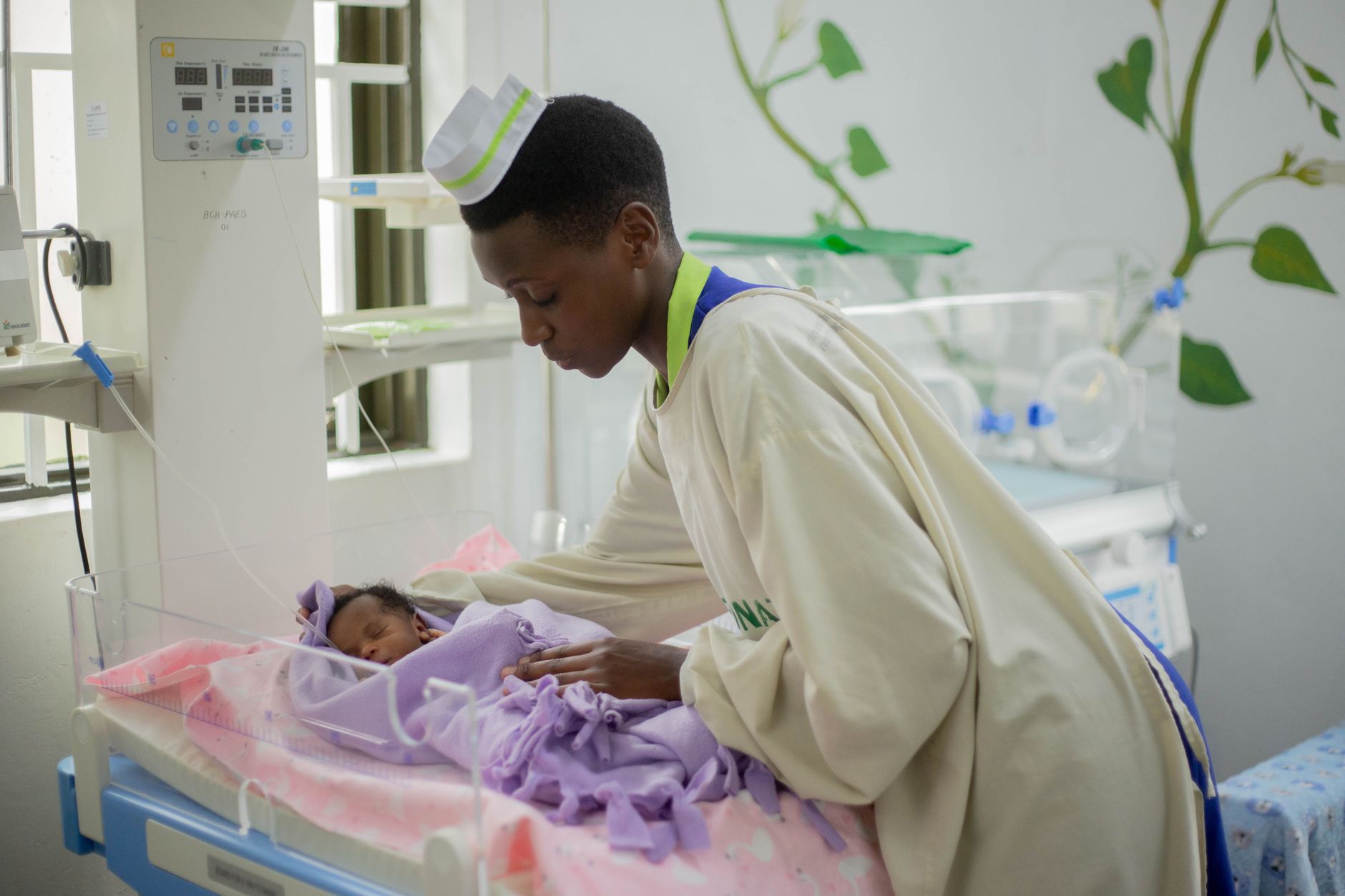
NICU nurses carefully monitor babies during cooling therapy to ensure their safety and comfort.
Benefits and risks of cooling therapy for newborns
Cooling therapy is a powerful tool, but like any medical treatment, it comes with both benefits and risks. Understanding these can help you make informed decisions about your baby’s care.
Benefits of cooling therapy
The biggest benefit of cooling therapy is its potential to reduce the risk of brain damage. Studies have shown that cooling therapy can:
Lower the risk of death or disability: Babies who receive cooling therapy are more likely to survive without long-term disabilities like cerebral palsy or developmental delays.
Reduce the severity of brain injury: Even if a baby does experience some brain damage, cooling therapy can lessen its severity.
Improve long-term outcomes: Many babies who undergo cooling therapy go on to meet their developmental milestones and live healthy lives.
“We were told our daughter had a 50% chance of severe disability without cooling therapy,” said Lisa, whose baby was treated for HIE. “After the therapy, her MRI showed minimal damage, and today, she’s a happy, healthy 2-year-old. We’re so grateful we had this option.”
Risks of cooling therapy
While cooling therapy is generally safe, it’s not without risks. Some potential complications include:
Low blood pressure: Cooling can cause the baby’s blood pressure to drop, which may require medication to stabilize.
Slow heart rate: The baby’s heart rate may slow down during cooling, but this is usually temporary and monitored closely.
Blood clotting issues: Cooling can affect the blood’s ability to clot, which may increase the risk of bleeding.
Infection: Lowering the body temperature can weaken the immune system, making the baby more susceptible to infections.
Skin irritation: The cooling blanket or cap can sometimes cause redness or irritation on the baby’s skin.
It’s important to remember that these risks are rare, and the medical team takes steps to minimize them. The benefits of cooling therapy usually outweigh the risks for babies who qualify.
Does my premature baby qualify for cooling therapy?
Cooling therapy is typically reserved for full-term or near-term babies (36 weeks or later), but research is ongoing to determine whether premature babies could also benefit. Here’s what you need to know:
Current guidelines
At this time, most hospitals do not offer cooling therapy to babies born before 36 weeks gestation. This is because premature babies have different risks and may not tolerate the therapy as well. Their bodies are smaller, their skin is thinner, and their immune systems are less developed, which can increase the risk of complications like low blood pressure or infection.
Ongoing research
Some studies are exploring whether cooling therapy could be safe and effective for premature babies, particularly those born between 33 and 35 weeks. Early results are promising, but more research is needed before guidelines change. If your premature baby experienced oxygen deprivation during birth, talk to your medical team about whether they might qualify for a clinical trial or an exception to the current guidelines.
Alternatives for premature babies
If your premature baby doesn’t qualify for cooling therapy, there are other treatments that can help protect their brain. These may include:
Seizure management: Medications can help control seizures, which are common after oxygen deprivation.
Supportive care: This includes monitoring the baby’s vital signs, providing oxygen if needed, and keeping them warm and comfortable.
Early intervention: Premature babies are often referred to early intervention programs to monitor their development and provide support as they grow.
“We were devastated when our 34-weeker didn’t qualify for cooling therapy,” said Priya, whose son was born prematurely. “But the NICU team reassured us that they would do everything they could to protect his brain. He’s now 18 months old and meeting all his milestones—we’re so proud of him.”
Doctor's note
From our medical team:
Cooling therapy is one of the most significant advances in neonatal care in the past two decades. For babies who qualify, it can literally change the trajectory of their lives. The key is early recognition and intervention—every minute counts when it comes to protecting the brain. If your baby shows signs of oxygen deprivation at birth, don’t hesitate to ask your medical team about cooling therapy. And remember, while the treatment itself is time-sensitive, the journey doesn’t end there. Long-term follow-up and early intervention can make a big difference in your baby’s development. We’re here to support you every step of the way.
When it comes to cooling therapy, there’s a lot of misinformation out there. Let’s clear up some common myths:
Myth: Cooling therapy is only for babies who are already brain-damaged.
Fact: Cooling therapy is a preventive treatment. It’s used to reduce the risk of brain damage in babies who’ve experienced oxygen deprivation, not just those who already show signs of injury. The goal is to intervene early to protect the brain before damage occurs.
Myth: Cooling therapy is painful for babies.
Fact: While cooling therapy can be uncomfortable, babies are given pain medication to keep them comfortable. The medical team also takes steps to minimize stress, like swaddling the baby and allowing parents to hold their hand or talk to them.
Myth: If my baby qualifies for cooling therapy, they’ll definitely have long-term disabilities.
Fact: Cooling therapy significantly improves the odds of a good outcome. Many babies who receive the treatment go on to live healthy, normal lives. While there’s no guarantee, the therapy gives your baby the best possible chance to thrive.
Key takeaways
Cooling therapy (therapeutic hypothermia) is a treatment for newborns who’ve experienced oxygen deprivation during birth, which can lead to brain injury.
Your baby may qualify if they have moderate to severe hypoxic-ischemic encephalopathy (HIE), are at least 36 weeks gestation, and weigh at least 1,800 grams.
The therapy must start within 6 hours of birth to be effective, so time is critical.
Cooling therapy lowers the baby’s body temperature to about 33.5°C (92.3°F) for 72 hours to protect the brain and reduce the risk of long-term damage.
While cooling therapy has risks, the benefits usually outweigh them for babies who qualify. Many babies who receive the treatment go on to live healthy lives.
If you’re unsure whether your baby qualifies, use our Therapeutic Hypothermia Eligibility calculator to check.
Frequently asked questions
What is cooling therapy for newborns?
Cooling therapy, or therapeutic hypothermia, is a medical treatment that lowers a newborn’s body temperature to protect the brain after oxygen deprivation. It’s used for babies with hypoxic-ischemic encephalopathy (HIE) to reduce the risk of brain damage and long-term disabilities like cerebral palsy or developmental delays.
How long does cooling therapy last for babies?
Cooling therapy typically lasts for 72 hours. After that, the baby’s body temperature is gradually raised back to normal over about 6–12 hours. The entire process, including rewarming, usually takes about 4 days.
What are the benefits of cooling therapy for infants?
The main benefit of cooling therapy is that it reduces the risk of death or long-term disability in babies with HIE. Studies show that babies who receive cooling therapy are more likely to survive without severe brain damage and meet their developmental milestones. It can also lessen the severity of brain injury if some damage has already occurred.
What are the risks of cooling therapy for newborns?
While cooling therapy is generally safe, it can cause complications like low blood pressure, a slow heart rate, blood clotting issues, or an increased risk of infection. These risks are rare, and the medical team takes steps to minimize them. The benefits of cooling therapy usually outweigh the risks for babies who qualify.
How is cooling therapy administered to babies?
Cooling therapy is administered in one of two ways: whole-body cooling or selective head cooling. In whole-body cooling, the baby is placed on a cooling blanket that lowers their core temperature. In selective head cooling, a cooling cap is placed on the baby’s head while the rest of the body stays warm. The baby is closely monitored in the NICU throughout the therapy.
Can cooling therapy help prevent brain damage in newborns?
Yes, cooling therapy can help prevent brain damage in newborns who’ve experienced oxygen deprivation. By lowering the baby’s body temperature, the therapy slows down the brain’s metabolic processes, giving it time to recover and reducing the risk of further injury. It’s most effective when started within the first 6 hours of life.
When to call your doctor
If your baby has experienced oxygen deprivation during birth, it’s important to seek medical attention immediately. Here are some signs that your baby may need cooling therapy or other urgent care:
Your baby is not breathing or has a very weak cry at birth.
Your baby has a low heart rate or shows signs of distress during delivery.
Your baby is limp, has poor muscle tone, or is not responding to stimuli.
Your baby is having seizures or abnormal movements.
Your baby’s skin is pale, blue, or gray, indicating poor oxygen circulation.
Cooling therapy must start within 6 hours of birth to be effective, so don’t wait to seek help if you notice these signs. If your baby is already in the NICU, the medical team will monitor them closely and let you know if cooling therapy is an option.
This article is for informational purposes only and is not a substitute for professional medical advice, diagnosis, or treatment. Always seek the advice of your physician or other qualified health provider with any questions you may have regarding a medical condition.
References
American College of Obstetricians and Gynecologists (ACOG). (2021). Neonatal Encephalopathy and Neurologic Outcome, Second Edition. ACOG Committee Opinion No. 797.
American Academy of Pediatrics (AAP). (2014). Hypothermia and Neonatal Encephalopathy. Pediatrics, 133(6), e1547-e1550.
National Institute for Health and Care Excellence (NICE). (2021). Therapeutic Hypothermia with Intracorporeal Temperature Monitoring for Hypoxic Perinatal Brain Injury. NICE Interventional Procedure Guidance [IPG675].
World Health Organization (WHO). (2020). Standards for Improving Quality of Maternal and Newborn Care in Health Facilities.
Mayo Clinic. (2023). Hypoxic-Ischemic Encephalopathy (HIE). Retrieved from [Mayo Clinic website].
Royal College of Obstetricians and Gynaecologists (RCOG). (2017). Each Baby Counts: 2017 Progress Report.
Not sure about the label on Does My Baby Qualify For Cooling Therapy Eligibility Calculator products?
Snap the ingredients list and SafeFilter checks every ingredient for your stage — only 3 free scans this month, then you're locked until reset. Unlimited from $7/mo or $50/yr.
When Shubhra Mishra was expecting her first child in 2016, she was overwhelmed by conflicting food advice — one site said yes, another said never. By the time her second baby arrived in 2019, she realized millions of mothers face the same confusion.
That sparked a five-year journey through clinical nutrition papers, cultural diets, and expert conversations — all leading to BumpBites: a calm, compassionate space where science meets everyday motherhood.
Her long-term vision is to build a global community ensuring safe, supported, and free deliveriesfor every mother — because no woman should face pregnancy alone or uninformed. 🌿
🌍 Stand with mothers, shape safer guidance
Join a small circle of experts who review BumpBites articles so expecting parents everywhere can decide with confidence.