Discover the best treatment for hand foot mouth in toddlers, including safe remedies, pain relief, and when to see a doctor. Ease symptoms fast with expert tips.
By Shubhra Mishra — a mom of two who turned her own confusion during pregnancy into BumpBites, a global mission to make food choices clear, safe, and stress-free for every expecting mother. 💛
Check whether any food is safe during pregnancy with the BumpBites Food Safety Checker.
Quick take: Hand, foot and mouth disease (HFMD) in toddlers is usually mild and self‑limited. Focus on fever reducers, soothing mouth rinses, plenty of fluids, and soft foods. Seek medical care if fever stays high, sores become infected, or your child shows signs of dehydration.
It’s 2 a.m., the house is quiet, and you’ve just spotted a new sore on your toddler’s cheek. A quick search later, you’re wondering if this is the dreaded hand, foot and mouth disease (HFMD) and, more importantly, what you can do right now to keep your little one comfortable. You’re not alone—many parents hit this exact moment of anxiety, and the good news is that most cases resolve on their own with supportive care.
In this guide we’ll walk through everything you need to know about the best treatment for hand foot mouth in toddlers. We’ll cover the typical symptoms, safe pain‑relief options, hydration and nutrition tips, home‑soothing strategies, when a doctor’s visit is essential, and how to prevent the virus from spreading to siblings or the daycare group.
By the end you’ll have a clear, step‑by‑step plan you can start using tonight, plus a handy checklist for the days ahead. Let’s get your toddler feeling better.
Understanding hand, foot, and mouth disease in toddlers
HFMD is a common viral illness, most often caused by coxsackievirus A16 or enterovirus 71. It spreads through respiratory droplets, saliva, stool, and the fluid from blisters. In toddlers, the first sign is usually a low‑grade fever or a sore throat, followed by the appearance of tiny red spots that turn into painful blisters on the hands, feet, and inside the mouth.
Typical symptoms include:
Fever (often 38–39 °C/100–102 °F)
Runny nose or mild cough
Red spots on palms, soles, or buttocks that become vesicles
Oval‑shaped sores on the tongue, gums, and inner cheeks
General irritability or loss of appetite
These signs usually appear 3–5 days after exposure. The disease is most contagious during the fever phase and for about a week after blisters appear. Most toddlers recover fully within 7–10 days without complications.
Because the virus is shed in stool for weeks, strict hygiene is essential even after the rash fades. For a quick reference on the typical timeline, you can use our Hand, Foot and Mouth Disease calculator to estimate when your child might be back to normal activities.
HFMD affects children under five most often, but older kids and adults can catch it too, especially in crowded settings like preschool. According to the CDC, outbreaks peak in summer and early fall, when close contact is common. Severe complications—such as viral meningitis or encephalitis—are rare but more likely with enterovirus 71, underscoring the importance of monitoring for red‑flag symptoms.
Early hand lesions are often the first clue that HFMD has begun.
Pain management and medication options
Becau
se the mouth sores can make eating and drinking painful, providing safe pain relief is a top priority. The two most common over‑the‑counter (OTC) options are acetaminophen (paracetamol) and ibuprofen. Both reduce fever and alleviate mild to moderate pain. Follow the dosing instructions on the label or those given by your pediatrician, and never exceed the recommended amount.
For toddlers who can’t swallow pills, liquid formulations are available. If you prefer a non‑oral route, topical anesthetic gels (such as those containing benzocaine) can numb the oral lesions temporarily. Use only a pea‑size amount and watch for any signs of allergic reaction.
Below is a quick comparison of the most frequently used pain‑relief options for HFMD in toddlers:
Medication / Remedy
How it works
Typical use
Considerations
Acetaminophen (liquid)
Reduces fever and mild pain
Every 4–6 hours as needed
Safe for most toddlers; avoid if liver disease is present
Ibuprofen (liquid)
Anti‑inflammatory, reduces fever and pain
Every 6–8 hours as needed
Do not give if child is dehydrated or has kidney issues
Benzocaine oral gel
Topical numbing of mouth sores
Apply 2–3 times daily
Limit to small amount; watch for methemoglobinemia in infants
Cold compress (cloth)
Provides soothing cold sensation
Apply 10 minutes, repeat as needed
Do not apply ice directly to skin
Honey (for children >1 year)
Natural antibacterial, coating effect
Small spoonful 2–3 times daily
Never give honey to infants <12 months due to botulism risk
When dosing acetaminophen, the FDA recommends 10‑15 mg per kilogram of body weight per dose, not exceeding five doses in 24 hours. Ibuprofen is generally dosed at 5‑10 mg/kg per dose. If your toddler is under two years old, double‑check the concentration on the bottle and use a calibrated syringe for accuracy. Always keep medication out of reach, and store it in a cool, dry place.
In addition to medication, a cool‑mist humidifier in your child’s bedroom can keep the air moist, easing throat discomfort. A gentle rinse with a solution of half‑a‑teaspoon of baking soda dissolved in a cup of warm water can also neutralize acidity and relieve burning.
When you’re unsure which product to choose, the NHS advises parents to start with acetaminophen for fever and pain, then add ibuprofen if inflammation seems prominent. This stepwise approach minimizes unnecessary exposure to multiple drugs.
Home remedies and soothing comfort measures
Beyond medicines, many parents find relief through simple, low‑risk home remedies. The key is to keep the child comfortable while the virus runs its course.
Cold foods: Popsicles, chilled applesauce, or frozen yogurt can numb the mouth temporarily and provide calories.
Honey‑sweetened tea: For toddlers over one year, a warm (not hot) tea sweetened with a teaspoon of honey can soothe sore throats.
Soft, bland foods: Mashed potatoes, plain yoghurt, oatmeal, or well‑cooked pasta are easy to swallow.
Avoid acidic or spicy items: Citrus fruits, tomatoes, and spicy sauces can aggravate sores.
Gentle oral hygiene: Use a soft‑bristled toothbrush or a damp gauze pad to keep the mouth clean without irritating lesions.
One parent shared that offering a “fun ice‑cream cone” made from frozen pureed banana helped her 2‑year‑old stay hydrated while also distracting from the pain. The child loved the novelty, and the parent could monitor intake easily.
Other low‑effort ideas include offering chilled cucumber slices or a silicone teether that can be chilled in the fridge. A mild chamomile tea rinse—cooled to room temperature—can provide a calming effect without the risk of burns.
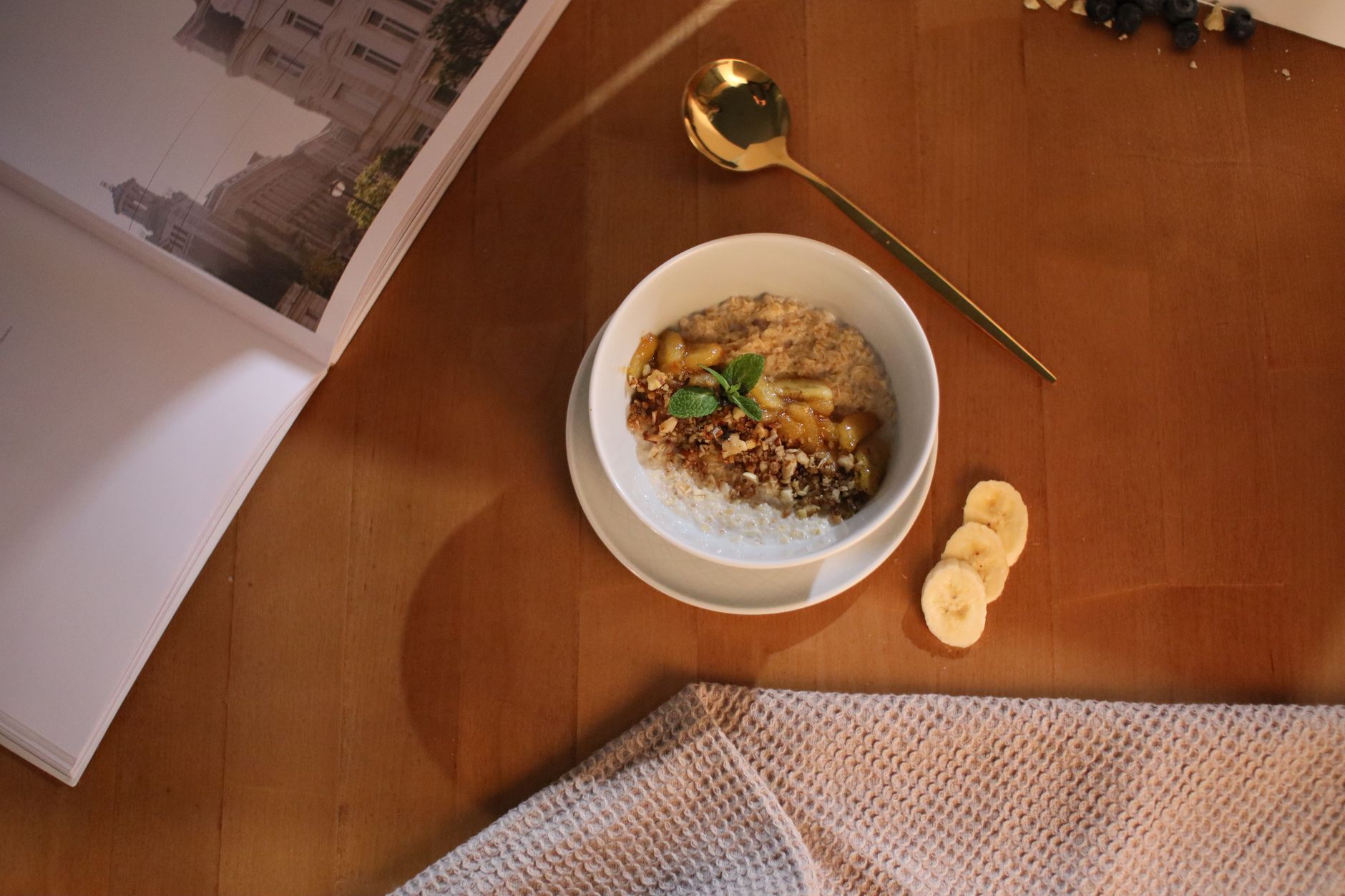
Soft oatmeal with a touch of honey is gentle on mouth sores while providing energy.
For parents who prefer a completely sugar‑free option, a splash of unsweetened coconut water frozen into ice cubes works well. The tiny bites keep the mouth moist and the electrolytes in coconut water help replace lost minerals.
Nutrition, hydration, and diet tips
Dehydration is the most serious complication of HFMD because sore mouths can make toddlers reluctant to drink. Aim for small, frequent sips rather than large glasses. A child‑friendly electrolyte solution (such as pediatric Pedialyte) can replace lost fluids and minerals without the added sugar of regular juice.
Offer a variety of fluids throughout the day:
Water at room temperature
Cold milk or fortified soy milk (if tolerated)
Diluted fruit juices (no more than 50 % juice)
Ice chips or frozen fruit puree
For nutrition, focus on foods that are easy to swallow and nutrient‑dense. Good options include:
Mashed sweet potatoes – high in vitamin A and calories
Pureed carrots or pumpkin – gentle on the mouth and rich in beta‑carotene
Scrambled eggs – soft protein source
Plain yoghurt – soothing and provides probiotics
If your toddler refuses solids, try a smooth smoothie made with banana, yoghurt, and a splash of milk. Add a tablespoon of peanut butter for extra calories, provided there are no allergy concerns.
The World Health Organization’s oral rehydration salts (ORS) guidelines recommend a solution containing 75 mmol/L of sodium and 75 mmol/L of glucose, which can be mixed at home if commercial products are unavailable. Monitoring urine output—aim for at least four wet diapers in 24 hours—helps you catch early signs of dehydration.
Remember that sugary drinks can worsen mouth irritation, so keep them to a minimum. If your child prefers flavor, a few drops of natural vanilla extract in water can add taste without acidity.
Hygiene practices to prevent spread
HFMD spreads easily in homes and daycare settings. While you’re caring for a sick toddler, taking strict hygiene steps can protect siblings, caregivers, and other children.
Hand washing: Wash your hands with soap and water for at least 20 seconds after changing diapers, wiping noses, or touching blisters.
Disinfect surfaces: Clean toys, countertops, and bathroom fixtures daily with a bleach‑based cleaner (1 tablespoon bleach per quart of water) or an EPA‑approved disinfectant.
Avoid sharing: Keep cups, utensils, and towels separate until the child is fever‑free for 24 hours.
Stay home: Keep your toddler out of daycare or school until all lesions have crusted over and they’ve been fever‑free for at least a day.
Cover coughs and sneezes: Use a tissue or the inside of the elbow, and discard tissues promptly.
Laundry care: Wash clothing, bedding, and stuffed animals in hot water (≥60 °C) and tumble‑dry on high heat.
Protect yourself: Wear disposable gloves when handling diapers or cleaning blisters, and wash them off thoroughly afterward.
These steps align with guidance from the CDC and NHS on viral hand, foot, and mouth disease prevention. Consistency is key: even after the rash fades, continue hand‑washing for at least two weeks because the virus can linger in stool.
When to seek medical care and warning signs
Most HFMD cases are mild, but you should call your pediatrician or seek urgent care if you notice any of the following:
Fever higher than 39.5 °C (103 °F) or lasting more than 3 days
Signs of dehydration: dry mouth, no tears when crying, fewer than four wet diapers in 24 hours, or a sunken fontanelle
Rapidly spreading rash or blisters that become very red, swollen, or pus‑filled
Difficulty breathing or swallowing, which could indicate a secondary infection
Persistent irritability or lethargy despite pain relief
In rare cases, enterovirus 71 can cause severe neurological complications. If your child develops a stiff neck, seizures, or unusual weakness, seek emergency care immediately.
The American Academy of Pediatrics (AAP) advises that any sign of impaired swallowing or a sudden drop in activity level warrants prompt evaluation, as these can precede serious complications.
Expected course, recovery timeline, and returning to daycare
HFMD typically runs its course in about 7–10 days. The fever usually subsides within the first 2–3 days, and the blisters begin to dry and form a crust by day 5. Full healing of the mouth sores may take up to 2 weeks, but discomfort generally eases after the first week.
Daycare centers often require children to be fever‑free for 24 hours and have no open lesions before returning. Because the virus can linger in stool for weeks, continue diligent hand‑washing at home even after the rash disappears.
Most parents report that the “worst” part—painful mouth sores—improves rapidly once the child starts accepting soft, cool foods and the fever drops. Keeping a symptom diary can help you track progress and know when it’s safe to transition back to normal routines.
After recovery, some children experience temporary nail shedding (onychomadesis) weeks later; this is harmless and grows back without intervention.
Supporting your child's immune system during HFMD
While no supplement can “cure” HFMD, certain nutrients can help the body fight the virus more efficiently. Ensure your toddler gets adequate vitamin D (400 IU daily for infants and 600 IU for older children, per the AAP) and zinc (3 mg for 1‑2 year‑olds, 5 mg for 2‑3 year‑olds) through diet or pediatric‑approved drops. Probiotic‑rich foods like plain yoghurt can maintain gut health, which plays a role in immune defense.
Rest is equally important. A quiet, dimly lit room encourages better sleep, which in turn supports immune recovery. If your child is especially irritable, a gentle rocking chair or a soft‑music playlist can create a calming environment that reduces stress hormones that might otherwise hinder healing.
Monitoring fever and using a thermometer correctly
Accurate temperature measurement guides when to treat and when to seek help. For toddlers, a digital axillary (under‑arm) thermometer is easy and reliable. Place the sensor snugly against the skin, wait for the beep, and record the reading. A fever is defined as a temperature ≥38 °C (100.4 °F) in the ear or rectum, but the CDC notes that “low‑grade” fevers (38‑38.5 °C) are common in HFMD and usually don’t require medication unless the child is uncomfortable.
If you’re using a rectal thermometer—considered the gold standard for infants—apply a small amount of petroleum jelly to the tip, insert it gently no more than ½ inch, and wait for the reading. Always clean the probe with soap and water or an alcohol wipe between uses.
Document the fever pattern in a simple chart: time of measurement, temperature, and any medication given. This record helps your pediatrician see trends and decide whether the fever is breaking or persisting.
When antiviral medication may be considered
In most cases, HFMD resolves without prescription drugs. However, in severe outbreaks caused by enterovirus 71, clinicians sometimes explore antiviral options such as pleconaril (an experimental capsid inhibitor) or intravenous immunoglobulin (IVIG) for high‑risk patients. These treatments are not routinely recommended for healthy toddlers and are usually reserved for hospital‑based care under specialist supervision.
The FDA has not approved any specific antiviral for HFMD, and the WHO advises that supportive care remains the mainstay of treatment. If your child’s illness appears unusually severe or you hear of a local outbreak, discuss the possibility of enrollment in a clinical trial with your pediatrician.
Coping with the emotional impact on your toddler
Beyond physical discomfort, HFMD can be unsettling for a toddler who suddenly can’t eat or play like usual. Offer reassurance by staying close, speaking in a calm voice, and validating their feelings—“I know it hurts, but we’re helping it feel better.” Simple distractions, such as a favorite story or a soft‑toy cuddle, can shift focus away from the sores.
Maintain a consistent routine as much as possible. Even short, predictable activities like a bedtime song or a regular snack time give a sense of security. When your child sees you staying calm, it reduces their own anxiety and can even lower pain perception.
Tips for parents and caregivers
While you’re busy caring for a sick toddler, it’s easy to forget your own needs. Prioritize short breaks—five minutes of deep breathing, a warm cup of tea, or a quick walk around the house—to recharge. Staying hydrated yourself helps you stay patient and attentive.
Communicate clearly with anyone who’ll be caring for your child (grandparents, babysitters, daycare staff). Provide a written list of approved medications, fluid goals, and the red‑flag symptoms that warrant a call to the pediatrician. Clear expectations prevent confusion and ensure consistent care.
Finally, remember that HFMD is common and usually resolves without lasting effects. Knowing the typical course and having a plan in place can transform a stressful night into a manageable series of steps.
From our medical team: Hand, foot and mouth disease is usually self‑limited, so focus on comfort, hydration, and fever control. If you’re ever unsure whether your child’s symptoms are escalating, a quick call to your pediatrician can provide peace of mind and prevent complications.
Myth: Antibiotics cure hand, foot and mouth disease.
Fact: HFMD is caused by viruses, so antibiotics have no effect. They’re only used if a secondary bacterial infection develops.
Myth: Warm milk soothes mouth sores better than cold foods.
Fact: Cool or cold foods (like ice pops or chilled applesauce) actually numb the pain more effectively. Warm liquids can sometimes increase irritation.
Myth: Children are no longer contagious once the rash fades.
Fact: The virus can still be shed in stool for weeks after visible symptoms disappear, so hand‑washing remains crucial.
Key takeaways
Control fever and pain with acetaminophen or ibuprofen, following dosing guidelines.
Offer frequent sips of water, oral rehydration solution, or chilled purees to prevent dehydration.
Serve soft, bland foods and avoid acidic, spicy, or crunchy items until mouth sores heal.
Use cool compresses, honey (for children > 1 year), and gentle oral rinses for comfort.
Practice strict hand‑washing and surface disinfection to stop the virus from spreading.
Seek medical care if fever persists, dehydration signs appear, or sores look infected.
Support immunity with vitamin D, zinc, and probiotic‑rich foods, and ensure plenty of rest.
Frequently asked questions
What is the fastest way to get rid of hand foot and mouth disease in toddlers?
The disease itself can’t be “cured” quickly, but symptom relief speeds recovery. Use appropriate fever reducers, keep the child hydrated with cool fluids, and provide soothing foods like frozen fruit or chilled yogurt.
What can I give my toddler for hand foot and mouth pain?
Acetaminophen or ibuprofen (liquid formulation) are first‑line options. For oral pain, a small amount of benzocaine gel or a spoonful of honey (if over 12 months) can provide temporary numbing.
What helps a toddler with hand foot and mouth eat?
Cold, soft foods such as popsicles, applesauce, mashed potatoes, or plain oatmeal are easy to swallow. Avoid citrus, tomato‑based sauces, and crunchy snacks that may irritate lesions.
When should I take my toddler to the doctor for hand foot and mouth?
Call your pediatrician if fever exceeds 39.5 °C (103 °F), dehydration signs appear, blisters become very red or pus‑filled, or your child has trouble breathing or swallowing.
What foods should a toddler avoid with hand foot and mouth?
Avoid acidic fruits (oranges, lemons), tomato sauces, spicy foods, and hard or crunchy items like crackers, which can worsen mouth pain.
How do you comfort a child with hand foot and mouth?
Keep the environment calm, use a cool‑mist humidifier, offer frequent sips of fluid, apply a cold compress to sore areas, and provide soft, cool foods that the child enjoys.
Can adults catch hand, foot and mouth disease from their toddler?
Yes. Adults can become infected, usually experiencing milder symptoms like a sore throat or low‑grade fever. Good hand hygiene and avoiding direct contact with the child’s blisters reduce the risk.
Is it safe to give my toddler ibuprofen if they have a fever?
Ibuprofen is safe for most toddlers over six months when dosed according to the FDA’s weight‑based guidelines. It should be avoided if the child is dehydrated, has kidney problems, or has a known allergy to NSAIDs.
Can hand, foot, and mouth disease be spread through food?
Transmission through food is rare, but possible if food is contaminated with saliva or stool from an infected person. Proper washing of hands and utensils before preparing meals prevents this route of spread.
Is it okay to use an over‑the‑counter mouthwash for a toddler with HFMD?
Most OTC mouthwashes contain alcohol or strong antiseptics that can irritate sensitive mouth sores. For toddlers, a gentle salt‑water rinse (½ tsp salt in 8 oz warm water) is safer, but always check with your pediatrician before introducing any new product.
When to call your doctor
If your toddler shows any of these signs, seek medical attention promptly: fever over 39.5 °C (103 °F) lasting more than 48 hours, signs of dehydration (dry mouth, few wet diapers, no tears), rapidly spreading or infected blisters, difficulty breathing or swallowing, or unusual lethargy.
This article is for informational purposes only and does not replace personalized medical advice. Always consult your own healthcare provider with any concerns about your child’s health.
References
Centers for Disease Control and Prevention (CDC). Hand, Foot, and Mouth Disease: Clinical Overview. 2023.
American College of Obstetricians and Gynecologists (ACOG). Viral Illnesses in Pregnancy and Children. 2022.
National Health Service (NHS). Hand, Foot and Mouth Disease – Symptoms and Treatment. 2023.
World Health Organization (WHO). Enterovirus infections – Guidance for clinicians. 2021.
U.S. Food and Drug Administration (FDA). Acetaminophen and Ibuprofen dosing for children. 2022.
National Institute for Health and Care Excellence (NICE). Managing viral infections in children. 2022.
Mayo Clinic. Hand, foot, and mouth disease – Diagnosis and treatment. 2023.
American Academy of Pediatrics (AAP). Fever and the Toddler: When to Treat. 2022.
World Health Organization (WHO). Oral Rehydration Salts (ORS) Formulation. 2020.
American Academy of Pediatrics (AAP). Guidelines for Hand, Foot, and Mouth Disease Management. 2021.
National Health Service (NHS). Safe use of over‑the‑counter pain relief in children. 2022.
Not sure about the label on Best Treatment For Hand Foot Mouth In Toddlers products?
Snap the ingredients list and SafeFilter checks every ingredient for your stage — only 3 free scans this month, then you're locked until reset. Unlimited from $7/mo or $50/yr.
When Shubhra Mishra was expecting her first child in 2016, she was overwhelmed by conflicting food advice — one site said yes, another said never. By the time her second baby arrived in 2019, she realized millions of mothers face the same confusion.
That sparked a five-year journey through clinical nutrition papers, cultural diets, and expert conversations — all leading to BumpBites: a calm, compassionate space where science meets everyday motherhood.
Her long-term vision is to build a global community ensuring safe, supported, and free deliveriesfor every mother — because no woman should face pregnancy alone or uninformed. 🌿
🌍 Stand with mothers, shape safer guidance
Join a small circle of experts who review BumpBites articles so expecting parents everywhere can decide with confidence.