At 11 months babies are more mobile, start solid foods, and say first words; learn the key milestones, nutrition tips, sleep guidance, and safety advice.
By Shubhra Mishra — a mom of two who turned her own confusion during pregnancy into BumpBites, a global mission to make food choices clear, safe, and stress-free for every expecting mother. 💛
Check whether any food is safe during pregnancy with the BumpBites Food Safety Checker.
Quick take: At 11 months your baby is a busy explorer—reaching new motor milestones, tasting more solid foods, sleeping about 12‑14 hours a day, and beginning to say simple words. Most babies can crawl, pull‑to‑stand, and enjoy a variety of textures, while a few may already be taking their first steps. Keep an eye on steady weight gain, teething signs, and social‑emotional cues; if anything feels off, contact your pediatrician.
It’s 2 a.m., you’ve just woken up to a tiny cry, and you’re staring at the clock wondering, “Is my 11‑month‑old really supposed to be doing all this?” You’re not alone. By the time babies hit the one‑year mark, their world expands at a breakneck pace, and the steady stream of new milestones can feel overwhelming. The good news? Most of what you’ll see in the next few weeks is normal growth, and there are simple, evidence‑based ways to support your child’s development, nutrition, sleep, and emotional wellbeing.
In this guide we’ll walk through the key milestones, feeding tips, sleep patterns, language boosters, safety considerations, and common concerns (like teething or tantrums). We’ll also answer the most‑asked questions—how many naps does an 11‑month‑old need? When can you start potty training? What toys are best for a mobile baby? By the end, you’ll have a clear roadmap for the next month and feel confident that you’re doing the right things for your growing explorer.
What milestones should a 11 month old baby reach?
At 11 months, babies are typically mastering a blend of motor, cognitive, and language skills that set the stage for toddlerhood. While every child follows their own timeline, the following milestones are observed in the majority of infants according to the American Academy of Pediatrics (AAP) and the UK's National Institute for Health and Care Excellence (NICE):
Motor: Crawling efficiently, pulling to stand, possibly taking a few steps with support, and using a pincer grasp to pick up small objects.
Cognitive: Exploring cause‑and‑effect (e.g., shaking a toy to hear a sound), recognizing familiar people in photographs, and showing preference for certain toys.
Language: Saying “mama,” “dada,” or other simple words, responding to their name, and understanding simple commands like “come here.”
Social‑emotional: Exhibiting stranger anxiety, displaying affection through hugs or kisses, and beginning to assert independence (often through “no” gestures).
Most infants will be able to crawl on hands and knees by this age, though some may prefer scooting on their belly or rolling. Pull‑to‑stand is a key precursor to walking; even if your baby isn’t yet taking independent steps, they may be cruising along furniture.
Development is a spectrum. If your child is a little behind in one area but ahead in another, that’s usually fine. However, consistent delays across multiple domains may warrant a professional check‑in.
Watch for confident crawling and the first attempts at pulling to stand.
Typical motor milestones at 11 months
According to the CDC’s Developmental Milestones, 90 % of infants can:
Move from a seated position to standing with support.
Transition from crawling to cruising along furniture.
Pick up small items using thumb and forefinger (pincer grasp).
If your baby is still primarily scooting on their belly or has not yet attempted to pull up, keep encouraging practice with sturdy, low furniture and safe floor space. A pediatrician can assess muscle tone if you notice persistent difficulty.
Cognitive and language milestones
The AAP notes that by 11 months most babies understand “no” and can follow simple one‑step directions like “give me the ball.” They also enjoy interactive games such as peek‑a‑boo and pat‑a‑cock, which support object permanence and social bonding.
How much solid food should an 11 month old eat?
Nutrition at 11 months shifts gradually from primarily breast milk or formula to a more varied diet. The World Health Organization (WHO) recommends that solid foods provide about 30‑40 % of total caloric intake by the end of the first year, while breast milk or formula still supplies the remaining 60‑70 %.
A typical daily intake looks like this:
Food group
Portion per day
Examples
Fruits & vegetables
½ – 1 cup (soft, cooked or mashed)
Banana, avocado, sweet potato, peas
Grains & cereals
½ – 1 cup
Oatmeal, soft whole‑grain pasta, rice
Protein
2–3 oz (cooked, finely shredded)
Chicken, lentils, tofu, well‑cooked fish (low‑mercury)
Dairy
½ – 1 cup
Full‑fat yogurt, cheese cubes
Offer three small meals plus two to three snack‑size portions spread throughout the day. Let your baby decide how much to eat; a healthy appetite usually matches steady weight gain (see the weight‑gain section below).
Continue iron‑rich foods such as fortified cereals, pureed meat, or beans, as iron stores from birth begin to deplete around six months. If you’re breastfeeding, you may still offer a bottle or breastfeed on demand.
Introducing new textures
At this stage, babies can handle soft chunks and shredded foods. Try offering bite‑size pieces of ripe pear, steamed carrot sticks, or scrambled egg. Always supervise to prevent choking, and avoid hard foods like whole grapes or nuts.
Is it normal for an 11 month old to be crawling (and walking)?
Yes—crawling is a hallmark of the 9‑ to 12‑month window, and many babies begin pulling to stand and even taking their first unsteady steps around 11 months. The CDC reports that 70‑80 % of infants are crawling by this age, while about 30‑40 % are cruising or attempting independent steps.
Walking often follows a “cruise‑first” pattern: babies hold onto furniture for support while moving laterally. If your baby is still crawling but hasn’t yet pulled up, give them sturdy, low furniture and a safe, uncluttered area to practice. If they’re walking without pulling to stand, that’s also within the normal range—some babies skip the cruising stage entirely.
What’s more important than the exact timing is that your child is progressing forward. Sudden regression (e.g., stopping crawling after previously moving confidently) should be discussed with a pediatrician.
Safety tips for a mobile baby
Secure furniture to the wall to prevent tip‑overs.
Cover electrical outlets and keep cords out of reach.
Use baby‑gate barriers at staircases.
Remove small objects that could be swallowed.
Sleep patterns for an 11 month old baby
Sleep needs gradually shift from a polyphasic schedule to a more consolidated nighttime sleep. The AAP recommends 12‑14 hours total sleep in a 24‑hour period, typically comprising 10‑12 hours at night plus two naps during the day.
Most 11‑month‑olds nap twice a day: a morning nap (about 1‑1.5 hours) and an afternoon nap (about 1‑2 hours). By 12 months many children transition to a single afternoon nap, but it’s perfectly normal to still need two.
Establishing a consistent bedtime routine—bath, book, lullaby—helps signal that it’s time to wind down. Aim for a bedtime between 7 p.m. and 8 p.m., and keep the sleep environment cool (68‑72 °F), dark, and quiet.
Typical nap schedule
Time of day
Duration
Typical age range
Morning nap
1–1.5 hours
9–12 months
Afternoon nap
1–2 hours
9–12 months
If your baby resists naps, check for overtiredness (crying, rubbing eyes) or overt stimulation before sleep. A short, soothing routine before each nap can improve consistency.
How to encourage language development at 11 months?
Language blossoms through everyday interaction. By 11 months, babies typically understand simple commands and can say their first words. The following strategies, endorsed by the AAP and NHS, are simple yet powerful:
Talk narratively: Describe what you’re doing—“I’m washing your hands,” “We’re putting on your shoes.”
Read daily: Choose board books with bright pictures and simple repetitive text.
Use gestures: Pair words with hand signs (e.g., wave for “bye‑bye”).
Repeat and expand: If your baby says “dog,” respond “Yes, the brown dog is barking.”
These “serve and return” exchanges reinforce neural pathways for speech. Even background chatter—talking while cooking or describing a walk—exposes your baby to a rich vocabulary.
Reading books to an 11 month old benefits
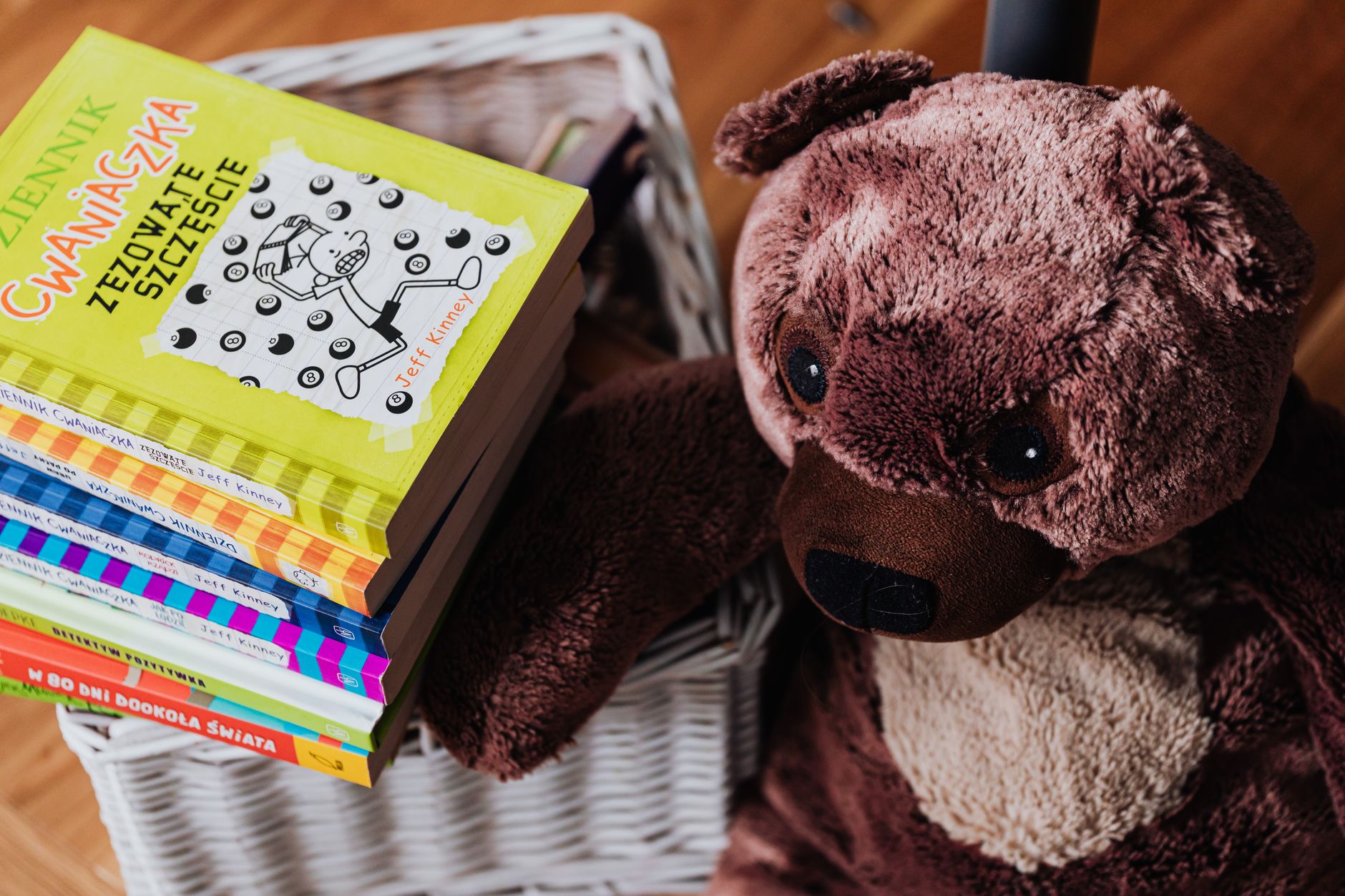
Reading promotes attention span, visual tracking, and early literacy. Choose sturdy board books with contrasting colors and textured elements. Point to pictures, name objects, and let the baby turn pages (even if the pages get a bit torn).
Signs of developmental delays in an 11 month old
While variation is normal, certain patterns may signal a delay. The AAP highlights red flags that merit a professional evaluation:
Limited eye contact or lack of social smile by 6 months.
Failure to sit without support by 9 months.
Not attempting to crawl, pull to stand, or use a pincer grasp by 12 months.
Very limited babbling or inability to say “mama/dada” (or any word) by 12 months.
Loss of previously acquired skills (regression).
If you notice two or more of these concerns, schedule a well‑child visit. Early intervention services can make a substantial difference.
Best toys for 11 month old development
Playtime is a learning laboratory. Toys that encourage exploration, fine‑motor control, and cause‑and‑effect reasoning are ideal. Here are three categories, each with a specific example:
Stacking cups or rings: Promote hand‑eye coordination and problem‑solving as babies learn to nest and retrieve.
Push‑and‑pull toys: Support cruising and balance while offering auditory feedback (e.g., a wooden car that clicks).
Texture books or sensory balls: Offer tactile stimulation and encourage the pincer grasp.
Choose toys with non‑toxic, BPA‑free materials, and avoid small detachable parts that could pose a choking hazard.
When to start potty training at 11 months
Most children begin showing readiness for potty training between 18 months and 3 years, but a few may display early signs as early as 11 months. Look for these cues:
Staying dry for at least two‑hour stretches.
Showing interest in the bathroom routine (watching you, wanting to sit on the potty).
Communicating discomfort with a dirty diaper.
If your baby meets a few of these signals, you can gently introduce a potty chair—let them sit fully clothed first, then gradually transition to sitting without a diaper. Keep expectations low; at this age training is more about familiarity than actual toileting.
How to transition from bottle to cup at 11 months
Introduce a small, trainer‑style cup with a spout or straw. Offer it at mealtimes alongside a bottle, allowing the baby to practice sipping. Replace one daily bottle feed with a cup over a few weeks, monitoring hydration and weight gain. The CDC notes that early cup use can support oral‑motor development and reduce prolonged bottle dependence.
Weight gain expectations for an 11 month old baby
Average weight at 11 months ranges from 17 lb (7.7 kg) to 22 lb (10 kg) for boys, and 16 lb (7.2 kg) to 21 lb (9.5 kg) for girls, according to the WHO growth standards. A healthy gain is roughly 0.5‑1 lb (0.2‑0.5 kg) per month. Plotting growth on a percentile chart during well‑child visits helps track progress.
Consistent weight gain paired with steady height growth usually indicates adequate nutrition. Sudden drops or plateaus should prompt a pediatric evaluation.
How many naps does an 11 month old need?
Most 11‑month‑olds need two naps per day, though some start transitioning to a single afternoon nap as they approach their first birthday. The recommended total daytime sleep is 2‑3 hours, split between the morning and afternoon sessions.
Watch for cues such as rubbing eyes, yawning, or increased irritability—these signal nap readiness. Over‑tired babies often have difficulty falling asleep and may develop bedtime resistance.
11 month old baby teething symptoms
Teething typically begins around 6 months, but new teeth can erupt up to 12 months and beyond. Common signs include:
Increased drooling.
Chewing on fingers, toys, or anything within reach.
Ear pulling and mild fussiness.
Low‑grade fever (usually < 101°F/38.3°C).
Offer chilled teething rings, a cold washcloth, or a gentle gum massage. Avoid over‑the‑counter numbing gels unless recommended by your pediatrician, as some contain ingredients not approved for infants.
Parenting tips for 11 month old tantrums
Tantrums at this age often stem from a desire for independence combined with limited communication skills. Strategies that work, per the AAP, include:
Validate feelings: “I see you’re upset because you can’t reach the toy.”
Offer choices: “Do you want the red cup or the blue cup?”
Redirect attention: Shift focus to a new activity or toy when frustration builds.
Maintain routines: Predictable meals and sleep times reduce stress.
Stay calm, keep a safe environment, and remember that these moments are fleeting—they’re evidence of growing autonomy.
Vaccination schedule for an 11 month old
At the 11‑month mark, most children have received the following immunizations, according to the CDC’s Recommended Immunization Schedule for children 12 months and younger:
DTaP (diphtheria, tetanus, pertussis) – 4th dose.
Hib (Haemophilus influenzae type b) – 4th dose.
Polio – 3rd dose.
MMR (measles, mumps, rubella) – 1st dose (often given at 12 months).
Varicella – 1st dose (often at 12 months).
PCV13 (pneumococcal) – 4th dose.
Check with your pediatrician to confirm timing, especially if your child missed a prior appointment. Staying up‑to‑date protects your baby during a period of rapid immune system development.
Reading together builds language skills and bonds.
From our medical team: “The 11‑month stage is a whirlwind of growth. Trust the patterns you see, but also listen to your instincts. If your baby’s weight, sleep, or mood suddenly changes, a quick call to the pediatrician can catch issues early. Most of the time, simple daily routines—balanced meals, safe play spaces, and responsive talking—are the best support you can give.”
Myth vs. fact
Myth: All babies should be walking by 11 months.
Fact: Walking typically begins between 9 and 15 months; many babies are still crawling or cruising at 11 months and that’s completely normal.
Myth: You must wean a baby off the bottle by their first birthday.
Fact: While many pediatricians suggest transitioning to a cup around 12 months, the exact timing varies. The focus should be on gradual reduction and ensuring adequate nutrition.
Myth: Teething always causes a high fever.
Fact: Mild temperature rises are common, but a true fever (> 101°F/38.3°C) is usually unrelated to teething and should be evaluated.
Key takeaways
Expect crawling, pulling to stand, and possibly early steps—mobility is the main theme at 11 months.
Offer three meals plus two‑to‑three healthy snacks; aim for 30‑40 % of calories from solids.
Maintain 12‑14 hours of total sleep with two daytime naps.
Talk, read, and use gestures daily to boost language development.
Watch for red‑flag signs like lack of pincer grasp, no words, or regression.
Choose safe, interactive toys that encourage fine‑motor and gross‑motor skills.
Begin gentle potty‑training exposure if your baby shows interest, but full training can wait.
Frequently asked questions
What are the typical milestones for an 11 month old?
Most 11‑month‑olds can crawl well, pull to stand, use a pincer grasp, say “mama” or “dada,” understand simple commands, and show stranger anxiety. They also enjoy interactive games and may take a few steps with support.
How much should an 11 month old baby eat per day?
Solid foods should make up about 30‑40 % of total calories, roughly ½‑1 cup of fruits/veggies, ½‑1 cup of grains, 2‑3 oz of protein, and ½‑1 cup of dairy spread over three meals and two‑three snacks.
Is it normal for an 11 month old to be walking?
Walking can begin as early as 9 months, but many babies are still cruising or just pulling up at 11 months. Early steps are normal, but crawling and pulling to stand are more common at this age.
How many hours of sleep does an 11 month old need?
Aim for 12‑14 hours total, including 10‑12 hours at night and two daytime naps totaling 2‑3 hours.
What signs indicate a developmental delay at 11 months?
Key red flags include not attempting to crawl or pull to stand, no use of pincer grasp, limited babbling or lack of words, and loss of previously acquired skills. If you notice two or more, consult your pediatrician.
When should I start potty training my baby?
Early signs of readiness—staying dry for a couple of hours, interest in the bathroom, and communicating discomfort with a dirty diaper—can appear as early as 11 months, but most children start between 18 months and 3 years.
When to call your doctor
If you notice any of the following, seek medical advice promptly: fever above 101°F (38.3°C) that lasts more than 24 hours, sudden loss of previously achieved milestones, persistent vomiting or diarrhea, refusal to eat or drink, signs of choking, or severe irritability that does not improve with comfort measures. This article provides general information only and does not replace personalized medical guidance.
References
American Academy of Pediatrics. “Developmental Milestones: 9‑Month‑Old.” AAP, 2023.
Centers for Disease Control and Prevention. “Child Development: 9‑Month‑Old.” CDC, 2022.
World Health Organization. “Infant and Young Child Feeding: Guiding Principles for Complementary Feeding.” WHO, 2021.
National Institute for Health and Care Excellence. “Early Childhood Development.” NICE, 2022.
U.S. Department of Health and Human Services. “Recommended Immunization Schedule for Children 12 Months of Age and Younger.” CDC, 2023.
National Health Service (UK). “Feeding Your Baby – Solid Foods.” NHS, 2022.
American Academy of Pediatrics. “Sleep Guidelines for Infants and Toddlers.” AAP, 2023.
Health Resources & Services Administration. “Infant Teething.” HRSA, 2022.
American Academy of Pediatrics. “Potty Training: What to Expect.” AAP, 2022.
Centers for Disease Control and Prevention. “Developmental Milestones and Screening.” CDC, 2023.
Not sure about the label on What To Expect At 11 Month Old Baby products?
Snap the ingredients list and SafeFilter checks every ingredient for your stage — only 3 free scans this month, then you're locked until reset. Unlimited from $7/mo or $50/yr.
When Shubhra Mishra was expecting her first child in 2016, she was overwhelmed by conflicting food advice — one site said yes, another said never. By the time her second baby arrived in 2019, she realized millions of mothers face the same confusion.
That sparked a five-year journey through clinical nutrition papers, cultural diets, and expert conversations — all leading to BumpBites: a calm, compassionate space where science meets everyday motherhood.
Her long-term vision is to build a global community ensuring safe, supported, and free deliveriesfor every mother — because no woman should face pregnancy alone or uninformed. 🌿
🌍 Stand with mothers, shape safer guidance
Join a small circle of experts who review BumpBites articles so expecting parents everywhere can decide with confidence.