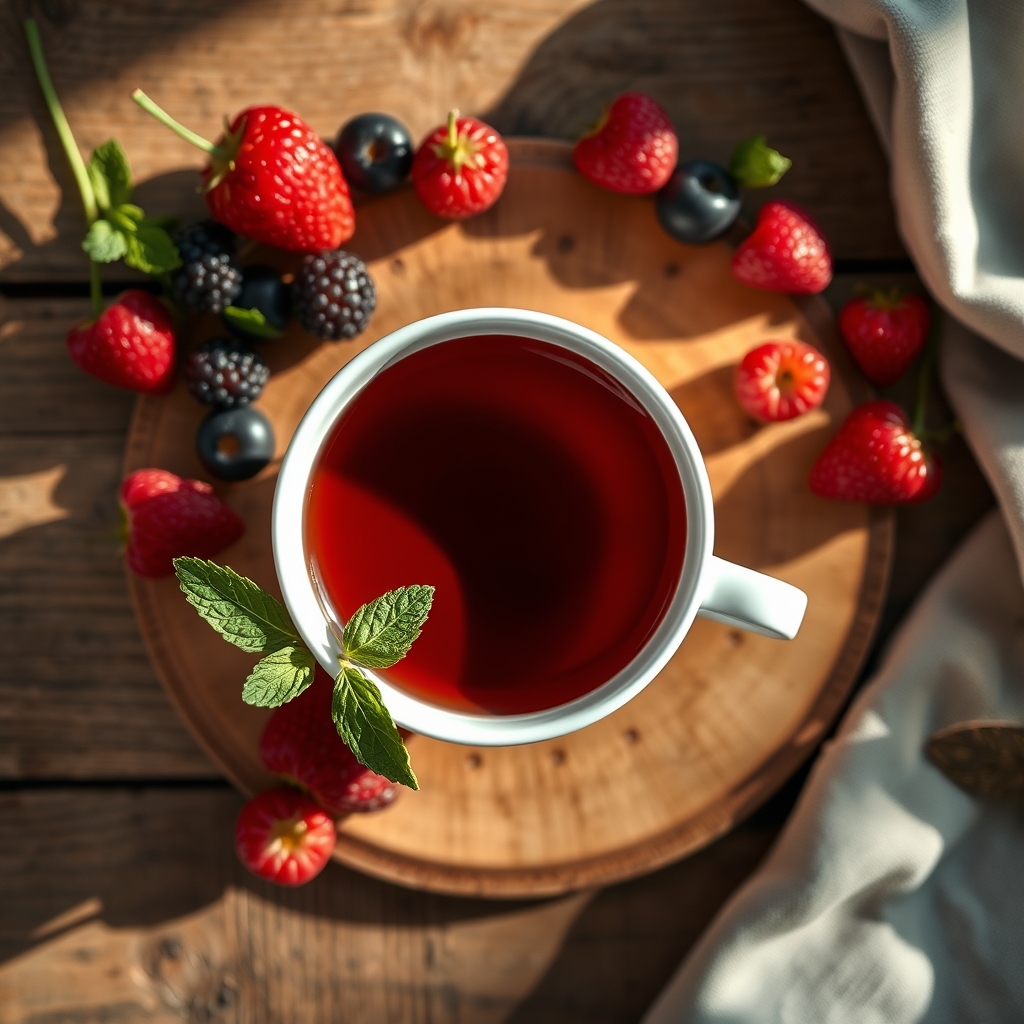
Yes, there are many caffeine‑free teas safe for pregnancy, such as rooibos, ginger, peppermint, and fruit blends. Learn which options to enjoy and how often to drink them for a healthy pregnancy.
By Shubhra Mishra — a mom of two who turned her own confusion during pregnancy into BumpBites, a global mission to make food choices clear, safe, and stress-free for every expecting mother. 💛
Check whether any food is safe during pregnancy with the BumpBites Food Safety Checker.
Quick take: Most teas are safe in pregnancy as long as they’re caffeine‑free or very low in caffeine, and you stick to the recommended amount—about one to two cups a day. Herbal teas like rooibos, ginger, and red raspberry leaf (after the first trimester) can be soothing, while teas such as black, green, or strong chai should be limited or avoided. Always check labels, choose reputable brands, and talk to your provider if you have any concerns.
It’s 2 a.m., you’re curled up on the couch, and a sudden wave of nausea makes you wonder whether that soothing cup of herbal tea you just finished is safe for your growing baby. You’re not alone—many expecting mothers reach for warm drinks to calm nerves, settle a queasy stomach, or simply enjoy a moment of calm. The good news is that most teas can be part of a healthy pregnancy routine, but the details matter: caffeine content, herb safety, and timing across trimesters all play a role.
In this guide we’ll unpack exactly which teas are safe, how much you can drink, and what benefits you might enjoy—from easing morning sickness to adding a gentle antioxidant boost. We’ll also flag the teas that deserve a pass, share brand recommendations, and give you a clear set of guidelines you can discuss with your midwife or obstetrician. By the end you’ll have a handy “tea‑menu” you can sip confidently throughout pregnancy.
Which herbal teas are safe for pregnant women?
Herbal teas are often caffeine‑free, making them a popular choice for pregnancy. However, “herbal” is a blanket term that includes hundreds of plants, and not all are safe. Below is a quick reference of the most commonly asked‑about herbs.
Rooibos (Aspalathus linearis) – Naturally caffeine‑free, rich in antioxidants, and gentle on the stomach. Safe throughout all trimesters.
Ginger tea – Made from fresh ginger or dried slices, it can reduce nausea and improve digestion. Safe in moderate amounts (up to 1 g of ginger per day) from the first trimester onward.
Red raspberry leaf tea – Traditionally used to tone the uterus and prepare for labor. Recommended only after 20 weeks (second trimester) because it may stimulate uterine contractions earlier.
Peppermint tea – Offers soothing relief for indigestion and headache. Generally safe, but excessive amounts may relax the lower esophageal sphincter, worsening heartburn.
Chamomile tea – Often used for sleep, but evidence is mixed; ACOG notes limited data and suggests moderate consumption (no more than one cup per day) because of potential uterine stimulation.
Hibiscus tea – Bright red and high in vitamin C; it can lower blood pressure, so women with hypotension should be cautious.
Fruit teas (e.g., apple, berry blends) – Typically caffeine‑free, but check for added herbs that may be contraindicated.
When choosing an herbal tea, look for products that list the sole ingredient (e.g., “100 % rooibos”) and avoid blends that contain unknown herbs. The safest route is to stick with single‑herb teas that have been studied in pregnancy or have a long history of traditional use.
Even safe herbs can cause issues if you drink them in excess. The typical “one cup a day” rule helps keep intake low enough to avoid any subtle hormonal effects. If you have a specific medical condition—such as pre‑eclampsia, hypertension, or a history of miscarriage—talk to your provider before adding any new herbal brew.
Rooibos tea is a caffeine‑free favorite that’s gentle in every trimester.
Because herbal blends can vary from batch to batch, it’s a good habit to keep a short notebook of the brands you’ve tried, the amount you sip, and any symptoms you notice. This record can become a useful talking point at your next prenatal visit.
What caffeine‑free tea options can I enjoy during pregnancy?
Beyond herbal teas, there are a few “caffeine‑free” options that come from the Camellia sinensis plant but have had the caffeine removed during processing. These include decaffeinated black, green, and white teas. While the caffeine content is dramatically reduced (often <5 mg per cup), trace amounts can remain, so they’re best treated as “low‑caffeine” rather than completely caffeine‑free.
Pure caffeine‑free choices include:
Rooibos – As noted, naturally caffeine‑free and full of flavonoids.
Honeybush – A South African tea similar to rooibos, also caffeine‑free and high in antioxidants.
Herbal fruit blends – Such as apple‑cinnamon, peach, or berry infusions that contain no true tea leaves.
Licorice root tea – Caution: high doses can affect blood pressure, so limit to occasional sips.
Decaf teas can be a comfortable middle ground if you love the flavor profile of black or green tea but want to keep caffeine low. Choose brands that use the “CO₂” or “water” decaffeination methods, which preserve more antioxidants than the older “solvent” method.
When you’re craving a warm, familiar taste, a cup of decaf black tea with a splash of milk and a drizzle of honey can be a satisfying, low‑caffeine alternative. Just remember the overall limit—about 200 mg of caffeine per day is the upper threshold recommended by the American College of Obstetricians and Gynecologists (ACOG).
Decaf tea offers a familiar flavor without the caffeine punch.
Most decaf products also list any residual caffeine on the packaging, so you can easily track your total intake across the day.
What are the best teas to drink during the first trimester?
The first trimester is when many women experience nausea, food aversions, and heightened sensitivity to substances. Choosing the right tea can provide comfort without adding risk.
Top picks for early pregnancy:
Ginger tea – A warm cup can calm queasy stomachs. Aim for 1–2 cups per day, each made with about 1 g of fresh ginger or ½ tsp dried ginger.
Peppermint tea – Helps settle the digestive tract and can ease headaches. Limit to 2 cups a day to avoid excess menthol.
Rooibos – Hydrating and antioxidant‑rich, it’s a gentle way to stay warm.
Chamomile (moderate) – If you need help falling asleep, one cup in the evening is generally okay, but avoid large quantities.
Warm water with lemon – Not a tea per se, but the ritual can be soothing and provide a bit of vitamin C.
When you’re feeling nauseous, sip slowly rather than gulping. A small “tea‑time” ritual—breathing in the steam, holding the cup, and focusing on the warmth—can also calm the nervous system, a technique many mothers‑to‑be find surprisingly effective.
Because hormonal changes can heighten taste sensitivity, you may notice a shift in flavor preferences. Keep a few different herbal options on hand so you can switch if one suddenly becomes unappealing.
Are fruit teas safe during pregnancy?
Fruit teas are usually blends of dried fruit pieces, hibiscus, rose hips, and sometimes a touch of herb. Because they contain no true tea leaves, they’re typically caffeine‑free. However, safety depends on the added ingredients.
Common safe fruit teas:
Apple‑cinnamon – Warm and comforting, with no known risks.
Berry‑blend (strawberry, raspberry, blueberry) – Provides a natural source of vitamin C and antioxidants.
Hibiscus – As mentioned, can lower blood pressure; safe for most women but watch if you’re on antihypertensive meds.
Rosehip – High in vitamin C, but excessive amounts may act as a mild uterine stimulant; keep to 1–2 cups per day.
What to avoid:
Fruit teas with added licorice root – Licorice can raise blood pressure and affect hormone balance.
Blends containing “detox” herbs – Ingredients like senna, cascara, or bitter orange are not safe.
Overall, fruit teas are a pleasant caffeine‑free alternative, especially when you’re craving something sweet without adding sugar.
When you brew a fruit tea, consider adding a thin slice of fresh citrus or a sprig of mint. This boosts flavor without introducing extra herbs that might be questionable.
What are the benefits and risks of peppermint tea in pregnancy?
Peppermint tea is a staple for many expecting mothers because it’s soothing, aromatic, and easy on the stomach. The menthol in peppermint relaxes smooth muscle, which can relieve headaches, indigestion, and mild nausea. A small study published by the NHS found that peppermint oil inhalation reduced nausea in early pregnancy, supporting the idea that the tea can have a similar effect.
Potential risks are minor but worth noting:
Excessive menthol may relax the lower esophageal sphincter, worsening acid reflux—a common issue in the third trimester.
Very high consumption (more than 4 cups a day) could theoretically stimulate uterine activity, though evidence is limited.
Bottom line: enjoy 1–2 cups of peppermint tea daily, especially after meals, to aid digestion and calm morning sickness. If you notice increased heartburn, dial back and try a ginger or rooibos alternative.
For a refreshing twist, try a chilled peppermint‑infused water on hot days—just steep the leaves, let cool, and serve over ice.
Which tea brands are considered safe for pregnant women?
Choosing a reputable brand reduces the chance of contamination (e.g., heavy metals, pesticides) and ensures clear ingredient labeling. Here are a few brands that consistently meet safety standards in the U.S. and U.K.:
Brand
Key Safe Options
Caffeine (mg per cup)
Notes
Traditional Medicinals
Organic Rooibos, Ginger, Peppermint
0
USDA Organic, GMP certified
Yogi Tea
Detox (caution), Sweet Tea (caffeine‑free)
0–2
Clear labeling, but avoid “Detox” blends
Rishi Tea
Decaf Green, Herbal Hibiscus
≤5
CO₂ decaf method preserves antioxidants
Clipper
Organic Rooibos, Peppermint
0
UK brand, Fairtrade, no artificial flavors
Teavana (Starbucks)
Decaf Black, Fruit Infusions
≤5
Decaf via water process, but watch for added sweeteners
When selecting a brand, verify that the package states “caffeine‑free” or lists caffeine content clearly. Avoid teas that claim “energy‑boosting” or contain added guarana, yerba mate, or other stimulants.
Many brands now publish third‑party testing results on their websites, which can give you extra peace of mind about purity and pesticide‑free status.
How does decaf tea compare to herbal tea during pregnancy?
Both decaf and herbal teas can be part of a pregnancy‑friendly beverage routine, but they differ in composition and potential concerns.
Decaf tea is derived from the true tea plant, so it retains many of the same antioxidants (catechins, flavonoids) as regular black or green tea, albeit in lower concentrations. Because the caffeine is largely removed, the risk of overstimulating the fetus is minimal, but trace amounts remain—so keep overall intake within the 200 mg daily caffeine ceiling.
Herbal tea typically contains no tea leaves at all, meaning caffeine is virtually nonexistent. However, the safety profile hinges on the specific herb. Some herbs (e.g., raspberry leaf, ginger) are well‑studied and safe after a certain gestational age, while others (e.g., sage, thyme, certain “detox” blends) may contain compounds that affect uterine tone or hormone levels.
In practice, many pregnant women rotate between the two:
Morning: Decaf black tea with a splash of milk for a familiar routine.
Afternoon: Rooibos or fruit tea for a caffeine‑free break.
Evening: Peppermint or chamomile (moderate) to unwind.
Listening to your body is key. If you notice any unusual symptoms—racing heartbeat, jitteriness, or increased uterine activity—reduce intake and consult your provider.
Which teas can help with morning sickness during pregnancy?
Morning sickness, characterized by nausea and sometimes vomiting, affects up to 70 % of pregnant people, most often in the first trimester. Certain teas have a track record of easing these symptoms:
Ginger tea – The gold standard; a 2015 systematic review in the Journal of Obstetrics and Gynaecology found ginger reduced nausea severity in 60 % of participants.
Peppermint tea – Aromatic menthol can calm the stomach lining.
Lemon balm (Melissa officinalis) tea – Gentle and mildly uplifting; limited data but anecdotal support.
Fennel tea – May improve digestion and reduce bloating; safe in moderate amounts.
How to use them:
Steep 1 tsp of fresh ginger or ½ tsp dried ginger in hot water for 5–7 minutes.
Add a squeeze of lemon for extra vitamin C and a fresh flavor.
Drink slowly, preferably on an empty stomach or between meals.
Remember to keep total fluid intake up—water, herbal teas, and other non‑caffeinated beverages combined should total at least 8 cups per day, as recommended by the NHS.
If nausea persists beyond the first trimester or interferes with nutrition, discuss it with your provider; sometimes a prescription anti‑nausea medication is warranted.
Pregnancy safe tea list (quick reference)
Below is a concise checklist you can keep on your fridge. Tick the boxes that suit your trimester and personal preferences.
Tea
Caffeine (mg)
Trimester suitability
Key benefit
Notes / Precautions
Rooibos
0
1‑3
Antioxidant‑rich, soothing
Safe, no known risks
Ginger
0
1‑3
Reduces nausea, aids digestion
Limit to 1 g per day
Peppermint
0
1‑3
Relieves indigestion, headache
Avoid if severe heartburn
Red raspberry leaf
0
2‑3
Uterine tone, labor prep
Start after 20 weeks only
Chamomile
0
1‑3 (moderate)
Calming, sleep aid
Limit to 1 cup/day
Decaf black
≤5
1‑3
Familiar flavor, antioxidants
Stay within 200 mg caffeine total
Green tea (regular)
20‑35
2‑3 (low‑dose)
Catechin antioxidants
Limit to 1 cup/day
Chai (black tea base)
40‑70
2‑3 (low‑dose)
Spice flavor, comforting
Choose decaf version or limit to ½ cup
Feel free to add a column for “personal rating” so you can track which flavors you love most during each trimester.
Can I drink chai tea while pregnant?
Traditional chai is a blend of black tea, milk, sugar, and spices (cinnamon, cardamom, ginger, cloves). The black tea base brings caffeine—often 40‑70 mg per cup. According to ACOG, a pregnant person can safely consume up to 200 mg of caffeine daily, so a single cup of regular chai is generally acceptable.
However, many chai lovers find the strong flavor and high caffeine a bit much during pregnancy. A safer approach is to choose a decaffeinated chai or prepare a “herbal chai” using rooibos or hibiscus as the base, then add the familiar spices. This gives you the comforting aroma without pushing your caffeine limit.
When you make chai at home, you can also control the amount of added sugar—a concern for gestational diabetes risk. Opt for a drizzle of honey or a splash of maple syrup instead of a full spoonful of refined sugar.
Is green tea safe during pregnancy?
Green tea contains antioxidants called catechins, which are beneficial in moderate amounts. A typical cup has about 20‑35 mg of caffeine. The key is moderation: most guidelines (e.g., NHS, ACOG) suggest limiting green tea to one cup per day, keeping total caffeine under the 200 mg ceiling.
Some women worry about the tannins in green tea affecting iron absorption. To mitigate this, drink green tea between meals rather than with iron‑rich foods, and consider a vitamin C source (like a citrus fruit) to enhance iron uptake.
If you love the grassy flavor, try a “green tea‑mint” blend—just make sure the mint component is pure peppermint, which we already know is safe in moderation.
What teas should I avoid during pregnancy?
While many teas are benign, a handful contain compounds that can stimulate the uterus, affect hormone balance, or introduce contaminants. Avoid:
Herbal “detox” blends – Often include senna, cascara, or bitter orange.
Sage, thyme, and rosemary in high doses – Can be uterine stimulants.
Licorice root tea – May raise blood pressure and affect fetal development.
Excessive hibiscus – Can lower blood pressure too much.
Traditional black or green tea in large quantities – Keeps caffeine under 200 mg per day.
If you’re unsure about a particular blend, check the ingredient list and consult your midwife.
Some commercial “wellness” teas market themselves as “all‑natural” but still contain hidden stimulants like yohimbe or ephedra—always read the fine print.
Pregnancy and tea consumption guidelines: trimester by trimester
Here’s a quick trimester guide to help you plan your tea habits:
First trimester (0‑13 weeks) – Prioritize caffeine‑free herbal teas (ginger, peppermint, rooibos). Limit total caffeine to <70 mg (about half a cup of regular coffee).
Second trimester (14‑27 weeks) – You can introduce low‑caffeine teas (decaf black, one cup of green tea) while still keeping total caffeine <200 mg. Red raspberry leaf tea becomes acceptable after 20 weeks.
Third trimester (28‑40 weeks) – Continue low‑caffeine options. Watch for heartburn; peppermint may aggravate reflux. Stay well‑hydrated with water and herbal teas.
Across all trimesters, aim for 8‑10 cups of fluid a day (including water, milk, and tea). Split your tea intake throughout the day to avoid large caffeine spikes.
Hydration needs increase as blood volume expands, so treating tea as a “fluid friend” rather than a caffeine source helps you meet daily goals.
Ginger tea is a trusted ally against early‑pregnancy nausea.
How to brew the perfect pregnancy‑friendly tea
Even the safest tea can lose its benefits if brewed improperly. Use fresh, filtered water that’s just off the boil (around 95 °C) for herbal blends; too hot water can extract bitter compounds, while too cool water may leave the brew weak and unsatisfying.
Steep time matters, too. Most herbal teas need 5–7 minutes to release flavor and active constituents. Over‑steeping can increase the concentration of certain plant compounds, which could push you past the “one‑cup” guideline. Set a timer, then strain the leaves and enjoy the tea while it’s still warm.
For a soothing bedtime ritual, add a thin slice of fresh lemon or a dash of honey (if you’re watching sugar intake). This adds a pleasant aroma and a touch of vitamin C without compromising safety.
Tea and hydration: balancing fluids in pregnancy
Pregnancy increases fluid requirements by about 2‑3 cups per day. While water remains the gold standard, tea can count toward your daily total—provided it’s not overly sugary or caffeinated.
Aim for a 50‑50 split between plain water and flavored beverages like tea. This helps prevent excessive sugar intake, which is linked to gestational diabetes. If you’re craving something sweet, opt for a naturally flavored fruit tea rather than adding large amounts of syrup.
Track your fluid intake with a simple app or a reusable water bottle marked with hour‑by‑hour goals. Seeing the numbers can make it easier to stay on target, especially during busy weeks.
From our medical team: Most teas are perfectly fine in pregnancy when you stick to caffeine‑free or low‑caffeine varieties and respect the recommended serving limits. If you have a history of miscarriage, pre‑eclampsia, or are on medication that interacts with caffeine, be extra cautious and discuss your tea choices at your next prenatal visit.
Myth vs. fact
Myth: All herbal teas are safe because they’re “natural.”
Fact: Some herbs, like sage, rosemary, and certain “detox” blends, can stimulate uterine activity or contain laxative compounds, so they should be avoided or used only under medical guidance.
Myth: Decaf tea still has enough caffeine to harm the baby.
Fact: Decaf tea contains ≤5 mg of caffeine per cup, which is negligible when your total daily caffeine stays below 200 mg—a level supported by ACOG and the NHS.
Myth: Drinking tea with honey is risky because of the sugar.
Fact: Honey is safe for pregnancy (the concern is for infants under one year). The real issue is excessive added sugar, which can contribute to gestational diabetes; enjoy honey‑sweetened tea in moderation.
Key takeaways
Keep total caffeine under 200 mg per day; most herbal teas have 0 mg, while decaf teas have ≤5 mg.
Ginger, peppermint, and rooibos are the most universally safe herbal options, especially in the first trimester.
Red raspberry leaf tea is best after 20 weeks; avoid it early on.
Choose reputable brands that list ingredients clearly and use gentle decaffeination methods.
Use tea as a soothing tool for nausea, but limit intake to 1–2 cups daily and sip slowly.
Always discuss any new herbal tea with your provider if you have medical conditions or take medications.
Remember that tea counts toward your daily fluid goal, but balance it with plenty of plain water.
Frequently asked questions
What teas should I avoid during pregnancy?
Skip herbal “detox” blends, high‑dose sage, thyme, rosemary, and licorice root teas, as they may stimulate the uterus or affect blood pressure. Also limit regular black or green tea to keep caffeine below 200 mg per day.
Can I drink tea with honey while pregnant?
Yes—honey is safe for pregnant adults. Just watch the overall sugar content; a teaspoon of honey adds about 5 g of sugar, which is fine in moderation.
Is it safe to drink cold tea during pregnancy?
Cold tea is fine as long as it’s caffeine‑free or low‑caffeine and free of unsafe herbs. Some people find chilled herbal teas refreshing, especially in warmer months.
How much tea can I safely drink while pregnant?
Aim for no more than 1–2 cups of caffeine‑free herbal tea per day, and if you include low‑caffeine teas (decaf or green), keep total caffeine under 200 mg—roughly the amount in two 8‑oz cups of coffee.
What are the benefits of drinking tea during pregnancy?
Herbal teas can soothe nausea, aid digestion, provide antioxidants, and offer a calming ritual. Specific teas like ginger reduce morning sickness, while rooibos supplies iron‑friendly antioxidants.
Can drinking tea help with morning sickness during pregnancy?
Yes—ginger tea is the most evidence‑based option, reducing nausea in many studies. Peppermint and lemon balm are also gentle alternatives that many women find helpful.
Can I add milk or lemon to my tea?
Adding a splash of milk to a decaf black tea or a slice of lemon to a herbal brew is safe and can improve flavor. Milk adds calcium; lemon adds vitamin C, both beneficial during pregnancy. Just avoid excessive sugar in the mix.
Is it okay to drink tea on an empty stomach?
Most caffeine‑free herbal teas are gentle enough for an empty stomach, but some—especially peppermint—might trigger mild heartburn in the third trimester. If you notice discomfort, try sipping after a small snack or choose ginger tea instead.
When to call your doctor
If you experience any of the following, contact your healthcare provider promptly: persistent vomiting, severe abdominal pain, rapid heartbeat after drinking tea, signs of dehydration, or any unusual uterine cramping. This article is for general information only and does not replace personalized medical advice.
References
American College of Obstetricians and Gynecologists (ACOG). “Caffeine Consumption During Pregnancy.” Practice Bulletin, 2023.
National Health Service (NHS). “Food and Drink During Pregnancy.” Updated 2024.
World Health Organization (WHO). “Guidelines on Caffeine Intake for Pregnant Women.” 2022.
Mayo Clinic. “Pregnancy Nutrition: Food and Drink Guidelines.” 2023.
Food and Drug Administration (FDA). “Guidance for Industry: Caffeine in Food.” 2022.
Traditional Medicinals. Product safety statements, 2024.
Rishi Tea. Decaffeination process overview, 2023.
Journal of Obstetrics and Gynaecology. “Ginger for Nausea in Pregnancy: A Systematic Review.” 2015.
Royal College of Obstetricians and Gynaecologists (RCOG). “Herbal Medicine in Pregnancy.” Clinical guidance, 2023.
Centers for Disease Control and Prevention (CDC). “Maternal Nutrition and Lifestyle.” 2024.
Not sure about the label on Teas Safe To Drink In Pregnancy Caffeine Free Options products?
Snap the ingredients list and SafeFilter checks every ingredient for your stage — only 3 free scans this month, then you're locked until reset. Unlimited from $7/mo or $50/yr.
When Shubhra Mishra was expecting her first child in 2016, she was overwhelmed by conflicting food advice — one site said yes, another said never. By the time her second baby arrived in 2019, she realized millions of mothers face the same confusion.
That sparked a five-year journey through clinical nutrition papers, cultural diets, and expert conversations — all leading to BumpBites: a calm, compassionate space where science meets everyday motherhood.
Her long-term vision is to build a global community ensuring safe, supported, and free deliveriesfor every mother — because no woman should face pregnancy alone or uninformed. 🌿
🌍 Stand with mothers, shape safer guidance
Join a small circle of experts who review BumpBites articles so expecting parents everywhere can decide with confidence.