Learn how to safely titrate basal‑bolus insulin during a Type 1 diabetes pregnancy and prevent hypoglycemia with step‑by‑step dosing, monitoring tips, and diet advice.
By Shubhra Mishra — a mom of two who turned her own confusion during pregnancy into BumpBites, a global mission to make food choices clear, safe, and stress-free for every expecting mother. 💛
Check whether any food is safe during pregnancy with the BumpBites Food Safety Checker.
Quick take: With Type 1 diabetes, a carefully titrated basal‑bolus insulin regimen and proactive hypoglycemia prevention are the keystones of a healthy pregnancy. Aim for fasting glucose 70‑95 mg/dL and 1‑hour post‑meal 100‑140 mg/dL, adjust doses gradually, and pair insulin with balanced meals, regular activity, and frequent glucose checks.
It’s 2 a.m., you’ve just checked your blood sugar and it’s 68 mg/dL. Your heart races, and you wonder if the low reading will jeopardize the baby you’ve been dreaming about for months. You’re not alone—many pregnant moms with Type 1 diabetes share that same midnight worry. The good news is that with the right insulin strategy and hypoglycemia safeguards, most women navigate pregnancy smoothly and give birth to healthy babies.
In this guide we’ll break down everything you need to know about basal‑bolus insulin therapy, how to fine‑tune doses as your body changes, and practical steps to keep lows at bay. We’ll also cover nutrition, safe exercise, glucose monitoring, and how to work hand‑in‑hand with your diabetes care team. By the end you’ll have a clear, personalized plan you can discuss at your next appointment.
Understanding basal‑bolus insulin therapy during pregnancy
Basal‑bolus therapy mimics the way a healthy pancreas releases insulin: a steady “basal” background dose covers overnight and between meals, while rapid‑acting “bolus” doses tackle the glucose surge after eating. In pregnancy, insulin needs shift dramatically—hormones like human placental lactogen, progesterone, and cortisol make you more insulin‑resistant, especially after the first trimester. That’s why a static regimen that worked before conception often needs recalibration.
Basal insulin (e.g., insulin glargine, detemir, or degludec) provides a constant low‑level supply. During pregnancy the basal dose usually climbs by 10‑30 % by the second trimester, then stabilizes or rises a bit more in the third. Bolus insulin (e.g., lispro, aspart, or glulisine) is taken at mealtime, calculated based on the carbohydrate content of the meal and your current blood glucose.
Why does this matter? A well‑balanced basal‑bolus plan keeps glucose within target ranges, reducing the risk of both hyperglycemia (which can cause fetal overgrowth) and hypoglycemia (which can threaten your safety and the baby’s oxygen supply). The key is to view insulin as a dynamic tool, not a fixed prescription. The American College of Obstetricians and Gynecologists (ACOG) emphasizes that tight glycemic control throughout pregnancy is associated with the lowest rates of maternal and neonatal complications (ACOG 2023).
How to titrate basal and bolus doses safely
When
you first learn you’re pregnant, your endocrinologist will likely suggest a modest increase in basal insulin—often 0.1–0.2 U/kg/day more than your pre‑pregnancy dose. From there, titration proceeds in small steps, guided by daily glucose patterns.
Below is a practical titration framework you can discuss with your provider. Remember, any dose change should be made in consultation with your care team, especially if you’re using an insulin pump.
Scenario
Typical Adjustment
When to Re‑evaluate
Fasting glucose consistently 95–110 mg/dL
Increase basal by 2–4 U (or 5 % of total basal)
After 48–72 h
Fasting glucose <70 mg/dL on ≥2 days
Decrease basal by 2–4 U (or 5 % of total basal)
Immediately; monitor overnight
Post‑meal glucose 150–180 mg/dL
Increase bolus by 10–20 % of calculated dose
After each meal for 2–3 days
Post‑meal glucose <70 mg/dL
Decrease bolus by 10–20 %
Immediately; watch for recurrence
Here’s a step‑by‑step example you can adapt:
Track patterns. Record fasting, pre‑meal, and 1‑hour post‑meal readings for at least three consecutive days.
Identify trends. If fasting is above target on two out of three days, consider a basal increase; if below, decrease.
Adjust in small increments. Change basal by no more than 10 % at a time. For bolus, use the carbohydrate‑to‑insulin ratio (e.g., 1 U per 10 g carbs) and add or subtract 10–20 % based on post‑meal trends.
Re‑check. Give the new dose 48 hours to show effect, then review the same three‑day log.
Repeat. Continue the cycle until fasting stays 70‑95 mg/dL and 1‑hour post‑meal stays 100‑140 mg/dL.
Many moms find the Insulin Titration in Pregnancy calculator a handy companion for visualizing these adjustments. It lets you plug in your current doses, glucose targets, and recent readings to see suggested changes before you bring them to your provider. If you’re using a continuous glucose monitor (CGM), the same data can be uploaded to generate a “time‑in‑range” report, which many clinicians (including NHS England) now use as part of routine pregnancy care (NICE 2023).
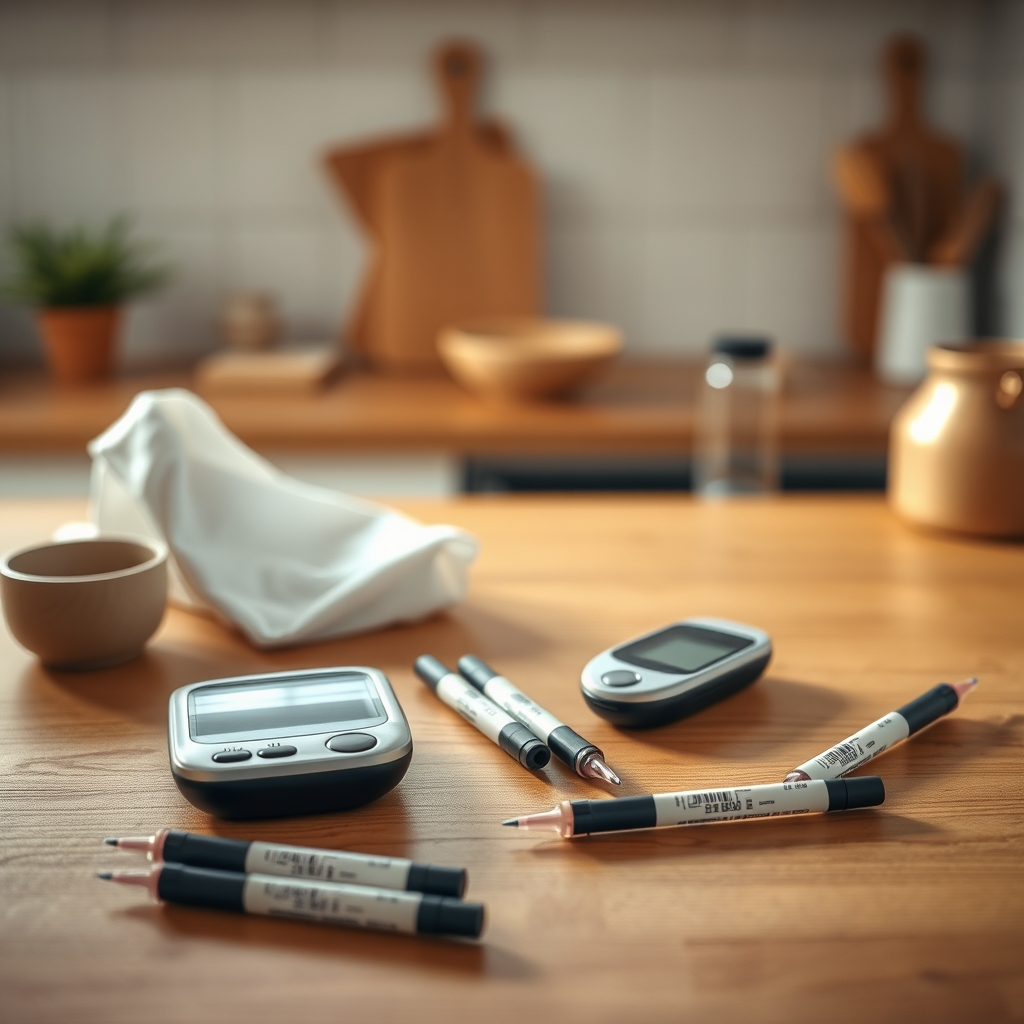
Having your insulin pens and glucose meter ready makes daily titration smoother.
Preventing hypoglycemia: strategies day and night
Hypoglycemia (<70 mg/dL) is a common concern for pregnant women with Type 1 diabetes, especially after a rapid basal increase or an aggressive bolus. The safest approach blends proactive planning with quick‑response tactics.
Before meals
Check glucose 15 minutes before eating. If it’s <70 mg/dL, treat with 15–20 g of fast‑acting carbs (e.g., glucose tablets, juice) and re‑check in 15 minutes.
Adjust bolus based on both the carbohydrate count and the pre‑meal reading. A “correction factor” (often 1 U for every 30–50 mg/dL above target) helps fine‑tune the dose.
During the night
Overnight hypoglycemia can be silent. Consider a basal‑only bedtime snack (a small piece of fruit or a half‑cup of yogurt) if fasting is consistently low. Some clinicians recommend a 30‑minute “buffer” snack when basal has been increased by more than 20 %.
Continuous glucose monitoring (CGM) is a game‑changer. Modern CGM systems can alarm you if glucose drops below a threshold you set (often 70 mg/dL). If you’re not yet on CGM, a simple fingerstick before bed and another at 2 a.m. can catch early lows.
Quick‑treatment plan
Keep a “hypo kit” by your bedside: glucose tablets, a small juice box, and a spare insulin pen (in case you need a correction later). The rule of 15‑15 still applies—15 g carbs, re‑check in 15 minutes, repeat if still low.
Special situations
Travel, holidays, or hospital stays can disrupt routines. Pack extra glucose tablets, a portable glucometer, and a copy of your insulin regimen. During labor, a proactive IV dextrose infusion is often used to prevent lows; discuss the plan with your obstetric team ahead of time (ACOG 2023).
Keep a hypoglycemia kit within arm’s reach at night.
Meal planning and nutrition advice for pregnant women with Type 1 diabetes
Food is both your fuel and a key variable in insulin dosing. A balanced plate that spreads carbohydrate intake throughout the day helps prevent big glucose swings.
Carbohydrate counting basics
Aim for 45‑60 g of carbs per main meal and 15‑30 g per snack.
Pair carbs with protein and healthy fats to slow absorption.
Example breakfast: 1 slice whole‑grain toast (15 g carbs) topped with 1 tbsp peanut butter (3 g carbs) and a hard‑boiled egg. Add a small orange (12 g carbs) for a total of ~30 g carbs—perfect for a modest bolus.
Key nutrients for pregnancy
Folate (400–800 µg daily) to reduce neural‑tube defects—found in leafy greens, fortified cereals, and supplements.
Iron (27 mg daily) to support blood volume—lean meats, beans, and fortified breads.
Calcium (1,000 mg daily) for fetal bone development—dairy, fortified plant milks, and tofu.
Omega‑3 DHA (200 mg daily) for brain growth—fatty fish (low‑mercury) or algae supplements.
Because high‑glycemic foods can trigger rapid spikes, many providers suggest limiting sugary drinks, white bread, and candy. If you crave something sweet, pair it with protein (e.g., Greek yogurt with berries) to blunt the rise.
Hydration, caffeine, and timing
Stay well‑hydrated—aim for 8–10 cups of water daily. Moderate caffeine (≤200 mg per day, about one 12‑oz coffee) is generally considered safe, but monitor how it affects your glucose; some people see a modest rise after caffeine, especially in the third trimester (NICE 2023).
Meal timing matters too. Eating a small snack 1–2 hours before bedtime can prevent overnight lows, while spacing meals 3–4 hours apart helps maintain steady glucose levels. The NHS recommends a “steady‑state” approach rather than large meals followed by long fasting periods (NHS 2022).
Exercise and physical activity recommendations
Regular, moderate exercise improves insulin sensitivity and can lower basal insulin needs, but it also raises the risk of hypoglycemia if not paired with proper carbohydrate intake.
Safe activities
Walking, swimming, stationary cycling, and prenatal yoga are low‑impact choices.
Aim for 150 minutes of moderate‑intensity activity per week, spread over most days.
Strength training (light weights or resistance bands) can be added twice weekly, focusing on core and back muscles.
Pre‑ and post‑exercise glucose management
Check glucose 30 minutes before you start. If it’s 90‑130 mg/dL, you’re usually good to go. If it’s <80 mg/dL, have a 15‑g carb snack. After exercise, re‑check at 30 minutes and again at 2 hours; treat any drop with carbs, and consider a modest reduction in the next bolus if trends show lower post‑exercise glucose.
Women on insulin pumps often use “temporary basal rates” (e.g., 80 % of usual basal for 2 hours) during and after activity to guard against lows. Discuss these options with your diabetes educator.
Staying safe while you sweat
Keep a water bottle handy—dehydration can concentrate blood sugar and increase the chance of a hypo. Monitor your heart rate; staying below 140 bpm is a common guideline for pregnant women (ACOG 2023). If you feel dizzy, shaky, or unusually fatigued, stop, treat with carbs, and reassess before continuing.
Glucose monitoring: tools, frequency, and interpreting trends
Frequent glucose checks are the backbone of tight control. The American College of Obstetricians and Gynecologists (ACOG) recommends:
Fasting glucose < 95 mg/dL
1‑hour post‑meal < 140 mg/dL
Pre‑meal < 95 mg/dL
Most clinicians ask for at least four checks daily (fasting, pre‑lunch, pre‑dinner, bedtime). With CGM, you’ll see continuous data and can set alerts for lows and highs.
Interpreting patterns
Look for consistent trends rather than isolated spikes. A pattern of fasting 100‑110 mg/dL suggests a basal increase, while a post‑meal trend of 150‑160 mg/dL indicates the bolus may need a 10‑15 % boost.
Keep a weekly “trend log” that includes:
Date and gestational week
All glucose values (fasting, pre‑meal, post‑meal)
Insulin doses taken
Meal composition (carbs, protein, fat)
Physical activity details
Any hypoglycemia episodes and treatment
This log becomes a conversation starter with your endocrinologist, allowing precise adjustments without guesswork. Time‑in‑range (TIR) metrics—percentage of readings between 70‑140 mg/dL—are now a standard quality marker in both the U.S. and the U.K. (ADA 2024; NICE 2023).
Managing potential complications and working with your care team
Pregnancy with Type 1 diabetes carries higher risks for preeclampsia, preterm birth, and neonatal hypoglycemia. Proactive monitoring and a multidisciplinary team—ob‑gyn, endocrinologist, diabetes educator, and nutritionist—are essential.
Key complications to watch for
Preeclampsia – sudden swelling, severe headaches, or visual changes.
Macrosomia – baby larger than average, often linked to high post‑meal glucose.
Neonatal hypoglycemia – low baby blood sugar after birth, mitigated by tight maternal control.
Regular ultrasounds (usually every 4 weeks after 28 weeks) track fetal growth. If the baby is trending above the 90th percentile, your team may tighten post‑meal targets further.
Creating a personalized pregnancy plan
Every woman’s insulin needs, lifestyle, and support system differ. A personalized plan should include:
Baseline basal and bolus doses with titration schedule.
Meal‑timing strategy (e.g., three balanced meals + two snacks).
Exercise plan with pre‑ and post‑exercise carb guidelines.
Monitoring schedule (fingersticks + CGM alerts).
Red‑flag list for when to call your provider.
Post‑delivery considerations (insulin needs typically drop rapidly after birth).
Bring this plan to each prenatal visit. Adjustments are expected; the goal is to keep glucose within target while avoiding lows that could endanger you or your baby.
Mental health and emotional support during pregnancy with Type 1 diabetes
The constant vigilance required for tight glucose control can be emotionally draining. Studies from the International Diabetes Federation (IDF) show that pregnant women with Type 1 diabetes have higher rates of anxiety and depressive symptoms than those without diabetes (IDF 2022). Acknowledging these feelings is the first step toward coping.
Consider these strategies:
Schedule regular check‑ins with a mental‑health professional who understands diabetes.
Join a support group—online forums or local meet‑ups let you share tips and hear that you’re not alone.
Practice brief mindfulness or breathing exercises before glucose checks; reducing stress can actually improve glycemic stability (NHS 2022).
Don’t hesitate to ask your obstetric team about counseling resources. Many hospitals have integrated perinatal mental‑health services, and insurance often covers a limited number of therapy sessions.
Preparing for labor, delivery, and newborn care
Labor and delivery present unique insulin‑management challenges. Blood glucose can fluctuate rapidly due to pain, hormones, and the stress of pushing. Most obstetric teams aim to keep maternal glucose between 80‑110 mg/dL during active labor, because this range minimizes the risk of neonatal hypoglycemia (ACOG 2023).
Key steps to discuss with your provider:
IV dextrose protocol. Many centers start a low‑dose dextrose infusion (e.g., 5 % dextrose at 125 mL/hr) once labor begins, adjusting insulin as needed.
Insulin delivery. Some women continue with subcutaneous insulin; others switch to an IV insulin drip for tighter control. Your endocrinologist will recommend the safest method for you.
Team communication. Ensure the labor nurse, anesthesiologist, and neonatologist all have a copy of your insulin plan and glucose targets.
Post‑delivery transition. Insulin requirements often drop 30‑50 % within 24 hours after birth. Have a clear plan for rapid dose reduction and for breastfeeding support, because milk production can affect glucose needs.
Coordinated care during labor helps keep glucose stable for both mom and baby.
Postpartum insulin management and breastfeeding
After birth, insulin needs fall dramatically—often by 30‑50 % within the first 24 hours—because the placenta, a major source of insulin‑resistance hormones, is gone. The American Diabetes Association (ADA) advises checking glucose at least four times daily during the first two weeks postpartum, then adjusting to pre‑pregnancy targets as soon as safely possible (ADA 2024).
Key steps for a smooth transition:
Rapid dose reduction. Decrease basal insulin by 10‑20 % every 12 hours until fasting glucose stabilizes between 70‑100 mg/dL.
Bolus recalibration. Re‑calculate carbohydrate‑to‑insulin ratios based on your new intake pattern; many women find a 1 U per 12‑15 g carb ratio works well while establishing milk supply.
Breastfeeding considerations. Breast milk can lower glucose, so a modest pre‑feed snack (e.g., a slice of whole‑grain toast) is often enough. Monitor glucose before each feeding session for the first week.
Supportive follow‑up. Schedule a postpartum visit within 1‑2 weeks to review insulin adjustments, discuss mood changes, and address any lactation concerns.
Post‑delivery day
Typical basal change
Monitoring focus
Day 1–2
Decrease basal by 20‑30 %
Fasting glucose 70‑100 mg/dL
Day 3–5
Further reduce if fasting <80 mg/dL
Pre‑feed glucose; watch for lows
Week 2+
Return to pre‑pregnancy basal (or slight reduction)
Stabilize TIR 70‑140 mg/dL
If you experience recurrent lows while breastfeeding, talk to your provider about a temporary basal increase or a small bedtime snack. The goal is to keep you and your baby nourished without compromising glucose control.
Technology toolbox: CGM, insulin apps, and telehealth
Digital tools have transformed diabetes care, and pregnancy is no exception. Continuous glucose monitoring (CGM) provides real‑time data, trend arrows, and customizable alerts that can catch a dip before it becomes symptomatic. The FDA has cleared several CGM devices for use in pregnancy, and both ACOG and NICE recognize CGM as a “preferred adjunct” for high‑risk pregnancies (FDA 2024; NICE 2023).
Beyond the sensor, many patients find insulin‑dose calculators, food‑logging apps, and telehealth visits invaluable. Apps that sync CGM data with a cloud‑based dashboard let your endocrinologist review patterns without waiting for the next in‑person appointment. Telemedicine appointments—now reimbursed by most insurers—can be used for rapid dose tweaks, especially during the busy third trimester.
When choosing a platform, look for:
HIPAA‑compliant data security.
Integration with your specific CGM brand.
Ability to export logs for your provider.
Clear “alert” settings for lows (<70 mg/dL) and highs (>180 mg/dL).
Even if you prefer fingersticks, a simple spreadsheet or paper log can be digitized later and shared with your care team. The most important thing is consistency—regular data collection fuels the precise titration your pregnancy needs.
From our medical team: “Pregnancy is a time of rapid change, especially for Type 1 diabetes. We advise a step‑wise titration approach, frequent glucose checks, and a solid hypo‑prevention kit. Never hesitate to reach out if you notice a pattern that worries you—early intervention is key to a healthy outcome for both mother and baby.”
Myth: You must keep your blood sugar perfectly flat (e.g., exactly 80 mg/dL) to protect the baby.
Fact: Targets are ranges, not exact numbers. Aiming for fasting 70‑95 mg/dL and 1‑hour post‑meal 100‑140 mg/dL balances safety with practicality, and small fluctuations are normal.
Myth: You should stop all exercise once you’re pregnant.
Fact: Moderate, doctor‑approved activity improves insulin sensitivity and reduces the need for higher insulin doses. The key is to monitor glucose before and after workouts.
Myth: If you have a low glucose reading, you should eat a big meal to “catch up.”
Fact: Treat hypoglycemia with 15‑20 g of fast‑acting carbs, re‑check in 15 minutes, and adjust future insulin if lows become frequent.
Key takeaways
Basal‑bolus insulin mimics natural insulin release; titrate slowly and review glucose trends every 2‑3 days.
Target fasting 70‑95 mg/dL and 1‑hour post‑meal 100‑140 mg/dL; stay within these ranges to lower complication risk.
Prevent hypoglycemia with pre‑meal checks, a nighttime snack if basal rises, and a readily available hypo kit.
Spread carbohydrate intake (45‑60 g per main meal, 15‑30 g per snack) and pair carbs with protein/fat.
Incorporate 150 minutes of moderate activity weekly, but always check glucose before and after exercise.
Use CGM or frequent fingersticks, keep a weekly trend log, and discuss patterns with your multidisciplinary team.
Address mental‑health needs early; anxiety is common, and support improves both mood and glucose control.
Plan for labor with a clear insulin‑delivery strategy and a post‑delivery insulin‑reduction plan.
Leverage technology—CGM, apps, telehealth—to keep data flowing and decisions swift.
Frequently asked questions
How does Type 1 diabetes affect pregnancy?
It increases the risk of preeclampsia, preterm birth, and having a larger baby, but tight glucose control reduces these risks dramatically.
What is basal‑bolus insulin therapy and how does it work?
Basal‑bolus therapy delivers a steady basal dose plus rapid‑acting bolus doses at meals; together they keep blood sugar stable by matching insulin to both background needs and food‑induced spikes.
How can I prevent hypoglycemia during pregnancy with Type 1 diabetes?
Check glucose before meals, keep a 15‑gram fast‑acting carbohydrate kit handy, use a modest bedtime snack if basal is high, and set CGM alerts for lows.
What are the risks of uncontrolled blood sugar during pregnancy?
Consistently high glucose can lead to fetal overgrowth, birth injuries, preeclampsia, and neonatal hypoglycemia; low glucose can cause dizziness, seizures, and, in severe cases, harm the fetus.
Can I breastfeed with Type 1 diabetes?
Yes—most women can breastfeed safely. Insulin needs usually drop back to pre‑pregnancy levels soon after delivery, so close glucose monitoring remains important while you establish milk supply.
How often should I check my blood sugar levels during pregnancy?
At least four times daily (fasting, pre‑lunch, pre‑dinner, bedtime) is standard; many women on CGM check continuously and receive alerts for out‑of‑range values.
Can I use an insulin pump during pregnancy?
Yes—insulin pumps are safe and can provide more precise basal adjustments. Many endocrinologists recommend using a pump with a temporary basal feature during exercise or illness to reduce hypoglycemia risk (ADA 2024).
What should I know about birth planning with Type 1 diabetes?
Discuss a labor glucose protocol with your obstetric team, including IV dextrose and insulin infusion options. Aim for maternal glucose 80‑110 mg/dL during active labor, and have a rapid‑adjustment plan for the postpartum period when insulin needs fall.
When can I expect my insulin needs to drop after delivery?
Most women see a 30‑50 % reduction in basal insulin within the first 24 hours, with further adjustments over the next two weeks as they settle into breastfeeding and their bodies recalibrate.
Is it safe to use a continuous glucose monitor during labor?
Yes—CGM devices cleared by the FDA for pregnancy can be worn during labor, and many hospitals allow them to guide insulin adjustments. However, a backup fingerstick is still recommended in case of sensor lag.
When to call your doctor
Call your provider immediately if you experience any of the following: blood glucose < 60 mg/dL that does not improve with treatment, recurrent lows (≥2 per day), fasting glucose > 110 mg/dL, severe nausea/vomiting that prevents you from eating, sudden swelling or headaches, or any signs of preeclampsia. This article is for educational purposes only and does not replace personalized medical advice.
References
American College of Obstetricians and Gynecologists (ACOG). “Gestational Diabetes Mellitus.” 2023 Clinical Guidance.
American Diabetes Association (ADA). “Standards of Care in Diabetes—2024.” Diabetes Care.
National Institute for Health and Care Excellence (NICE). “Diabetes in Pregnancy: Management.” Updated 2023.
International Society for Pediatric and Adolescent Diabetes (ISPAD). “Clinical Practice Consensus Guidelines 2022.”
Centers for Disease Control and Prevention (CDC). “Pregnancy and Diabetes.” 2022.
World Health Organization (WHO). “Nutrition for Pregnancy.” 2023.
U.S. Food and Drug Administration (FDA). “Insulin Product Labeling.” 2024.
American Association of Clinical Endocrinology (AACE). “Insulin Therapy in Pregnancy.” 2023.
International Diabetes Federation (IDF). “Psychosocial Aspects of Diabetes in Pregnancy.” 2022.
National Health Service (NHS). “Managing Diabetes in Pregnancy.” Updated 2022.
Royal College of Obstetricians and Gynaecologists (RCOG). “Management of Diabetes in Pregnancy.” 2023.
Not sure about the label on Type 1 Diabetes Pregnancy Basal Bolus Titration Hypoglycemia Preventio products?
Snap the ingredients list and SafeFilter checks every ingredient for your stage — only 3 free scans this month, then you're locked until reset. Unlimited from $7/mo or $50/yr.
When Shubhra Mishra was expecting her first child in 2016, she was overwhelmed by conflicting food advice — one site said yes, another said never. By the time her second baby arrived in 2019, she realized millions of mothers face the same confusion.
That sparked a five-year journey through clinical nutrition papers, cultural diets, and expert conversations — all leading to BumpBites: a calm, compassionate space where science meets everyday motherhood.
Her long-term vision is to build a global community ensuring safe, supported, and free deliveriesfor every mother — because no woman should face pregnancy alone or uninformed. 🌿
🌍 Stand with mothers, shape safer guidance
Join a small circle of experts who review BumpBites articles so expecting parents everywhere can decide with confidence.