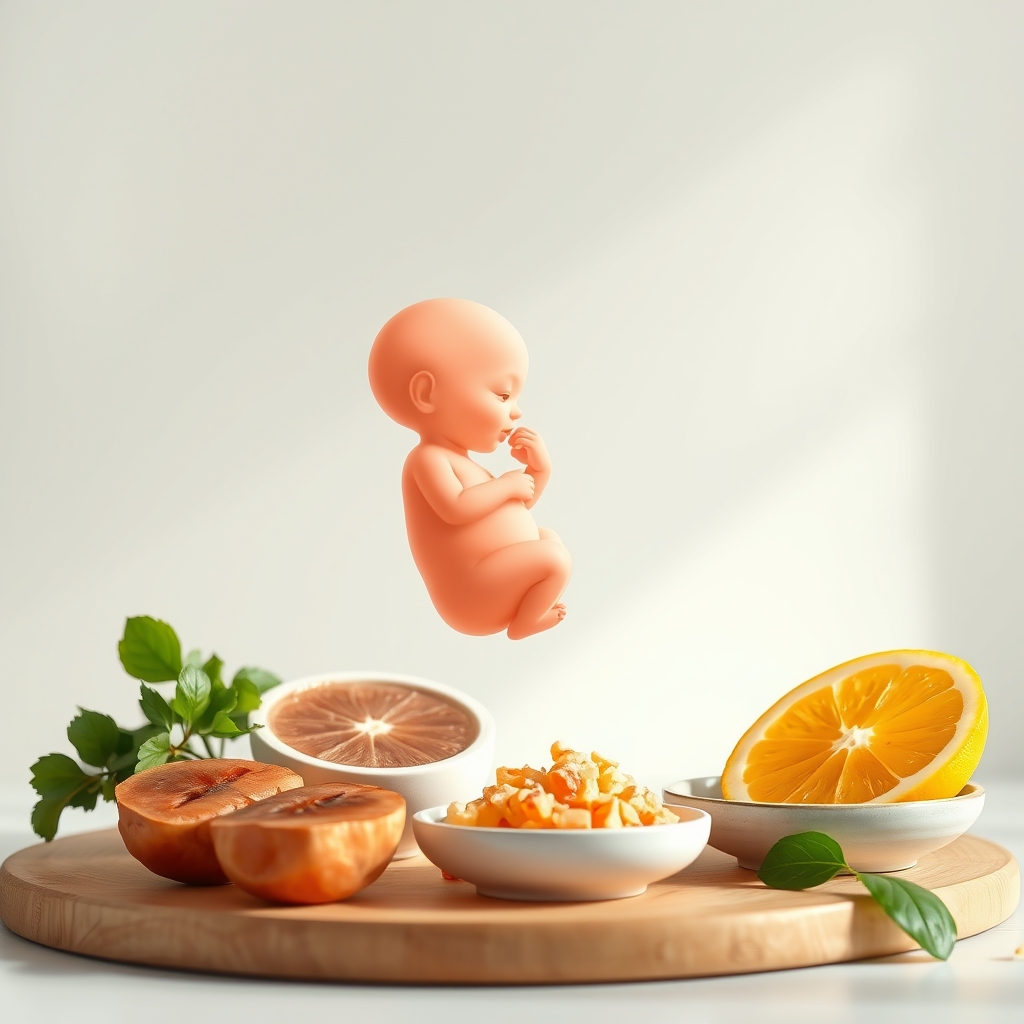
At 12 weeks, your baby has all major organs. By 20 weeks, they're half their birth length, and at 30 weeks, lungs mature. Discover what your baby looks like at 12, 20, and 30 weeks pregnant.
By Shubhra Mishra — a mom of two who turned her own confusion during pregnancy into BumpBites, a global mission to make food choices clear, safe, and stress-free for every expecting mother. 💛
Check whether any food is safe during pregnancy with the BumpBites Food Safety Checker.
Quick take: Seeing your baby grow through pregnancy is incredible, and their appearance changes dramatically from early weeks to the final trimester. At 12 weeks, your baby is a tiny, developing fetus with all major organs forming. By 20 weeks, they have distinct facial features and hair, and you'll likely feel their first movements. At 30 weeks, your baby is plumping up, gaining weight, and preparing for life outside the womb, looking much more like a newborn.
It's an amazing feeling, isn't it? That little flutter in your belly, or the first time you see a tiny bean-shaped blob on an ultrasound screen, sparking a thousand questions. What do they look like in there? How big are they? What are they doing right now? Every week brings new developments, and your baby is constantly transforming.
🔢 Calculate it for your situation: Use our Baby Size by Week for a personalized result in seconds.
We know you're eager to visualize the incredible journey happening inside you. In this guide, we'll take you through the exciting changes in your baby's appearance, size, and development at three key milestones: 12, 20, and 30 weeks pregnant. We'll also tell you what to expect during your ultrasounds and how your little one is preparing for their grand entrance.
Get ready to marvel at the intricate details of prenatal development and feel even more connected to the tiny human growing inside you.
12 Weeks Pregnant: From Embryo to Fetus
Congratulations, you've made it to the end of your first trimester! At 12 weeks, your baby officially transitions from an embryo to a fetus. This milestone marks a period of rapid growth and refinement, where all major organs and body systems are formed and beginning to function.
What does a 12-week baby look like?
At 12 weeks, your baby is tiny but increasingly detailed. They're about the size of a plum or a large lime, measuring around 2.1 inches (5.4 cm) from crown to rump (the top of their head to their bottom) and weighing approximately 0.49 ounces (14 grams). While still small, their proportions are starting to normalize, though their head remains disproportionately large, making up about half of their entire body length. This is because their brain is undergoing incredible development.
Head and Face: Their face is much more defined now. Eyes have moved from the sides of the head to the front, and eyelids have formed, though they'll remain fused shut for several more weeks. Ears are developing on the sides of the head, and a tiny nose and mouth are visible. You might even see the beginnings of fingernails and toenails.
Limbs: Arms and legs are fully formed, with distinct fingers and toes. Your baby can already open and close their hands into tiny fists and might even be seen sucking their thumb on an ultrasound! All the major joints, like elbows and knees, are in place, allowing for a surprising range of movement.
Skin: Their skin is still very thin and translucent, making it possible to see the developing blood vessels underneath.
Internal Organs: Inside, the organs are developing at a furious pace. The heart is beating strongly, circulating blood throughout their tiny body. Kidneys are starting to produce urine, and the digestive system is forming, although it won't be fully functional until after birth. The liver and spleen are also developing and beginning to produce blood cells.
Key developmental milestones at 12 weeks
This is a truly pivotal week for development. Beyond the physical appearance, several crucial milestones are happening:
Reflexes: Your baby is developing reflexes! They can squint, frown, open their mouth, and even make sucking motions. While you won't feel these movements yet, they're actively stretching and wiggling around in the womb.
Organ Function: The digestive system is beginning to practice its job. The intestines, which were previously growing outside the body in the umbilical cord, have now moved into the abdominal cavity.
Vocal Cords: Tiny vocal cords are forming, though they won't be used until your baby takes their first breath.
Nerve Connections: Nerve cells are multiplying rapidly, and connections are forming in the brain. This lays the groundwork for all future learning and development.
At 12 weeks, your baby's features are becoming more defined, and they're actively moving their tiny limbs.
What to expect at your 12-week ultrasound
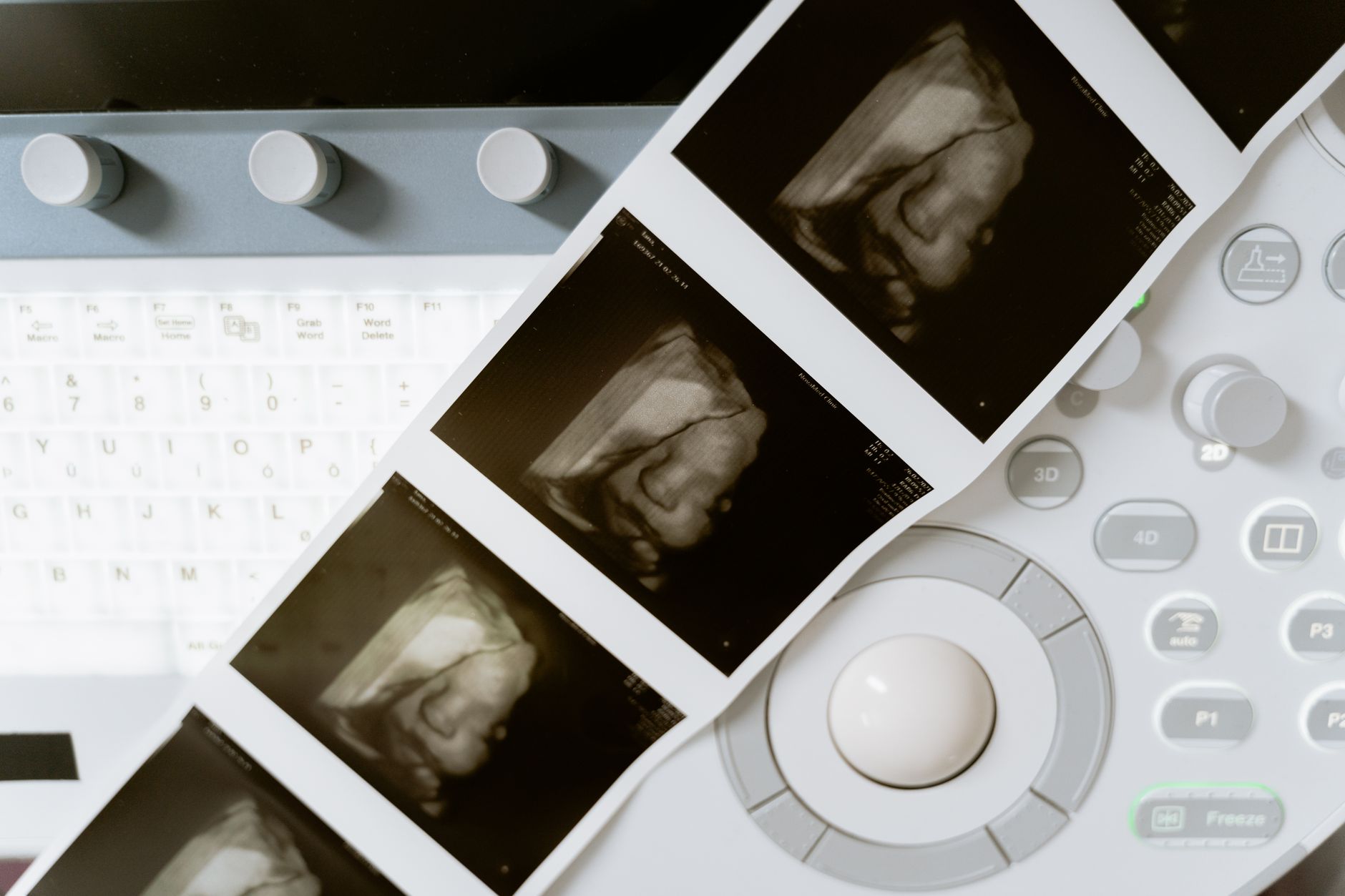
The 12-week ultrasound is often one of the most exciting appointments. It's usually the first time many parents get a clear view of their baby and hear their heartbeat. This scan, sometimes called the Nuchal Translucency (NT) scan, has a few key purposes:
Dating Your Pregnancy: It provides an accurate due date by measuring your baby's crown-rump length.
Checking for Multiples: It can confirm if you're carrying one baby or more.
Assessing Development: The sonographer will check for major developmental milestones and measure the fluid at the back of your baby's neck (nuchal translucency) as part of screening for certain chromosomal conditions like Down syndrome.
Seeing Movement: You'll likely see your baby wiggling, stretching, and perhaps even doing flips! It's an incredible glimpse into their active world.
It's perfectly normal for your baby's growth to have slight variations, as every pregnancy is unique. If you're curious about how your baby's size compares to common objects week by week, our Baby Size by Week calculator can offer some fun and informative comparisons.
20 Weeks Pregnant: The Midpoint Marvel
You'r
e halfway there! Reaching 20 weeks is a significant milestone, often marked by the highly anticipated anatomy scan. Your baby is now much larger, more developed, and increasingly responsive to their world.
What does a 20-week baby look like?
At 20 weeks, your baby is about the size of a banana or a small cantaloupe, measuring around 6.5 inches (16.5 cm) from crown to rump, or about 10 inches (25 cm) from head to heel. They weigh approximately 10.5 ounces (300 grams). Their body proportions are now much closer to that of a newborn, though they still have a lot of plumping up to do.
Facial Features: Their facial features are becoming distinct and individualized. You might even be able to tell if they have your nose or your partner's chin! Eyelashes and eyebrows are starting to appear, and hair on their head is growing.
Skin: Their skin is still thin but beginning to thicken. It's covered in a fine, downy hair called lanugo, which helps to hold the protective, waxy coating known as vernix caseosa in place. Vernix protects their delicate skin from the amniotic fluid and helps regulate body temperature.
Movement: This is the week many parents feel their baby move for the first time – often described as "flutters," "gas bubbles," or a gentle "popping" sensation. These movements will grow stronger and more frequent in the coming weeks.
Developing Features: Fingernails and toenails are fully formed. Their tiny hands and feet are proportionate to their body, and they're busy exploring them in the womb.
Key developmental milestones at 20 weeks
The second trimester is a period of rapid maturation, and 20 weeks brings impressive advancements:
Sensory Development: Your baby's senses are rapidly developing. Their ears are now fully formed and positioned, and they can hear sounds from outside the womb, like your voice, your heartbeat, and even loud noises. Their sense of taste is developing, and they can distinguish between different flavors in the amniotic fluid, influenced by your diet.
Digestive System: The digestive system is becoming more active. Your baby is regularly swallowing amniotic fluid, which is then processed by their intestines, leading to the formation of meconium (the first bowel movement after birth).
Lung Development: While not yet mature, the lungs are developing tiny air sacs called alveoli, which are crucial for oxygen exchange. They're also practicing breathing movements, "inhaling" amniotic fluid to prepare for life outside the womb.
Hair Growth: Beyond the lanugo, the hair on their head is beginning to grow and may even have a color and texture.
What organs are developing at 20 weeks?
At 20 weeks, all major organs are in place, and the focus shifts to their maturation and functionality:
Lungs: The lungs are continuing to develop the branching airways and air sacs needed for breathing.
Brain: The brain is growing rapidly, establishing more complex connections. Areas responsible for sensory perception are becoming more refined.
Heart: The heart is fully formed and pumping blood efficiently, with all four chambers developed.
Kidneys: The kidneys are producing urine, which is then released into the amniotic fluid, playing a role in maintaining fluid levels.
Reproductive Organs: If you're having a girl, her uterus and fallopian tubes are formed, and her ovaries contain primitive eggs. If you're having a boy, his testes have begun to descend into the scrotum.
The 20-week anatomy scan offers a detailed look at your baby's features and developing organs.
What to expect at your 20-week anatomy scan
The 20-week anatomy scan (sometimes called the mid-pregnancy scan or anomaly scan in the UK) is one of the most comprehensive ultrasounds you'll have. It's a detailed examination of your baby from head to toe, typically lasting 30-45 minutes. The sonographer will check:
Overall Growth: Measurements of the head, abdomen, and thigh bone to ensure your baby is growing appropriately.
Organ Development: A thorough check of the heart, brain, kidneys, lungs, spine, and other major organs for proper formation.
Placenta Position: To ensure it's not covering the cervix (placenta previa).
Amniotic Fluid Levels: To ensure there's enough fluid for your baby to move and grow.
Gender Reveal: For many, this is the exciting moment when you can find out your baby's sex, if you choose to.
This scan provides immense reassurance and valuable information about your baby's health and development.
30 Weeks Pregnant: Preparing for Arrival
You're in the home stretch of your third trimester! At 30 weeks, your baby is rapidly gaining weight and fat, perfecting their skills, and getting ready for life outside the womb. The changes now are all about maturation and preparation.
What does a 30-week baby look like?
At 30 weeks, your baby is much larger and plumper, looking more and more like the newborn you'll soon meet. They're about the size of a large cabbage or a pineapple, measuring approximately 15.7 inches (40 cm) from head to heel and weighing around 3 pounds (1.36 kg). They're rapidly accumulating fat, which will help them regulate their body temperature after birth.
Appearance: Their skin is becoming smoother and less wrinkled as fat deposits build underneath. The lanugo (fine body hair) that covered their body is starting to disappear, although some babies are born with a bit of it, especially on their back and shoulders.
Head and Hair: Hair on their head is thicker and longer. Their eyes can open wide and perceive light and dark.
Body Shape: They're gaining that adorable baby chubbiness, especially around their cheeks, arms, and legs. Their body proportions are now very similar to a full-term baby.
Position: Many babies at this stage will start to settle into a head-down position in preparation for birth, though they still have room to move and may flip around.
Key developmental milestones at 30 weeks
The third trimester is all about fine-tuning and preparing for the grand debut:
Brain Development: The brain is continuing its incredible growth, developing billions of neurons and forming complex connections. The surface of the brain is becoming more wrinkled as more gray matter develops, which is crucial for higher cognitive functions.
Lung Maturation: The lungs are rapidly maturing, producing surfactant, a substance that prevents the air sacs from collapsing and helps them expand easily after birth. While they're not fully mature until closer to full term, a 30-week baby has a good chance of survival with medical assistance if born prematurely.
Bone Hardening: Your baby's bones are hardening, though their skull bones remain soft and flexible to allow for passage through the birth canal.
Immune System: Your baby is receiving antibodies from you through the placenta, building up their own immune system to protect them against infections after birth.
Sensory Perception: They are increasingly aware of their surroundings. They can respond to light, sound, and touch, and may even react to your voice or music.
At 30 weeks, your baby's grip is strong, and they're perfecting movements they'll use after birth.
What organs are developing at 30 weeks?
At 30 weeks, most of the major organs are functional, and the focus is on perfecting their efficiency:
Lungs: Continuing to produce surfactant and strengthen, preparing for independent breathing.
Brain: Rapid growth and development of complex neural networks, crucial for cognitive function and learning.
Digestive System: Maturing further, ready to process breast milk or formula.
Kidneys: Fully functional and efficiently processing waste.
Liver: Fully developed and capable of processing waste products.
What to expect at your 30-week ultrasound
Not all pregnancies require a routine 30-week ultrasound, but your doctor might recommend one, especially if there are concerns about growth, your baby's position, or other factors. This is often called a growth scan. During this scan:
Growth Assessment: The sonographer will measure your baby's head circumference, abdominal circumference, and femur length to track their growth and ensure it's on track.
Baby's Position: They'll check your baby's position in the womb to see if they are head-down (cephalic), breech (bottom-down), or transverse (sideways).
Amniotic Fluid and Placenta: The scan will also assess the amount of amniotic fluid and the health and position of the placenta.
Movement and Breathing: You'll likely see your baby's strong movements and possibly even practice breathing motions.
It's always a special moment to see how much your baby has grown and changed since your last scan!
How Your Baby's World Changes: Sensory Development
Beyond what your baby looks like, their ability to interact with their environment is constantly evolving. Sensory development is a fascinating journey throughout pregnancy.
Touch and Movement
Even at 12 weeks, your baby is developing reflexes and can respond to touch. By 20 weeks, they're exploring their own body, touching their face, sucking their thumb, and grasping the umbilical cord. These movements become stronger and more coordinated as they grow, providing vital stimulation for their brain and muscles.
Hearing
Your baby's ears are fully formed by 20 weeks, and they can hear sounds both inside and outside the womb. They become familiar with your voice, your partner's voice, your heartbeat, and even everyday household noises. Studies suggest babies show a preference for familiar sounds, especially their mother's voice, even after birth.
Sight
While the womb is a dark place, your baby's eyes are developing rapidly. By 20 weeks, eyelids are formed, and by 30 weeks, they can open their eyes and respond to bright light shining on your belly. Their vision is still quite blurry, but they can perceive light and shadow, preparing their eyes for the visual world they'll enter.
Taste and Smell
Your baby starts to taste the amniotic fluid around 20 weeks, as its flavor changes based on your diet. This early exposure to different tastes helps shape their food preferences after birth. Similarly, their sense of smell develops, allowing them to recognize your unique scent shortly after birth, which is crucial for bonding and feeding.
Comparing Your Baby's Growth: Size Analogies
It can be hard to visualize exact measurements, so here's a quick reference table comparing your baby's size and weight at these key stages, along with some common analogies:
Pregnancy Week
Approximate Length (Crown to Rump / Head to Heel)
Approximate Weight
Common Food Analogy
12 Weeks
2.1 inches (5.4 cm) crown to rump
0.49 ounces (14 grams)
Plum / Large Lime
20 Weeks
6.5 inches (16.5 cm) crown to rump, or 10 inches (25 cm) head to heel
10.5 ounces (300 grams)
Banana / Small Cantaloupe
30 Weeks
15.7 inches (40 cm) head to heel
3 pounds (1.36 kg)
Large Cabbage / Pineapple
These are averages, of course, and your baby's growth will have its own unique rhythm. Your healthcare provider will monitor their growth to ensure they're developing well for your individual pregnancy.
From our medical team: Every baby's growth journey is wonderfully unique. While we provide average measurements and milestones, it's essential to remember that these are guidelines. Healthy babies come in a range of sizes, and minor variations are entirely normal. Your healthcare provider monitors your baby's growth closely during scans and appointments to ensure everything is progressing as it should. Focus on enjoying these incredible stages of development, and trust your medical team to guide you.
🔢 Ready to crunch your numbers? Use our Baby Size by Week for a personalized result in seconds.
Myth vs. Fact
Myth: Your baby's appearance is pretty much set by the end of the first trimester.
Fact: While major structures are formed by 12 weeks, your baby undergoes dramatic changes in appearance, proportion, and "chubbiness" right up until birth. Facial features become more defined, skin smooths out, and they gain significant weight, especially in the third trimester.
Myth: All babies develop and reach milestones at the exact same time.
Fact: While there's a general timeline for development, every baby is an individual. There's a healthy range for when certain milestones occur, and slight variations in growth or the timing of specific developments are very common and usually nothing to worry about. Your provider will alert you if there's a significant deviation.
Myth: Early ultrasounds don't show much detail, just a blob.
Fact: Even at 12 weeks, modern ultrasound technology provides incredibly detailed images. You can often see your baby's tiny limbs, fingers, toes, and even distinct facial features beginning to form. It's a truly amazing window into their world.
Key Takeaways
At 12 weeks, your baby is a tiny fetus (plum-sized) with all major organs formed, developing reflexes, and distinct, though delicate, features.
By 20 weeks (banana-sized), your baby's facial features are individualized, they're covered in lanugo and vernix, and their senses (hearing, taste) are rapidly developing. This is also when most parents feel their baby move for the first time.
At 30 weeks (pineapple-sized), your baby is plumping up, looking much more like a newborn, with smoother skin and significant brain and lung maturation, preparing for birth.
Ultrasounds at these stages provide crucial information about growth, development, and offer a precious glimpse into your baby's world.
Your baby's sensory world is constantly expanding, allowing them to hear, taste, and respond to light and touch as they grow.
Remember that individual growth varies; your healthcare provider monitors your baby's unique development.
Frequently Asked Questions
What are the key developmental milestones at 12 weeks?
At 12 weeks, your baby is transitioning from an embryo to a fetus, with all major organs now formed. Key milestones include the development of reflexes like squinting and sucking, the intestines moving fully into the abdominal cavity, and rapid brain growth. They can make tiny movements, though you won't feel them yet, and their heart is beating strongly.
How big is a baby at 20 weeks pregnant?
At 20 weeks, your baby is typically around 6.5 inches (16.5 cm) from crown to rump, or about 10 inches (25 cm) from head to heel, and weighs approximately 10.5 ounces (300 grams). This is comparable to the size of a banana or a small cantaloupe. They are halfway through their development and becoming much more proportionate.
What does a 30-week fetus look like on an ultrasound?
On a 30-week ultrasound, your baby will appear much plumper and more developed, resembling a full-term newborn. You'll see their smoother skin (less wrinkled due to fat accumulation), thicker hair, and distinct facial features. They'll likely be taking up most of the space in your uterus, possibly already in a head-down position, and you'll observe strong movements and practice breathing.
Can you feel the baby move at 12 weeks?
While your baby is actively moving and developing reflexes at 12 weeks, you generally won't feel these movements yet. The sensation of "quickening" (the first fetal movements) usually occurs between 16 and 22 weeks, with 20 weeks being a common time for first-time mothers to notice these gentle flutters.
What organs are developing at 20 weeks?
At 20 weeks, all major organs are in place and maturing. Key developments include the lungs continuing to form air sacs, the brain growing rapidly with complex connections, and the heart pumping efficiently. The kidneys are producing urine, and reproductive organs are developed enough to often determine sex via ultrasound.
How much does a baby weigh at 30 weeks?
At 30 weeks pregnant, the average baby weighs approximately 3 pounds (1.36 kg). They are rapidly gaining weight and accumulating fat under their skin, which is crucial for insulation and temperature regulation after birth. This weight gain will continue steadily until delivery.
When to Call Your Doctor
Your baby's development is an incredible journey, and while minor variations are normal, it's important to always contact your healthcare provider if you have any concerns about your pregnancy. Call your doctor or midwife immediately if you experience:
Severe abdominal pain or cramping
Vaginal bleeding or fluid leakage
Sudden or severe swelling in your face, hands, or feet
A sudden decrease in fetal movement, especially after 24 weeks
Fever, chills, or persistent headaches
Any other symptoms that feel unusual or concerning to you.
This article is for informational purposes only and is not a substitute for professional medical advice, diagnosis, or treatment. Always seek the advice of your physician or other qualified health provider with any questions you may have regarding a medical condition.
Not sure about the label on What Does My Baby Look Like At 12 20 30 Weeks Pregnant products?
Snap the ingredients list and SafeFilter checks every ingredient for your stage — only 3 free scans this month, then you're locked until reset. Unlimited from $7/mo or $50/yr.
When Shubhra Mishra was expecting her first child in 2016, she was overwhelmed by conflicting food advice — one site said yes, another said never. By the time her second baby arrived in 2019, she realized millions of mothers face the same confusion.
That sparked a five-year journey through clinical nutrition papers, cultural diets, and expert conversations — all leading to BumpBites: a calm, compassionate space where science meets everyday motherhood.
Her long-term vision is to build a global community ensuring safe, supported, and free deliveriesfor every mother — because no woman should face pregnancy alone or uninformed. 🌿
🌍 Stand with mothers, shape safer guidance
Join a small circle of experts who review BumpBites articles so expecting parents everywhere can decide with confidence.