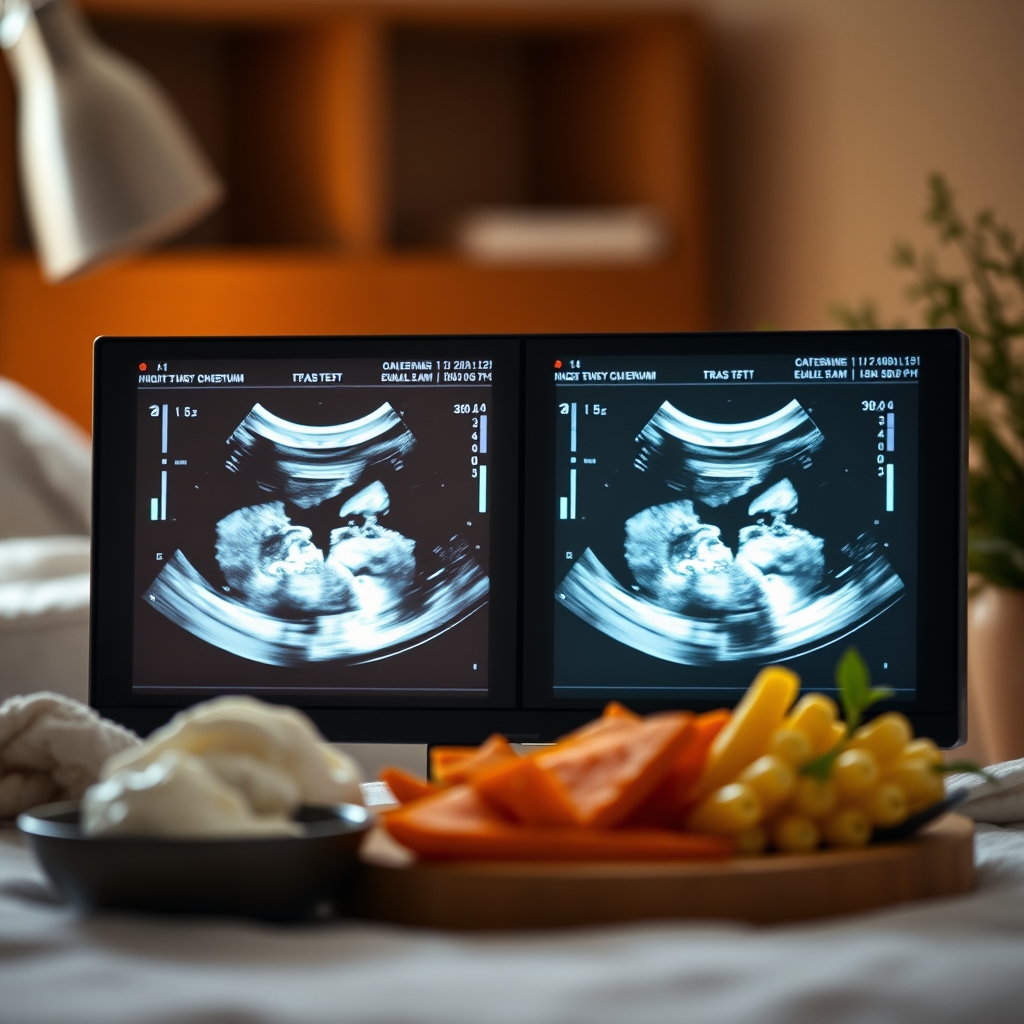
ot everyone gets “morning sickness.” Some people experience little to no nausea at six weeks, especially if hCG levels rise more gradually. The CDC reports that about 30 % of pregnant individuals report minimal nausea in the first trimester.
When nausea is absent, other signs may stand out: subtle breast changes, increased urination, and a faint metallic taste. Your body is still adjusting to the hormonal surge, so you might feel more emotional than physical. Mood swings, irritability, or a sudden tearfulness are common and usually harmless.
Even without nausea, staying hydrated and eating small, balanced meals can help maintain steady blood sugar, preventing later fatigue. Aim for at least eight glasses of water a day and include a protein source at each snack.
Some people notice a slight increase in body temperature at this stage; a cool shower or a light cardigan can keep you comfortable without masking any fever that would need medical attention.
Six weeks pregnant symptoms but no bump
It’s normal for a baby bump to remain invisible at six weeks. The uterus is still nestled behind the pelvis, and the baby is only about the size of a lentil (≈ 5 mm). Most people notice internal cues before any external change.
Typical internal signs include:
- Low‑grade cramping similar to menstrual pain.
- Light spotting or “implantation bleed.”
- Breast tenderness and darkening of the areola.
- Increased sense of smell.
These symptoms stem from the rapid rise of progesterone, which relaxes smooth muscle and prepares the uterine lining. If you’re feeling fine physically, you’re likely experiencing a healthy early pregnancy.
Keeping a simple symptom log—date, time, and description—can help you and your provider see patterns and reassure you that everything is progressing as expected.
6 weeks pregnant and feeling no symptoms
Some people report virtually no changes at six weeks. Hormone levels can vary widely; a lower hCG rise may mean fewer noticeable signs. This doesn’t indicate a problem—many healthy pregnancies start quietly.
Even if you feel “normal,” it’s still important to start prenatal care. A baseline ultrasound around 6–8 weeks can confirm fetal heartbeat, gestational age, and location of the pregnancy. The Mayo Clinic recommends that a first‑trimester scan be performed even when symptoms are absent, to rule out ectopic pregnancy.
While you may not feel any physical cues, stay attentive to subtle emotional shifts—anxiety, excitement, or a vague “something’s different” feeling can be early mental markers of pregnancy.
Remember that a lack of symptoms is not a red flag; many people feel perfectly well and still have a thriving pregnancy.
Common signs of pregnancy at 6 weeks with a boy
Gender‑related myths abound, but science shows that symptoms don’t reliably predict a baby’s sex. Some anecdotal reports suggest that carrying a boy may be associated with less nausea and a smaller waistline early on, but ACOG states there’s no evidence linking hormone levels to fetal gender.
That said, many people notice a slight increase in energy and milder cravings when they later learn they’re having a boy. These observations are highly individual and should be taken with a grain of salt.
If you’re curious, the most accurate way to learn gender is through a targeted ultrasound at 18–20 weeks, not through symptom tracking.
Regardless of gender, the early hormonal environment is the same for both embryos, so the same self‑care principles apply.
Signs of pregnancy at 6 weeks with a girl
Conversely, some claim that early pregnancy with a girl brings stronger nausea, breast tenderness, and a bigger appetite. While a few small studies have hinted at slightly higher hCG levels for female embryos, the differences are minimal and not clinically useful for gender prediction.
What’s consistent, however, is that many people experience heightened emotional sensitivity regardless of fetal sex. If you’re craving sweets or feel unusually emotional, it’s likely a hormone‑driven response, not a gender clue.
The safest route to knowing your baby’s sex remains a mid‑trimester ultrasound or non‑invasive prenatal testing (NIPT), both of which are discussed with your provider at later appointments.
Focus on nourishing your body rather than trying to decode gender from cravings; balanced nutrition supports both you and the growing embryo.
Signs of pregnancy at 6 weeks after IVF
IVF pregnancies often come with precise dating, because the embryo transfer date is known. This means that at six weeks, you can be confident about gestational age, which helps providers interpret symptoms more accurately.
Because the hormonal support used in IVF (progesterone and estrogen) is higher than natural levels, you may notice stronger breast fullness, mild bloating, and occasional spotting. These are typically expected and not a sign of trouble.
Importantly, IVF cycles carry a slightly higher risk of multiple gestations and ovarian hyperstimulation syndrome (OHSS). If you develop rapid weight gain, shortness of breath, or severe abdominal pain, contact your fertility clinic immediately.
Even with IVF, many of the same self‑care tips—hydration, gentle movement, and balanced meals—apply and can help you feel more comfortable.
Physical signs of pregnancy at 6 weeks
Physical changes at six weeks can be subtle but include:
- Breast changes: tenderness, swelling, and darkening of the areola.
- Uterine cramping: mild, intermittent pain resembling period cramps.
- Spotting: light pink or brown discharge in about 20 % of early pregnancies (CDC).
- Increased urination: more frequent trips to the bathroom due to progesterone’s effect on bladder tone.
- Fatigue: a growing need for sleep, driven by progesterone’s sedative effect.
These signs are normal, but any sudden, sharp pain or heavy bleeding warrants a call to your provider.
Noticeable changes in skin pigmentation, such as a dark line (linea nigra) on the abdomen, may also appear, though they’re usually harmless and fade after delivery.
Early pregnancy symptoms at 6 weeks
Beyond the physical signs, early pregnancy often brings emotional shifts. You may feel a mix of joy, anxiety, or even a “baby brain” fog. The hormone progesterone can cause short‑term memory lapses, while rising estrogen can heighten mood swings.
Common early symptoms include:
- Food cravings or aversions—often for citrus, salty snacks, or dairy.
- Heightened sense of smell—especially for strong odors like coffee or perfume.
- Light‑headedness—particularly when standing up quickly, due to lower blood pressure.
These experiences are well‑documented by the NHS and generally resolve as hormone levels plateau around the end of the first trimester.
Keeping a short journal of cravings and aversions can help your provider tailor nutrition advice later in pregnancy.
6 weeks pregnant and feeling tired
Fatigue is one of the most common complaints at six weeks. Progesterone has a calming effect on the brain, and the body is working overtime to build the placenta. ACOG estimates that up to 80 % of pregnant people report significant tiredness in the first trimester.
To manage fatigue:
- Prioritize short naps (20‑30 minutes) over long, uninterrupted sleep.
- Stay hydrated—dehydration can worsen tiredness.
- Include iron‑rich foods (spinach, lentils, lean red meat) to prevent anemia, a common cause of early‑trimester fatigue.
If you find yourself nodding off while reading, set a timer for a brief rest; a quick power nap can restore alertness without disrupting nighttime sleep.
Six weeks pregnant cramping
Light cramping is normal at six weeks as the uterus begins to stretch and the embryo implants deeper into the uterine lining. The pain is usually dull and short‑lived, similar to menstrual cramps.
However, cramping accompanied by heavy bleeding, fever, or severe pain could signal a miscarriage or ectopic pregnancy. The CDC recommends contacting a health professional if you experience any of these red‑flag signs.
Gentle movement, such as a short walk, can improve circulation and ease mild cramps. Warm compresses on the lower abdomen may also bring comfort.
Some people find relief in a warm bath (not too hot) combined with a gentle prenatal yoga stretch, but always listen to your body.
Signs of healthy pregnancy at 6 weeks
A healthy six‑week pregnancy typically includes:
- Detectable fetal heartbeat on transvaginal ultrasound (≈ 100–140 bpm).
- Steady weight gain of about 0.5–1 lb per week, though some people may not gain weight yet.
- Absence of severe abdominal pain, heavy bleeding, or fever.
Regular prenatal visits, starting with a 6‑week scan, help confirm these markers. The World Health Organization (WHO) emphasizes the importance of early prenatal care for reducing complications.
Ask your provider about the timing of the first prenatal blood work; a baseline hCG level can be reassuring when symptoms are mild.
6 weeks pregnant and spotting
Spotting at six weeks is fairly common and often harmless. It can be caused by the embryo’s implantation or the cervix’s increased blood flow. Typically, the discharge is light pink or brown and lasts only a day or two.
Nevertheless, you should call your provider if spotting turns into heavy bleeding, is accompanied by severe cramps, or if you feel faint. These could indicate a miscarriage or an ectopic pregnancy, which requires immediate medical attention.
Keeping a simple diary of the amount, color, and timing of any spotting can help your clinician assess whether it’s within normal limits.
Spotting that stops after a few days and isn’t painful is usually benign, but don’t hesitate to mention it at your next appointment.
Early signs of pregnancy at 6 weeks with a missed period
A missed period is often the first clue that leads to a pregnancy test. By six weeks, the hormone surge that caused the missed period also brings other early signs—breast tenderness, mild nausea, and a subtle rise in basal body temperature.
If your period is late and you’re experiencing any of these symptoms, a home pregnancy test is a reliable first step. The FDA states that most tests can detect hCG as early as five days after implantation.
After a positive result, schedule a prenatal appointment within the next week to confirm viability and discuss next steps.
Even if you’ve taken a test, a follow‑up blood test (quantitative hCG) can give your provider a clearer picture of how the pregnancy is progressing.
6 weeks pregnant and feeling dizzy
Dizziness at six weeks can stem from lower blood pressure, rapid blood vessel dilation, or a slight drop in blood sugar. Progesterone relaxes smooth muscle, which can cause blood to pool in the lower extremities, leading to light‑headedness when you stand up quickly.
Prevent dizziness by:
- Rising slowly from sitting or lying positions.
- Staying hydrated and eating frequent, balanced snacks.
- Wearing supportive shoes and avoiding hot showers that can lower blood pressure further.
If dizziness is accompanied by fainting, rapid heartbeat, or severe headache, seek medical care promptly.
A quick glass of water and a small piece of fruit can often restore your equilibrium within a few minutes.
Six weeks pregnant food cravings
Cravings often begin around six weeks, driven by hormonal changes that affect taste and smell. Many people report a sudden desire for citrus fruits, pickles, or dairy. The NHS notes that cravings are normal and usually harmless.
While it’s fine to indulge occasionally, aim to balance cravings with nutrient‑dense foods. Pair a salty snack with a source of protein (e.g., cheese with whole‑grain crackers) to avoid excess sodium and ensure you get essential vitamins.
Stay mindful of portion sizes and keep a food diary if you notice patterns—this can help your provider tailor nutritional advice during prenatal visits.
If a craving feels intense, try a small, healthy version first; a slice of orange or a handful of nuts can satisfy the urge without overdoing it.
Keeping a symptom diary in early pregnancy
Documenting what you feel each day can be a game‑changer. Write down the date, time, and description of any breast tenderness, spotting, cramping, or mood changes. This record not only helps you notice patterns, but also gives your provider concrete information during visits.
Studies referenced by ACOG show that women who track symptoms feel more empowered and report higher satisfaction with prenatal care. A simple notebook or a phone app can serve as your diary—choose what feels easiest for you.
Even a quick note like “mild cramp at 10 am, no bleeding” can reassure you later that the symptom was normal and transient.
When to schedule your first prenatal appointment
Most guidelines, including those from the NHS and WHO, recommend booking your first prenatal visit as soon as you confirm a pregnancy, ideally by 8 weeks gestation. This early appointment usually includes a transvaginal ultrasound, blood work for hCG levels, and a discussion of prenatal vitamins.
Early prenatal care lets your provider assess the location of the pregnancy, screen for infections, and address any early concerns you may have—like spotting or severe fatigue. If you’re undergoing IVF, your clinic may already have a scheduled scan; otherwise, call your OB‑GYN office to lock in a date.
Ask about the timing of your first anatomy scan (usually 18–20 weeks) so you can plan any necessary preparations ahead of time.
Nutrition and prenatal supplements at six weeks
At six weeks, the placenta is beginning to take over nutrient delivery, but your body still relies on the foods you eat. The NHS recommends a daily prenatal vitamin that includes folic acid (400–800 µg), iron, and iodine. Folic acid is crucial for neural‑tube development, which occurs in the first 4‑6 weeks.
In addition to a supplement, aim for a balanced plate: half vegetables, a quarter lean protein, and a quarter whole grains. Iron‑rich foods (spinach, beans, fortified cereals) and vitamin C‑rich fruits (oranges, strawberries) improve iron absorption.
If you’re vegetarian or have dietary restrictions, discuss alternative sources of vitamin B12 and DHA with your provider to ensure optimal fetal brain development.
From our medical team: “At six weeks, your body is laying the groundwork for the entire pregnancy. Most symptoms are hormone‑driven and temporary. Keep an eye on any heavy bleeding, severe pain, or fever, and don’t hesitate to call your care team. Early prenatal care, a balanced diet, and gentle self‑care are the best ways to support both you and your developing baby.”
Myth vs. fact
Myth: You can tell a baby’s gender by whether you crave sweets or salty foods.
Fact: Cravings are linked to hormonal shifts, not fetal sex. The only reliable way to know gender is through a mid‑trimester ultrasound or a non‑invasive prenatal test.
Myth: If you don’t feel any symptoms at six weeks, something is wrong.
Fact: Up to 25 % of pregnant people report few or no early symptoms. A normal ultrasound and hCG rise confirm a healthy pregnancy even when you feel “normal.”
Myth: Spotting always means a miscarriage.
Fact: Light spotting is common in early pregnancy and often harmless. Heavy bleeding, bright red flow, or severe pain should be evaluated promptly.
Key takeaways
- Most six‑week pregnancies cause mild cramping, breast tenderness, and fatigue.
- Spotting and light dizziness are usually normal but watch for heavy bleeding or sharp pain.
- Twins, IVF, and hormonal support can intensify early symptoms.
- Maintain a balanced diet rich in iron, calcium, and protein; stay hydrated.
- Schedule your first prenatal appointment (ultrasound & blood work) within the next week.
- Contact your provider if you experience severe cramping, heavy bleeding, fever, or fainting.
Frequently asked questions
What are the earliest signs of pregnancy at 6 weeks?
The earliest signs often include breast tenderness, mild cramping, light spotting, and fatigue. A faint heartbeat may already be visible on a transvaginal ultrasound.
Can you feel the baby move at 6 weeks pregnant?
No, fetal movements (quickening) typically begin around 18–20 weeks. At six weeks the embryo is about 5 mm, too small for any sensation.
How big is a 6 week old fetus?
At six weeks the embryo measures roughly 5 mm (about the size of a lentil) and has a visible heartbeat of 100–140 beats per minute.
What are the chances of miscarriage at 6 weeks?
Miscarriage risk is highest in the first trimester, with about 10‑20 % of recognized pregnancies ending before 12 weeks. Early prenatal care and a stable hCG level lower the risk.
Can you see a heartbeat at 6 weeks pregnant on ultrasound?
Yes. A transvaginal ultrasound can usually detect a heartbeat by 6–7 weeks, confirming a viable intrauterine pregnancy.
What are the most common symptoms of pregnancy at 6 weeks?
Common symptoms include breast tenderness, mild cramping, spotting, fatigue, nausea, and heightened sense of smell. Each person’s experience varies.
Is it safe to exercise at six weeks?
Gentle, low‑impact activity such as walking, prenatal yoga, or swimming is generally safe and can reduce fatigue. The ACOG advises avoiding high‑impact or contact sports and listening to your body’s signals.
Can I have sex during the first trimester?
In most uncomplicated pregnancies, sex is safe and does not increase the risk of miscarriage. However, avoid intercourse if you experience bleeding, severe cramping, or have been advised otherwise by your provider.
When to call your doctor
If you experience any of the following, seek medical care right away: heavy bleeding (soaking a pad in an hour), sharp or persistent abdominal pain, fever over 100.4 °F (38 °C), sudden dizziness with fainting, or a sudden loss of pregnancy symptoms after they were present.
This article provides general information and is not a substitute for personalized medical advice. Always discuss your specific situation with your obstetrician or midwife.
References
- American College of Obstetricians and Gynecologists (ACOG). “Early Pregnancy Loss.” Clinical Guidance, 2023.
- National Health Service (NHS). “Early signs of pregnancy.” Patient Information, 2022.
- Centers for Disease Control and Prevention (CDC). “Pregnancy and Birth: Early Signs.” 2022.
- World Health Organization (WHO). “Recommendations on Antenatal Care for a Positive Pregnancy Experience.” 2023.
- Mayo Clinic. “First trimester symptoms.” Patient Care Guide, 2023.
- Food and Drug Administration (FDA). “Home Pregnancy Tests: Instructions and Accuracy.” 2021.
- Royal College of Obstetricians and Gynaecologists (RCOG). “Guidelines on IVF Pregnancy.” 2022.
- National Institute for Health and Care Excellence (NICE). “Nutrition during Pregnancy.” Clinical Guidelines, 2023.
- American College of Obstetricians and Gynecologists (ACOG). “Physical Activity and Exercise During Pregnancy and the Postpartum Period.” Committee Opinion, 2020.
- American College of Obstetricians and Gynecologists (ACOG). “Sexual Activity During Pregnancy.” Patient Education, 2021.