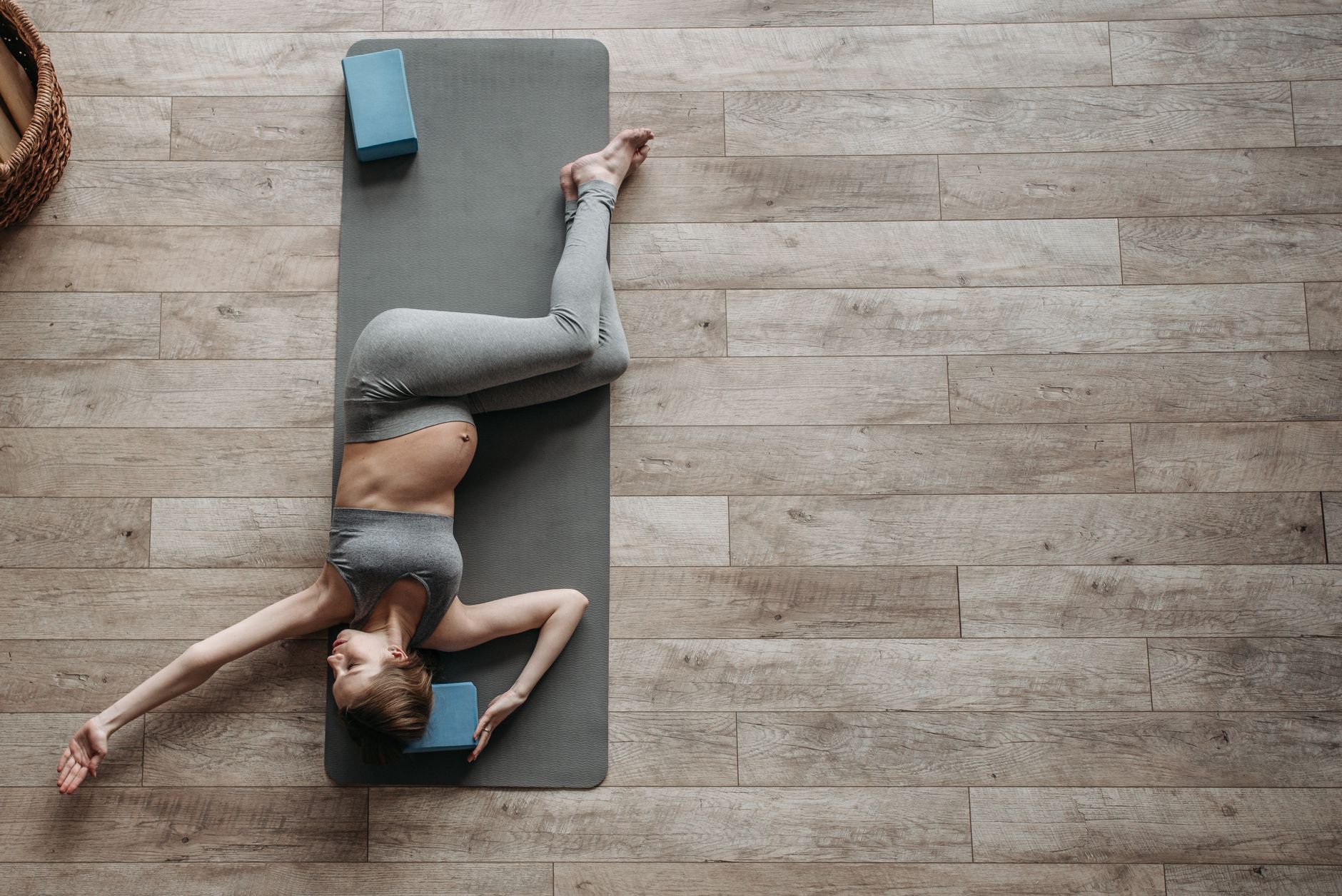
Relieve sore coxis during pregnancy with safe, effective tailbone pain relief methods. Learn causes, exercises, and remedies to ease discomfort naturally.
By Shubhra Mishra — a mom of two who turned her own confusion during pregnancy into BumpBites, a global mission to make food choices clear, safe, and stress-free for every expecting mother. 💛
Check whether any food is safe during pregnancy with the BumpBites Food Safety Checker.
Quick take: Sore coxis (tailbone) pain is common in pregnancy, especially after the second trimester. It’s usually caused by pressure from the growing uterus and changes in posture, and most women find relief with gentle stretches, supportive cushions, and simple lifestyle tweaks. If pain is severe, sudden, or accompanied by numbness, fever, or bleeding, contact your provider right away.
It’s 2 a.m., you’ve just rolled out of bed and feel a sharp, achy sting at the base of your spine. You wonder if that “tailbone ache” is something to worry about or just another pregnancy woe. You’re not alone—many expecting moms experience coxis soreness as their bodies shift to make room for a growing baby. The good news is that most cases are manageable with safe, doctor‑approved strategies, and you can keep moving comfortably through each trimester.
In this guide we’ll explain what a sore coxis is, why it shows up during pregnancy, and how you can soothe it without sacrificing daily life. We’ll walk through the best exercises, the things to avoid, and when you should call your provider. By the end you’ll have a clear plan for tailbone pain relief that fits your schedule, your trimester, and your comfort level.
We’ll also cover related concerns—like how constipation, sciatica, or a changing posture can affect your tailbone, and what signs might signal a more serious issue. All the information is based on guidance from ACOG, NHS, and the Mayo Clinic, and has been reviewed by our medical team.
What causes sore coxis during pregnancy?
The coxis, or tailbone, is the small bony segment at the bottom of the spine. During pregnancy it can become tender for several reasons:
Uterine pressure: As the baby grows, the uterus pushes forward, increasing pressure on the sacrum and coxis.
Hormonal changes: Relaxin loosens ligaments throughout the pelvis to prepare for childbirth, which can make the tailbone more mobile and vulnerable to strain.
Postural shifts: A growing belly often leads to an anterior pelvic tilt and a forward‑leaning posture, placing extra load on the lower back and tailbone.
Weight gain: Each extra kilogram adds stress to the pelvis, especially when you’re standing or walking for long periods.
Trauma or previous injury: A prior fall or coxis fracture can become symptomatic once pregnancy adds new forces.
Many women first notice coxis soreness in the second trimester, around 20 weeks, when the uterus begins to rise above the pelvic brim. However, some report a mild ache as early as the first trimester, especially if they have a history of low back issues.
One of our readers, Maya, described the moment her tailbone “started acting up” at 18 weeks. She was sitting on a hard chair at work, and a sudden jolt when she stood up sent a sharp pain up her spine. The pain lingered for days, prompting her to ask, “Is this normal?” She later learned it was a classic case of uterine pressure combined with a sudden posture change.
Understanding the root causes helps you target relief strategies—whether it’s adjusting your seating, using a cushion, or gently strengthening surrounding muscles. The same mechanisms are highlighted in ACOG’s 2023 guidance on musculoskeletal discomfort in pregnancy. In addition, the NHS notes that prolonged sitting without lumbar support can exacerbate the strain on the coccyx, making ergonomic adjustments a key preventive measure.
Tailbone pain relief during pregnancy exercises
Exercise is safe and often beneficial for coxis discomfort, as long as the movements are low‑impact and avoid excessive bending or twisting. Below are three pregnancy‑approved exercises that specifically target tailbone relief:
Pelvic tilts (cat‑cow on a mat): Kneel on a soft mat with hands under shoulders. Inhale, arch your back (cow) and look up; exhale, round your spine (cat) and tuck the tailbone. Perform 10–15 repetitions, twice daily.
Seated piriformis stretch: Sit on a sturdy chair, place your right ankle over your left knee, and gently lean forward while keeping your back straight. Hold for 20–30 seconds, switch sides. This eases tension in the glutes that can pull on the sacrum.
Wall-supported glute bridges: Lie on your back with knees bent, feet hip‑width apart. Press your hips upward, squeezing the glutes, and hold for 5 seconds. Lower slowly. Do 8–10 reps, focusing on engaging the core without straining the tailbone.
These moves can be done at home or in a prenatal yoga class, and they help stabilize the pelvis while keeping the surrounding muscles supple. The NHS recommends incorporating gentle core work at least three times a week to counteract the forward tilt that often aggravates coxis pain. Remember to breathe deeply with each movement; a steady breath supports spinal alignment and reduces inadvertent tension.
Pelvic tilts are gentle, low‑impact, and can be performed anywhere.
How to alleviate coxis pain while pregnant
Beyond exercises, there are everyday tweaks that can dramatically reduce tailbone pressure:
Use a coccyx cushion: A donut‑shaped pillow distributes weight away from the coxis when sitting. Look for a cushion with a cut‑out at the back and firm enough to support your weight.
Adopt proper sitting posture: Keep your hips and knees at roughly 90 degrees, shoulders relaxed, and avoid slouching. A small lumbar roll can help maintain the natural curve of the lower back.
Sleep on your side with a pillow between knees: This alignment keeps the pelvis neutral and eases pressure on the tailbone.
Stay active with short walks: Gentle walking promotes circulation and prevents stiffness. Aim for 10‑15 minutes several times a day rather than a long, uninterrupted stroll.
Apply heat or cold: A warm compress for 15 minutes can relax tight muscles; an ice pack (wrapped in a cloth) can numb acute soreness after activity.
Maintain a healthy weight gain: Follow your provider’s guidance on nutrition and weight progression to avoid unnecessary extra load on the pelvis.
Incorporating these habits into a daily routine often yields faster relief than any single remedy. For instance, Jenna, who was 24 weeks pregnant, found that swapping her office chair for a coccyx cushion reduced her nightly tailbone throbbing by half within a few days.
Additionally, the ACOG notes that frequent micro‑breaks—standing up for a minute every 30 minutes—can prevent the “static loading” that makes coxis pain worse. Small adjustments, such as placing a footstool under one foot while seated, can also shift the load away from the sacrum. For those who work at a desk, a sit‑stand workstation can be a game‑changer, allowing you to alternate between sitting and standing without over‑loading the tailbone.
Sore coxis during pregnancy third trimester
The third trimester brings the biggest anatomical changes, and tailbone pain can peak during this stage. The uterus now sits high above the pelvis, and the added weight forces the sacrum to tilt forward, intensifying coxis strain. Here’s what to expect and how to cope:
Increased frequency of pain: Many women report daily or even hourly discomfort, especially after prolonged standing.
Greater reliance on supportive devices: A maternity belt or supportive belly band can help redistribute weight away from the tailbone.
Modified exercise routine: Continue low‑impact moves, but limit any that involve deep bending or heavy lifting. Prenatal yoga classes often adapt poses for third‑trimester comfort.
Sleep adjustments: Use a firm mattress topper and place a pillow under the belly for extra support. A small wedge pillow under the hips can also relieve pressure.
At 32 weeks, Maya (from the earlier story) started using a maternity belt and a coccyx cushion. She noted that the belt took the “push” off her lower back, while the cushion prevented direct contact with the tailbone while she worked at the computer. Her pain dropped from a constant ache to occasional twinges after long walks.
Another tip from the NHS: consider a “floor‑level” sleeping surface (a firm mattress on a low platform) to keep the spine aligned. Many women also find relief by placing a thin pillow under the knees while lying on their side, which reduces sacral tilt. A supportive maternity pillow—larger than a standard cushion and designed to cradle the belly and hips—can further off‑load the coccyx during sleep.
Coxis pain during pregnancy symptoms
Knowing the hallmark signs of tailbone soreness helps you differentiate it from other conditions. Typical symptoms include:
Sharp or dull ache at the very bottom of the spine, often worsened by sitting, standing, or getting up from a seated position.
Radiating discomfort into the lower buttocks, sometimes described as a “pin‑prick” sensation.
Increased pain after prolonged walking, driving, or labor‑related positioning.
Occasional bruising‑like tenderness after a fall or bump.
Less common but noteworthy symptoms that warrant medical review are:
Numbness or tingling down the legs (possible sciatic nerve involvement).
Fever, chills, or signs of infection, especially if a previous fracture is present.
Bleeding or unusual discharge.
These “red‑flag” signs could indicate an underlying fracture, infection, or a more serious pelvic issue, and should prompt an immediate call to your provider. The ACOG specifically lists sudden, severe localized pain after trauma as a reason for urgent imaging. It’s also useful to distinguish coxis pain from hemorrhoidal discomfort, which tends to involve itching or a lump rather than a deep bony ache.
Exercises to avoid with sore coxis during pregnancy
While movement is generally beneficial, certain activities can aggravate tailbone pain:
Deep squats or lunges: Excessive forward knee movement can compress the sacrum.
High‑impact cardio (running, jumping): The repeated impact forces the coxis to jolt with each footfall.
Heavy lifting: Carrying heavy grocery bags or weights places direct stress on the pelvis.
Contact sports: Even low‑intensity ball games can cause sudden twists that strain the tailbone.
Yoga poses that heavily bend forward (e.g., deep forward folds): Unless modified with props, these can increase sacral pressure.
If you love a particular activity, look for pregnancy‑specific modifications. For example, replace a deep squat with a wall‑supported “sit‑to‑stand” using a chair for safety, or swap running for a brisk, low‑impact walk. The RCOG recommends using a supportive chair and avoiding any exercise that causes a “pinching” sensation in the coccygeal region. Deep twisting motions—such as seated Russian twists—should also be avoided because they can place shear forces on the sacro‑iliac joints.
Sore coxis during pregnancy treatment options
Most cases resolve with conservative measures, but there are additional options if pain persists:
Treatment
Typical Use
Safety in Pregnancy
Physical therapy
Targeted manual therapy, posture training, and tailored exercises
Generally safe; choose a breathable, adjustable model
Coccyx cushion
Provides pressure relief while seated
Safe; use on any chair, car seat, or office chair
Acetaminophen (Tylenol)
Occasional pain relief
Approved by ACOG for short‑term use; avoid exceeding 3 g/day
Massage therapy
Gentle lumbar and pelvic massage
Safe when performed by a therapist experienced with prenatal clients
In rare cases where a fracture is suspected, imaging (X‑ray with shielding or MRI) may be ordered. Treatment can then include a temporary pelvic brace or, in severe instances, a brief period of bed rest. The NHS advises that any imaging during pregnancy should be performed only when the diagnostic benefit outweighs the theoretical risk. Some clinicians also recommend transcutaneous electrical nerve stimulation (TENS) units for localized pain relief; these devices deliver low‑level electrical currents and have no known adverse effects on the fetus when used as directed.
Can sore coxis during pregnancy be a sign of something serious?
Most tailbone aches are benign, but a few scenarios merit closer attention:
Pelvic fracture: A fall or direct blow can cause a coxis fracture. Persistent, localized pain that doesn’t improve with rest may indicate this.
Infection (osteomyelitis): Rare, but fever, chills, and worsening pain could suggest an infection of the bone.
Pregnancy‑related complications: Severe sacral or coxis pain combined with bleeding, sudden swelling, or loss of bladder control could signal pre‑eclampsia or other urgent conditions.
Neurological involvement: If the pain radiates down the leg, accompanied by numbness, it may be sciatica, which sometimes co‑exists with coxis discomfort.
When any of these red‑flag symptoms appear, it’s vital to contact your obstetrician, midwife, or go to the emergency department. Early evaluation ensures you receive appropriate care and protects both you and your baby. Postpartum, lingering coxis pain may signal pelvic floor weakness, which can be addressed with targeted physiotherapy.
Pregnancy nutrition and coxis health
What you eat can indirectly influence tailbone comfort. Adequate calcium and vitamin D support bone density, while magnesium helps muscles relax and reduces cramping that can pull on the pelvis. The NHS recommends 1,000 mg of calcium daily for pregnant women, obtainable from dairy, fortified plant milks, or leafy greens.
Omega‑3 fatty acids, found in low‑mercury fish like salmon, also have anti‑inflammatory properties that may ease musculoskeletal soreness. If you’re vegetarian or vegan, consider algae‑based supplements, but always discuss dosage with your provider. Hydration is another key factor; staying well‑hydrated keeps intervertebral discs supple, which can lessen pressure on the coccyx during long periods of sitting. Vitamin K (found in kale, broccoli, and fermented foods) works with calcium to support bone mineralization, while adequate protein intake provides the building blocks for tissue repair.
Maternity support belts: choosing the right one
A maternity belt can be a game‑changer in the third trimester, but not all belts are created equal. Look for these features:
Adjustable straps: To accommodate a growing belly without digging into the ribs.
Breathable fabric: Prevents overheating, especially in warmer climates.
Targeted lumbar support: A padded lower‑back panel helps keep the sacrum in a neutral position.
Below is a quick comparison of three popular styles:
Style
Key Feature
Typical Price (USD)
Wrap‑around belt
Full‑circumference, easy to tighten
$30–$45
U‑shaped brace
Supports lower back and hips simultaneously
$45–$70
Elastic band with silicone grip
Lightweight, discreet under clothing
$25–$35
Regardless of style, the ACOG advises that a belt should never feel “tight” to the point of restricting breathing. If you notice shallow breaths or increased heart rate while wearing it, loosen the straps and reassess. When fitting the belt, place it just below the ribcage and snugly around the hips; it should feel supportive but not constrictive.
Alternative therapies: acupuncture, chiropractic, and yoga
Many pregnant women turn to complementary approaches for tailbone relief. Acupuncture, when performed by a certified practitioner experienced with prenatal care, has been shown in small studies to reduce low‑back and pelvic pain by modulating nerve signaling. The NICE guidelines note that acupuncture is a low‑risk option for pregnant patients when proper hygiene and sterile needles are used.
Chiropractic adjustments focusing on the sacroiliac joint can improve pelvic alignment, but it’s essential to see a chiropractor who uses the “log roll” technique rather than high‑velocity thrusts. A 2022 RCOG review highlighted that gentle, instrument‑assisted adjustments are safe in pregnancy and may lessen coxis discomfort.
Finally, prenatal yoga offers a blend of stretching, breathing, and relaxation. Classes that incorporate props—such as bolsters, blocks, and the aforementioned donut cushion—allow you to modify deep forward bends safely. The Mayo Clinic recommends attending a certified prenatal yoga session at least once a week to maintain flexibility without overloading the tailbone. Mindfulness meditation, often paired with yoga, can also lower perceived pain intensity by reducing stress‑related muscle tension.
Side‑sleeping with a pillow between the knees helps keep the pelvis aligned and eases tailbone pressure.
Using a birthing ball for tailbone relief
A birthing (exercise) ball can be a simple, drug‑free way to shift pressure off the coxis. Sitting on a stability ball encourages a gentle rocking motion that opens the sacroiliac joints and reduces compression on the tailbone. The NHS suggests using the ball for 10–15 minutes several times a day, especially after long periods of sitting or standing.
When using a birthing ball, keep your feet flat on the floor and maintain an upright posture. If you feel any sharp pain, stop immediately—some women find that a ball is too low for their height, in which case a higher‑profile ball or a cushion on the seat may be more comfortable. Always check with your provider before starting a new piece of equipment, particularly if you have a history of pelvic instability.
Pelvic floor exercises and coxis comfort
Strengthening the pelvic floor not only supports bladder control but also stabilizes the sacrum and coccyx. Kegel exercises—gentle contractions of the muscles you use to stop urine flow—can be performed anytime, even while seated on a cushion. Aim for three sets of 10 repetitions daily, holding each contraction for a count of three seconds.
In addition to Kegels, “pelvic tilts” performed lying on your back with knees bent can improve the coordination between the abdominal wall and pelvic floor, reducing the tug on the tailbone. The ACOG notes that well‑balanced pelvic floor work can lessen low‑back and coxis pain, especially when combined with proper posture and supportive seating.
When to consider a pelvic brace
If conservative measures fail and pain remains severe, a pelvic brace may be recommended. A brace provides external support to the sacroiliac joints and can limit movement that aggravates the coxis. The brace is usually prescribed after imaging confirms no fracture and after a trial of physical therapy.
Braces are most often fitted in a specialist clinic and should be worn only as directed—typically a few hours a day, gradually increasing as comfort improves. The NHS cautions that prolonged use without professional guidance may weaken core muscles, so a brace is best viewed as a short‑term adjunct to a broader rehab plan.
Doctor’s note
From our medical team: Tailbone pain is usually a mechanical issue caused by the shifting center of gravity and relaxed ligaments. Conservative measures—cushions, posture corrections, and gentle stretches—work for most patients. If pain persists beyond a few weeks, or if you develop any concerning symptoms, we recommend a brief evaluation with a physical therapist or obstetrician to rule out fracture or infection. Acetaminophen remains the first‑line medication for occasional relief, and it’s safe when used as directed.
Myth vs. fact
Myth: You must stop all exercise if your coxis hurts.
Fact: Gentle, low‑impact activity often reduces pain by keeping muscles flexible and improving circulation. Avoid high‑impact moves, but continue with modified stretches and pelvic tilts.
Myth: A coccyx cushion is just a comfort item, not a medical aid.
Fact: Clinical studies show that a properly sized donut cushion can reduce pressure on the tailbone by up to 30 %, making it an effective non‑pharmacologic intervention.
Myth: Tailbone pain always means a serious complication.
Fact: For the vast majority of pregnant women, coxis soreness is benign and resolves with conservative care. Persistent or severe pain, especially with other red‑flag signs, should be evaluated.
Key takeaways
Tailbone pain often begins in the second trimester due to uterine pressure and relaxed ligaments.
Use a coccyx cushion, maintain good posture, and sleep on your side with a pillow between knees.
Gentle exercises—pelvic tilts, seated piriformis stretch, wall‑supported glute bridges—are safe and effective.
Avoid deep squats, high‑impact cardio, and heavy lifting while you’re sore.
Seek medical care if pain is sharp, worsening, accompanied by fever, numbness, or bleeding.
Physical therapy, a maternity belt, and acetaminophen (as directed) are proven treatment options.
Nutrition rich in calcium, magnesium, and omega‑3s supports bone and muscle health, indirectly easing coxis discomfort.
Consider a birthing ball, pelvic floor exercises, or a short‑term pelvic brace if other measures don’t bring relief.
Frequently asked questions
What does a sore coxis during pregnancy feel like?
It usually feels like a dull ache or sharp sting at the very bottom of the spine, worsened by sitting, standing, or getting up; some describe it as a “pin‑prick” in the lower back that radiates into the buttocks.
Can I still exercise with sore coxis during pregnancy?
Yes—low‑impact activities like walking, swimming, and the specific stretches listed above are safe; avoid deep squats, high‑impact cardio, and any moves that involve heavy bending.
How long does sore coxis during pregnancy last?
Most women experience relief within a few weeks of using cushions, adjusting posture, and doing gentle stretches; for some, the discomfort may linger into the third trimester but typically eases after delivery.
Is sore coxis a sign of pregnancy complications?
Usually not, but if pain is severe, sudden, or accompanied by fever, bleeding, numbness, or loss of bladder control, it could signal a fracture, infection, or a more serious obstetric condition and warrants prompt medical evaluation.
Can sore coxis during pregnancy be prevented?
Preventive steps include maintaining a healthy weight gain, using supportive seating early, practicing good posture, and incorporating gentle pelvic stretches throughout pregnancy.
What are the best stretches for coxis pain during pregnancy?
Pelvic tilts, seated piriformis stretch, and wall‑supported glute bridges are the top three; each targets the muscles that support the tailbone without placing undue pressure on the sacrum.
Is it safe to use a heating pad for tailbone pain?
Yes—applying a warm (not hot) compress for 15‑20 minutes can relax surrounding muscles; always place a thin cloth barrier between the pad and skin and avoid use while sleeping.
Will postpartum recovery affect my tailbone pain?
After delivery, many women notice a rapid decrease in coxis discomfort as the uterus shrinks and hormones normalize; however, lingering pelvic floor weakness can keep some soreness around, so continued gentle stretching and core strengthening are recommended.
Can a birthing ball help with tailbone pain?
Yes—sitting on a stability ball encourages gentle rocking that eases sacral pressure and can reduce coxis ache. Use the ball for short sessions (10–15 minutes) several times a day, and stop if you feel sharp discomfort.
Should I wear a support belt after birth if my tailbone still hurts?
Post‑partum, a soft, breathable support belt can provide temporary comfort, but it shouldn’t replace pelvic‑floor exercises. Talk to your provider about how long to use a belt and when to transition to strengthening routines.
When to call your doctor
If you experience any of the following, call your provider immediately: sudden, severe tailbone pain after a fall; pain that doesn’t improve with rest and cushions; fever, chills, or signs of infection; numbness, tingling, or weakness in the legs; bleeding, fluid loss, or loss of bladder/bowel control. This article provides general information only and does not replace personalized medical advice.
References
American College of Obstetricians and Gynecologists (ACOG). “Physical Activity and Exercise During Pregnancy and the Postpartum Period.” 2023 Clinical Guidance.
National Health Service (NHS). “Back pain in pregnancy.” Updated 2022.
Mayo Clinic. “Pregnancy back pain: Causes and treatment.” Reviewed 2023.
World Health Organization (WHO). “Relaxin and pregnancy.” Technical Report, 2021.
American Academy of Pediatrics (AAP). “Safe medication use in pregnancy.” 2022.
Royal College of Obstetricians and Gynaecologists (RCOG). “Management of low back pain in pregnancy.” 2022 guideline.
National Institute for Health and Care Excellence (NICE). “Pregnancy and childbirth guidelines.” 2022.
National Institute for Health and Care Excellence (NICE). “Acupuncture for low‑back pain in pregnancy.” 2022.
American College of Obstetricians and Gynecologists (ACOG). “Red‑flag signs in musculoskeletal pain during pregnancy.” 2023.
Not sure about the label on Sore Coxis During Pregnancy Tailbone Pain Relief products?
Snap the ingredients list and SafeFilter checks every ingredient for your stage — only 3 free scans this month, then you're locked until reset. Unlimited from $7/mo or $50/yr.
When Shubhra Mishra was expecting her first child in 2016, she was overwhelmed by conflicting food advice — one site said yes, another said never. By the time her second baby arrived in 2019, she realized millions of mothers face the same confusion.
That sparked a five-year journey through clinical nutrition papers, cultural diets, and expert conversations — all leading to BumpBites: a calm, compassionate space where science meets everyday motherhood.
Her long-term vision is to build a global community ensuring safe, supported, and free deliveriesfor every mother — because no woman should face pregnancy alone or uninformed. 🌿
🌍 Stand with mothers, shape safer guidance
Join a small circle of experts who review BumpBites articles so expecting parents everywhere can decide with confidence.