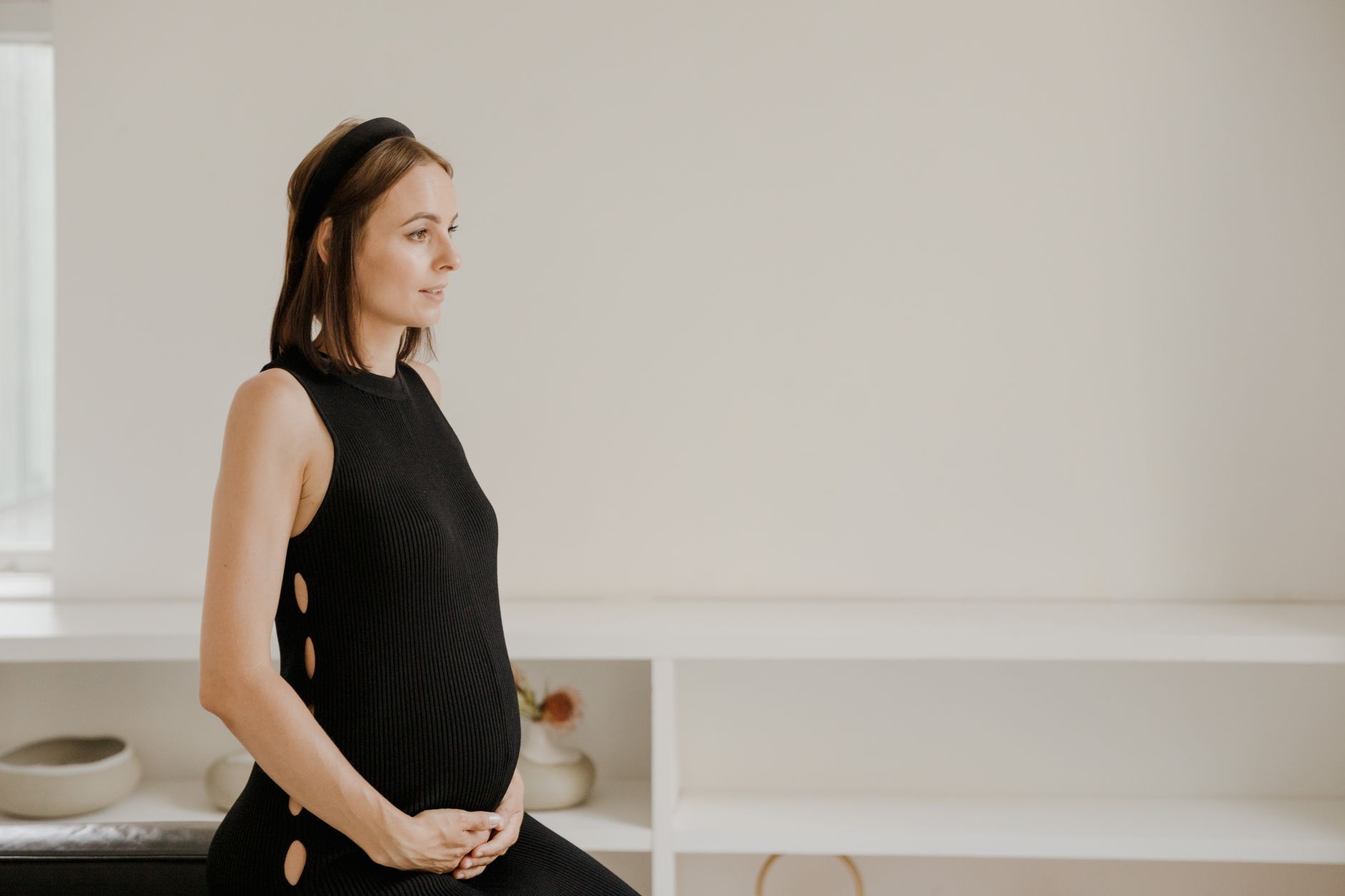
The answer: proper posture can reduce sore upper back pain during pregnancy. Learn posture tips, safe exercises, and when to seek help to ease discomfort.
By Shubhra Mishra — a mom of two who turned her own confusion during pregnancy into BumpBites, a global mission to make food choices clear, safe, and stress-free for every expecting mother. 💛
Check whether any food is safe during pregnancy with the BumpBites Food Safety Checker.
Quick take: Sore upper back during pregnancy is common and usually stems from hormonal loosening of ligaments, shifting weight, and posture changes. Simple posture tweaks, safe stretches, supportive pillows or belts, and gentle exercises can ease the discomfort. If pain is sharp, radiates to the legs, or is accompanied by fever or numbness, contact your provider right away.
It’s 2 a.m., you’ve just woken up with a tight, achy band across your upper back, and you’re wondering whether it’s “normal” or a sign of something more serious. You’re not alone—many expectant mothers report the same nagging pain, especially as the belly grows and the body adjusts.
The good news is that most upper‑back soreness is manageable with a few posture tricks, targeted stretches, and supportive gear. In this guide we’ll break down why the pain happens, how to move and rest safely, when to seek medical help, and what to expect after delivery. We’ll also answer the most‑asked questions, from sleeping positions to over‑the‑counter pain relief.
How does pregnancy cause sore upper back pain and what posture changes help?
During pregnancy, the hormone relaxin loosens the ligaments that hold the spine together, allowing the rib cage and pelvis to expand for the growing baby. At the same time, the uterus adds several pounds of weight, shifting your center of gravity forward. Your muscles work overtime to keep you balanced, and the upper back often bears the brunt of that extra load.
Progesterone, another pregnancy hormone, relaxes the smooth muscle in the walls of blood vessels, which can lead to a subtle swelling of the thoracic spine’s supporting tissues. As the breasts enlarge and the rib cage widens, many women develop a mild thoracic kyphosis—an exaggerated curve in the upper spine—that further strains the scapular muscles.
Key posture changes can dramatically reduce strain:
Standing tall: Keep your ears aligned with your shoulders, pull your shoulder blades gently together, and engage your core muscles (think of gently pulling your belly button toward your spine). This alignment distributes weight evenly across the spine.
Hip‑hinge, not forward‑bend: When you need to pick something up, hinge at the hips while keeping the chest open. This protects the lumbar and thoracic spine.
Weight distribution: Use a supportive shoe with low heel; avoid high heels that push the pelvis forward.
Many women notice that the pain intensifies after the second trimester, when the belly becomes noticeably heavier. A simple self‑check can help you spot poor posture: stand sideways to a mirror; if your chin is jutting forward or your shoulders are rounding, you’re likely over‑pronating the upper back.
One reader described how she “caught herself slouching while on a Zoom call, and a quick reminder to roll her shoulders back instantly eased the ache.” Small, frequent posture resets are more effective than waiting until the pain spikes.
Good posture starts with shoulders back and a gently engaged core.
In addition to visual cues, using a simple “wall test” can be helpful: stand with your back against a wall, heels about six inches away. If you can touch the wall with the back of your head, shoulders, and lower back without excessive effort, you’re close to a neutral spine. Adjust as needed throughout the day.
What are the best exercises and prenatal yoga poses for relieving upper back pain during the second trimester?
Exercise remains safe and beneficial throughout pregnancy, provided you avoid high‑impact or overly strenuous moves. For the upper back, focus on low‑impact strength, mobility, and gentle stretching.
Cat‑Cow (Marjaryasana‑Bitilasana): On hands and knees, inhale to arch the back (cow), exhale to round it (cat). This mobilises the thoracic spine and releases tension.
Wall Angels: Stand with back against a wall, elbows at 90°, slide arms up and down like a snow angel. This opens the chest and strengthens the upper back muscles.
Seated Twist (Ardha Matsyendrasana variation): Sit on a chair, place the right hand on the left knee, twist gently, and look over the shoulder. Switch sides. This stretches the intercostal muscles and the upper spine.
Modified Downward‑Facing Dog: From a tabletop position, lift hips up and back, keeping knees slightly bent. This elongates the spine and shoulders.
When performing any movement, keep the breath steady and avoid any pain that feels sharp or radiates down the arms. Aim for 10‑15 repetitions of each exercise, 3‑4 times a week. Consistency is more important than intensity.
Adding diaphragmatic breathing to each stretch deepens the muscle relaxation and engages the core without straining the abdomen. For example, inhale for three counts, expand the belly, then exhale while performing the stretch.
For a prenatal‑yoga‑focused routine, try a 20‑minute flow that combines the above moves with the “Thread the Needle” stretch (kneeling, slide one arm under the opposite armpit) and gentle side‑bends. Many community classes offer pregnancy‑specific sessions, and the instructor can tailor poses to your comfort level.
Swimming or water‑based aerobics can also be a low‑impact way to strengthen the upper back while supporting the spine with buoyancy. The water’s resistance encourages gentle activation of the rhomboids and trapezius without over‑loading the joints.
Can sleeping positions and relief pillows reduce sore upper back in pregnancy?
Sleep is a nightly reset for the spine, and the right position can relieve upper‑back pressure. The best sleep posture for most pregnant people is on the left side with a pillow between the knees. This not only improves circulation but also prevents the belly from compressing the rib cage.
For upper‑back comfort, add a full‑body pillow or a dedicated upper‑back pillow (often shaped like a small bolster). Place it behind the upper back while you lie on your side; it supports the thoracic spine and prevents the shoulders from collapsing forward.
A common alternative is a memory‑foam wedge placed under the upper back when sleeping on the back (if you do so early in pregnancy). This gently lifts the chest, opening the rib cage and reducing strain on the scapular muscles.
One expectant mother shared that “using a pregnancy pillow that cradles my belly and supports my upper back made me wake up pain‑free for the first time in months.” Experiment with pillow placement until you find a configuration that feels supportive without restricting breathing.
Mattress firmness also matters. A medium‑firm surface provides enough support for the spine while allowing slight contouring for comfort. If your mattress is too soft, a mattress topper can add needed stability.
Side‑sleeping with a full‑body pillow can ease upper‑back tension.
When should you see a doctor for upper back pain while pregnant, and what red‑flag symptoms matter?
Most upper‑back soreness is benign, but certain signs indicate a need for prompt medical evaluation:
Sharp, stabbing pain that radiates to the abdomen, groin, or legs.
Persistent fever, chills, or unexplained weight loss.
Numbness, tingling, or weakness in the arms or legs.
Sudden loss of bladder or bowel control.
Pain that worsens with lying flat and improves only when upright.
If you experience any of these, contact your obstetrician, midwife, or seek emergency care. Conditions such as a herniated disc, gallbladder disease, or, rarely, pre‑eclampsia‑related headaches can present with upper‑back pain and need timely treatment.
Pre‑eclampsia often begins with severe upper‑back or epigastric pain, especially after 20 weeks. The NHS advises that any new, persistent upper‑back pain accompanied by visual changes, swelling, or high blood pressure warrants immediate assessment.
Even without red‑flags, it’s worthwhile to discuss persistent discomfort during prenatal visits. Your provider can assess spinal alignment, recommend physical therapy, or order imaging if needed.
Does a maternity support belt help with upper back posture pain, and are there other supportive devices?
A maternity support belt (often called a belly band) can off‑load some of the forward‑pull on the spine, especially during the later third trimester. Look for a belt that:
Wraps around the lower abdomen and hips, providing gentle compression.
Has adjustable straps so you can tighten or loosen as your belly grows.
Allows you to breathe comfortably and does not restrict blood flow.
Studies from the American College of Obstetricians and Gynecologists (ACOG) note that belts may reduce low‑back pain but have mixed evidence for upper‑back relief. Many women find that a belt combined with a supportive pillow yields the best results.
Other devices to consider:
Device
Primary Support Area
Typical Use
Full‑body pregnancy pillow
Upper back, hips, belly
Sleeping and resting
Upper‑back bolster pillow
Thoracic spine
Side‑sleeping or seated support
Maternity belt
Lower back & pelvis
Standing, walking, light activity
Ergonomic chair with lumbar roll
Lumbar & thoracic
Desk work
When fitting a belt, make sure it sits below the rib cage and does not press directly on the breast tissue, which could cause discomfort. Wear it for short periods—perhaps while grocery shopping or standing in line—to gauge comfort. If you notice increased restriction or skin irritation, discontinue use and consult your provider.
Tips for proper sitting posture, car seat adjustments, and ergonomic workstations to prevent upper back soreness in pregnancy?
Most of your day is spent sitting—whether at a desk, in a car, or on the couch. Here’s how to keep the upper back happy:
Chair height: Adjust so your feet rest flat on the floor and your knees are level with hips.
Lumbar support: Use a small cushion or rolled‑up towel to fill the curve of your lower back; this encourages a natural thoracic curve as well.
Screen level: The top of your monitor should be at eye level, preventing you from craning your neck forward.
Armrests: Keep elbows close to the body at a 90° angle; avoid hunching forward.
In the car, slide the seat forward enough that you can reach the steering wheel with a slight bend in the elbows. Place a small lumbar roll or a rolled‑up towel behind your lower back. If you’re a passenger, sit on the left side (driver’s side) and use a small pillow behind the upper back.
Take micro‑breaks every 30‑45 minutes: stand, roll your shoulders, and do a few wall angels. This habit prevents stiffness from building up.
If you work at a standing desk, keep the monitor at the same height as a seated setup and use a supportive mat to avoid fatigue in the legs and lower back, which can cascade upward to the thoracic region.
How to stretch tight shoulders and upper back safely during pregnancy?
Gentle stretching can release muscle tension without overstretching the ligamentous structures softened by relaxin. Perform each stretch for 20‑30 seconds, breathing deeply.
Shoulder Rolls: Lift shoulders toward ears, roll them back and down. Repeat 10 times.
Chest Opener: Stand near a doorway, place forearms on the door frame at shoulder height, gently step forward until a stretch is felt across the chest and front shoulders.
Upper‑Back Stretch (Thread the Needle): From tabletop, slide the right arm under the left armpit, lowering the right shoulder to the floor. Hold, then switch sides.
Seated Forward Reach: Sit on a sturdy chair, interlace fingers behind your head, and gently press elbows forward while rounding the upper back.
Never bounce during stretches, and stop if you feel sharp pain. These movements can be done several times a day, especially after long periods of sitting or standing.
Using a yoga strap or a rolled towel can deepen the chest opener without forcing the shoulders beyond their comfortable range. This is especially helpful in later pregnancy when the rib cage may feel tighter.
Impact of weight gain, body shape changes, and postpartum recovery on upper back health?
Weight gain of 25–35 lb (11–16 kg) is typical for many pregnancies, but the distribution matters. As the belly expands, the rib cage widens and the shoulder blades may tilt inward, increasing upper‑back strain.
After delivery, the hormone relaxin levels drop, and ligaments tighten again. However, the muscles that were overstretched may remain weak, leading to lingering soreness. Postpartum recovery strategies include:
Gradual re‑introduction of core work: Pelvic tilts, diaphragmatic breathing, and gentle abdominal activation.
Continuing the stretching routine: Shoulder rolls and wall angels remain helpful.
Physical therapy: A postpartum PT can target thoracic mobility and address any lingering alignment issues.
Many mothers report that “once I started doing the same prenatal stretches after birth, my upper‑back pain faded within a few weeks.” Patience and consistency are key; avoid heavy lifting or high‑impact workouts until cleared by your provider.
Breastfeeding can also affect posture. Holding a baby at chest level for extended periods may cause forward rounding of the shoulders. Using a nursing pillow and alternating sides can keep the thoracic spine more neutral.
How does stress and anxiety influence upper‑back pain during pregnancy?
Emotional stress often shows up as muscular tension, especially in the neck and upper back. The body’s “fight‑or‑flight” response releases cortisol, which can heighten sensitivity to pain and cause the shoulder girdle to tighten.
Mind‑body practices such as guided meditation, progressive muscle relaxation, or prenatal yoga breathing sequences have been shown by the NHS to reduce perceived back pain by up to 30 % in pregnant participants. Even a short, 5‑minute diaphragmatic breathing break can lower muscle tone in the upper trapezius.
If anxiety feels overwhelming, consider talking with a mental‑health professional who specializes in perinatal care. The American College of Obstetricians and Gynecologists (ACOG) recommends integrating mental‑health screening into routine prenatal visits, because stress‑related muscle tension can compound mechanical strain.
Can heat or cold therapy safely relieve upper‑back soreness?
Thermal modalities are a quick, drug‑free way to manage mild muscular discomfort. A warm compress or a low‑heat heating pad applied for 15‑20 minutes can increase blood flow, relax tight muscles, and reduce stiffness. The NHS advises using a moderate temperature (no hotter than 104 °F/40 °C) and never falling asleep with a heating pad on.
Cold therapy—such as a gel pack or a bag of frozen peas wrapped in a thin towel—can numb sharp, inflammatory pain and diminish swelling after a sudden strain. Apply cold for 10‑15 minutes, then wait at least an hour before re‑applying.
Both heat and cold should be used on a protective barrier (a towel or cloth) to avoid skin irritation. If you have any skin conditions, reduced sensation, or circulatory issues, check with your provider before using thermal treatments.
Warm compresses can gently loosen tight upper‑back muscles.
Nutritional support for healthy muscles and joints in pregnancy
Nutrition plays a subtle but important role in musculoskeletal health. Adequate protein (about 70 g per day per ACOG) provides the building blocks for muscle repair, while calcium (1,000 mg) and vitamin D (600 IU) support bone density.
Omega‑3 fatty acids—found in low‑mercury fish like salmon, chia seeds, and walnuts—help reduce inflammation that can aggravate muscle soreness. Magnesium (350 mg) assists with muscle relaxation; a handful of almonds or a banana can boost intake.
If you’re vegetarian or vegan, consider fortified plant milks and a prenatal vitamin that includes vitamin B12, iron, and iodine, all of which contribute to overall tissue health. The NHS notes that maintaining a balanced diet with these nutrients can lessen the frequency of pregnancy‑related musculoskeletal complaints.
Stay well‑hydrated; dehydration can increase muscle cramping. Aim for at least 8‑10 cups of water daily, more if you’re active or live in a warm climate.
From our medical team: Upper‑back discomfort is a normal part of pregnancy for many, but it doesn’t have to be a constant companion. Simple posture checks, supportive pillows, gentle stretching, and low‑impact exercise usually keep the pain at bay. If you ever feel a new, severe, or radiating pain, reach out to your provider promptly—early evaluation protects both you and your baby.
Myth vs. fact
Myth: “If I can’t sleep on my back, I’ll hurt the baby.”
Fact: Sleeping on the back becomes uncomfortable after the second trimester because the uterus can compress major blood vessels, but it does not directly harm the baby. Side‑sleeping with pillows is safer and reduces upper‑back strain.
Myth: “All back pain in pregnancy requires medication.”
Fact: Most back pain can be managed with posture, stretches, and non‑pharmacologic support. Over‑the‑counter pain relievers like acetaminophen are considered safe, but NSAIDs (ibuprofen) should be avoided after 20 weeks unless specifically advised.
Myth: “A maternity belt cures upper‑back pain.”
Fact: Belts primarily support the lower back and pelvis; they may help indirectly, but targeted upper‑back stretches and proper posture are essential for relief.
Key takeaways
Relaxin loosens ligaments, and weight gain shifts your center of gravity—both contribute to upper‑back soreness.
Sleep on your left side with a supportive pillow behind the upper back; consider a full‑body pregnancy pillow.
Use a maternity belt or upper‑back bolster only if they feel comfortable; they supplement—not replace—good posture.
Adjust chairs, car seats, and workstations to keep the spine aligned; take micro‑breaks every 30 minutes.
Seek medical care if pain is sharp, radiates, or is accompanied by fever, numbness, or bladder changes.
After birth, continue gentle stretches and core re‑training to restore upper‑back health.
Manage stress with breathing or meditation, and consider safe heat or cold therapy for occasional muscle aches.
Support muscles and joints with protein, calcium, magnesium, omega‑3s, and adequate hydration.
Frequently asked questions
What causes upper back pain during pregnancy?
Upper‑back pain is usually caused by the hormone relaxin loosening spinal ligaments, weight gain pulling the shoulders forward, and altered posture as the belly expands.
Is it normal to have sore upper back in the third trimester?
Yes—most women experience increased upper‑back discomfort in the third trimester due to added weight and further postural changes, but the pain should be manageable with the strategies outlined here.
Can I exercise with upper back pain while pregnant?
Gentle, low‑impact exercises such as cat‑cow, wall angels, and prenatal yoga are safe and can actually reduce pain; avoid high‑impact or heavy‑lifting activities that worsen soreness.
What sleeping position is best for back pain in pregnancy?
Sleeping on your left side with a pillow between the knees and a small bolster behind the upper back is the most supportive position for both upper‑ and lower‑back comfort.
When should I contact my doctor about back pain in pregnancy?
Call your provider if the pain is sharp, radiates to the legs, is accompanied by fever, numbness, weakness, or changes in bladder/bowel function, or if it suddenly worsens.
Do maternity belts help with upper back posture issues?
Maternity belts primarily support the lower back and pelvis; they can indirectly ease upper‑back strain when combined with proper posture and supportive pillows, but they are not a stand‑alone solution.
Can I get a prenatal massage for upper‑back pain?
Yes—many licensed prenatal massage therapists use gentle techniques that relax the upper back without applying deep pressure on the spine. Always confirm the therapist’s credentials and inform them of any discomfort during the session.
Is acupuncture safe for upper‑back pain in pregnancy?
Acupuncture performed by a certified practitioner experienced in pregnancy care is generally considered safe and may help reduce muscular tension. Discuss it with your provider first to ensure it aligns with your overall prenatal plan.
When to call your doctor
If you experience any of the following, seek medical attention promptly: sudden, severe pain; pain that spreads to the abdomen, groin, or legs; numbness, tingling, or weakness; fever, chills, or unexplained weight loss; or loss of bladder/bowel control. This information is for educational purposes only and does not replace personalized medical advice. Always consult your own healthcare provider with any concerns.
References
American College of Obstetricians and Gynecologists (ACOG). “Physical Activity and Exercise During Pregnancy and the Postpartum Period.” 2023 Clinical Guidance.
National Health Service (NHS). “Back pain during pregnancy.” Updated 2022.
Centers for Disease Control and Prevention (CDC). “Pregnancy: Relaxin and ligament changes.” 2021.
Royal College of Obstetricians and Gynaecologists (RCOG). “Managing musculoskeletal pain in pregnancy.” 2022.
Mayo Clinic. “Pregnancy back pain: causes and treatment.” 2023.
International Federation of Gynecology and Obstetrics (FIGO). “Guidelines on non‑pharmacologic pain management in pregnancy.” 2022.
American Academy of Pediatrics (AAP). “Safe use of acetaminophen during pregnancy.” 2021.
World Health Organization (WHO). “Maternal health and posture recommendations.” 2022.
National Institute for Health and Care Excellence (NICE). “Stress and anxiety in pregnancy.” Updated 2023.
American College of Obstetricians and Gynecologists (ACOG). “Acupuncture and complementary therapies in pregnancy.” 2022.
National Health Service (NHS). “Heat and cold therapy for musculoskeletal pain.” 2021.
Academy of Nutrition and Dietetics. “Nutrients for musculoskeletal health during pregnancy.” 2022.
Not sure about the label on Sore Upper Back Pregnancy Posture And Pain products?
Snap the ingredients list and SafeFilter checks every ingredient for your stage — only 3 free scans this month, then you're locked until reset. Unlimited from $7/mo or $50/yr.
When Shubhra Mishra was expecting her first child in 2016, she was overwhelmed by conflicting food advice — one site said yes, another said never. By the time her second baby arrived in 2019, she realized millions of mothers face the same confusion.
That sparked a five-year journey through clinical nutrition papers, cultural diets, and expert conversations — all leading to BumpBites: a calm, compassionate space where science meets everyday motherhood.
Her long-term vision is to build a global community ensuring safe, supported, and free deliveriesfor every mother — because no woman should face pregnancy alone or uninformed. 🌿
🌍 Stand with mothers, shape safer guidance
Join a small circle of experts who review BumpBites articles so expecting parents everywhere can decide with confidence.