If you’ve ever felt like you’re playing whack-a-mole with your toddler’s screen time—one minute they’re engrossed in *Paw Patrol*, the next they’re begging for “just five more minutes”—you’re not imagining it. The guidelines are clear, but the execution? That’s where the chaos lives.
The American Academy of Pediatrics (AAP) sets the standard: no screen time for toddlers under 2 years old, except for video calls with family or friends (like FaceTime with Grandma). For children ages 2–5, the recommendation is 1 hour per day of high-quality content—co-viewed with an adult. That means no solo tablet time; you’re there to discuss, ask questions, and make the experience interactive.
But here’s the catch: these guidelines are averages. Life doesn’t run on averages. Some days, you’re running late for daycare; other days, you’re exhausted and need a 10-minute break. The AAP also acknowledges that context matters. A 30-minute episode of *Daniel Tiger* during a busy morning might be fine if it’s followed by outdoor play. But if screens replace meals, naps, or family time, that’s when the risks kick in.
**What’s your reality?** If you’re feeling overwhelmed, take a breath. Most experts agree that consistency is more important than perfection. Start by tracking your toddler’s screen time for a week—jot down the apps, shows, and times. You might be surprised by how much “screen time” is actually passive background noise (like *Baby Shark* in the background while you fold laundry).

**Pro tip:** If you’re struggling to meet the 1-hour limit, focus on quality over quantity. A 20-minute session of *Bluey* with you pointing out the characters’ emotions might be more valuable than an hour of passive scrolling through *Cocomelon*.
For more on how to navigate screen-time debates, check out our deep dive: Screen Time Debate for Toddlers: How Much Is Too Much?
---
Screen time guidelines for toddlers 18–24 months: What the experts say
If you’re a parent of a 18–24-month-old, you might be thinking: “Wait, the AAP says no screen time at all? Even for educational apps?” The answer is yes—unless it’s a video call. But why? Let’s break it down.
The AAP’s stance isn’t about being anti-tech; it’s about brain development. Toddlers this age are in the midst of rapid growth in language, motor skills, and social cognition. Screens can’t replicate the real-time interaction needed for these skills to flourish. For example, a study in Pediatrics (2016) found that passive screen exposure—like background TV—was linked to slower language development in toddlers. That’s because screens don’t encourage the back-and-forth conversation that helps kids learn new words.
But what about educational content? The AAP still advises against it for under-2s. Why? Because even “educational” apps often rely on passive learning—like tapping buttons to make sounds—rather than active engagement. A 2019 study in JAMA Pediatrics found that screen time for toddlers was associated with poorer cognitive development, including attention and problem-solving skills. The key takeaway? No screen time for under-2s is the safest bet.
**What if my toddler loves screens?** If your little one is already hooked on tablets or TV, don’t panic. The goal isn’t to erase all screen time overnight but to replace it with more enriching activities. Start small: offer a puzzle instead of a show, or read a book together. If your toddler is resistant, try Time-In strategies—like sitting with them while they play with a toy instead of a screen.
**Myth:** “A little screen time won’t hurt.”
Fact: The AAP’s guidelines are based on cumulative evidence showing that even small amounts of screen time can disrupt sleep, attention, and social skills in toddlers. The earlier you start limiting screens, the easier it is to build healthy habits.
---
Effects of too much screen time on toddler development
Let’s talk about the elephant in the room: what happens if we cross the line? The research is clear—excessive screen time isn’t just a minor inconvenience; it can impact your toddler’s development in ways that last well into childhood.
**1. Language delays:** Studies show that toddlers who spend more than an hour a day in front of screens are more likely to have slower language development. This isn’t just about vocabulary—it’s about conversational skills. When kids are watching screens, they’re not practicing turn-taking, responding to questions, or engaging in the give-and-take of real conversation.
**2. Reduced physical activity:** Too much screen time means less time for crawling, running, or climbing—activities that build gross and fine motor skills. A 2020 study in Pediatric Obesity found that toddlers with high screen time were more likely to be overweight by age 3. The link isn’t just about calories; it’s about sedentary behavior replacing active play.
**3. Sleep disruption:** Blue light from screens messes with melatonin production, making it harder for toddlers to fall asleep. The AAP warns that even 30 minutes of screen time before bed can delay sleep by up to an hour. And poor sleep? It’s linked to moodiness, difficulty focusing, and even obesity in toddlers.
**4. Attention and behavior issues:** Research from the Harvard Medical School suggests that excessive screen time can reduce impulse control and increase hyperactivity in toddlers. This isn’t just about “being a screen zombie”—it’s about how screens can rewire attention patterns in young brains.
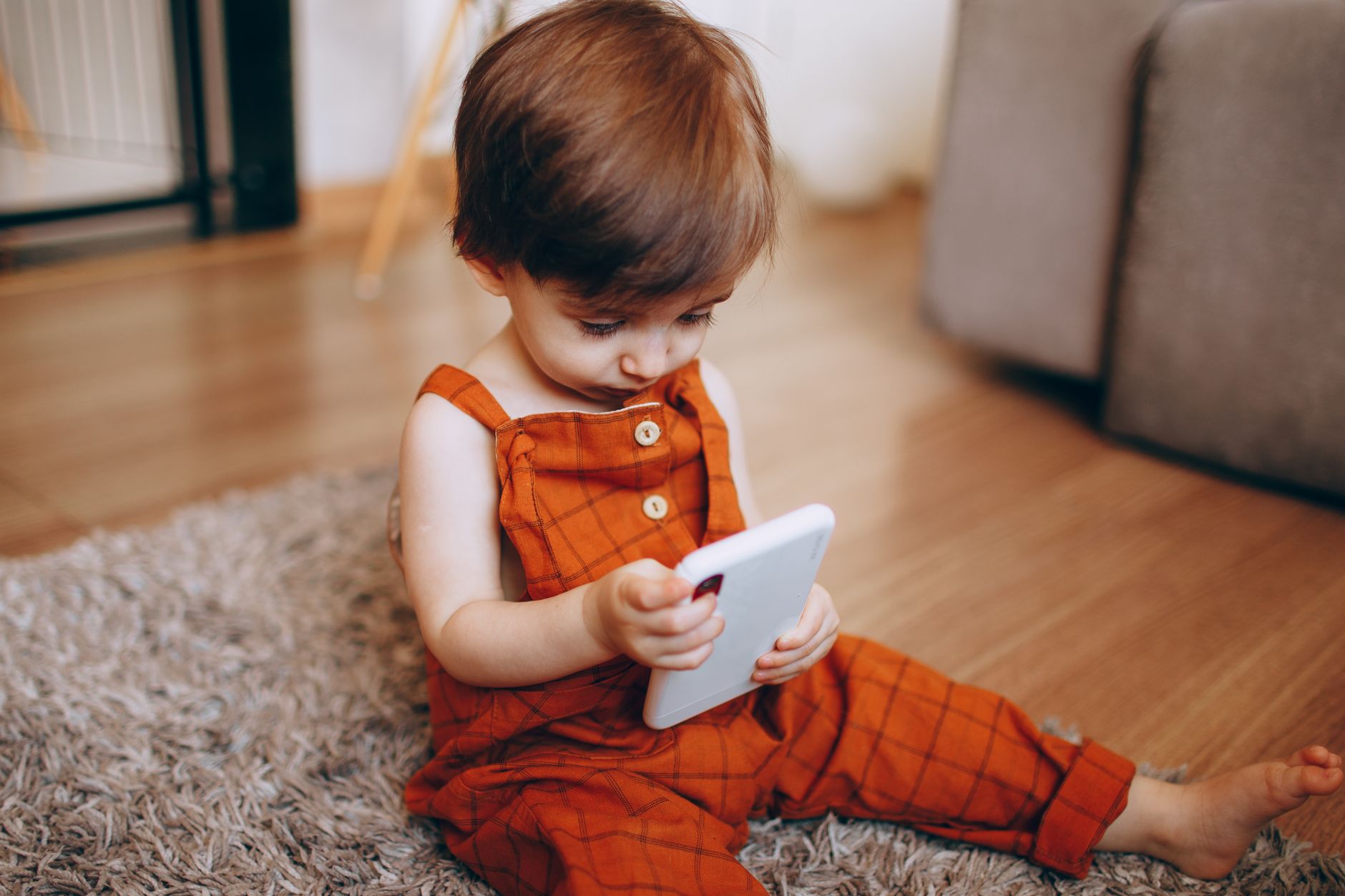
**What’s the bottom line?** The risks aren’t about occasional screen time—they’re about replacing hands-on play, family time, and outdoor exploration with passive entertainment. If your toddler’s screen time is replacing meals, naps, or outdoor time, it’s time to make a shift.
---
Alternatives to screen time for toddlers: What to do instead
So, what’s the alternative to screens? The good news is that toddlers thrive on simple, engaging activities—no fancy equipment required. Here’s how to fill those screen-free hours with joy (and maybe even some cooperation).
**1. Sensory play:** Toddlers learn through their senses. Try:
- Water play (cups, spoons, and a tub of water—messy but magical).
- Sensory bins (rice, beans, or kinetic sand with scoops and toys).
- Playdough (homemade with flour, salt, and water is easy to make).
**2. Outdoor time:** Even 15 minutes outside makes a difference. Try:
- Bubble blowing.
- Chasing butterflies.
- Digging in a sandbox.
**3. Pretend play:** Toddlers love to imitate. Set up a “tea party” with plastic cups, or let them “cook” with toy pots and pans. You can even act out daily routines—like washing dishes or feeding a stuffed animal.
**4. Music and movement:** Sing songs, dance, or play instruments (even pots and wooden spoons work!). Music boosts language development and coordination.
**5. Reading together:** Even 5 minutes a day adds up. Point to pictures, ask questions, and let your toddler “read” to you. Reading aloud is one of the best ways to build a love of learning.
**6. Simple crafts:** Sticker books, coloring (with washable markers), or tearing paper are great for fine motor skills.
**Pro tip:** Rotate activities to keep things fresh. If your toddler gets bored with blocks one day, try a ball pit or a cardboard box fort the next. The key is to follow their lead—if they’re engrossed in stacking cups, let them go for it.
**What if my toddler refuses?** Some toddlers are used to screens as their default activity. If they’re resistant, try gradual transitions. For example, replace 10 minutes of screen time with 10 minutes of playtime, then build from there. You can also use Time-In strategies to help them transition smoothly.
---
Screen time limits for toddlers with ADHD
If your toddler has ADHD—or even if they’re just extra wiggly—you might be wondering: is screen time the only thing keeping them calm? The short answer? Maybe. But it’s not the healthiest long-term solution.
ADHD brains often seek stimulation, and screens provide an easy fix. But too much screen time can worsen hyperactivity, impulsivity, and attention problems over time. A 2021 study in JAMA Network Open found that excessive screen time in toddlers was linked to poorer executive function—the ability to focus, plan, and control impulses—down the road.
So how do you set limits without creating a meltdown? Start with these strategies:
**1. Use screens as a reward, not a default.** Instead of handing over a tablet when your toddler is restless, try:
- Offering a “screen pass” after they complete a task (like putting on shoes).
- Using a visual timer (like a sand timer) to show when screen time ends.
**2. Choose interactive content.** For toddlers with ADHD, passive shows like *Cocomelon* aren’t as engaging as interactive apps like *Khan Academy Kids* or *Endless Alphabet*. These encourage problem-solving and engagement.
**3. Pair screens with movement.** If your toddler is fidgety, try pairing screen time with a movement break. For example, watch a show while doing jumping jacks or dancing.
**4. Set clear expectations.** Use a visual schedule to show when screen time starts and ends. For example:
- “After breakfast, we have 20 minutes of *Bluey*. Then it’s time for blocks.”
**5. Talk to your pediatrician.** If screen time is the only thing keeping your toddler calm, there may be underlying issues—like sensory processing differences or anxiety—that need support. Occupational therapy or behavioral strategies can help.
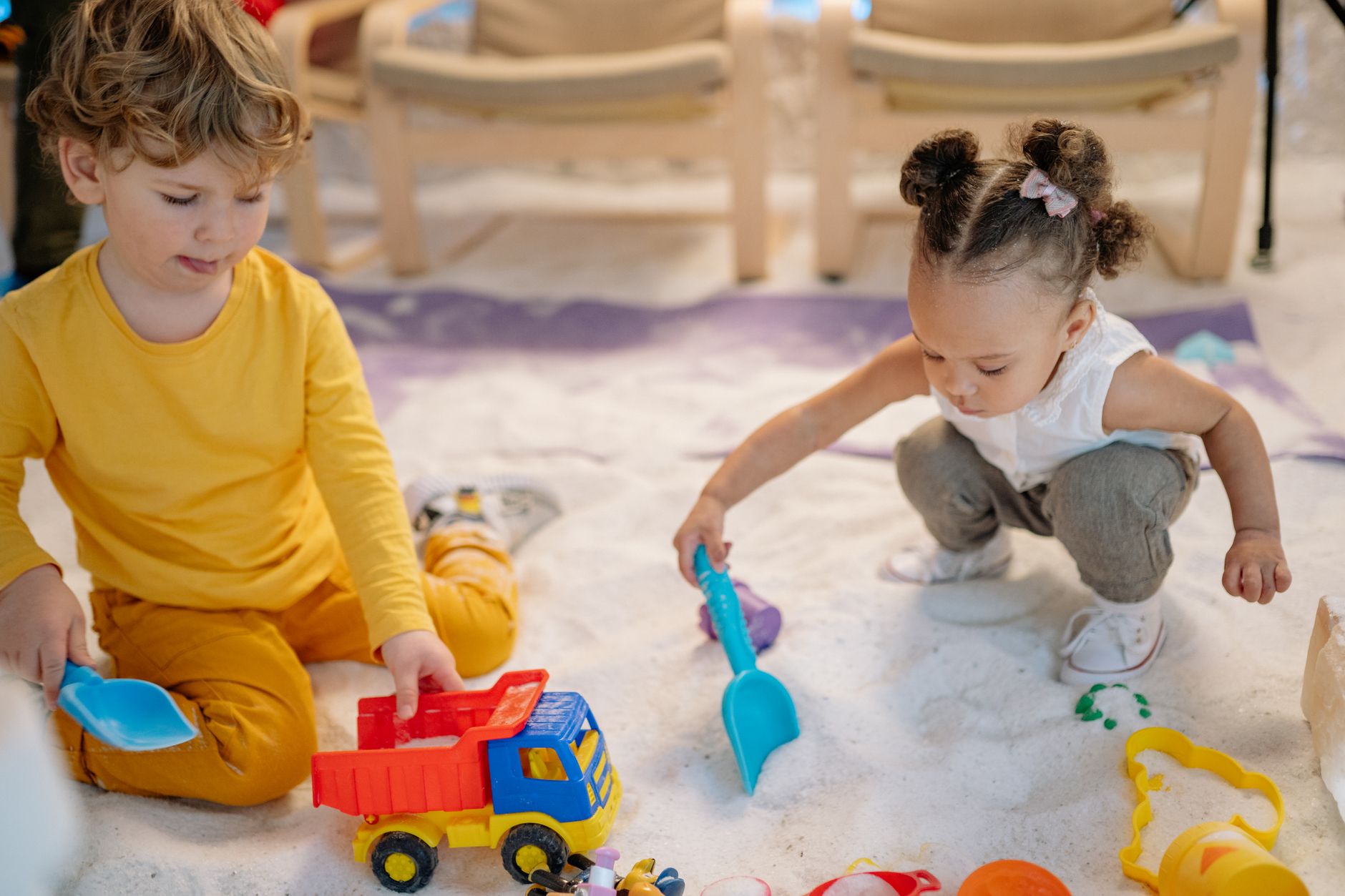
**Myth:** “ADHD toddlers need screens to function.”
Fact: While screens can provide temporary calm, they don’t address the root causes of ADHD. Movement, structure, and one-on-one attention are far more effective long-term tools.
---
Screen time and sleep in toddlers: How to break the blue light cycle
If your toddler is up at 8 PM like a night owl, you’re not alone. But if screens are part of the problem, it’s time to make a change. Blue light from screens suppresses melatonin, the hormone that helps you fall asleep. For toddlers, this means delayed bedtime, lighter sleep, and grogginess the next day.
Here’s how to break the cycle:
**1. Set a screen curfew.** The AAP recommends no screens at least 1 hour before bedtime. For toddlers, this might mean turning off tablets and TVs by 6 PM if bedtime is 7 PM.
**2. Replace screens with calming activities.** Instead of a show before bed, try:
- Reading a book together.
- Listening to a calming story (like *Goodnight Moon*).
- Giving a gentle massage or using a nightlight.
**3. Use blue light filters.** If you must use screens before bed, enable the night mode on tablets and phones to reduce blue light exposure.
**4. Stick to a consistent bedtime routine.** Toddlers do best with predictable routines. A bath, book, and lullaby can signal that it’s time to wind down.
**5. Watch for signs of sleep deprivation.** If your toddler is fussy, cranky, or struggling to focus during the day, they may not be getting enough sleep. Keep a sleep diary to track patterns.
**What if my toddler refuses to go to bed without a show?** Some toddlers are used to screens as a sleep aid. If this is the case, try gradual reductions. For example, start by reducing screen time by 5 minutes each night until you reach your goal.
---
Screen time and language development in toddlers: What’s the connection?
If you’ve ever wondered whether *Bluey* is helping your toddler’s vocabulary or just filling up their day, you’re not alone. The truth is more nuanced than you might think.
**The good news:** Some high-quality screen content can supplement language learning. Shows like *Bluey* or *Daniel Tiger* are designed to teach emotions, problem-solving, and social skills—all of which are crucial for language development. A 2019 study in JAMA Pediatrics found that co-viewing educational shows with an adult was linked to better language skills in toddlers.
**The catch:** Passive screen time—like background TV or solo tablet use—doesn’t have the same benefits. Why? Because language development happens through real-time interaction. When you’re sitting with your toddler and discussing what’s happening on the screen, you’re modeling language, asking questions, and encouraging responses. That’s how kids learn new words and grammar.
**What’s the best way to use screens for language?** Try these strategies:
**1. Pause and discuss.** After a show or video, ask questions like:
- “What do you think will happen next?”
- “How do you think the character feels?”
- “Can you tell me what just happened?”
**2. Use screens as a springboard for play.** If your toddler loves *Paw Patrol*, set up a play scenario with toy dogs and a “rescue mission.”
**3. Read books together.** Pair screen time with books on the same topic. For example, if they watch *Sesame Street*, read *Sesame Street: Elmo’s Big Feelings*.
**4. Limit solo screen time.** The AAP emphasizes co-viewing because it turns passive watching into active learning. If you’re not there to engage, the screen is just noise.
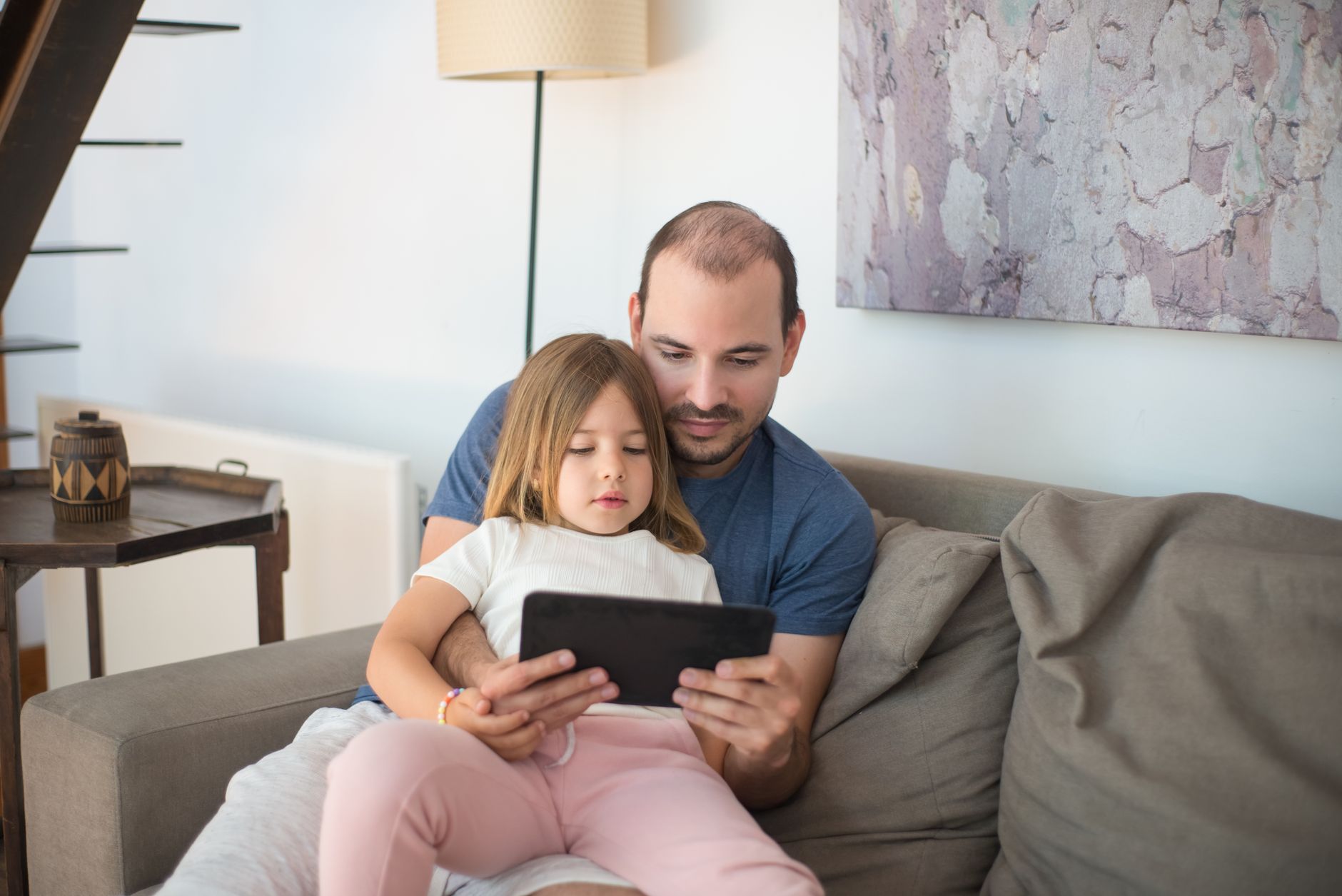
**Myth:** “Any screen time is good for language development.”
Fact: Only interactive, co-viewed screen time has been shown to support language growth. Passive screen time may delay language development instead.
---
Screen time and physical activity in toddlers: The sedentary trap
If your toddler’s idea of “exercise” is running around the house or climbing on furniture, you might be worried about screen time’s role in their activity levels. The truth is, too much screen time is linked to lower physical activity in toddlers—and that’s a problem.
A 2020 study in Pediatric Obesity found that toddlers who spent more than 2 hours a day in front of screens were less likely to meet daily activity recommendations. The World Health Organization (WHO) recommends that toddlers get at least 180 minutes of physical activity per day, including active play and outdoor time.
So how do you balance screen time with movement? Here’s how:
**1. Schedule active breaks.** If your toddler watches a show, follow it up with 10 minutes of movement. Try:
- Dancing to their favorite song.
- Obstacle courses (cushions to jump over, tunnels made from chairs).
- Ball games (rolling a ball back and forth).
**2. Use screens as a reward for activity.** For example, “After you play outside for 20 minutes, we can watch *Bluey*.”
**3. Make outdoor time a priority.** Even a short walk around the block counts. If you’re stuck inside, try indoor activities like:
- Stretching.
- Yoga for toddlers (YouTube has great options!).
- Dance parties.
**4. Limit sedentary screen time.** The AAP recommends no more than 1 hour of screen time per day for toddlers. If your toddler exceeds this, try replacing some of it with active play.
**5. Lead by example.** Toddlers mimic adults. If you’re glued to your phone, they’ll be glued to theirs. Try setting screen-free times together—like during meals or outdoor time.
**Myth:** “Toddlers are naturally active, so screen time doesn’t matter.”
Fact: While toddlers are energetic, excessive screen time replaces active play, leading to lower overall activity levels. The key is to balance screens with movement.
---
Best educational apps for toddlers: What actually works?
If you’re looking for screen time that’s actually educational, you’re in luck. There are plenty of apps designed to support learning—without the downsides of passive screen time. Here are some of the best options for toddlers, based on expert recommendations and parent reviews:
**What to look for in an educational app:**
- Interactive content (not just passive watching).
- No ads or in-app purchases (to avoid frustration).
- Age-appropriate complexity (toddlers need simple, repetitive tasks).
- Co-viewing opportunities (talk about what they’re learning!).
**Pro tip:** Always check reviews and ratings before downloading. The AAP has guidelines for safe apps, and you can also look for apps with the Common Sense Media seal of approval.
---
Screen time recommendations for preschoolers: What changes at age 3?
If you’ve been following the AAP’s guidelines for toddlers, you might be wondering: what happens when my child turns 3? The good news is that preschoolers have a little more flexibility—but the rules are still about quality over quantity.
The AAP’s guidelines for preschoolers (ages 3–5) are:
- Limit screen time to 1 hour per day of high-quality content.
- Prioritize co-viewing or interactive apps (not passive watching).
- Avoid screens during meals, naps, and bedtime routines.
**What’s different at age 3?** Preschoolers are more capable of engaging with content independently, but they still need adult supervision and discussion. The key is to:
- Choose content that’s interactive (like *PBS Kids* or *Curious George*).
- Use screens as a tool for learning, not entertainment.
- Encourage outdoor play and social interaction.
**What if my preschooler loves screens?** If your child is used to more screen time than the guidelines recommend, try gradual reductions. For example:
- Replace 30 minutes of screen time with 30 minutes of outdoor play.
- Use screens as a reward for completing tasks (like homework or chores).
- Involve them in choosing screen-free activities (like a trip to the park or a library visit).
**Myth:** “Preschoolers can handle more screen time than toddlers.”
Fact: While preschoolers may seem more independent, excessive screen time still delays language, physical activity, and social skills. The AAP’s 1-hour limit is a maximum, not a minimum.
---
How to reduce screen time in toddlers: Practical strategies
If you’re ready to cut back on screen time but don’t know where to start, you’re not alone. The good news is that small, consistent changes add up. Here’s how to make it happen:
**1. Set clear rules and stick to them.** Toddlers thrive on predictability. For example:
- “Screens are for after breakfast and before lunch.”
- “No screens during car rides—we’ll play games instead.”
**2. Offer alternatives.** If your toddler is used to screens as a default, provide engaging alternatives. Keep a “screen-free basket” with:
- Stickers and coloring books.
- Puzzle books.
- Simple toys (like stacking cups or a ball).
**3. Use a visual schedule.** Toddlers respond well to visual cues. Create a simple chart with pictures of activities (like playtime, snack time, and screen time) to show the day’s plan.
**4. Make screen time a privilege, not a right.** If your toddler is begging for a show, try saying:
- “We can watch *Bluey* after you finish your snack.”
- “Let’s play with your cars for 10 minutes, then we’ll watch a show.”
**5. Lead by example.** Toddlers mimic adults. If you’re glued to your phone, they’ll be glued to theirs. Try setting screen-free times together, like during meals or outdoor time.
**6. Gradually reduce screen time.** If your toddler is used to 2 hours of screen time, don’t cut it to zero overnight. Instead, reduce by 10–15 minutes each week until you reach your goal.
**7. Involve your toddler in the process.** Let them help choose screen-free activities. For example, ask:
- “Do you want to play with your blocks or read a book?”
- “Should we go outside and chase bubbles or stay inside and build a fort?”
**What if my toddler melts down?** Some toddlers will protest when screen time is reduced. If this happens, stay calm and consistent. Offer comfort and redirect to another activity. You can also use Time-In strategies to help them transition.
---
Screen time and obesity in toddlers: The hidden link
If you’ve ever wondered whether your toddler’s screen time is contributing to weight gain, you’re not alone. The truth is, excessive screen time is linked to obesity in toddlers—and it’s not just about calories. A 2019 study in Pediatrics found that toddlers who spent more than 2 hours a day in front of screens were more likely to be overweight by age 3.
**Why does screen time lead to obesity?** There are a few key reasons:
- Less physical activity: Toddlers who spend more time in front of screens are less likely to play outside or move around.
- Poor sleep: Blue light from screens disrupts sleep, which can lead to weight gain.
- Increased snacking: Many parents use screens as a distraction during meals, leading to more snacking and less mindful eating.
- Advertising: Even toddler-friendly apps and shows can subtly encourage unhealthy habits (like sugary snacks or fast food).
**How to break the cycle:**
- Limit screen time to 1 hour per day (or less for under-2s).
- Replace screens with active play (like running, jumping, or dancing).
- Avoid screens during meals and snacks.
- Encourage outdoor time—even a short walk counts!
- Model healthy habits. If you’re watching TV while eating, your toddler will too.
**Myth:** “Toddlers are too small to be affected by obesity.”
Fact: Childhood obesity often starts in toddlerhood and can lead to long-term health problems, including diabetes and heart disease. The earlier you address it, the better.
---
Screen time and eye strain in toddlers: What you need to know
If your toddler is squinting, rubbing their eyes, or complaining of headaches after screen time, they might be experiencing digital eye strain. While toddlers can’t tell you they’re tired, parents can look for signs like:
- Frequent blinking or eye rubbing.
- Complaining of headaches or sore eyes.
- Short attention span during screen time.
- Red or watery eyes.
**What causes eye strain in toddlers?**
- Blue light exposure: Screens emit blue light, which can strain the eyes over time.
- Poor viewing distance: Toddlers often hold screens too close to their faces.
- Excessive screen time: The more time spent in front of screens, the higher the risk of strain.
**How to reduce eye strain:**
- Follow the 20-20-20 rule: Every 20 minutes, look at something 20 feet away for 20



