Discover picky eater nutrition tips for 12-36 month meal planning with our guide and calculator, ensuring your baby gets the nutrients they need
By Shubhra Mishra — a mom of two who turned her own confusion during pregnancy into BumpBites, a global mission to make food choices clear, safe, and stress-free for every expecting mother. 💛
Check whether any food is safe during pregnancy with the BumpBites Food Safety Checker.
Quick take: Yes – you can create a balanced, nutrient‑rich meal plan for a picky 12‑36‑month‑old by using a simple nutrition calculator, focusing on calories, protein, iron, calcium, DHA and key vitamins while serving foods that appeal to tiny taste buds.
🔢 Calculate it for your situation: Use our Toddler Feeding Calculator for a personalized result in seconds.
It’s 7 p.m., you’ve just finished a bath, and your toddler is sitting on the floor, arms crossed, staring at the plate of mashed sweet potato you’ve spent ten minutes preparing. You sigh, wonder if today’s dinner will be another “no‑thank‑you,” and quickly type “picky toddler meals” into the search bar. You’re not alone – many parents of toddlers between 12 and 36 months face the same daily dilemma.
Below you’ll find a step‑by‑step guide that turns that frustration into a practical plan. We’ll explain why toddlers become selective, what nutrients they need most, how to use a nutrition calculator to spot gaps, and how to build meals that are both nutritious and appealing. By the end, you’ll have sample weekly menus, easy recipe ideas, and confidence that you’re supporting your child’s growth even when they turn their nose up at the broccoli.
We’ll also cover common concerns such as iron deficiency, food allergies, and how to monitor growth. All advice is grounded in guidance from the American Academy of Pediatrics (AAP), the World Health Organization (WHO), the NHS and other trusted bodies. Remember, this article is for information only – always check with your pediatrician before making major dietary changes.
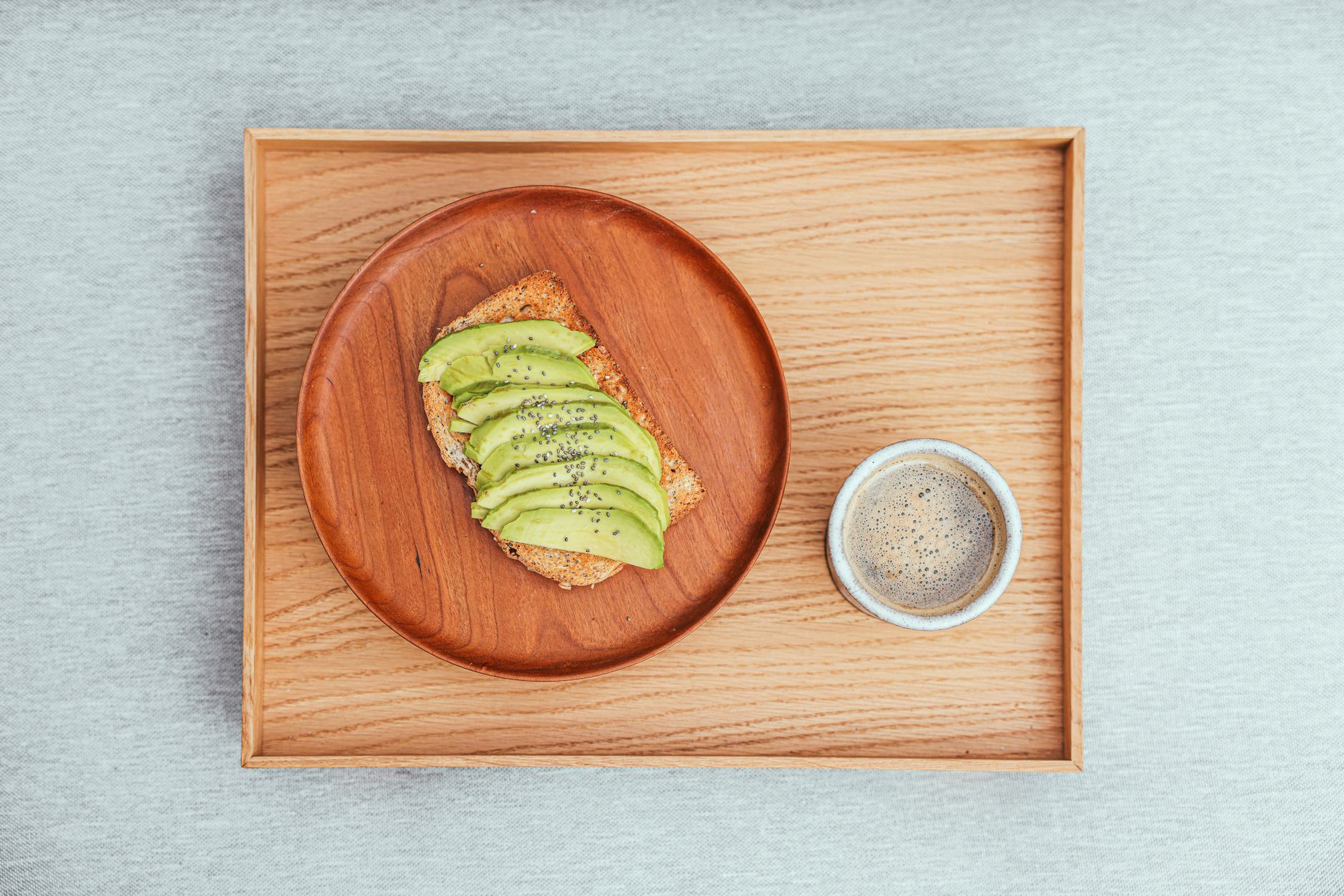
Simple, colorful plates make picky eaters more likely to try new foods.
Why toddlers become picky eaters
Between 12 and 36 months, children experience rapid brain development, newfound motor skills, and a surge of independence. These changes often translate into food preferences that feel like stubbornness but are actually normal developmental milestones.
Neurological and sensory factors
At around one year, the brain’s taste and texture centers are still maturing. New flavors can feel overwhelming, and toddlers may gravitate toward familiar textures—soft, smooth, or easily chewable foods. Sensory sensitivities to temperature, color, or even the sound of a crunchy bite can reinforce selective eating.
Psychological drivers
“I can do it myself!” is a mantra many toddlers chant. Offering a choice (e.g., “apple or banana?”) lets them exercise autonomy, but too many choices can backfire and lead to refusal. The “food neophobia” phase, typically peaking between 18 and 24 months, is a natural wariness of unfamiliar foods.
Environmental influences
Family mealtime habits, screen time, and the availability of highly processed snacks all shape a toddler’s palate. When meals are rushed or when a child sees a parent reaching for a cookie, the child may associate eating with the reward rather than nourishment.
Research from the AAP notes that sensory integration continues well into the preschool years, meaning that repeated gentle exposure is key to expanding a toddler’s acceptance of textures and flavors (AAP, 2023). Understanding this developmental backdrop helps you stay patient and strategic.
Key nutrient requirements for 12‑36‑month toddlers
Even
picky eaters need a full spectrum of nutrients to support rapid growth, brain development, and immune function. Below is a concise chart that summarizes the daily recommendations from the USDA Dietary Guidelines, AAP, and WHO for each age milestone.
Age
Calories (kcal)
Protein (g)
Iron (mg)
Calcium (mg)
DHA (mg)
Key Vitamins
12 months
900–1,000
13–14
7
700
70–100
Vit A, D, C, B‑12
18 months
1,000–1,100
14–15
7
800
80–100
Vit A, D, C, B‑12
24 months
1,050–1,150
15–16
7
900
80–120
Vit A, D, C, B‑12
30 months
1,200
16–17
7
1,000
100–150
Vit A, D, C, B‑12
36 months
1,300
17–18
7
1,000
100–150
Vit A, D, C, B‑12
Calories: Toddlers need enough energy to fuel growth, but excess calories can lead to early weight gain. A balanced intake of 900–1,300 kcal, depending on age and activity level, is typical.
Protein: Critical for muscle and organ development. Good sources include well‑cooked legumes, finely shredded chicken, scrambled eggs, Greek yogurt, and soft tofu.
Iron: Iron deficiency is the most common micronutrient deficiency in toddlers, especially those who eat little or no meat. Iron‑rich foods such as pureed lentils, fortified cereals, and small pieces of soft‑cooked beef can be paired with vitamin C‑rich fruits to boost absorption.
Calcium & Vitamin D: Needed for strong bones and teeth. Dairy (whole milk, cheese, yogurt) or fortified plant milks, plus occasional oily fish, provide both nutrients.
DHA (docosahexaenoic acid): An omega‑3 fatty acid essential for brain development. Sources include low‑mercury fish (salmon, sardines) and DHA‑fortified eggs.
Vitamins A, C, and B‑12: Vitamin A supports vision, vitamin C aids iron absorption, and B‑12 is vital for nerve function. Colorful fruits, vegetables, and animal proteins cover these needs.
The NHS recommends that toddlers obtain at least 70 % of their iron from food sources, emphasizing the role of fortified cereals and legumes when meat intake is low (NHS, 2023). Keeping these targets in mind will guide your menu choices.
How to use a nutrition calculator to assess intake
Before you redesign a menu, it helps to know exactly what your child is getting today. A nutrition calculator lets you log every bite and instantly see where gaps exist.
Step‑by‑step guide
Gather a 3‑day food diary. Write down everything your toddler eats – from a sip of water to a bite of cheese.
Input each food item using the drop‑down list or search bar. The tool will calculate calories, protein, iron, calcium and other key nutrients.
Review the results. The calculator highlights nutrients that fall below the recommended range (often iron, calcium, or DHA for picky eaters).
Note the shortfalls and plan targeted meals to fill them – for example, a daily iron boost if the report shows 4 mg of iron instead of the 7 mg goal.
Most calculators also let you set a “goal” for each nutrient. Seeing a visual bar that fills as you add foods can be motivating for busy parents and helps keep the daily plan balanced.
When interpreting the output, remember that daily variation is normal. The AAP advises looking at weekly averages rather than single‑day spikes (AAP, 2023). If a nutrient consistently falls short, adjust the upcoming meals or discuss supplementation with your pediatrician.
Building balanced meals and snacks that appeal to picky eaters
Now that you know the nutrient targets, it’s time to translate them into real‑world plates. The trick is to keep meals simple, colorful, and easy to eat with small hands.
Step‑by‑step meal construction
Start with a protein anchor. Offer a small portion (about the size of your child’s palm) of a familiar protein – scrambled egg, shredded chicken, or soft tofu cubes.
Add a fruit or veg side. Choose one item that’s naturally sweet or has a pleasing texture, like ripe mango chunks, cooked carrots, or avocado slices.
Include a dairy or calcium‑rich component. A spoonful of full‑fat yogurt, a cheese stick, or a fortified soy drink rounds out the plate.
Finish with a whole‑grain or starchy element. Small pieces of whole‑grain toast, soft quinoa, or sweet‑potato mash provide energy and fiber.
Season gently. A dash of cinnamon, a drizzle of olive oil, or a pinch of mild herbs can add flavor without overwhelming a sensitive palate.
Visual cues matter. A “rainbow plate” with contrasting colors can spark curiosity, while arranging foods in familiar shapes (e.g., stars or circles) can make the unknown feel safe. The NHS notes that children are more likely to try foods presented in an inviting, non‑pressured setting (NHS, 2022).
For snacks, aim for a combination of protein and fruit, such as a rice‑cake topped with a thin spread of cottage cheese and banana slices. This pairing keeps blood sugar stable and prevents grazing on empty‑calorie foods.
When you’re short on time, batch‑cook a “protein‑veggie mash” (e.g., lentils mixed with finely diced carrots and a splash of low‑sodium broth) that can be reheated throughout the week. Portion it into small containers, each ready to serve with a side of fruit.
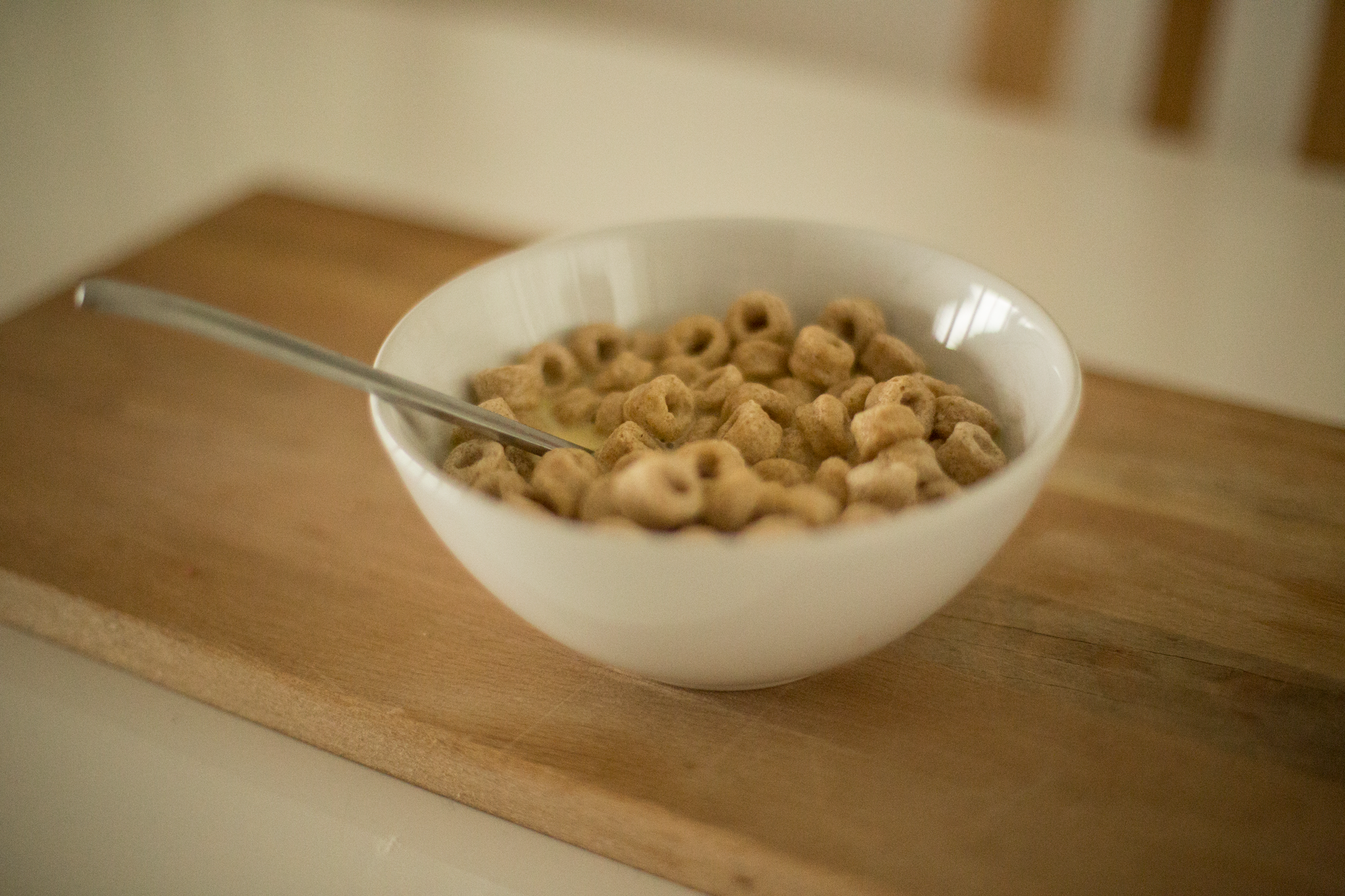
Batch‑cook a lentil‑carrot mash for quick, iron‑rich meals.
Practical strategies to introduce new foods and increase variety
Even the most perfectly balanced plate can be refused if the child doesn’t recognize the food. Below are evidence‑based tactics that gently expand the toddler’s palate.
1. The “one‑bite” rule
Offer a totally new food in a single bite‑sized piece. If your child refuses, wait a week before trying again. Research from the Academy of Nutrition and Dietetics shows that 8–10 exposures are often needed before acceptance.
2. Pair with a favorite
Mix a tiny amount of a new vegetable into a beloved dish. For example, stir a spoonful of finely chopped spinach into macaroni cheese. The familiar flavor masks the novelty, and the child gets a nutritional boost.
3. Involve the toddler in prep
Simple tasks like “sprinkling cheese” or “pressing the banana slice onto toast” give a sense of ownership. When children feel they helped make the food, they’re more likely to try it.
4. Use the “rainbow plate”
Arrange foods of different colors (red tomato, orange carrot, green peas) in a fun pattern. Visual appeal can override initial hesitation, especially when the plate looks like a picture.
5. Keep textures consistent
Many picky eaters react to texture changes. If your child loves smooth purees, introduce new foods in the same pureed form before moving to soft chunks.
6. Offer “choice” without overwhelm
Give two options, not three or four. “Would you like the banana or the peach?” limits decision fatigue while still granting autonomy.
Timing matters, too. The AAP suggests offering new foods when toddlers are slightly hungry but not starving, as extreme hunger can trigger rejection (AAP, 2023). Pairing a new item with a familiar snack within 30 minutes can increase acceptance rates.
Sample weekly meal plans (12‑36 months)
The following menus illustrate how to meet nutrient goals while keeping meals toddler‑friendly. Portion sizes are based on the average needs listed in the table above; adjust up or down according to your child’s appetite and growth curve.
Day
Breakfast
Lunch
Snack
Dinner
Monday
Whole‑grain mini pancakes (½ cup) + 1 tbsp fruit puree
Chicken broth with tiny pasta stars (¼ cup) + carrots (soft, 2 tbsp)
Portion tips: For toddlers, a “hand‑size” portion is a reliable guide—roughly the size of their open palm for protein, a cupped fist for grains, and a thumb for fats. Adjust portions if your child finishes everything quickly or leaves a lot on the plate.
Optional substitutions: Swap salmon for another low‑mercury fish, replace quinoa with couscous, or exchange peas for finely diced spinach if your child prefers leafy greens.
Remember that leftovers can be repurposed. A piece of roasted sweet‑potato from dinner can become a finger‑food snack the next day, saving time and reducing waste. The flexibility of these menus lets you adapt to seasonal produce and your child’s evolving preferences.
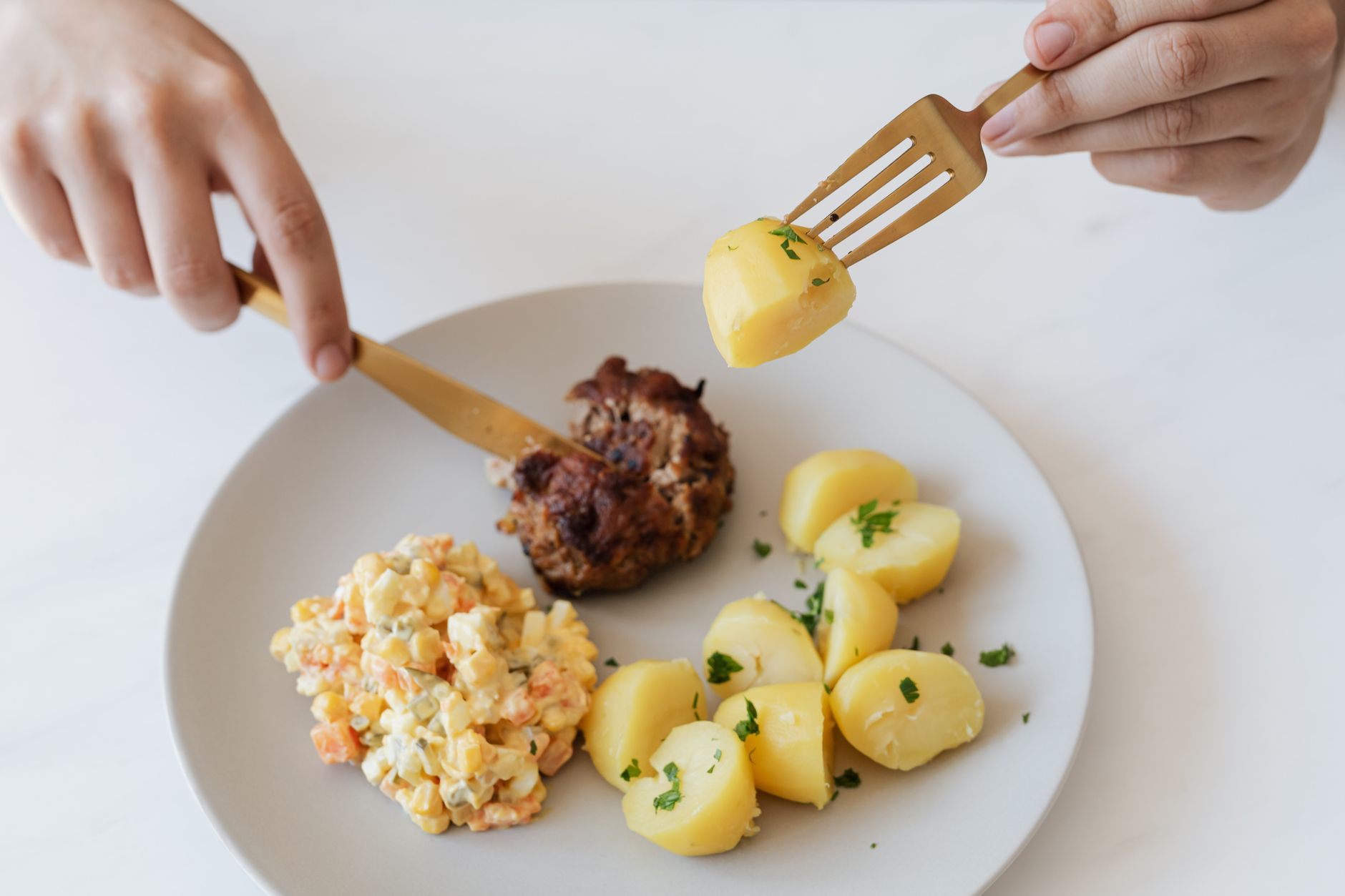
Balanced plates with familiar shapes encourage toddlers to try new foods.
From our medical team: When you’re tracking nutrients, remember that toddlers have wide variability in appetite. A single low‑iron day isn’t usually a crisis if the overall weekly intake meets recommendations. Consistency, not perfection, drives healthy growth.
Creating a supportive mealtime environment
The physical and emotional setting of meals can be just as important as the food itself. A calm, distraction‑free space signals to your toddler that eating is a purposeful activity, not a race against a TV show.
Studies from the NHS show that toddlers who eat at a small table with a designated chair are more likely to stay seated and try foods compared with those who eat on the couch (NHS, 2022). Keep utensils child‑sized, offer a spill‑proof cup, and consider a short “family mealtime ritual” such as a song or a thank‑you phrase to foster positive associations.
Limit screen time at least 30 minutes before meals. The American Academy of Pediatrics advises that screens can blunt hunger cues and increase the desire for highly processed snacks (AAP, 2023). Instead, try a brief “talk‑about‑the‑day” moment to engage your child’s curiosity and make the experience social.
Understanding food allergies and sensitivities
Food allergies affect roughly 8 % of children worldwide, and many first appear during the toddler years (World Allergy Organization, 2022). Common allergens include milk, eggs, peanuts, tree nuts, soy, wheat, and shellfish.
If you suspect an allergy, look for symptoms such as hives, swelling, vomiting, or respiratory distress within minutes to a couple of hours after eating. The FDA recommends an immediate evaluation by a pediatrician and, when appropriate, referral to an allergist for skin‑prick testing or specific IgE blood work.
For children with diagnosed allergies, the AAP suggests working with a dietitian to ensure nutrient gaps are filled using safe alternatives. For instance, calcium can be sourced from fortified soy or oat milks, while iron can come from beans, lentils, and fortified cereals. Always read product labels carefully and introduce new foods one at a time to monitor reactions.
When a toddler has a confirmed food sensitivity (e.g., lactose intolerance), the approach is similar: replace the problematic ingredient with a tolerated one (lactose‑free dairy or fortified plant milks) and verify that the overall nutrient profile remains adequate.
Hydration and healthy beverages
Proper hydration supports digestion, kidney function, and overall growth. Toddlers need about 1–1.3 L of fluids per day, including water, milk, and modest amounts of 100 % fruit juice (American Academy of Pediatrics, 2023).
Water should be the primary beverage between meals. Offer a small, easy‑to‑grip cup or sippy cup at regular intervals—especially after playtime and before bedtime. For milk, whole cow’s milk is recommended after 12 months unless a dairy allergy or intolerance exists; it provides essential fats, calcium, and vitamin D.
If you choose to serve juice, limit it to 120 mL (4 oz) per day and ensure it’s 100 % fruit juice with no added sugars. The FDA requires clear labeling of juice content, which helps you stay within safe limits. Diluting juice with water can reduce sugar intake while still offering a familiar flavor.
Avoid sugary drinks, sports beverages, and flavored milks, as they can displace nutrient‑dense foods and contribute to excess calorie intake.
🔢 Ready to crunch your numbers? Use our Toddler Feeding Calculator for a personalized result in seconds.
Myth vs. fact
Myth: “If my toddler refuses meat, they’ll become iron‑deficient.”
Fact: Iron can be supplied from plant sources—lentils, fortified cereals, and beans—especially when paired with vitamin C‑rich fruit.
Myth: “Picky eaters need special ‘gimmick’ foods to get enough calories.”
Fact: Regular foods, offered in toddler‑appropriate textures and portion sizes, meet calorie needs; the key is frequency and variety, not novelty.
Myth: “All toddlers should eat three large meals a day.”
Fact: Most toddlers thrive on three meals plus two to three snacks, which helps smooth blood‑sugar swings and supports steady growth.
Key takeaways
Use a nutrition calculator to pinpoint gaps and set realistic nutrient goals for each age group.
Build meals around a protein anchor, a fruit/veg side, a dairy or calcium source, and a whole‑grain or starchy element.
Introduce new foods gently—one bite, paired with a favorite, repeated over several weeks.
Aim for 3 meals and 2‑3 snacks daily, keeping portions toddler‑hand sized.
Monitor iron, calcium, and DHA; if gaps persist, discuss fortified foods or supplements with your pediatrician.
Set a calm, screen‑free mealtime space and involve your child in simple food prep to boost willingness to eat.
Frequently asked questions
What nutrients are most important for toddlers who are picky eaters?
The most critical nutrients are protein, iron, calcium, DHA, and vitamins A, C, and D. These support growth, brain development, and immune health. A balanced diet that includes dairy, fortified cereals, soft meats or legumes, and colorful fruits and vegetables usually covers these needs.
How many meals and snacks should a 2‑year‑old have each day?
A typical schedule includes three main meals and two to three nutritious snacks, spaced about 2‑3 hours apart. This pattern provides steady energy and helps prevent the “all‑or‑nothing” eating that can happen with long gaps.
Can a picky eater toddler get enough iron without meat?
Yes. Iron‑rich plant foods like lentils, beans, tofu, fortified oatmeal, and dark leafy greens can meet needs, especially when paired with vitamin C sources (e.g., orange slices) that boost absorption.
What are quick breakfast ideas for a 12‑month‑old who refuses solids?
Try offering a small cup of fortified whole milk (if pediatrician has cleared dairy), a spoonful of plain Greek yogurt mixed with mashed banana, or a soft‑cooked oatmeal spoonful with a dash of cinnamon. Even a warm rice‑cereal mixed with breast milk can be a soothing starter.
How does a nutrition calculator help with toddler meal planning?
The calculator translates food amounts into nutrient numbers, highlighting where daily intakes fall short. By seeing the exact gaps—say, 2 mg of iron missing—you can target meals or snacks that specifically boost that nutrient, making planning both efficient and evidence‑based.
When should I be concerned about my toddler’s picky eating habits?
If your child consistently refuses entire food groups for more than three months, shows poor weight gain, has repeated anemia, or displays extreme distress at mealtimes, it’s time to discuss the pattern with your pediatrician.
Is it safe to give toddlers fortified plant milks instead of cow’s milk?
Yes, as long as the plant milk is fortified with calcium, vitamin D, and DHA, and your child’s pediatrician approves the switch. The FDA requires fortification levels to be listed on the label, ensuring the drink meets the same nutrient standards as dairy milk (FDA, 2022).
Can I use the same meal plan for a child with a mild dairy allergy?
Absolutely. Replace dairy items with fortified soy, oat, or almond alternatives that are free of the allergen. Just double‑check that the substitutes provide comparable calcium and vitamin D, and monitor your child’s intake to ensure overall nutrient adequacy.
When to call your doctor
If you notice any of the following, seek medical advice promptly: sudden weight loss, persistent vomiting, signs of dehydration, a yellowish skin tone, prolonged fever, or repeated episodes of constipation despite adequate fluid intake. Additionally, if you suspect an iron deficiency (pale skin, fatigue, or a diagnosis of anemia), contact your healthcare provider. This article is for informational purposes only and does not replace personalized medical guidance.
References
American Academy of Pediatrics. “Nutrition During Early Childhood.” 2023 policy statement.
World Health Organization. “Infant and Young Child Feeding.” WHO Guidelines, 2022.
National Health Service (UK). “Feeding your baby and toddler.” NHS, updated 2023.
U.S. Department of Agriculture. “Dietary Guidelines for Americans, 2020‑2025.” USDA, 2020.
Centers for Disease Control and Prevention. “Iron Deficiency in Children.” CDC, 2022.
Academy of Nutrition and Dietetics. “Pediatric Nutrition: Managing Picky Eating.” Position Paper, 2021.
Food Standards Agency (UK). “Fortified Foods for Children.” FSA, 2022.
Food and Drug Administration. “Nutrition Labeling Requirements for Milk Alternatives.” FDA, 2022.
World Allergy Organization. “Epidemiology of Food Allergy.” WAO Journal, 2022.
Not sure about the label on Picky Eater Nutrition 12 36 Month Meal Planning Guide Calculator products?
Snap the ingredients list and SafeFilter checks every ingredient for your stage — only 3 free scans this month, then you're locked until reset. Unlimited from $7/mo or $50/yr.
When Shubhra Mishra was expecting her first child in 2016, she was overwhelmed by conflicting food advice — one site said yes, another said never. By the time her second baby arrived in 2019, she realized millions of mothers face the same confusion.
That sparked a five-year journey through clinical nutrition papers, cultural diets, and expert conversations — all leading to BumpBites: a calm, compassionate space where science meets everyday motherhood.
Her long-term vision is to build a global community ensuring safe, supported, and free deliveriesfor every mother — because no woman should face pregnancy alone or uninformed. 🌿
🌍 Stand with mothers, shape safer guidance
Join a small circle of experts who review BumpBites articles so expecting parents everywhere can decide with confidence.