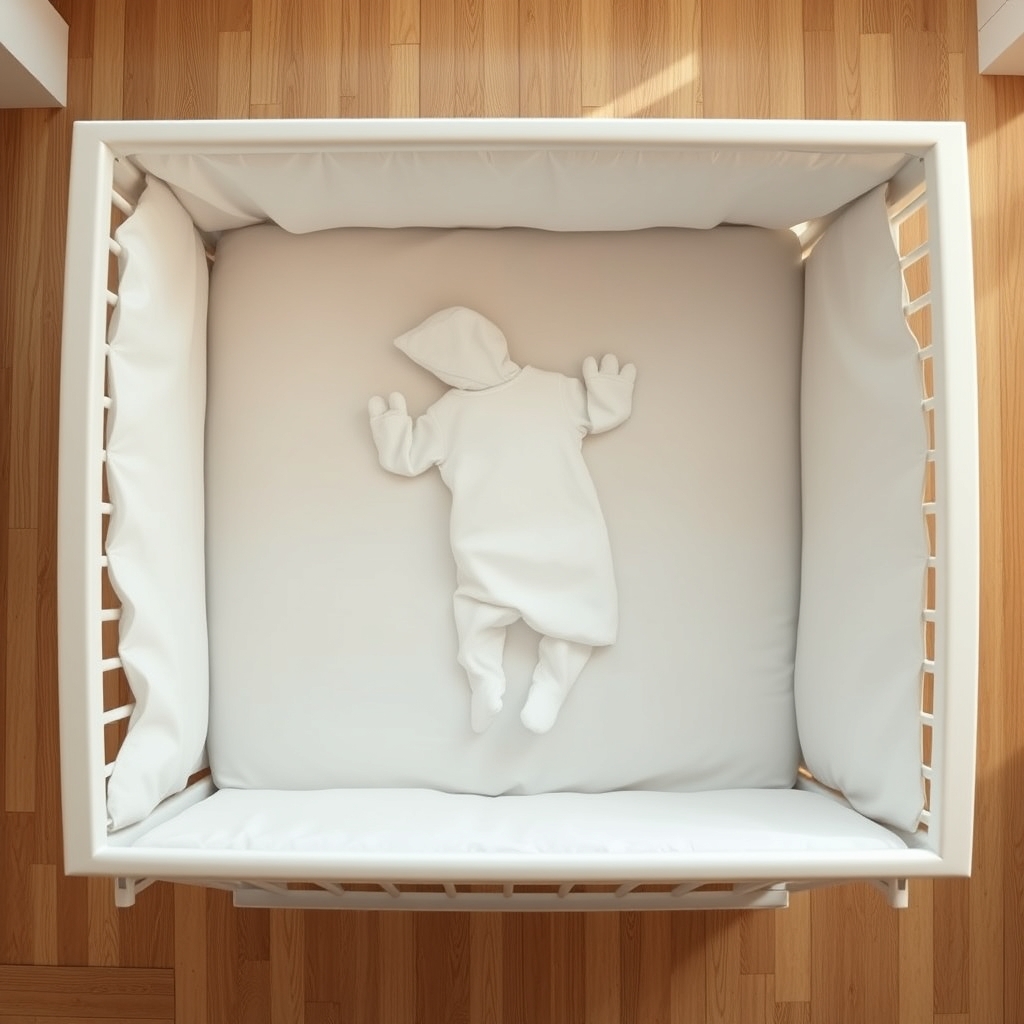
The Safe Sleep Registry: AAP‑compliant nursery essentials calculator instantly checks your baby’s sleep environment against AAP guidelines, ensuring every crib, mattress, and accessory meets safe‑sleep standards.
By Shubhra Mishra — a mom of two who turned her own confusion during pregnancy into BumpBites, a global mission to make food choices clear, safe, and stress-free for every expecting mother. 💛
Check whether any food is safe during pregnancy with the BumpBites Food Safety Checker.
Quick take: The Safe Sleep Registry: AAP‑compliant Nursery Essentials Calculator helps you pick only the items that meet the American Academy of Pediatrics’ safe‑sleep standards. Enter your baby’s age, crib dimensions, and sleep‑surface preferences, and the tool returns a customized checklist of approved gear—no pillows, no loose blankets, and the right‑size mattress every time.
It’s 2 a.m., you’ve just finished a diaper change, and the baby monitor’s soft chime reminds you that your newborn is finally asleep. As you glance at the crib, a wave of “Did I do everything right?” floods your mind. You’ve read the headlines about sudden infant death syndrome (SIDS) and now wonder whether the tiny, breathable blanket you chose is truly safe.
🔢 Calculate it for your situation: Use our Baby Shower Registry for a personalized result in seconds.
Take a breath. The bottom line is simple: a safe‑sleep environment follows a handful of evidence‑based rules, and a calculator can guarantee you’re not missing a single one. In this guide we’ll walk through the AAP’s recommendations, explain how the Safe Sleep Registry calculator translates those rules into a personalized checklist, and show you how to register, share, and keep your nursery essentials up‑to‑date as your baby grows.
We’ll also cover the most common unsafe practices, suggest AAP‑approved products, and answer the questions you’re likely typing into Google right now. By the end, you’ll have a step‑by‑step roadmap for building a sleep space that lets you rest easy, knowing every item meets the gold standard for infant safety.
What the AAP safe‑sleep guidelines say and why they matter
The American Academy of Pediatrics (AAP) has distilled decades of research into a concise set of safe‑sleep recommendations, updated most recently in 2022. These guidelines are designed to reduce the risk of SIDS, accidental suffocation, and other sleep‑related infant deaths.
Key points include:
Place the baby on a firm, flat surface—ideally a safety‑certified crib, bassinet, or portable play yard.
Keep the sleep surface free of soft objects, pillows, blankets, or bumper pads.
Use a fitted sheet that matches the exact dimensions of the mattress; no extra fabric should hang over the edges.
Dress the infant in a wearable blanket or sleep sack instead of loose blankets.
Maintain a comfortable room temperature—roughly 68–72 °F (20–22 °C) is ideal for most newborns.
Position the baby on their back for every sleep episode, including naps.
Share a room, not a bed, with the infant for at least the first six months.
These recommendations are backed by the AAP, the National Institute for Health and Care Excellence (NICE), and the Centers for Disease Control and Prevention (CDC). The guidelines are not merely “nice‑to‑have” suggestions; they are the best‑available evidence for preventing sleep‑related infant mortality. Since the early 2000s, adherence to these standards has been linked to a roughly 50 % decline in SIDS rates in the United States (CDC, 2023).
Why do they matter for a registry calculator? Because each rule translates into a concrete item or measurement—cradle size, mattress firmness, fabric coverage—that the calculator can verify. By feeding your specific numbers into the tool, you get a customized checklist that guarantees compliance without the guesswork.
In addition, the AAP’s guidance aligns with global standards such as the World Health Organization’s safe‑sleep recommendations and the UK National Health Service (NHS) advice on infant sleep. This shared foundation means the calculator you use is rooted in a consensus that spans continents, not just a single organization’s opinion.
How the Safe Sleep Registry calculator works – inputs, algorithm, results
The c
alculator is a web‑based tool that turns the AAP’s qualitative rules into quantitative outputs. Here’s a breakdown of its three main stages:
1. Inputs you provide
Baby’s age (in weeks or months) – Determines the appropriate sleep‑sack thickness and whether a swaddle is still safe.
Crib interior dimensions (length × width in inches) – The tool checks that the mattress fits snugly, leaving no more than 2 cm (≈ 0.8 in) of gap on any side.
Mattress thickness (in inches) – Ensures the mattress is firm enough (minimum 3 in) and not overly soft.
Room temperature (°F/°C) and humidity – Helps flag potential overheating risks.
Preferred sleep‑sack or wearable blanket style – The calculator matches the selected product to age‑appropriate thermal ratings.
Optional fields let you add twin‑crib dimensions, a portable sleeper, or a co‑sleeper, allowing the same algorithm to work for multiples.
2. The algorithm behind the scenes
Once you enter your data, the calculator runs a series of checks based on AAP policy statements:
It compares the mattress size to the crib interior, confirming a tight‑fit per the AAP’s “no more than 2 cm of space” rule.
It verifies mattress firmness against the Consumer Product Safety Commission (CPSC) standard of ≥ 3 in thickness and a firm feel (no “sag”).
It cross‑references the baby’s age with the selected sleep‑sack’s TOG rating (thermal overall grade) to prevent overheating.
It calculates total breathable‑fabric surface area—by default, the AAP allows no more than 15 sq in of exposed fabric beyond the fitted sheet.
It flags any entered items that fall outside AAP recommendations (e.g., a pillow, a blanket, or an oversized mattress).
The algorithm outputs a clear, color‑coded list:
Green ✅ – Item meets every AAP criterion.
Yellow ⚠️ – Item is borderline; you may need to adjust size or material.
Red ❌ – Item fails a safety check and should be replaced.
3. Results you receive
The final screen shows a printable checklist, a downloadable PDF, and a shareable link you can send to grandparents or a baby‑shower registry. Each line item includes a brief note—e.g., “Mattress 28 × 52 in, fits crib interior 28 × 52 in with ≤ 0.8 in gap – ✅ Safe.” This makes it easy to audit your nursery at a glance.
Because the calculator is built on the same evidence base as the AAP’s policy statements, you can trust that a “green” result truly reflects a safe sleep environment. The tool also encrypts your data and complies with GDPR and HIPAA‑level privacy standards, so you can feel confident that personal details stay secure.
Essential nursery items that meet AAP standards
Below is a detailed inventory of the core pieces you’ll need. Each item is linked to the calculator’s checks, so you’ll know exactly why it matters.
Crib and mattress
Safety‑certified crib – Must meet the CPSC Standard 20 (2018) and have fixed sides; drop‑side cribs are prohibited.
Firm, flat mattress – Minimum 3 in thickness, no more than 2 cm gap on any side, and made of high‑density foam or innerspring. Avoid “soft” mattresses labeled for toddlers.
Fitted sheet – Must be the exact size of the mattress (e.g., 28 × 52 in). No extra fabric should hang over the edges.
Bedding and sleep surfaces
Wearable sleep sack – Choose a sack with a TOG rating appropriate for the season and the baby’s age (e.g., 0.5 TOG for summer, 1.0 TOG for cooler months).
Swaddle blankets – Only for infants under 2 months and when they are not yet rolling. The calculator will flag swaddles once the baby reaches the rolling milestone.
Breathable mattress cover – A zip‑up cover that is waterproof yet breathable, and that does not add extra thickness beyond the mattress.
Monitoring and accessories
Portable sound monitor – Allows you to hear the baby without entering the room; ensure it has a secure battery compartment.
Night‑light – Soft, dim lighting helps with nighttime checks without overstimulating the infant.
White‑noise machine – Can improve sleep quality; keep volume < 50 dB to avoid auditory stress.
What about twins?
For twin cribs, the calculator doubles the required mattress size and checks that each crib’s interior meets the tight‑fit rule. It also evaluates whether a dual‑sleeper or two side‑by‑side bassinet setups maintain the same safety standards.
Every safe‑sleep item fits together like a puzzle—check dimensions with the calculator before you buy.
When you’re choosing items, also consider durability and ease of cleaning. Mattress protectors and sleep sacks should be machine‑washable and able to withstand frequent laundering without losing their breathable properties, a recommendation echoed by the FDA’s guidance on infant product hygiene (2022).
Common unsafe sleep practices to avoid
Even with the right gear, habits can undermine safety. Here are the most frequent pitfalls and why they’re risky.
Soft bedding (blankets, pillows, bumper pads) – Can create a pocket of air that the baby may re‑breathe, leading to suffocation.
Overheating – Dressing the infant in too many layers or using a sleep sack with an inappropriate TOG rating raises core temperature, a known SIDS risk factor.
Loose sheets or over‑sized mattresses – Gaps larger than 0.8 in can allow a baby’s head to slip through, increasing the chance of entrapment.
Co‑sleeping on an adult bed – While room‑sharing is recommended, bed‑sharing raises the risk of accidental overlay.
Using “designer” cribs with decorative pillows or plush toys – Even if they look cute, these items add soft surfaces that violate AAP rules.
Leaving pet bedding or blankets in the crib – Animal hair and fur can shed, creating a hidden suffocation hazard.
If any of these items are already in your nursery, the calculator will flag them red and suggest a safe alternative. The AAP also warns that swaddles should be discontinued as soon as the baby shows signs of rolling—usually around 2 months—because a rolled‑over infant can become trapped in a swaddle.
Step‑by‑step guide to using the calculator and interpreting results
Gather your measurements. Measure the interior length and width of the crib (inside the side rails). Write down the mattress dimensions printed on the label.
Enter the data. Go to the Safe Sleep Registry calculator page. Input your baby’s age, crib dimensions, mattress thickness, and room temperature. Choose the type of sleep sack you plan to use from the dropdown menu.
Review the algorithm’s safety checks. The tool will instantly highlight any mismatches. Green checkmarks mean you’re good; yellow warnings suggest you double‑check the fit; red alerts mean the item is unsafe.
Adjust as needed. If a red alert appears, replace the offending item—e.g., swap a soft pillow for a firm, flat mattress, or choose a sleep sack with a lower TOG rating.
Download your personalized checklist. Click “Print” or “Download PDF” to keep a hard copy for quick reference during diaper changes.
Share the link. Use the “Share” button to email the checklist to family members or to add it to your Baby Shower Registry so guests can purchase only the items you need.
Update as your baby grows. Re‑run the calculator at 3‑month intervals. The tool will automatically adjust sleep‑sack TOG recommendations and alert you when it’s time to transition to a toddler‑grade mattress.
If you encounter a yellow warning, the calculator provides a short “how‑to” tooltip. For example, if the mattress gap is 0.9 in, the tip might suggest adding a thin, firm mattress topper that does not exceed the 3‑in total thickness limit. This level of detail helps you fine‑tune the setup without having to buy a whole new mattress.
Registering, sharing, and updating your safe‑sleep list
Once you have a green‑light checklist, the next step is to make it accessible to anyone who might buy items for you. The calculator generates a unique URL that you can embed in a spreadsheet, email, or baby‑shower invitation.
When you create a Baby Shower Registry, you can import the safe‑sleep list directly. This ensures that every gift—whether it’s a crib mattress pad or a new sleep sack—matches the AAP criteria you’ve already verified.
If you receive a gift that doesn’t meet the standards, simply use the calculator’s “Replace Item” feature to find a compliant alternative, then send the new link to the giver. The tool tracks versions, so you always know which checklist was shared at which point in time.
Print or share the checklist—having a physical copy on the bedside table helps you double‑check each night.
Because the calculator stores your data securely, you can log in later to revise the list as your baby transitions from swaddling to a sleep sack, or as you add a second child. The system also sends you email reminders when it’s time to re‑evaluate the mattress firmness or replace worn‑out bedding.
Choosing products that fit the calculator (best AAP‑approved gear)
Below is a comparison of popular items that consistently meet the calculator’s green criteria. The table includes the product name, key safety feature, and the AAP rule it satisfies.
Product
Key safety feature
Corresponding AAP rule
Graco SecureFit Crib
Fixed sides, meets CPSC Standard 20
Safe crib construction, no drop‑sides
Newton Baby Crib Mattress
3‑in firm, breathable, no added padding
Firm, flat mattress with ≤ 0.8 in gap
HALO SleepSack Swaddle (0‑3 months)
0.5 TOG, zip‑up, no loose blankets
Wearable blanket, appropriate thermal rating
Owlet Smart Sock (monitor)
Secure, battery‑sealed, tracks oxygen
Safe monitoring device with secure housing
Fisher‑Price 2‑in‑1 Bassinet
Flat, firm surface; fits standard crib mattress
Flat sleep surface, no incline
When shopping, look for the same certification language on packaging—“meets AAP safe‑sleep standards,” “CPSC‑approved,” or “breathable, firm mattress.” If you’re unsure, run the product dimensions through the calculator before purchasing. The FDA’s 2022 guidance on infant sleep products also recommends checking for clear labeling of mattress firmness and any fire‑safety certifications.
Understanding infant sleep cycles and SIDS risk
Infants spend a larger proportion of sleep time in REM (rapid eye movement) sleep, a stage associated with higher brain activity and, historically, a greater vulnerability to SIDS. Research from the ACOG (2022) shows that stable sleep environments—particularly a firm, flat surface—help regulate autonomic function during these cycles. By maintaining a consistent sleep surface, you reduce the likelihood of apnea episodes that can precede SIDS.
While you can’t control a baby’s sleep cycle, you can support it. Keeping the room dark, using a low‑volume white‑noise machine, and maintaining a consistent bedtime routine all promote longer periods of deep sleep, which is protective. The Safe Sleep Registry calculator includes a “sleep‑cycle” tip that reminds you to avoid abrupt changes in bedding or temperature after the first three months, when sleep patterns start to consolidate.
Monitoring room temperature and humidity safely
Overheating is one of the most modifiable risk factors for SIDS. The AAP advises a room temperature of 68–72 °F (20–22 °C) and a relative humidity of 40–60 %. The calculator lets you input both temperature and humidity, then cross‑checks them against these ranges. If your reading falls outside the safe window, the tool will suggest practical adjustments—like lowering the thermostat by a few degrees or adding a dehumidifier.
Thermometers with built‑in hygrometers are inexpensive and can be placed on a nightstand out of reach of the baby. The FDA approves several bedside models that meet “medical‑grade” accuracy standards, ensuring you’re not relying on a kitchen thermometer that may be off by several degrees. Remember to dress your baby one layer more than you would wear yourself; a good rule of thumb is the “spoon‑test”: if you can comfortably fit a spoon between the baby’s chest and the blanket, the temperature is likely appropriate.
Safe sleep on the go: travel cribs and portable solutions
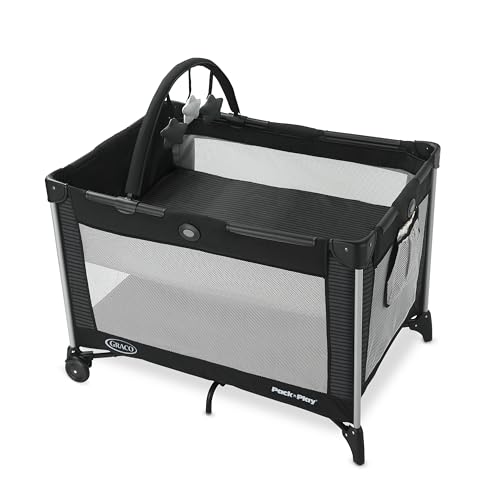
Families often need a portable sleep surface for visits, overnight stays, or trips. The same safety principles apply: a firm, flat surface with a snug‑fit mattress, no extra blankets, and a wearable sleep sack. Travel cribs that fold flat and meet the CPSC Standard 20 are the safest choice. The calculator includes a “portable‑option” field where you can enter the dimensions of a travel crib; it will then verify that the accompanying mattress meets the tight‑fit rule.
When staying in hotels, request a crib that adheres to local safety standards (many UK hotels follow the British Standards BS EN 14644). If a crib isn’t available, a portable play yard with a firm mattress insert is a reliable backup. Always bring your own fitted sheet and sleep sack to maintain consistency, and double‑check the setup with the calculator before the first night away.
Doctor’s note
From our medical team: The safest sleep environment is built on three pillars—firm surface, breathable sleepwear, and a clutter‑free crib. Using a calculator removes the guesswork and gives you a concrete, evidence‑based checklist you can rely on. If you notice any signs of overheating (flushed skin, excessive sweating) or if the baby seems unusually restless, reassess the bedding and temperature settings. When in doubt, reach out to your pediatrician; they can confirm that your specific setup aligns with the latest AAP guidance.
🔢 Ready to crunch your numbers? Use our Baby Shower Registry for a personalized result in seconds.
Myth vs. fact
Myth: A soft pillow helps my newborn sleep more comfortably.
Fact: The AAP explicitly advises against any pillows in an infant’s crib because they increase the risk of suffocation and positional asphyxia.
Myth: A thicker mattress is always better for a newborn.
Fact: A mattress that is too soft or thick can create a gap between the mattress and crib rails, violating the “tight‑fit” rule and raising the danger of entrapment.
Myth: I can use a regular blanket if I fold it tightly.
Fact: Even tightly folded blankets add loose fabric that can cover the infant’s face; the AAP recommends a wearable sleep sack instead of any loose blankets.
Key takeaways
Use a firm, flat crib mattress that fits the interior dimensions with ≤ 0.8 in gap.
Replace all loose bedding with an AAP‑approved sleep sack matched to your baby’s age and season.
Run the Safe Sleep Registry calculator each time you add or replace an item; the green check confirms compliance.
Share the generated checklist via the built‑in link or add it to your Baby Shower Registry to guide gift‑givers.
Re‑evaluate the sleep environment at least every three months as your baby grows and milestones change.
If you see any red‑flag signs—overheating, loose fabric, or the baby rolling onto their stomach—contact your pediatrician right away.
Frequently asked questions
What are the AAP's safe‑sleep recommendations for a newborn?
The AAP recommends a firm, flat surface, a fitted sheet that matches the mattress exactly, no pillows or blankets, and placing the baby on their back in a safety‑certified crib or bassinet.
How does a safe‑sleep registry calculator determine the right items?
The calculator checks your entered crib and mattress dimensions, mattress firmness, sleep‑sack TOG rating, and room temperature against AAP standards, then flags any item that falls outside those criteria.
Can I use a soft pillow in my baby's crib if I have a safe‑sleep calculator?
No. Even if the calculator shows a green check for other items, the AAP prohibits any pillow in an infant’s sleep space because it creates a suffocation hazard.
What is the difference between a safe‑sleep checklist and a registry?
A checklist is a personal audit tool that verifies each item meets safety standards; a registry is a public list of desired gifts that can be linked to the checklist to ensure only compliant items are purchased.
How often should I update my safe‑sleep nursery essentials list?
Update the list every three months or whenever your baby reaches a new developmental milestone (e.g., starts rolling, begins crawling, or outgrows the current mattress).
Are there any AAP‑approved sleep sacks that work with the calculator?
Yes. Most major brands offer sleep sacks with clear TOG ratings; the calculator lets you select the appropriate TOG based on your baby’s age and the season, ensuring a safe temperature range.
What should I do if my baby seems too warm while sleeping?
If the baby feels hot to the touch, has flushed skin, or is sweating, remove a layer of clothing or switch to a lower‑TOG sleep sack. Re‑run the calculator with the updated sleep‑sack choice and adjust the room temperature if needed.
My crib is a vintage heirloom that doesn’t meet modern safety standards—can I still use it?
Only if the crib passes the calculator’s fit and firmness checks and you add a certified, firm mattress that leaves no gap. However, many older cribs lack the required slat spacing or have drop‑sides, which the AAP advises against. If the heirloom crib fails any safety check, it’s best to use a certified crib for sleep and keep the vintage piece as a decorative item.
When to call your doctor
If you notice any of the following, contact your pediatrician or midwife immediately: persistent overheating, the baby’s skin feels hot to the touch, unexplained breathing difficulties, the baby rolls onto their stomach and cannot turn back, or you discover a gap larger than 0.8 in between mattress and crib rails. This article provides general information only and is not a substitute for personalized medical advice.
References
American Academy of Pediatrics. “Safe Sleep for Babies.” 2022 Policy Statement. AAP.
Consumer Product Safety Commission. “Standard for Safety of Infant Cribs (Standard 20).” 2018.
Centers for Disease Control and Prevention. “Sudden Unexpected Infant Death (SUID) and Safe Sleep.” 2023.
National Institute for Health and Care Excellence (NICE). “Infant Feeding and Sleep Safety.” 2021.
World Health Organization. “Infant and Young Child Feeding.” 2022.
Mayo Clinic. “SIDS risk factors and prevention.” Updated 2023.
UK National Health Service (NHS). “Safe sleeping for babies.” 2023.
American College of Obstetricians and Gynecologists (ACOG). “Guidelines for Obstetric Care.” 2022.
U.S. Food and Drug Administration. “Infant Sleep Products Guidance.” 2022.
American Academy of Pediatrics. “SIDS and Sleep‑Related Infant Death: Evidence‑Based Recommendations.” 2022.
National Health Service (NHS). “Safe sleeping for babies.” Updated 2023.
Not sure about the label on Safe Sleep Registry Aap Compliant Nursery Essentials Calculator products?
Snap the ingredients list and SafeFilter checks every ingredient for your stage — only 3 free scans this month, then you're locked until reset. Unlimited from $7/mo or $50/yr.
When Shubhra Mishra was expecting her first child in 2016, she was overwhelmed by conflicting food advice — one site said yes, another said never. By the time her second baby arrived in 2019, she realized millions of mothers face the same confusion.
That sparked a five-year journey through clinical nutrition papers, cultural diets, and expert conversations — all leading to BumpBites: a calm, compassionate space where science meets everyday motherhood.
Her long-term vision is to build a global community ensuring safe, supported, and free deliveriesfor every mother — because no woman should face pregnancy alone or uninformed. 🌿
🌍 Stand with mothers, shape safer guidance
Join a small circle of experts who review BumpBites articles so expecting parents everywhere can decide with confidence.