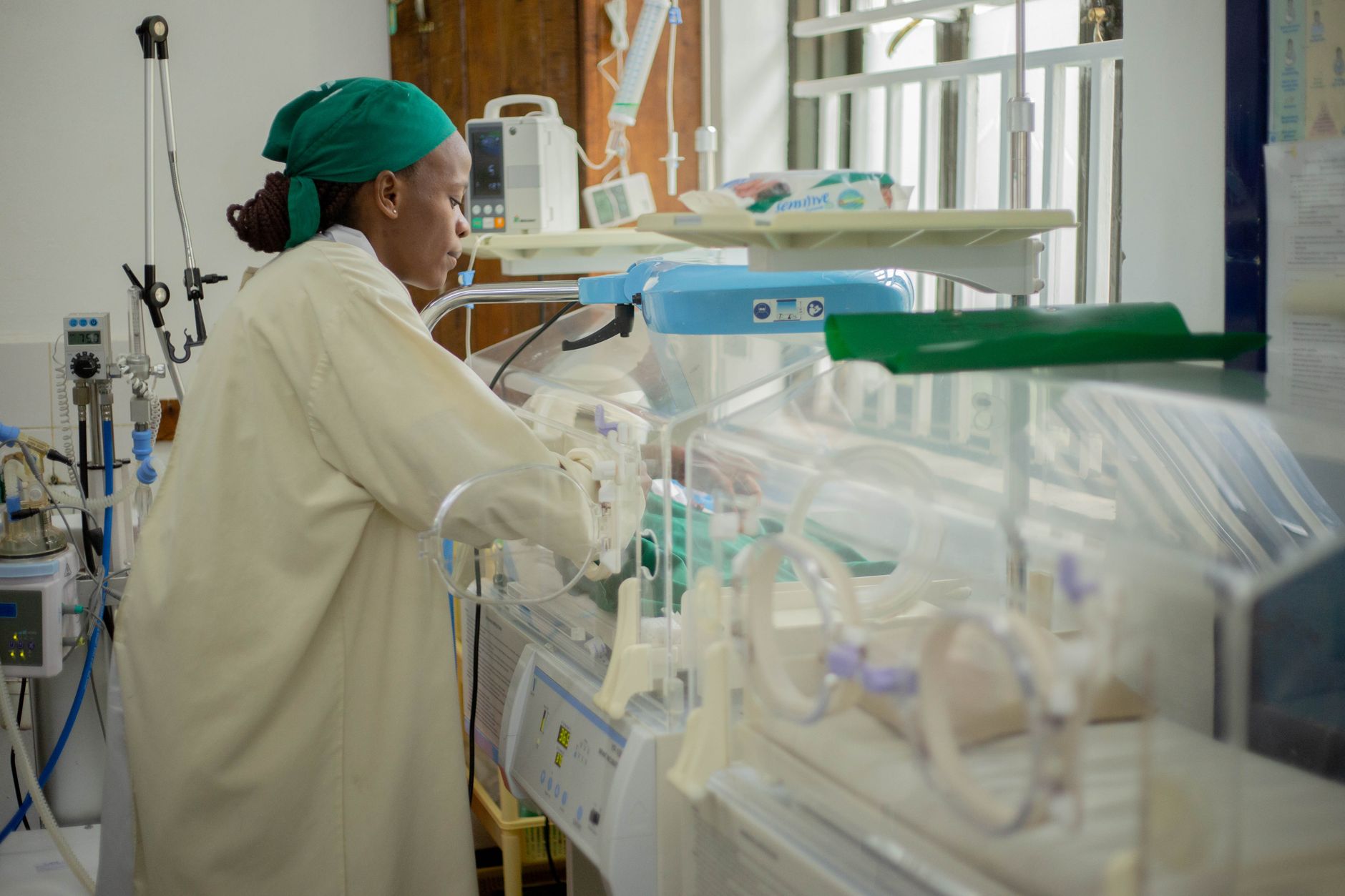
Learn about premature baby prognosis using CRIB-II and VON benchmarking for improved outcomes and informed decision making for your baby's health
By Shubhra Mishra — a mom of two who turned her own confusion during pregnancy into BumpBites, a global mission to make food choices clear, safe, and stress-free for every expecting mother. 💛
Check whether any food is safe during pregnancy with the BumpBites Food Safety Checker.
Quick take: The CRIB-II score and VON benchmarking are two key tools NICUs use to predict a premature baby’s short-term risk and compare care quality across hospitals. CRIB-II combines five clinical factors measured in the first hour of life to estimate mortality risk, while the Vermont Oxford Network (VON) collects nationwide data to set national standards for survival and complications. Neither tool predicts long-term outcomes like cerebral palsy or developmental delays, but both help clinicians tailor care and families prepare for the road ahead. If you’ve just received a CRIB-II score for your baby, this guide will help you understand what it means—and what questions to ask next.
It’s 3 a.m. in the NICU, and the numbers on the whiteboard don’t make sense. Your 28-week baby, born just hours ago, has a “CRIB-II score of 8.” The neonatologist mentions “VON benchmarks” and “high-risk stratification,” but your head is spinning. You nod along, pretending to follow, while your heart races: What do these numbers actually mean for my baby?
🔢 Calculate it for your situation: Use our CRIB-II Neonatal Risk for a personalized result in seconds.
If this moment feels familiar, you’re not alone. Most parents of premature infants encounter these tools—CRIB-II and VON—before they’ve even held their baby for the first time. These aren’t just abstract medical metrics; they’re the first clues to your baby’s immediate prognosis and the quality of care they’ll receive. But here’s the good news: while the terminology may sound intimidating, the concepts are straightforward once broken down. This guide will walk you through what CRIB-II and VON actually measure, how they differ, and—most importantly—what they don’t tell you about your baby’s future.
We’ll cover how to interpret your baby’s score, how hospitals use these tools to improve care, and the questions every parent should ask their NICU team. By the end, you’ll have a clearer picture of where your baby stands—and how to advocate for the best possible outcomes.
In the NICU, every number tells a story—but none define your baby’s entire journey.
What is the CRIB-II score, and why does it matter?
The Clinical Risk Index for Babies II (CRIB-II) is a scoring system designed to predict the risk of death in the first 28 days of life for premature infants born before 32 weeks gestation or weighing less than 1,500 grams (about 3.3 pounds). It’s calculated within the first hour after birth, using five key pieces of information:
Gestational age (how many weeks pregnant you were when your baby was born).
Birth weight (how much your baby weighed at birth).
Body temperature (measured rectally in the first hour).
Base excess (a blood test result that shows how acidic or alkaline your baby’s blood is).
Sex (male or female).
Each of these factors is plugged into a formula to generate a score between 0 and 27. The higher the score, the higher the predicted risk of death in the neonatal period (the first 28 days). For example, a CRIB-II score of 0–2 suggests a very low risk, while a score above 10 indicates a high risk. Most babies fall somewhere in the middle, with scores between 3 and 7.
One mom, Sarah, described her experience: “When my son was born at 26 weeks, his CRIB-II score was 6. The doctor told us that meant a ‘moderate risk’ of complications, but I had no idea what that actually translated to. Was he going to be okay? Would he need surgery? It wasn’t until a NICU nurse sat down with us and showed us the VON data that we realized his score was actually better than average for his gestational age. That small piece of context made all the difference.”
CRIB-II isn’t a crystal ball—it doesn’t predict long-term outcomes like cerebral palsy, developmental delays, or learning disabilities. But it does give clinicians a snapshot of how sick a baby is in those critical first hours, which helps them tailor treatments like respiratory support, antibiotics, or nutritional plans. For parents, it’s the first numerical clue to how their baby is faring—and a starting point for asking questions.
How is CRIB-II calculated? A step-by-step breakdown
Calculating a CRIB-II score involves a few straightforward steps, but it’s important to note that the actual formula is proprietary and typically handled by NICU software. However, understanding the components can help you make sense of the score when it’s presented to you. Here’s how it works:
Gather the five inputs:
Gestational age (in completed weeks, e.g., 28 weeks + 3 days = 28 weeks).
Birth weight (in grams).
Rectal temperature (in degrees Celsius, measured within the first hour).
Base excess (from an arterial or capillary blood gas test, measured in mmol/L).
Sex (male or female).
Plug the values into the CRIB-II formula. The formula assigns points based on how far each value deviates from the “average” for a premature baby. For example:
A lower gestational age or birth weight adds more points (higher risk).
A lower body temperature or more severe acidosis (negative base excess) also adds points.
Male babies tend to have slightly higher scores than females, all else being equal.
Sum the points to get the total CRIB-II score. The score ranges from 0 to 27, with higher numbers indicating higher risk.
For example, let’s say a baby is born at 28 weeks, weighs 1,000 grams, has a rectal temperature of 36.0°C, a base excess of -8 mmol/L, and is male. Each of these values would contribute a certain number of points to the total score. While you won’t calculate this by hand, you can use the CRIB-II Neonatal Risk calculator to see how different inputs affect the score.
It’s worth noting that CRIB-II is most accurate for babies born between 22 and 32 weeks gestation. For babies born closer to term (32–37 weeks), other scoring systems like the SNAP-II (Score for Neonatal Acute Physiology) may be used instead, as they account for additional factors like blood pressure and oxygenation.
What do different CRIB-II scores mean?
CRIB-II scores are divided into risk categories, which help clinicians and parents understand the immediate prognosis. Here’s a general breakdown of what the scores mean:
CRIB-II Score Range
Risk Category
Predicted Mortality Risk (First 28 Days)
What It Means for Your Baby
0–2
Low risk
<5%
Your baby is likely to have a relatively stable course in the NICU, though they may still need support like oxygen or feeding assistance.
3–7
Moderate risk
5–20%
Your baby may face some challenges, such as respiratory distress or infections, but the majority of babies in this range survive and do well with appropriate care.
8–12
High risk
20–50%
Your baby is very sick and will likely need intensive interventions, such as mechanical ventilation, medications, or surgery. Survival is still possible, but complications are more likely.
13+
Very high risk
>50%
Your baby is critically ill, and the NICU team will focus on stabilizing them and providing the most aggressive support possible. Even with the best care, survival is uncertain.
These categories are based on data from thousands of premature babies, but they’re not set in stone. Every baby is unique, and factors like the quality of NICU care, the presence of congenital anomalies, or the baby’s response to treatment can shift the odds. For example, a baby with a CRIB-II score of 9 might do better than expected if they’re born in a hospital with advanced neonatal care, while a baby with a score of 5 might struggle if they develop an unexpected infection.
It’s also important to remember that CRIB-II only predicts short-term risk. A baby with a high score who survives the first month may still face long-term challenges, while a baby with a low score might encounter unexpected complications later. This is why NICUs use additional tools, like the VON benchmarks, to track outcomes over time.
What is VON benchmarking, and how does it work?
The V
ermont Oxford Network (VON) is a nonprofit collaboration of nearly 1,400 hospitals worldwide that collect and share data on neonatal care. Its mission is simple: to improve the quality and safety of care for newborns, especially those born prematurely or with low birth weight. VON benchmarking is the process of comparing a hospital’s outcomes to national or international standards, using data from thousands of NICUs.
Here’s how it works:
Data collection: Hospitals submit detailed information about every very low birth weight (VLBW) infant they care for (those born weighing less than 1,500 grams). This includes data on birth weight, gestational age, treatments, complications, and outcomes like survival, infections, and length of hospital stay.
Aggregation and analysis: VON pools this data to create national benchmarks for key outcomes, such as survival rates, rates of chronic lung disease, or the incidence of severe brain injury. These benchmarks are updated annually and broken down by gestational age and birth weight categories.
Benchmarking: Hospitals compare their own outcomes to the VON benchmarks to identify areas where they’re performing well and areas where they could improve. For example, if a hospital’s survival rate for 24-week infants is below the VON benchmark, they might investigate whether changes in respiratory support or infection control could help.
Quality improvement: VON provides tools and resources to help hospitals implement evidence-based practices. For example, if data shows that a certain antibiotic protocol reduces infections, VON might recommend it to all member hospitals.
VON data is powerful because it’s based on real-world outcomes from a diverse range of hospitals, from small community NICUs to large academic medical centers. This makes the benchmarks more realistic and achievable than if they were based on data from a single “ideal” hospital. It also means that parents can use VON data to ask informed questions about their baby’s care, such as: “How does our hospital’s survival rate for 28-week infants compare to the national benchmark?”
How VON data is used to improve neonatal care
VON benchmarking isn’t just about numbers—it’s about saving lives. Hospitals use VON data in several ways to improve care:
Identifying trends: By tracking outcomes over time, hospitals can spot patterns that might indicate a problem. For example, if a NICU notices a sudden increase in infections, they can investigate whether a change in handwashing protocols or equipment sterilization is needed.
Setting goals: VON benchmarks provide a target for hospitals to aim for. For example, a NICU might set a goal to reduce the rate of chronic lung disease among 26-week infants to match or exceed the VON benchmark.
Implementing best practices: VON shares evidence-based guidelines with member hospitals to help them achieve better outcomes. For example, VON’s “Golden Hour” protocol outlines the critical steps to take in the first hour after birth to stabilize a premature infant, such as maintaining body temperature and providing early respiratory support.
Collaborative learning: VON facilitates networks where hospitals can share experiences and learn from one another. For example, a NICU struggling with high rates of brain injury might partner with a hospital that has successfully reduced those rates to learn what worked for them.
One NICU director, Dr. Patel, described how VON data transformed their unit: “We noticed our survival rates for 25-week infants were lagging behind the VON benchmark. After digging into the data, we realized our rates of hypothermia (low body temperature) were higher than average. We adjusted our delivery room protocols to focus on keeping babies warm, and within a year, our survival rates improved by 15%. That’s the power of benchmarking—it turns data into action.”
VON benchmarks: What do the numbers mean for your baby?
VON benchmarks are typically presented as percentages or rates for specific outcomes. Here are some of the most important benchmarks parents might encounter, along with what they mean:
Outcome
VON Benchmark (Example for 24–27 Weeks Gestation)
What It Means
Survival to discharge
70–85%
Nationally, 70–85% of babies born at 24–27 weeks survive to go home. This varies by gestational age (e.g., 24-week infants have lower survival rates than 27-week infants).
Severe brain injury (IVH grade 3–4 or PVL)
10–15%
About 10–15% of very low birth weight infants develop severe brain injury, which can lead to long-term developmental challenges. Lower rates are better.
Chronic lung disease (BPD)
30–50%
Bronchopulmonary dysplasia (BPD) is a lung condition that can develop in premature infants who need prolonged oxygen support. The benchmark varies by gestational age.
Late-onset sepsis (infection)
15–25%
Infections acquired in the NICU are a major risk for premature infants. Lower rates indicate better infection control practices.
Necrotizing enterocolitis (NEC)
5–10%
NEC is a serious intestinal condition that can require surgery. Rates vary by feeding practices and hospital protocols.
Retinopathy of prematurity (ROP) requiring treatment
5–15%
ROP is an eye condition that can lead to vision problems. It’s more common in the smallest, sickest infants.
These benchmarks are not guarantees—they’re averages based on thousands of babies. Your baby’s individual risk depends on many factors, including their CRIB-II score, the quality of care they receive, and their response to treatment. However, knowing how your hospital’s outcomes compare to the benchmarks can help you ask informed questions, such as:
“What is our hospital’s survival rate for babies born at my baby’s gestational age?”
“How does our NICU’s rate of brain injury compare to the VON benchmark?”
“What steps is the NICU taking to reduce infections or chronic lung disease?”
VON data can also provide reassurance. For example, if your baby is born at 26 weeks and your hospital’s survival rate for 26-week infants is 85% (above the VON benchmark of 80%), that’s a positive sign. On the other hand, if the survival rate is below the benchmark, it might prompt you to ask what the hospital is doing to improve.
VON data helps NICUs turn numbers into better care for every baby.
CRIB-II vs. VON: How do they compare?
At first glance, CRIB-II and VON might seem like two sides of the same coin—they both deal with premature infants and outcomes. But they serve very different purposes and complement each other in important ways. Here’s how they stack up:
Feature
CRIB-II
VON Benchmarking
Purpose
Predicts an individual baby’s risk of death in the first 28 days.
Compares a hospital’s outcomes to national standards to drive quality improvement.
Data source
Calculated from a single baby’s clinical data (gestational age, birth weight, etc.).
Aggregated data from thousands of babies across hundreds of hospitals.
Timeframe
Calculated within the first hour of life.
Data is collected throughout the NICU stay and analyzed annually.
Outcomes measured
Short-term mortality risk (first 28 days).
Survival, complications (e.g., brain injury, infections), length of stay, and more.
Who uses it?
Clinicians to tailor individual care plans; parents to understand their baby’s immediate prognosis.
Hospitals to assess and improve care quality; parents to compare NICU performance.
Limitations
Doesn’t predict long-term outcomes or complications; less accurate for babies born after 32 weeks.
Benchmarks are averages and may not reflect a hospital’s unique patient population or resources.
Example use case
A baby born at 27 weeks with a CRIB-II score of 5 may need less aggressive respiratory support than a baby with a score of 10.
A hospital with a high rate of infections compared to the VON benchmark might implement new handwashing protocols.
Think of CRIB-II as a snapshot of your baby’s health in the first hour of life, while VON is the big-picture view of how well a hospital cares for all premature infants over time. Both tools are valuable, but they answer different questions:
CRIB-II answers: “How sick is my baby right now, and what’s their immediate risk?”
VON answers: “How does this NICU’s care compare to others, and what can they do better?”
For parents, this means you might use CRIB-II to understand your baby’s prognosis in the first few days, while VON data can help you assess the quality of care your baby is receiving over the weeks or months of their NICU stay. For example, if your baby has a high CRIB-II score, you might focus on their immediate treatments and ask the NICU team about their experience with similar cases. Later, you might use VON data to compare your hospital’s outcomes to national benchmarks and advocate for best practices if needed.
How clinicians use both tools together
In practice, NICUs use CRIB-II and VON in tandem to provide the best possible care. Here’s how the two tools work together:
Initial risk assessment: When a premature baby is born, the NICU team calculates their CRIB-II score to estimate their immediate risk of death. This helps guide decisions about treatments like respiratory support, antibiotics, or nutritional plans. For example, a baby with a high CRIB-II score might need more aggressive ventilation or closer monitoring for infections.
Benchmarking against VON: The NICU team compares their outcomes for babies with similar CRIB-II scores to the VON benchmarks. For example, if their survival rate for babies with CRIB-II scores of 8–12 is below the VON benchmark, they might investigate whether changes in care protocols could improve outcomes.
Quality improvement: VON data helps NICUs identify areas where they can improve. For example, if a hospital’s rate of chronic lung disease is higher than the VON benchmark, they might adopt new respiratory support strategies or feeding protocols to reduce the risk.
Parent counseling: Clinicians use both tools to help parents understand their baby’s prognosis and the quality of care they’re receiving. For example, a neonatologist might say: “Your baby’s CRIB-II score is 6, which puts them at moderate risk for complications. However, our NICU’s survival rate for babies with similar scores is above the VON benchmark, so we’re optimistic about their progress.”
One neonatologist, Dr. Lee, explained how she uses both tools in her practice: “CRIB-II gives me a quick sense of how sick a baby is in the first hour, but VON helps me put that into context. If I have a 26-week baby with a CRIB-II score of 7, I know their immediate risk is moderate. But if I also know that our NICU’s survival rate for 26-week infants is 85%—above the VON benchmark of 80%—I can reassure the parents that their baby is in good hands. It’s about balancing the individual story with the bigger picture.”
Limitations and controversies
While CRIB-II and VON are invaluable tools, they’re not without limitations. Understanding these can help parents and clinicians use them more effectively:
Limitations of CRIB-II
Short-term focus: CRIB-II only predicts risk in the first 28 days. It doesn’t account for long-term outcomes like developmental delays, cerebral palsy, or learning disabilities, which are often parents’ biggest concerns.
Limited scope: CRIB-II doesn’t include factors like maternal health, prenatal care, or congenital anomalies, which can significantly impact a baby’s prognosis. For example, a baby with a heart defect might have a higher risk of complications than their CRIB-II score suggests.
Less accurate for older preterm infants: CRIB-II is designed for babies born before 32 weeks or weighing less than 1,500 grams. For babies born closer to term, other scoring systems like SNAP-II may be more appropriate.
Static snapshot: CRIB-II is calculated once, in the first hour of life. It doesn’t account for how a baby’s condition changes over time. For example, a baby with a low CRIB-II score might develop an infection later, while a baby with a high score might stabilize quickly.
Limitations of VON
Benchmarks are averages: VON benchmarks are based on data from hundreds of hospitals, which means they reflect a wide range of care quality. A hospital’s outcomes might be below the benchmark not because of poor care, but because they serve a sicker or more vulnerable patient population.
Data lag: VON data is collected and analyzed annually, so the benchmarks may not reflect the most recent improvements in care. For example, a hospital that has recently adopted new protocols might not see the impact in the VON data for a year or more.
Focus on survival and complications: VON benchmarks primarily measure survival and short-term complications. They don’t capture long-term outcomes like developmental progress or quality of life, which are often more important to parents.
Hospital-level, not individual: VON data is aggregated at the hospital level, so it doesn’t provide insights into an individual baby’s prognosis. For example, knowing that a hospital’s survival rate for 28-week infants is 90% doesn’t tell you what your baby’s specific chances are.
Controversies
Over-reliance on scores: Some critics argue that tools like CRIB-II can lead to “labeling” babies with a number, which might influence clinicians’ perceptions of their prognosis. For example, a baby with a high CRIB-II score might be seen as “hopeless,” even if they have the potential to do well with aggressive care.
Benchmarking pressure: Hospitals may feel pressured to meet VON benchmarks, which could lead to unintended consequences. For example, a NICU might avoid taking on high-risk cases to keep their survival rates high, or they might focus on short-term outcomes at the expense of long-term quality of life.
Transparency for parents: Some parents feel that CRIB-II and VON data are presented in a way that’s difficult to understand or overly clinical. For example, a CRIB-II score of 8 might be described as “high risk,” but parents may not know what that means in practical terms or how it compares to other babies.
Despite these limitations, CRIB-II and VON remain essential tools in neonatal care. The key is to use them as part of a broader picture, not as the sole determinant of a baby’s prognosis or a hospital’s quality. For parents, this means asking questions, seeking context, and remembering that every baby’s journey is unique.
How to interpret your baby’s CRIB-II score: A parent’s guide
Receiving your baby’s CRIB-II score can feel overwhelming, especially if the number seems high or the terminology is unfamiliar. Here’s a step-by-step guide to help you make sense of it—and what to do next.
Step 1: Ask for the score and the context
When the NICU team shares your baby’s CRIB-II score, ask for the following:
The score itself: What is the actual number? (e.g., 5, 8, 12).
The risk category: Is it low, moderate, high, or very high risk?
What it means for your baby: How does this score compare to other babies born at the same gestational age or with the same birth weight?
How the score was calculated: Which factors contributed the most to the score? (e.g., “Your baby’s low birth weight added the most points.”)
For example, you might hear: “Your baby’s CRIB-II score is 7, which puts them in the moderate-risk category. This is common for babies born at 27 weeks, and most babies with this score do well with appropriate care.”
Step 2: Understand what the score doesn’t tell you
It’s easy to fixate on the number, but remember that CRIB-II has limitations. Here’s what it doesn’t predict:
Long-term outcomes: CRIB-II doesn’t tell you whether your baby will have developmental delays, cerebral palsy, or learning disabilities. Many babies with high CRIB-II scores go on to thrive, while some with low scores may face challenges later.
Complications: The score doesn’t predict specific complications like infections, brain injury, or chronic lung disease. These depend on many factors, including the quality of care your baby receives.
Your baby’s resilience: Some babies defy the odds. A high CRIB-II score doesn’t mean your baby won’t fight and recover—it just means they’re starting from a tougher place.
One mom, Jessica, shared her experience: “My daughter’s CRIB-II score was 10, which the doctor said was high risk. I was terrified she wouldn’t make it. But she turned a corner after a few days, and by the time she was discharged, she was doing better than expected. The score was just the starting point—it didn’t define her.”
Step 3: Compare the score to VON benchmarks
Ask the NICU team how your baby’s CRIB-II score compares to the VON benchmarks for babies of the same gestational age or birth weight. This can give you a sense of how your baby’s prognosis stacks up against national averages. For example:
“What is the average CRIB-II score for babies born at 28 weeks in this NICU?”
“How does our NICU’s survival rate for babies with a CRIB-II score of 7 compare to the VON benchmark?”
“What are the most common complications for babies with this score, and how does our NICU’s rate compare?”
If your hospital’s outcomes are above the VON benchmark, that’s a positive sign. If they’re below, ask what the NICU is doing to improve. For example, they might be implementing new protocols for respiratory support or infection control.
Step 4: Ask about the care plan
Use your baby’s CRIB-II score as a starting point to discuss their care plan. Here are some questions to ask:
Respiratory support: “What kind of respiratory support will my baby need, and how does their CRIB-II score influence that decision?”
Monitoring: “How often will my baby’s condition be reassessed? Will their CRIB-II score change over time?”
Nutrition: “What are the plans for feeding my baby, and how does their score affect that?”
Infections: “What steps are being taken to reduce the risk of infections, which are more common in babies with higher CRIB-II scores?”
Long-term follow-up: “What kind of developmental follow-up will my baby need after discharge, regardless of their CRIB-II score?”
For example, a baby with a high CRIB-II score might need more aggressive respiratory support, such as high-frequency ventilation or surfactant therapy, to help their lungs develop. They might also need closer monitoring for infections or brain injury.
Step 5: Advocate for your baby
Your baby’s CRIB-II score is just one piece of the puzzle. As a parent, you play a critical role in advocating for their care. Here’s how:
Ask for clarity: If something doesn’t make sense, ask the NICU team to explain it in plain language. There’s no such thing as a “dumb” question when it comes to your baby’s health.
Request regular updates: Ask the team to keep you informed about your baby’s progress, especially if their condition changes. For example, you might say: “Can we schedule a daily update to discuss how my baby is doing?”
Seek a second opinion: If you’re unsure about your baby’s care plan, it’s okay to ask for a second opinion from another neonatologist or a specialist. Most NICUs welcome this and can facilitate it.
Connect with other parents: Other parents in the NICU can be a valuable source of support and information. They might have insights into the care team, the hospital’s outcomes, or practical tips for navigating the NICU.
Trust your instincts: You know your baby best. If something feels off, speak up. For example, if your baby seems more lethargic than usual or isn’t responding to treatments, ask the team to investigate.
Step 6: Prepare for the emotional rollercoaster
Receiving
🔢 Ready to crunch your numbers? Use our CRIB-II Neonatal Risk for a personalized result in seconds.
Not sure about the label on Premature Baby Prognosis Crib Ii Von Benchmarking Guide products?
Snap the ingredients list and SafeFilter checks every ingredient for your stage — only 3 free scans this month, then you're locked until reset. Unlimited from $7/mo or $50/yr.
When Shubhra Mishra was expecting her first child in 2016, she was overwhelmed by conflicting food advice — one site said yes, another said never. By the time her second baby arrived in 2019, she realized millions of mothers face the same confusion.
That sparked a five-year journey through clinical nutrition papers, cultural diets, and expert conversations — all leading to BumpBites: a calm, compassionate space where science meets everyday motherhood.
Her long-term vision is to build a global community ensuring safe, supported, and free deliveriesfor every mother — because no woman should face pregnancy alone or uninformed. 🌿
🌍 Stand with mothers, shape safer guidance
Join a small circle of experts who review BumpBites articles so expecting parents everywhere can decide with confidence.