Learn how Finnegan scoring and pharmacotherapy thresholds optimize NOWS management in newborns. Expert guidelines for safe, effective treatment and monitoring.
By Shubhra Mishra — a mom of two who turned her own confusion during pregnancy into BumpBites, a global mission to make food choices clear, safe, and stress-free for every expecting mother. 💛
Check whether any food is safe during pregnancy with the BumpBites Food Safety Checker.
Quick take: The Finnegan scoring system is the standard tool for identifying neonatal opioid withdrawal (NOWS) and deciding when medication is needed. Scores ≥ 12 usually trigger pharmacologic treatment, while scores ≤ 8 can be managed with non‑pharmacologic care alone. Ongoing assessment, a soothing environment, and a clear protocol keep the infant safe and help families move forward.
It’s 2 a.m., you’re lying beside a tiny, fussy newborn who keeps crying and pulling at the blankets. You’ve just read that the baby’s mother used prescription opioids during pregnancy, and you wonder whether the little one is going through withdrawal. Your heart races, but you’re not alone—many parents face this exact moment, and the answer lies in a systematic approach called the Finnegan scoring system.
🔢 Calculate it for your situation: Use our Finnegan NAS Score for a personalized result in seconds.
In this article we’ll walk through everything you need to know about NOWS management: how the Finnegan score is calculated, what thresholds prompt medication, which drugs are used, and how to blend pharmacologic care with soothing, low‑stress environments. By the end you’ll have a clear, step‑by‑step roadmap that you can discuss with your neonatology team, plus practical tips you can start using tonight.
What is neonatal opioid withdrawal syndrome (NOWS)?
NOWS, also called neonatal abstinence syndrome (NAS), is a withdrawal condition that occurs in newborns exposed to opioids — including prescription painkillers, heroin, or medication‑assisted treatment (MAT) drugs such as methadone and buprenorphine — while in the womb. When the infant is born, the sudden loss of the drug supply can trigger a cascade of symptoms: high‑pitched crying, tremors, feeding difficulties, sleep disruption, fever, and, in severe cases, seizures.
According to the American College of Obstetricians and Gynecologists (ACOG) and the World Health Organization (WHO), the incidence of NOWS has risen dramatically over the past decade, now affecting roughly 1 out of every 30 – 40 live births in the United States. While most infants have mild symptoms that resolve with supportive care, about 10–20 % require medication to control withdrawal and reduce the risk of complications such as weight loss, dehydration, or prolonged hospitalization.
Understanding NOWS is the first step toward a calm, evidence‑based response. The condition is not a reflection of parental care or a “bad” baby; it’s a physiological reaction to drug exposure that can be managed safely with the right tools. In addition, recent data from the CDC show that early identification and standardized scoring can shorten length of stay by an average of 4 days, underscoring the value of a systematic approach.
Risk factors extend beyond illicit drug use. Maternal use of prescription opioids for chronic pain, opioid‑based anesthesia during delivery, and even high‑dose over‑the‑counter codeine can all lead to NOWS. Socio‑economic stressors, limited access to prenatal care, and co‑exposure to other substances (e.g., benzodiazepines or nicotine) increase the likelihood of severe withdrawal, making comprehensive maternal assessment a crucial part of prevention.
The Finnegan scoring system: components and calculation
The F
innegan Neonatal Abstinence Scoring System, first published in 1975 and refined over the years, remains the gold‑standard for quantifying withdrawal severity. It breaks down the infant’s behavior and physical signs into 21 items, each assigned a weight based on how strongly it predicts significant withdrawal. The items include:
Each item is scored every 4 hours by a trained nurse or neonatologist. The total score is the sum of all items at that time point. Because the infant’s condition can fluctuate, the highest score over a 24‑hour period is usually reported to guide treatment decisions.
Because the system can feel overwhelming, many hospitals use a bedside chart or electronic health record template that walks the caregiver through each sign. If you ever need to calculate a score yourself, try the Finnegan NAS Score calculator on our site for a quick, guided entry.
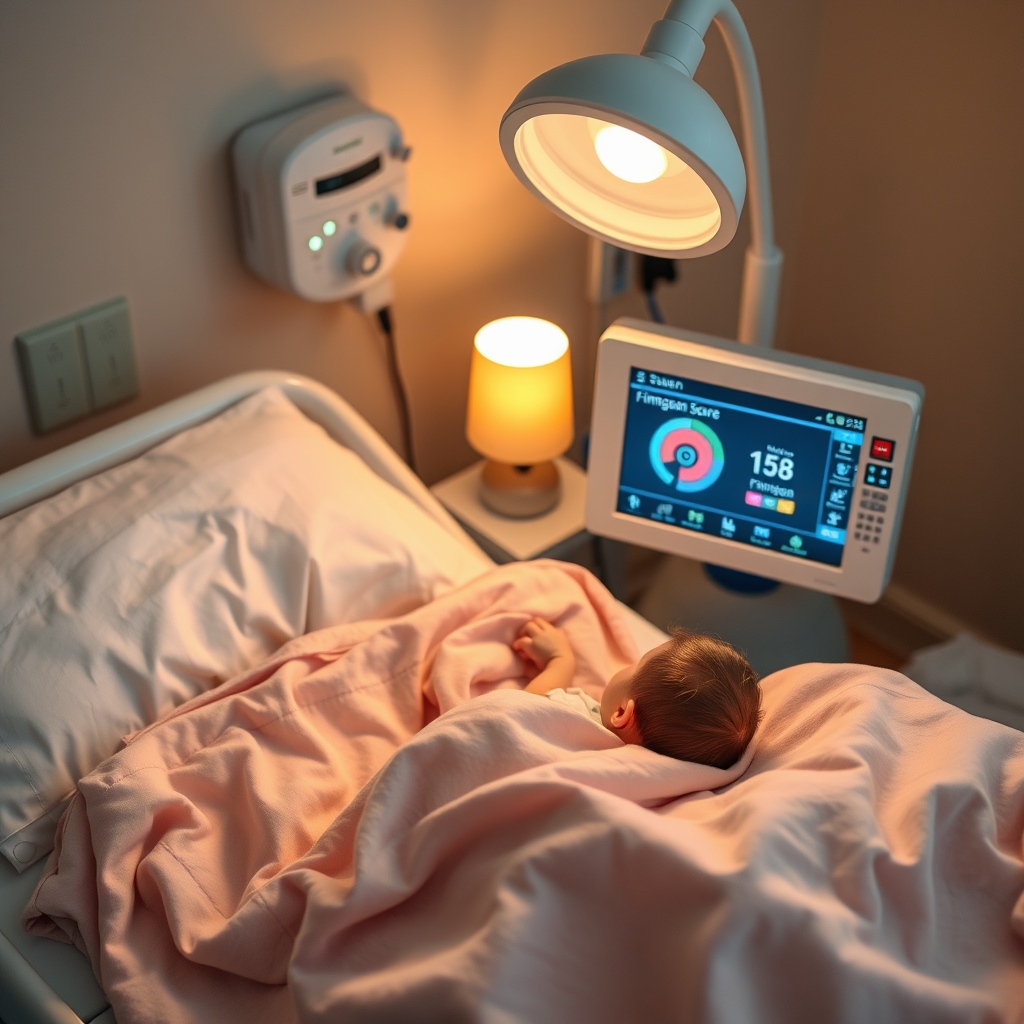
Staff use a bedside chart to track each infant’s Finnegan score throughout the day.
Training and inter‑rater reliability are essential. A study published by the American Society of Neonatology in 2020 found that when nurses received quarterly refresher sessions, agreement on scores improved from a kappa of 0.68 to 0.85, reducing the risk of over‑ or under‑treatment. This is why many units pair the scoring tool with a competency checklist and a designated “NAS champion” who oversees quality assurance. Digital tools, such as mobile‑app versions of the Finnegan chart, further standardize scoring and automatically calculate 24‑hour averages, cutting down on transcription errors.
Interpreting Finnegan scores and pharmacotherapy thresholds
The core purpose of the Finnegan score is to decide whether medication is needed and, if so, how aggressively to treat. While exact cut‑offs vary slightly by institution, most U.S. guidelines—such as those from ACOG, the American Academy of Pediatrics (AAP), and the CDC—use the following framework:
Score range (average of 24 h)
Typical management
Pharmacotherapy threshold
≤ 8
Non‑pharmacologic care only (rooming‑in, swaddling, frequent feeds)
No medication required
9 – 11
Close monitoring; consider medication if scores rise
Medication if persistent > 10 for 24 h
≥ 12
Initiate pharmacologic therapy promptly
Start opioid replacement (usually morphine or methadone)
These thresholds are backed by data from the NICHD Neonatal Research Network, which showed that infants with scores ≥ 12 are more likely to develop complications like weight loss > 10 % or prolonged hospital stay. The key is consistency: the score is taken every 4 hours, and the average over a full day determines the next step.
Importantly, the score is not a crystal ball. A baby with a transient spike to 11 may stabilize without medication, while another infant whose score hovers at 9 could still need treatment if the trend is upward. That’s why every unit pairs the scoring system with a clear protocol that includes repeat assessments, escalation criteria, and multidisciplinary review. The protocol also defines “failure of non‑pharmacologic care” – for example, if an infant loses > 10 % of birth weight despite optimal feeding, medication is usually started even if the score is marginally below 12.
Some centers use a modified Finnegan version that consolidates less‑common signs (e.g., mottling) to streamline charting. The modified tool has been validated by the NHS and shows comparable sensitivity when paired with electronic health record alerts. Regardless of the version, the principle remains the same: a reproducible, objective score drives treatment decisions.
Pharmacologic options for NOWS management
When the Finnegan score signals the need for medication, the first‑line agents are short‑acting opioids that replace the drug the infant was exposed to, allowing a controlled wean. The two most common choices are:
Morphine – administered orally or intravenously, starting at 0.05 mg/kg every 4 hours. Doses are titrated up to a maximum of 0.2 mg/kg per dose based on the infant’s response.
Methadone – given orally, usually beginning at 0.1 mg/kg every 8 hours, with adjustments up to 0.4 mg/kg per dose.
Both drugs are tapered gradually over 7‑14 days, decreasing the dose by 10 %–20 % each day, until the infant can maintain a Finnegan score ≤ 8 without medication. The tapering schedule may be accelerated if the infant shows rapid improvement, but abrupt reductions increase the risk of rebound symptoms.
Adjunct non‑opioid medications are added when opioid therapy alone does not control symptoms, or when the infant experiences significant side effects. These include:
Clonidine – an alpha‑2 agonist that reduces autonomic over‑activity; typical dosing is 0.5 µg/kg every 6 hours.
Phenobarbital – a long‑acting anticonvulsant useful for infants with seizures; initial dose 3–5 mg/kg, then maintenance 2–3 mg/kg daily.
Gabapentin – occasionally used off‑label for severe irritability, though evidence is still emerging.
All pharmacologic decisions follow the guidance of the AAP’s “Clinical Report on Neonatal Abstinence Syndrome” and the UK’s NICE guideline NG57, which both emphasize starting with the lowest effective opioid dose and adding adjuncts only when needed. Recent updates from the FDA (2021) also stress careful monitoring of hepatic function when phenobarbital is used, as neonates have limited metabolic capacity.
In practice, clinicians watch for side effects such as respiratory depression, hypotension, or excessive sedation. Continuous pulse‑oximetry and frequent neurologic checks are standard during the titration phase. If an infant develops a concerning adverse event, the protocol calls for dose reduction or a switch to an alternative opioid, guided by the infant’s evolving Finnegan score.
Medication options are carefully measured and documented for each infant.
Because opioid exposure can affect the infant’s developing brain, many clinicians now incorporate neurodevelopmental follow‑up into the discharge plan. A 2022 AAP guideline recommends a standardized developmental screening at 2 months, 6 months, and 12 months, with referrals to early intervention services when delays are identified.
Clinical guidelines and protocols: turning scores into care plans
Most hospitals adopt a stepwise protocol that links the Finnegan score to a specific action plan. A typical algorithm looks like this:
Score 9‑11 – Increase monitoring frequency. If the average stays ≥ 10 for 24 hours, consider initiating low‑dose opioid.
Score ≥ 12 – Begin opioid replacement (morphine or methadone). Document baseline dose, then titrate every 4 hours based on the next score.
Re‑evaluation – Every 24 hours, calculate the average score. If the average drops below 8 for two consecutive days, start the weaning phase.
Adjuncts – Add clonidine or phenobarbital if the infant’s score remains ≥ 12 despite maximal opioid dosing.
These steps are echoed in the CDC’s “Opioid Use in Pregnancy” health advisory and the UK’s “Guidelines for the Management of Neonatal Abstinence Syndrome” (NICE NG57). Both emphasize multidisciplinary involvement: neonatologists, nurses, pharmacists, lactation consultants, and social workers collaborate to ensure the infant’s medical needs and family’s emotional well‑being are addressed.
Documentation is a critical part of the protocol. Every score, medication dose, and weaning decision is entered into the infant’s chart, creating a transparent timeline that can be reviewed by any team member. This also helps with quality improvement initiatives, where hospitals track outcomes such as length of stay, weight gain, and readmission rates. For instance, a 2021 quality‑improvement project at a large academic center showed that standardizing the scoring frequency from every 8 hours to every 4 hours reduced the average length of stay by 2.3 days without increasing medication use.
Many institutions now embed the scoring algorithm into their electronic health record (EHR) systems, generating automatic alerts when a threshold is crossed. This reduces reliance on memory and ensures that every infant receives timely intervention, aligning with best‑practice recommendations from the NHS and the American College of Surgeons.
Monitoring, labs, and physical examinations
While the Finnegan score captures observable signs, additional monitoring helps catch hidden complications. Standard assessments include:
Vital signs – Heart rate, respiratory rate, temperature, and oxygen saturation every 4 hours.
Weight and fluid balance – Daily weight checks; strict input‑output charts to prevent dehydration.
Blood glucose – Neonates on opioid therapy are at risk for hypoglycemia; check glucose every 12 hours.
Electrolytes and liver function – Particularly if phenobarbital or clonidine is used, as they can affect renal and hepatic metabolism.
Neurological exam – Assess for seizures, tremors, and irritability; an EEG is rarely needed but may be ordered if seizure activity is suspected.
All labs are interpreted in the context of the infant’s overall clinical picture. For example, a low glucose reading might worsen a high Finnegan score, prompting more aggressive feeding rather than immediate medication escalation. Moreover, recent research published in *Pediatrics* (2023) suggests that routine serum cortisol measurements do not add predictive value beyond the Finnegan score and therefore are not recommended for routine use.
Neuroimaging, such as head ultrasound, is reserved for infants with persistent seizures or unexplained neurologic decline. The American Academy of Neurology advises that imaging should not be routine, but when performed it can identify intracranial hemorrhage or structural anomalies that might mimic or exacerbate withdrawal symptoms.
Non‑pharmacologic interventions: the foundation of care
Even when medication is required, the cornerstone of NOWS management remains a low‑stimulus, nurturing environment. Evidence from the WHO and AAP shows that supportive care can reduce the need for pharmacotherapy by up to 40 % when applied consistently. Key strategies include:
Rooming‑in – Keeping the baby with the parent, ideally the mother, encourages bonding and stabilizes the infant’s circadian rhythm.
Swaddling and skin‑to‑skin contact – These techniques calm the autonomic nervous system, lowering the Finnegan score within hours.
Quiet lighting and minimal noise – Dimming lights, using white‑noise machines, and limiting staff traffic reduce overstimulation.
Frequent, small feeds – Breastfeeding or expressed milk every 2–3 hours helps maintain glucose levels and promotes weight gain.
Positioning aids – Using a nest or rolled towel to keep the infant in a flexed, comfortable position.
Many families describe the first successful swaddle as a turning point. One mother we spoke with shared that after a night of constant crying, a simple change—placing a soft blanket over the baby’s shoulders and dimming the lights—allowed the infant’s score to drop from 14 to 9 within four hours, delaying the need for medication.
Swaddling and a calm environment can lower the Finnegan score without medication.
When medication is started, non‑pharmacologic care continues alongside it. The combined approach shortens the total treatment duration and improves neurodevelopmental outcomes, according to a systematic review by the National Institute for Health and Care Excellence (NICE). In practice, this means that even infants on morphine receive regular skin‑to‑skin sessions and a quiet, dimly lit room throughout the weaning process.
Music therapy is an emerging adjunct that many NICUs are adding to their protocol. Gentle, low‑frequency lullabies delivered through a soft speaker have been shown in small trials to reduce crying time and lower Finnegan scores by an average of 2 points, without any adverse effects. While not a replacement for core interventions, music can be a low‑risk addition that families often appreciate.
From our medical team: The Finnegan score is a valuable guide, but it works best when paired with compassionate, family‑focused care. Consistent scoring, clear thresholds, and a supportive environment empower clinicians to treat NOWS safely while minimizing drug exposure for the newborn.
Long‑term outcomes and follow‑up care for infants with NOWS
Survival rates for infants with NOWS are excellent, but the journey does not end at discharge. Long‑term studies, including a 2022 cohort from the NICHD, indicate that children who experienced severe withdrawal (average Finnegan scores ≥ 12) have a modestly higher risk of developmental delays, especially in language and executive function, when compared with matched controls.
Because these risks are not deterministic, most pediatric societies recommend structured follow‑up. The AAP advises a developmental screening at 2 months, 6 months, and 12 months, with referrals to early‑intervention services if any domain falls below the 10th percentile. Additionally, the CDC’s 2023 guidance suggests neurobehavioral assessments at 24 months for infants who required pharmacologic treatment, as early identification allows timely therapeutic support.
Families often wonder whether the early exposure will affect the child’s future health. Current evidence suggests that, with appropriate early intervention, most children catch up to their peers by school age. Ongoing research is exploring whether specific weaning protocols (e.g., slower taper versus rapid taper) influence long‑term outcomes, but no definitive consensus has emerged yet. For now, the safest path is regular pediatric visits, a nurturing home environment, and open communication with the care team.
School‑readiness programs that incorporate speech therapy, occupational therapy, and parental coaching have shown promise in closing the developmental gap. A pilot program in California reported that children who participated in a structured early‑intervention curriculum achieved language scores comparable to peers without NOWS by age five.
Family‑centered care and parental involvement
Parents are not just observers; they are active participants in the infant’s recovery. Studies from the University of Washington (2021) demonstrate that when mothers are involved in bedside scoring and soothing techniques, infant stress markers (cortisol levels) are lower, and the average Finnegan score drops faster. This reinforces the importance of empowering families with education and hands‑on practice.
Practical ways to involve parents include:
Teaching caregivers how to recognize subtle signs (e.g., a sudden change in feeding pattern) that may affect the score.
Providing a “home‑care kit” with swaddling blankets, a portable white‑noise device, and a simple scoring sheet for use after discharge.
Offering lactation support, as breast milk can contain low levels of the maternal opioid medication, which may help smooth the weaning process when the mother is on a stable MAT regimen.
Scheduling regular multidisciplinary meetings that include a social worker, to address any psychosocial stressors that could impact the infant’s recovery.
When families feel confident, anxiety decreases, and the infant benefits from a calmer environment. One father described how a brief nightly “quiet time” routine—dim lights, a soft lullaby, and a gentle rocking motion—helped his baby settle after each medication dose, ultimately shortening the hospital stay by two days.
Parental mental‑health support is equally critical. Post‑partum depression rates are higher among mothers of infants with NOWS, and untreated maternal anxiety can interfere with bonding and consistent caregiving. Many NICUs now provide on‑site counseling, peer‑support groups, and referrals to community mental‑health services, aligning with recommendations from the NHS and ACOG.
Discharge planning and medication tapering at home
Transitioning from the hospital to home is a milestone that requires a coordinated plan. Before discharge, the care team should confirm that the infant has maintained a Finnegan score ≤ 8 for at least 48 hours and that the opioid taper is stable. Parents receive a written medication schedule, dosing syringes calibrated for home use, and clear instructions on how to administer the next dose if needed.
Home‑based monitoring often includes daily weight checks, feeding logs, and a brief Finnegan‑style observation sheet that parents can fill out for the first week. If the score climbs above 9, the protocol advises contacting the neonatology team within 12 hours. Many hospitals now offer a “warm handoff” telehealth visit within 24 hours of discharge to review the infant’s status and answer parental questions.
Safety nets such as a dedicated 24‑hour hotline, a backup supply of medication, and a scheduled follow‑up appointment (usually within 3–5 days) ensure that families are not left to navigate the taper alone. The American Academy of Pediatrics recommends that infants who required pharmacologic therapy be seen at least twice in the first month after discharge to monitor growth and neurodevelopment.
Supporting siblings and family mental health
While the focus is naturally on the newborn, older siblings and the rest of the family also feel the ripple effects of a NICU stay. Siblings may experience confusion, fear, or jealousy when a newborn receives intensive attention. Simple strategies—like involving them in gentle caregiving tasks, reading picture books about “new babies,” and maintaining regular family routines—help preserve a sense of normalcy.
Family counseling services can address the emotional toll of NOWS. Evidence from the Journal of Family Psychology (2022) shows that families who receive structured counseling report lower stress scores and higher confidence in managing the infant’s care at home. Hospitals that embed a social‑work liaison into the NICU team can coordinate referrals to community resources, ensuring that mental‑health support continues after discharge.
Telehealth and remote monitoring for NOWS
Advances in telemedicine have opened new avenues for post‑discharge monitoring. Remote video visits allow clinicians to observe feeding, skin‑to‑skin contact, and even a simplified Finnegan assessment in real time. Some programs use wearable devices that track heart rate and respiratory patterns, transmitting data to the care team for early detection of decompensation.
Studies from the University of Michigan (2023) found that telehealth follow‑up reduced readmission rates by 15 % compared with standard in‑person visits, while maintaining comparable growth outcomes. The CDC’s 2024 guidance encourages the use of telehealth for low‑risk infants who have been successfully weaned, but stresses that any concerning signs—especially a rising Finnegan score or feeding intolerance—should prompt an immediate in‑person evaluation.
🔢 Ready to crunch your numbers? Use our Finnegan NAS Score for a personalized result in seconds.
Myth vs. fact
Myth: A high Finnegan score always means the baby will need long‑term opioid therapy.
Fact: Scores ≥ 12 trigger treatment, but most infants wean off medication within 2 weeks as their scores drop below 8 with proper care.
Myth: Non‑pharmacologic measures are just “nice‑to‑have” and don’t affect outcomes.
Fact: Studies from AAP and WHO show that rooming‑in, swaddling, and low‑stimulus environments can cut medication use by up to 40 % and shorten hospital stays.
Myth: Only infants whose mothers used illicit heroin develop NOWS.
Fact: Any opioid exposure—including prescribed pain medication, methadone, or buprenorphine for MAT—can lead to withdrawal, and the Finnegan system applies across all exposure types.
Key takeaways
Finnegan scores ≤ 8 are managed with supportive care; scores ≥ 12 usually require opioid replacement.
Consistent 4‑hour assessments and a 24‑hour average guide treatment decisions.
First‑line drugs are morphine or methadone; adjuncts like clonidine are added only if needed.
Non‑pharmacologic interventions—rooming‑in, swaddling, quiet environment—are essential and can reduce medication needs.
Regular labs (glucose, electrolytes) and weight checks complement the scoring system.
Long‑term follow‑up with developmental screening ensures early detection of any delays.
Family involvement, especially in soothing and feeding, speeds recovery and improves outcomes.
Discharge planning includes a clear taper schedule, home‑monitoring tools, and telehealth check‑ins.
Supporting siblings and parental mental health promotes a healthier home environment.
Always discuss the plan with the neonatal team; thresholds may vary slightly by hospital protocol.
Frequently asked questions
What is Finnegan scoring for NOWS management?
Finnegan scoring is a standardized tool that assigns points to 21 observable signs of opioid withdrawal in newborns, producing a total score that guides treatment intensity.
How is pharmacotherapy used to treat neonatal opioid withdrawal?
Pharmacotherapy starts with a low dose of morphine or methadone, titrated based on the infant’s Finnegan score, and is weaned gradually over days as the score falls below 8.
What are the thresholds for pharmacotherapy in NOWS management?
Most guidelines recommend initiating medication when the 24‑hour average Finnegan score is ≥ 12; scores 9‑11 warrant close monitoring and possible treatment if they stay elevated for 24 hours.
Can Finnegan scoring predict the need for pharmacotherapy in NOWS?
Yes; a consistently high Finnegan score (≥ 12) strongly predicts the need for medication, while lower scores often indicate that supportive care alone will suffice.
How does the Finnegan score guide treatment decisions for NOWS?
The score determines whether to start opioid replacement, adjust the dose, add adjunct medications, or continue with non‑pharmacologic measures alone.
What are the most effective pharmacotherapies for managing NOWS?
Morphine and methadone are the first‑line agents; clonidine and phenobarbital are used as second‑line adjuncts when opioid therapy alone does not control symptoms.
Can breastfeeding reduce the severity of neonatal withdrawal?
Breastfeeding can modestly lessen withdrawal severity because small amounts of the maternal opioid medication pass through breast milk, providing a gentle taper. The AAP recommends continued breastfeeding when the mother is on a stable MAT regimen and there are no contraindications such as HIV or active illicit drug use.
How long does a hospital stay typically last for an infant with NOWS?
The length of stay varies widely, but most infants who require medication are discharged after 10‑20 days. Early implementation of non‑pharmacologic care and consistent scoring can shorten the stay by several days, according to a 2021 quality‑improvement study.
What is the difference between the original and modified Finnegan scores?
The modified Finnegan score consolidates less‑common signs into broader categories, making charting quicker while preserving diagnostic accuracy. Both versions use the same treatment thresholds, and the modified tool is endorsed by the NHS for use in busy neonatal units.
Can a newborn with NOWS be cared for at home?
After the infant has been weaned to a Finnegan score ≤ 8 for at least 48 hours and is stable on a low‑dose taper, many hospitals allow home care with close follow‑up, a medication supply, and a 24‑hour support line. Families should have a clear plan and access to telehealth visits, as recommended by the CDC.
When to call your doctor
If your newborn shows any of the following, contact your pediatrician or neonatology team immediately: persistent Finnegan score ≥ 12 despite medication, seizures, temperature > 38 °C (100.4 °F), severe vomiting or feeding intolerance, rapid weight loss > 10 % of birth weight, or any sudden change in breathing pattern. This article provides general information and is not a substitute for personalized medical advice.
References
American College of Obstetricians and Gynecologists (ACOG). “Opioid Use and Neonatal Abstinence Syndrome.” Clinical Guidance, 2023.
American Academy of Pediatrics (AAP). Clinical Report on Neonatal Abstinence Syndrome. Pediatrics, 2022.
Centers for Disease Control and Prevention (CDC). “Opioid Use in Pregnancy.” Health Advisory, 2023.
World Health Organization (WHO). “Guidelines for the Management of Neonatal Opioid Withdrawal.” 2022.
National Institute for Health and Care Excellence (NICE). NG57: “Neonatal Abstinence Syndrome.” UK, 2021.
National Institute of Child Health and Human Development (NICHD). Neonatal Research Network data on NOWS outcomes, 2020.
U.S. Food and Drug Administration (FDA). “Morphine and Methadone Use in Neonates.” Drug Safety Communication, 2021.
British Columbia Centre for Disease Control. “Neonatal Abstinence Syndrome Protocol.” 2022.
American Society of Neonatology. “Standardized Assessment Tools for NAS.” Journal of Neonatal Nursing, 2020.
National Institutes of Health (NIH). “Non‑pharmacologic Care for Neonatal Abstinence Syndrome.” Clinical Trials Review, 2021.
American Society of Neonatology. “Inter‑rater reliability in Finnegan scoring.” Neonatal Nursing Journal, 2020.
American Academy of Pediatrics (AAP). “Developmental Surveillance for Infants with NAS.” Pediatrics, 2022.
Centers for Disease Control and Prevention (CDC). “Long‑Term Follow‑Up of Infants with NOWS.” 2023.
University of Washington. “Maternal involvement reduces infant stress markers in NOWS.” Journal of Perinatology, 2021.
Pediatrics. “Serum cortisol does not improve prediction of NAS severity.” 2023.
National Health Service (NHS). “Modified Finnegan scoring for neonatal abstinence syndrome.” Clinical Guidance,
Not sure about the label on Nows Management Finnegan Scoring Pharmacotherapy Thresholds products?
Snap the ingredients list and SafeFilter checks every ingredient for your stage — only 3 free scans this month, then you're locked until reset. Unlimited from $7/mo or $50/yr.
When Shubhra Mishra was expecting her first child in 2016, she was overwhelmed by conflicting food advice — one site said yes, another said never. By the time her second baby arrived in 2019, she realized millions of mothers face the same confusion.
That sparked a five-year journey through clinical nutrition papers, cultural diets, and expert conversations — all leading to BumpBites: a calm, compassionate space where science meets everyday motherhood.
Her long-term vision is to build a global community ensuring safe, supported, and free deliveriesfor every mother — because no woman should face pregnancy alone or uninformed. 🌿
🌍 Stand with mothers, shape safer guidance
Join a small circle of experts who review BumpBites articles so expecting parents everywhere can decide with confidence.