Newborns don't follow a strict sleep schedule, but understanding their natural rhythms is key. Discover typical newborn sleep patterns, how much sleep they need, and tips for healthy habits.
By Shubhra Mishra — a mom of two who turned her own confusion during pregnancy into BumpBites, a global mission to make food choices clear, safe, and stress-free for every expecting mother. 💛
Check whether any food is safe during pregnancy with the BumpBites Food Safety Checker.
Quick take: Newborns don't follow strict schedules, but rather a flexible, "eat-sleep-wake" rhythm driven by their tiny tummies and developing brains. During their first few months, expect them to sleep 14–17 hours in a 24-hour period, waking frequently for feeds. Focusing on safe sleep practices and responding to your baby's cues is more important than enforcing a rigid schedule.
It's 3 AM, you’ve just finished a feed, and your newborn is drifting back to sleep—only to stir an hour later. You're exhausted, scrolling through your phone, wondering: "Is there a secret newborn sleep schedule I'm missing?" We hear you. The idea of a predictable sleep pattern for your tiny new human can feel like a distant dream, especially when you're navigating the constant demands of early parenthood.
The truth is, newborns (typically from birth to three months old) aren't ready for a strict sleep schedule. Their bodies are still learning to regulate day and night, and their primary needs—feeding and comfort—dictate their sleep-wake cycles. Trying to force a rigid routine can be frustrating for both you and your baby.
Instead, we'll guide you through understanding your newborn's natural sleep patterns, how much sleep they truly need, and how to gently encourage healthy sleep habits that evolve with your baby. We'll also cover essential safe sleep practices and practical tips to help everyone in your family get a little more rest. Let's trade the pressure of a "schedule" for the peace of a "flexible routine" that works for your unique baby.
What does a newborn sleep schedule look like?
For newborns, a "schedule" is less about fixed times and more about a natural, responsive rhythm. In the first few weeks and months, your baby's sleep will be largely dictated by their hunger. They need to eat frequently, often every 2-3 hours (sometimes more!), which means their sleep comes in short bursts throughout the day and night.
Instead of a strict schedule, think of a "flexible routine" or "pattern" built around feeding, awake time (wake window), and sleep. This often follows an "eat-play-sleep" or "eat-wake-sleep" cycle, where your baby wakes, feeds, has a brief period of alertness, and then goes back to sleep. This responsive approach helps ensure your baby's nutritional needs are met and supports their natural development.
Many parents find it helpful to observe their baby's natural cues to establish a gentle rhythm rather than trying to impose a clock-based schedule. For example, if your baby tends to wake around the same time each morning, you can use that as a soft anchor point for the day, but don't worry if it shifts. The goal is to create a predictable sequence of events, not a rigid timetable.
For a 1-month-old, a "schedule" might look like waking, feeding for 20-40 minutes, having a short wake window of 45-60 minutes where they might gaze, cuddle, or have a diaper change, and then sleeping for 1-3 hours. This cycle repeats, often 8-12 times in 24 hours. There's no set bedtime or nap time; it's all fluid. As they grow, their wake windows will gradually lengthen, and sleep stretches will consolidate, but this is a slow, natural progression.
In the early weeks, your newborn's "schedule" will be a flexible rhythm of feeding, short awake times, and frequent naps.
How much sleep do newborns need in 24 hours?
Newborns, generally defined as babies from birth to three months of age, require a significant amount of sleep to fuel their rapid growth and development. The American Academy of Sleep Medicine (AASM) recommends that infants aged 0-3 months get between 14 and 17 hours of sleep in a 24-hour period. However, it's important to remember that this is an average, and individual babies can vary, with some needing as little as 11 hours and others as much as 19 hours.
This total sleep isn't continuous. Instead, it's fragmented into many short sleep cycles. During the newborn phase, babies typically sleep in short bursts, ranging from 30 minutes to 3-4 hours at a time. These sleep periods are interspersed with wakefulness for feeding, diaper changes, and brief moments of interaction.
As your baby grows, their sleep needs will gradually shift. Around 3-4 months, you might notice them starting to sleep slightly less overall, but the quality of their sleep often improves as sleep cycles mature and longer stretches become more common. This is also when some babies begin to differentiate between day and night more effectively. However, in the early weeks, frequent waking is entirely normal and expected.
Here's a general breakdown of newborn sleep patterns:
Age Range
Total Sleep (24 hours)
Night Sleep (approx.)
Day Naps (approx.)
Typical Nap Length
0-3 Months
14-17 hours
8-10 hours (fragmented)
6-7 hours (in 4-8 naps)
30 minutes - 3 hours
Remember, these numbers are guidelines. Your baby's individual needs will dictate their actual sleep patterns. Focus on responding to their hunger and tired cues rather than strictly adhering to these averages.
Can you establish a sleep routine for a newborn?
While establishing a strict, clock-based "sleep schedule" for a newborn is often unrealistic and can lead to frustration, you can absolutely begin to establish a gentle, predictable "sleep routine." The difference is crucial: a routine focuses on a consistent sequence of events, while a schedule relies on fixed times. For newborns, flexibility is key, but predictability helps them feel secure and learn what to expect.
A newborn sleep routine is about creating consistent patterns that signal to your baby that sleep is coming. This could involve a simple sequence like feeding, a diaper change, a brief cuddle or quiet play, swaddling, and then placing them down for sleep. Repeating these steps in a similar order, especially before longer stretches of sleep (which might happen at any time of day in the early weeks!), helps build associations.
How to create a gentle newborn sleep routine
Observe and Respond: Instead of watching the clock, watch your baby. When do they seem sleepy? When do they wake up hungry? Use these natural rhythms as your starting points.
Establish a Bedtime Routine (Even if "Bedtime" isn't fixed): Around 6-8 weeks, you can start a more defined evening routine, even if your baby doesn't sleep through the night. This might include a warm bath, a gentle massage, a quiet feeding, swaddling, and reading a book or singing a lullaby. The consistency helps them differentiate between day and night.
Create a Calming Environment: Dim lights, use white noise, and keep interactions quiet and soothing during sleep times. This helps signal that it's time for rest.
"Eat-Play-Sleep" Cycle: Many parents find success by encouraging an "eat-play-sleep" pattern. Your baby wakes, eats, has a brief period of alert time (the "play" part, even if it's just quiet gazing), and then goes back to sleep. This helps ensure they're not falling asleep at the breast or bottle out of habit, and also allows them to get a full feed when they wake up hungry.
Differentiate Day and Night: During the day, keep things bright and noisy. Engage with your baby. For night feedings, keep lights dim, minimize talking, and change diapers only if necessary. This helps them gradually understand the difference.
The beauty of a flexible routine is that it adapts as your baby grows. You're not forcing them into a mold; you're gently guiding them toward healthy sleep habits. Remember, a newborn's needs are paramount, and responsiveness is key. As the National Health Service (NHS) in the UK advises, "follow your baby's cues rather than trying to establish a strict routine too early."
What are common newborn sleep patterns and behaviors?
Newborn sleep is fascinating, complex, and often a little noisy! Understanding what's normal can help alleviate worries about whether your baby is sleeping "correctly." Unlike adult sleep, which involves distinct stages, newborn sleep is often characterized by two main states: Active Sleep (similar to REM sleep) and Quiet Sleep (non-REM sleep).
Active Sleep (REM Sleep)
About half of a newborn's sleep is spent in active sleep. During this phase, you might observe a lot of movement and noise:
Flutters and Twitches: Your baby's eyelids might flutter, and their eyes may move rapidly beneath them. Their face can twitch, and they might smile or frown.
Jerks and Startles: You might see small body jerks, arm or leg movements, and even brief gasps or irregular breathing. These are often accompanied by grunts, sighs, or whimpers.
Irregular Breathing: Breathing can be fast, shallow, or irregular, sometimes with short pauses (up to 5-10 seconds) that are perfectly normal.
These behaviors can sometimes make it seem like your baby is waking up, but often they are still sound asleep. It's best to observe for a few moments before intervening, as they might settle back down on their own.
Quiet Sleep (Non-REM Sleep)
This is a deeper, more peaceful sleep state.
Stillness: Your baby will be very still, with relaxed muscles.
Regular Breathing: Breathing will be slower and more regular.
No Eye Movement: Their eyes will be closed and still.
Waking a baby from quiet sleep can be harder, and they may seem groggy initially.
Common Newborn Sleep Behaviors
Day/Night Confusion: Many newborns have their internal clock (circadian rhythm) still developing. They may sleep for longer stretches during the day and be more awake and active at night. This is very common in the first few weeks and usually improves as they get closer to 6-8 weeks old. Consistent daytime light exposure and quiet, dark nights can help.
Frequent Waking: Newborns have tiny stomachs and need to eat often. Their sleep cycles are also much shorter (around 45-60 minutes) compared to adults (90-120 minutes). This means they cycle through light and deep sleep more frequently, leading to more wake-ups.
Noisy Sleepers: Beyond the grunts and whimpers of active sleep, newborns can make all sorts of noises due to their developing digestive systems and nasal passages. Snorting, sneezing, coughing, and gurgling are often normal, especially if there are no other signs of illness.
The "Fourth Trimester" Cuddle Need: For the first three months, babies are often described as being in their "fourth trimester." They are adjusting to life outside the womb and often crave constant closeness, comfort, and warmth. This is why many newborns sleep best when held or in a bassinet right next to a parent, replicating the womb environment.
Understanding these patterns can help you feel more confident in responding to your baby's needs without constantly questioning if something is "wrong." The American Academy of Pediatrics (AAP) emphasizes the importance of responsive care, which includes recognizing and addressing these normal sleep behaviors.
When do newborns start sleeping longer stretches at night?
The eagerly anticipated "sleeping through the night" milestone is a common question for new parents, but it's important to set realistic expectations for newborns. For most babies, sleeping longer stretches at night is a gradual developmental process that typically begins to emerge around the 3-6 month mark, rather than in the immediate newborn period (0-3 months).
In the first few months, a newborn's primary need is frequent feeding. Their small stomachs can only hold a limited amount of milk, meaning they need to wake every 2-4 hours (sometimes more often for breastfed babies) to feed. Physiologically, they are not yet capable of sustained sleep for long periods. Their brains are also still maturing, and their circadian rhythm (internal body clock) is not fully established, meaning they haven't learned to differentiate between day and night.
What to expect as your baby grows
0-3 Months: Expect frequent night wakings for feeds. A "long stretch" might be 3-4 hours, and these might happen at any time of day or night. It's rare for a newborn to consistently sleep longer than this.
3-4 Months: This period is often a turning point. Many babies start to consolidate their sleep, meaning they might sleep a 5-6 hour stretch at night. Their sleep cycles also begin to mature, becoming more organized and resembling adult sleep cycles. This is sometimes referred to as the "4-month sleep regression," but it's actually a progression in sleep development, albeit one that can temporarily disrupt sleep.
6 Months and Beyond: By six months, many babies are capable of sleeping for 8-12 hours at night, though they may still wake once for a feed or for comfort. The World Health Organization (WHO) states that by 6 months, most babies can go for 6-8 hours without a feed.
It's crucial to remember that every baby is different. Some babies will reach these milestones earlier, and some later. Factors like feeding method (breastfed babies often wake more frequently than formula-fed babies due to faster digestion), individual temperament, and growth spurts can all influence when your baby starts sleeping longer. Focus on creating a consistent, soothing bedtime routine and a safe sleep environment, and your baby will naturally begin to sleep longer when they are developmentally ready.
Around 3-4 months, many babies begin to consolidate sleep, offering parents a chance for longer stretches of rest.
What are typical newborn wake windows?
Wake windows refer to the period of time your baby is awake between naps or before their longest stretch of sleep. For newborns, these windows are surprisingly short! Understanding and respecting your baby's wake windows is a key strategy for preventing overtiredness, which paradoxically makes it harder for babies to fall asleep and stay asleep.
When a newborn stays awake for too long, their body produces cortisol, a stress hormone, which makes them wired and fussy. This is why you might notice your baby fighting sleep even when they're clearly exhausted. Catching them before they hit this overtired state is crucial for smoother transitions to sleep.
Typical Newborn Wake Windows (0-3 Months)
0-4 Weeks: Wake windows are very short, often just 30-45 minutes. This includes feeding time. Your baby might wake, feed, have a quick diaper change, a brief cuddle, and then be ready for sleep again.
1-2 Months: These gradually extend to around 45-60 minutes. You might have a bit more time for tummy time or quiet interaction after a feed.
2-3 Months: Wake windows can stretch to 60-90 minutes. Your baby will be more alert and engage more during these times.
These are general guidelines, and your baby's individual needs may vary. Some babies have slightly longer or shorter wake windows. The key is to look for their tired cues.
Recognizing Newborn Sleep Cues and Tired Signs
Your baby will give you signals when they're getting tired. Learning to spot these early cues can help you put them down for sleep before they become overtired and fussy.
Early Cues:
Gazing off into space, losing interest in toys or faces.
Becoming quiet and still.
Rubbing eyes or ears.
Slightly reddened eyebrows or eyelids.
Yawning.
Late/Overtired Cues:
Fussiness, crying, or irritable behavior.
Arching back.
Clenching fists.
Jerky movements.
Difficulty settling.
As soon as you notice those early tired signs, begin your calming routine (swaddling, white noise, dimming lights) and offer sleep. It might feel like you just fed them and they're already tired again, but that's perfectly normal for a newborn. Don't worry about how long a newborn can go without sleep; focus on providing opportunities for rest within these short wake windows.
Tips for safe sleep practices for newborns?
Ensuring your newborn sleeps safely is paramount. The American Academy of Pediatrics (AAP) and the UK's National Health Service (NHS) provide clear, evidence-based guidelines to reduce the risk of Sudden Infant Death Syndrome (SIDS) and other sleep-related infant deaths. Adhering to these "ABCs of Safe Sleep" is the most important thing you can do for your baby's sleep safety.
The ABCs of Safe Sleep
A - Alone: Your baby should sleep alone in their own designated sleep space. This means no adult bed-sharing, and no soft objects, loose bedding, pillows, bumpers, or toys in the crib or bassinet. The only thing in the sleep space with your baby should be a fitted sheet.
B - On Their Back: Always place your baby to sleep on their back for every nap and every night. This position significantly reduces the risk of SIDS. Once your baby can consistently roll over from back to tummy and tummy to back on their own, you don't need to reposition them if they roll during sleep. However, always start them on their back.
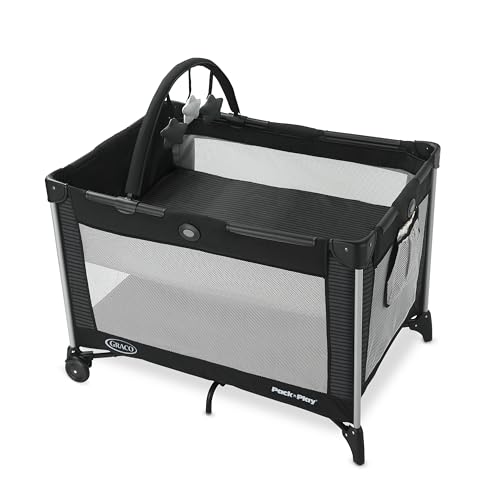
C - In a Crib or Bassinet: Your baby should sleep in a firm, flat sleep surface specifically designed for infant sleep, such as a crib, bassinet, or play yard, that meets current safety standards. The sleep surface should be free of hazards and placed in the parents' room for at least the first six months, ideally the first year. Room-sharing (baby in their own sleep space in your room) is recommended over bed-sharing.
Additional Safe Sleep Recommendations
Firm Sleep Surface: Ensure the mattress is firm and fits snugly in the crib or bassinet, with no gaps between the mattress and the sides.
No Soft Bedding or Objects: Avoid blankets, quilts, comforters, pillows, sheepskins, bumper pads, or soft toys in the sleep area. These can pose suffocation hazards.
Avoid Overheating: Dress your baby in light sleep clothing. The room should be kept at a comfortable temperature for an adult (around 68-72°F or 20-22°C). Check for signs of overheating like sweating, flushed skin, or a hot chest.
No Smoking: Exposure to tobacco smoke, both during pregnancy and after birth, increases the risk of SIDS. Maintain a smoke-free environment for your baby.
Consider a Pacifier: Offering a pacifier at naptime and bedtime, once breastfeeding is well established (usually around 3-4 weeks), has been shown to reduce the risk of SIDS. Don't force it if your baby doesn't want it.
Breastfeeding: Breastfeeding is associated with a reduced risk of SIDS. Any amount of breastfeeding is protective.
Tummy Time: While babies must sleep on their backs, supervised tummy time when they are awake is essential for developing strong neck and shoulder muscles and preventing flat spots on their heads.
From our medical team: "In the newborn phase, prioritizing safe sleep is paramount. We understand the exhaustion, but remember that following the ABCs of safe sleep—Alone, Back, Crib—can significantly reduce serious risks. Room-sharing, where your baby sleeps in their own safe space next to your bed, offers the benefits of proximity for feeding and comfort without the dangers of bed-sharing. If you ever have questions or concerns about your baby's sleep or safety, please reach out to your pediatrician or midwife."
How to help a newborn sleep better during the day and night?
Helping your newborn sleep better isn't about magical tricks, but rather about creating a supportive environment and responding consistently to their needs. While deep, long stretches of sleep are still some weeks away, you can lay the groundwork for healthy sleep habits.
For Daytime Naps
Dark Environment: While some natural light during the day is fine to help differentiate day from night, a slightly darkened room can help newborns settle for naps. This cues their brain that it's time to rest. You don't need pitch black, but dim is good.
White Noise: Consistent white noise (like a fan, a dedicated white noise machine, or an app) can mimic the sounds of the womb and help block out household noises, creating a soothing and familiar sleep environment. Keep the volume at a safe level, similar to a quiet shower.
Swaddling: For many newborns, swaddling (wrapping them snugly in a blanket with arms contained) helps recreate the feeling of the womb and prevents the startle reflex (Moro reflex) from waking them up. Ensure the swaddle is secure but not too tight, and always place a swaddled baby on their back. Stop swaddling once your baby shows signs of trying to roll over.
Recognize Tired Cues: As discussed, watch for those early tired signs like yawning, rubbing eyes, or disinterest. Don't wait until your baby is overtired and fussy to try and put them down.
Short Wake Windows: Remember newborns have very brief wake windows (30-90 minutes). Don't try to keep them awake longer, thinking it will make them sleep more later. It usually backfires.
For Night Sleep
Consistent Bedtime Routine (Even if Flexible): Even for newborns, a gentle, consistent evening routine can signal that night sleep is approaching. This might include a warm bath, a gentle massage, a quiet feeding, dimming the lights, and singing a lullaby. The predictability is comforting.
Differentiate Day and Night: During the day, keep lights bright, engage with your baby, and don't worry about household noises. At night, keep feedings quiet, lights low (use a red nightlight if possible), and interactions minimal. Avoid stimulating your baby during night wakings.
Full Feeds: Ensure your baby is getting full feeds during the day and before longer stretches of night sleep. Cluster feeding in the evenings is common and can help "tank up" your baby for potentially longer sleep.
Safe Sleep Environment: Reiterate the importance of a safe sleep space (Alone, Back, Crib/Bassinet in your room).
Respond to Cues: Your newborn needs you. If they wake up hungry, feed them. If they need a diaper change, do it. If they need comfort, offer it. Responsive parenting builds trust and security, which in turn supports better sleep as they grow.
One representative story we often hear from parents goes like this: "I was convinced my baby needed total silence to sleep, but he just kept startling awake. A friend suggested white noise, and it was a game-changer. He started settling much faster and seemed less bothered by the creaky floorboards outside his room." Small changes can make a big difference in creating a comforting sleep haven for your little one.
Creating a calming, consistent routine and responding to your baby's needs helps foster healthy sleep habits.
Myth vs. fact
Myth: You can train a newborn to sleep through the night.
Fact: Newborns (0-3 months) are not developmentally ready for sleep training or to "sleep through the night." Their tiny stomachs require frequent feedings, and their sleep cycles are too immature for sustained sleep. Attempts to force a schedule too early can be counterproductive and stressful for both baby and parents. Focus on responsive feeding and creating a gentle routine instead.
Myth: Keeping a newborn awake longer during the day will help them sleep better at night.
Fact: This is a common misconception! For newborns, the opposite is usually true. Overtired babies produce cortisol, a stress hormone, which makes it harder for them to fall asleep and stay asleep. Respecting their short wake windows and ensuring they get enough naps during the day actually leads to more settled night sleep.
Myth: Babies should sleep in complete silence and darkness.
Fact: While a dark room is helpful for distinguishing day from night, complete silence isn't always best for newborns. They're used to the constant sounds of the womb. White noise can be incredibly soothing, helping them settle and blocking out sudden household noises that might otherwise startle them awake. For daytime naps, some natural light is fine to help set their circadian rhythm.
Key takeaways
Newborns thrive on responsive care and a flexible routine, not a strict, clock-based schedule.
Aim for 14-17 hours of sleep in 24 hours for newborns (0-3 months), fragmented into short naps and night stretches.
Always prioritize safe sleep: Alone, Back, Crib (ABC) in your room for at least the first 6 months.
Newborns have very short wake windows (30-90 minutes); learn to recognize early tired cues to prevent overtiredness.
Help differentiate day from night with bright, stimulating days and quiet, dark nights.
Consistent pre-sleep routines (bath, massage, feed, swaddle, white noise) can signal sleep is coming.
Frequently asked questions
What is a typical newborn sleep schedule?
A typical newborn "schedule" is more of a responsive rhythm, dictated by hunger. Babies will usually wake, feed for 20-40 minutes, have a short wake window of 30-90 minutes, and then sleep for 1-3 hours. This cycle repeats frequently throughout a 24-hour period, with no fixed nap or bedtimes in the early weeks.
How many hours should a newborn sleep in 24 hours?
Newborns (0-3 months) typically need between 14 and 17 hours of sleep in a 24-hour period. This total is divided into many short naps and fragmented sleep stretches both day and night, as their small stomachs require frequent feedings.
Can you put a newborn on a sleep schedule?
Trying to put a newborn on a strict, clock-based sleep schedule is generally not recommended or effective. Instead, focus on establishing a gentle, flexible routine based on your baby's natural hunger and tired cues. This responsive approach supports their development and helps them gradually differentiate day from night.
What is a good sleep routine for a newborn?
A good newborn sleep routine is consistent and calming. It might include a warm bath, gentle massage, quiet feeding, swaddling, dimming lights, and using white noise. The key is to repeat these steps in a similar order to signal that sleep is approaching, helping your baby feel secure and learn predictability.
When do newborns sleep less?
Newborns don't necessarily "sleep less" in the first 3 months, but their sleep patterns change. Around 3-4 months, their total sleep needs might slightly decrease, but their sleep cycles mature, allowing for longer stretches of sleep at night and more predictable naps during the day. This is a developmental progression, not a reduction in overall sleep.
How long can a newborn go without sleep?
Newborns can typically only stay awake for very short periods, known as wake windows, ranging from 30 to 90 minutes. Trying to keep them awake longer than their natural wake window usually leads to overtiredness, making it harder for them to fall asleep and stay asleep.
When to call your doctor
While many newborn sleep behaviors are normal, it's always best to contact your pediatrician or midwife if you have any concerns. Call your doctor immediately if your baby:
Has difficulty breathing, is breathing very rapidly, or has long pauses in breathing (more than 10-15 seconds).
Is unusually lethargic, unresponsive, or difficult to wake.
Has a fever (rectal temperature of 100.4°F/38°C or higher for babies under 3 months).
Has symptoms of illness (e.g., persistent coughing, wheezing, vomiting, poor feeding).
Is not gaining weight appropriately or is not feeding well.
This article is for informational purposes only and is not a substitute for professional medical advice, diagnosis, or treatment. Always seek the advice of your physician or other qualified health provider with any questions you may have regarding a medical condition.
Not sure about the label on Newborn Sleep Schedule products?
Snap the ingredients list and SafeFilter checks every ingredient for your stage — only 3 free scans this month, then you're locked until reset. Unlimited from $7/mo or $50/yr.
When Shubhra Mishra was expecting her first child in 2016, she was overwhelmed by conflicting food advice — one site said yes, another said never. By the time her second baby arrived in 2019, she realized millions of mothers face the same confusion.
That sparked a five-year journey through clinical nutrition papers, cultural diets, and expert conversations — all leading to BumpBites: a calm, compassionate space where science meets everyday motherhood.
Her long-term vision is to build a global community ensuring safe, supported, and free deliveriesfor every mother — because no woman should face pregnancy alone or uninformed. 🌿
🌍 Stand with mothers, shape safer guidance
Join a small circle of experts who review BumpBites articles so expecting parents everywhere can decide with confidence.