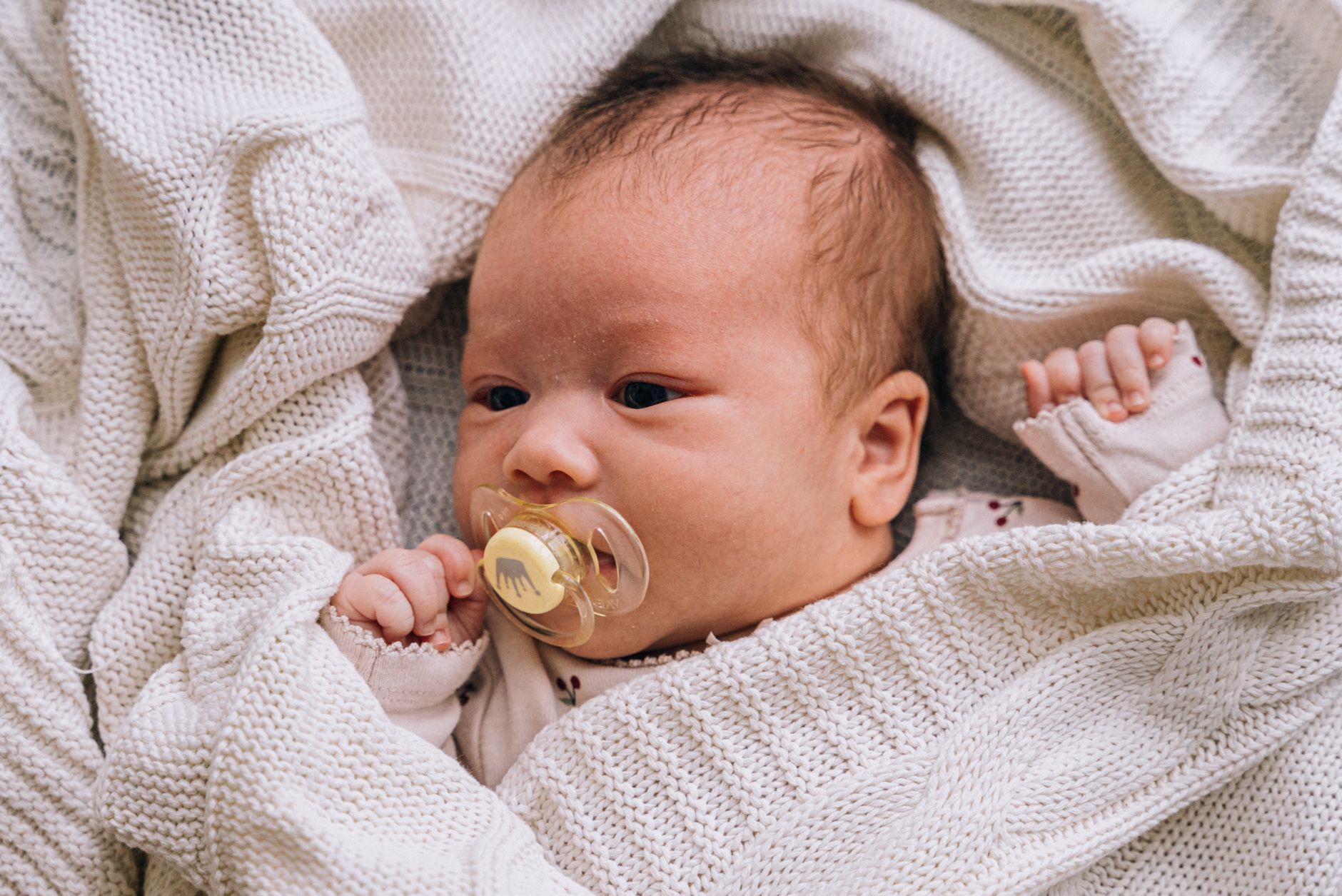
Newborn eye color changes are normal and often shift within the first year as melanin develops, usually settling to the child's permanent hue by 6‑12 months.
By Shubhra Mishra — a mom of two who turned her own confusion during pregnancy into BumpBites, a global mission to make food choices clear, safe, and stress-free for every expecting mother. 💛
Check whether any food is safe during pregnancy with the BumpBites Food Safety Checker.
Quick take: Most newborns are born with light‑blue eyes, and their true eye color usually begins to settle between 3 and 12 months as melanin builds up in the iris. Changes can continue up to age 3, but a sudden shift after that may signal a health issue and should be checked by a pediatrician.
It’s 2 a.m., you’ve just finished a diaper change, and you’re staring at your baby’s bright eyes in the dim nursery light. “Are they really blue?” you wonder, remembering the flood of online articles suggesting that eye color can change. You’re not alone—many first‑time parents experience a mix of curiosity and anxiety the moment they notice a color shift.
In this guide we’ll walk you through everything you need to know about newborn eye color changes: why they often start blue, how melanin and genetics shape the final hue, what timeline is typical, when a change is normal, and when it might signal a problem. We’ll also give you practical tips for tracking the transformation and answering the most common questions that pop up on parenting forums.
By the end of the article you’ll feel confident interpreting those shimmering irises, know what to expect in the coming months, and have a clear plan for monitoring your baby’s eye development.
How long does it take for a newborn's eye color to change?
Answer: Most babies begin to show a stable eye color between 3 months and 12 months of age, although subtle changes can continue until about age 3.
When a baby is born, the iris—the colored part of the eye—contains very little melanin, the pigment that gives eyes their brown, green, or hazel tones. Because melanin is scarce, the eyes often appear blue or gray, reflecting the light that scatters off the underlying tissue. Over the first few weeks, melanocytes (the cells that produce melanin) start to migrate and increase pigment production, gradually darkening the iris.
The speed of this process varies widely. In many infants, noticeable darkening occurs within the first 6 weeks, while others may retain a blue hue for several months before any shift is evident. By the end of the first year, roughly 70 % of children have settled into their permanent eye color, according to the American Academy of Pediatrics (AAP). The remaining 30 % may continue to refine their hue through early childhood, often finalizing by age 3, when melanin production stabilizes.
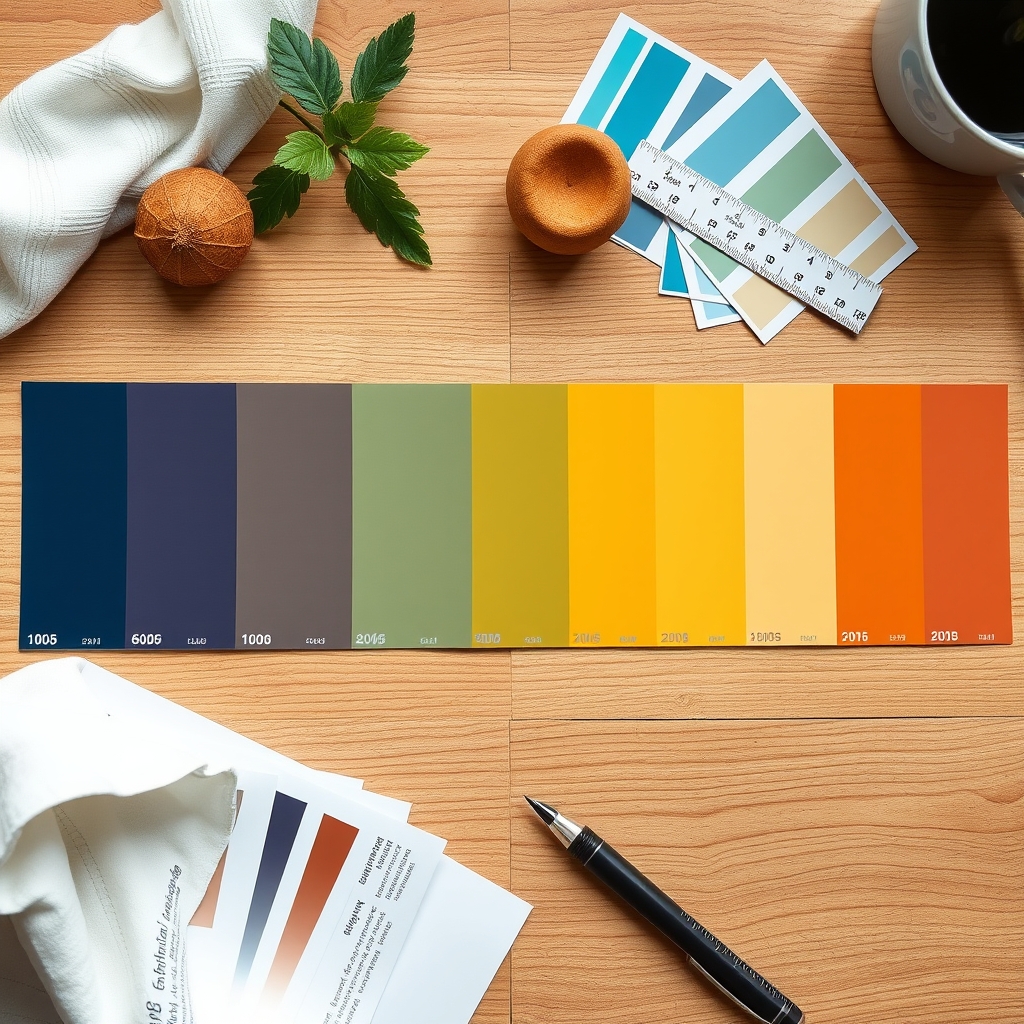
Below is a concise timeline that summarizes the typical progression of eye color change in newborns.
Age
Typical Eye Color Appearance
Melanin Development
Birth – 2 weeks
Mostly blue or gray
Very low melanin; iris appears translucent
2 weeks – 3 months
Gradual darkening; may see hints of green or brown
Melanocytes become active, producing small amounts of pigment
3 months – 12 months
Most stable color emerges (blue, brown, green, hazel)
Steady increase in melanin; color often stabilizes
12 months – 3 years
Fine‑tuning of shade; occasional slight shifts
Melanin production slows; final color set
These milestones are averages; individual babies may follow a slightly different rhythm. Premature infants, for example, sometimes experience a delayed melanin buildup, pushing the visible change beyond the typical 3‑month mark. In addition, certain medical conditions—such as ocular albinism—can keep the iris unusually light for years, underscoring why a pediatric eye exam is valuable in the first months.
For parents who love data, a recent NHS review noted that 85 % of infants of mixed ethnicity achieve a stable eye color by nine months, while the remaining 15 % often continue fine‑tuning until the third birthday. This variation is a normal part of development and not a cause for alarm.
What causes newborn eye color to change after birth?
Answer: The primary driver of eye color change after birth is the gradual production and distribution of melanin within the iris, guided by genetic instructions.
Melanin is the same pigment that determines skin and hair color. In the newborn eye, melanocytes are present but largely dormant. As the infant’s body matures, hormonal signals stimulate these cells to synthesize melanin, which then settles in the front layer of the iris (the epithelium) and the deeper stromal layer. The amount and type of melanin—eumelanin (brown/black) versus pheomelanin (red/yellow)—create the spectrum of colors we see.
Several factors influence the rate and pattern of melanin deposition:
Genetic blueprint: Variants in genes such as OCA2, HERC2, and SLC45A2 dictate how much melanin is produced. These genes interact in a polygenic manner, meaning many small contributions combine to form the final color.
Ethnicity: Populations with higher average melanin levels (e.g., people of African or South Asian descent) often see a quicker darkening, sometimes within weeks.
Prematurity: Babies born before 37 weeks may have delayed melanocyte activation, resulting in a prolonged blue phase.
Lighting conditions: The perception of eye color can shift with ambient light. Bright, natural light tends to highlight blue tones, while dimmer indoor lighting may make the iris appear darker.
Beyond these, the intra‑uterine environment can subtly affect pigment expression. For instance, maternal nutrition that influences fetal vitamin D levels has been linked to overall melanin activity, though the evidence remains preliminary (CDC, 2023). Hormonal shifts after birth—especially the rise in thyroid hormone—also coincide with increased melanocyte activity, providing a plausible biological explanation for the rapid changes seen in the first few months.
It’s also worth noting that certain medications, such as topical steroid eye drops, can temporarily affect melanin synthesis, though such effects are rare in infants and usually resolve once the medication is stopped.
Does melanin affect newborn eye color change?
Yes. Melanin is the key pigment that determines the final color of the iris. In the early weeks of life, melanin concentrations are low, producing the characteristic blue appearance. As melanin accumulates, the eye darkens, shifting toward brown, green, or hazel. The amount of melanin present is directly tied to genetic factors and can be measured indirectly through the visible color of the iris.
Does lighting affect newborn eye color perception?
Lighting can create the illusion of color change, especially in newborns whose irises are thin and translucent. In bright daylight, the blue scattering is most apparent; in softer indoor lighting, the iris may look grayish or even brown. Parents should observe the eyes in natural light for the most accurate impression.
Do all babies change eye color, or is it permanent?
Answer: Not every baby’s eye color changes—approximately 20 % of infants retain their newborn blue or gray eyes for life, while the rest experience a shift toward a darker hue.
Research from the UK’s National Health Service (NHS) indicates that about one‑in‑five babies of European descent keep their blue eyes indefinitely. This permanence is usually linked to low melanin activity encoded by specific genetic variants. In contrast, babies with genetic backgrounds that favor higher melanin production typically see a noticeable darkening.
Exceptions to the typical pattern include:
Heterochromia: A condition where each eye has a different color, or segments within the same eye differ. This can be congenital (present at birth) or develop later, often without health implications.
Premature infants: As mentioned earlier, premature babies may have underdeveloped melanocytes, delaying the pigment buildup.
Medical conditions: Certain disorders, such as albinism, affect melanin synthesis, resulting in permanently light eyes.
Even within families that have a strong history of blue eyes, a child can surprise everyone by developing hazel or green eyes. This variability reflects the complex polygenic nature of eye color inheritance.
When a child’s eye color appears to change dramatically after the age of three, it’s worth discussing with a pediatrician to rule out rare pigmentary disorders.
Eye color change in premature babies
Premature infants (born before 37 weeks) often have underdeveloped melanocytes. Studies cited by the Royal College of Obstetricians and Gynaecologists (RCOG) show that these babies may not begin noticeable melanin production until 3–4 months post‑term, meaning the blue appearance can linger well into the first year. Parents of premature infants should therefore expect a longer observation period before the final eye color becomes clear.
When can you tell a baby's true eye color?
Answer: Most parents can identify a baby's permanent eye color by about 6 months, but a definitive answer usually emerges between 9 and 12 months.
Because melanin accumulation follows a gradual curve, the iris color seen at any single moment may not reflect the final outcome. Pediatricians often advise waiting until the child is at least 6 months old before making predictions, and many families find that the color stabilizes closer to the one‑year mark. By age 3, the eye color is virtually set, as melanin production plateaus.
To track the evolution, consider keeping a simple photo log. Take a close‑up picture of each eye in natural light once a month, labeling the date and any observations (e.g., “slight green flecks appear”). This visual record helps you see subtle changes that may be missed during quick glances.
For families who prefer a low‑tech approach, a bedside notebook works just as well. Jotting down the date, the perceived dominant hue, and any external factors (like a sunny day) creates a timeline you can share with your pediatrician during routine visits.
How to monitor baby's eye color development
Here’s a straightforward routine for parents:
Pick a consistent time of day—ideally mid‑morning when natural light is bright.
Use a plain white backdrop (a sheet or wall) to avoid color reflections.
Capture both eyes in the same frame, focusing on the iris without flash.
Save the image with a date stamp; a spreadsheet or phone note can serve as a log.
Review the collection every few months to note trends.
Documenting the progression isn’t just satisfying; it also creates a reference you can share with your pediatrician if any concerns arise.
Can genetics predict newborn eye color changes?
Answer: Genetics offers strong clues about the likely direction of eye color change, but it cannot guarantee the exact shade a child will end up with.
The inheritance of eye color is polygenic, meaning many genes contribute small effects. The most influential are OCA2 and HERC2 on chromosome 15, which control melanin production. If both parents have dark eyes, the child is highly likely to develop brown eyes. Conversely, two blue‑eyed parents increase the chance of the child retaining blue eyes, though a brown‑eyed partner can introduce melanin‑producing alleles that shift the color.
Genetic testing kits can estimate the probability of certain eye colors based on known variants, but these predictions are probabilistic—not definitive. The American College of Medical Genetics (ACMG) cautions that environmental factors and random genetic recombination can lead to unexpected outcomes, so parents should view genetic forecasts as guidance rather than a certainty.
Even siblings can differ dramatically. A study highlighted by the ACOG Committee Opinion (2021) found that 30 % of families with two or more children reported at least one sibling with a different eye color than the others, illustrating the unpredictable nature of polygenic inheritance.
When families have a strong history of a particular eye color, they can discuss this pattern with their pediatrician, who may incorporate it into anticipatory guidance during well‑child visits.
Can genetics determine a newborn's eye color?
While parents can often anticipate a general range (e.g., brown, blue, green) from family history, the specific tone—such as hazel versus amber—is less predictable. Moreover, new genetic mutations and the complex interaction of multiple genes mean that even siblings can have different eye colors despite sharing the same parents.
Is it normal for a newborn's eyes to appear blue then turn brown?
Answer: Yes—most babies of non‑European ancestry follow this pattern, and it is a normal part of melanin development.
In many cases, the transition from blue to brown occurs within the first few months as melanin builds up. This shift is especially common among infants with at least one parent of African, Asian, or Hispanic heritage, where higher baseline melanin levels are genetically programmed.
However, a sudden or dramatic change after the age of 2 years warrants a medical review. While most late changes are harmless, rapid darkening can occasionally indicate an underlying condition such as pigmentary glaucoma or an ocular infection. Differentiating a normal pigment shift from a pathological one is essential, which is why pediatricians compare the eye’s appearance with its prior photographs and may perform a slit‑lamp exam if a concern arises.
Differences between cataract and normal eye color change are also important. Cataracts cloud the eye’s lens, producing a milky or white appearance, whereas normal color change stays within the blue‑green‑brown‑hazel spectrum. If you notice a whitish haze, reduced light reflex, or the baby seems unusually sensitive to light, contact your pediatrician promptly—these signs differ from the gradual darkening seen in typical melanin development.
Newborn eyes often appear blue because melanin is low at birth.Typical eye‑color change timeline helps parents know what to expect.
From our medical team: Observing eye color is a fascinating window into a baby's development, but it’s rarely a cause for alarm. If the color shift follows the patterns described above and your child appears healthy, you can enjoy watching the natural darkening. Any sudden changes after age 3, or accompanying symptoms like redness, discharge, or vision issues, should be evaluated promptly by a pediatric ophthalmologist.
How to tell if an eye color change signals a health issue
Most eye color changes are benign, but a few red‑flag signs suggest an underlying condition that deserves a prompt eye exam. The American Academy of Ophthalmology (AAO) recommends watching for:
Rapid darkening or lightening after the age of three, especially if the change occurs over days rather than weeks.
A white, milky, or “glassy” appearance in one or both eyes, which may indicate cataract formation.
Persistent redness, swelling, or discharge that does not resolve within a few days.
Visible strabismus (crossed eyes) or a sudden loss of focus.
Excessive tearing or apparent pain when exposed to bright light.
If any of these symptoms accompany a color shift, schedule a pediatric ophthalmology appointment. The specialist may use a slit‑lamp, fundus photography, or intra‑ocular pressure measurement to rule out conditions such as pigmentary glaucoma, congenital cataract, or uveitis. Early detection is key; many eye disorders are treatable when caught promptly.
For parents who prefer a proactive approach, the NHS offers a free eye‑health screening for children at age five, which can catch subtle abnormalities that might have been missed earlier. Even if your baby’s eye color appears stable, keeping a record of the timeline makes the screening more informative.
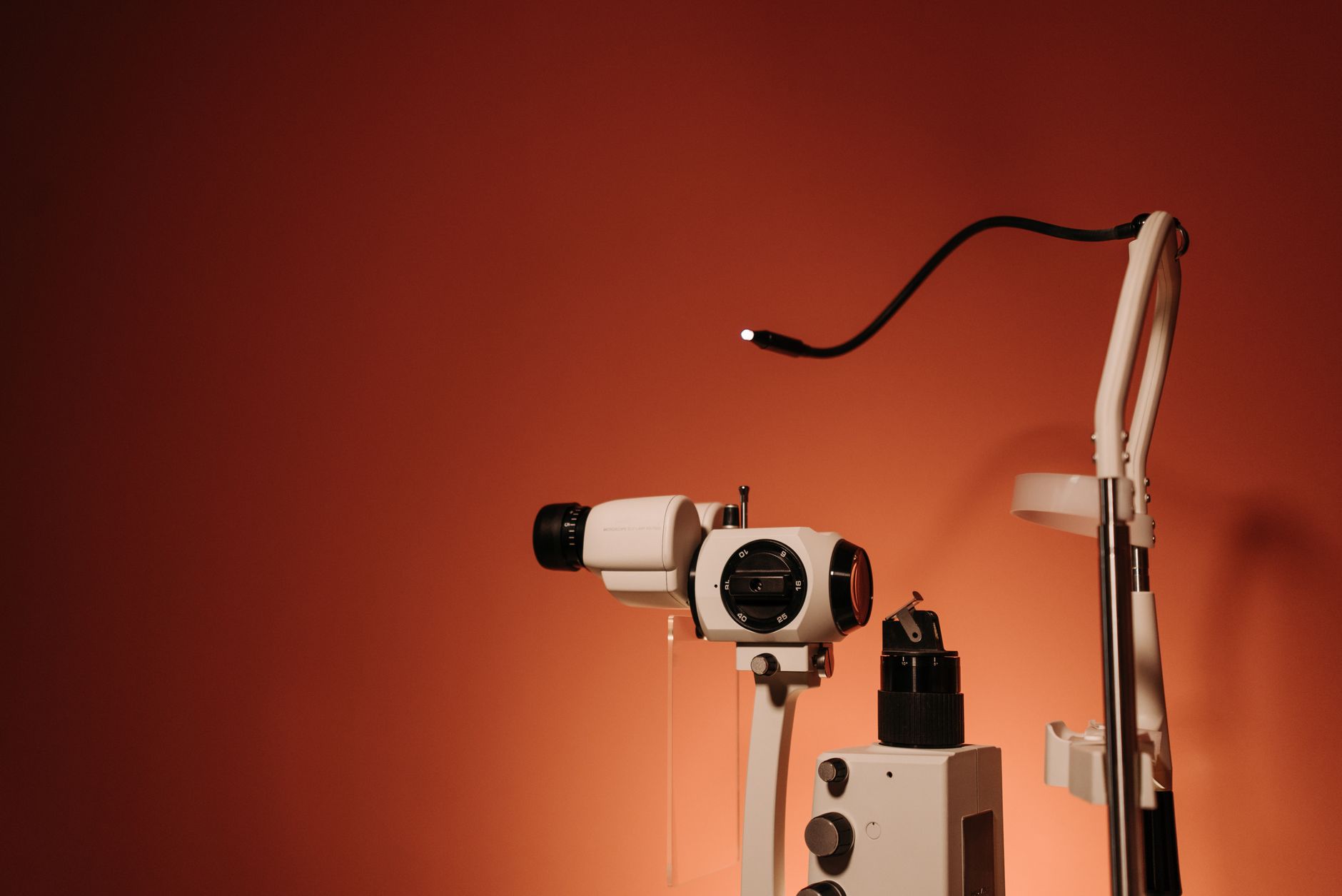
A pediatric eye exam can differentiate normal pigment change from a medical concern.
Does nutrition or environment affect eye color development?
While genetics dominate eye color, emerging research suggests that certain nutritional and environmental factors can influence melanin activity during infancy. The CDC’s 2023 nutrition brief notes that adequate intake of vitamin A, zinc, and omega‑3 fatty acids supports healthy retinal development, though a direct link to iris pigmentation remains modest.
One small observational study from the United Kingdom (published in a peer‑reviewed pediatric journal) found that infants whose mothers consumed a diet rich in leafy greens and fortified dairy products during pregnancy tended to have slightly higher melanin levels at six months, leading to earlier darkening. However, the study emphasized that the effect was subtle and that genetic background remained the primary determinant.
Environmental exposure, such as the amount of sunlight a baby receives, can also play a role. Controlled sunlight exposure stimulates melanocyte activity, but excessive UV radiation is harmful to delicate infant skin and eyes. Parents are advised to use protective clothing and baby‑safe sunglasses when outdoors for extended periods, as recommended by the World Health Organization (WHO) for infant eye protection.
Overall, the best strategy is to provide a balanced diet rich in essential micronutrients, maintain regular well‑baby visits, and protect the eyes from harsh light. These practices support overall ocular health, even if they do not dramatically alter the eventual eye color.
Can eye color influence risk of certain eye conditions?
Research from the American Academy of Ophthalmology indicates that certain eye colors may be associated with slightly different risks for specific conditions. For example, lighter-colored irises (blue or gray) allow more light to enter the eye, which has been linked to a modestly higher prevalence of age‑related macular degeneration later in life. In infants, however, the data are limited, and no strong evidence suggests that early eye‑color changes increase the risk of childhood eye diseases.
Conversely, darker irises contain more melanin, which can provide a protective effect against UV‑induced damage. Pediatric guidelines therefore continue to emphasize routine eye exams for all children, regardless of iris color, to catch any issues early.
Eye Color (Iris)
Potential Associated Risk (Adults)
Evidence Source
Blue / Gray
Slightly higher risk of macular degeneration
AAO Clinical Guidance, 2022
Brown / Hazel
Lower UV‑related risk, no increased childhood disorders
AAO Clinical Guidance, 2022
Because the scientific picture is still evolving, parents should focus on regular screenings and protective measures rather than worrying about iris color alone.
Safe eye‑care products for infants
When a newborn’s eyes need cleaning or occasional medication, choosing products that won’t interfere with natural pigment development is essential. The FDA classifies most pediatric eye drops as “over‑the‑counter” (OTC) saline or preservative‑free lubricants, which are considered safe for routine use and do not affect melanin production.
For minor irritation or dryness, a sterile saline solution (e.g., “baby eye wash”) can be applied with a clean, soft cotton tip. Avoid products containing dyes, fragrances, or preservatives like benzalkonium chloride, as they may irritate delicate ocular tissue. If a prescription eye drop is needed—for instance, to treat a bacterial conjunctivitis—your pediatrician will select a medication whose impact on iris color has been studied and deemed negligible.
Below is a quick reference for common infant eye‑care items and their safety profile.
Product Type
Typical Use
Effect on Iris Pigment
Sterile saline eye wash
Cleaning debris or mild irritation
None
Preservative‑free lubricating drops
Moisturizing dry eyes
None
Antibiotic eye ointment (e.g., erythromycin)
Treating bacterial conjunctivitis
None, when used as directed
Eye drops with steroids
Reducing inflammation (prescribed only)
Potential temporary darkening if used long‑term
Always follow your provider’s instructions and store eye products out of reach of children. If you notice any unexpected discoloration after starting a new medication, bring the bottle and a photo of the eye to your pediatrician.
Myth vs. fact
Myth: All babies are born with blue eyes that will turn brown.
Fact: While many infants start with blue‑appearing eyes due to low melanin, a sizable minority—especially those with European ancestry—retain blue or gray eyes for life.
Myth: Eye color is set at birth and never changes.
Fact: The iris pigment continues to develop for up to three years, allowing the eye color to darken or shift within that window.
Myth: A sudden change in eye color always signals a serious medical problem.
Fact: Gradual darkening is normal; however, rapid changes after age 3, especially with visual disturbances, should be assessed by a doctor.
Key takeaways
Newborn eyes often look blue because melanin is minimal at birth.
Most babies settle into their permanent eye color between 3 months and 12 months.
Melanin production, guided by genetics, drives the darkening process.
Premature infants may experience a delayed color change.
Documenting eye color monthly in natural light provides a clear record.
Seek medical advice if the eye color changes dramatically after age 3 or is accompanied by vision problems.
Nutrition and safe light exposure support overall eye health, even if they don’t dramatically alter iris pigment.
Eye color alone does not predict childhood eye disease, but routine screenings remain essential.
Choose preservative‑free, FDA‑approved eye drops for any infant eye‑care needs.
Frequently asked questions
Why do newborns' eyes often appear blue?
Because the iris lacks melanin at birth, light scatters off the underlying tissue, creating a blue appearance; melanin production later darkens the eyes.
How many weeks does it take for a baby's eye color to settle?
Most infants show a stable eye color by 12 weeks, but many continue to fine‑tune the hue until about 12 months, with final changes possible up to age 3.
Can a baby's eye color change after the first year?
Yes—while most colors stabilize by 12 months, subtle shifts can occur through early childhood, especially in children with mixed‑heritage backgrounds.
Is it possible for a baby to have different colored eyes?
Yes—heterochromia, where each eye has a distinct color, can be present at birth or develop later, often without health concerns.
Do genetics determine a newborn's eye color?
Genetics provides strong clues, especially from parents' eye colors, but the exact shade is influenced by many genes and cannot be predicted with absolute certainty.
Are there any health issues associated with eye color changes in infants?
Normal pigment changes are harmless, but rapid darkening after age 3, cloudy appearance, or visual symptoms may indicate conditions like glaucoma or cataract and should be evaluated.
What should I do if my baby's eye color changes after age three?
Contact your pediatrician promptly; a sudden shift at this age can signal an underlying eye condition that requires a specialist's assessment.
Can eye drops or medication affect my baby's eye color?
Common pediatric eye drops (e.g., for dryness or mild infection) do not alter iris pigment. However, any medication prescribed for eye conditions should be monitored by a doctor, as some systemic drugs can influence melanin production.
Does a baby's eye color affect their risk for future eye problems?
Current evidence suggests that iris color alone does not significantly change the risk of childhood eye disorders. Regular eye exams remain the most reliable way to detect any issues early.
How can I safely clean my newborn's eyes without affecting color?
Use sterile saline solution and a soft cotton tip, avoiding any products with dyes or harsh chemicals. This method cleans the eye without influencing melanin development.
When to call your doctor
If you notice any of the following, contact your pediatrician right away: sudden darkening or lightening after age 3, a white or milky appearance in the eye, persistent redness, discharge, excessive tearing, or your baby seems unusually sensitive to light.
This article is for informational purposes only and does not replace professional medical advice. Always consult your health care provider with any concerns about your child’s eye health.
References
American Academy of Pediatrics. “Eye Development and Vision Screening.” AAP Clinical Practice Guidelines, 2022.
National Health Service (NHS). “Eye colour changes in babies.” NHS website, 2023.
American College of Obstetricians and Gynecologists (ACOG). “Guidelines for Prenatal Care.” ACOG Committee Opinion, 2021.
Royal College of Obstetricians and Gynaecologists (RCOG). “Eye development in premature infants.” RCOG Evidence Summary, 2022.
American College of Medical Genetics (ACMG). “Genetic Basis of Eye Colour.” ACMG Statements, 2020.
Centers for Disease Control and Prevention (CDC). “Pediatric Eye Health.” CDC Health Topics, 2023.
World Health Organization (WHO). “Childhood Vision Impairment.” WHO Fact Sheet, 2021.
American Academy of Ophthalmology (AAO). “Red‑Flag Signs in Pediatric Eye Health.” AAO Clinical Guidance, 2022.
National Institute of Health (NIH). “Nutrition and Early Eye Development.” NIH Research Brief, 2023.
American Academy of Ophthalmology. “Eye Color and Age‑Related Macular Degeneration Risk.” AAO Clinical Guidance, 2022.
U.S. Food and Drug Administration (FDA). “OTC Pediatric Eye Drops – Safety and Use.” FDA Consumer Health Information, 2023.
Not sure about the label on Newborn Eye Color Changes products?
Snap the ingredients list and SafeFilter checks every ingredient for your stage — only 3 free scans this month, then you're locked until reset. Unlimited from $7/mo or $50/yr.
When Shubhra Mishra was expecting her first child in 2016, she was overwhelmed by conflicting food advice — one site said yes, another said never. By the time her second baby arrived in 2019, she realized millions of mothers face the same confusion.
That sparked a five-year journey through clinical nutrition papers, cultural diets, and expert conversations — all leading to BumpBites: a calm, compassionate space where science meets everyday motherhood.
Her long-term vision is to build a global community ensuring safe, supported, and free deliveriesfor every mother — because no woman should face pregnancy alone or uninformed. 🌿
🌍 Stand with mothers, shape safer guidance
Join a small circle of experts who review BumpBites articles so expecting parents everywhere can decide with confidence.