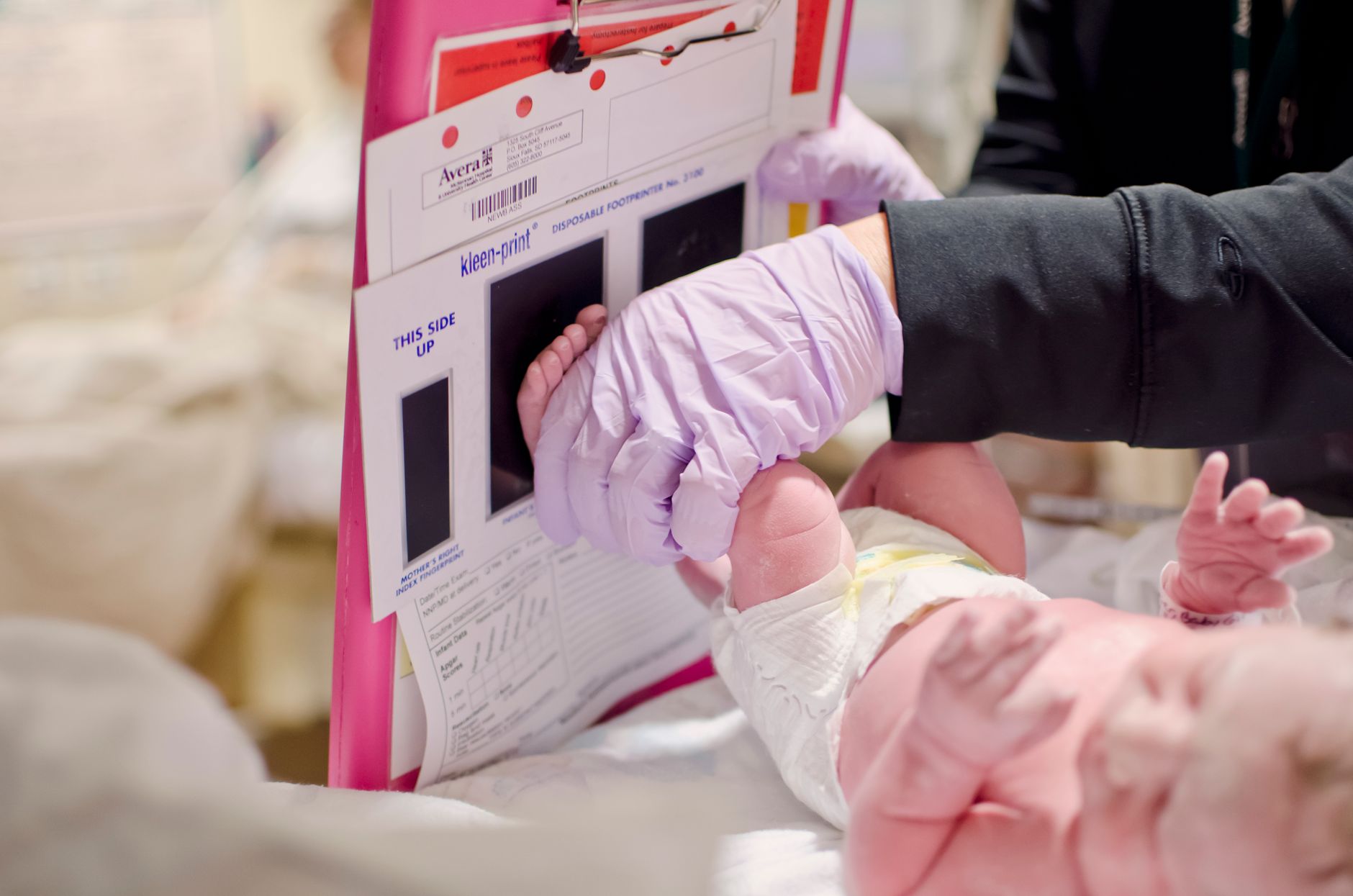
The Finnegan Neonatal Abstinence Score calculator quantifies opioid withdrawal in newborns, providing interpretation of severity to guide treatment and monitoring.
By Shubhra Mishra — a mom of two who turned her own confusion during pregnancy into BumpBites, a global mission to make food choices clear, safe, and stress-free for every expecting mother. 💛
Check whether any food is safe during pregnancy with the BumpBites Food Safety Checker.
Quick take: The Finnegan Neonatal Abstinence Syndrome (NAS) scoring system is a bedside tool that grades a newborn’s withdrawal symptoms from opioids. You add points for 21 observable signs, total the score, and use the result to decide if medication is needed—generally a score ≥ 8 on two consecutive assessments triggers treatment. For an easy, step‑by‑step calculation, try the Finnegan NAS Score calculator.
It’s 2 a.m., you’re in the NICU hallway, and the monitor beeps as a tiny infant wiggles, cries, and sweats. You’ve just heard the word “Finnegan” for the first time, and a flood of questions rushes in: “What does this score mean? How do I add up the numbers? Will my baby need medication?” You’re not alone—parents and clinicians alike grapple with the same concerns when a newborn shows signs of opioid withdrawal.
🔢 Calculate it for your situation: Use our Finnegan NAS Score for a personalized result in seconds.
In this guide we break down the Finnegan scoring system from A to Z. You’ll learn what the score measures, how to calculate it at the bedside, what the numbers translate to in clinical decisions, and where the system falls short. We also compare it with newer approaches like the Eat‑Sleep‑Console (ESC) method, walk through real‑world case examples, and give you a quick reference you can keep on hand.
By the end of this article you’ll be able to confidently track a newborn’s symptoms, interpret the results, and know exactly when to discuss treatment options with your medical team.
What is the Finnegan scoring system and how does it work?
The Finnegan Neonatal Abstinence Syndrome (NAS) scoring system was first described in the 1970s by Dr. Lynne Finnegan and colleagues. It remains the most widely used tool in the United States for quantifying withdrawal severity in infants exposed to opioids (or other sedating substances) in utero. The score is based on 21 clinical signs—ranging from tremors and excessive crying to feeding difficulties and skin mottling—each assigned a weight from 1 to 5 points depending on how strongly the sign predicts withdrawal.
During each assessment, a nurse or physician observes the infant for a standardized period (usually 30–60 minutes) and records the presence or severity of each sign. The points are summed to produce a total score that can range from 0 (no withdrawal) to over 40 (severe withdrawal). The system is deliberately granular: a low‑grade sign such as a mild tremor adds only 1 point, whereas a high‑grade sign like seizures adds 5 points.
Because the score is numeric, it provides an objective way to track trends over time. A rising score suggests worsening withdrawal, while a decreasing score indicates that the infant is stabilizing—often in response to medication or supportive care. The Finnegan score therefore serves two main purposes: (1) to decide when pharmacologic treatment is warranted, and (2) to monitor the effectiveness of that treatment.
It’s worth noting that the tool was originally designed for research settings, but over the decades it has been adapted for everyday clinical use. The consistency of the scoring sheet, combined with institutional protocols, helps reduce the variability that can arise when different clinicians assess the same baby.
Clinicians use the Finnegan tool at the bedside to capture a full picture of the infant’s withdrawal symptoms.
Step‑by‑step guide to calculating the Finnegan score
Calcu
lating the Finnegan score can feel like a checklist, but doing it consistently is key. Below is a practical workflow you can follow on any shift.
Gather supplies. You’ll need a printed Finnegan scoring sheet (or a digital version), a stopwatch, and a quiet environment free from unnecessary stimuli.
Set the observation window. Most hospitals use a 30‑minute observation period, though some prefer 45‑ or 60‑minute windows. The infant should be in a calm state—preferably after a feed and before a scheduled medication dose.
Observe each sign. The 21 signs fall into three categories: central nervous system (CNS) activity, gastrointestinal (GI) function, and autonomic signs. Below is a condensed version of the scoring table; you’ll find the full list on your scoring sheet.
Sign
Points
High‑pitched cry
2 (mild) / 3 (moderate) / 4 (severe)
Sleep pattern
2 (disturbed) / 3 (frequent waking) / 4 (no sleep)
General movements (tremors)
2 (mild) / 4 (moderate) / 5 (severe)
Muscle tone
2 (hypertonia) / 3 (hypertonia with tremors)
Vomiting
2 (once) / 4 (repeated)
Stooling
2 (loose) / 4 (watery)
Fasciculations
2 (mild) / 5 (severe)
Nasogastric tube requirement
2 (present)
Temperature instability
2 (≥ 38 °C or ≤ 36 °C)
Respiratory rate
2 (≥ 80 breaths/min) / 3 (≥ 100 breaths/min)
Seizures
5 (present)
When you encounter a sign, assign the highest applicable point value. For example, if the infant’s cry is high‑pitched and lasts more than 10 seconds, you would record the “moderate” level (3 points) rather than the “mild” level.
Sum the points. Add together the points for every sign observed during the window. This total is the Finnegan score for that assessment.
Document the time. Record the exact start and end times of the observation. Scores are often compared across 8‑hour intervals to assess trends.
Repeat as ordered. Most protocols call for scoring every 3–4 hours during the acute phase, then every 8–12 hours once the infant stabilizes.
If you prefer a digital shortcut, the Finnegan NAS Score calculator lets you tick boxes for each sign and automatically tallies the total, saving valuable time on a busy NICU shift.
Using a paper or electronic scoring sheet helps keep the process systematic and reproducible.
Interpreting the numbers: mild, moderate, and severe withdrawal
Once you have the total, the next question is what the number means for your baby’s care. Most hospitals follow the AAP and American Academy of Pediatrics (AAP) consensus that a score ≥ 8 on two consecutive assessments—or a single score ≥ 12—signals the need for pharmacologic therapy.
Here’s a practical breakdown:
0–3 points: Typically considered no withdrawal. The infant may be asymptomatic or have only mild, transient signs.
4–7 points: Classified as mild withdrawal. Supportive care—quiet environment, frequent feeding, skin‑to‑skin contact—is usually sufficient.
8–12 points:Moderate withdrawal. Most guidelines recommend initiating medication (often oral morphine or methadone) if the score stays in this range for two assessments 8 hours apart.
≥13 points:Severe withdrawal. Immediate treatment is advised, and some centers use a higher dose or add adjunctive agents such as clonidine.
It’s important to remember that the score is a snapshot. A single high score might be a temporary spike due to handling or feeding, while a consistently rising trend is more concerning. Therefore, clinicians always look at the trajectory, not just an isolated number.
In practice, many NICUs also consider “clinical context” when interpreting the score. For example, an infant who is pre‑term or who has concurrent infection may have a lower threshold for starting medication because they have less physiologic reserve. Conversely, an otherwise healthy term infant with a score of 9 that rapidly declines after a few supportive interventions may be managed without drugs.
When to start treatment and how the score guides medication
Medication decisions are anchored to the score because they balance the risks of overtreatment (sedation, prolonged hospital stay) against the dangers of undertreatment (seizures, poor weight gain, prolonged withdrawal). The typical algorithm, endorsed by the CDC’s “Opioid Use in Pregnancy” guidance and the ACOG Practice Bulletin on NAS, is as follows:
If the infant scores 8–12 on two consecutive assessments (usually 8 hours apart), start a low‑dose opioid (e.g., morphine 0.04 mg/kg every 4 hours) and monitor for a 24‑hour reduction.
If the score reaches ≥13 on a single assessment, begin treatment immediately, often with a higher initial dose.
Re‑assess the score every 3–4 hours after medication initiation. A successful response is a drop of at least 2 points per assessment.
When the score falls below 8 for two consecutive assessments, begin a weaning schedule—usually reducing the dose by 10 % every 24 hours.
If the infant’s score rebounds above 8 during weaning, pause the taper and return to the previous dose.
These thresholds are not set in stone. Some hospitals use a lower cut‑off (score ≥ 6) for infants with additional risk factors, such as prematurity or polysubstance exposure. Conversely, the ESC method (discussed later) may forego medication altogether for scores that remain below 12, relying on non‑pharmacologic comfort measures.
Pharmacologic agents most commonly used include oral morphine, methadone, or buprenorphine. Adjuncts such as clonidine or phenobarbital are reserved for refractory cases. The choice of drug, dose, and weaning speed is individualized, and the Finnegan score provides the objective metric to guide those adjustments.
Limitations and criticisms of the Finnegan scoring system
While the Finnegan score is the gold standard, clinicians have identified several practical drawbacks:
Subjectivity. Although the tool provides specific descriptors, interpreting “moderate” versus “severe” can vary between observers. Inter‑rater reliability studies (e.g., AAP 2021) show a kappa of 0.6–0.7, indicating moderate agreement.
Time‑intensive. A full 30‑minute observation plus documentation can be burdensome on busy NICU staff, potentially leading to missed assessments.
Focus on opioid withdrawal. The score assigns points to signs that overlap with other conditions (e.g., hypoglycemia, infection). Without careful clinical judgment, a high score might reflect an unrelated issue.
Late‑onset symptoms. Some infants develop withdrawal signs after 72 hours, beyond the usual scoring window, which can delay treatment.
Limited applicability to non‑opioid substances. While the system captures many symptoms of benzodiazepine or SSRI withdrawal, it may under‑represent certain features like hyperthermia from stimulant exposure.
Because of these concerns, many centers supplement Finnegan scoring with additional tools or adopt newer protocols that emphasize caregiver involvement and non‑pharmacologic care.
Alternatives: Eat‑Sleep‑Console and other emerging tools
The Eat‑Sleep‑Console (ESC) method, championed by the University of Utah’s “Loving Parents” program, shifts the focus from numeric scores to functional outcomes: can the infant eat adequately, sleep long enough, and be consoled without excessive distress? If the answer is “yes” for three consecutive periods (often 8‑hour blocks), medication can be avoided.
Decision criteria. ESC looks for functional stability; Finnegan relies on a numeric threshold.
Resource use. ESC can reduce NICU length of stay by up to 5 days in some studies (e.g., NIH 2022), whereas Finnegan‑guided treatment often leads to longer pharmacologic exposure.
Other tools include the Modified Finnegan (MFN) score, which simplifies the original by combining several items, and the Neonatal Withdrawal Severity Index (NWSI), a research‑focused metric. While none have completely replaced the classic Finnegan system, they illustrate an evolving field that seeks to balance objectivity with practicality.
Practical examples and case studies
Case 1: Mild withdrawal resolved with supportive care. Baby A was born at 38 weeks after the mother’s methadone maintenance therapy. The first Finnegan assessment at 12 hours recorded a score of 5 (high‑pitched cry, mild tremors, and occasional loose stools). The NICU team provided frequent, skin‑to‑skin feeding, dim lighting, and swaddling. A repeat score at 20 hours dropped to 2, and the infant remained below 4 for the next 48 hours. No medication was needed, and Baby A was discharged on day 5.
Case 2: Moderate withdrawal requiring medication. Baby B, born at 39 weeks, had a maternal history of heroin and occasional benzodiazepine use. At 24 hours, the infant’s score was 9 (moderate cry, frequent vomiting, and hyperactive tremors). The team initiated oral morphine at 0.04 mg/kg every 4 hours. Over the next 24 hours, the score fell to 6, then to 4, allowing a gradual wean. Baby B was weaned off medication by day 12 and discharged on day 15.
Case 3: Severe withdrawal with ESC guidance. Baby C’s mother was on buprenorphine. The infant’s first Finnegan score at 18 hours was 14, driven by seizures and severe hyperthermia. The ESC team opted for immediate pharmacologic treatment (morphine) plus a low‑dose clonidine, while also employing ESC principles (rooming‑in, caregiver‑initiated soothing). The combined approach led to a rapid decline in scores, reaching 6 by day 5, and a shorter hospital stay compared with a Finnegan‑only protocol.
These examples illustrate how the same score can lead to different pathways depending on the infant’s overall clinical picture, the presence of comorbidities, and the care model in use.
From our medical team: The Finnegan score remains a valuable, evidence‑based tool for evaluating neonatal opioid withdrawal, but it works best when paired with a compassionate care plan that includes frequent feeding, soothing, and parental involvement. If your baby’s score is trending upward or you notice new symptoms, alert your nurse or doctor right away—early intervention can shorten the withdrawal course and reduce the need for medication.
Monitoring and supportive care beyond the score
Even when the Finnegan score is low, supportive measures are essential. The first 72 hours after birth are a critical window for establishing feeding patterns, maintaining temperature stability, and preventing hypoglycemia. Regular checks of blood glucose, electrolytes, and weight gain help differentiate withdrawal from metabolic disorders.
Non‑pharmacologic strategies—such as low‑light environments, gentle rocking, swaddling, and minimizing invasive procedures—have been shown to lower Finnegan scores by up to 2 points per assessment (NICHD 2021). Parents are encouraged to participate in “kangaroo care” (skin‑to‑skin contact) as soon as the infant is stable; this not only comforts the baby but also promotes bonding and may reduce the total duration of pharmacologic therapy.
Family involvement, breastfeeding, and medication considerations
Breastfeeding is often safe and beneficial for infants with NAS, provided the mother is stable on a maintenance dose of opioid agonist therapy (e.g., methadone or buprenorphine). The American College of Obstetricians and Gynecologists (ACOG) states that breast milk can actually buffer withdrawal because small amounts of the drug pass to the infant, smoothing peaks and troughs.
However, if the mother is using illicit opioids, non‑prescribed benzodiazepines, or is HIV‑positive with a high viral load, breastfeeding may be contraindicated. In those cases, expressed breast milk or formula should be used, and the infant’s Finnegan score should be monitored closely for any changes related to feeding method.
Families should also be educated about the signs of over‑sedation, such as excessive lethargy, poor feeding, or a sudden drop in respiratory rate. When medication is started, the NICU team typically involves a pharmacist to calculate weight‑based dosing and to monitor for drug interactions, especially if the infant is also receiving antibiotics or anticonvulsants.
Long‑term outcomes and follow‑up care
Research from the CDC and the National Institute on Drug Abuse (NIDA) indicates that most infants who experience NAS have normal neurodevelopmental outcomes when they receive timely treatment and appropriate early intervention services. Nevertheless, a subset may face challenges with attention, language, or behavior later in childhood.
Because of this, many programs schedule a follow‑up visit with a pediatrician and a developmental specialist at 2‑4 weeks postpartum, and then at 6‑month intervals through the first two years. Early screening tools—such as the Ages & Stages Questionnaire—can flag delays before they become more pronounced. Parents are encouraged to keep a log of feeding patterns, sleep cycles, and any behavioral concerns to discuss at each appointment.
In addition, families should be connected with community resources for parental support, substance‑use counseling, and home‑visiting programs. A multidisciplinary approach that includes social workers, lactation consultants, and mental‑health professionals has been linked to reduced readmission rates and better developmental trajectories.
🔢 Ready to crunch your numbers? Use our Finnegan NAS Score for a personalized result in seconds.
Myth vs. fact
Myth: A Finnegan score of 0 means the baby will never develop withdrawal symptoms. Fact: A score of 0 reflects the infant’s status at the time of assessment. Withdrawal can emerge later, especially after 48 hours, so ongoing monitoring is essential.
Myth: The Finnegan score alone decides whether medication is given. Fact: Clinicians consider the score alongside the infant’s feeding ability, weight gain, and overall stability before starting pharmacologic therapy.
Myth: The ESC method replaces the Finnegan score entirely. Fact: ESC is an alternative approach that many units adopt alongside Finnegan; both can be used together to tailor care to each baby’s needs.
Key takeaways
The Finnegan score tallies 21 observable signs; a total ≥ 8 on two consecutive assessments usually triggers medication.
Scoring requires a 30‑minute observation window and consistent documentation; use a calculator like the Finnegan NAS Score for quick totals.
Mild scores (0–7) are managed with supportive care; moderate (8–12) and severe (≥13) scores often need opioid medication.
Limitations include subjectivity and time demands; combine the score with clinical judgment and caregiver‑focused methods.
The Eat‑Sleep‑Console approach offers a functional alternative that may reduce medication use for infants with lower scores.
Breastfeeding, when safe, can smooth withdrawal peaks, and long‑term follow‑up helps catch developmental concerns early.
Always alert your care team if the infant shows worsening symptoms, seizures, or a sudden score rise.
Frequently asked questions
What is the Finnegan score used for in newborns?
The Finnegan score quantifies the severity of neonatal opioid withdrawal (NAS) by assigning points to 21 observable signs; clinicians use the total to decide if medication is needed and to track treatment response.
How do you interpret a Finnegan score for neonatal opioid withdrawal?
A score 0–3 suggests no withdrawal, 4–7 indicates mild symptoms manageable with supportive care, 8–12 signals moderate withdrawal that often requires medication, and ≥ 13 denotes severe withdrawal needing prompt pharmacologic intervention.
What is a normal Finnegan score for a baby?
In the context of opioid exposure, a “normal” score is typically below 4, reflecting either no signs or only very mild, transient symptoms that resolve with basic care.
At what Finnegan score do you start medication for NAS?
Most guidelines recommend initiating medication when the infant scores ≥ 8 on two consecutive assessments (usually 8 hours apart) or a single score ≥ 12, though some centers may treat at ≥ 6 if additional risk factors exist.
How often should the Finnegan score be checked in a newborn?
During the acute phase, scoring is performed every 3–4 hours; once the infant stabilizes, assessments are often spaced to every 8–12 hours, always aligning with the unit’s protocol.
What are the limitations of the Finnegan scoring system?
The score can be subjective between observers, is time‑intensive, may miss late‑onset symptoms, and focuses primarily on opioid withdrawal, potentially overlooking other causes of similar signs.
Can non‑pharmacologic care lower a Finnegan score?
Yes. Strategies such as swaddling, dim lighting, frequent feeding, and skin‑to‑skin contact have been shown to reduce scores by 1–2 points per assessment, sometimes avoiding the need for medication altogether.
Is it safe to breastfeed while the baby is being treated for NAS?
When the mother is on a stable dose of a prescribed opioid agonist (methadone or buprenorphine) and has no contraindicating infections, breastfeeding is generally safe and may actually smooth withdrawal peaks, according to ACOG guidance.
When to call your doctor
If your baby shows any of the following—persistent seizures, a sudden score increase of ≥ 5 points, uncontrollable vomiting, temperature ≥ 38.5 °C (101.3 °F) or ≤ 35.5 °C (95.9 °F), or you notice new breathing difficulties—contact your pediatrician or neonatologist immediately. This information is for educational purposes only and does not replace personalized medical advice.
References
American Academy of Pediatrics. “Neonatal Abstinence Syndrome: Clinical Guidelines.” AAP Policy Statement, 2021.
American College of Obstetricians and Gynecologists. “Opioid Use and Neonatal Abstinence Syndrome.” ACOG Practice Bulletin No. 914, 2022.
Centers for Disease Control and Prevention. “Guidelines for Treating Pregnant Women with Opioid Use Disorder.” CDC, 2023.
World Health Organization. “Maternal health and opioid dependence.” WHO Recommendations, 2022.
National Institute of Health. “Eat‑Sleep‑Console (ESC) vs. Finnegan scoring for NAS.” NIH Clinical Trials, 2022.
British National Formulary for Children. “Management of Neonatal Abstinence Syndrome.” BNF for Children, 2023.
U.S. Food and Drug Administration. “Neonatal Opioid Withdrawal: Safety and Efficacy of Pharmacologic Therapies.” FDA Guidance, 2021.
Royal College of Obstetricians and Gynaecologists. “Guidelines on Opioid Use in Pregnancy.” RCOG, 2022.
National Institute of Child Health and Human Development. “Non‑pharmacologic interventions for NAS reduce scoring by up to 2 points.” NICHD, 2021.
National Institute on Drug Abuse. “Long‑term developmental outcomes after NAS.” NIDA, 2023.
Not sure about the label on Neonatal Opioid Withdrawal Finnegan Score Calculator Interpretation products?
Snap the ingredients list and SafeFilter checks every ingredient for your stage — only 3 free scans this month, then you're locked until reset. Unlimited from $7/mo or $50/yr.
When Shubhra Mishra was expecting her first child in 2016, she was overwhelmed by conflicting food advice — one site said yes, another said never. By the time her second baby arrived in 2019, she realized millions of mothers face the same confusion.
That sparked a five-year journey through clinical nutrition papers, cultural diets, and expert conversations — all leading to BumpBites: a calm, compassionate space where science meets everyday motherhood.
Her long-term vision is to build a global community ensuring safe, supported, and free deliveriesfor every mother — because no woman should face pregnancy alone or uninformed. 🌿
🌍 Stand with mothers, shape safer guidance
Join a small circle of experts who review BumpBites articles so expecting parents everywhere can decide with confidence.