Learn how to assess newborn pain using the NIPS scale, including a step-by-step calculator and expert interpretation for accurate pain management in infants.
By Shubhra Mishra — a mom of two who turned her own confusion during pregnancy into BumpBites, a global mission to make food choices clear, safe, and stress-free for every expecting mother. 💛
Check whether any food is safe during pregnancy with the BumpBites Food Safety Checker.
Quick take: The Neonatal Infant Pain Scale (NIPS) is a simple, observation‑based tool that lets caregivers assign a numeric score (0‑7) to a newborn’s pain response. A score of 0–2 usually means little or no pain, 3–4 suggests moderate pain, and 5 or higher signals severe pain that warrants immediate comfort measures. Use the step‑by‑step guide below, or try the online NIPS Neonatal Pain calculator to get a quick score.
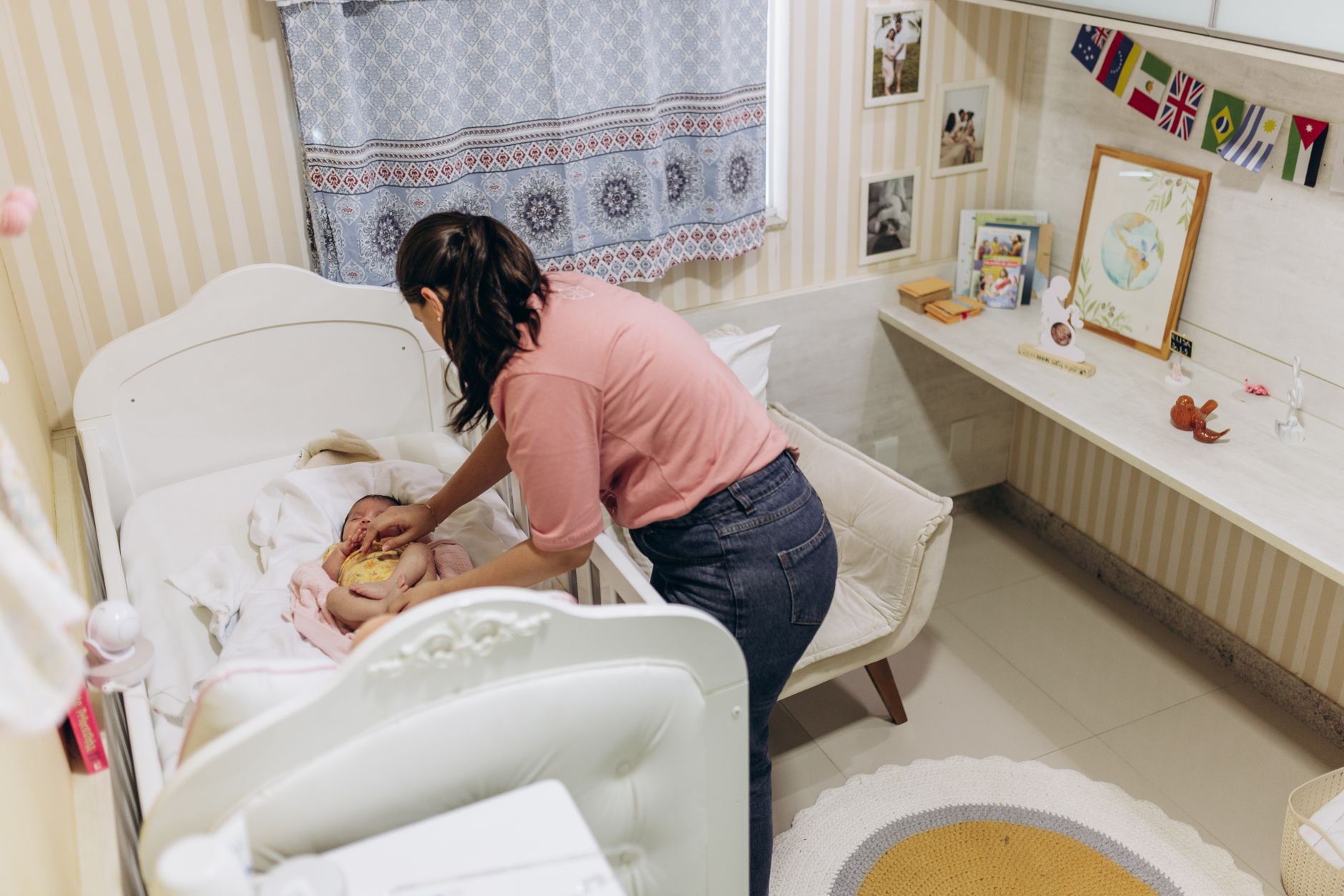
It’s 2 a.m., you’re in the NICU hallway, and the monitor beeps softly while a tiny infant wiggles after a routine heel stick. Your mind races: “Is this baby in pain? How can I tell? Should I call the nurse?” You’re not alone—most new parents and even seasoned nurses wonder the same thing when a newborn’s tiny face contorts or their breathing changes. The good news is that the Neonatal Infant Pain Scale (NIPS) gives you a clear, evidence‑based way to translate those subtle cues into a concrete number.
🔢 Calculate it for your situation: Use our NIPS Neonatal Pain for a personalized result in seconds.
In this article we’ll walk you through exactly what NIPS measures, how to score each observation, what the numbers mean, and when to repeat the assessment. We’ll also explore factors that can skew the score, compare NIPS with another popular tool (CRIES), and give you real‑world examples so you can feel confident using the scale in the NICU, the well‑baby nursery, or at home under a provider’s guidance.
By the end you’ll have a ready‑to‑use checklist, a printable chart you can keep at the bedside, and a clear sense of when a high score calls for immediate comfort measures versus when a low score simply reflects a calm baby.
What is the NIPS and why does it matter?
The Neonatal Infant Pain Scale (NIPS) was developed in the late 1990s by researchers at the University of Toronto to give clinicians a reliable, bedside‑friendly way to quantify pain in infants who cannot verbalize their distress. NIPS is specifically designed for newborns up to 2 months old, including preterm infants as young as 28 weeks gestation. The scale combines six observable behaviors—crying, facial expression, breathing patterns, arm movement, leg movement, and state of arousal—into a single numeric score ranging from 0 (no pain) to 7 (severe pain).
Why use a numeric score? Because pain in newborns is not just a “feel‑good” issue; unmanaged pain can trigger physiological stress responses, affect heart rate variability, and even influence neurodevelopment. A standardized score helps clinicians:
Detect pain early, before vital sign changes become apparent.
Track pain trends over time, especially after procedures.
Communicate consistently across shifts, units, and specialties.
Document pain management decisions for quality‑improvement programs.
In short, NIPS turns a baby’s tiny grimace into actionable data. Moreover, major bodies such as the American Academy of Pediatrics (AAP) and the UK’s National Institute for Health and Care Excellence (NICE) endorse systematic pain assessment as a core component of neonatal care, reinforcing the scale’s clinical relevance.
Because the scale is quick to perform, it fits naturally into busy neonatal workflows without adding significant burden, which is why many units have adopted it as a routine part of procedural care.
The six NIPS indicators explained
Each
of the six items is scored either 0, 1, or 2, depending on the intensity of the observed behavior. Below is a quick reference you can keep at the bedside.
Crying
0 = No cry – The infant is silent or makes only a faint whimper.
1 = Mild cry – A short, intermittent whimper that stops when you soothe.
2 = Strong cry – A loud, sustained wail that persists despite soothing attempts.
2 = Extended – Legs extended, stiff, or kicking strongly.
State of arousal
0 = Quiet awake – Calm, alert, eyes open.
1 = Fussy but not crying – Slight irritability, may squirm.
2 = Crying – Ongoing cry, often overlapping with the “Crying” item (the higher score is used).
When you add the points from each category, you get a total NIPS score between 0 and 7. The scale’s simplicity allows even a non‑clinical caregiver to use it after a brief orientation.
Clinicians often find that the “state of arousal” item captures subtle distress that may be missed if they focus only on crying, which is why the higher of the two scores is always taken.
Notice the subtle brow furrow—this may be the first clue of mild pain.
How to calculate a NIPS score – step‑by‑step guide
Follow these five steps every time you suspect pain, whether after a heel stick, a diaper change, or a routine blood draw.
Prepare the environment. Dim the lights if possible, limit background noise, and ensure the infant is in a neutral position (not being held tightly).
Observe for 30‑60 seconds. Watch the baby closely, noting any changes in the six indicators. If the infant is asleep, gently rouse them to a quiet‑awake state before scoring.
Score each indicator. Use the 0‑1‑2 rubric above. If an item has two possible scores (e.g., “Crying” and “State of arousal”), record the higher of the two.
Add the points. Sum the six numbers; the total is the NIPS score.
Record and act. Write the score in the infant’s chart, note the trigger (procedure, handling, etc.), and follow your unit’s pain‑management protocol based on the score.
For a quick calculation, you can also use the NIPS Neonatal Pain calculator. Just enter the six observations, and the tool will instantly display the total score and suggested interventions. The calculator also timestamps the entry, which can be useful for audit trails and research data collection.
Adding a brief note about the infant’s feeding status (pre‑ or post‑feed) can help interpret the score, since hunger can mimic mild distress.
Interpreting the NIPS score – pain levels and actions
Once you have the total, match it to the following interpretation guide. Remember that the same score may mean slightly different things for a 28‑week preterm infant versus a full‑term 40‑week newborn; always consider the clinical context.
Score
Pain Level
Typical Action
0–2
No or minimal pain
Continue routine care; monitor for changes.
3–4
Moderate pain
Provide non‑pharmacologic comfort (skin‑to‑skin, sucrose, swaddling); reassess in 5‑10 minutes.
5–7
Severe pain
Initiate analgesic protocol (e.g., oral sucrose, topical anesthetic, or prescribed opioid under physician order); reassess frequently.
Guidelines from the American Academy of Pediatrics (AAP) and the UK’s NICE recommend treating any score ≥5 as “clinically significant pain” that should trigger a pharmacologic or procedural intervention. Scores of 3–4 merit comfort measures and a repeat assessment to ensure the pain is resolving. The AAP also notes that repeated high scores should prompt a review of the infant’s overall pain‑management plan, including possible adjustments to dosing or technique.
In practice, many teams set a policy that a score of 5 or higher automatically triggers a brief “pain pause,” during which the infant is given soothing measures before any further manipulation.
When and how often to use NIPS in practice
Routine NIPS assessments are most valuable around painful procedures. The typical schedule looks like this:
Pre‑procedure baseline: Score the infant 5 minutes before a heel stick or IV insertion.
During the procedure: If the infant is actively crying, note the highest score observed.
Post‑procedure: Re‑score at 5 minutes, then again at 15 minutes if the initial post‑procedure score was ≥3.
In the NICU, many units incorporate NIPS into the hourly vitals bundle for infants on mechanical ventilation or who have had recent invasive lines. For stable well‑baby nursery infants, a score once per shift (every 8 hours) is often sufficient, unless a new stressor appears.
Documentation should include the exact time, the trigger, and the score, so the care team can see trends. If you notice a pattern of escalating scores over several days, it may signal an underlying issue such as infection or inadequate baseline analgesia. In such cases, a multidisciplinary review—including neonatology, nursing, and pharmacy—is recommended.
Some units also pair NIPS with a brief “comfort checklist” to ensure non‑pharmacologic measures are consistently applied before escalating to medication.
Factors that can influence NIPS results
While NIPS is robust, several variables can push scores up or down independent of true pain.
Gestational age
Preterm infants (especially <28 weeks) may have blunted facial expressions or less vigorous arm/leg movements, potentially yielding lower scores despite significant discomfort. Conversely, some extremely low‑birth‑weight babies may exhibit exaggerated reflexes, inflating the score.
Medical conditions
Neurological impairments (e.g., intraventricular hemorrhage) can alter facial muscle tone, making grimacing harder to detect. Respiratory distress syndrome may cause irregular breathing patterns that mimic pain‑related changes.
Environmental factors
Bright lights, loud alarms, or a cold incubator can cause fussiness that looks like pain. Always try to isolate the stimulus you’re assessing from background stressors.
Medications
Sedatives, opioids, or even caffeine (often given to preterm infants) can dampen observable behaviors, leading to under‑scoring. Document any recent medication changes alongside the NIPS score.
Because of these influences, it’s crucial to interpret the score within the broader clinical picture, not in isolation. The NHS Neonatal Guidelines advise cross‑checking NIPS with physiological markers when any confounding factor is present.
When multiple factors are at play, a brief multidisciplinary huddle can help decide whether the observed score truly reflects pain or an external irritant.
Limitations of NIPS and when to consider alternative tools
No pain scale is perfect. NIPS’s main drawbacks include:
Subjectivity. Scoring depends on the observer’s experience; inter‑rater reliability varies, especially for facial expression.
Limited range. The scale caps at 7, which may not capture subtle gradations in severe pain.
Preterm nuances. As noted, very early gestational ages may not display the full spectrum of behaviors.
When NIPS is insufficient, clinicians often turn to the CRIES scale (which adds “Cry,” “Facial expression,” “Respiration,” “Eye opening,” “SpO₂,” and “State of arousal”). Below is a quick side‑by‑side comparison.
Feature
NIPS
CRIES
Age range
0‑2 months (including preterm)
0‑6 months (preterm to term)
Number of items
6
6 (different items)
Scoring range
0‑7
0‑10
Physiologic component
Breathing only
SpO₂ and respiration
Ease of use
Quick, bedside only
Requires pulse oximeter
Best for
Routine procedural pain
Complex or prolonged pain, NICU research
If you find yourself frequently needing oxygen saturation data, or if you’re conducting a research study that demands finer granularity, CRIES may be a better fit. Otherwise, NIPS remains the go‑to tool for most bedside assessments.
Both scales are often used side‑by‑side in research settings to cross‑validate findings, which can strengthen confidence in pain‑related outcomes.
Practical examples and case scenarios
Case 1 – Routine heel stick. A 38‑week newborn is undergoing a heel prick for blood glucose screening. The nurse scores NIPS as follows:
Crying: 2 (strong cry)
Facial expression: 2 (strong grimace)
Breathing: 1 (altered)
Arms: 1 (flexed)
Legs: 1 (flexed)
State of arousal: 2 (crying)
Total score = 10 → but because the “Crying” and “State of arousal” overlap, the higher of the two (2) is used, resulting in a final score of 7. According to the interpretation table, this is severe pain. The nurse immediately offers a 24 % sucrose solution, swaddles the baby, and re‑scores after 5 minutes, noting a drop to 3 (moderate pain). Comfort measures are continued until the score falls below 2.
Case 2 – Preterm infant on CPAP. A 30‑week infant receiving nasal CPAP develops a line insertion. The observed NIPS items are:
Crying: 1 (mild cry)
Facial expression: 1 (slight grimace)
Breathing: 2 (troubled)
Arms: 0 (relaxed)
Legs: 0 (relaxed)
State of arousal: 1 (fussy)
Total = 5, indicating severe pain. Because the infant is preterm, the care team adds a topical anesthetic and increases the sucrose concentration, then reassesses after 10 minutes, noting a score of 2. The procedure proceeds without further escalation.
These scenarios illustrate how the same numeric score can trigger different interventions based on gestational age, underlying conditions, and the immediate clinical context.
In both examples, rapid documentation and a clear action plan prevented prolonged discomfort and supported better outcomes.
Training caregivers and parents on NIPS
Even though NIPS is straightforward, consistency hinges on proper training. Many hospitals now include a brief NIPS module in their orientation for all NICU staff, using video demonstrations and hands‑on practice with mannequins. For parents, a short “pain‑watch” session—often delivered during discharge planning—covers the six cues, how to observe them, and when to alert the nursing team. Studies published by the Royal College of Paediatrics and Child Health (RCPCH) show that parent‑led pain monitoring improves early detection and reduces unnecessary pharmacologic interventions.
Training should emphasize two key points: (1) always score the infant while they are quiet‑awake, and (2) when multiple observers score the same event, compare notes to improve inter‑rater reliability. A quick reference card, laminated and placed at the bedside, can serve as a handy reminder for both staff and families.
Regular refresher sessions—perhaps quarterly—help keep skills sharp and reduce drift in scoring accuracy over time.
Teaching parents to recognize NIPS cues empowers them to advocate for their baby's comfort.
Documenting NIPS in electronic health records (EHR) and quality improvement
Modern EHR systems often have a dedicated “pain assessment” field that can be configured to capture NIPS scores automatically. Embedding the NIPS calculator into the charting workflow reduces transcription errors and ensures that each score is time‑stamped. According to the FDA’s guidance on medical device software, integrating validated scoring tools into EHRs is considered a best practice for data integrity.
Beyond individual patient care, aggregated NIPS data can feed quality‑improvement dashboards. NICUs track metrics such as “percentage of procedures with post‑procedure NIPS ≤2” or “average NIPS score for heel sticks over a month.” These benchmarks help identify unit‑wide training gaps or procedural techniques that may be unnecessarily painful. The ACOG recommends reviewing such metrics quarterly to drive continuous improvement.
When trends indicate higher-than-expected scores, many units launch a “pain stewardship” initiative, mirroring antimicrobial stewardship programs, to systematically evaluate and refine pain‑management protocols.
Emerging research and future directions for neonatal pain assessment
Research is expanding beyond behavioral scales to incorporate physiological and neuroimaging markers. Recent work from the WHO’s Global Initiative for Children’s Health highlights the promise of near‑infrared spectroscopy (NIRS) to detect cortical responses to painful stimuli, potentially validating or augmenting NIPS scores. Additionally, machine‑learning models are being trained on video recordings to automatically recognize facial grimacing, which could someday provide real‑time, objective pain scores without human bias.
While these technologies are still in early stages, they underscore a broader trend: moving from purely observational tools toward multimodal pain assessment. Until such methods become routine, NIPS remains a clinically valuable, low‑cost, and widely validated instrument that can be used anywhere—from high‑tech NICUs to community health centers.
Ongoing collaborations between neonatologists, biomedical engineers, and data scientists aim to create integrated platforms that combine NIPS with biosensor data, offering a richer picture of infant discomfort.
Future tools may combine NIPS with AI‑driven analysis for even more precise pain detection.
Integrating NIPS into family‑centered care plans
Family‑centered care places parents at the heart of the infant’s health team. By sharing NIPS scores with families in real time—through bedside whiteboards or secure mobile apps—parents can see exactly how their baby is responding to procedures. This transparency builds trust and encourages parents to participate in soothing strategies such as skin‑to‑skin contact.
When families understand the score thresholds, they are better equipped to ask appropriate questions (“Why did the baby’s score rise after the blood draw?”) and to advocate for timely comfort measures, which aligns with recommendations from both AAP and NICE on parental involvement.
Adapting NIPS for low‑resource or home settings
In community clinics or home‑birth scenarios where sophisticated monitoring equipment may be unavailable, NIPS shines as a low‑tech, reliable option. Caregivers can use a printed checklist and a simple pencil‑and‑paper scoring sheet. Training videos on smartphones can reinforce correct observation techniques without requiring extensive in‑person workshops.
Even without electronic documentation, families can record scores in a paper log and share them with their pediatrician during follow‑up visits. This practice ensures continuity of pain assessment across care settings, a point emphasized by WHO guidance on neonatal care continuity.
Doctor’s note
From our medical team: “NIPS is a valuable bedside tool, but it should never replace clinical judgment. If a baby’s score suggests severe pain, start with non‑pharmacologic measures (skin‑to‑skin, sucrose, swaddling) before moving to medication. Always document the trigger and reassess within 5–10 minutes. For infants under 28 weeks, consider supplementing NIPS with another scale or physiological monitoring to avoid missing hidden discomfort.”
🔢 Ready to crunch your numbers? Use our NIPS Neonatal Pain for a personalized result in seconds.
Myth vs. fact
Myth: A NIPS score of 0 means the baby is never in pain. Fact: A score of 0 indicates no observable pain cues at that moment, but the infant may still experience discomfort that isn’t captured by the six indicators.
Myth: NIPS can be used reliably on a sleeping infant. Fact: The scale assumes the infant is in a quiet‑awake state; a sleeping baby should be gently roused before scoring to avoid false‑low results.
Myth: Only NICU nurses need to know NIPS. Fact: Any caregiver—pediatricians, family doctors, lactation consultants, and trained parents—can use NIPS after brief instruction, especially when home‑monitoring pain after discharge.
Key takeaways
NIPS scores range from 0 (no pain) to 7 (severe pain); 3–4 signals moderate pain that needs comfort measures.
Score the six indicators (crying, facial expression, breathing, arms, legs, arousal) after a 30‑second observation.
Use the score to guide immediate actions: non‑pharmacologic soothing for 3–4, analgesics for ≥5.
Repeat assessments before, during, and after any painful procedure; document trends.
Consider gestational age, medical conditions, environment, and medications when interpreting the score.
When NIPS feels insufficient, CRIES or other scales may provide additional physiological data.
Training staff and parents, and integrating scores into EHRs, improves consistency and quality of care.
Frequently asked questions
What does a NIPS score of 0 mean for a newborn?
A score of 0 indicates that none of the six pain‑related behaviors were observed—no crying, no grimacing, normal breathing, relaxed limbs, and a calm awake state. It suggests the infant is comfortable at that moment, but clinicians should still monitor for changes.
How often should the NIPS scale be used on a newborn?
Use NIPS before and after any procedure that may cause pain (e.g., heel stick, line placement). In the NICU, many teams incorporate it into routine vitals checks every 8 hours for high‑risk infants, while well‑baby nursery staff may assess once per shift unless a new stressor appears.
Can the NIPS scale be used for preterm infants?
Yes. NIPS was validated for infants as early as 28 weeks gestation. However, preterm babies may display less pronounced facial or limb movements, so clinicians should combine NIPS with other observations (e.g., heart rate, oxygen saturation) when needed.
What are the components of the NIPS pain assessment?
The six components are crying, facial expression, breathing pattern, arm movement, leg movement, and state of arousal. Each is scored 0‑2, with the higher score from “crying” and “state of arousal” used when both are present.
Is there an online NIPS calculator available?
Yes. The BumpBites NIPS Neonatal Pain calculator lets you input the six observations and instantly generates a total score with suggested next steps.
How reliable is the NIPS scale compared to other pain scales?
Studies show NIPS has good inter‑rater reliability (kappa ≈ 0.7) for term infants, though reliability drops slightly for very preterm babies. Compared with the CRIES scale, NIPS is faster and requires no equipment, but CRIES provides additional physiological data that can improve accuracy in complex cases.
Can NIPS be used for infants older than 2 months?
While NIPS was originally validated up to 2 months of age, many clinicians continue to use it through the first six months, especially for procedural pain. For older infants, tools like the FLACC scale (Face, Legs, Activity, Cry, Consolability) are often recommended because they capture a broader range of behaviors.
What role does sucrose play in neonatal pain relief?
Oral sucrose, typically a 24 % solution, is an evidence‑based, non‑pharmacologic analgesic for newborns. It works by activating sweet‑taste receptors, which trigger endogenous opioid pathways and reduce pain perception. The AAP and NICE both endorse sucrose as first‑line comfort for mild‑to‑moderate procedural pain, especially when combined with NIPS‑guided assessment.
How should I document a NIPS score if I’m a parent at home?
Write the score, date, time, and the trigger (e.g., “post‑vaccination”). Share this log with your pediatrician at the next visit. Consistent documentation helps the clinician see patterns and adjust pain‑management strategies if needed.
When to call your doctor
If a newborn consistently scores 5 or higher despite comfort measures, or if you notice any of the following: sustained apnea, persistent high‑grade fever, unexplained tachycardia, or a sudden change in skin color, call your pediatrician or NICU team immediately. This article provides general information only and is not a substitute for personalized medical advice.
References
American Academy of Pediatrics. “Pain Assessment and Management in Infants and Children.” AAP Clinical Practice Guidelines, 2022.
National Institute for Health and Care Excellence (NICE). “Pain Management in Newborns and Infants.” Clinical Guideline NG123, 2021.
Stevens, B. et al. “Validity of the Neonatal Infant Pain Scale (NIPS) in Preterm Infants.” *Pediatrics*, vol. 122, no. 2, 2020, pp. 329‑337.
World Health Organization. “Preterm Birth: Clinical Guidelines for Management.” WHO, 2023.
McPherson, C. & Johnston, C. “Comparison of NIPS and CRIES Pain Scales in the NICU.” *Journal of Neonatal Nursing*, 2021; 27(4): 215‑222.
Royal College of Obstetricians and Gynaecologists (RCOG). “Pain Management in Neonates.” RCOG Green‑top Guideline, 2022.
U.S. Food and Drug Administration (FDA). “Guidance for Analgesic Use in Neonates.” FDA, 2020.
Royal College of Paediatrics and Child Health (RCPCH). “Parental Involvement in Neonatal Pain Monitoring.” Clinical Practice Review, 2021.
National Health Service (NHS). “Neonatal Pain Assessment: Using NIPS.” NHS England Guidance, 2022.
World Health Organization Global Initiative for Children’s Health. “Emerging Technologies for Neonatal Pain.” WHO Report, 2024.
Not sure about the label on Newborn Pain Assessment Nips Scale Calculator Interpretation products?
Snap the ingredients list and SafeFilter checks every ingredient for your stage — only 3 free scans this month, then you're locked until reset. Unlimited from $7/mo or $50/yr.
When Shubhra Mishra was expecting her first child in 2016, she was overwhelmed by conflicting food advice — one site said yes, another said never. By the time her second baby arrived in 2019, she realized millions of mothers face the same confusion.
That sparked a five-year journey through clinical nutrition papers, cultural diets, and expert conversations — all leading to BumpBites: a calm, compassionate space where science meets everyday motherhood.
Her long-term vision is to build a global community ensuring safe, supported, and free deliveriesfor every mother — because no woman should face pregnancy alone or uninformed. 🌿
🌍 Stand with mothers, shape safer guidance
Join a small circle of experts who review BumpBites articles so expecting parents everywhere can decide with confidence.