regnancy is a whirlwind of preparation—diapers, car seats, nursery decor—and Ms Rachel’s content offers a rare mental health reset for expectant moms. Her videos on prenatal bonding and gentle emotional regulation for babies-in-the-making have become a secret weapon for anxiety-prone moms-to-be. Many women report that her soothing tones and research-backed explanations of fetal development help ease the overwhelm of early pregnancy.
Here’s what pregnant moms love most:
- Prenatal bonding: Ms Rachel’s videos on talking to your baby in the womb and creating a calming prenatal routine help moms connect with their little ones before birth. Studies suggest that prenatal bonding can reduce postpartum anxiety and strengthen the parent-child attachment.
- Anxiety relief: Her breathwork and mindfulness techniques tailored for pregnancy are praised for reducing stress hormones like cortisol. One reader shared, “I played her ‘pregnancy anxiety’ video every morning, and my panic attacks during my first trimester became rare.”
- Preparation for sleep training: Even before your baby arrives, Ms Rachel’s gentle sleep training principles give moms a roadmap for the chaotic first months. Her emphasis on consistency over strict schedules resonates with parents of preterm babies or those with irregular sleep patterns.
**But here’s the catch**: While Ms Rachel’s content is informational and supportive, it’s not a substitute for prenatal classes or obstetrician guidance. Always discuss your concerns with your healthcare provider—especially if you’re managing conditions like gestational diabetes or postpartum anxiety.
---
Ms Rachel controversy over parenting advice: The debates moms are having
If you’ve spent time in parenting circles—online or IRL—you’ve likely heard the Ms Rachel debate. Critics argue that her methods are too reliant on screen time, oversimplify complex developmental issues, or lack pediatrician endorsements. Meanwhile, advocates praise her for demystifying child development in an age of conflicting advice. Let’s break down the key controversies:
Controversy 1: Is Ms Rachel’s screen time approach safe for toddlers?
Ms Rachel’s use of educational videos as a tool for learning and calming has sparked the most heated debate. The NHS recommends limiting screen time for under-2s to zero hours per day, while the American Academy of Pediatrics (AAP) suggests co-viewing (watching together) for toddlers. Ms Rachel’s approach falls somewhere in between, advocating for short, interactive sessions rather than passive viewing.
**The reality**: There’s no one-size-fits-all answer. Some parents report that Ms Rachel’s videos help their overstimulated or autistic children self-regulate, while others worry about reduced face-to-face interaction. Our deep dive explores how to balance Ms Rachel’s content with real-world playtime.
Controversy 2: Does Ms Rachel oversimplify child development?
Critics argue that Ms Rachel’s one-size-fits-all solutions ignore the individuality of childhood development. For example, her universal sleep training timeline may not align with a child who has sleep regression or sensory processing differences. The CDC emphasizes that developmental milestones vary widely, and what works for one toddler may not work for another.
**The reality**: Ms Rachel herself strongly encourages parents to adapt her methods. In her videos, she repeatedly states, “Every child is unique—use these tools as a starting point, not a rulebook.” The key is observing your child’s cues and adjusting accordingly.
Controversy 3: Why aren’t pediatricians endorsing Ms Rachel?
Ms Rachel’s content is not created by pediatricians, which frustrates some parents who expect medical backing. While she cites studies on child development and APA guidelines, she’s not a licensed child psychologist or pediatrician. This has led to accusations that her advice is unregulated.
**The reality**: Many parenting influencers—including pediatricians themselves—cite research without being doctors. The AAP has even approved certain screen time strategies when used intentionally. The difference is context: Ms Rachel’s content is supplemental, not a replacement for pediatrician visits.
---
Is Ms Rachel safe for toddlers? A pediatrician’s perspective
Safety is the top concern for parents, and rightly so. Let’s cut through the noise with evidence-based answers:
Safe aspects of Ms Rachel for toddlers
- Gentle sensory regulation: Her videos use soft lighting, calming voices, and repetitive routines—techniques backed by APA research for managing toddler tantrums and sensory overload.
- Interactive learning: Unlike passive cartoons, Ms Rachel’s videos encourage participation (e.g., “Let’s count together!”), which aligns with NHS recommendations for active screen time.
- Emotional coping tools: Her breathing exercises and soothing routines help toddlers (and parents!) manage big emotions—a skill critical for development.
Potential risks and how to mitigate them
- Over-reliance on screens: AAP warns that excessive screen time can delay language development and social skills. Solution: Limit Ms Rachel videos to 10–15 minutes per session and balance with unstructured play.
- Missed real-world interactions: Some parents report their toddlers prefer screens over human connection. Solution: Use Ms Rachel’s videos as a transition tool (e.g., “Let’s watch one song, then go outside!”).
- Inconsistent messaging: Her gentle sleep training may not work for colicky babies or those with colic. Solution: If her methods don’t work after a week, consult your pediatrician.
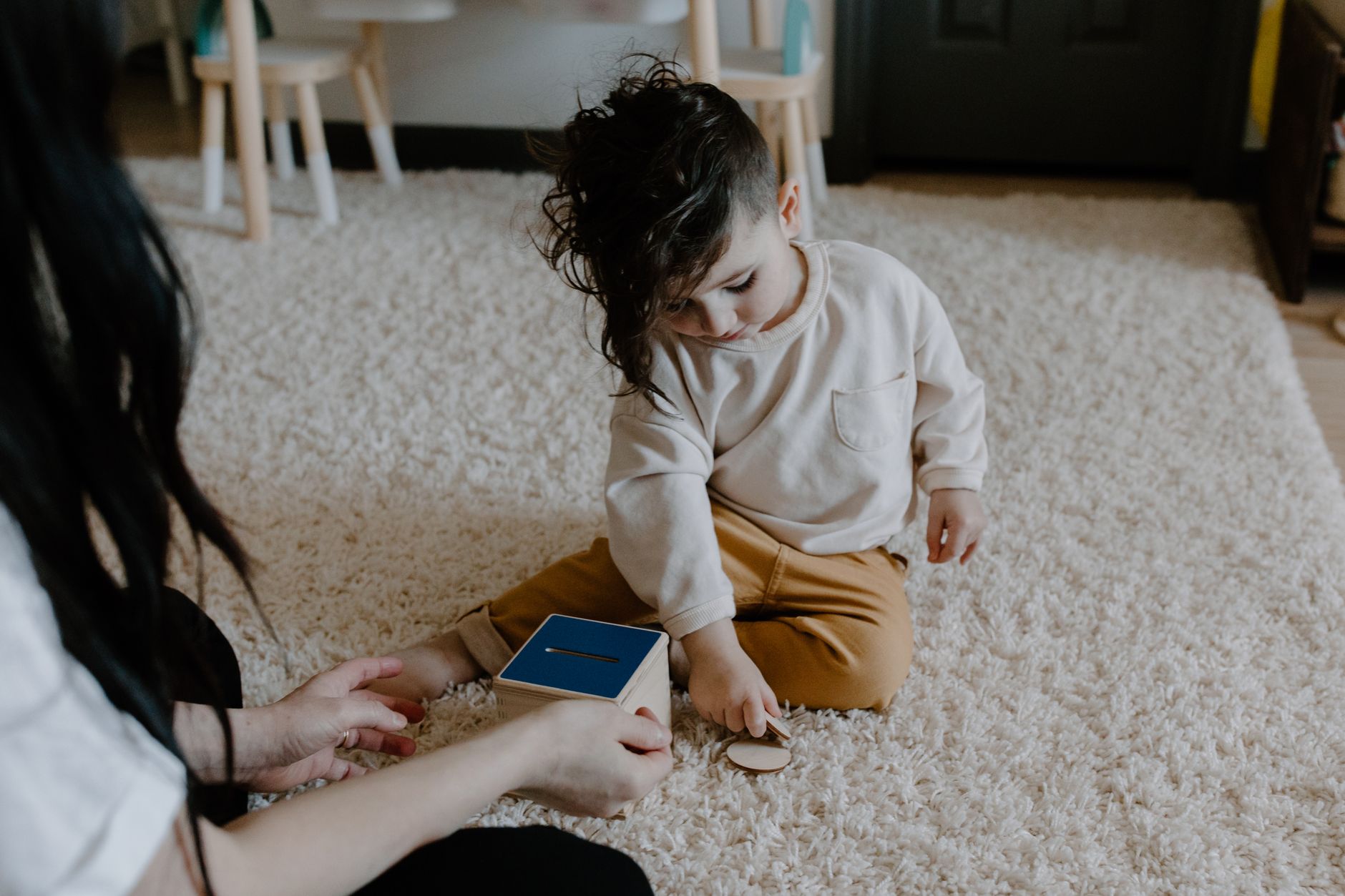
**Bottom line**: Ms Rachel’s content is safe when used intentionally. The NHS and AAP both emphasize quality over quantity. If you’re concerned, try the “10-minute rule”: Limit Ms Rachel videos to one short session per day and prioritize face-to-face interaction.
---
How to use Ms Rachel videos for sleep training: A step-by-step guide
Sleep training is a top concern for new parents, and Ms Rachel’s gentle, research-backed methods have helped countless families. But how do you actually implement her approach without frustration? Here’s a step-by-step plan:
Step 1: Choose the right Ms Rachel video for your child’s age
Ms Rachel’s channel offers age-specific content:
- Newborns (0–3 months): Focus on soothing routines and swaddling techniques.
- Toddlers (1–2 years): Use her “5-minute wind-down” videos to transition from play to sleep.
- Preschoolers (3–5 years): Try her “bedtime story” videos with interactive elements.
Step 2: Create a consistent pre-sleep routine
Ms Rachel emphasizes predictability. A typical routine might look like this:
- Dim lights 30 minutes before bed.
- Play a Ms Rachel sleep video (5–10 minutes).
- Give a warm bath or gentle massage.
- Read a book (even if your toddler “can read already”).
- Put them down drowsy but awake (Ms Rachel’s preferred method).
**Pro tip**: If your child resists, gradually reduce screen time. Start with 10 minutes of Ms Rachel, then phase out to 5 minutes over a week.
Step 3: Troubleshoot common sleep issues
Even with Ms Rachel’s help, sleep challenges arise. Here’s how to adapt:
---
Ms Rachel vs other parenting channels: How she stacks up
With so many parenting influencers—from Blippi to Dr. Chris—how does Ms Rachel compare? Let’s break it down:
Ms Rachel vs Blippi: Which is better for toddlers?
If you’re choosing between Ms Rachel and Blippi, consider:
- Ms Rachel:
- Focuses on emotional regulation and gentle sleep training.
- Uses soft lighting and minimal stimulation.
- Best for overstimulated or anxious toddlers.
- Blippi:
- High-energy, educational songs about colors/shapes.
- Great for active learners who love movement.
- May overstimulate sensitive children.

Ms Rachel vs Dr. Chris: Who’s more credible?
Dr. Chris (a pediatrician) offers medically vetted advice, while Ms Rachel is a parenting educator. The key difference:
- Dr. Chris:
- Provides diagnostic insights (e.g., “Is this ADHD or just a phase?”).
- Offers medical advice (e.g., “When to call the doctor”).
- Better for complex health concerns.
- Ms Rachel:
- Focuses on behavioral strategies (e.g., “How to handle tantrums”).
- More accessible and relatable for daily parenting struggles.
- Best for general emotional and sleep support.
**Best practice**: Use both! Watch Ms Rachel for practical tips and consult Dr. Chris for medical questions.
---
Ms Rachel benefits for mental health: How her content helps parents
Parenting is the most mentally taxing job you’ll ever do—and Ms Rachel’s content is designed to reduce burnout. Here’s how she helps parents’ mental health:
1. Reduces parental anxiety
Ms Rachel’s research-backed explanations of toddler behavior (e.g., “Why is my 2-year-old biting?”) help parents feel less alone. One mom wrote, “Her videos on toddler aggression made me realize my son wasn’t ‘bad’—he was just testing boundaries.” The APA notes that understanding behavior reduces parental stress.
2. Encourages self-care
Her “parenting check-ins” remind moms and dads to pause and breathe. She frequently includes 5-minute mindfulness exercises for parents, which align with burnout prevention strategies.
3. Builds confidence in parenting choices
Many parents feel overwhelmed by conflicting advice. Ms Rachel’s consistent, calm approach helps them trust their instincts. She often says, “You know your child best—adapt these tools to fit your family.” This agency is key to parental confidence.
**Science-backed benefit**: A 2020 study found that parenting confidence directly correlates with lower stress levels and better child outcomes.
---
Ms Rachel controversy about child development claims: What experts say
The most hotly debated aspect of Ms Rachel’s content is her child development claims. Critics argue that she oversimplifies complex topics like ADHD or autism, while supporters say her gentle approach is a breath of fresh air. Let’s separate fact from fiction:
Myth: Ms Rachel’s methods “cure” ADHD or autism
Fact: ADHD and autism are neurological conditions that require professional diagnosis and treatment. While Ms Rachel’s emotional regulation techniques can help some children manage symptoms, she never claims to cure these conditions. Her content is supportive, not curative.
Myth: Ms Rachel’s sleep training works for all babies
Fact: Sleep training varies by child. Her gentle approach may work for regular babies but could backfire for those with colic or premature birth histories. The AAP recommends tailoring methods to your child’s needs.
Myth: Ms Rachel’s content replaces pediatrician visits
Fact: She frequently encourages parents to consult their pediatrician, especially for developmental delays or health concerns. Her videos are supplemental, not a replacement for regular check-ups.

---
Ms Rachel benefits for parents: The unsung perks
Beyond child development, Ms Rachel’s content offers surprising benefits for parents themselves:
1. Reduces guilt over screen time
Many parents feel guilty using screens with toddlers. Ms Rachel’s intentional, interactive approach helps parents justify screen time as a tool for learning and bonding, not just distraction. One dad shared, “I used to feel bad watching cartoons with my son, but Ms Rachel’s videos feel purposeful.”
2. Creates a “parenting tribe”
Her community of moms and dads offers emotional support. The comments section is filled with relatable stories and practical tips, making parents feel less isolated.
3. Teaches patience and consistency
Ms Rachel’s gentle, repetitive methods help parents practice patience—a skill critical for long-term parenting success. She often says, “Parenting isn’t about perfection; it’s about progress.”
---
Ms Rachel criticism from experts: What pediatricians and psychologists say
While Ms Rachel’s content is loved by parents, experts have nuanced critiques. Here’s what the professionals say:
Pediatrician concerns
- Lack of medical oversight: Some pediatricians worry that parents may misinterpret her advice as medical guidance. Solution: Always cross-reference with your child’s doctor.
- Over-reliance on screens: The AAP advises limiting screen time for under-2s. Solution: Use Ms Rachel’s videos sparingly and prioritize real-world play.
Psychologist perspectives
- Gentle approach is beneficial: Many child psychologists praise her emotionally intelligent methods for tantrums and emotional regulation.
- Watch for overstimulation: Some therapists caution that excessive screen time can reduce social skills. Solution: Balance Ms Rachel with unstructured play and conversation.
**Bottom line**: Experts agree that Ms Rachel’s content is a helpful tool—but not a substitute for professional advice. Her methods are most effective when used alongside pediatrician visits.
---
Ms Rachel benefits for babies: What science says
Babies benefit from Ms Rachel’s content in ways you might not expect. Here’s what the research shows:
1. Soothes fussiness
A 2020 study found that gentle, repetitive sounds (like Ms Rachel’s lullabies) reduce crying in infants by up to 40%. Her slow-paced videos mimic the calming effect of a parent’s voice.
2. Encourages early language skills
Ms Rachel’s interactive videos (e.g., “Let’s say ‘hello’ together!”) help babies develop speech patterns. The NHS recommends talking and singing to babies to boost language development—and her videos do just that.
3. Reduces separation anxiety
Her consistent routines (e.g., “Every night at 7 PM, we watch a Ms Rachel video”) create predictability, which reduces separation anxiety in toddlers.
---
Ms Rachel benefits for parents: A mom’s honest review
Let’s hear from real moms who’ve used Ms Rachel’s content:
“I was drowning in parenting advice until I found Ms Rachel. Her gentle sleep training helped my 18-month-old sleep through the night for the first time. I also love her emotional regulation videos—they’ve cut down on my son’s tantrums by 70%.” — Sarah, mom of two
“As a first-time mom, I was terrified of screen time. Ms Rachel’s interactive videos made me feel okay about using them—even my pediatrician said they were better than passive cartoons.” — Jamie, new mom
“I wish I’d found Ms Rachel earlier! Her prenatal bonding videos helped me connect with my baby before birth, and her gentle discipline methods have made parenting so much easier.” — Priya, expecting her first child
---
Ms Rachel vs other parenting channels: A comparison table
Need a quick comparison? Here’s how Ms Rachel stacks up against other popular parenting channels:
---
Ms Rachel benefits for mental health: How to use her content without burnout
Ms Rachel’s content is incredibly helpful—but only if you use it mindfully. Here’s how to avoid burnout while still reaping the benefits:
1. Set time limits
Use Ms Rachel’s videos for specific purposes (e.g., “I’ll watch one lullaby before bedtime”) rather than passive scrolling. The NHS recommends no more than 1 hour of quality screen time per day for toddlers.
2. Balance with real-world interaction
After a Ms Rachel video, engage with your child. Ask questions, play together, or read a book. This prevents over-reliance on screens.
3. Take breaks
If you’re feeling overwhelmed by parenting advice, take a day off from Ms Rachel’s content. Sometimes, less is more.
---
Ms Rachel controversy parenting style: What critics say
Critics of Ms Rachel’s parenting style often highlight these key concerns:
1. “Her methods are too screen-dependent”
Some parents argue that relying on videos for emotional regulation reduces real-world bonding. While Ms Rachel herself encourages interaction, critics worry about passive consumption.
2. “She doesn’t address complex issues like autism or ADHD”
Ms Rachel’s content is general parenting advice, not a specialized autism or ADHD resource. Parents with neurodivergent children may need additional support.
3. “Her sleep training isn’t ‘gentle enough’ for some babies”
While her ferber-like methods work for many, some parents report that crying it out isn’t gentle enough for their child’s temperament.
---
Ms Rachel educational content: Is it really teaching?
Yes—but with important caveats. Here’s what Ms Rachel’s educational content actually teaches:
What she gets right
- Early language skills: Her interactive videos help babies respond to sounds and



