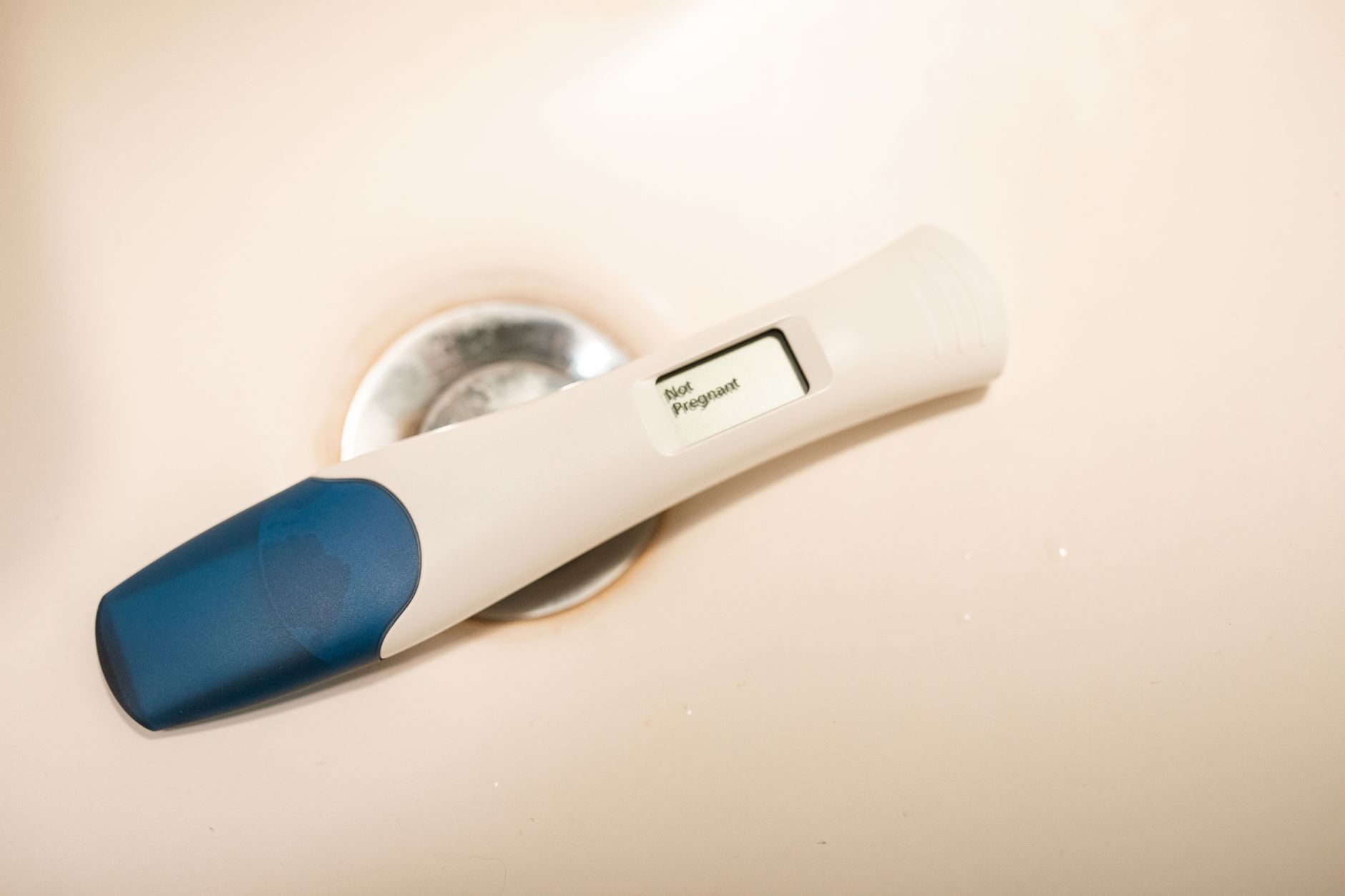
Answer: A late period with a negative pregnancy test often stems from hormonal shifts, stress, early miscarriage, or testing errors. Discover the main reasons.
By Shubhra Mishra — a mom of two who turned her own confusion during pregnancy into BumpBites, a global mission to make food choices clear, safe, and stress-free for every expecting mother. 💛
Check whether any food is safe during pregnancy with the BumpBites Food Safety Checker.
Quick take: A late period with a negative pregnancy test isn’t automatically a cause for alarm, but it does merit a closer look. Common reasons include testing too early, low hCG levels, stress‑related cycle changes, hormonal disorders, early miscarriage, or recent birth‑control changes. If your period doesn’t arrive within two weeks, or you notice worrisome symptoms, schedule a visit with your provider.
It’s 2 a.m. and you’re scrolling through articles, wondering why your period hasn’t shown up and why the pregnancy test you just bought still read “no.” You’re not alone—many people experience this confusing mix of missed periods and negative results. The good news is that most explanations are benign, and you can often pinpoint the cause with a few simple steps.
Below we break down the most common reasons a late period can coincide with a negative test, how to interpret faint lines, when stress or birth‑control might be at play, and exactly when you should reach out to a clinician. By the end of this guide you’ll have a clear picture of what’s normal, what isn’t, and what the next best actions are for your peace of mind.
Why is my period late but pregnancy test negative?
First, let’s address the core question: why might your menstrual bleeding be delayed while the test says you’re not pregnant? The short answer is timing. Home pregnancy tests detect the hormone human chorionic gonadotropin (hCG) in urine, but hCG usually reaches a detectable level 10‑14 days after conception. If you test before that window, the result can be falsely negative even though implantation has occurred.
The journey of hCG begins when a fertilized egg implants into the uterine wall. This tiny embryo then starts producing hCG, which signals the body to maintain the pregnancy. However, the rate at which hCG rises can vary significantly between individuals and even between different pregnancies for the same person. This variability is why waiting is often the most reliable strategy if you’re unsure.
Factors that influence the timing of hCG rise include:
Implantation timing. Implantation can happen anywhere from 6 to 12 days after ovulation. Early implantation may lead to a detectable hCG sooner, while later implantation pushes the test window further out.
Individual hCG production. Some people produce lower amounts of hCG, especially in early pregnancy, which may stay below the sensitivity threshold of most home tests.
Urine concentration. Diluted urine (e.g., after drinking a lot of water) can dilute hCG, making a test read negative.
Because of these variables, ACOG recommends waiting until at least the first day of a missed period—or even a few days beyond—before taking a home test for the most reliable result. If you test on the day you expect your period and it’s still negative, you have a few options:
Retest in 48‑72 hours with first‑morning urine, which is most concentrated.
Consider a serum hCG blood test, which can detect levels as low as 5 mIU/mL, compared with 20‑50 mIU/mL for most over‑the‑counter kits.
Track other signs (breast tenderness, mild nausea) that might suggest early pregnancy despite a negative test.
It’s also worth noting that a missed period can be caused by non‑pregnancy factors—stress, hormonal imbalances, weight changes, and certain medications can all delay the bleed without affecting hCG. The next sections explore those in detail.
Testing first thing in the morning can improve accuracy because urine is more concentrated.
Can stress cause a missed period and a negative pregnancy test?
Stress is a frequent culprit behind a delayed period, and it can also influence how a pregnancy test reads. When you’re under physical or emotional strain, your hypothalamic‑pituitary‑adrenal (HPA) axis ramps up cortisol production. Elevated cortisol can suppress the hormones that drive the menstrual cycle—namely luteinizing hormone (LH) and follicle‑stimulating hormone (FSH). This suppression, often called “stress‑induced amenorrhea,” can push your period back several weeks.
Stress doesn't directly affect hCG levels, but it can indirectly affect test results by altering your ovulation timing. If ovulation is delayed, your period will be delayed, and if you test based on your *usual* cycle length, you might be testing too early in a potentially conceived pregnancy. This is why managing stress can be crucial not just for your overall well-being but also for the predictability of your menstrual cycle.
Many readers share stories like this: “I was working overtime for three weeks, missed my period, and the test said negative. I thought I was fine, but the bleed finally came two weeks later.” In such cases, the delay is usually harmless. However, if stress is chronic—such as ongoing high‑pressure work, severe anxiety, or major life changes—it can lead to longer‑term menstrual irregularities that merit a medical review.
To reduce stress‑related cycle disruptions, try:
Regular, moderate exercise (not excessive cardio that can also affect hormones).
Mind‑body practices like yoga or guided breathing for 10‑15 minutes daily.
Ensuring at least 7‑8 hours of sleep, as sleep deprivation raises cortisol.
Practicing mindfulness or meditation to calm your nervous system.
Seeking support from friends, family, or a therapist if stress feels overwhelming.
If you notice that stress consistently pushes back your period, consider speaking with a mental‑health professional or your OB‑GYN about strategies to restore hormonal balance.
How accurate are home pregnancy tests after a late period?
Home pregnancy tests are designed to be highly specific—meaning a positive result is almost always correct. Sensitivity, however, varies between brands. Most over‑the‑counter kits claim to detect hCG at 25 mIU/mL, but some “early‑detect” tests advertise thresholds as low as 10 mIU/mL. Even the most sensitive tests can miss a pregnancy if you’re testing too early or if your urine is diluted.
Understanding the difference between sensitivity and specificity is key. While a false positive is extremely rare (unless you have a rare medical condition or are on certain fertility medications containing hCG), a false negative is more common. This is typically due to testing too soon, diluted urine, or simply a slower rise in hCG. Always check the expiration date on your test kit, as expired tests can yield unreliable results.
Below is a quick comparison of typical detection limits and recommended testing windows:
Test type
Typical detection threshold (mIU/mL)
Recommended testing day
Notes
Standard OTC urine test
25‑50
Day of missed period or later
Most reliable with first‑morning urine.
Early‑detect OTC test
10‑25
3‑4 days before missed period (still possible false‑negative)
Higher chance of faint lines; read instructions carefully.
Serum hCG blood test
5‑10
Any time after suspected conception
Quantitative result; most accurate, can track rising levels.
According to the FDA, home tests are >99 % specific, meaning a positive result almost always means pregnancy. Sensitivity, however, can be as low as 80‑90 % when used before the expected period. The CDC notes that a single negative test taken before a missed period should be repeated if the period does not arrive within a week.
When you get a faint line, interpret it as a possible early positive. Many tests advise that any visible line, no matter how light, should be considered positive. However, be cautious of "evaporation lines" – these are colorless lines that appear as urine dries, not a true positive. Always read the test within the instructed timeframe (usually 3-10 minutes) and discard it afterward to avoid misinterpreting an evaporation line. If you’re unsure, repeat the test in 24‑48 hours or request a serum hCG from your provider.
Faint lines can indicate low hCG; retest or see a clinician for confirmation.
What medical conditions cause a late period with a negative pregnancy test?
Beyond stress, several medical conditions can delay menstruation while producing a negative pregnancy test. The most common include:
Polycystic ovary syndrome (PCOS)
PCOS is a hormonal disorder characterized by elevated androgen levels and irregular ovulation. Women with PCOS often experience oligomenorrhea (infrequent periods) or amenorrhea (absence of periods). Because ovulation may be infrequent, the timing of a missed period can be unpredictable, and a negative pregnancy test is common when a period is simply delayed.
Diagnosis typically involves an ultrasound showing multiple ovarian follicles and blood tests for hormone levels (LH, FSH, testosterone). The Rotterdam criteria are commonly used for diagnosis, requiring two out of three: irregular periods, signs of high androgens (acne, excess hair), and polycystic ovaries on ultrasound. Treatment may include lifestyle changes, metformin, or hormonal contraceptives to regularize cycles, and specific fertility treatments if trying to conceive.
Thyroid disorders
Both hypothyroidism (low thyroid hormone) and hyperthyroidism (excess thyroid hormone) can affect menstrual regularity. Hypothyroidism often leads to heavier, less frequent periods, while hyperthyroidism can cause lighter, irregular cycles. In either case, hCG production is not directly affected, so pregnancy tests remain negative.
Symptoms of hypothyroidism can include fatigue, weight gain, cold intolerance, and constipation, while hyperthyroidism might present with anxiety, weight loss, heat intolerance, and heart palpitations. Screening with TSH (thyroid‑stimulating hormone) levels is simple and inexpensive. The American Thyroid Association recommends checking thyroid function in anyone with unexplained menstrual changes.
Hyperprolactinemia
Elevated prolactin, the hormone that stimulates milk production, can suppress GnRH and halt ovulation. Causes include pituitary tumors (adenomas), certain medications (e.g., antipsychotics, antidepressants, high blood pressure drugs), or chronic chest wall irritation. A high prolactin level often results in missed periods and a negative pregnancy test, sometimes accompanied by galactorrhea (milky nipple discharge not related to pregnancy or breastfeeding).
Blood work for prolactin, plus imaging if indicated, can pinpoint the source. Treatment may involve dopamine agonists such as bromocriptine or cabergoline, under medical supervision, to reduce prolactin levels and restore regular ovulation.
Premature ovarian insufficiency (POI)
Formerly known as premature ovarian failure, POI occurs when a woman's ovaries stop working normally before age 40. This leads to irregular or absent periods and often symptoms similar to menopause, such as hot flashes, night sweats, and vaginal dryness. While it doesn't mean a complete inability to conceive, it does make it more challenging. A negative pregnancy test is expected as ovulation is infrequent or absent.
If you have a known condition like PCOS, thyroid disease, or POI and experience a missed period, it’s wise to discuss timing with your endocrinologist or OB‑GYN, as they can help you differentiate between a disease‑related delay and a potential early pregnancy.
Could early miscarriage explain a late period and negative test?
Yes. A chemical pregnancy—a very early miscarriage that occurs shortly after implantation—can produce a brief rise in hCG that may be enough to delay your period but not enough for a home test to detect. In many cases, the body clears the tiny amount of hCG quickly, and the next menstrual bleed arrives within a week to ten days after the missed period.
Chemical pregnancies are incredibly common, with some estimates suggesting they account for up to 50-75% of all miscarriages, and many women may not even realize they've had one. While it can be emotionally disheartening, it generally doesn't signify a problem with your ability to conceive in the future. It simply means that for various reasons, the early pregnancy didn't progress. It's not usually caused by anything you did or didn't do.
Signs of a chemical pregnancy often include:
Mild cramping or spotting around the time you expected your period.
Brief breast tenderness or nausea that resolves quickly.
A negative home test despite a few days of missed bleeding.
A faint positive test that quickly turns negative upon retesting.
Because the hCG levels are low, a serum hCG drawn a few days after the missed period may still be detectable, but they often fall rapidly. If you suspect a chemical pregnancy, you can request a quantitative hCG test and a repeat measurement 48 hours later. A declining hCG curve confirms a miscarriage.
While a chemical pregnancy can be emotionally disappointing, it is generally not a sign of underlying fertility problems. The CDC notes that up to 50 % of recognized pregnancies end before a clinical scan, many of which are chemical pregnancies. If you experience multiple early losses, speaking with a reproductive specialist can help identify any contributing factors.
Does birth control affect period timing and pregnancy test results?
Hormonal contraceptives—pills, patches, rings, injections, and IUDs—affect the menstrual cycle in different ways. When you stop a hormonal method, it can take anywhere from a few weeks to several months for your natural cycle to re‑establish. During this transition, a missed period followed by a negative pregnancy test is common and usually not a cause for alarm.
The return to regular ovulation and menstruation varies widely among individuals and depends on the type of birth control used. Your body needs time to readjust its natural hormone production, and your uterine lining needs to rebuild. This "post-pill amenorrhea" can be frustrating if you're trying to conceive, but it's usually temporary.
Combined oral contraceptives (COCs)
COCs suppress ovulation and thin the uterine lining. After stopping, the lining may need a few cycles to thicken enough to trigger a bleed. Many people experience a short “withdrawal bleed” during the placebo week; after discontinuation, the first natural period may be delayed up to 6 weeks. A negative pregnancy test during this window is expected.
Progestin‑only methods
Methods like the mini‑pill, depot injection (Depo‑Provera), or the hormonal IUD can cause irregular bleeding patterns even while in use. After removal, the return to fertility can be delayed—up to 10 months for the injection, according to WHO data. With the mini-pill or hormonal IUD, fertility typically returns more quickly, often within a month, but cycle irregularities can still occur. Testing too early may result in a negative result despite a possible early conception.
Emergency contraception
High‑dose levonorgestrel or ulipristal can temporarily suppress the hypothalamic‑pituitary axis, leading to a delayed period. A negative test 1‑2 weeks after EC is typical; however, if your period is more than two weeks late, repeat testing or a serum hCG is advisable to rule out pregnancy.
When you’re transitioning off birth control, it can help to track basal body temperature, cervical mucus, or use ovulation predictor kits to estimate when ovulation resumes. This data can guide the optimal timing for a home pregnancy test and provide reassurance about your cycle returning to normal.
Weight Changes and Lifestyle Factors
Your body's hormonal balance is intricately linked to your overall health, including your weight and activity levels. Significant changes in either can easily disrupt your menstrual cycle, leading to a late period even with a negative pregnancy test.
Significant weight loss or gain
When you experience rapid or substantial weight loss, especially if it leads to a very low body fat percentage, your body can interpret this as a state of starvation. This can suppress the production of hormones necessary for ovulation, leading to a delayed or absent period. Conversely, significant weight gain, particularly if it's sudden or leads to obesity, can also interfere with hormone regulation, contributing to irregular cycles and conditions like insulin resistance, which is often seen in PCOS.
Excessive exercise
Intense physical activity, especially endurance sports or high-volume training without adequate caloric intake, can also impact your menstrual cycle. Similar to severe weight loss, your body may perceive excessive exercise as a form of stress, leading to a decrease in estrogen production. This can result in exercise-induced amenorrhea, where periods become infrequent or stop altogether. It's a key component of the "female athlete triad" (disordered eating, amenorrhea, and osteoporosis).
If you've recently made drastic changes to your diet or exercise routine, and your period is late with a negative test, consider whether these lifestyle shifts could be the cause. Maintaining a healthy weight range and a balanced exercise regimen is crucial for regular menstrual function. If you suspect your weight or activity levels are affecting your cycle, discuss this with your doctor or a registered dietitian.
Perimenopause and Age-Related Cycle Changes
As women approach their late 30s and 40s, their bodies begin a natural transition called perimenopause, which marks the years leading up to menopause. During this phase, hormonal fluctuations become common, and one of the earliest and most noticeable signs is a change in menstrual cycles. This can easily lead to a late period with a negative pregnancy test.
During perimenopause, estrogen and progesterone levels begin to fluctuate erratically as the ovaries' function declines. This often results in irregular ovulation—sometimes you'll ovulate, sometimes you won't, and the timing can be unpredictable. Consequently, periods may become shorter, longer, lighter, heavier, or simply less frequent. A missed period could be a sign of perimenopause rather than pregnancy, especially if you're in this age bracket.
Other symptoms of perimenopause can include hot flashes, night sweats, mood swings, sleep problems, and vaginal dryness. While it's still possible to conceive during perimenopause (though less likely), a negative pregnancy test after a missed period, combined with other perimenopausal symptoms, strongly suggests that your body is undergoing these natural age-related changes. If you're experiencing these symptoms and are unsure, your doctor can conduct blood tests to check hormone levels (like FSH) to help confirm if you're in perimenopause.
What about Ectopic Pregnancy?
While rare, it's important to be aware of ectopic pregnancy, a serious condition where a fertilized egg implants outside the main cavity of the uterus, most commonly in a fallopian tube. Ectopic pregnancies can sometimes cause a delayed period and, crucially, may initially yield negative or very faint positive home pregnancy tests because hCG levels often rise more slowly or are lower than in a typical uterine pregnancy.
The danger of an ectopic pregnancy is that the fertilized egg cannot survive outside the uterus, and if it continues to grow, it can cause the fallopian tube to rupture, leading to severe internal bleeding. This is a medical emergency.
Symptoms of an ectopic pregnancy can include:
A missed period.
Abdominal pain, often on one side, which can be sharp, dull, or crampy.
Vaginal spotting or light bleeding, which may be brown or watery.
Pain during bowel movements.
Shoulder pain (caused by internal bleeding irritating nerves).
Dizziness or fainting due to blood loss.
If you have a late period, a negative or faint positive test, and experience any of these concerning symptoms, particularly one-sided abdominal pain or severe dizziness, you should seek immediate medical attention. Your doctor will likely perform a blood test to measure hCG levels and an ultrasound to locate the pregnancy. Early diagnosis and treatment are vital to prevent life-threatening complications.
When should I see a doctor for a late period and negative pregnancy test?
If you’ve waited at least two weeks after your expected period and still haven’t seen any bleeding, it’s time to schedule a visit. Specific red‑flag symptoms that warrant immediate care include:
Severe abdominal pain or cramping that’s sudden or worsening.
Heavy, prolonged spotting that looks like a menstrual flow.
Fever, chills, or foul‑smelling discharge (possible infection).
Sudden dizziness or fainting (could signal anemia or internal bleeding).
Intense shoulder pain, especially if accompanied by abdominal pain.
During your appointment, your clinician will take a detailed medical history, including information about your menstrual cycle, sexual activity, and any symptoms you're experiencing. They may order:
A quantitative serum hCG test to confirm pregnancy status and track hormone levels over 48 hours if needed.
Hormone panels (TSH, prolactin, androgens, FSH) if a hormonal disorder like PCOS, thyroid dysfunction, or perimenopause is suspected.
Pelvic ultrasound if a pregnancy is confirmed (to check its location and viability) or if structural concerns (like ovarian cysts) arise.
Referrals to specialists, such as an endocrinologist or reproductive specialist, if underlying conditions are identified.
Early evaluation can clarify whether you’re experiencing a benign cycle delay, an early miscarriage, or a medical condition that needs treatment. Don't hesitate to reach out to your provider for peace of mind and appropriate guidance.
From our medical team: “A missed period with a negative test is often a timing issue. We recommend waiting until the first day of your missed period, using first‑morning urine, and repeating the test after 48 hours if you still don’t see a line. If the period remains absent for more than two weeks, or you have concerning symptoms, a serum hCG and basic hormone work‑up will quickly get to the root cause.”
Myth vs. fact
Myth: A negative pregnancy test always means you’re not pregnant.
Fact: Tests can be negative if taken too early, if hCG levels are low, or if urine is diluted. A repeat test or serum hCG can provide a more accurate answer.
Myth: Stress can’t affect a pregnancy test result.
Fact: While stress doesn’t change hCG, it can delay ovulation and cause you to test earlier than the hormone is detectable, leading to a false‑negative result.
Myth: Birth control guarantees you won’t get a period after stopping.
Fact: Hormonal contraceptives can delay the return of natural cycles for weeks to months, so a missed period after stopping is often normal.
Myth: Any line on a pregnancy test, no matter how faint, means you're pregnant.
Fact: While a faint line often indicates early pregnancy, it's crucial to distinguish it from an "evaporation line" (a colorless line that appears as the test dries). Always read the test within the recommended timeframe.
Key takeaways
Testing too early is the most common reason a missed period and a negative result don’t match; wait until the first day of your missed period or later.
Low hCG levels (early pregnancy or chemical pregnancy) can produce faint lines; repeat testing or a serum hCG can clarify.
Stress, significant weight changes, and intense exercise can delay periods without affecting hCG.
Hormonal disorders like PCOS, thyroid disease, hyperprolactinemia, and premature ovarian insufficiency often cause irregular cycles and negative tests.
Recent changes in birth control can lengthen the time it takes for your natural cycle to resume.
Perimenopause can cause irregular periods and other symptoms that mimic early pregnancy.
An ectopic pregnancy can present with a late period, negative test, and serious symptoms like one-sided abdominal pain; seek urgent care if suspected.
Seek medical care if your period is >2 weeks late, you have severe pain, or you notice abnormal bleeding or infection signs.
Frequently asked questions
Can a pregnancy test be negative if you are pregnant?
Yes. If you test before hCG reaches the detection threshold (usually 10‑14 days after conception) or if your urine is diluted, the result can be falsely negative. A repeat test with first‑morning urine or a serum hCG can confirm.
What are the reasons for a missed period besides pregnancy?
Common non‑pregnancy causes include stress, significant weight loss or gain, intense exercise, hormonal disorders (PCOS, thyroid disease, hyperprolactinemia, POI), recent discontinuation of birth control, perimenopause, and certain medications.
How soon after a missed period can a home pregnancy test detect pregnancy?
Most home tests reliably detect hCG on the first day of a missed period. Early‑detect tests may show a result 3‑4 days before the expected period, but they carry a higher false‑negative rate.
Can stress cause a missed period and a negative pregnancy test?
Stress can delay ovulation, leading to a later period, and may cause you to test earlier than hCG is detectable, resulting in a negative test. Managing stress through sleep, nutrition, and relaxation can help normalize cycles.
When should you see a doctor for a late period with a negative test?
If your period is more than two weeks late, if you have severe pain, heavy spotting, fever, or any signs of infection, schedule an appointment. Your provider may order a serum hCG and hormone panels to identify the cause.
Do hormonal imbalances affect pregnancy test results?
Hormonal imbalances don’t change hCG levels directly, but they can alter the timing of ovulation and implantation, making it easier to test before hCG is high enough to detect, leading to a negative result.
How many days late is considered a missed period?
Generally, a period is considered "missed" if it hasn't arrived by the first day of your expected cycle. If your period is more than a week late, it's a good time to take a pregnancy test. If it's two weeks late with a negative test, it's advisable to contact your doctor.
Can certain medications cause a late period?
Yes, various medications can affect your menstrual cycle. These include some antidepressants, antipsychotics, blood pressure drugs, allergy medications, and certain chemotherapy agents. Always discuss any cycle changes with your doctor, especially if you're on new medications.
When to call your doctor
If you experience any of the following, contact your healthcare provider promptly: sudden severe abdominal pain (especially one-sided), heavy or prolonged bleeding, fever, foul‑smelling discharge, dizziness, fainting, or if your period remains absent for more than two weeks after a missed cycle. This information is for educational purposes only and does not replace personalized medical advice.
References
American College of Obstetricians and Gynecologists (ACOG). “Timing of Pregnancy Tests.” 2023 clinical guidance.
U.S. Food and Drug Administration (FDA). “Home Pregnancy Test Performance.” Updated 2022.
Centers for Disease Control and Prevention (CDC). “Pregnancy Test Accuracy.” 2022.
World Health Organization (WHO). “Guidelines for the Management of Early Pregnancy Loss.” 2021.
National Institute for Health and Care Excellence (NICE). “Polycystic Ovary Syndrome – Assessment and Management.” 2022.
American Thyroid Association (ATA). “Thyroid Function Testing in Reproductive Health.” 2023.
Society for Assisted Reproductive Technology (SART). “Chemical Pregnancy and Early Loss.” 2022.
British National Formulary (BNF). “Hormonal Contraceptives and Return to Fertility.” 2022.
Mayo Clinic. "Ectopic Pregnancy." 2023.
American Society for Reproductive Medicine (ASRM). "Premature Ovarian Insufficiency." 2021.
The Endocrine Society. "Obesity and Women's Health." 2020.
Not sure about the label on Late Period Negative Pregnancy Test Possible Reasons products?
Snap the ingredients list and SafeFilter checks every ingredient for your stage — only 3 free scans this month, then you're locked until reset. Unlimited from $7/mo or $50/yr.
When Shubhra Mishra was expecting her first child in 2016, she was overwhelmed by conflicting food advice — one site said yes, another said never. By the time her second baby arrived in 2019, she realized millions of mothers face the same confusion.
That sparked a five-year journey through clinical nutrition papers, cultural diets, and expert conversations — all leading to BumpBites: a calm, compassionate space where science meets everyday motherhood.
Her long-term vision is to build a global community ensuring safe, supported, and free deliveriesfor every mother — because no woman should face pregnancy alone or uninformed. 🌿
🌍 Stand with mothers, shape safer guidance
Join a small circle of experts who review BumpBites articles so expecting parents everywhere can decide with confidence.